
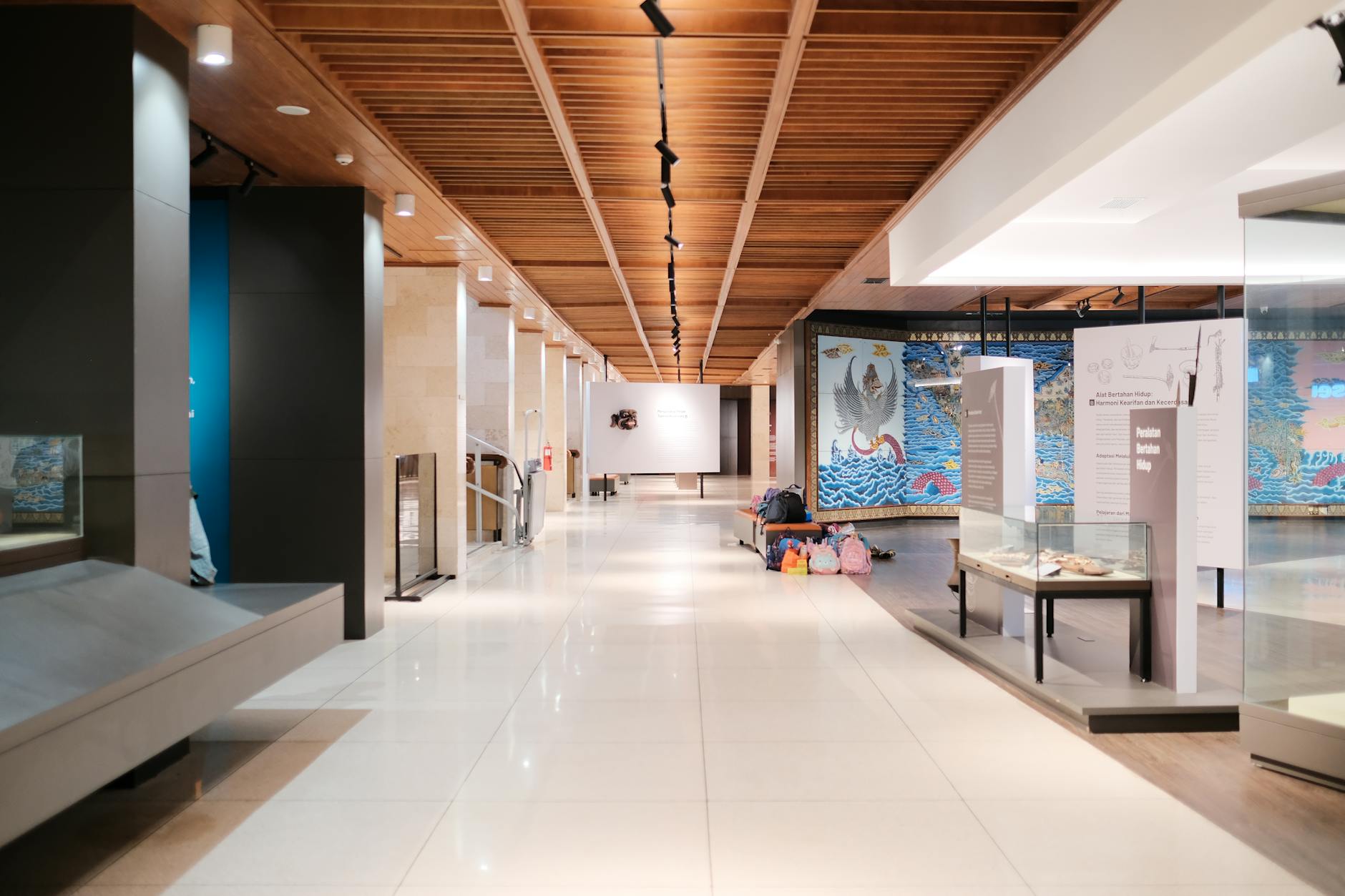
Adelaide’s reputation as Australia’s cultural capital is richly deserved, and nowhere is this more evident than in its extraordinary collection of museums and galleries. From the nation’s finest free art gallery to the world’s largest collection of Aboriginal cultural material, from hands-on interactive science exhibits to vintage car collections in the hills — Adelaide offers a depth and diversity of cultural institutions that rivals cities many times its size. This complete guide covers every major museum and gallery, with practical tips for making the most of your cultural exploration.
What makes Adelaide’s museum scene particularly appealing is the accessibility — most major institutions offer free entry, they’re concentrated within walking distance on North Terrace, and the collections are genuinely world-class. You can easily visit three or four institutions in a single day, combining art, natural history, and cultural experiences into an unforgettable exploration of Adelaide culture.
North Terrace Cultural Precinct: Adelaide’s Museum Mile
North Terrace is Adelaide’s grand boulevard and cultural spine — a tree-lined promenade stretching from the Festival Centre in the west to the Botanic Gardens in the east, with the state’s most significant cultural institutions lined up along its length. This walkable strip (approximately 1.5km) contains enough cultural riches to fill several days, and best of all, entry to the major institutions is free.
Art Gallery of South Australia (AGSA)
The Art Gallery of South Australia is one of Australia’s most significant visual arts institutions, housing over 45,000 works spanning thousands of years from ancient civilisations to contemporary installations. It’s the second-largest state art collection in Australia (after the National Gallery of Victoria), yet feels far more intimate and accessible than its Melbourne counterpart.
The Collections
AGSA’s collection is organised across several wings, each offering a distinct artistic journey:
Australian Art (Elder Wing): A comprehensive survey of Australian art from colonial times to the present. Key works include iconic Australian paintings, significant collections of early colonial watercolours documenting the Australian landscape, and powerful contemporary Indigenous works. The Australian collection is particularly strong in Adelaide-connected artists and South Australian landscapes.
Asian Art: AGSA houses one of Australia’s finest Asian art collections, with a particular strength in ceramics and textiles. The gallery’s collection of Southeast Asian ceramics is internationally recognised, and the rotating exhibitions draw from an extensive archive rarely seen elsewhere in Australia.
European Art: From Renaissance masters through to Impressionism and early modern works, the European collection features significant paintings and sculptures spanning 500 years. Rotating selections ensure there’s always something new to discover.
Contemporary Art: Dedicated galleries showcase Australian and international contemporary art, with exhibitions changing regularly. AGSA’s contemporary programming is adventurous and thought-provoking.
Tarnanthi Festival
Each year, AGSA hosts Tarnanthi — Australia’s most significant festival of contemporary Aboriginal and Torres Strait Islander art. Running from October, Tarnanthi features major exhibitions at AGSA alongside satellite exhibitions at galleries across Adelaide. The festival showcases the extraordinary diversity and dynamism of First Nations contemporary art, from remote community painters to urban multimedia artists. If your visit coincides with Tarnanthi, it’s an unmissable cultural experience.
Practical Information
Entry: Free (special touring exhibitions may have a ticketed component).
Hours: Daily 10am-5pm. First Friday of each month open until 9pm (with special programming, live music, and bar service — known as “First Fridays”).
Location: North Terrace, between the SA Museum and University of Adelaide.
Tips: Start at the ground floor for the Australian collection, work up for European and Asian. The gallery shop sells high-quality art books and unique gifts. The gallery’s rooftop restaurant offers excellent lunch options with views. Free guided tours run daily — check at the front desk for times.
South Australian Museum
Adjacent to AGSA on North Terrace, the South Australian Museum is one of the most visited museums in Australia and houses collections of extraordinary significance. The museum’s focus spans natural history, earth sciences, and cultural heritage, with several collections of genuine global importance.
World’s Largest Aboriginal Cultural Collection
The SA Museum holds the world’s largest and most comprehensive collection of Aboriginal Australian cultural material — over 30,000 objects documenting the rich cultural heritage of Australia’s First Nations peoples spanning tens of thousands of years. The Australian Aboriginal Cultures Gallery presents this collection with sensitivity and depth, featuring tools, weapons, ceremonial objects, art, and everyday items that tell the story of the world’s oldest continuing culture. Interpretive displays provide cultural context from Aboriginal community perspectives.
Other Major Galleries
Egyptian Mummies: The museum’s Ancient Egyptian gallery features genuine mummies, sarcophagi, and artefacts spanning 3,000 years of Egyptian civilisation. It’s a perennial favourite with children and history enthusiasts.
Antarctic Exploration: SA Museum has strong connections to Antarctic exploration history, with exhibits relating to Sir Douglas Mawson’s expeditions. The gallery tells the gripping story of early 20th-century polar exploration through artefacts, photographs, and multimedia displays.
Opal Gallery: South Australia produces the majority of the world’s opals, and the museum’s gallery showcases an extraordinary collection of these iridescent gemstones, including the world’s largest opal matrix boulder. Interactive displays explain the geology and mining heritage of South Australia’s outback opal fields.
Natural History: Extensive biodiversity galleries feature mounted specimens, geological displays including meteorites and fossils, and marine biology collections. The whale skeleton suspended from the ceiling is an iconic museum image.
Entry: Free. Hours: Daily 10am-5pm.
Beyond North Terrace: Inner City Galleries
Tandanya National Aboriginal Cultural Institute
Located on Grenfell Street in the East End, Tandanya is Australia’s oldest Aboriginal-owned and managed art gallery and cultural centre. The name means “place of the red kangaroo” in Kaurna language (the traditional owners of the Adelaide Plains), and the institution serves as a vital space for First Nations art, performance, and community.
Tandanya’s rotating exhibitions showcase Aboriginal and Torres Strait Islander artists from across Australia, from established names to emerging talents. The gallery spaces are complemented by a performance venue hosting dance, music, and theatre, a shop selling authentic Aboriginal art and crafts (an excellent place to purchase genuine Indigenous art directly supporting artists), and a cafe. Cultural workshops and artist talks are regularly scheduled. Tandanya is particularly significant during the Adelaide Fringe and NAIDOC Week when programming intensifies.
Entry: Free for main galleries. Hours: Monday-Saturday 10am-4pm.
JamFactory
On Morphett Street near the Central Market, JamFactory is a unique institution combining craft studios, galleries, and a design shop. Founded in 1973, it’s Australia’s leading organisation for contemporary craft and design, supporting artists working in glass, ceramics, furniture, and jewellery through residency programs.
Visitors can watch artists at work through viewing windows into the hot glass studio (glass-blowing demonstrations are mesmerising), browse rotating exhibitions of stunning contemporary craft in the gallery spaces, and purchase one-of-a-kind pieces in the retail shop. JamFactory’s exhibitions feature both resident artists and invited national/international makers, with shows changing regularly. The shop is one of Adelaide’s best destinations for unique, handmade gifts — particularly glass art, ceramics, and designer furniture. Close to the Adelaide Central Market, it pairs perfectly with a market visit.
Entry: Free. Hours: Monday-Saturday 10am-5pm, Sunday 11am-5pm.
Migration Museum
Tucked behind the State Library on Kintore Avenue, the Migration Museum tells the stories of South Australia’s diverse communities through the lens of migration. Housed in a heritage building that was formerly the Destitute Asylum (adding poignant historical context), the museum explores why people came to South Australia, what they brought with them, and how they shaped the state’s multicultural character.
Permanent and rotating exhibitions cover experiences from early colonial settlement through gold rush immigration, post-war European migration, and contemporary refugee stories. The museum’s approach is personal and moving — individual stories bring broader historical movements to life. A community gallery features exhibitions curated by Adelaide’s diverse cultural communities.
Entry: Free. Hours: Monday-Friday 10am-5pm, weekends 1pm-5pm.
MOD. at UniSA: The Future Museum
Located on North Terrace within the University of South Australia campus, MOD. is unlike any other museum in Adelaide — or Australia. This futuristic interactive exhibition space explores the intersection of science, technology, art, and human experience through immersive, hands-on installations that change regularly. Think less “museum” and more “interactive laboratory for the curious mind.”
Exhibitions at MOD. have explored topics including artificial intelligence (where you interact with AI in real-time), the human microbiome (complete with bacterial visualisations of your own body), the future of food, climate change, and digital creativity. Every exhibition is designed to be touched, played with, and actively experienced rather than passively observed. It’s particularly brilliant for teenagers and young adults (ages 12-25), who are often underserved by traditional museums. However, adults will find it equally fascinating.
Entry: Free. Hours: Tuesday-Saturday 10am-5pm (late opening some Thursdays). Check the website for current exhibitions and events.
Outer Adelaide Museums
National Motor Museum, Birdwood
Located in the picturesque Adelaide Hills township of Birdwood (approximately 30 minutes’ drive from the CBD via the scenic Norton Summit or Chain of Ponds roads), the National Motor Museum houses one of Australia’s largest collections of vintage, veteran, and classic motor vehicles — over 400 cars, motorcycles, commercial vehicles, and bicycles spanning from the 1890s to modern supercars.
The collection includes Australian automotive history (Holden, Ford Australia) alongside international marques, motorsport vehicles, and uniquely Australian inventions. Interactive exhibits allow visitors to sit in certain vehicles, and the museum regularly hosts special exhibitions focusing on particular eras or marques. The grounds are beautiful for a picnic, and the drive through the hills is an attraction in itself — combine with a stop at a hills village cafe for a perfect Adelaide day trips outing.
Admission: Adults approximately $16, Children approximately $8. Hours: Daily 10am-5pm.
South Australian Maritime Museum, Port Adelaide
Port Adelaide’s Maritime Museum tells the story of South Australia’s relationship with the sea across two sites: the main museum on Lipson Street and the Lighthouse Museum nearby. Exhibits cover colonial-era sailing ships, immigration by sea, whaling history, naval warfare, commercial shipping, and recreational boating. You can board a historic ketch, explore a replica lighthouse (with harbour views from the top), and discover the submarine HMAS Otway — one of only a few decommissioned submarines open to the public in Australia.
Port Adelaide itself is a fascinating heritage precinct worth exploring, with colonial-era architecture, antique shops, and the famous Fishermen’s Wharf Market on Sundays. Reach Port Adelaide easily via the Outer Harbor train line (30 minutes from the city).
Admission: Adults approximately $15, Children approximately $8. Hours: Daily 10am-5pm.
South Australian Aviation Museum
Located at Port Adelaide near the commercial airport site, the SA Aviation Museum is a volunteer-run collection of historic aircraft, engines, and aviation memorabilia housed in large hangars. Aircraft range from WWI-era biplanes to Cold War-era fighters, with many unique Australian-built aircraft represented. For aviation enthusiasts, it’s a hidden gem — the dedicated volunteers often offer personal tours with extraordinary depth of knowledge.
Admission: Free (gold coin donation appreciated). Hours: Daily 10:30am-4:30pm.
Commercial Galleries and the Art Scene
Beyond the public institutions, Adelaide has a thriving commercial gallery scene concentrated in several precincts. The East End (Rundle Street area) hosts numerous galleries specialising in contemporary Australian art. Prospect Road in the northern suburbs has emerged as a gallery strip with artist-run spaces. Magill Road in the eastern suburbs features a cluster of antique and fine art dealers.
During the Adelaide Fringe, artist studios and pop-up galleries open across the city, and the annual SALA Festival (South Australian Living Artists) in August sees hundreds of exhibitions in unconventional spaces — cafes, shops, private homes, and offices transform into galleries for the month. First Fridays at AGSA combine gallery viewing with music and drinks for a social art experience.
Planning Your Museum Day: Walking Itineraries
Adelaide’s concentrated cultural precinct makes it possible to visit multiple institutions in a single day. Here are suggested itineraries:
Half-Day Cultural Walk (3-4 hours): Start at AGSA (allow 90 minutes for highlights), walk next door to SA Museum (60 minutes for key galleries), continue to the Botanic Gardens for a refreshing break. All free.
Full-Day Deep Dive (6+ hours): Begin at SA Museum (2 hours), lunch at the AGSA rooftop restaurant, afternoon at AGSA (2 hours), walk to Tandanya (1 hour), finish with dinner in the East End. Add MOD. if energy permits.
Rainy Day Option: Perfect for Adelaide’s cooler months — combine indoor museums with breaks at best cafes Adelaide along North Terrace and Rundle Street. All major institutions are within covered walking distance.
Family-Friendly Route: SA Museum (kids love the Egyptian mummies and whale skeleton), MOD. (interactive heaven for older kids), Nature’s Playground at Adelaide Zoo (just beyond the Botanic Gardens). See our Adelaide family attractions guide for more ideas.
Tips for Museum Visitors
- Most major museums are closed on Christmas Day and Good Friday only — they’re open every other day of the year
- Photography is permitted in most galleries (no flash) but check signage for temporary exhibitions which may have restrictions
- Free guided tours are offered at AGSA and SA Museum daily — check at reception for times
- Audio guides are available at AGSA for a small fee, offering deeper insight into key works
- Wednesday and Thursday mornings are typically the quietest times to visit
- Student and concession discounts are widely available at paid-entry museums
- The free tram stops directly outside North Terrace institutions (University/Museum stop)
- Cloakrooms are available at major galleries for bags and jackets
Adelaide’s museums and galleries represent the finest cultural offerings in Australia, made even more remarkable by the fact that most are free. Whether you’re passionate about art, fascinated by natural history, curious about Indigenous culture, or seeking interactive experiences for the whole family, Adelaide’s cultural institutions will exceed your expectations. For more on experiencing everything this city offers, explore our complete guide to things to do in Adelaide and plan your perfect visit with our Adelaide travel guide.
The North Terrace Cultural Precinct Walking Guide
North Terrace represents one of Australia’s most concentrated cultural strips, with major Adelaide museums, galleries, and heritage buildings lining a single boulevard that can be explored on foot in a satisfying half-day to full-day excursion. The ideal walking route begins at the western end with the State Library of South Australia, whose heritage reading rooms and regularly rotating exhibitions provide a gentle intellectual warm-up before the more intensive museum experiences ahead. The library’s free exhibitions often surprise visitors with their quality and ambition, covering topics from colonial history to contemporary photography.
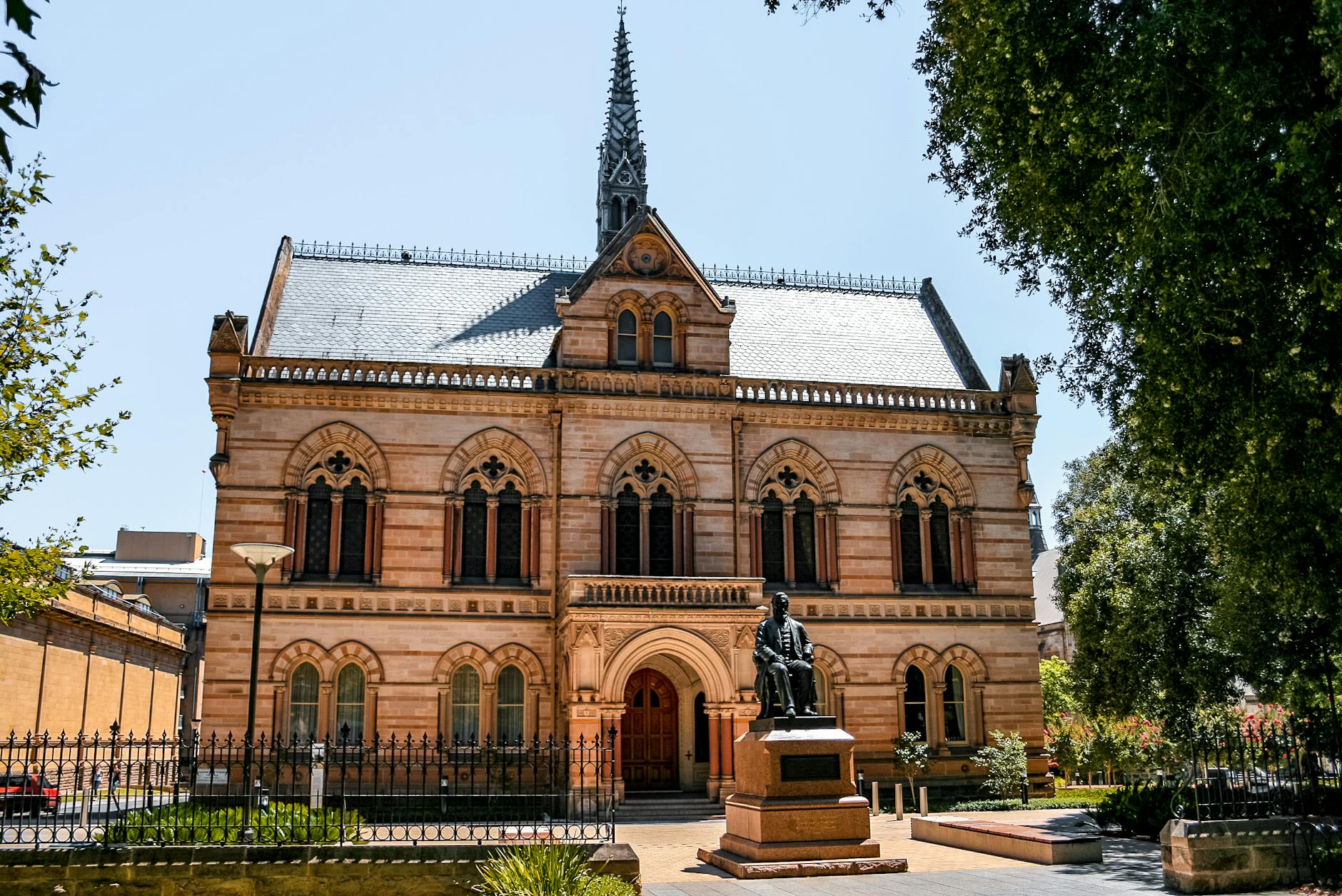
Moving eastward, the South Australian Museum commands attention with its imposing classical facade and extraordinary collections spanning natural history, Aboriginal culture, and Pacific Islander artefacts. The museum’s Aboriginal Cultures gallery is internationally recognised as one of the most significant collections of its kind, offering visitors profound insight into the world’s oldest continuous cultures. Allow at least ninety minutes here to appreciate the breadth of displays, from megafauna fossils to meteorites, that make this one of the essential Adelaide museums for both children and adults.
The Art Gallery of South Australia, next along the terrace, houses a collection that spans from colonial-era Australian art through to cutting-edge contemporary installations. The gallery’s free permanent collection is supplemented by major ticketed exhibitions that rival anything shown in Sydney or Melbourne, making it a cultural destination of genuine national significance. The Elder Wing of Australian Art provides a chronological journey through the nation’s artistic development, while contemporary galleries challenge and provoke with rotating displays by local and international artists.
Beyond the major institutions, the University of Adelaide campus offers several smaller Adelaide museums that reward curious visitors. The Barr Smith Library, Santos Petroleum Engineering Museum, and various faculty collections provide specialist interest displays in architecture of considerable beauty. The university’s heritage buildings themselves constitute an open-air architectural museum, with Gothic Revival, Classical, and Modernist structures coexisting in a compact campus that reflects over 150 years of educational ambition.
Timing your North Terrace cultural walk requires planning to maximise energy and enjoyment. Allow four to five hours for a comprehensive exploration, arriving when the State Library opens at ten and working eastward through the morning when mental energy is highest for the intellectually demanding museum displays. Schedule a cafe break around midday at one of the excellent establishments along the terrace or in adjacent side streets, using the pause to process what you have experienced before continuing to the afternoon galleries with refreshed attention and appreciation.
The walk naturally concludes at the Botanic Gardens, where the transition from built cultural spaces to living collections provides a restorative finish. Combined with views of Parliament House’s classical columns and Government House’s vice-regal architecture viewed from the terrace pathway, this walk provides a comprehensive introduction to Adelaide’s cultural identity that contextualises the city’s museums within broader themes of civic ambition, colonial aspiration, and contemporary creativity.
Family-Friendly Museum Experiences and Programs
Adelaide museums have invested heavily in programming that engages younger visitors, recognising that family audiences represent both the present and future of museum attendance. The South Australian Museum’s Discovery Centre provides hands-on activities where children can handle fossils, minerals, and cultural artefacts under staff supervision, transforming passive viewing into active learning. School holiday programs at both the SA Museum and Art Gallery of South Australia offer multi-day workshops in art making, scientific investigation, and cultural exploration that keep children engaged during breaks while providing parents with reliable educational childcare options.
The MOD. museum at the University of South Australia represents a new generation of Adelaide museums specifically designed for younger adult audiences, combining science, technology, and art in immersive installations that challenge conventional museum formats. Their rotating exhibitions explore themes from artificial intelligence to climate change through interactive experiences that generate social media engagement and repeat visitation. For families with teenagers who resist traditional museum visits, MOD. provides a compelling alternative that bridges the gap between education and entertainment.
Accessibility initiatives across Adelaide museums ensure inclusive experiences for visitors with diverse needs. Audio descriptions, tactile displays, Auslan-interpreted tours, and sensory-friendly sessions demonstrate the sector’s commitment to universal access. The Art Gallery’s regular quiet hours reduce sensory stimulation for neurodiverse visitors, while the SA Museum’s handling collections allow vision-impaired guests to experience exhibits through touch. These programs reflect a modern understanding that great Adelaide museums serve their entire community, not merely those who fit traditional visitor profiles.
1 note