Adelaide is one of those rare cities that genuinely surprises every visitor who arrives. Tucked between rolling hills and a pristine coastline on the southern edge of Australia, the capital of South Australia has quietly transformed from an underrated stopover into one of the country’s most compelling destinations. This Adelaide travel guide covers everything you need to plan the perfect trip — from the best time to visit and where to stay, to world-class wine regions, iconic attractions, and practical tips that will save you time and money.
This Adelaide travel guide is designed for every type of traveller. Whether you’re planning a long weekend escape, a week-long wine and food odyssey, or a family holiday packed with beaches and wildlife, Adelaide delivers experiences that rival Sydney and Melbourne at a fraction of the cost and without the crowds. The city was designed by Colonel William Light in 1836 as a grid surrounded by parklands — making it one of the world’s only cities entirely enclosed by green space — and that thoughtful design still shapes the relaxed, walkable character visitors love today.

Why Visit Adelaide? Your Adelaide Travel Guide to the Best of SA
Adelaide sometimes gets overshadowed by its flashier east-coast siblings, but seasoned travellers know the truth: this is where Australia’s best food, wine, and culture converge without the premium price tag. Here’s why Adelaide deserves a spot on your travel plans:
World-class wine on your doorstep. No other Australian city offers this kind of access to premium wine country. The Barossa Valley is just one hour’s drive north with over 150 wineries and 80 cellar doors. McLaren Vale sits 40 minutes south with another 70-plus cellar doors. The Adelaide Hills wine region is barely 20 minutes away. You can visit multiple world-renowned wine regions in a single day trip.
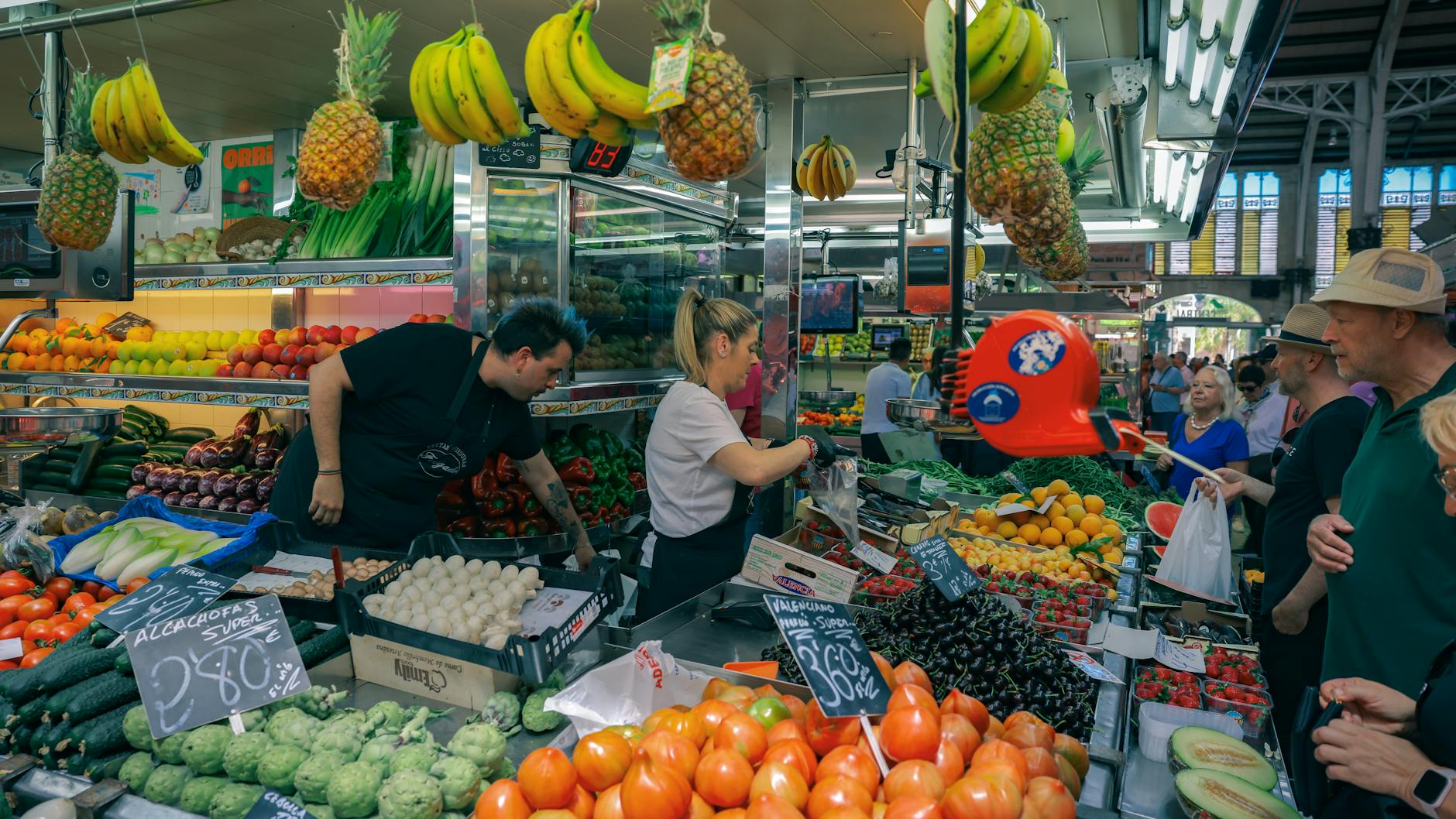
Australia’s food capital. Adelaide Central Market has been the heart of the city’s food culture since 1869, with over 70 stalls spanning more than 40 nationalities. Beyond the market, the restaurant scene ranges from award-winning fine dining to incredible cheap eats. The city was named a UNESCO City of Music in 2015, but locals argue the food deserves its own UNESCO designation.
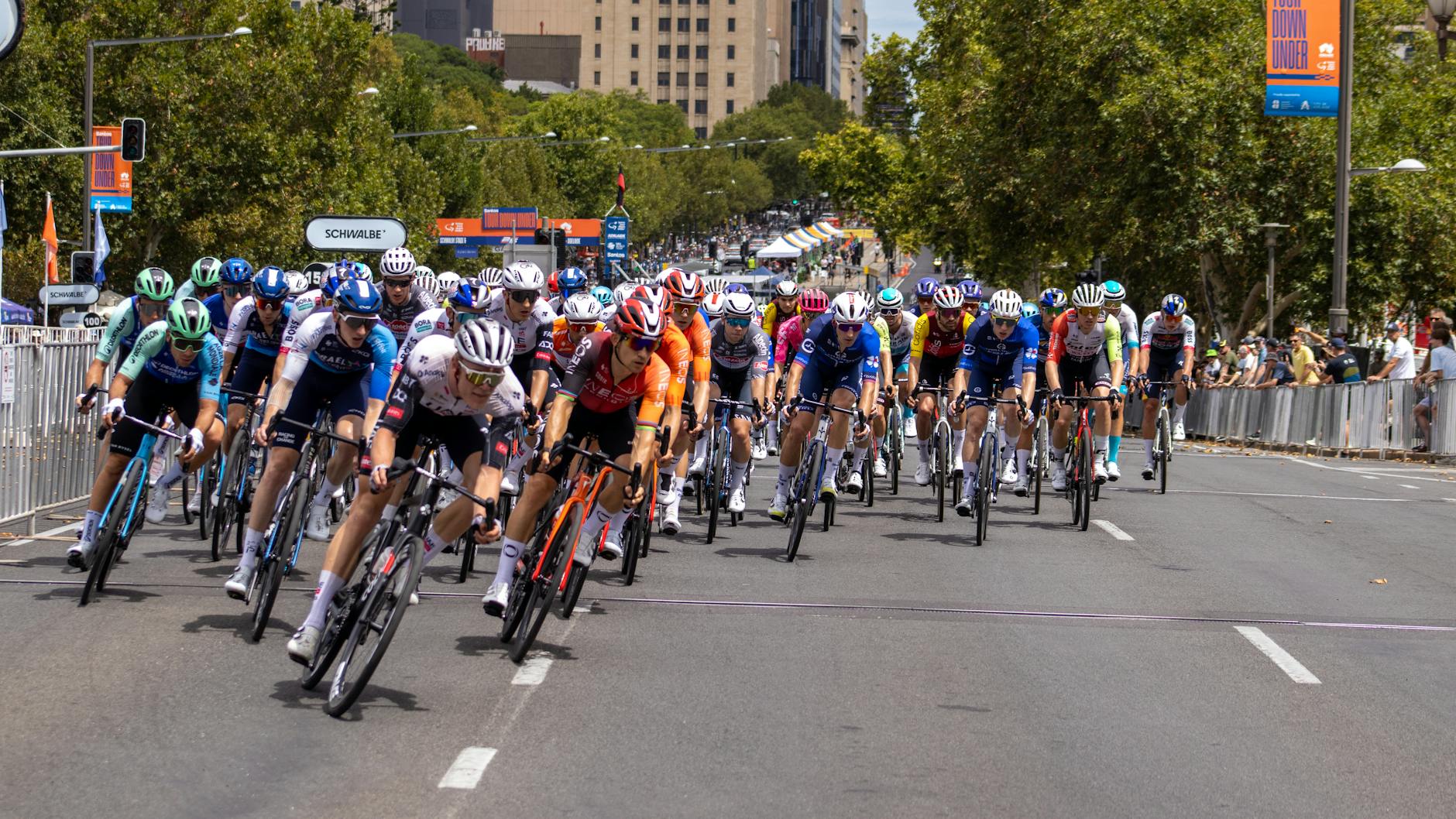
Festival City. Adelaide hosts the Adelaide Fringe — the second-largest fringe arts festival in the world after Edinburgh — along with the Adelaide Festival, WOMADelaide, Tasting Australia, and the Santos Tour Down Under. From February through May, the city buzzes with cultural energy that transforms every corner.
Incredible value for money. Accommodation, dining, and activities cost significantly less than Sydney or Melbourne. Budget travellers can explore Adelaide comfortably on $100-150 per day, and mid-range travellers will find their money stretches further here than almost anywhere else in Australia.
Beaches without the crowds. Adelaide’s metropolitan coastline stretches for over 70 kilometres, from the family-friendly shores of Glenelg to the quieter sands of Henley Beach, Semaphore, and beyond. Water quality is excellent, and even in peak summer you’ll find uncrowded stretches.
Compact and walkable. The one-square-mile CBD grid makes Adelaide one of the easiest Australian cities to navigate on foot. A free tram runs through the city centre, and most major attractions sit within walking distance of each other along North Terrace.
Gateway to remarkable nature. Kangaroo Island — Australia’s third-largest island and one of the country’s premier wildlife destinations — is accessible as a day trip. The Flinders Ranges, Murray River, and Coorong National Park all sit within reach for longer adventures.
Rich cultural heritage. Adelaide sits on the traditional lands of the Kaurna people, known as Tarntanya. The city was founded as a free settlement (never a penal colony), and that progressive spirit is still visible in its strong arts scene, world-class museums, and welcoming community.
Best Time to Visit Adelaide: A Seasonal Breakdown
Timing is everything when planning your trip. This section of our Adelaide travel guide breaks down what each season offers visitors.
Adelaide enjoys a Mediterranean climate with warm, dry summers and mild, wet winters. The city averages around 2,500 hours of sunshine per year, making it pleasant to visit in every season — but each period offers a distinctly different experience.
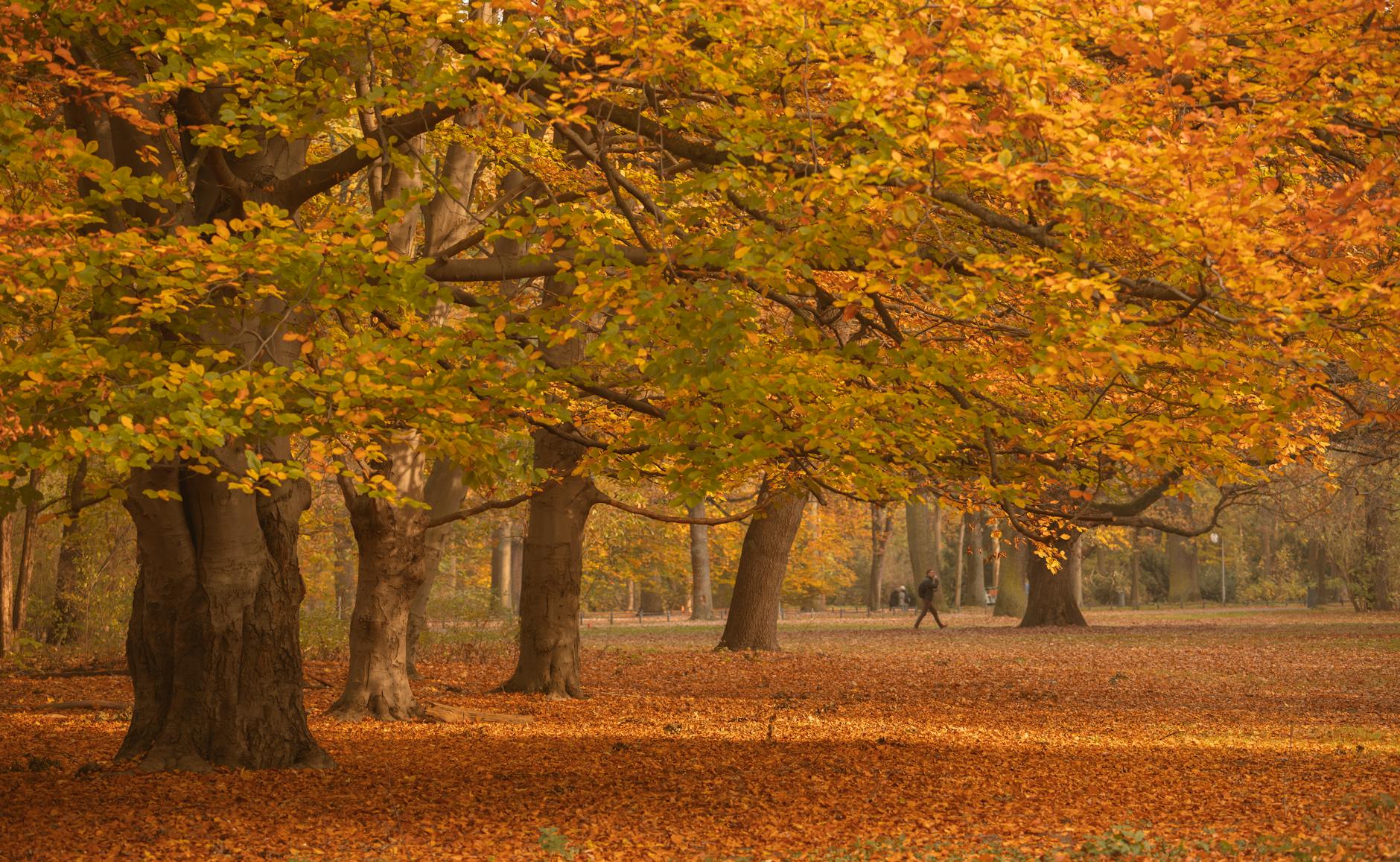
Autumn (March-May) — The Sweet Spot. This is widely considered the best time to visit Adelaide. Temperatures sit between 15-25°C, the wine harvest is underway across every region, and the festival calendar is at its peak. Adelaide Fringe runs from late February through late March, overlapping with the Adelaide Festival and WOMADelaide. Tasting Australia follows in early May. Accommodation prices are moderate outside festival weekends, and the golden autumn light makes everything look spectacular.
Spring (September-November) — Perfect for Outdoors. Temperatures range from 15-23°C with lower humidity than summer. Spring is ideal for hiking in the Adelaide Hills, exploring the Flinders Ranges when wildflowers bloom, and visiting wine regions before the summer heat arrives. It’s also shoulder season for accommodation prices.
Summer (December-February) — Beach Season. Adelaide can get seriously hot, with temperatures regularly reaching 35-40°C in January and February. The upside: this is peak beach season, outdoor cinema events fill the parklands, and the Santos Tour Down Under cycling event brings international energy in January. Be prepared for extreme heat days and book air-conditioned accommodation.
Winter (June-August) — Budget Travel. Winters are mild by Australian standards (8-16°C) with regular rainfall. This is the cheapest time to visit, with accommodation rates dropping significantly. The Adelaide Hills are beautiful in winter, indoor attractions like museums and galleries are blissfully uncrowded, and cosy pubs and wine bars come into their own. Morialta Conservation Park waterfalls are at their best after winter rain.
Getting to Adelaide
Adelaide Airport (ADL) sits just 6 kilometres west of the CBD — one of the closest major airports to a city centre in Australia. The journey into the city takes around 15-20 minutes by car, making it quick and convenient to get settled after landing.
From the airport to the city: The most affordable option is the public bus — the J1 and J2 services run regularly and cost $4.25 during peak hours or $2.40 off-peak with a MetroCard. Taxis cost approximately $25-35 to the CBD. Uber and other rideshare services are readily available and typically cost $20-27. Shuttle bus services also operate between the airport and city hotels.
Flights within Australia: Adelaide is well connected to all major Australian cities. Flights from Sydney take around 2 hours, Melbourne approximately 1.5 hours, Brisbane about 2.5 hours, and Perth around 3 hours. Qantas, Virgin Australia, Jetstar, and Rex Airlines all serve Adelaide with frequent daily departures.
International flights: Adelaide Airport has direct connections to several international hubs including Singapore, Kuala Lumpur, Doha, and Auckland. For destinations not served directly, connecting through Sydney or Melbourne adds only a short domestic leg.
Getting Around Adelaide
One of the best things about Adelaide is how easy it is to navigate. This Adelaide travel guide covers all your transport options.
Adelaide is one of the easiest Australian cities to navigate, thanks to its compact grid layout, excellent public transport, and flat terrain perfect for walking and cycling.
Free tram. The Adelaide Metro tram runs between the Entertainment Centre in the northwest and Glenelg Beach in the southwest, passing right through the CBD. Within the city centre free zone (bounded by South Terrace, West Terrace, East Terrace, and the River Torrens), all tram travel is completely free. This is the easiest way to get between Rundle Mall, the Central Market, and North Terrace attractions.
Buses and trains. Adelaide Metro operates a comprehensive bus and train network covering the greater metropolitan area. A MetroCard (available from newsagents, train stations, and the Adelaide Metro InfoCentre) offers discounted fares. A single trip costs $4.25 peak or $2.40 off-peak, while a day pass runs $11.20. Visitors staying several days should consider a visitor pass for unlimited travel.
Walking. The CBD is a one-square-mile grid, and nearly everything within it is walkable. The North Terrace cultural precinct — home to the Art Gallery, South Australian Museum, State Library, and Botanic Garden — stretches along one boulevard. Walking from the Central Market to Rundle Mall takes about 10 minutes.
Car rental. A rental car is essential if you plan to explore the wine regions, take day trips, or visit Kangaroo Island. All major rental companies operate from Adelaide Airport and the CBD. Driving in South Australia is on the left side of the road. International visitors need an International Driving Permit alongside their home licence.
Where to Stay in Adelaide: A Neighbourhood Guide
Adelaide’s accommodation options span every budget, from backpacker hostels to luxury five-star hotels. The best area to stay depends on what you want from your trip.
Adelaide CBD — Best for First-Time Visitors. The city centre puts you within walking distance of the Central Market, Rundle Mall, North Terrace’s museums and galleries, and the best restaurants. The CBD has the widest range of accommodation at every price point, from international chains like the Intercontinental and Hilton to boutique hotels like the Mayfair and Eos by SkyCity. Budget travellers will find several well-rated hostels including Adelaide Central YHA.
North Adelaide — Best for Green Space & Character. Just across the River Torrens from the CBD, North Adelaide is lined with historic Victorian and Edwardian buildings, leafy streets, and is home to Adelaide Oval. O’Connell Street is the main dining strip. It’s quieter than the CBD but still an easy walk or short bus ride to everything.
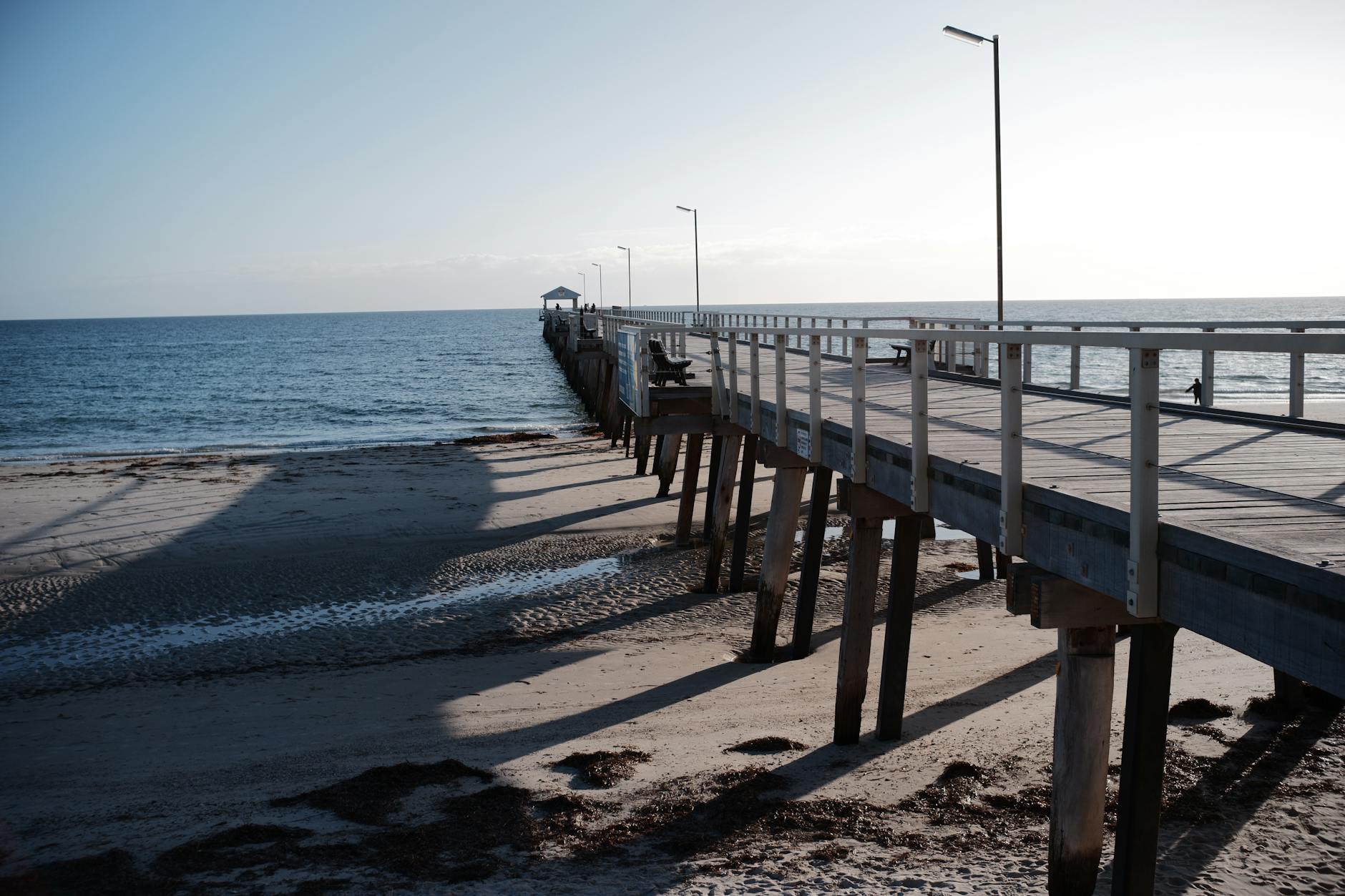
Glenelg — Best for Beach Lovers. Adelaide’s most popular beach suburb sits at the end of the tram line, 25 minutes from the CBD. Jetty Road is packed with restaurants, bars, and shops. Accommodation here ranges from holiday apartments to beachfront hotels. If sun, sand, and seafood are your priorities, Glenelg is the place to base yourself.
Adelaide Hills — Best for Wine & Nature. If you want to wake up among vineyards, Stirling, Crafers, and Hahndorf in the Adelaide Hills offer charming bed-and-breakfasts, boutique stays, and country retreats. You’re 20-30 minutes from the CBD but right in the heart of a world-class cool-climate wine region.
Henley Beach — Best for a Quiet Coastal Stay. A few kilometres north of Glenelg, Henley Beach offers a more laid-back coastal vibe with excellent restaurants along Henley Beach Road, a beautiful square, and easy access to the city via bus.
Budget guide: Hostel dorms start from around $25-40 per night. Mid-range hotels in the CBD average $120-200 per night. Luxury hotels and boutique properties range from $250-500+ per night. Airbnb and holiday rentals can offer excellent value, especially for families or groups.
Top Attractions in Adelaide: What Not to Miss
Adelaide packs an impressive number of world-class attractions into a compact city. This Adelaide travel guide highlights the must-see spots.
Adelaide punches well above its weight when it comes to attractions, with many of the best experiences either free or remarkably affordable. Here are the highlights every visitor should have on their radar.
Adelaide Central Market
Operating since 1869, Adelaide Central Market is one of the largest covered markets in the Southern Hemisphere and the beating heart of the city’s food culture. Over 70 stalls showcase fresh produce, artisan cheeses, smallgoods, baked goods, and cuisines from more than 40 nationalities. The market is open Tuesday through Saturday (closed Sunday and Monday). Arrive early on a Saturday morning for the full experience, and don’t miss the Providore stalls for local South Australian specialties. Guided food tours run daily and offer the best introduction to what the market has to offer.
North Terrace Cultural Precinct
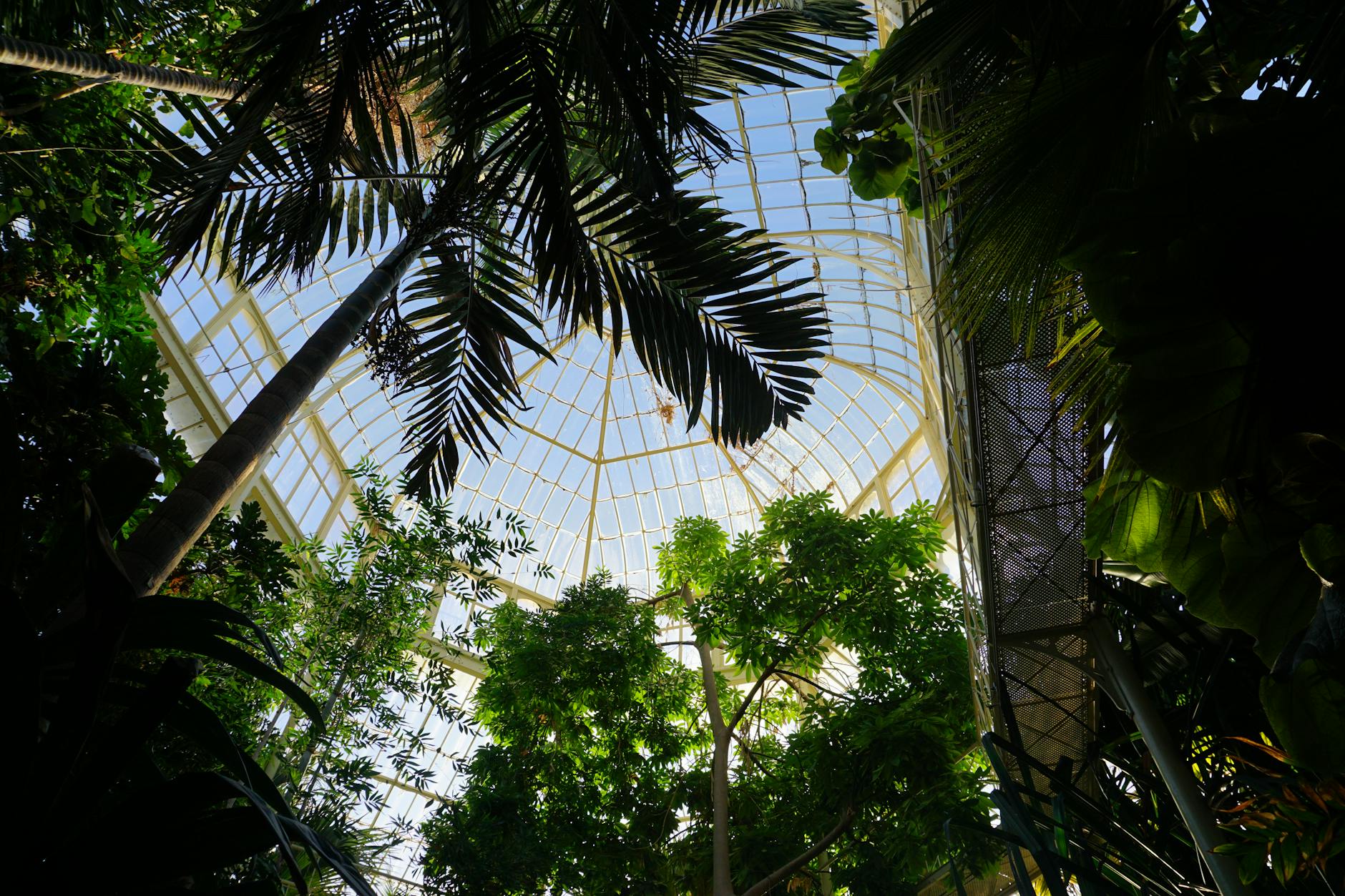
Adelaide’s cultural boulevard runs along the northern edge of the CBD and packs an extraordinary concentration of museums, galleries, and institutions into one walkable strip. The Art Gallery of South Australia houses over 42,000 works including one of Australia’s finest collections of Australian art — and entry is free. Next door, the South Australian Museum contains the world’s largest collection of Aboriginal cultural artefacts, along with impressive natural history displays — also free. The State Library of South Australia, the University of Adelaide campus, and the Adelaide Botanic Garden (51 hectares of stunning gardens, free entry) complete this remarkable cultural precinct. You could spend an entire day along North Terrace without spending a dollar on entry fees.
Adelaide Oval
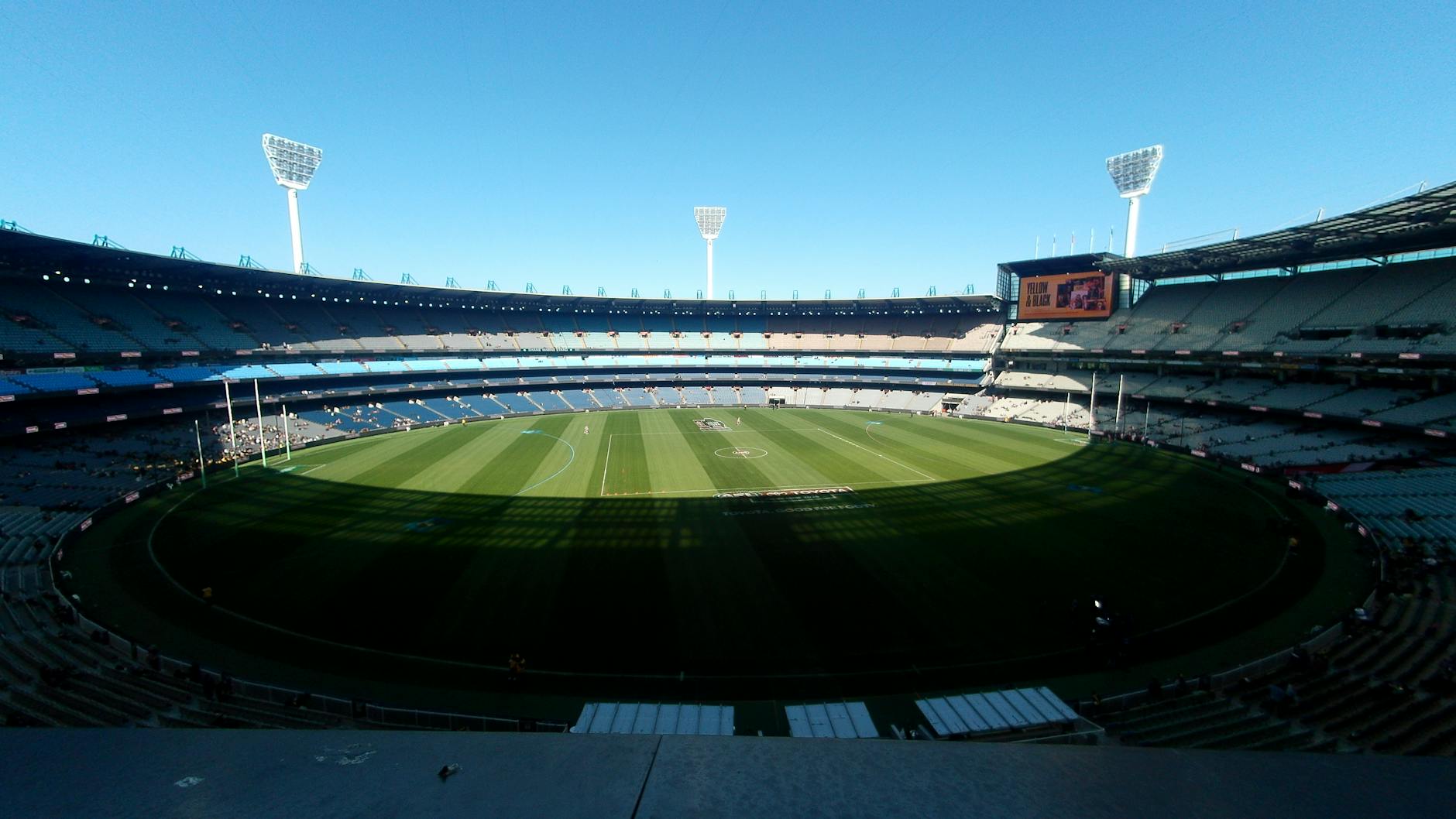
This 53,500-seat stadium is consistently rated one of the most beautiful sporting venues in the world, set against a backdrop of the Adelaide Hills and surrounded by parklands. Beyond watching cricket or AFL football, visitors can take the RoofClimb Adelaide Oval — a guided walk across the roof of the stadium 50 metres above the playing field. Stadium tours run daily and reveal the history and architecture of this iconic venue. Even if you’re not a sports fan, the Oval precinct with its walking trails along the River Torrens is worth visiting.
Adelaide Zoo
Australia’s second-oldest zoo sits right on the edge of the CBD in the parklands, home to around 3,000 animals representing over 250 species. Adelaide Zoo is a leader in conservation and breeding programs, and its compact, walkable layout makes it perfect for families. The immersive nature playground and hands-on animal encounters are highlights. Adult entry is approximately $38-42, with discounted family passes available.
Glenelg Beach
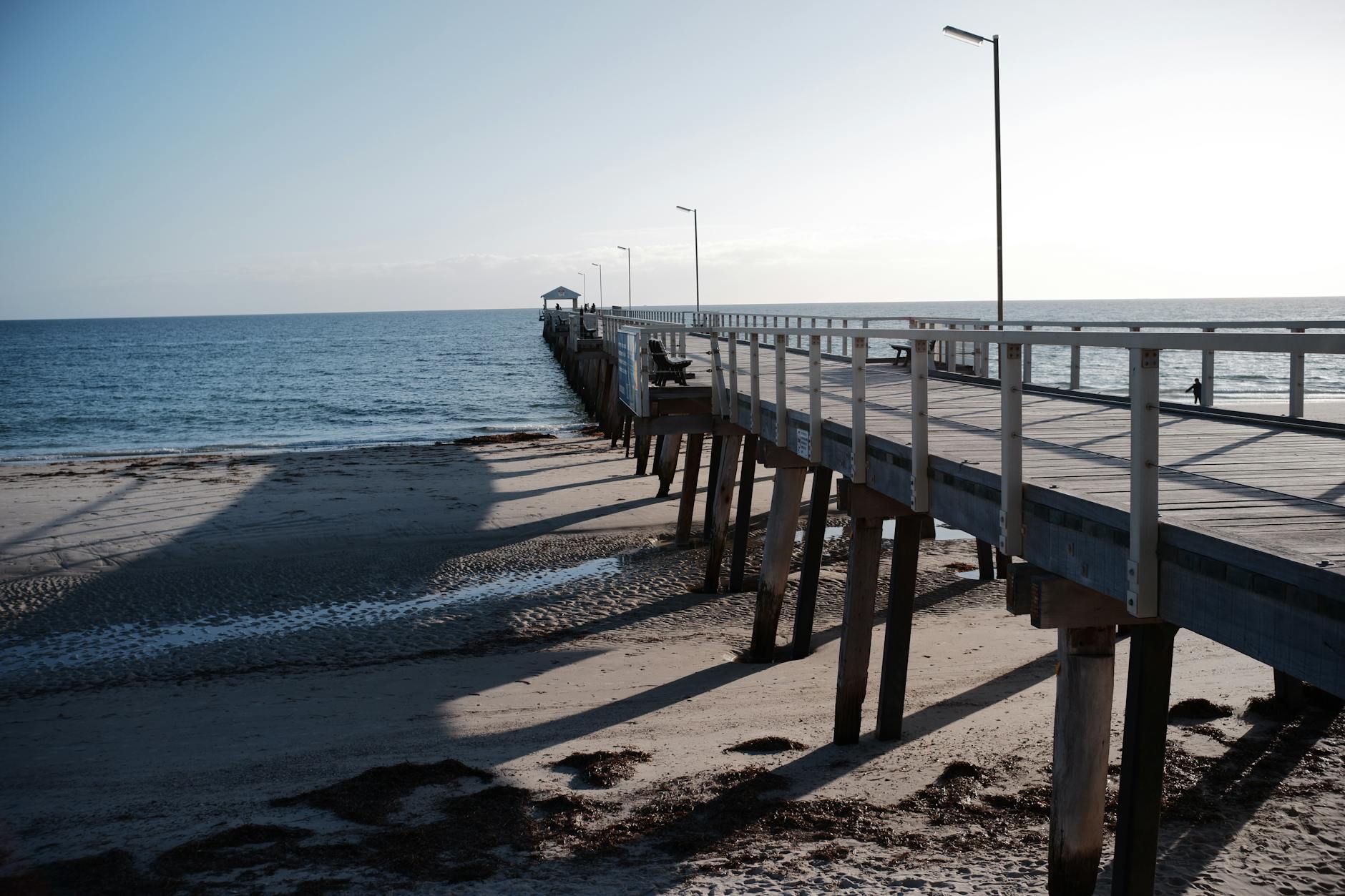
Adelaide’s most iconic beach suburb is connected to the city by the heritage Glenelg tram — a 25-minute ride that drops you right at the waterfront. Jetty Road is the main strip, lined with restaurants, gelato shops, pubs, and boutiques. The beach itself offers safe swimming, with Glenelg Jetty providing a scenic walking spot. In the evening, the waterfront comes alive with dining and sunset views. From Glenelg, you can walk the coastal trail south towards Brighton and Seacliff for quieter beaches.
Rundle Mall & East End
Rundle Mall is Adelaide’s main pedestrian shopping precinct, home to over 700 retailers, the heritage-listed Adelaide Arcade (built 1885), and the famous Rundle Mall Pigs sculpture. Beyond the mall, Rundle Street in the East End transitions into Adelaide’s trendiest dining and nightlife strip, packed with independent restaurants, laneway bars, and live music venues. This is where you’ll find the city’s creative energy at its strongest.
Adelaide’s Food & Wine Scene
If there’s one thing Adelaide does better than any other Australian city, it’s the seamless integration of world-class food and wine into everyday life. The city sits at the centre of Australia’s most acclaimed wine-producing regions, and that proximity shapes everything from corner cafes to fine dining.
Wine Regions Within Easy Reach
No other Australian capital offers this kind of access to premium wine country. Three world-class wine regions sit within an hour’s drive of the CBD.
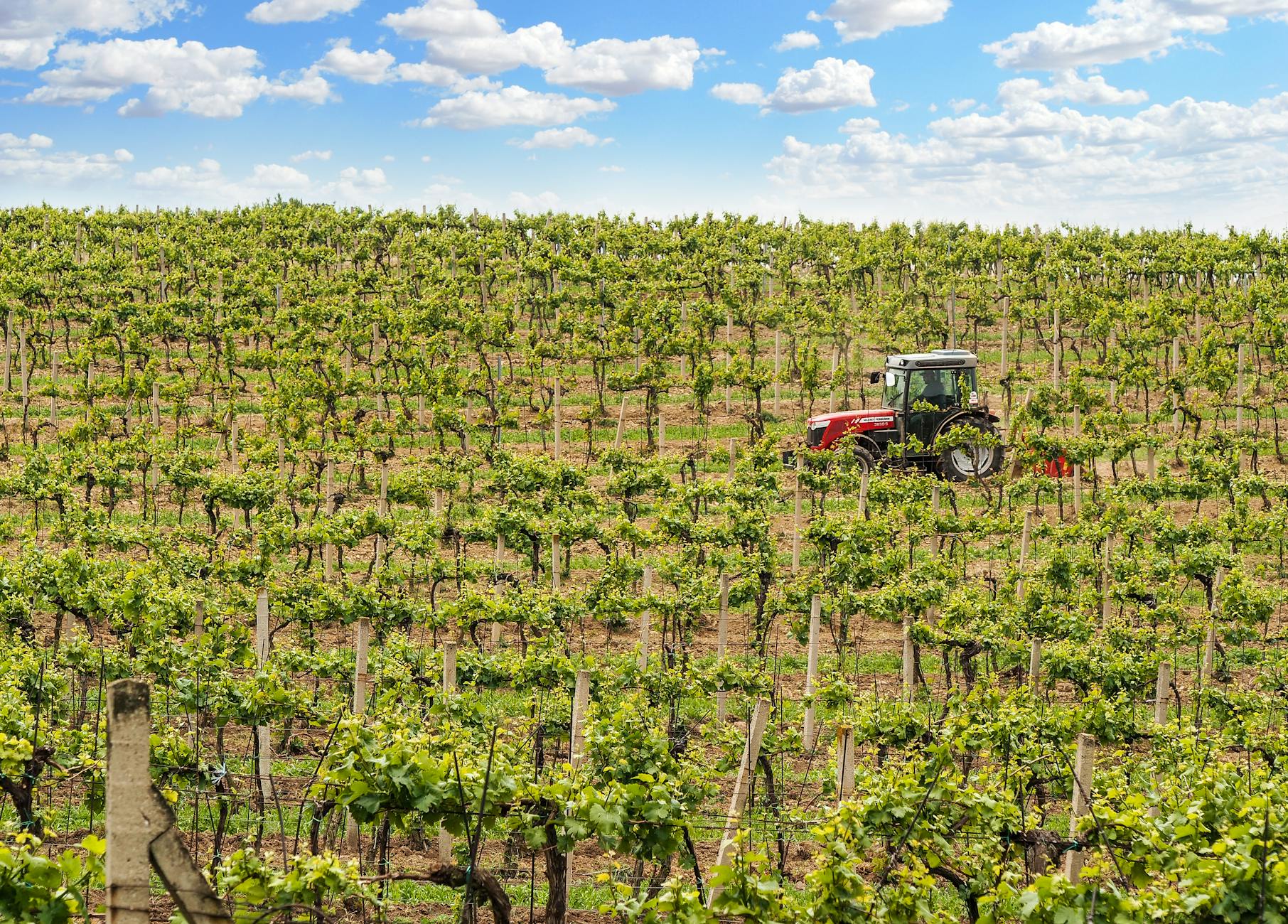
Barossa Valley (1 hour north, ~65km): Australia’s most famous wine region, home to over 150 wineries and 80 cellar doors. The Barossa is synonymous with bold, full-bodied Shiraz, with iconic producers like Penfolds, Henschke, Seppeltsfield, and Jacob’s Creek. A day in the Barossa typically includes cellar door tastings, a long lunch at one of the valley’s acclaimed restaurants, and a drive through some of the most beautiful viticultural landscape in the world.
 South Australia Tourism)” class=”wp-image-8″/>
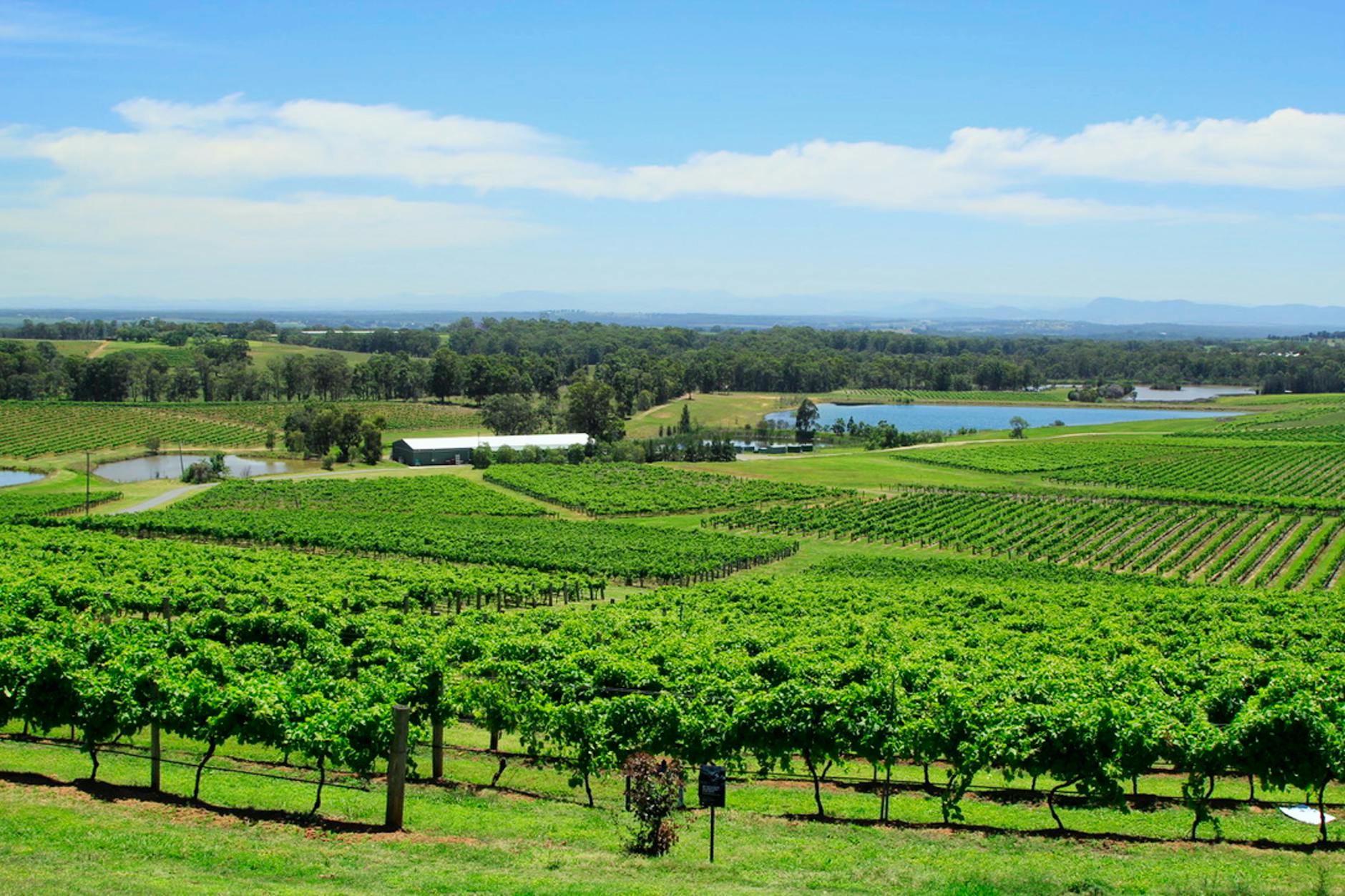
McLaren Vale (40 minutes south, ~40km): Known for Shiraz, Grenache, and Cabernet Sauvignon, McLaren Vale combines outstanding wine with dramatic coastal scenery. The d’Arenberg Cube — a five-storey Rubik’s Cube-shaped building housing a wine tasting experience, restaurant, and art gallery — is one of Adelaide’s most striking attractions. The Shiraz Trail cycling path links several cellar doors for an active wine-tasting day. Port Willunga beach, with its dramatic cliff backdrop, is a perfect way to end a McLaren Vale day trip.
Adelaide Hills (20-30 minutes east): A cool-climate wine region producing excellent Sauvignon Blanc, Chardonnay, and Pinot Noir alongside cider and gin. The Hills are dotted with charming villages like Stirling, Crafers, and Lobethal, making it the perfect region to combine wine tasting with scenic drives and village browsing.
Adelaide’s Dining Scene
Adelaide’s dining scene reflects its multicultural population and proximity to outstanding produce. The Central Market is ground zero — chefs from the city’s top restaurants shop here daily. Beyond the market, the city’s dining landscape spans every price point and cuisine. The East End along Rundle Street and Ebenezer Place is the epicentre of contemporary dining. Gouger Street, running alongside the Central Market, is Adelaide’s Chinatown district with exceptional Asian food. Peel Street and Leigh Street are home to some of the city’s best small bars and casual dining. For fine dining, look to establishments along the North Terrace precinct and the Adelaide Hills.
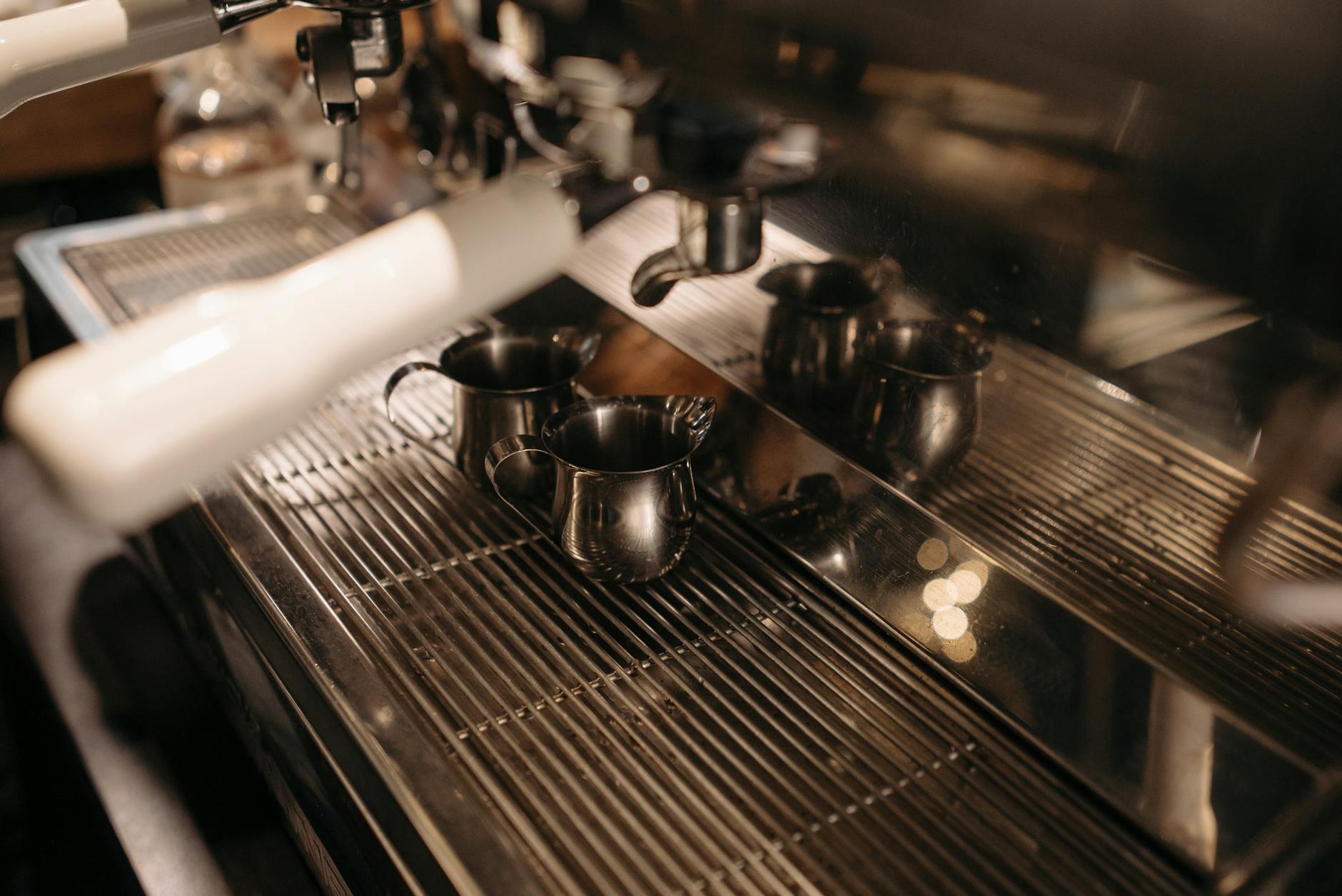
Adelaide’s cafe culture rivals Melbourne’s, with specialty roasters and brunch spots filling every neighbourhood. The coffee scene has exploded in recent years, with local roasters building national reputations. Don’t leave without trying a coffee at one of the city’s independent roasters.
Aboriginal Heritage & Kaurna Culture
Adelaide sits on the traditional lands of the Kaurna people, who have lived in the Adelaide Plains — known as Tarntanya — for tens of thousands of years. Understanding and respecting this heritage enriches any visit to the city and provides context for the landscape, place names, and cultural institutions you’ll encounter.
The Tandanya National Aboriginal Cultural Institute in the East End is the oldest Aboriginal-owned and managed multi-arts centre in Australia. It offers rotating exhibitions, live performances, and cultural workshops. The South Australian Museum houses the world’s largest collection of Aboriginal cultural artefacts, with deeply moving displays that span millennia of continuous culture.
Several Aboriginal-led walking tours operate in Adelaide, offering the opportunity to learn about Kaurna language, bush tucker (native food plants), and the significance of landmarks around the city. The Adelaide Botanic Garden includes sections dedicated to native Australian plants with traditional Kaurna uses. The River Torrens (Karrawirra Parri in Kaurna language) holds particular cultural significance and provides a beautiful trail for walking or cycling through the cultural precinct.
Best Day Trips from Adelaide
Some of South Australia’s finest experiences lie just outside the city. Our Adelaide travel guide wouldn’t be complete without these essential day trips.
One of Adelaide’s greatest strengths is the extraordinary diversity of day trip destinations within easy driving distance. From world-class wine regions to historic German villages, dramatic island wildlife, and coastal towns, you could spend weeks exploring without running out of remarkable places to visit.
Barossa Valley (1 hour drive): A full-day wine experience with cellar door tastings, acclaimed restaurants, and beautiful valley scenery. Self-drive or join a guided tour — both options work well.
McLaren Vale (40 minutes drive): Combine wine tasting with the d’Arenberg Cube, the Shiraz Trail, and a swim at Port Willunga beach. Half a day is possible, but a full day is better.
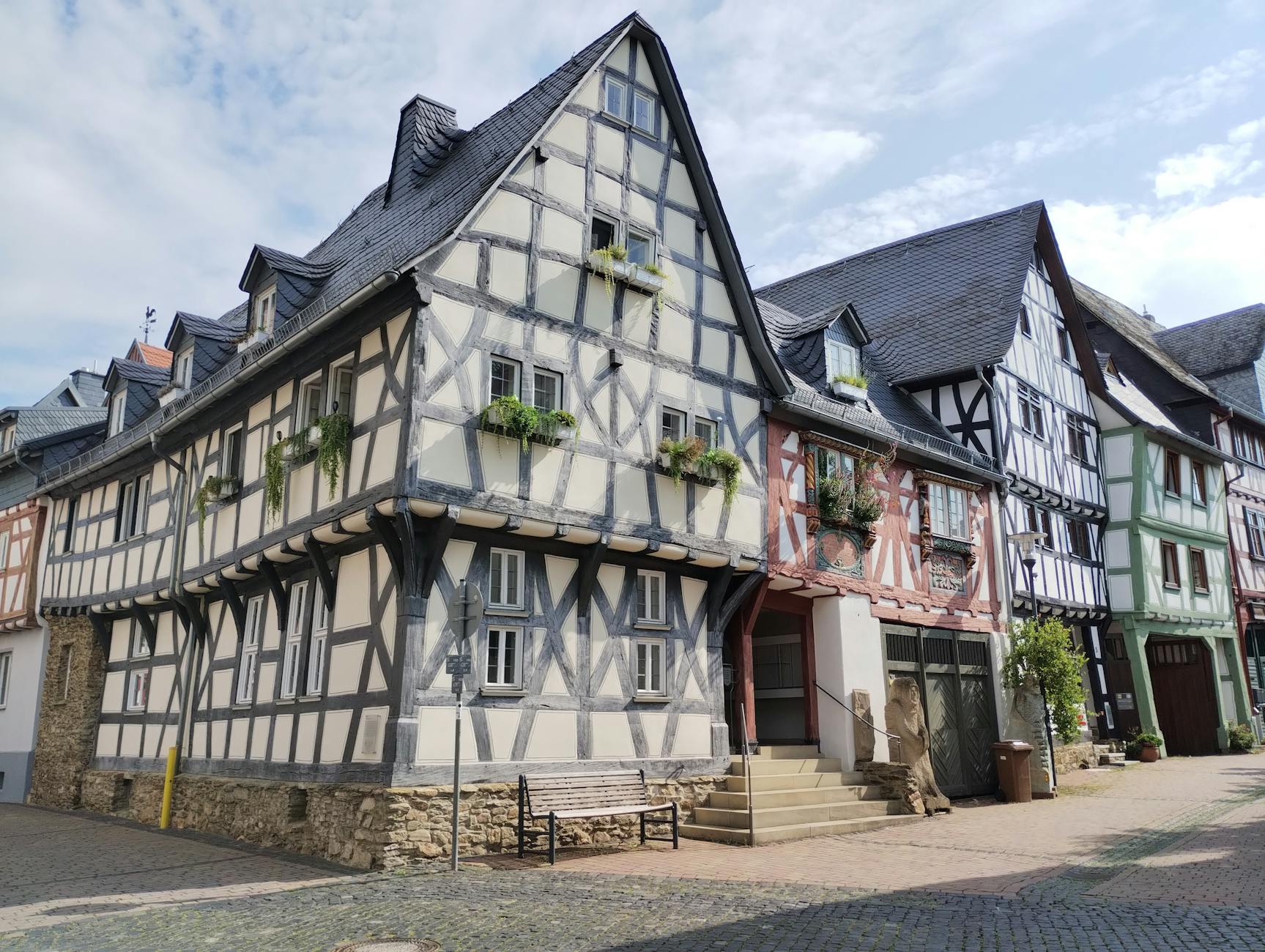
Hahndorf (30 minutes drive): Australia’s oldest surviving German settlement, with a main street lined with traditional German bakeries, smallgoods shops, craft galleries, and cosy pubs. Easy to combine with an Adelaide Hills wine loop.
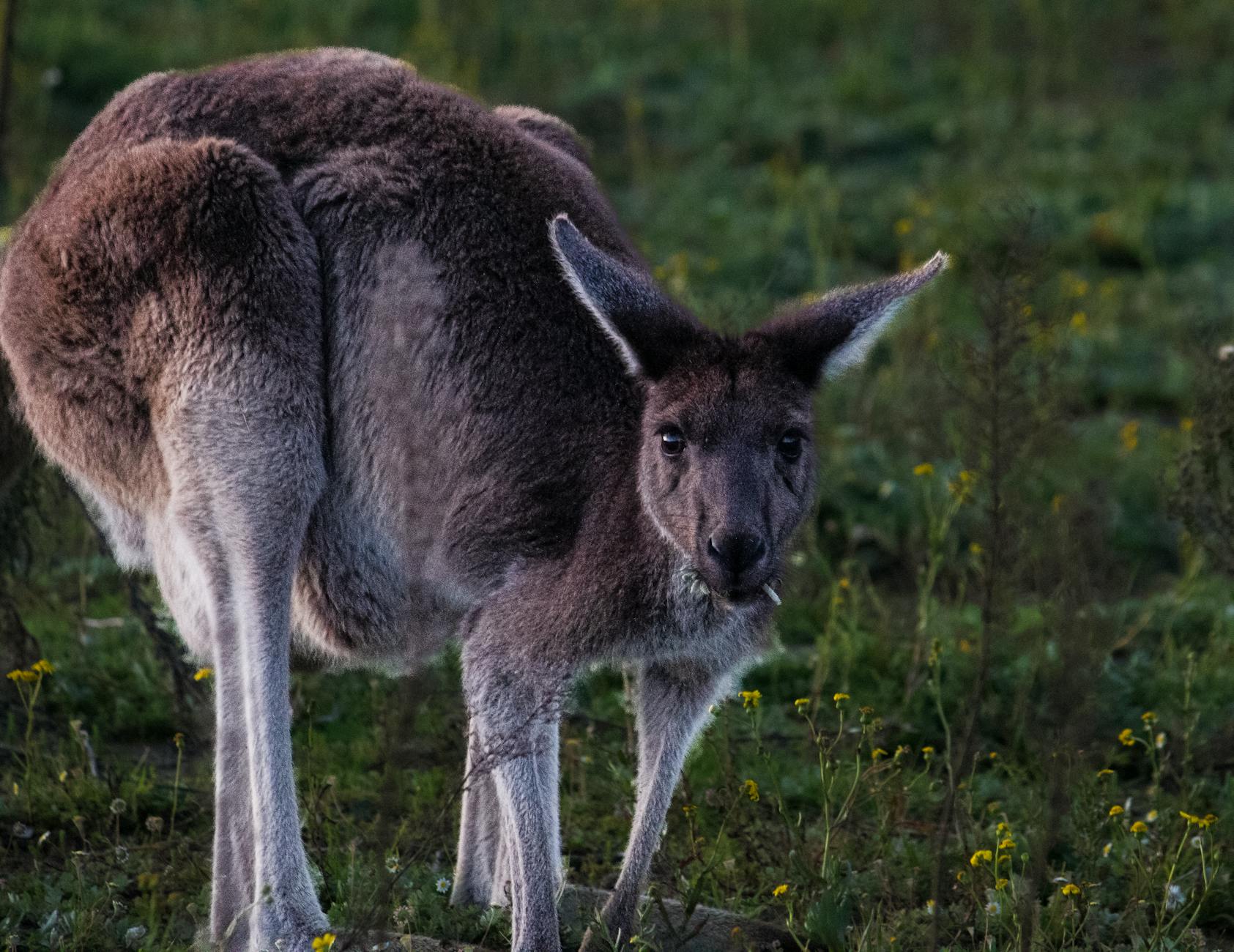
Kangaroo Island (ferry + drive, full day minimum): Australia’s third-largest island is a wildlife sanctuary home to kangaroos, koalas, sea lions, echidnas, and remarkable birdlife. Flinders Chase National Park, Remarkable Rocks, and Seal Bay are the headline attractions. Day trips are possible but an overnight stay lets you experience the island properly.
Victor Harbor & Granite Island (1 hour 15 minutes drive): A charming coastal town with a horse-drawn tram to Granite Island, seasonal whale watching (June-October), and excellent surfing beaches. Combine with a stop at the Cockle Train steam railway from Goolwa.
Clare Valley (2 hours drive): The Riesling Trail — a 33-kilometre cycling and walking path connecting cellar doors — is one of Australia’s best wine-trail experiences. Clare Valley is home to some of the country’s finest Riesling. A full day is recommended.
Events & Festivals Calendar
Adelaide’s nickname — the Festival City — is well earned. The annual events calendar is packed with internationally significant festivals that draw visitors from around the world.
January: Santos Tour Down Under — a major international cycling event that brings world-class athletes and fans to Adelaide and the surrounding regions.
February-March: Adelaide Fringe (late Feb to late March) — the world’s second-largest fringe arts festival with over 1,500 shows across comedy, theatre, music, visual arts, and cabaret. The Adelaide Festival runs concurrently with world-class music, theatre, and dance performances. WOMADelaide (early March) brings over 700 artists from across the globe for a weekend of world music and arts in the Botanic Park.
May: Tasting Australia — Adelaide’s premier food and wine festival featuring events, tastings, and dining experiences with Australia’s best chefs and producers.
October-November: OzAsia Festival — celebrating Asian arts, culture, and food. The Adelaide 500 motorsport event also typically falls in this period.
December: Adelaide Christmas events, outdoor cinema in the parklands, and the beginning of summer festival season.
Practical Tips for Visiting Adelaide
Money & Budget
Adelaide is one of Australia’s most affordable capital cities. A realistic daily budget for a mid-range traveller is approximately $150-250 AUD per day including accommodation, meals, transport, and a couple of activities. Budget travellers can manage on $80-120 per day using hostels, self-catering, and free attractions. Tipping is not expected in Australia but is appreciated for exceptional service — 10% at restaurants is generous. Credit cards and contactless payments are accepted virtually everywhere, though it’s worth carrying some cash for market stalls.
Safety
Adelaide is one of Australia’s safest cities and is generally very safe for tourists. The CBD, North Adelaide, Glenelg, and tourist areas are well-lit and well-patrolled. As with any city, exercise normal precautions — keep valuables secure in crowded areas like the Central Market, avoid walking alone in poorly lit areas late at night, and be cautious around Hindley Street’s western end in the early hours. Emergency services can be reached by dialling 000 from any phone.
Weather & Sun Protection
The Australian sun is intense — UV levels can be extreme even on cloudy days, especially in summer. Pack SPF 50+ sunscreen, a wide-brimmed hat, and sunglasses. During heatwaves (days above 40°C are possible in January-February), stay hydrated, seek shade during the middle of the day, and check for total fire ban days if you’re visiting regional areas.
Practical Essentials
Time zone: Adelaide is on Australian Central Standard Time (UTC+9:30), which is 30 minutes behind Sydney and Melbourne. Daylight saving applies from October to April (UTC+10:30).
Power: Australia uses Type I plugs (three-pin) with 230-240V power. International visitors will need an adapter.
Water: Adelaide’s tap water is safe to drink throughout the city and surrounding regions.
Mobile connectivity: Australia’s major networks (Telstra, Optus, Vodafone) provide good coverage in Adelaide and surrounding areas. Prepaid SIM cards are available at the airport and throughout the city. Coverage can be patchy in remote areas like the Flinders Ranges.
Sample Adelaide Itineraries
One Day in Adelaide
Start your morning at the Adelaide Central Market — grab a coffee and explore the stalls. Walk up to North Terrace to visit the Art Gallery of South Australia and stroll through the Botanic Garden. Have lunch at one of the East End restaurants along Rundle Street. In the afternoon, catch the tram to Glenelg for a beach walk and sunset drinks on the waterfront before heading back to the city for dinner.
Three Days in Adelaide
Day 1: The city day outlined above — Central Market, North Terrace, Botanic Garden, Rundle Street, Glenelg. Day 2: Drive to the Barossa Valley for a full day of wine tasting and a long lunch among the vineyards. Visit 3-4 cellar doors and at least one acclaimed restaurant. Day 3: Explore the Adelaide Hills — visit Hahndorf for German-heritage charm, taste cool-climate wines, hike part of the Mount Lofty trail for panoramic city views, and finish with dinner at a Hills restaurant or back in the city.
Five Days in Adelaide
Follow the three-day itinerary above, then add: Day 4: Drive south to McLaren Vale for Shiraz tastings, visit the d’Arenberg Cube, cycle part of the Shiraz Trail, and finish with a swim at Port Willunga beach. Day 5: Take a day trip to Victor Harbor for coastal scenery, the horse-drawn tram to Granite Island, and the Cockle Train — or dedicate the day to Kangaroo Island for an unforgettable wildlife experience. Alternatively, spend the day exploring Adelaide’s museums, galleries, and laneway bar scene at a leisurely pace.
Frequently Asked Questions About Adelaide Travel
Is Adelaide worth visiting?
Absolutely. Adelaide offers world-class wine, exceptional food, stunning beaches, rich cultural heritage, and major festivals — all at lower prices than Sydney or Melbourne. It’s one of Australia’s most underrated destinations, and visitors consistently say it exceeded their expectations.
How many days do you need in Adelaide?
A minimum of three days allows you to experience the city highlights and one wine region day trip. Five days is ideal for a well-rounded trip covering the city, two wine regions, and the Adelaide Hills or coast. A week or more lets you add Kangaroo Island, the Flinders Ranges, or simply slow down and soak in Adelaide’s relaxed pace.
What is Adelaide best known for?
Adelaide is best known for its wine regions (Barossa Valley, McLaren Vale, Adelaide Hills), its food culture (especially the Central Market), its festivals (Adelaide Fringe is the world’s second-largest fringe festival), its parklands-encircled city design, and its relaxed, friendly atmosphere. It holds UNESCO City of Music designation.
Is Adelaide safe for tourists?
Yes. Adelaide is one of Australia’s safest capital cities. The CBD, tourist areas, and beachside suburbs are very safe during the day and generally safe at night. Standard travel precautions apply — stay aware of your surroundings, keep valuables secure, and avoid isolated areas late at night.
What is the best time of year to visit Adelaide?
Autumn (March-May) and spring (September-November) offer the best weather and experiences. Autumn coincides with the wine harvest and Adelaide’s major festival season. Summer (December-February) is ideal for beach lovers but can be extremely hot. Winter (June-August) is the cheapest time to visit with mild temperatures and fewer crowds.
Do you need a car in Adelaide?
Not within the city — Adelaide’s CBD is very walkable and the free tram covers the main areas. However, a rental car is highly recommended if you plan to visit wine regions, take day trips, or explore beyond the metropolitan area. Guided tours are an alternative for wine regions if you prefer not to drive.
Start Planning Your Trip With This Adelaide Travel Guide
Adelaide is a city that rewards curiosity. From the morning bustle of the Central Market to sunset drinks at Glenelg, from Barossa Valley cellar doors to the ancient landscapes of the Flinders Ranges, South Australia’s capital offers a depth of experience that catches every visitor off guard. The best advice? Give it more time than you think you need — Adelaide has a way of making you wish you’d stayed longer.
Start building your itinerary with our detailed guides on the best things to do in Adelaide, find the perfect base in our where to stay guide, and plan your journeys with our complete transport guide. For the full picture on timing your trip, explore our month-by-month breakdown in best time to visit Adelaide.
Still deciding whether Adelaide earns the days? The most common comparison is with Melbourne, eight hours east, and the answer is genuinely mixed — Melbourne wins on food, nightlife and scale, Adelaide on wine, coast, cost and walkability. Our Adelaide vs Melbourne comparison works through each category with real prices.
1 note