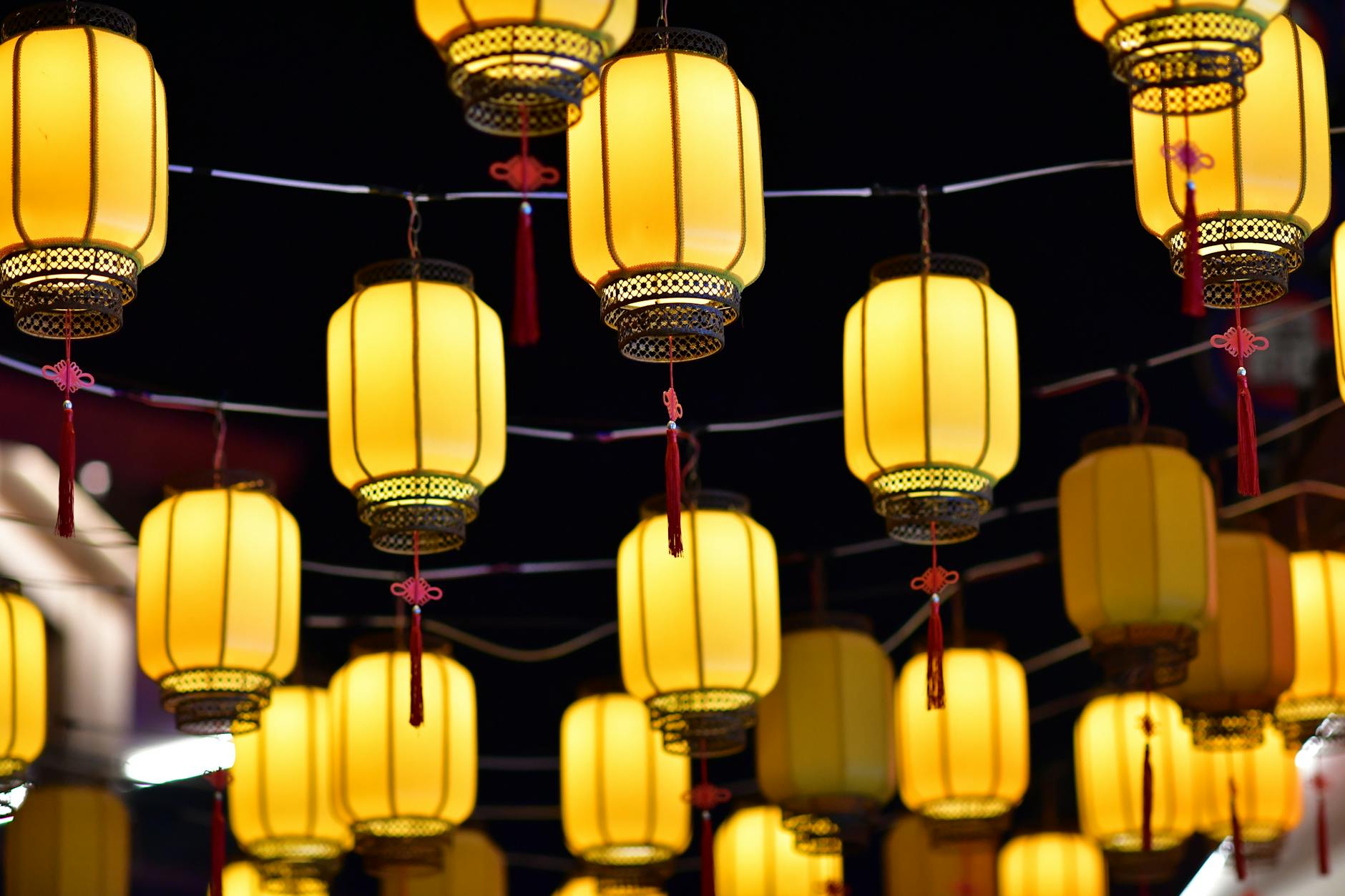
WOMADelaide is Adelaide’s internationally acclaimed world music, arts, and dance festival, held annually in the stunning setting of Botanic Park (Tainmuntilla) on Kaurna Country. Over four extraordinary days in March, this beloved festival transforms 34 hectares of parkland into a vibrant celebration of global culture, featuring more than 600 artists from approximately 38 countries performing across multiple stages. Since its inception in 1992, WOMADelaide has grown from a modest gathering into one of Australia’s most iconic cultural events, drawing audiences of over 90,000 people who come to experience the power of music to transcend boundaries and connect communities.
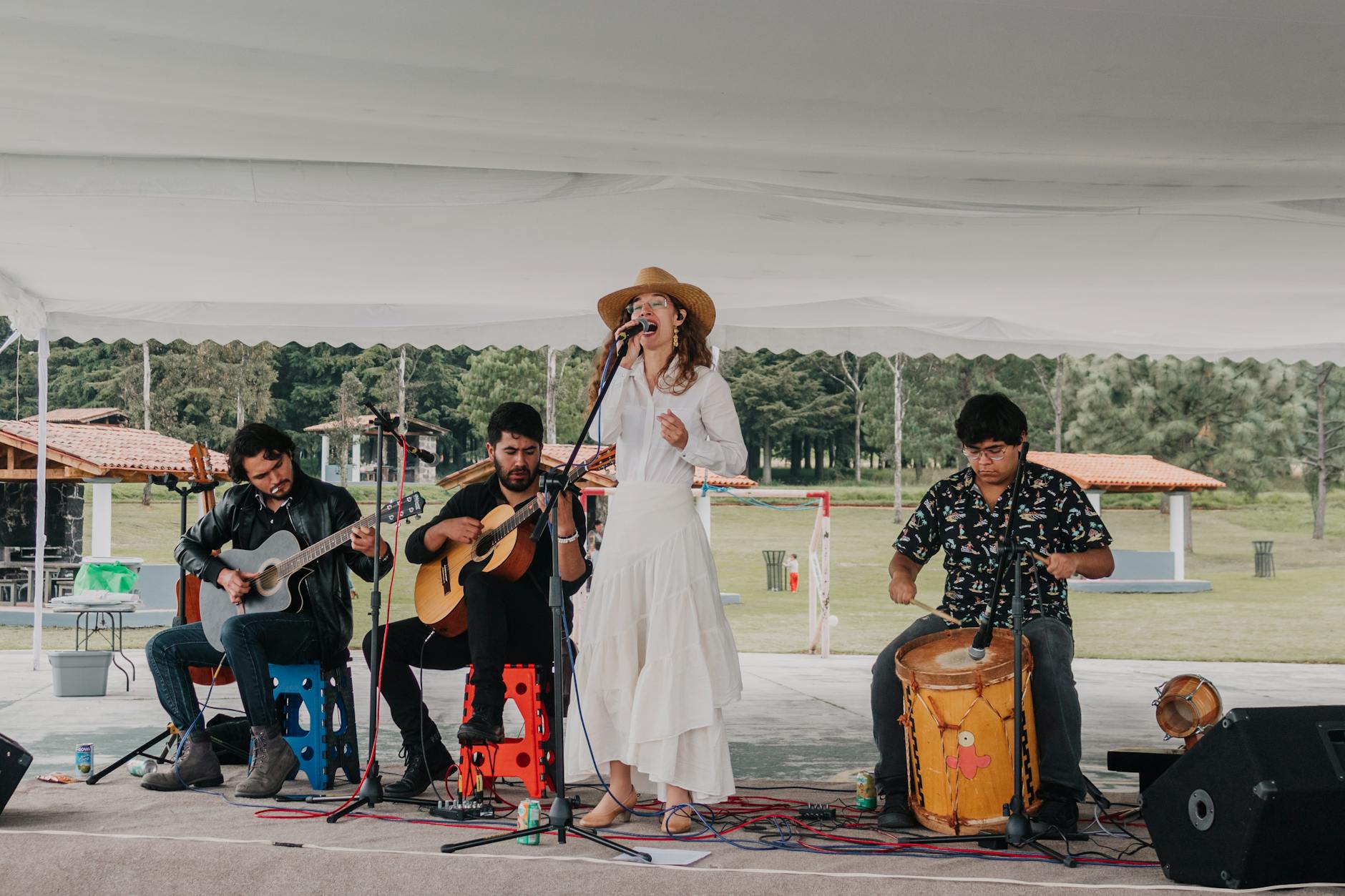
Whether you are a seasoned WOMADelaide veteran or planning your first visit, this comprehensive guide covers everything you need to know about the festival. From ticket options and stage layouts to food highlights, family programming, and practical tips for making the most of your experience, we have compiled all the essential information to help you navigate this world-class event with confidence and joy.
What is WOMADelaide? Festival Overview
WOMADelaide (World of Music, Arts and Dance Adelaide) is a four-day outdoor festival that celebrates the extraordinary diversity of the world’s musical and artistic traditions. Unlike mainstream music festivals that focus on popular genres, WOMADelaide curates an eclectic program spanning traditional folk music, contemporary world fusion, indigenous performance, electronic experimentation, classical crossovers, and everything in between. The result is a festival experience unlike any other in Australia, where you might hear West African kora music followed by Balkan brass bands, Indian classical ragas, Aboriginal songlines, and cutting-edge electronic artists all in the same afternoon.
The festival is part of the global WOMAD network founded by Peter Gabriel in 1982, with events held across the world. Adelaide’s iteration has become one of the flagship events in the network, renowned for its beautiful setting, warm audiences, and exceptional programming. WOMADelaide sits within Adelaide’s extraordinary festival season alongside events like the Adelaide Fringe and Adelaide Festival, creating a month-long cultural celebration that has earned Adelaide its reputation as Australia’s festival capital.
WOMADelaide 2026: Key Details
The 2026 edition of WOMADelaide promises to be another extraordinary celebration of global music and culture. Here are the essential details for planning your visit:
- Dates: Friday 6 March to Monday 9 March 2026
- Location: Botanic Park (Tainmuntilla), Adelaide, South Australia
- Artists: Over 600 artists from 38 countries
- Stages: 7 performance spaces across the park
- Notable 2026 Acts: Arrested Development, Oumou Sangare, Jovanotti, plus hundreds more
- Hours: Gates open from early afternoon to late evening daily
A Brief History of WOMADelaide
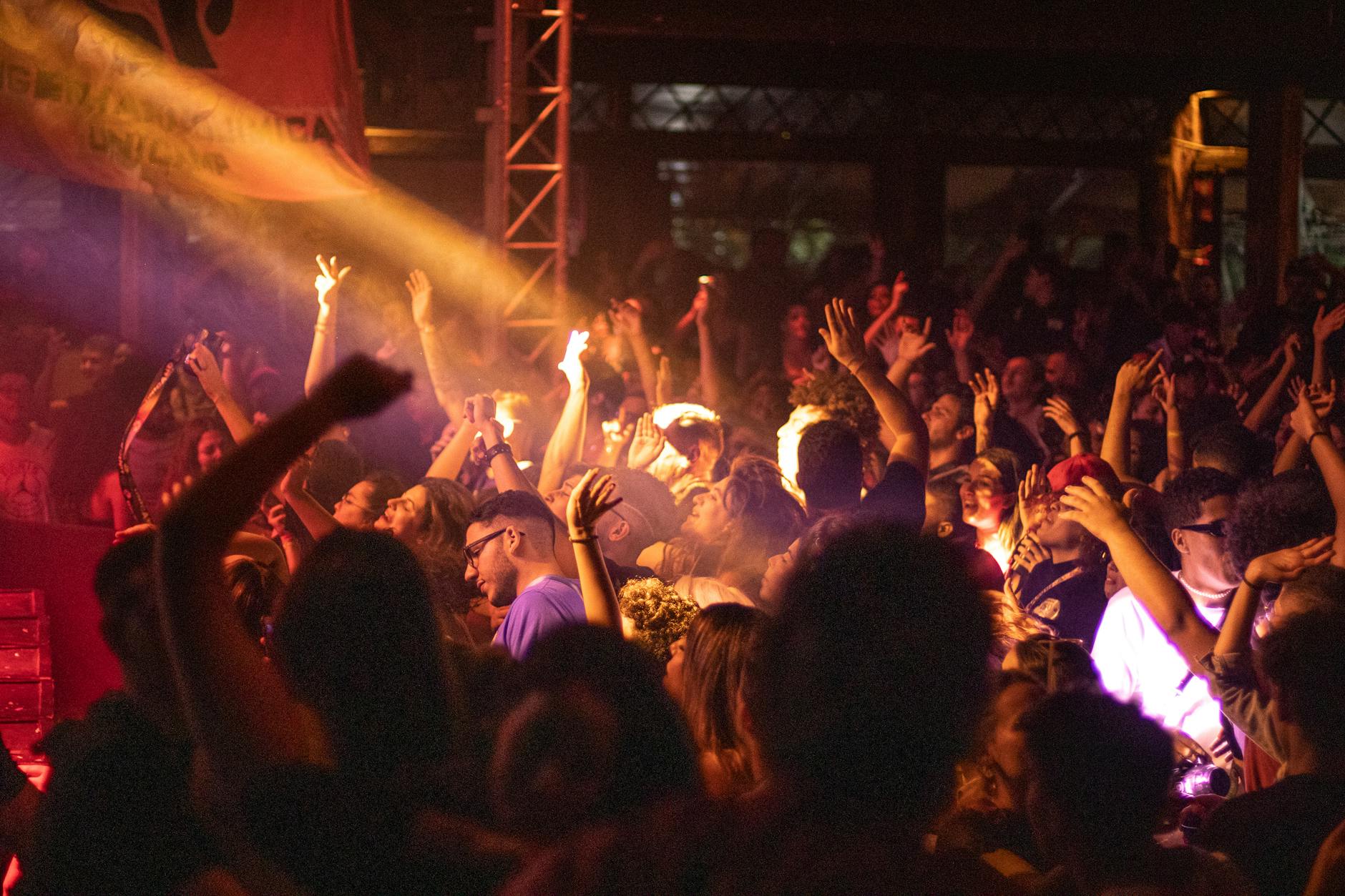
WOMADelaide first took place in 1992 as a one-off event during Adelaide’s Festival of Arts. The response from audiences was so enthusiastic that it was established as an annual event from 1993 onwards. Over three decades, the festival has hosted some of the world’s most significant musicians and cultural performers, from Youssou N’Dour and Ravi Shankar to Angelique Kidjo, Salif Keita, and countless emerging artists who went on to achieve international recognition.
The festival’s significance extends beyond entertainment. WOMADelaide has played a crucial role in introducing Australian audiences to global musical traditions, fostering cross-cultural understanding, and providing a platform for First Nations artists. It has won numerous awards for its programming, sustainability practices, and contribution to Adelaide’s cultural landscape. The event generates significant economic benefit for South Australia while maintaining its commitment to artistic excellence over commercial considerations.
The Venue: Botanic Park (Tainmuntilla)
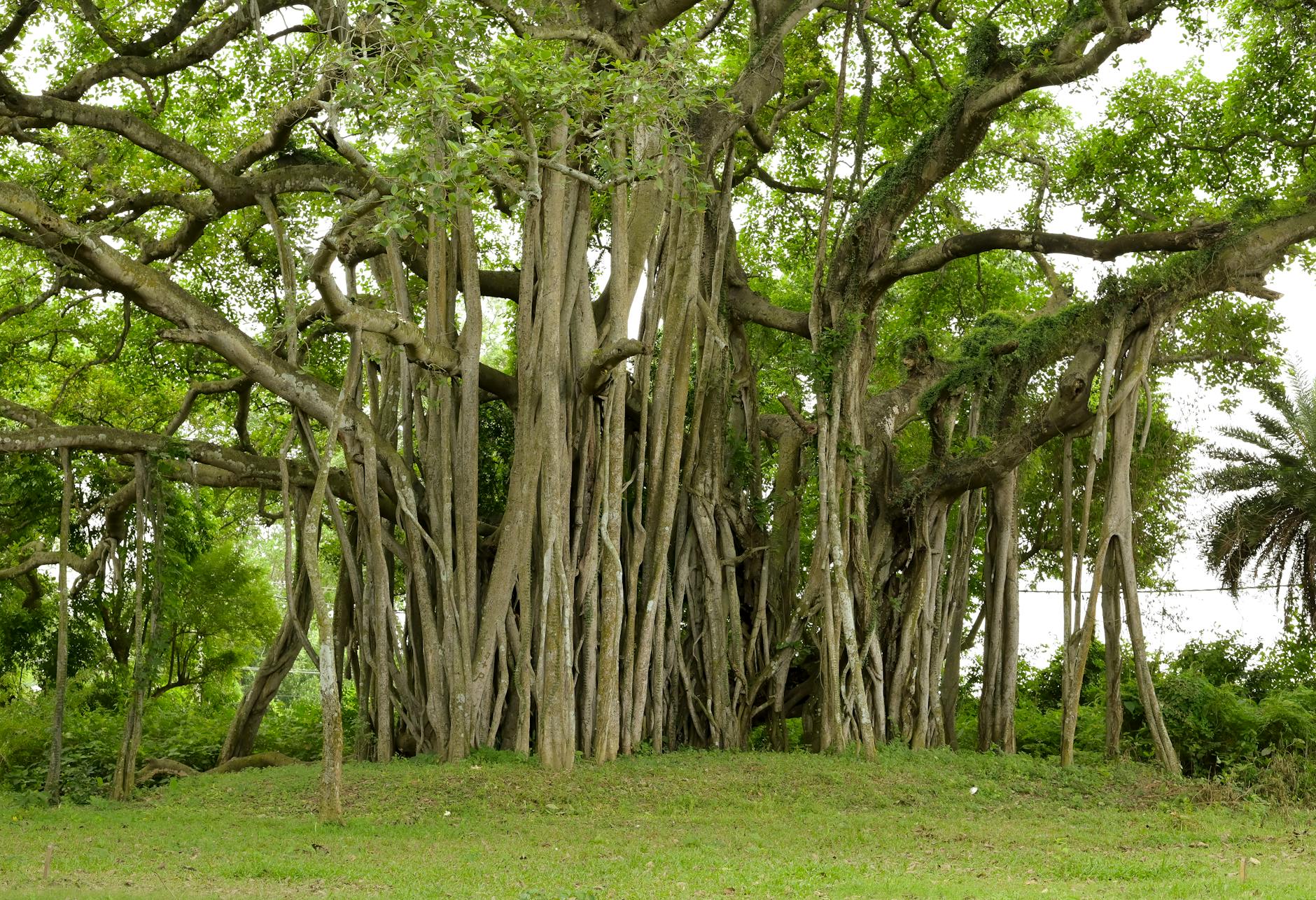
WOMADelaide’s setting in Botanic Park is one of its most distinctive features. The 34-hectare parkland, located adjacent to the Adelaide Botanic Garden and North Terrace, provides a naturally beautiful backdrop with towering Moreton Bay fig trees, open lawns, and established gardens creating natural amphitheatres and intimate performance spaces.
The park, known as Tainmuntilla in the Kaurna language of the traditional custodians, carries deep cultural significance for the Kaurna people. The festival acknowledges this connection through its programming, with Welcome to Country ceremonies, First Nations performances, and ongoing consultation with Kaurna Elders forming an integral part of the event’s cultural framework.
The parkland setting means that WOMADelaide operates with a distinctly different atmosphere to arena or stadium festivals. Audiences spread blankets beneath trees, wander between stages through dappled shade, and enjoy the feeling of a community gathering rather than a commercial concert. This relaxed, inclusive atmosphere is central to the WOMADelaide experience and one of the primary reasons visitors return year after year.
WOMADelaide Stages and Performance Spaces
The festival features multiple performance spaces, each with its own character and atmosphere. Understanding the stage layout helps you plan your movement through the park and ensures you do not miss must-see acts:
Stage 1 (Foundation Stage)
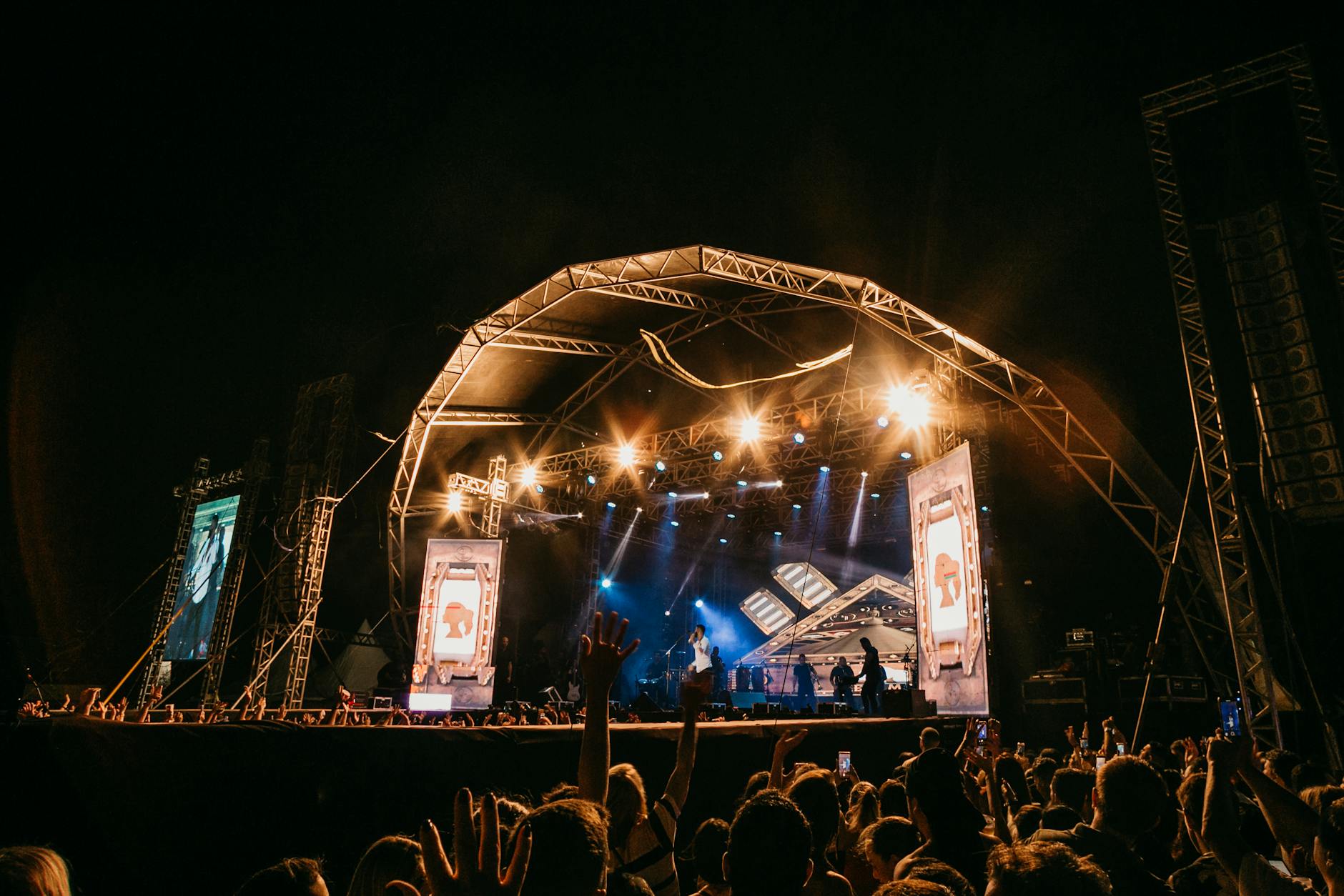
The largest performance space at WOMADelaide, Stage 1 hosts the headline acts and major international performers. Positioned in an open area of the park, it accommodates thousands of audience members on its gently sloping grass viewing area. The sound and lighting systems here are world-class, designed to deliver an immersive concert experience while maintaining the outdoor atmosphere. Major acts are typically scheduled for evening performances on Stage 1.
Stage 2
Slightly smaller than Stage 1 but equally prestigious in its programming, Stage 2 is nestled among the park’s magnificent trees. The natural canopy provides shade during afternoon performances and creates an atmospheric setting as evening falls. Many festival-goers consider Stage 2 their favourite for its combination of excellent sightlines, sound quality, and ambience.
Stage 3
A more intimate space that programs acts ranging from solo performers to mid-sized ensembles. Stage 3 often features emerging artists, experimental collaborations, and performances that benefit from a closer audience connection. Some of the festival’s most memorable surprise moments happen here, where the proximity between performers and audience creates electric energy.
Zoo Stage
Named for its location near the Adelaide Zoo boundary, the Zoo Stage programs a mix of electronic, DJ, and dance-oriented acts alongside world music fusion. Operating later into the night than other stages, it becomes the festival’s primary dance destination as evening progresses, with audiences dancing beneath the stars.
Moreton Bay Stage
Set beneath a canopy of enormous Moreton Bay fig trees, this stage offers an intimate, shaded performance space that programs spoken word, smaller acoustic acts, and cultural presentations. The natural acoustics created by the tree canopy make it a favourite for quieter, more contemplative performances.
Speakers Corner
Not strictly a music stage, Speakers Corner hosts the festival’s intellectual programming including Planet Talks (discussions on environmental and social issues), artist interviews, and panel discussions. This space attracts those seeking the ideas and conversations that complement the musical program.
WOMADelaide Programming Beyond Music
While music is the festival’s heart, WOMADelaide offers extensive programming across multiple art forms and interactive experiences:
Planet Talks
WOMADelaide’s signature series of conversations addresses pressing global issues including climate change, social justice, indigenous rights, and environmental sustainability. Featuring leading thinkers, scientists, activists, and artists, Planet Talks provides intellectual stimulation between musical performances. Past speakers have included climate scientists, human rights advocates, Indigenous leaders, and cultural commentators whose insights resonate long after the festival ends.
Taste the World
The Taste the World cooking program brings chefs from diverse cultural backgrounds to demonstrate traditional and contemporary cooking techniques. These interactive sessions allow audience members to learn about food cultures from around the globe, with recipes shared and tastings offered. From Ethiopian injera to Japanese ramen, Peruvian ceviche to Lebanese meze, the cooking demonstrations provide a culinary education that complements the musical journey.
KidZone
WOMADelaide’s dedicated children’s area makes the festival genuinely family-friendly. KidZone features age-appropriate performances, interactive workshops (drumming circles, dance classes, craft activities), face painting, storytelling, and creative play spaces. Children are welcomed into the world music experience through hands-on activities that encourage cultural curiosity and creative expression. The area is supervised and designed to give parents confidence while their children explore.
Visual Arts and Installations
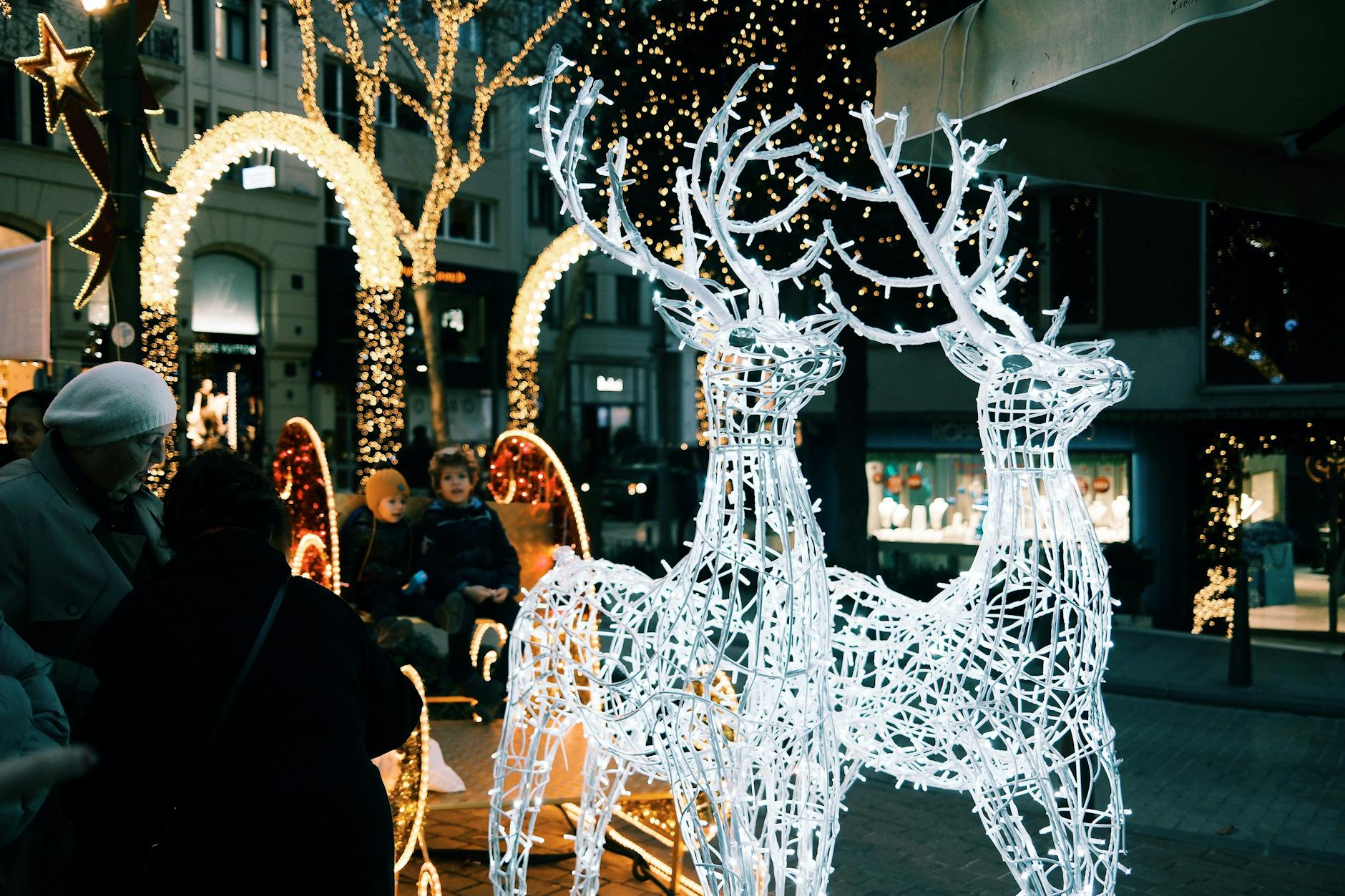
Throughout Botanic Park, visual artists create installations, projections, and interactive artworks that transform the landscape. These pieces often respond to the festival’s themes of cultural connection and environmental awareness, creating surprising discoveries as you walk between stages. Night-time illuminations add particular magic to the evening experience.
Global Village: Food and Market Stalls
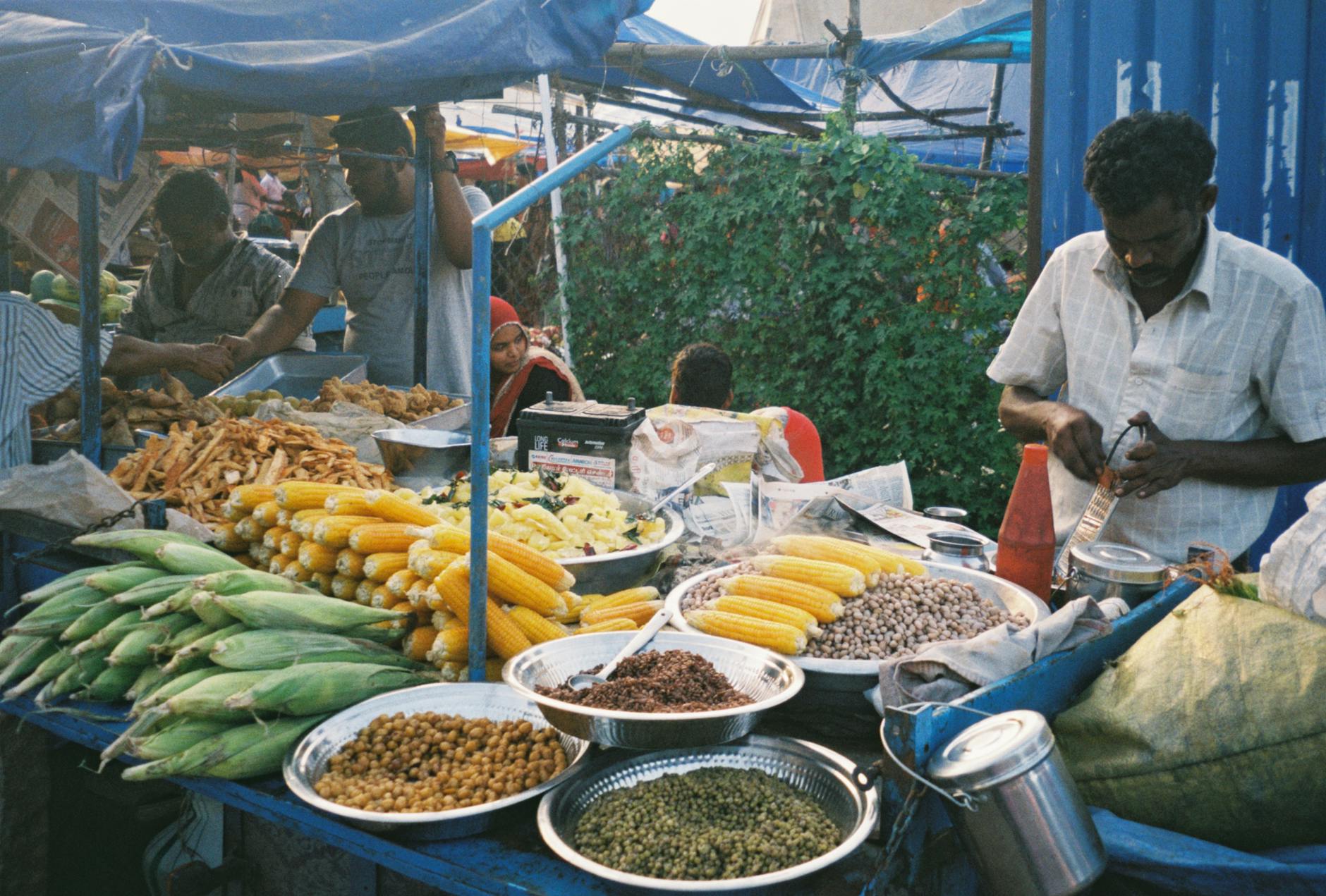
The Global Village is the commercial and culinary heart of WOMADelaide, featuring over 100 stalls offering food, crafts, clothing, and cultural displays from around the world. This bustling marketplace captures the festival’s multicultural spirit in tangible, edible, and wearable form.
Food at WOMADelaide
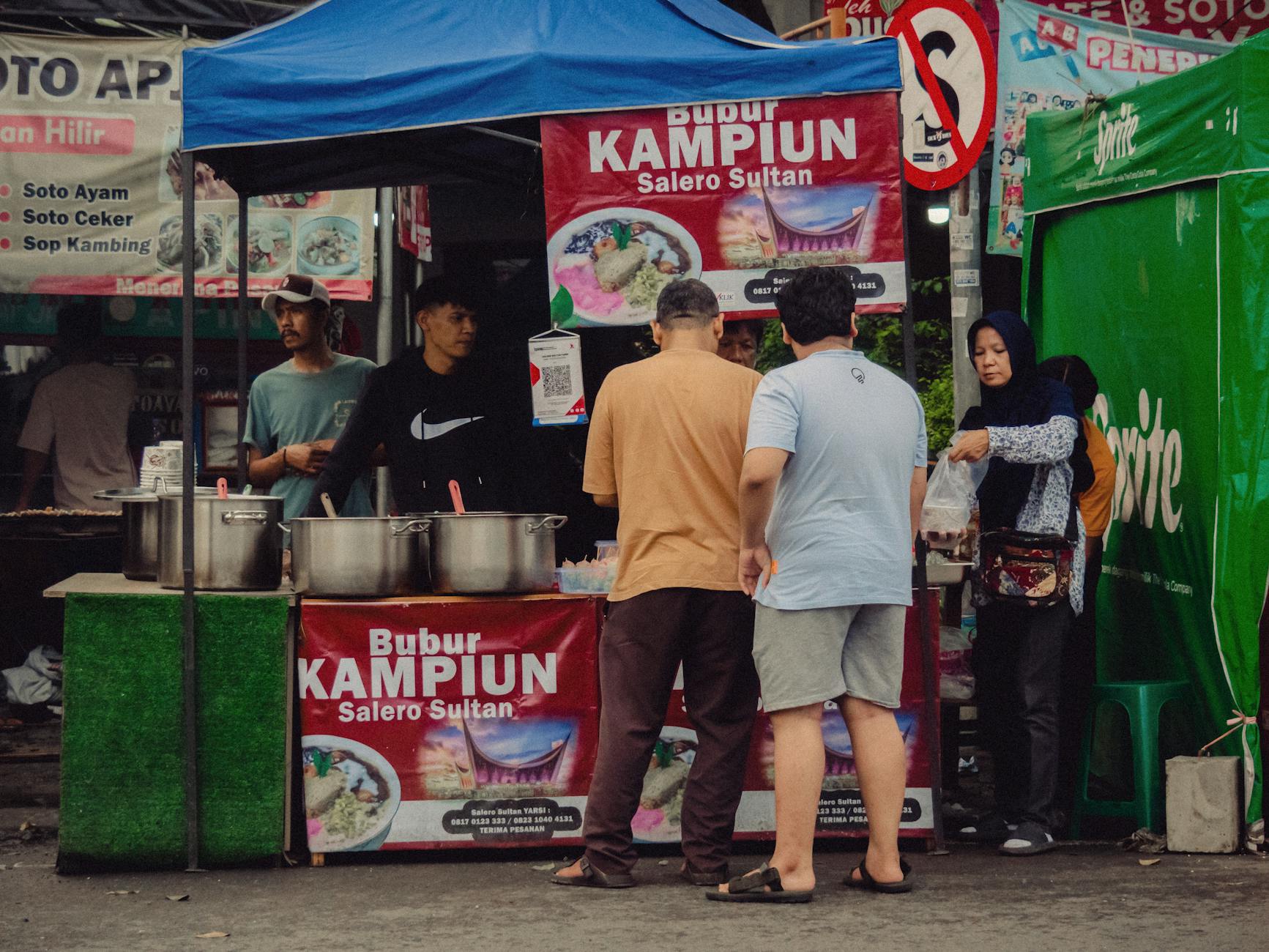
The food offering at WOMADelaide is exceptional and diverse, reflecting the festival’s global programming. Expect to find Ethiopian injera wraps, Vietnamese pho, Indian dosas, Mexican tacos, Japanese takoyaki, Middle Eastern shawarma, African peanut stews, and dozens of other cuisines represented. Many stalls are operated by community groups and restaurants that specialise in their particular cuisine, ensuring authenticity. Vegetarian, vegan, and gluten-free options are widely available. Budget approximately $15-25 per meal, with smaller snacks and drinks also available throughout the park.
Market Stalls
The craft and clothing stalls offer handmade goods from local and international artisans. Find everything from African textiles and Indonesian batik to locally made jewellery, natural skincare products, musical instruments, and fair-trade homewares. These stalls provide excellent opportunities for unique gift shopping while supporting ethical producers and artisan communities.
Sustainability at WOMADelaide
WOMADelaide has been a pioneer in festival sustainability, and its environmental credentials are among the strongest of any major event globally. The festival operates on 100% renewable energy, generated through a combination of solar panels and biodiesel generators. All food stalls use compostable or reusable serviceware, and comprehensive waste sorting stations throughout the park aim for zero waste to landfill. Water refill stations eliminate the need for single-use plastic bottles, and free drinking water is available across the site.
The festival’s commitment extends to carbon offsetting all artist travel, sourcing local products wherever possible, and using its platform to educate audiences about environmental issues through Planet Talks and installations. WOMADelaide has won multiple Green Event awards and serves as a model for other festivals worldwide seeking to reduce their environmental footprint.

Tickets and Pricing for WOMADelaide 2026
WOMADelaide offers several ticket options to suit different budgets and schedules. Tickets typically go on sale approximately six months before the event, with early-bird pricing available for a limited period. Here is a guide to the ticket structure:
- Season Pass (4-day): The best value for committed festival-goers, providing access to all four days. Prices typically range from $350-450 depending on release timing.
- 3-Day Pass: Choose any three days of the festival. Usually priced between $290-380.
- Single Day Ticket: Access to one full day of programming, ideal for those with limited time. Typically $140-180 per day.
- Concession Tickets: Available for students, pensioners, and healthcare card holders at reduced rates across all ticket types.
- Children: Children under 12 enter free when accompanied by a ticketed adult, making WOMADelaide exceptionally family-friendly.
- Group Tickets: Discounts available for groups of 10 or more purchasing together.
Tickets can be purchased through the official WOMADelaide website or authorised ticket agencies. The festival regularly sells out, so early booking is strongly recommended, particularly for season passes and weekend days.
What to Bring to WOMADelaide
Preparation is key to comfort at an outdoor festival. Here is our recommended packing list for WOMADelaide:
- Blanket or low chair: Essential for enjoying performances on the grassy viewing areas
- Sunscreen and hat: March in Adelaide can be very warm, with afternoon temperatures often reaching 30-35 degrees Celsius
- Warm layer: Evenings cool significantly, especially under the trees. A jumper or light jacket is essential
- Reusable water bottle: Free refill stations are available throughout the park
- Comfortable shoes: You will walk considerable distances between stages over uneven ground
- Small backpack or bag: For carrying essentials (note: bag checks operate at entry)
- Cash and card: Most stalls accept card payments, but some smaller vendors prefer cash
- Phone and portable charger: The festival app provides real-time programming updates
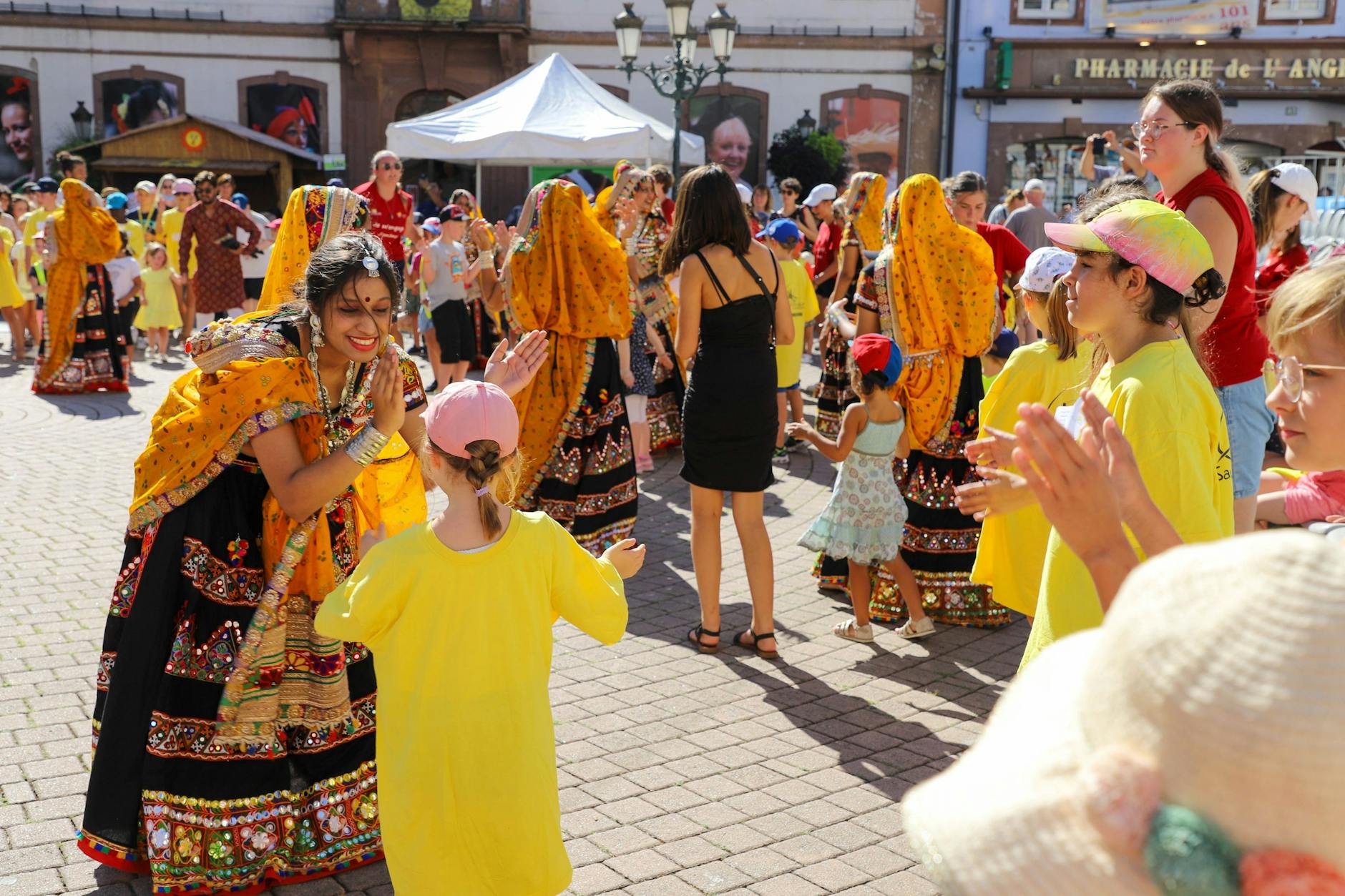
Getting to WOMADelaide: Transport Options
Botanic Park is centrally located in Adelaide, making it easily accessible via multiple transport options:
Public Transport
The free tram service runs along North Terrace, stopping near the festival entrance at the Botanic Garden stop. Multiple bus routes also service North Terrace and adjacent streets. Adelaide Metro typically runs extended services during the festival to accommodate late-night audiences. For comprehensive transport information, see our Getting Around Adelaide guide.
Cycling
Bicycle parking is available near festival entrances, and Adelaide’s flat terrain makes cycling an excellent option. The city’s bike-sharing scheme provides convenient short-term bicycle hire for those without their own.
Rideshare and Taxi
Designated rideshare pick-up and drop-off points are established near the festival entrances. Be aware that surge pricing may apply during peak exit times, particularly after headline acts finish on Stage 1.
Driving
Limited street parking is available in surrounding streets, but fills quickly. The East End car parks and Adelaide Oval car park provide alternatives within walking distance. Arriving early secures the best parking options.
Accommodation Tips for WOMADelaide
WOMADelaide coincides with Adelaide’s peak festival season in March, when accommodation demand is at its highest across the city. Early booking is essential to secure your preferred location and price point. The best areas to stay for WOMADelaide access include:
- East End: Closest to Botanic Park, walkable to the festival entrance within 5-10 minutes
- North Adelaide: Just across the Torrens from Botanic Park, offering quiet accommodation close to the action
- CBD hotels: Most city centre hotels are within 15-20 minutes walk of the festival grounds
- Norwood/Kent Town: East of the park, these suburbs offer B&B and apartment options at slightly lower prices
Book at least 3-6 months ahead for best availability and rates during this period. See our Where to Stay in Adelaide guide for detailed neighbourhood recommendations and booking tips.
Family-Friendly Features at WOMADelaide
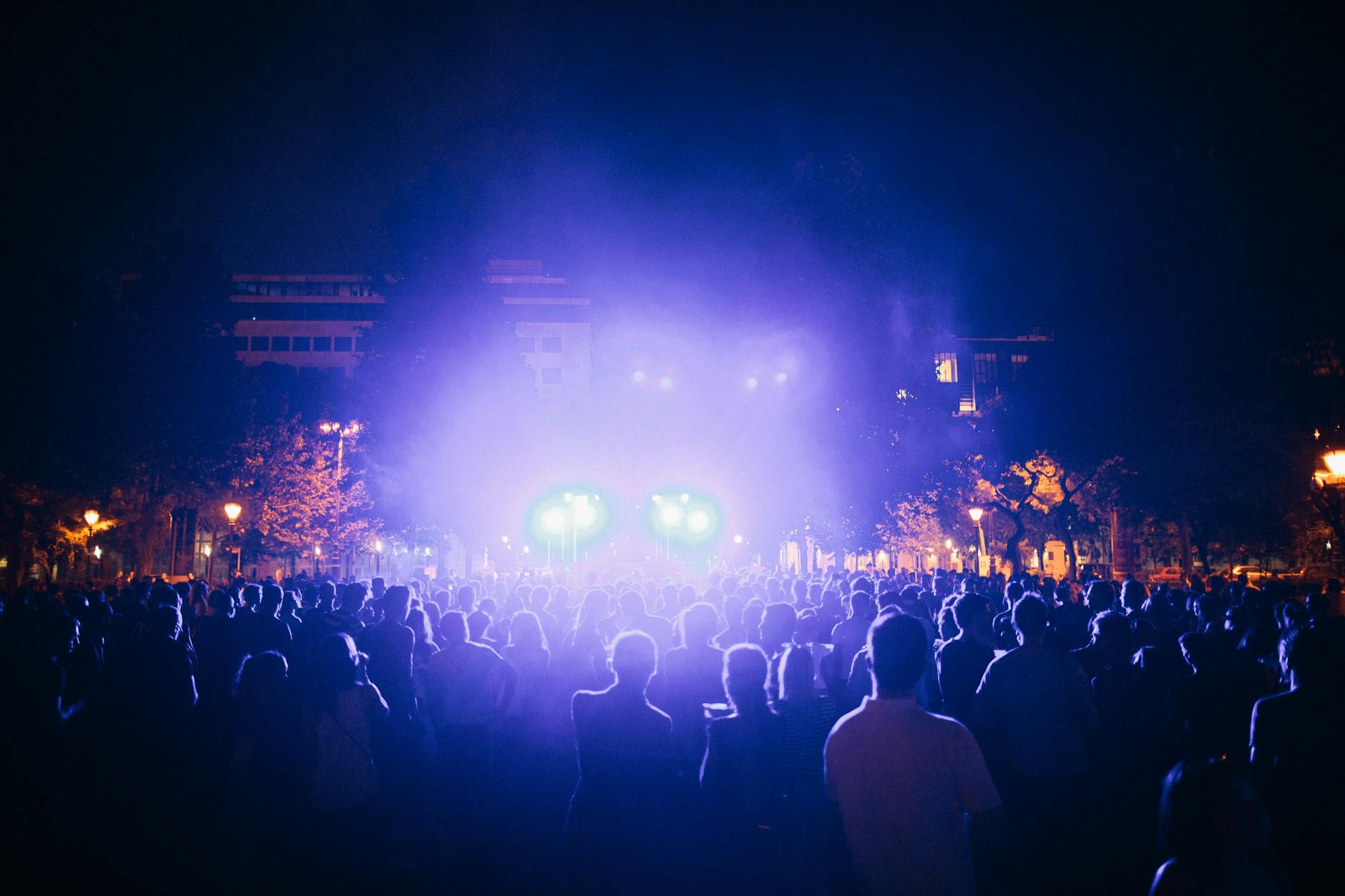
WOMADelaide is genuinely one of Australia’s most family-friendly festivals, and attending with children of all ages is not only possible but highly rewarding. Beyond the dedicated KidZone, the entire festival environment is welcoming to families:
- Free entry for children under 12 when accompanied by a ticketed adult
- Pram access: The park is largely accessible, though some areas have uneven ground
- Nursing and baby change facilities are available on site
- Early afternoon programming is ideal for younger children who may need earlier bedtimes
- Alcohol-free zones near KidZone and family areas
- Lost children facilities staffed by experienced volunteers
- Shade and quiet spaces available when children (or adults) need downtime
Many families find that WOMADelaide provides an extraordinary introduction to world cultures for children, sparking curiosity about different traditions, languages, and musical forms. The relaxed atmosphere means children can dance freely, explore safely, and experience live performance in an environment designed with their needs in mind. For more family activity ideas in Adelaide, explore our Adelaide with Kids guide.
Food and Drink at WOMADelaide
The food and drink experience at WOMADelaide deserves special attention, as it forms an integral part of the festival’s cultural offering. With over 100 food and beverage vendors in the Global Village and scattered throughout the park, you could attend every day and eat something different at each meal.
Licensed bars throughout the park serve beer, wine, cider, and cocktails alongside non-alcoholic options. Several bars are operated by South Australian wineries and craft breweries, providing an opportunity to sample local producers. Adelaide Hills wines, Barossa Valley reds, and craft beers from local breweries feature prominently. BYO alcohol is not permitted.
For a broader exploration of Adelaide’s dining scene, visit our Adelaide restaurants and food guide for recommendations across the city.
Tips for Getting the Most from WOMADelaide
After years of attending WOMADelaide, here are our top tips for maximising your festival experience:
- Arrive early: Gates open in the early afternoon, and some of the best discoveries happen before the crowds arrive for evening headline acts.
- Embrace the unknown: WOMADelaide’s greatest gift is introducing you to artists you have never heard of. Avoid spending the entire festival at Stage 1 waiting for names you recognise, and instead wander between stages with an open ear.
- Check the app: The official WOMADelaide app provides real-time schedule updates, artist bios, and a map. Programming changes happen, so stay informed.
- Claim your spot early for headliners: Popular acts on Stage 1 draw large crowds. If there is an act you must see up close, arrive at the stage at least one performance before.
- Explore Planet Talks: The conversations are among the festival’s most stimulating experiences and provide welcome rest for the feet between shows.
- Stay for the late shows: The Zoo Stage and late-night programming often produces the festival’s most magical moments, when the crowds thin and the atmosphere becomes electric.
- Volunteer: WOMADelaide runs an extensive volunteer program. Volunteering provides behind-the-scenes access and a deeper connection to the festival community.
WOMADelaide and Adelaide’s Festival Season
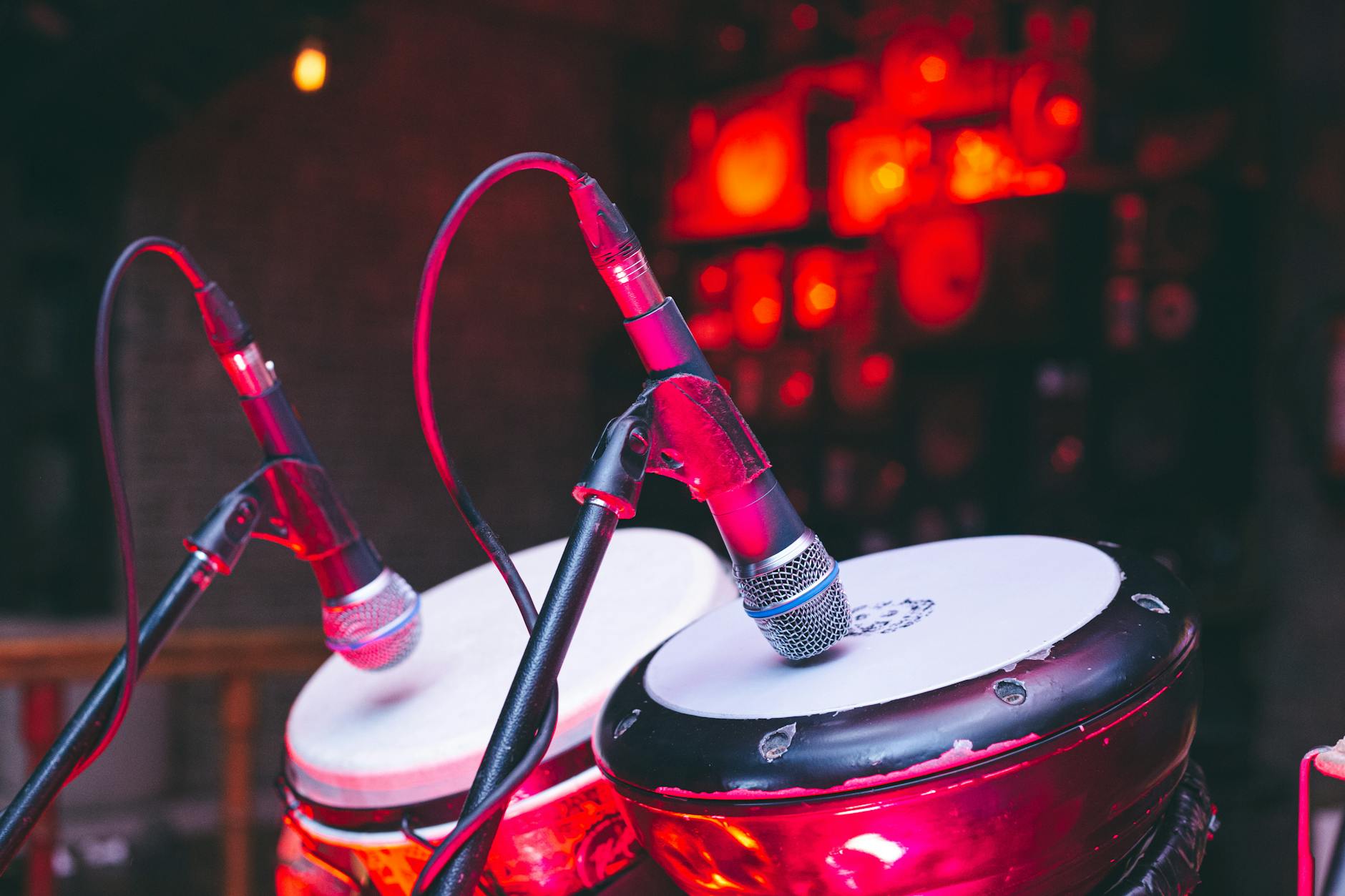
WOMADelaide takes place during Adelaide’s extraordinary March festival season, when the Adelaide Fringe (the world’s second-largest fringe festival), Adelaide Festival, and WOMADelaide overlap. This concentration of cultural events transforms Adelaide into a city buzzing with creative energy, with performances, exhibitions, and events filling every venue, laneway, and park across the city. Planning your visit to coincide with multiple festivals maximises the cultural richness of your Adelaide experience.
For more information about Adelaide’s packed events calendar, explore our Adelaide Events and Festivals guide. If you are deciding on the best timing for your visit, our Best Time to Visit Adelaide guide offers month-by-month advice to help you plan.
Final Thoughts on WOMADelaide
WOMADelaide is more than a music festival. It is a celebration of humanity’s cultural diversity, a reminder of music’s power to connect people across boundaries of language, geography, and tradition. Whether you spend four days immersed in the full program or visit for a single afternoon, the festival offers experiences that enrich, challenge, and inspire. From the opening Welcome to Country to the final notes echoing through Botanic Park late on Monday night, WOMADelaide delivers moments of genuine wonder that stay with you long after the music fades. Start planning your 2026 experience today and join the tens of thousands who have made this extraordinary gathering a cherished annual tradition.
For the latest lineup announcements and ticket information, check the official WOMADelaide website. The festival is held in Adelaide Botanic Gardens precinct, and transport details are available via Adelaide Metro. WOMADelaide is part of the global WOMAD family of festivals celebrating world music and arts. For broader event planning, South Australia Tourism offers accommodation and activity packages timed to the festival.