Adelaide’s metropolitan coastline stretches over 70 kilometres of pristine sandy shores, making the best beaches in Adelaide some of the most accessible urban coastal experiences in Australia. From the bustling entertainment precinct of Glenelg to the rugged cliff-backed sands of Maslin Beach, Adelaide’s coastal diversity is genuinely remarkable. Unlike Sydney or Melbourne, where reaching a quality beach often means battling traffic for an hour or more, Adelaide’s best beaches sit within 20 to 40 minutes of the city centre, with several reachable by tram or a quick bus ride.
Whether you’re looking for family-friendly swimming spots, world-class snorkeling, dramatic coastal scenery, or buzzing beachside dining, this guide covers all the best beaches Adelaide has to offer. We’ve visited every beach on this list to bring you practical, honest advice on facilities, swimming safety, parking, nearby dining, and what makes each stretch of sand special. For broader coastal planning, see our comprehensive Adelaide beaches guide, and if you’re exploring the city with little ones, our Adelaide with kids guide highlights the most child-friendly shores.
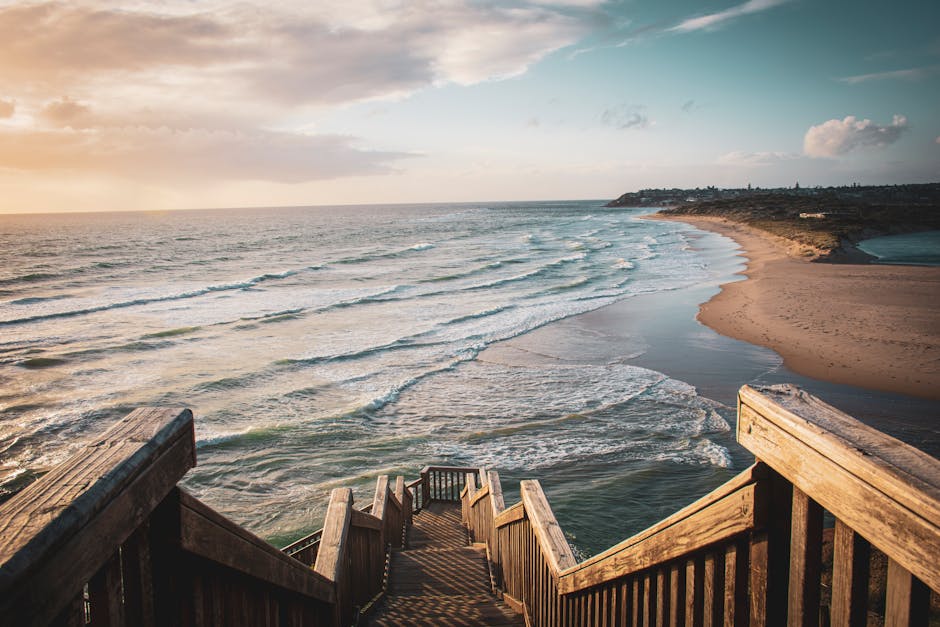
1. Glenelg Beach: Adelaide’s Most Popular Beach
Glenelg Beach is the undisputed queen of Adelaide’s coastal scene, and for most visitors it’s the first beach they’ll experience. Located just 11 kilometres southwest of the CBD, Glenelg is famously accessible via the Adelaide Metro tram, which runs from the city centre directly to Moseley Square in approximately 30 minutes. This tram connection alone sets Glenelg apart from every other beach in Adelaide and makes it the obvious choice for visitors without a car.
The beach itself is a wide, gently sloping stretch of golden sand that extends for roughly two kilometres. Swimming conditions are generally excellent, with calm, shallow waters that are well-suited to families and less confident swimmers. Surf Life Saving patrols operate during summer weekends and public holidays between the flags, providing an added layer of safety. The water is clean and clear, with temperatures reaching 21-23°C during peak summer months.
Beyond the sand, Glenelg’s appeal lies in its vibrant entertainment precinct. Moseley Square, where the tram terminates, is the social hub — a broad, open plaza surrounded by cafes, restaurants, ice cream shops, and bars. Jetty Road, running perpendicular to the beach, is packed with dining options ranging from fish and chips to upscale seafood restaurants. Popular choices include Sammy’s on the Marina for waterfront dining, the Moseley Bar & Kitchen for casual drinks, and the numerous gelato shops that line Jetty Road. For families, the Beachouse entertainment complex sits right on the foreshore, offering waterslides, bumper boats, and arcade games.
Facilities: Toilets and change rooms, outdoor showers, free BBQ facilities, playgrounds, extensive paid and free parking (arrive early in summer), wheelchair-accessible ramp to the beach, nearby shopping at Jetty Road. Getting there: Tram from Adelaide Entertainment Centre or city stops (free within the CBD zone); bus routes 245, 248, 265; or drive and park at the Glenelg foreshore car parks. Best for: First-time visitors, families, couples, anyone wanting beach culture combined with dining and entertainment.
2. Henley Beach: Sunset Capital of Adelaide
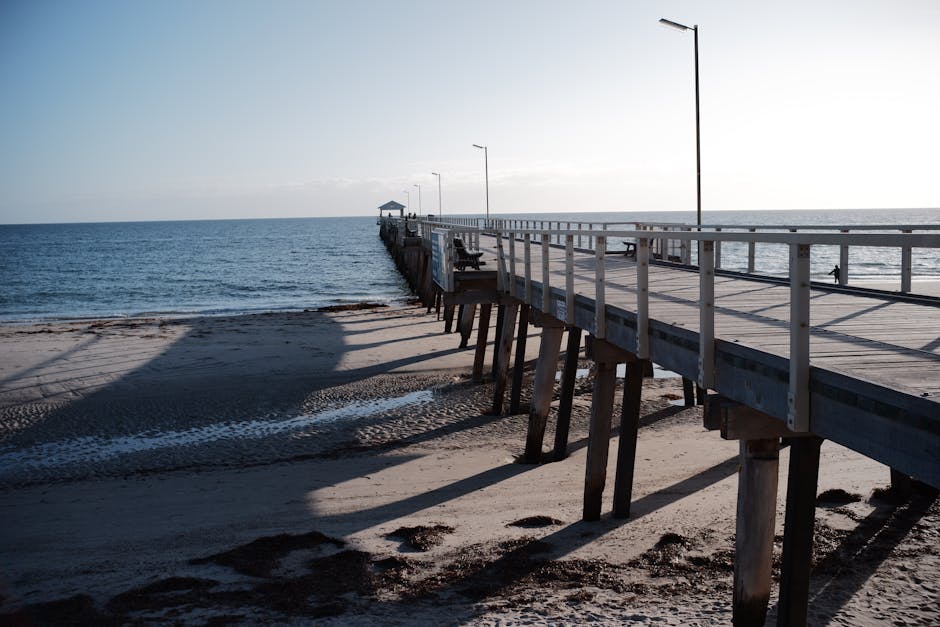
If Glenelg is Adelaide’s beach for tourists, Henley Beach is the local favourite. Situated 12 kilometres west of the CBD, Henley Beach has earned a reputation as Adelaide’s premier sunset-watching destination, and one evening stroll along its historic jetty will show you exactly why. The west-facing orientation delivers unobstructed views over the Gulf St Vincent, and during summer months the sunsets can be genuinely breathtaking — all oranges, pinks, and purples reflected across the calm water.
Henley Square, the beachfront precinct that underwent a major redevelopment in 2014, is now one of Adelaide’s most attractive coastal dining destinations. The square features a terraced design that flows from the road down to the sand, with restaurants and cafes occupying prime positions on multiple levels. Estia is a standout for Greek-inspired cuisine with ocean views, while the Henley Beach Hotel offers classic pub meals with a front-row sunset seat. For coffee, Maloha Kiosk right on the square is hard to beat.
The beach itself is wide and well-maintained, with good swimming conditions in the calm gulf waters. The Henley jetty extends 280 metres into the sea and is popular with fishers, walkers, and those who simply want to stand at the end and take in the panoramic coastal views. Henley Beach South, a five-minute walk down the esplanade, is typically quieter and offers a more relaxed alternative if the main beach is busy.
Facilities: Toilets, outdoor showers, free BBQ facilities, playground, paid parking on the square and free street parking further back, wheelchair-accessible paths. Getting there: Bus routes 130, 137 from the city; 15-minute drive from CBD. Best for: Sunset photography, date nights, foodies, relaxed beach days without the Glenelg crowds.
3. Semaphore Beach: Heritage Charm and Family Fun
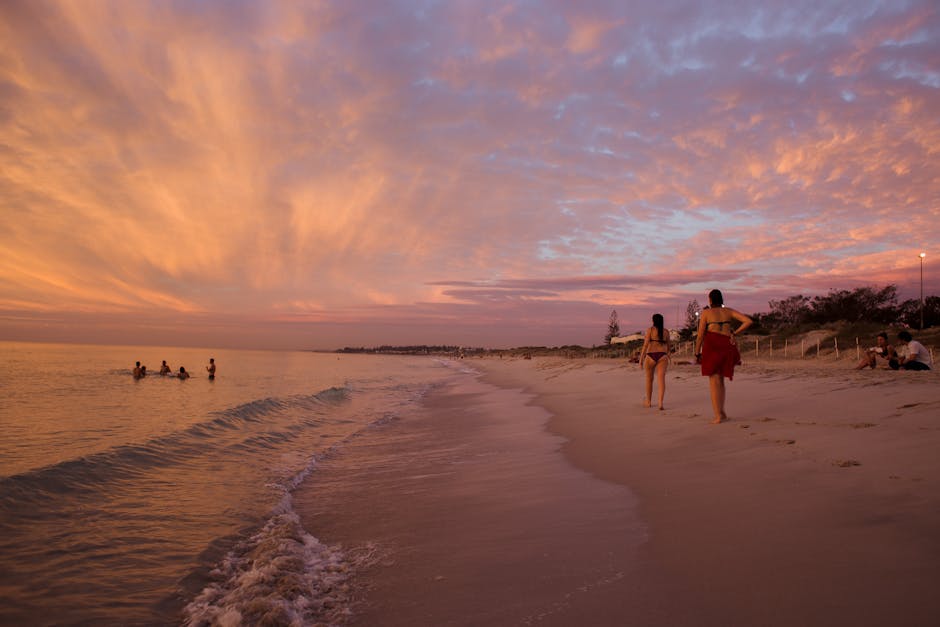
Semaphore Beach, located 14 kilometres northwest of the CBD in the Port Adelaide Enfield area, combines genuine heritage character with some of the best family-friendly facilities on Adelaide’s coastline. The Semaphore foreshore has a nostalgic, almost timeless quality — the vintage carousel (operational since 1928) still spins on weekends and holidays, the heritage-listed buildings along Semaphore Road house independent shops and cafes, and the broad esplanade is perfect for cycling, skating, or a leisurely stroll.
The beach is wide and flat, with gentle waves that make it exceptionally safe for young children. Patrolled during summer, the swimming conditions are among the calmest in Adelaide thanks to the sheltered position within the upper gulf. The Semaphore Palais, a heritage entertainment venue, occasionally hosts markets, live music, and community events, adding another dimension to a beach visit.
Dining options along Semaphore Road are pleasantly varied. The Semaphore Surf Life Saving Club offers affordable bistro meals with ocean views, while smaller cafes and fish and chip shops cater to beachgoers wanting something quick. The Largs Bay Sailing Club, a short walk north, is another popular spot for casual dining. For something different, the Inner Harbour at nearby Port Adelaide is worth exploring for its maritime museums, dolphin cruises, and emerging foodie scene. If you’re planning a trip with family, check our Adelaide with kids guide for more ideas.
Facilities: Toilets, outdoor showers, playground, carousel, free parking along the esplanade, BBQ facilities, beach wheelchair available from the surf club. Getting there: Bus routes or drive; roughly 20-minute drive from CBD. Best for: Families with young children, heritage lovers, casual beach days with character.
4. West Beach: Quiet Convenience Near the Airport
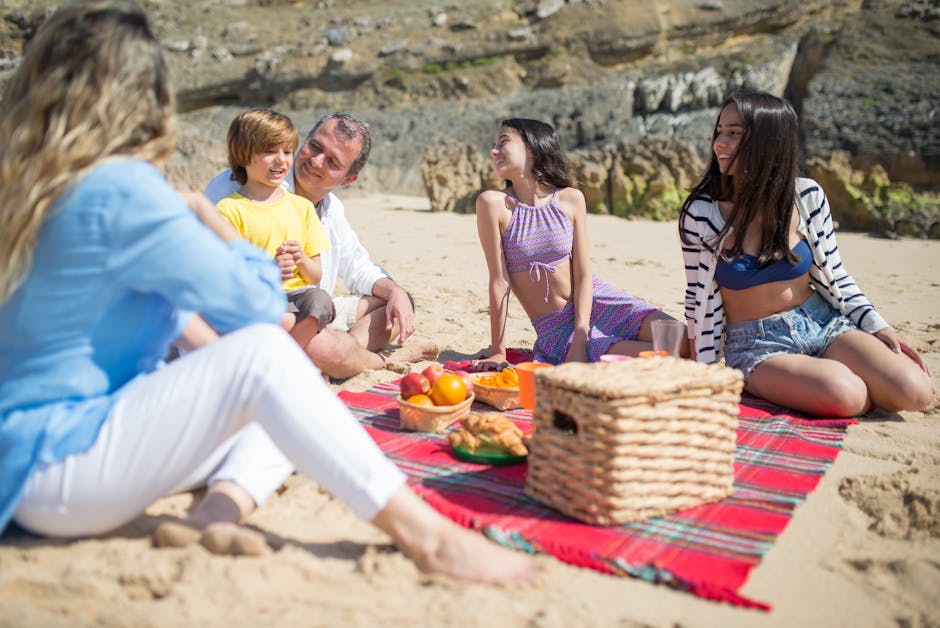
West Beach is Adelaide’s hidden gem for those who want sand and sea without crowds, commercialism, or fuss. Stretching for roughly three kilometres between Glenelg North and Henley Beach South, West Beach occupies a central position on Adelaide’s coast yet remains surprisingly quiet compared to its more famous neighbours. Its proximity to Adelaide Airport (just five minutes’ drive) makes it an excellent option for travellers with time to kill before a flight or those who’ve just landed and want to start their Adelaide experience immediately.
The beach is wide, open, and backed by low dunes and the West Beach Parks recreation precinct, which includes a holiday park, golf course, boat haven, and aquatic centre. Swimming is safe and pleasant in the calm gulf waters, though lifeguard patrols are less frequent than at Glenelg or Henley. The lack of a major dining precinct means West Beach attracts a different crowd — locals walking their dogs (on-leash, with off-leash areas at certain times), joggers, kite surfers taking advantage of the open exposure, and families who simply want space to spread out.
Facilities: Toilets at the parks precinct, free parking, BBQ facilities in the reserve, playground. Limited dining — bring a picnic or drive five minutes to Henley Beach or Glenelg for restaurants. Getting there: Bus route or 15-minute drive from CBD. Best for: Travellers near the airport, kite surfers, dog walkers, those seeking peace and space. For more on getting around Adelaide, see our transport guide.
5. Brighton Beach: Bathing Boxes and Family Swimming
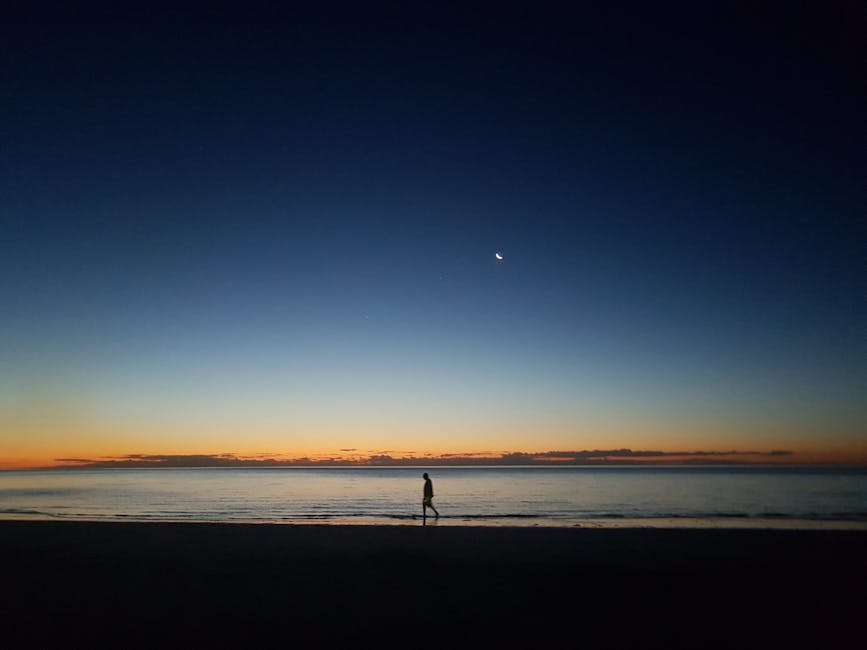
Brighton Beach, situated 15 kilometres southwest of the CBD, is best known for its row of colourful bathing boxes that line the foreshore — a photogenic landmark that has become one of Adelaide’s most recognisable coastal images. While not as numerous as Melbourne’s famous Brighton Beach boxes, Adelaide’s version offers a similar charm on a more intimate scale, and they make a wonderful backdrop for photos.
Beyond the Instagram appeal, Brighton is an excellent family beach. The water is calm and shallow, making it safe for young swimmers, and the beach is wide enough that it rarely feels crowded even on hot summer days. The Brighton Jetty is a pleasant structure for walking and fishing, and the foreshore reserve provides shaded picnic areas with BBQ facilities. The jetty is also the site of the annual Brighton Jetty Classic ocean swim and the quirky Brighton Jetty Sculptures exhibition.
The nearby Brighton commercial area, a short walk from the beach along Jetty Road, has a small but pleasant selection of cafes and shops. For a more substantial dining experience, head to the nearby Seacliff Hotel, a popular beachside pub with ocean views and a solid menu. Seacliff Beach, immediately south of Brighton, offers an equally attractive stretch of sand and is worth exploring if you want to extend your coastal walk.
Facilities: Toilets, outdoor showers, BBQ facilities, playground, free parking along the esplanade. Getting there: Seaford train line to Brighton station, then a 10-minute walk; bus routes; 20-minute drive from CBD. Best for: Photography, families, gentle swimming, a quieter alternative to Glenelg.
6. Port Noarlunga: Reef Snorkeling and Coastal Adventure
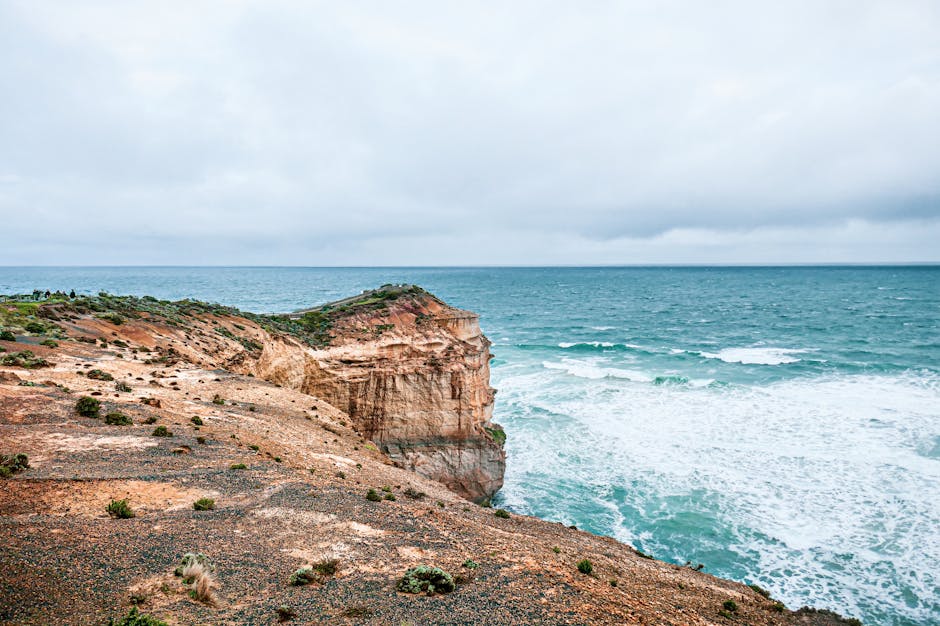
Port Noarlunga is where Adelaide’s beach scene takes a dramatic turn from gentle swimming toward genuine coastal adventure. Located 30 kilometres south of the CBD, Port Noarlunga is home to one of Australia’s best shore-accessible reef snorkeling sites — the Port Noarlunga Reef Aquatic Reserve, a protected marine environment that stretches roughly one kilometre parallel to the beach. The reef is accessible from the beach or via the Port Noarlunga jetty, which extends directly over the reef, and snorkelers can explore a rich underwater world of leafy sea dragons, blue swimmer crabs, schools of fish, and vibrant marine plant life.
For non-snorkelers, Port Noarlunga is still a beautiful beach destination. The beach sits at the base of dramatic red-brown cliffs, and the protected waters behind the reef are generally calm and good for swimming. The jetty is a focal point for the community — popular with fishers, walkers, and scuba divers who use it as an entry point for reef exploration. At the top of the cliffs, the iconic Star of Greece restaurant offers Mediterranean-inspired cuisine with panoramic ocean views, and it’s widely regarded as one of Adelaide’s finest coastal dining experiences.
The Onkaparinga River estuary, just north of the beach, is another natural attraction offering kayaking, birdwatching, and walking trails through the Onkaparinga River National Park. For visitors combining a Port Noarlunga visit with further south coast exploration, the nearby town of Christies Beach and the McLaren Vale wine region are within easy reach. This makes Port Noarlunga an excellent base for a day trip from Adelaide combining beach, reef, and wine country.
Facilities: Toilets, outdoor showers, parking (limited on busy days — arrive early), snorkel hire from local shops, BBQ facilities in the reserve, playground. Getting there: Seaford train line to Noarlunga Centre then bus; 35-minute drive from CBD. Best for: Snorkeling, diving, nature lovers, active beachgoers, scenic dining.
7. Maslin Beach: Wild Cliffs and Untamed Beauty

Maslin Beach is the wild child of Adelaide’s coastline — dramatic, rugged, and unapologetically raw. Located 38 kilometres south of the CBD, near the town of Aldinga, Maslin Beach is renowned for its towering ochre and cream-coloured cliffs that create a stunning geological backdrop unlike anything else on Adelaide’s coast. The cliff formations, which date back millions of years, display vivid layers of colour that shift and glow in the changing light, making Maslin Beach a paradise for photographers and geology enthusiasts.
The beach itself is wide and exposed, with stronger surf conditions than the calmer metropolitan beaches further north. Swimming is possible but requires more caution — there are no regular lifeguard patrols, and rip currents can occur, particularly after rough weather. It’s best to swim only on calm days and stay between any informal markers other swimmers are using. The southern end of Maslin Beach is Australia’s first legally recognised clothing-optional beach (since 1975), so be aware that this section is frequented by naturists.
Maslin Beach pairs beautifully with a visit to the nearby McLaren Vale wine region, just 10 minutes inland. After a morning on the sand, you could be sipping Shiraz at a world-class cellar door by lunchtime. The Star of Greece restaurant at Port Willunga (10 minutes north) and the Victory Hotel at Sellicks Beach (10 minutes south) are both excellent nearby dining options. Check Adelaide Beaches for current conditions before heading to Maslin on rougher days.
Facilities: Basic — car park at the top of the cliff with a staircase to the beach, pit toilets. No shops, showers, or kiosks. Bring everything you need. Getting there: Drive only — 40-minute drive from CBD via Main South Road. Best for: Photography, cliff walks, experienced swimmers, nature lovers, those combining beach with McLaren Vale wine region.
8. Port Willunga: Turquoise Waters and Historic Ruins
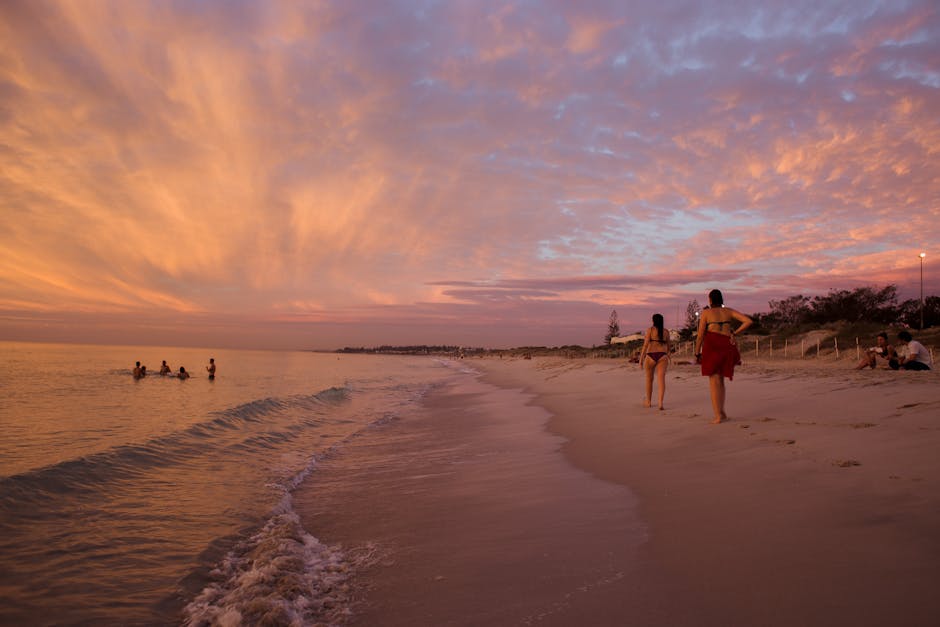
Port Willunga is arguably the most photogenic beach in all of South Australia, and it’s easy to understand why once you see the turquoise waters framing the weathered wooden ruins of the old jetty. Located 40 kilometres south of the CBD, Port Willunga’s combination of crystal-clear water, soft golden sand, dramatic cliff caves, and those iconic jetty stumps creates a scene that looks more like the Mediterranean than suburban Adelaide.
The old jetty, originally built in the 1850s to service the local grain trade, was damaged by storms over the decades and eventually abandoned. What remains are the weathered wooden stumps that march into the sea, creating a hauntingly beautiful landmark that photographers flock to, especially at sunset. The caves in the cliff face at the southern end of the beach are another distinctive feature — carved by wave action over millennia, they’re accessible at low tide and add an element of coastal exploration to a visit.
Swimming at Port Willunga is excellent on calm days, with the clear water providing visibility that’s unusual for Adelaide’s beaches. However, like Maslin Beach, it’s an unpatrolled beach with occasional strong currents, so confidence in the water is important. The beach is backed by tall cliffs, which means access is via staircases from the car park above — something to consider for those with mobility challenges or heavy beach gear.
Dining is a highlight of any Port Willunga visit. The Star of Greece, perched on the cliffs above the beach, is one of South Australia’s most celebrated restaurants, offering Mediterranean-influenced seafood with million-dollar ocean views. It’s essential to book ahead, especially for weekend lunch. The nearby town of Aldinga has additional cafes and takeaway options.
Facilities: Basic — car park at the top (fills quickly on weekends), stairs to beach, pit toilets. Getting there: Drive only — 40-minute drive from CBD. Best for: Photography, snorkeling in calm conditions, cave exploration, romantic beach outings, pairing with McLaren Vale wine region.
9. Christies Beach: Relaxed South Coast Family Spot

Christies Beach is a no-frills, genuinely family-friendly beach on Adelaide’s southern coast that offers a laid-back, community atmosphere without the tourism infrastructure of Glenelg or Henley. Located 28 kilometres south of the CBD, Christies Beach is a wide, flat expanse of sand with gentle waves and gradually deepening water — perfect for young children learning to swim and for parents who want to relax without constant worry about strong currents.
The foreshore reserve at Christies Beach is well-maintained, with a solid playground, BBQ facilities, and shaded picnic areas directly behind the beach. The Christies Beach Surf Life Saving Club operates summer patrols and also runs a small bistro with affordable meals and ocean views. For more substantial dining, the nearby Noarlunga Centre has supermarkets, restaurants, and services.
What makes Christies Beach particularly attractive for families is the accessibility via the Seaford train line — the Christies Beach station is approximately a 10-minute walk from the sand, making it one of the few southern beaches reachable without a car. Combined with the calm swimming conditions, good facilities, and lack of crowds, Christies Beach is an underrated option that delivers a genuine, unpretentious beach experience. See the Adelaide Metro website for train timetables.
Facilities: Toilets, outdoor showers, playground, BBQ facilities, surf club bistro, free parking. Getting there: Seaford train line to Christies Beach station; 30-minute drive from CBD. Best for: Families with young children, budget-friendly beach days, public transport access on the south coast.
10. Moana Beach: Adelaide’s Surfing Hotspot

Moana Beach is where Adelaide’s surf culture comes alive. Located 35 kilometres south of the CBD, Moana consistently produces the best waves on Adelaide’s metropolitan coast, attracting surfers of all abilities from dawn till dusk. The beach faces southwest, catching the prevailing swells that roll up from the Southern Ocean, and delivers reliable surf ranging from gentle beginner waves on small days to challenging breaks when the swell picks up.
For learners, Moana is an excellent place to take a surf lesson — several local operators run classes for beginners, with the gentle white-water zone providing a forgiving learning environment. More experienced surfers head to the southern end of the beach where the waves tend to be larger and more defined. The beach is patrolled during summer weekends, and conditions are generally safe for swimming, though it’s important to be aware of rip currents, particularly after storms.
The Moana foreshore has a relaxed, slightly rural feel compared to the metropolitan beaches further north. The Moana Beach Surf Life Saving Club is the social hub, and the nearby Moana Heights shops provide basic supplies. For a more complete dining experience, the Victory Hotel at Sellicks Beach (10 minutes south) is a popular destination with ocean views and excellent pub meals, or head inland to McLaren Vale for winery dining. Moana pairs well with a broader south coast day trip that takes in Port Noarlunga reef, the McLaren Vale wine region, and the Fleurieu Peninsula.
Facilities: Toilets, outdoor showers, surf club, car park (free), BBQ facilities. Getting there: Drive — 35 minutes from CBD via Main South Road or Southern Expressway. Best for: Surfers of all levels, surf lessons, experienced ocean swimmers, south coast exploration.
Beach Safety Tips for Adelaide
Adelaide’s beaches are generally safe, but respecting the ocean is essential. The gulf beaches (Glenelg, Henley, Semaphore, West Beach, Brighton, Christies) are sheltered and calm, with minimal surf and gentle currents. The further south you travel, the more exposed the beaches become, with Moana, Maslin, and Port Willunga experiencing stronger surf and occasional rip currents. Always check BeachSafe for current conditions and patrol information before heading out.
Swim between the flags: Where lifeguard patrols are active, always swim in the flagged area. This is the safest section of the beach, monitored by trained professionals. Sun protection: Adelaide’s UV levels are extreme during summer (UV index regularly exceeds 11). Apply SPF 50+ sunscreen every two hours, wear a hat and sunglasses, and seek shade during the peak UV hours of 10am to 3pm. Marine life awareness: Stingrays occasionally visit shallow waters in summer — shuffle your feet when entering the water to avoid stepping on one. Bluebottle jellyfish can appear after north-westerly winds. Rip currents: If caught in a rip, don’t fight it — swim parallel to the shore until you’re out of the current, then swim back to the beach at an angle. Alcohol: Adelaide’s beaches are alcohol-free zones. Fines apply for drinking on the sand or foreshore.
Best Time of Year for Adelaide Beaches
Adelaide’s beach season runs from October through April, with the peak period being December through March. Water temperatures range from a cool 13-14°C in winter (July-August) to a pleasant 21-23°C in summer (January-February). Air temperatures during summer frequently exceed 35°C, making the beach the most popular destination in the city on hot days.
For the best overall beach experience, aim for late November through March. December and January deliver the warmest water and longest days, while February and March offer slightly reduced crowds (especially on weekdays) with water temperatures still above 20°C. Spring (October-November) can be pleasant for beach walks and photography, though the water is still on the cool side at 16-18°C. Autumn (April-May) offers comfortable air temperatures and uncrowded beaches, but the water cools rapidly. Our guide to things to do in Adelaide covers non-beach activities for cooler months.
How to Get to Adelaide’s Best Beaches
One of Adelaide’s great advantages is coastal accessibility. Multiple transport options connect the city to the coast, making car-free beach days entirely practical. For full transport details, see our getting around Adelaide guide.
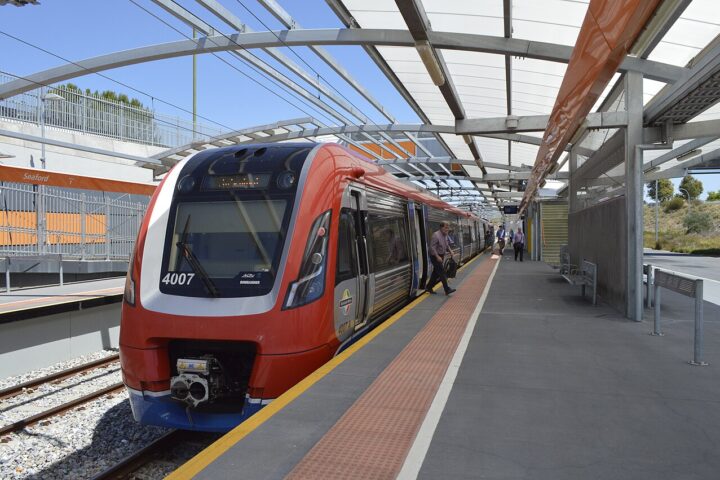
Tram: The Glenelg tram runs from Adelaide Entertainment Centre through the city to Glenelg, with services every 8-15 minutes. Travel within the CBD free zone is complimentary. A metroCARD or contactless payment is required beyond the free zone. Train: The Seaford line serves the southern beaches, with stations near Brighton, Christies Beach, and Noarlunga (for Port Noarlunga). Bus: Bus routes serve Henley Beach (130, 137), Semaphore, West Beach, and other coastal suburbs. Check Adelaide Metro for timetables and route planning. Driving: Most beaches have free or affordable parking, though popular beaches like Glenelg and Port Willunga fill quickly on summer weekends — arrive before 10am for guaranteed spots. Cycling: Adelaide’s flat terrain and coastal bike paths make cycling to the beach a genuine option, especially to Glenelg, West Beach, and Henley Beach. The City of Holdfast Bay maintains excellent cycling infrastructure along the coast.
Accessibility at Adelaide Beaches
Adelaide has made significant progress in making its beaches accessible to all visitors. Glenelg Beach offers a dedicated beach wheelchair (available through the surf club), ramped access to the sand, and accessible facilities in the Moseley Square precinct. Henley Beach’s redeveloped square features level access from the road to the foreshore. Semaphore Beach has accessible pathways along the esplanade and offers beach wheelchair loan through the surf club. Brighton’s foreshore is flat and accessible, and Christies Beach has good pathway access to the sand. For the southern beaches (Port Noarlunga, Maslin, Port Willunga), be aware that access typically involves stairs cut into cliffs, which presents challenges for wheelchair users and those with limited mobility. Check with South Australia Tourism for the latest accessibility information.
Frequently Asked Questions About the Best Beaches in Adelaide
Which Adelaide beach is best for families with young children?
For families with young children, Glenelg Beach and Semaphore Beach are the top choices. Both offer calm, shallow swimming waters with summer lifeguard patrols, excellent playground facilities, nearby dining, and easy public transport access. Glenelg has the added advantage of the Beachouse entertainment complex right on the foreshore, while Semaphore charms with its vintage carousel and relaxed atmosphere. Brighton Beach and Christies Beach are also excellent family options with gentler crowds.
Can you swim at Adelaide beaches year-round?
Yes, Adelaide’s beaches are accessible year-round, and some hardy locals swim throughout winter. However, the most comfortable swimming season runs from November through April when water temperatures exceed 18°C. Peak summer (January-February) brings the warmest water at 21-23°C. Winter water temperatures drop to 13-14°C, which most visitors will find too cold without a wetsuit. Air temperatures in winter hover around 14-16°C, making beach walks pleasant even if swimming isn’t on the agenda.
What is the best beach in Adelaide for snorkeling?
Port Noarlunga is by far Adelaide’s best snorkeling beach. The Port Noarlunga Reef Aquatic Reserve is a protected marine environment stretching one kilometre parallel to the beach, home to leafy sea dragons, diverse fish species, and colourful marine plants. The reef is accessible directly from the beach or the jetty, and snorkel gear can be hired from local shops. For the best visibility, snorkel on calm days with light winds, ideally during an incoming tide when the water clarity is highest.
Are Adelaide beaches safe for swimming?
Adelaide’s metropolitan gulf beaches (Glenelg, Henley, Semaphore, West Beach, Brighton, Christies) are among the safest urban beaches in Australia. The sheltered Gulf St Vincent produces minimal surf and gentle currents, making these beaches ideal for swimmers of all abilities. The southern beaches (Moana, Maslin, Port Willunga) experience stronger surf and occasional rip currents, requiring more ocean awareness. Always swim between the flags where patrols are active, check conditions on BeachSafe before visiting unpatrolled beaches, and never swim alone in unfamiliar waters.
How do I get to Adelaide beaches without a car?
Several of Adelaide’s best beaches are accessible by public transport. Glenelg is the easiest — take the tram from the city centre (30 minutes, frequent services). Brighton and Christies Beach are accessible via the Seaford train line. Henley Beach and Semaphore are served by bus routes from the city. For the southern beaches (Port Noarlunga, Maslin, Moana, Port Willunga), a car is strongly recommended as public transport options are limited and infrequent. Consider a rideshare service or renting a car for a south coast day trip.
Picked your favourite stretch of sand and wondering where to stay near it? Our comparison of Adelaide’s beach suburbs weighs up Semaphore, Henley Beach and Brighton against Glenelg as places to base yourself: which have a train to the city, where the food is, which suits young swimmers, and what the accommodation is really like.
1 note