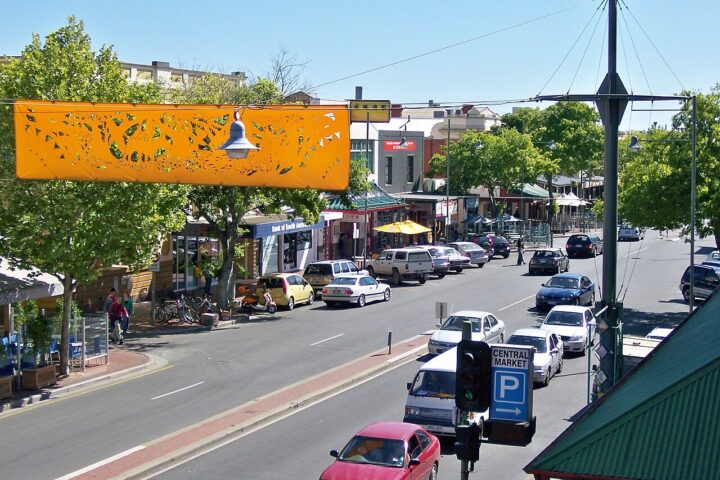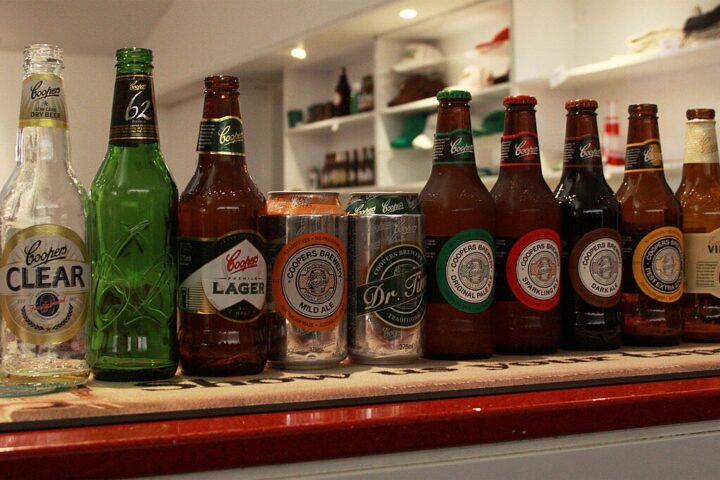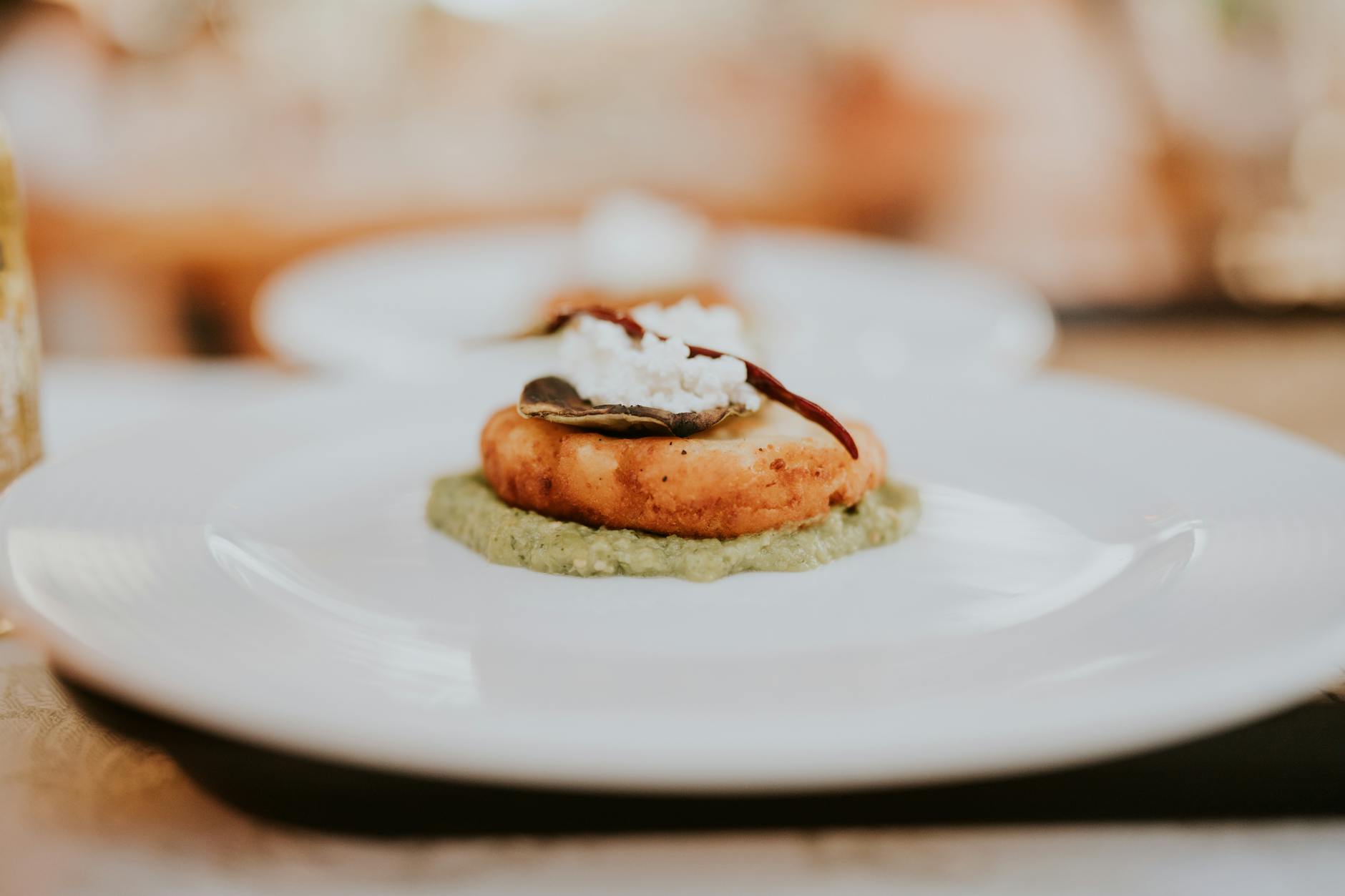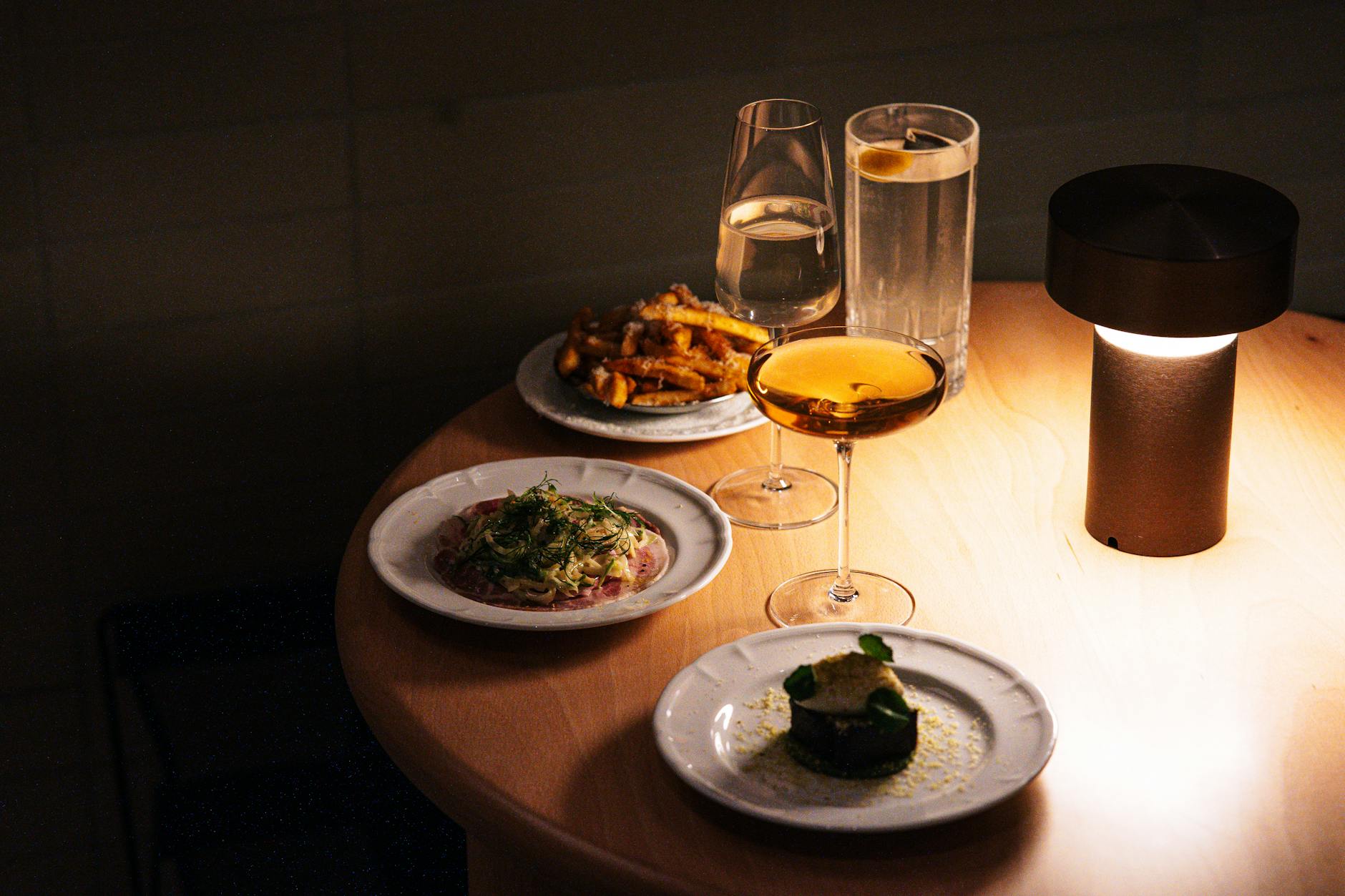
Adelaide has quietly become one of Australia’s most exciting food cities. Built on a foundation of exceptional local produce, world-class wine regions on its doorstep, and a multicultural community that has shaped its kitchens for generations, Adelaide’s restaurant scene punches well above its weight. From hatted fine dining rooms to beloved market stalls, from Gouger Street noodle houses to Barossa Valley cellar-door restaurants, this Adelaide restaurants and food guide covers everything you need to eat your way through South Australia’s capital.
Whether you are planning your first trip or returning to explore deeper, this comprehensive Adelaide restaurants guide maps the city’s food landscape by cuisine, neighbourhood, budget, and experience. We have drawn on local knowledge and extensive research to bring you the most useful, up-to-date overview of Adelaide dining you will find anywhere online.
Why Adelaide Is Australia’s Emerging Food Capital
Adelaide’s food credentials are built on geography and history. South Australia produces some of the country’s finest ingredients — Coffin Bay oysters, Kangaroo Island marron, Spencer Gulf king prawns, Adelaide Hills cheese, and Barossa Valley charcuterie — and the short distance from farm to plate means Adelaide restaurants serve produce that is fresher than almost anywhere else in Australia. The quality of Adelaide restaurants consistently impresses visitors from larger cities. The Barossa Valley, McLaren Vale, Adelaide Hills, and Clare Valley wine regions sit within ninety minutes of the CBD, giving the city’s sommeliers access to some of the most respected labels in the Southern Hemisphere.
The city’s culinary diversity reflects successive waves of migration. German settlers in the mid-1800s established the Barossa’s food culture. Post-war Italian and Greek communities built the restaurant traditions that still anchor the city’s dining scene. More recent arrivals from Vietnam, Afghanistan, China, India, and the Middle East have added layers of flavour that make Adelaide’s food scene remarkably varied for a city of 1.4 million people. The result is a dining culture where a world-class degustation can cost less than a midweek dinner in Sydney, and a market lunch assembled from Central Market stalls delivers some of the best eating in the country.
Adelaide’s Best Fine Dining Restaurants
Adelaide’s fine dining scene has matured significantly in recent years, with several restaurants earning national and international recognition. These are the establishments where South Australian ingredients meet serious culinary ambition, and where extended tasting menus sit at price points that will pleasantly surprise visitors from the eastern capitals.
Restaurant Botanic
Set within the leafy surrounds of the Adelaide Botanic Garden, Restaurant Botanic was crowned South Australia’s Restaurant of the Year in 2023 and continues to be one of the most celebrated dining rooms in the country. Executive chef Jamie Musgrave builds tasting menus around hyper-seasonal produce, much of it sourced from the surrounding 51-hectare gardens. The setting alone — heritage architecture, garden views, immaculate service — makes this a destination dining experience. Expect to pay around $220 to $280 per person for the full degustation with wine pairings.
Penfolds Magill Estate Restaurant
Just fifteen minutes from the CBD, Penfolds Magill Estate sits high in the eastern foothills with sweeping views back across the city to the coast. The intimate 34-seat dining room focuses entirely on the guest experience, with chef Scott Huggins crafting an innovative degustation menu from the finest South Australian produce. The wine list is, predictably, built around Penfolds’ most iconic labels — including the legendary Grange — and the sommelier team excels at matching each course. This is one of the most memorable food-and-wine experiences in Australia.
Hentley Farm
Located in a beautifully restored 1840s homestead in the Barossa Valley, Hentley Farm offers two set menu options each day — a shorter four-course format and a longer seven-course degustation — both showcasing the Barossa’s extraordinary larder. The restaurant’s commitment to local sourcing is absolute, with produce drawn from the surrounding farms, vineyards, and the restaurant’s own kitchen garden. If you are combining an Adelaide city break with a Barossa Valley day trip, Hentley Farm should be at the top of your dining list.
Africola
Chef Duncan Welgemoed opened Africola on East Terrace in 2014 and it quickly became a landmark of Adelaide’s dining scene. The South African-born chef, who trained under Heston Blumenthal and Gordon Ramsay, centres his menu on open-fire cooking and bold North African and South African flavours. The room is loud, colourful, and unapologetically fun — a stark contrast to the hushed reverence of traditional fine dining. Signature dishes rotate seasonally, but the whole lamb shoulder for sharing and the peri-peri chicken have become local legends. Bookings are essential, particularly on weekends.
Fugazzi
Housed along Adelaide’s picturesque Leigh Street, Fugazzi brings the spirit of old-school New York Italian-American dining to South Australia. The menu features refined Australian interpretations of Italian classics — handmade pasta, South Australian seafood, smoked and flame-grilled meats — all served in an elegant dining room that evokes mid-century glamour. The wine list leans heavily on Italian varieties grown in South Australian soil, making this a perfect bridge between the city’s Italian heritage and its modern food ambitions.
Adelaide Central Market: The Heart of the City’s Food Culture
No Adelaide food guide would be complete without a dedicated section on the Adelaide Central Market. Operating since 1869, this is the largest undercover fresh produce market in the southern hemisphere and arguably the single best food destination in the city, and a cornerstone of the Adelaide restaurants scene. More than 80 traders from over 40 nationalities work under one roof, selling everything from heritage-breed meats and artisan cheese to freshly baked sourdough, seasonal fruit, and ready-to-eat meals from a dozen cuisines.
What to Eat at Adelaide Central Market
The market is open Tuesday, Thursday, Friday, and Saturday (check seasonal hours, as these can vary). Arriving hungry on a Saturday morning is a local rite of passage. Start at Lucia’s Pizza and Spaghetti Bar, an institution since 1957 — their Number Two panini with mortadella, provolone, and green olives is the stuff of legend. Move on to Le Souk for fragrant North African chicken paella, then grab a choco-licious smoothie from Jamu (ask them to swap almond butter for peanut butter). For something more substantial, Marino Meat and Food Store on the Gouger Street side does outstanding porchetta panini alongside hand-made pappardelle and gnocchi.
Beyond the ready-to-eat stalls, the market is a treasure trove for self-catering travellers. A lunch assembled from smallgoods, cheese, bread, olives, and seasonal fruit will cost a fraction of what a restaurant meal costs in the eastern capitals, and the quality is exceptional. Several operators also offer guided food tours of the market, which provide a deeper understanding of the producers and their stories — an excellent option for first-time visitors.
Central Market Tips for Visitors
Saturday mornings are the busiest (and most atmospheric) time to visit, but if you prefer fewer crowds, Thursday and Friday mornings are ideal. The market sits directly adjacent to Adelaide’s Chinatown precinct on Gouger Street, so you can easily combine a market visit with an Asian food crawl. Parking is available in the Central Market Arcade car park, or you can take the tram to the nearby stop on King William Street. Allow at least ninety minutes to explore properly — more if you plan to eat your way through the stalls.
Adelaide’s Best Cafes and Coffee Culture
Beyond Adelaide restaurants, the city’s cafe culture has exploded in recent years, with specialty roasters, inventive brunch menus, and design-forward spaces popping up across the city. While Melbourne may still claim the national coffee crown, Adelaide’s cafe scene offers a quality-to-price ratio that few Australian cities can match. Here are the standouts.
Top Adelaide Cafes for Brunch
Pony and Cole was voted Australia’s best breakfast cafe in 2023, and the hype is justified. Their sweet potato rosti and pumpkin chilli eggs have become signature dishes, and passionfruit mimosas on a weekend morning make this one of the most popular brunch destinations in the city. Book ahead or arrive early — the queues can be considerable.
Hey Jupiter transports you to a Parisian brasserie on Ebenezer Place, complete with champagne breakfasts, house-baked pastries, and an all-day menu that moves from croque monsieur at lunch to steak frites at dinner. The outdoor courtyard is one of the most pleasant spots in the CBD for a leisurely morning coffee.
Bloom occupies a converted tram barn beside the River Torrens, with a woodfired hearth powering the kitchen. The setting — surrounded by ghost gums and river breezes — is special, and the produce-driven menu matches it. This is Adelaide brunch at its most relaxed and beautiful.
Exchange Coffee in the East End has been at the forefront of Adelaide’s specialty coffee movement for years, roasting single-origin beans and pairing them with a brunch menu that prioritises seasonal local produce. If you care about your flat white, this is a must-visit.
Fourth Hill Providore in Verdun, in the Adelaide Hills, is worth the short drive for a weekend brunch. The setting is idyllic — a stone cottage surrounded by orchards — and the menu celebrates the best of the Hills region. Combine it with a cellar-door visit at one of the nearby Adelaide Hills wineries for a perfect half-day food excursion.
Cheap Eats Adelaide: Budget-Friendly Dining
Gouger Street and Chinatown
Adelaide’s Chinatown precinct, centred on Gouger Street and Grote Street near the Central Market, is ground zero for affordable, flavour-packed eating. The strip is packed with Vietnamese, Chinese, Malaysian, Thai, Korean, and Japanese restaurants, many of which have been serving Adelaide’s multicultural community for decades. A full meal at most Chinatown restaurants costs between $15 and $30 per person — a fraction of what you would pay at a comparable restaurant in Sydney or Melbourne.
Standout cheap eats on Gouger Street include Ying Chow for Cantonese classics like tea-smoked duck and salt-and-pepper squid, Star of Siam for award-winning Thai, and Gondola Gondola for Saigon-style Vietnamese with a modern edge. The Market Plaza Food Court tucked behind the Central Market is a hidden gem for truly budget eating, with stalls serving Hainanese chicken rice, laksa, and bao at prices that start under $10. For late-night dining, Tiger Skewers on Gouger Street offers Chinese-style barbecue skewers and cold dishes that are perfect for a post-drinks bite.
Budget Tips for Food-Loving Travellers
Adelaide restaurants are among the most affordable in Australia, especially compared to Sydney and Melbourne. Self-catering from the Central Market is extremely cost-effective and the quality is outstanding. Many of the city’s best mid-range restaurants offer excellent value lunch specials and early-week set menus. Food trucks and pop-up markets (check local event listings) are another great way to sample Adelaide’s food scene on a budget. Tap water in Adelaide is perfectly safe to drink, so you can save on beverages too.
Adelaide Restaurants by Cuisine
Italian
Italian food is woven into Adelaide’s DNA. Post-war Italian migration built a culinary tradition that persists in neighbourhood trattorias, upscale dining rooms, and home kitchens across the city. Osteria Oggi is widely regarded as one of the best Italian restaurants in the country — the handmade pasta is exceptional, and the underground cellar dining room with its carved concrete arches is stunning. Fugazzi on Leigh Street brings New York Italian-American elegance. For a more casual experience, Spaghetti Western in Bowden serves inventive pasta dishes in a lively setting, while the original Lucia’s at the Central Market remains the go-to for a quick Italian lunch.
Asian
Adelaide’s Asian food scene spans the full spectrum, from budget Chinatown eateries to refined modern-Asian dining rooms. Parwana Afghan Kitchen, located about two kilometres west of the CBD, has been praised by the New York Times for its fragrant, flavour-packed Afghan cuisine — the jewelled rice (palaw) and banjaan borani are legendary. Shobosho on Leigh Street brings Japanese-inflected share plates cooked over charcoal. Yakisan, which opened in late 2025 in North Adelaide, serves Japanese fusion with Korean and French influences across a sprawling 180-seat space. For Southeast Asian flavours, Gin Long Canteen offers modern Thai and Vietnamese dishes in a vibrant setting.
Modern Australian
Modern Australian cuisine — that distinctive blend of global techniques applied to local ingredients — thrives in Adelaide. The city’s proximity to premium wine regions, pristine coastline, and fertile farmland gives chefs an enviable pantry to work with. Restaurant Botanic and Magill Estate lead the fine-dining end. For a more accessible experience, Clarity on Leigh Street offers creative seasonal plates with excellent natural wine pairings, and Whistle and Flute in Stirling in the Adelaide Hills serves produce-driven dishes that change with the seasons.
Seafood
South Australia’s pristine coastline provides Adelaide restaurants with some of the freshest seafood in the country. Coffin Bay oysters are world-renowned, Spencer Gulf king prawns are among the sweetest in Australia, and Port Lincoln southern bluefin tuna is prized by chefs globally. In the city, the Adelaide Central Market’s seafood stalls are the best place to buy fresh catch. For a sit-down seafood meal, the waterfront restaurants at Glenelg and Henley Beach serve grilled fish, prawn platters, and oysters with ocean views. Star of Greece in Willunga (about 50 minutes south) is a destination restaurant combining McLaren Vale wines with exceptional coastal seafood.
Pubs and Gastropubs
Adelaide’s pub scene has evolved well beyond basic counter meals. A new generation of gastropubs pairs locally brewed craft beer with elevated pub food that uses quality South Australian ingredients. The Wheatsheaf Hotel in Thebarton is a legendary live-music venue that also serves excellent beer-friendly food. The Gilbert Street Hotel offers refined pub classics alongside a well-curated craft beer and wine list. For a more traditional experience, the Exeter Hotel on Rundle Street has been an Adelaide institution for decades, serving hearty pub meals in a venue that doubles as a live-music haunt. Many Adelaide pubs also serve excellent pizza, with wood-fired ovens becoming an increasingly common feature.
Adelaide’s Best Food Neighbourhoods
Peel Street and Leigh Street (West End)
The laneways of Adelaide’s West End — particularly Peel Street and Leigh Street — are the beating heart of the city’s dining scene. These narrow streets are lined with some of the city’s most talked-about restaurants, wine bars, and cocktail lounges. Fugazzi, Shobosho, Leigh Street Wine Room, and Mother Vine are all within a few minutes’ walk of each other. The atmosphere on a Friday or Saturday evening is electric, with diners spilling out onto the pavements and the energy of a city that takes its food and drink seriously. If you only have one evening in Adelaide, spend it here.
Gouger Street and Chinatown
Running parallel to the Central Market, Gouger Street has been Adelaide’s multicultural food strip for decades. The Chinatown arch marks the eastern end, and the street stretches west through a dense corridor of Asian, Middle Eastern, and Mediterranean restaurants. Lunch here is one of the best-value food experiences in any Australian city. The side streets and food courts hide some of the best casual dining in Adelaide — explore beyond the main strip for the real gems.
Rundle Street (East End)
The East End of Rundle Street is Adelaide’s original cafe and restaurant strip, and it remains a reliable choice for casual dining, coffee, and people-watching. While some of the spotlight has shifted to the West End in recent years, Rundle Street still offers a diverse mix of cuisines and price points, from upscale Greek at AMMŌS to quick Vietnamese at Ky Chow.
North Adelaide
The O’Connell Street precinct in North Adelaide offers a more relaxed dining atmosphere, with a mix of established restaurants and exciting new openings. Yakisan, which opened in late 2025, has brought serious Japanese-fusion dining to the area. Tony Tomatoes does excellent wood-fired pizza, and Byblos serves authentic Lebanese cuisine. The surrounding parklands make this a pleasant area for a post-dinner stroll.
Wine Region Dining Near Adelaide
One of Adelaide’s greatest food advantages is its proximity to Australia’s most celebrated wine regions. A day trip from the city centre opens up some of the finest winery dining in the country, where cellar-door restaurants pair exceptional food with wines made from grapes grown just metres from your table.
Barossa Valley (1 Hour from Adelaide)
The Barossa Valley is Australia’s most famous wine region and an essential food destination. More than 80 cellar doors dot the landscape, many with attached restaurants ranging from casual platters to multi-course degustations. Hentley Farm leads the fine-dining charge. Fermentasian at Angaston combines Asian flavours with Barossa wines in a way that sounds unlikely but works brilliantly. The Barossa Farmers Market (held every Saturday morning in Angaston) is a wonderful way to meet the producers and sample artisan cheese, charcuterie, bread, and preserves. For a comprehensive guide to the region, see our upcoming Barossa Valley restaurants guide.
McLaren Vale (45 Minutes from Adelaide)
McLaren Vale is closer to Adelaide than the Barossa and offers a more relaxed, beachy vibe alongside over 80 vineyards. The d’Arenberg Cube is the region’s landmark dining experience — the surreal architecture houses an 11-course degustation restaurant with panoramic vineyard views. For something more casual, Salopian Inn serves wood-fired dishes in a heritage pub setting, and the Victory Hotel in Sellicks Beach combines coastal views with excellent local wine and produce. The 9-kilometre Shiraz Trail walking and cycling path connects several cellar doors, making it possible to combine exercise with tastings.
Adelaide Hills (30 Minutes from Adelaide)
The Adelaide Hills offer a cooler climate and a different style of food and wine from the Barossa. This is the region for elegant chardonnay, sparkling wine, and cool-climate pinot noir, paired with food that celebrates the hills’ dairy farms, orchards, and market gardens. The Summertown Aristologist serves seasonal degustation menus in a historic cottage. Stirling’s main street has several excellent cafes and restaurants, and the monthly Stirling Market is a popular weekend outing. The Adelaide Hills are easily combined with a visit to Hahndorf, Australia’s oldest surviving German settlement, where you can sample traditional German fare alongside local craft beer.
Waterfront Dining in Adelaide
Adelaide’s coastline and river settings provide some beautiful locations for outdoor dining. Glenelg is the most popular beachside dining precinct, with Moseley Square and Jetty Road offering a range of restaurants from casual fish and chips to upscale seafood. Henley Beach has emerged as a serious dining destination in recent years, with a cluster of quality restaurants along Henley Beach Road and the esplanade. Port Adelaide’s revitalised waterfront at Hart’s Mill and the Flour Shed offers a more industrial-chic dining atmosphere. For a complete guide to the best restaurants with a view, see our upcoming Adelaide waterfront dining guide.
Adelaide Food Experiences and Tours
Beyond simply eating at restaurants, Adelaide offers a range of immersive food experiences that provide deeper insight into the city’s culinary culture. Guided food tours of the Adelaide Central Market are an excellent introduction, with operators like Food Tours Adelaide taking small groups through the market to meet traders, sample produce, and learn the stories behind the stalls. These tours typically run for two to three hours and cost around $70 to $100 per person.
For hands-on cooking, Sprout Cooking School (founded by former MasterChef contestant Callum Hann) offers classes that celebrate seasonal South Australian produce in a fun, accessible format. The Adelaide Hills are home to several cooking schools, including the Four Hours Cooking Class, which has been running popular hands-on sessions since 2008 in a relaxed rural setting. Wine-region food tours combining cellar-door visits with restaurant lunches are available from operators like Adelaide’s Top Food and Wine Tours, covering the Barossa, McLaren Vale, and Adelaide Hills.
Practical Tips for Adelaide Restaurants and Dining
Booking and Reservations
The Adelaide restaurants scene is bookings-driven, particularly on Friday and Saturday evenings. Popular restaurants like Africola, Osteria Oggi, and Shobosho often fill well in advance. Book ahead for any restaurant you have set your heart on, or be flexible with timing — early sittings (around 6pm) and late sittings (after 8:30pm) are usually easier to secure. For casual dining and cafes, walk-ins are generally fine on weekdays.
What to Expect: Pricing
One of Adelaide’s biggest drawcards for food-loving visitors is value. Fine dining degustation menus typically range from $120 to $280 per person (excluding wine), which is significantly less than equivalent experiences in Sydney or Melbourne. Mid-range restaurants generally charge $25 to $45 for mains. Casual dining on Gouger Street or at the Central Market can be done well for $15 to $25 per person. Tipping is appreciated but not expected in Australia — 10 per cent is generous for exceptional service.
Dietary Requirements
Adelaide’s restaurants are generally well-equipped to handle dietary requirements, including vegetarian, vegan, gluten-free, and allergy-specific diets. The city has a growing number of dedicated plant-based restaurants, and most mid-range and fine-dining venues offer clearly marked vegetarian and vegan options. If you have specific allergies, it is always best to mention them when booking.
Getting Around Adelaide’s Food Precincts
Most of Adelaide’s best restaurants are concentrated in the CBD, which is compact and walkable. The free City Connector bus and the tram line (free within the city zone) make it easy to move between the West End, Gouger Street, Rundle Street, and the Central Market without needing a car. For wine-region day trips, consider a guided tour if you plan to taste wine — designated-driver services are also available. Rideshare services (Uber and Didi) operate throughout metropolitan Adelaide and are a convenient option for reaching suburban restaurants in Glenelg, Henley Beach, or North Adelaide. For more on getting around, see our Adelaide travel guide.
Seasonal Food Events in Adelaide
Adelaide’s food calendar features several events that are worth planning a trip around. Tasting Australia, held annually in autumn, is the city’s flagship food and wine festival, featuring pop-up restaurants, masterclasses, producer events, and the spectacular Town Square outdoor dining experience in Victoria Square. The Barossa Vintage Festival (held every two years in odd-numbered years) celebrates the grape harvest with winery events, long lunches, and community gatherings across the valley. The Adelaide Fringe (February to March) is primarily an arts festival, but its food component has grown significantly, with pop-up food trucks, themed dining events, and late-night eating options across the city’s festival precincts.
The Adelaide Hills Crush Festival in January celebrates the region’s food and wine with open cellar doors and producer events. McLaren Vale’s Sea and Vines Festival pairs coastal produce with regional wines in a picturesque setting. These events provide a concentrated taste of Adelaide’s food culture and offer access to experiences and producers that are not available year-round. Check South Australian Tourism for current event dates and booking information.
Adelaide Food Guide: Quick Reference by Budget
Under $15 per person: Central Market stall lunches, Chinatown food courts, banh mi from Gouger Street, bakery pastries, self-catered picnic from market produce.
$15 to $40 per person: Gouger Street restaurants, casual cafes and brunch spots, pub meals, pizza, fish and chips at Glenelg, food truck events.
$40 to $80 per person: Mid-range a la carte restaurants, gastropub dining, casual wine-bar meals on Leigh Street, share-plate restaurants like Shobosho.
$80 to $150 per person: Upscale restaurants (Africola, Fugazzi, Osteria Oggi), shorter tasting menus, winery lunches in the Barossa or McLaren Vale.
Over $150 per person: Full degustation menus with wine pairing at Restaurant Botanic, Magill Estate, Hentley Farm, or d’Arenberg Cube.
Frequently Asked Questions About Adelaide Restaurants and Dining
What is Adelaide known for food-wise?
Adelaide is known for its exceptional local produce, including Coffin Bay oysters, Spencer Gulf prawns, and Barossa Valley charcuterie. The city’s food scene blends modern Australian cuisine with strong Italian, Greek, Asian, and Middle Eastern influences. The Adelaide Central Market, operating since 1869, is the heart of the city’s food culture. Adelaide’s proximity to the Barossa Valley, McLaren Vale, and Adelaide Hills wine regions also makes it one of the best cities in Australia for food-and-wine pairing experiences.
Is Adelaide expensive for dining out?
No — Adelaide is significantly more affordable than Sydney or Melbourne for dining. Fine dining degustation menus typically cost $120 to $280 per person, mid-range mains average $25 to $45, and casual meals on Gouger Street or at the Central Market can be enjoyed for $15 to $25 per person. Even extended tasting menus with wine pairings sit at price points that pleasantly surprise visitors from the eastern capitals.
What is the best food street in Adelaide?
Gouger Street is Adelaide’s most famous food strip, running through Chinatown and adjacent to the Central Market. For upscale dining and wine bars, Leigh Street and Peel Street in the West End are the top choices. Each offers a different experience: Gouger Street for multicultural value dining, the West End laneways for cocktail-bar-meets-restaurant energy.
Do I need to book restaurants in Adelaide?
For popular restaurants, especially on weekends, booking is strongly recommended. Restaurants like Africola, Osteria Oggi, Restaurant Botanic, and Shobosho fill quickly. Casual dining spots, cafes, Chinatown restaurants, and the Central Market generally do not require bookings on weekdays. For fine dining, book at least a week in advance — further ahead for special occasions.
What is the best time of year to visit Adelaide for food?
Adelaide is a year-round food destination, but autumn (March to May) is particularly rewarding. Tasting Australia, the city’s premier food festival, typically runs in April or May. Autumn also coincides with harvest season in the wine regions, meaning peak-season produce and grape-crushing festivities. Summer (December to February) brings excellent outdoor dining weather and long evenings, though some restaurants take January holidays. Winter offers cosy dining with seasonal menus featuring heartier South Australian produce.
Where should I eat on my first night in Adelaide?
For a memorable first-night dinner that showcases the best of Adelaide’s food scene, head to the Leigh Street and Peel Street precinct in the West End. Start with a drink at Leigh Street Wine Room, then dine at one of the neighbouring restaurants — Fugazzi for Italian, Shobosho for Japanese-inspired share plates, or walk to nearby East Terrace for Africola’s bold South African flavours. This precinct captures the energy, diversity, and quality that define the Adelaide restaurants and dining culture. For something more casual, a Gouger Street food crawl through Chinatown is an excellent introduction to the city’s multicultural food scene. For more things to do in Adelaide, check our complete activities guide.