Two people can have a very good week in Adelaide for A$2,400 or a very good week for A$7,000, and the difference is not mostly comfort — it is whether you hire a car for seven days instead of three, whether you eat at the Central Market or on Waymouth Street, and whether you book a private wine tour or drive yourself. That is what makes the Adelaide trip cost question answerable in a useful way: the variable costs here are unusually easy to control, because the city’s best things are cheap and its expensive things are genuinely optional.
This page gives real numbers rather than ranges so wide they mean nothing. It covers flights, accommodation by area, food and drink, transport, attractions, wine-region days and three fully itemised sample budgets, plus a family-of-four version. Every figure was checked in September 2026 and is in Australian dollars; treat them as the right order of magnitude for planning and confirm the specific price when you book, because accommodation in particular moves with the festival calendar.
Daily budget at a glance
Per person per day, excluding flights, assuming two people sharing a room.
| Category | Budget (A$) | Mid-range (A$) | Comfortable (A$) |
|---|---|---|---|
| Accommodation (per person, shared) | 40-70 | 95-140 | 180-300 |
| Food and drink | 40-55 | 85-120 | 150-220 |
| Local transport | 6-11 | 11-25 | 25-60 |
| Attractions and activities | 0-20 | 30-60 | 70-150 |
| Daily total | 110-150 | 240-350 | 440-620 |
For context, the same three tiers in Sydney run roughly 30-40% higher and in Melbourne about 20-30% higher. Adelaide is the cheapest mainland Australian capital to visit properly, and the gap is widest on accommodation — see our Adelaide vs Melbourne comparison for the side-by-side.
Getting there
Flights are usually the largest single line in an Adelaide budget and the one with the widest swing.
- From Melbourne — 75 minutes. A$80-160 return on a low-cost carrier booked ahead; A$250-350 at short notice or with a full-service fare.
- From Sydney — two hours. A$140-260 return booked ahead.
- From Brisbane or Perth — A$200-400 return.
- From the UK or Europe — A$1,600-2,600 return, almost always with a connection in a Gulf hub or a Southeast Asian city, then either a domestic leg or a direct international arrival.
- From North America — A$1,800-3,000 return, typically via Sydney or Melbourne.
Two practical notes. Adelaide is served by fewer long-haul routes than Sydney or Melbourne, so an itinerary that flies into Melbourne and takes a A$90 domestic hop is often cheaper than flying to Adelaide directly. And February-March, when the festival season runs, is the most expensive time to book everything.
Accommodation
Per night for a double room, or a dorm bed where noted.
| Type | Off-peak (A$) | Feb-Mar / events (A$) |
|---|---|---|
| Hostel dorm bed | 35-50 | 55-80 |
| Budget hotel or motel, CBD fringe | 110-150 | 180-260 |
| Mid-range CBD hotel | 170-240 | 280-400 |
| Boutique or four-star | 240-330 | 380-520 |
| Five-star | 350-550 | 550-900 |
| Apartment, one bedroom, self-contained | 150-230 | 250-380 |
| Glenelg beachfront | 200-320 | 320-500 |
| Barossa or Hills cottage | 180-350 | 250-450 |
Area makes less difference in Adelaide than it does in a bigger city, because everywhere central is walkable to everywhere else. The CBD is the default; North Adelaide is quieter and slightly cheaper for the same standard; Glenelg costs more for the beach but saves you a day trip. Our where to stay guide and CBD hotels guide go through the options.
The one hard rule: if you are coming in February or March, book months ahead. The Fringe, the Adelaide Festival and WOMADelaide overlap, the city genuinely fills, and rates roughly double. Gather Round in April does the same thing for four days.
Food and drink
| Item | Typical price (A$) |
|---|---|
| Flat white | 4.50-6.00 |
| Central Market lunch — laksa, bao, pie, salad box | 12-20 |
| Café breakfast | 18-28 |
| Pub main | 26-38 |
| Mid-range restaurant main | 32-48 |
| Three courses at a good restaurant, per person | 75-110 |
| Degustation at a top Adelaide restaurant | 140-220 |
| Glass of local wine | 12-18 |
| Pint of craft beer | 12-16 |
| Bottle of good Barossa shiraz, cellar door | 30-70 |
| Supermarket groceries, two people, per day | 30-45 |
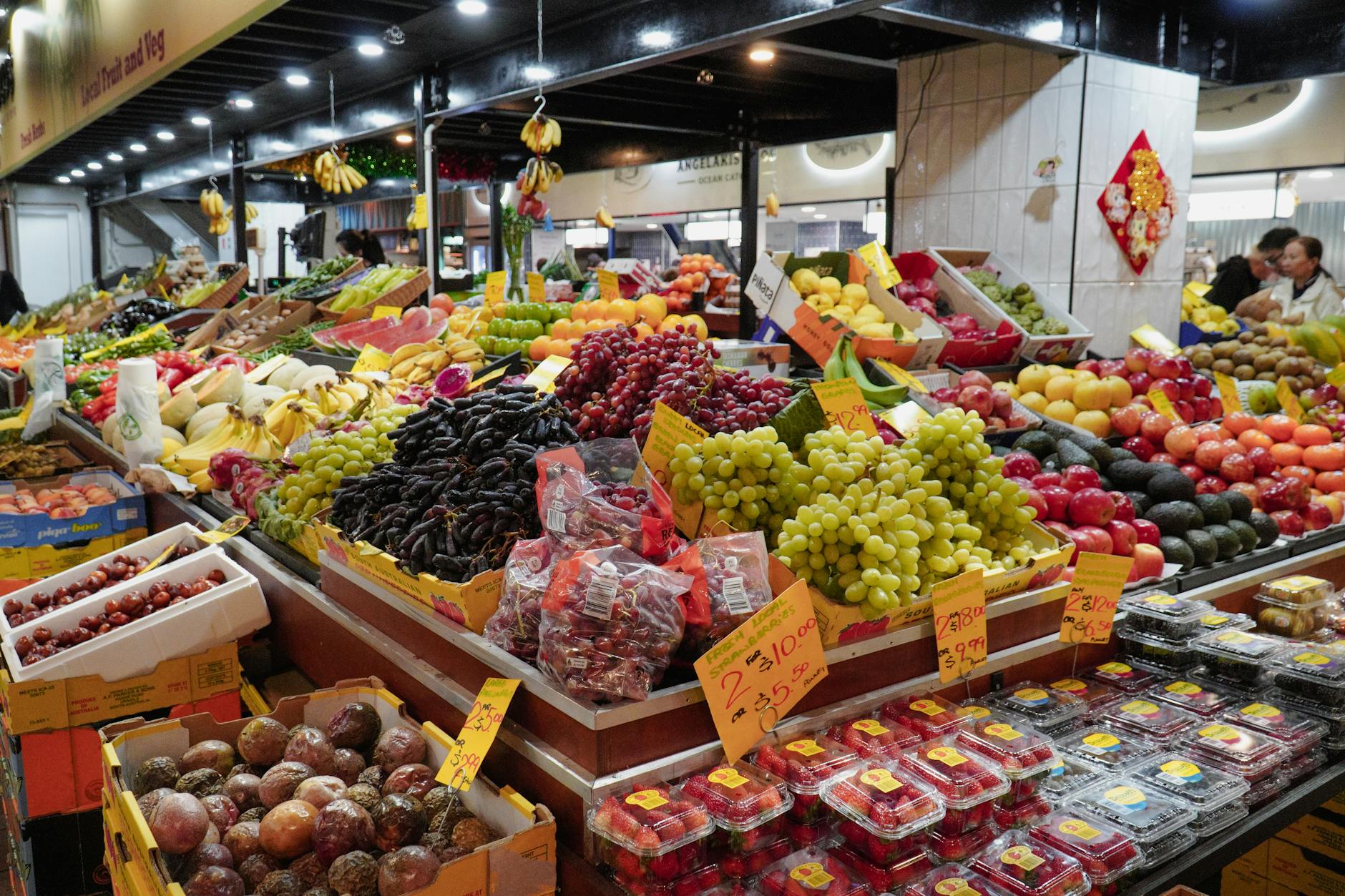
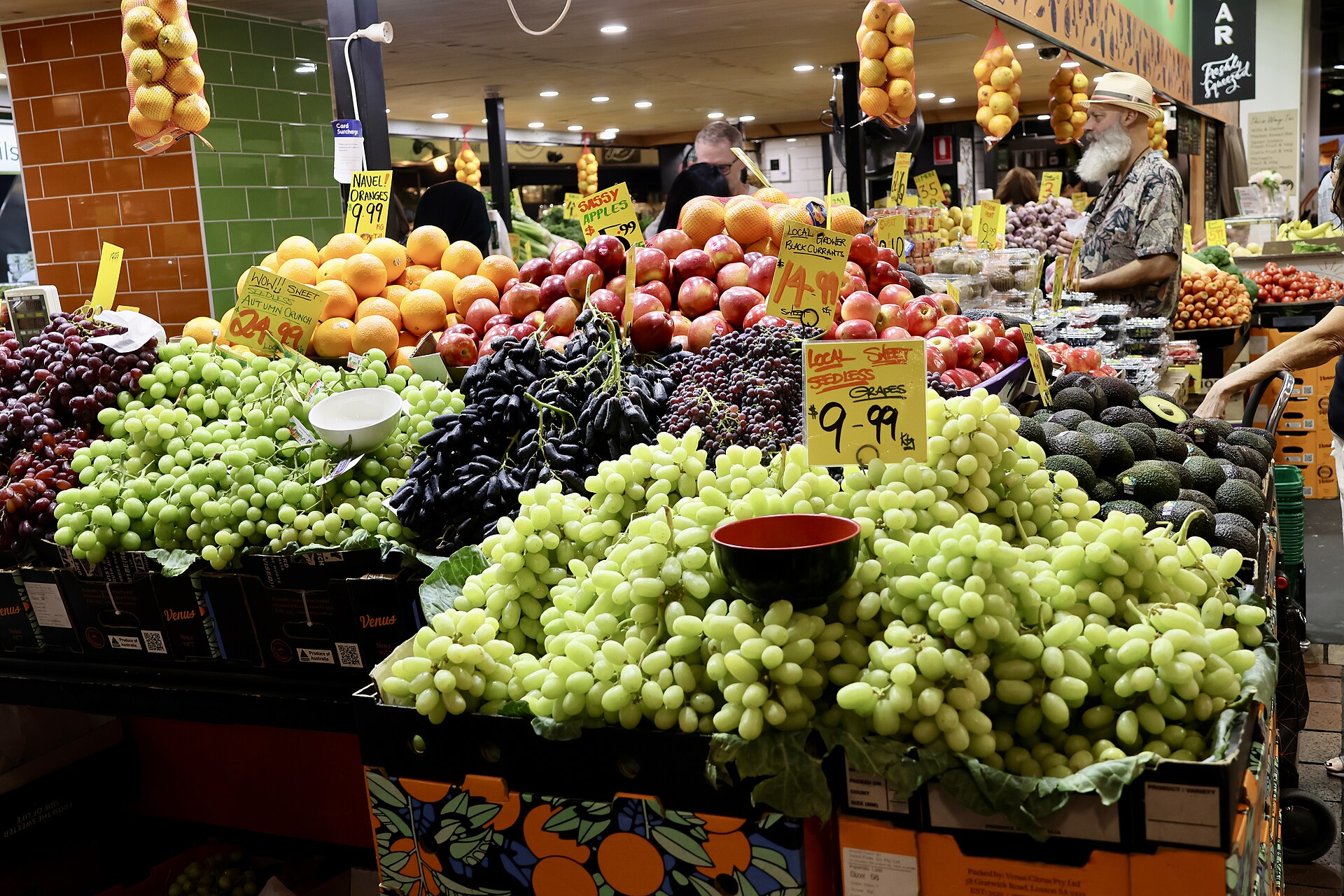
The Central Market is the biggest single lever here. Lunch there costs a third of a sit-down restaurant meal and is frequently better; the produce is cheap enough that self-catering for breakfasts and one meal a day genuinely works. Tipping is not expected in Australia, GST is included in displayed prices, and there is no service charge — the number on the menu is the number you pay. Our cheap eats guide and Central Market food guide cover the good end of the low-cost options.
Getting around
| Item | Cost (A$) |
|---|---|
| Tram within the free city zone | Free |
| metroCARD single trip, off-peak | ~2.50 |
| metroCARD single trip, peak | ~4.30 |
| Daytrip metroCARD, unlimited for a day | ~11 |
| Cruise-day metroCARD, unlimited | 10 |
| Airport to CBD, J1 bus | ~4 |
| Airport to CBD, taxi | ~18 plus fees |
| Small hire car, per day | 55-90 |
| SUV or people mover, per day | 90-150 |
| Petrol, per litre | ~1.90-2.20 city, more remote |
| CBD parking, per day | 18-35 |
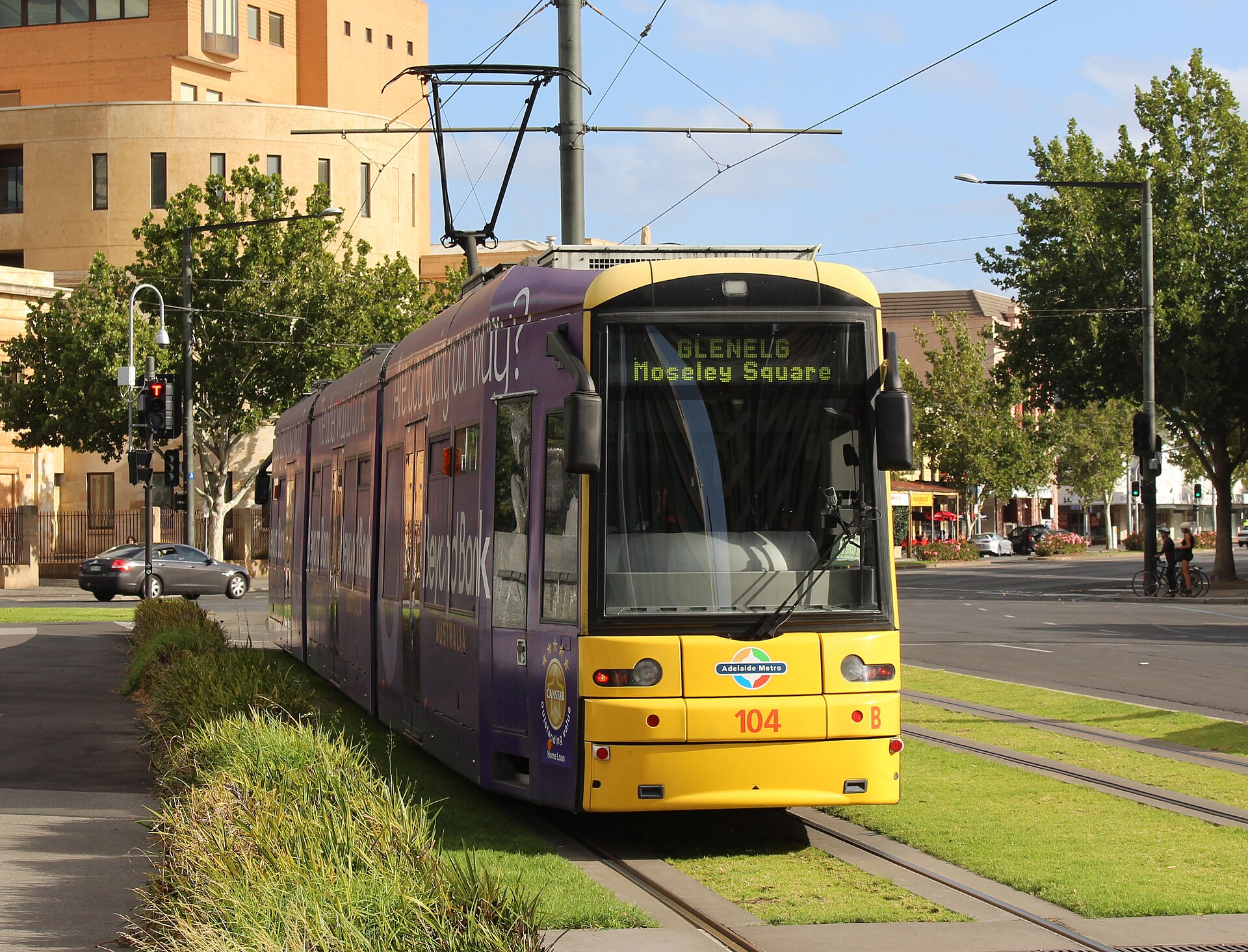
Two things to build into a plan. The free tram zone runs through the whole city centre and out to the Botanic Gardens, so a visitor staying centrally can go days without paying a fare. And hiring a car for the three days you actually leave the city, rather than for the whole stay, saves A$200-350 on a week and spares you CBD parking. Our car rental guide covers the operators and the insurance traps.
Attractions and activities
Adelaide’s headline cultural attractions are free, which shifts the maths considerably.
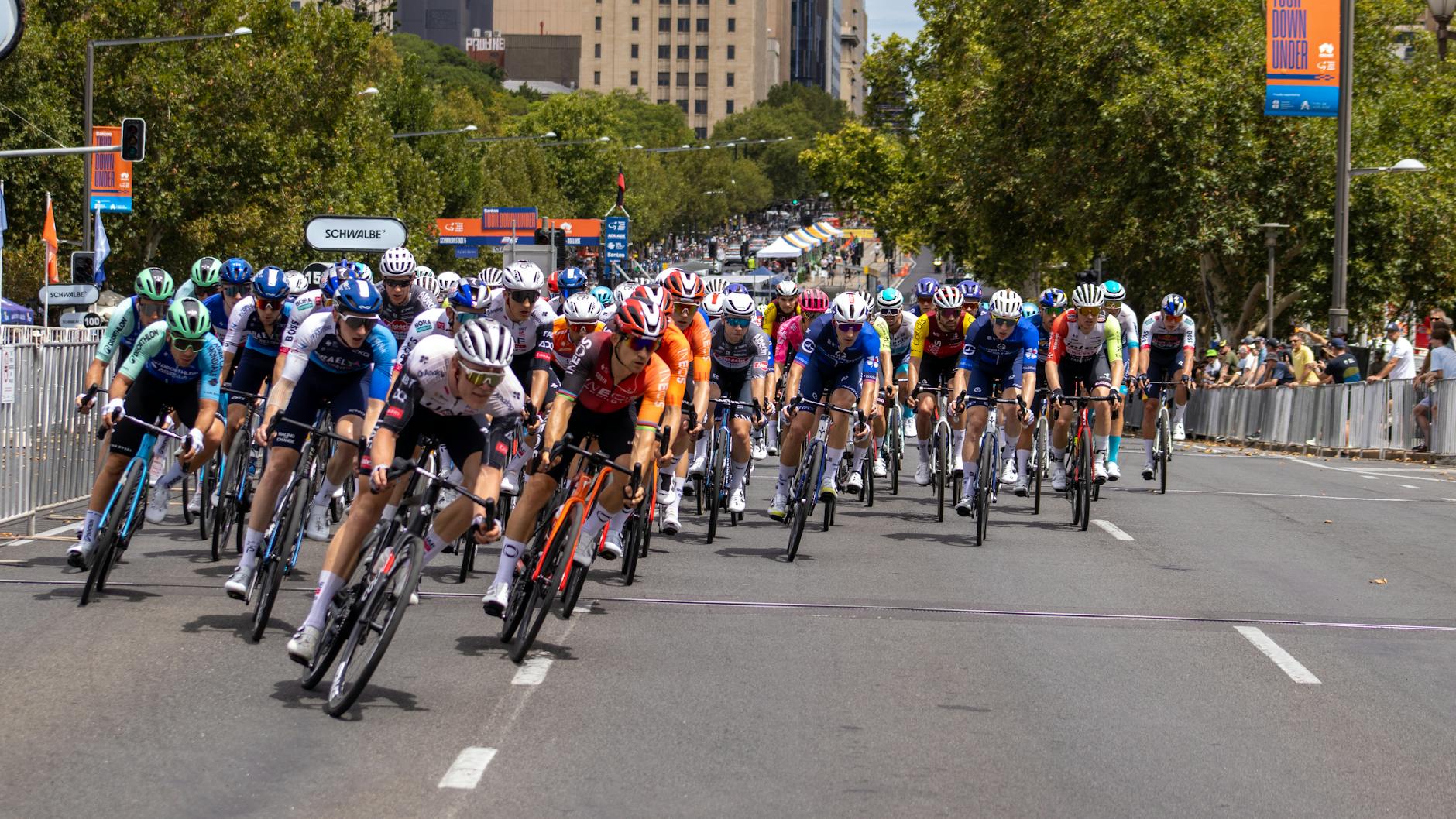
Free: the Art Gallery of South Australia, the South Australian Museum, the State Library, the Adelaide Botanic Garden, the Migration Museum, the parklands, every beach, the Himeji Garden, most festivals’ outdoor programming, the Tour Down Under roadside, and the Macca’s Footy Festival at Gather Round. Our free things to do guide runs to more than you can fit in three days.
| Paid attraction | Adult (A$) |
|---|---|
| Adelaide Zoo, including the pandas | 45-50 |
| Cleland Wildlife Park | 30-35 |
| Cleland koala hold, add-on | ~35 |
| Monarto Safari Park | 45-55 |
| Adelaide Oval RoofClimb | 99-149 |
| Adelaide Oval stadium tour | ~28 |
| d’Arenberg Cube entry | ~20 |
| Penfolds Magill Estate set tasting | ~15, refundable on purchase |
| Cellar door tasting, typical | 10-25, often waived on purchase |
| Dolphin swim, Temptation Sailing | from ~80 |
| AFL general admission | 30-40 |
| Big Bash cricket ticket | 25-35 |
| Fringe show | 25-45 |
Day trips and wine regions
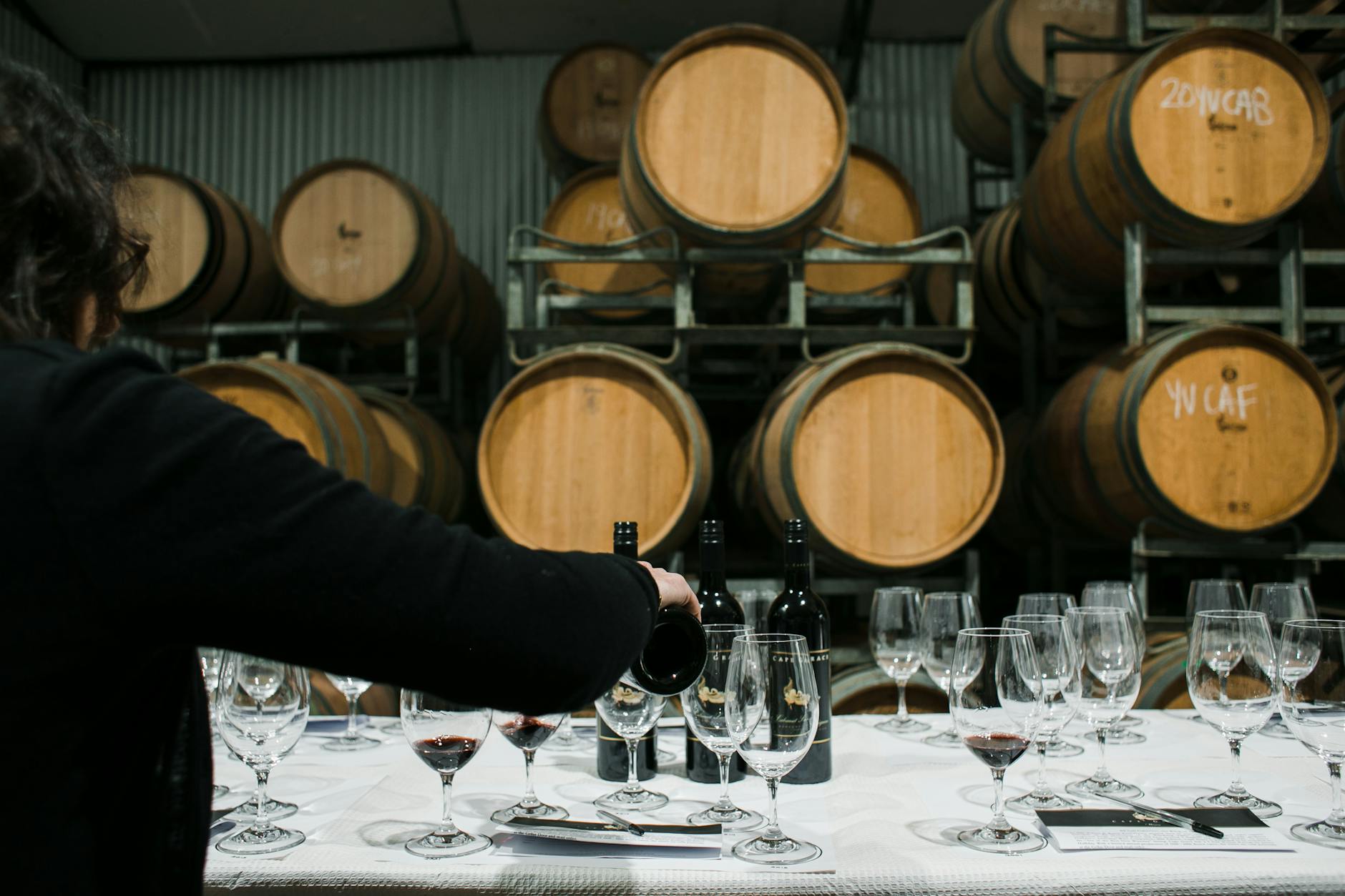
This is where a trip’s cost is really decided, because a wine day can cost A$45 or A$400 depending on how you do it.
- Self-drive — hire car for the day (A$55-90), fuel (A$15-25), tasting fees (A$0-50 for two, often waived on purchase), lunch (A$60-120 for two). Roughly A$130-260 for two people. The catch is obvious: someone has to stay under 0.05.
- Small-group tour — A$140-220 per person including transport, tastings and usually lunch. The sensible default for two people who both want to drink.
- Private tour or driver — A$600-900 for a car of up to four, so A$150-225 each if the car is full and considerably worse if it is not.
- Public transport — genuinely possible for the Adelaide Hills (bus to Stirling or Hahndorf) and marginal elsewhere. Free with a Daytrip metroCARD at about A$11.
Kangaroo Island is the expensive outlier. A one-day coach tour from Adelaide runs A$250-350 per person and is a very long day. Doing it independently — vehicle ferry, two nights’ accommodation, fuel, park fees — costs more in total but is a far better trip. Our Kangaroo Island guide and wine tours guide compare the options properly.
Three sample budgets
Three days, budget, one person
| Item | A$ |
|---|---|
| Hostel dorm, 3 nights | 135 |
| Food — market lunches, self-catered breakfasts, two pub dinners | 140 |
| Transport — airport bus both ways, one Daytrip card | 19 |
| Attractions — free museums, one Hills bus day | 25 |
| Total | 319 |
Five days, mid-range, two people
| Item | A$ |
|---|---|
| Mid-range CBD hotel, 5 nights | 1,000 |
| Food and drink for two | 950 |
| Hire car, 2 days, plus fuel and parking | 210 |
| Public transport and airport taxis | 80 |
| Barossa small-group tour for two | 360 |
| Zoo, Cleland and one show | 230 |
| Total for two | 2,830 |
Seven days, comfortable, two people
| Item | A$ |
|---|---|
| Four-star CBD hotel, 5 nights, plus 2 nights Barossa cottage | 2,100 |
| Food and drink, including two serious dinners | 1,750 |
| Hire car, 7 days, fuel, parking | 700 |
| Private wine tour, one day | 750 |
| Attractions, tastings, a RoofClimb and a match | 560 |
| Wine to take home | 300 |
| Total for two | 6,160 |
A family of four, five days
Two adults and two children aged roughly 6-12, mid-range, excluding flights.
- Two-bedroom apartment, 5 nights — A$1,300
- Food, mixing self-catering with eating out — A$900
- Hire car for 5 days plus fuel and parking — A$500
- Adelaide Zoo family pass — A$130
- Cleland Wildlife Park family — A$100
- Monarto Safari Park family — A$150
- Beach, playgrounds, museums, Torrens paddleboats — A$60
- Total — about A$3,140, or A$157 per person per day
Families do disproportionately well in Adelaide: children are usually free or half price at the major museums, distances are short so you spend nothing getting between things, and the beaches cost nothing at all. Our Adelaide with kids and family hotels guides go further.
Where the savings actually are
- Hire the car only for the days you leave the city. Three days instead of seven saves A$200-350 plus parking. This is the single biggest saving available.
- Eat one meal a day at the Central Market. Over a week that is A$150-250 for two against restaurant equivalents.
- Use the free tram and the free museums. A first-time visitor can fill two days on North Terrace and in the parklands for the cost of coffee.
- Avoid February and March if the festivals are not why you are coming. Accommodation roughly doubles.
- Buy wine at the cellar door rather than the airport. Tasting fees are typically waived on purchase and the prices are better.
- Book flights into Melbourne and connect if you are coming long-haul; a domestic leg is often cheaper than the fare difference.
Paying for things, and getting some of it back
A few mechanics that affect the final number and are easy to miss.
Card is accepted everywhere, including market stalls, small cafés and cellar doors. Contactless is the norm and cash is genuinely rare. Watch for card surcharges, which are legal in Australia and typically run 1-2% — small businesses are required to display them, and they are usually a sign on the counter rather than a surprise on the receipt.
Tipping is not part of the culture. Staff are paid a minimum wage that assumes no tips, and penalty rates mean weekend and public holiday work is paid more — which is why some venues add a 10-15% surcharge on Sundays and public holidays. That surcharge, not a tip, is the thing to budget for.
The Tourist Refund Scheme is worth knowing about. If you are leaving Australia and you have spent A$300 or more with a single retailer within 60 days of departure, you can claim back the 10% GST on those goods at the airport, provided you have a tax invoice and can present the items. For anyone buying a case of Barossa wine to take home, that is a real saving — roughly A$40 back on a A$400 purchase. Buy from one cellar door rather than spreading the spend across four, keep the invoice, and allow extra time at the airport.
Alcohol is expensive by European standards and there is no way around that: excise on spirits and beer is high. Wine bought at the cellar door is the exception and is often cheaper than the same bottle in a Sydney bottle shop.
Basing yourself outside the city
The budget changes shape if you stay somewhere other than the CBD, and not always in the direction you expect.
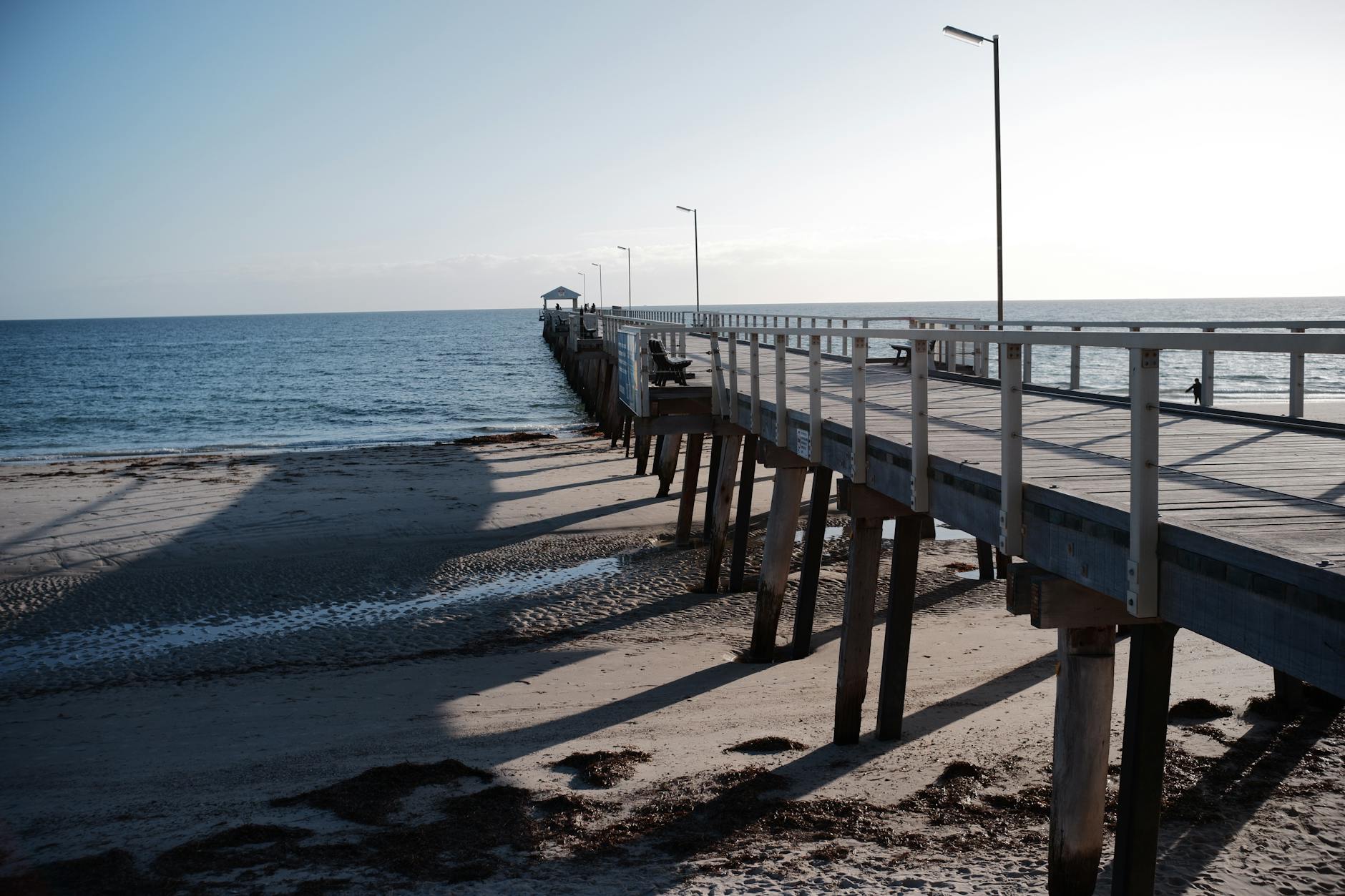
Glenelg costs more per night — A$200-320 against A$170-240 for equivalent quality in town — but you are already at the beach, which removes a day trip, and the tram into the city is a single fare. For a five-night stay with beach time in the plan, it roughly breaks even.
The Adelaide Hills or the Barossa for two of your nights typically costs about the same as a CBD hotel and saves you two long drives and two sets of tasting-room compromises about who is driving. If wine is a significant part of the trip, moving out for two nights is usually cheaper overall than day-tripping from town, once you count the hire car days you no longer need.
Outer suburbs and Airbnb-style stays save perhaps A$40-60 a night against a central hotel, and then cost that back in transport and time. Unless you are staying two weeks or more, the saving is not real. Our Adelaide Airbnb guide covers when it does make sense.
How Adelaide compares across Australia
Indicative daily mid-range spend per person, on the ground, excluding flights.
| City | Mid-range daily (A$) | Relative to Adelaide |
|---|---|---|
| Adelaide | 240-350 | — |
| Hobart | 250-360 | Similar |
| Brisbane | 270-390 | +10% |
| Perth | 280-400 | +15% |
| Melbourne | 300-440 | +25% |
| Sydney | 340-500 | +40% |
The gap is not uniform across categories. Adelaide’s advantage is largest on accommodation and airport transfers and smallest on coffee, alcohol and hire cars, which are priced nationally. What that means in practice is that a trip weighted towards hotels and eating out saves more here than one weighted towards driving and drinking.
What is not worth paying for
- Private airport transfers. The taxi rank rarely has a queue and the run is 7km.
- A hire car for a city-only stay. You will pay for parking to sit in a walkable city.
- Sightseeing passes. Adelaide’s best attractions are free, so a bundled pass rarely pays back.
- Airport currency exchange. Use an ATM or a travel card.
- A one-day Kangaroo Island coach tour if you can possibly give it two nights instead. Same money on the day, far more island.
- Hotel breakfast at A$32 a head when there is a café two hundred metres away doing better food for eighteen.
Costs people forget to budget for
Most Adelaide budgets go wrong in the same four places, and none of them are the obvious ones.
- The wine you buy. Nobody visits four cellar doors and leaves empty-handed. Two or three bottles at each is A$200-400 across a wine day, plus shipping if you are flying home — international freight for a case runs A$150-300 and is worth pricing before you commit at the counter.
- Excess baggage. Related, and routinely more expensive than the wine. A domestic checked bag over the allowance costs a great deal at the gate. Weigh before you go to the airport.
- The hire car extras. The headline daily rate is not the number you pay. Excess reduction, an additional driver, a young-driver surcharge, a one-way drop-off fee and the fuel policy can together add 40-60% to a booking. Read the contract, especially the unsealed-road exclusion if you are going anywhere near the Flinders.
- Sunday and public holiday surcharges. Typically 10-15% at cafés and restaurants, and South Australia has a public holiday in March for the Adelaide Cup that catches visitors out.
Against those, one thing is cheaper than most people expect: internal distances. Because the CBD is a one-mile grid and the free tram runs through it, a visitor staying centrally can go three days without paying for transport at all, which is not true of any other Australian capital.
Seasonal price swings
Adelaide’s pricing is more seasonal than most Australian cities because its peak is festival-driven rather than weather-driven.
- February-March — the most expensive window. Fringe, Adelaide Festival, WOMADelaide and Writers’ Week overlap. Accommodation roughly doubles and books out.
- April — Gather Round for four days does the same thing in miniature. Easter also lifts prices.
- December-January — school holidays and the Test and Big Bash cricket. Busy and warm, but not as extreme as the festival peak.
- May-August — the cheapest months. Mild, grey, quiet, and the wine regions are at their most atmospheric with open fires.
- September-November — good weather, moderate prices, and the best value overall.
Frequently asked questions
How much does a trip to Adelaide cost?
Excluding flights, budget travellers should plan on A$110-150 per person per day, mid-range travellers A$240-350, and comfortable travellers A$440-620. A typical five-day mid-range trip for two costs about A$2,800 on the ground.
Is Adelaide expensive to visit?
No — it is the cheapest mainland Australian capital. Accommodation runs roughly 30% below Melbourne and 40% below Sydney for equivalent quality, the major museums are free, and the airport bus is about A$4.
How much spending money do I need per day in Adelaide?
For food, drinks and incidentals only, once accommodation and transport are paid: A$50-70 a day is comfortable, A$40 is tight but workable if you use the Central Market, and A$120 covers eating well with wine.
How much is a wine tour from Adelaide?
A small-group day tour to the Barossa or McLaren Vale runs A$140-220 per person including transport, tastings and usually lunch. Self-driving costs about A$130-260 for two, but one of you cannot drink.
What is free to do in Adelaide?
The Art Gallery of South Australia, the South Australian Museum, the State Library, the Migration Museum, the Botanic Garden, the Himeji Garden, the parklands, every beach, the tram through the city centre, and roadside viewing at the Tour Down Under.
When is Adelaide cheapest to visit?
May to August. Mild and quiet, with the lowest accommodation rates of the year. September to November is the best balance of price and weather.
How much does a hire car cost in Adelaide?
A$55-90 a day for a small car, A$90-150 for an SUV or people mover, plus about A$1.90-2.20 a litre for fuel and A$18-35 a day for CBD parking. Hire it only for the days you leave the city.
Related Adelaide Guides
- Adelaide on a Budget — doing the city well at the low end.
- Free Things to Do in Adelaide — more than fits in three days.
- Where to Stay in Adelaide — areas, standards and what they cost.
- Cheap Eats in Adelaide — where the value actually is.
- Car Rental in Adelaide — when to hire and when not to.
- Adelaide Wine Tours — tour, self-drive and driver options compared.
- How Many Days in Adelaide — the length that gives the best value.
- Best Time to Visit Adelaide — including when prices peak.
Photo Credits
Inside the Adelaide Central Market: “Interior of Central Market, Adelaide 02.jpg” by Pangalau, via Wikimedia Commons, CC BY-SA 4.0.
An Adelaide Metro tram on the Glenelg line: “Adelaide Metro Flexity Classic (Glenelg Line).JPG” by EurovisionNim, via Wikimedia Commons, CC BY-SA 4.0.