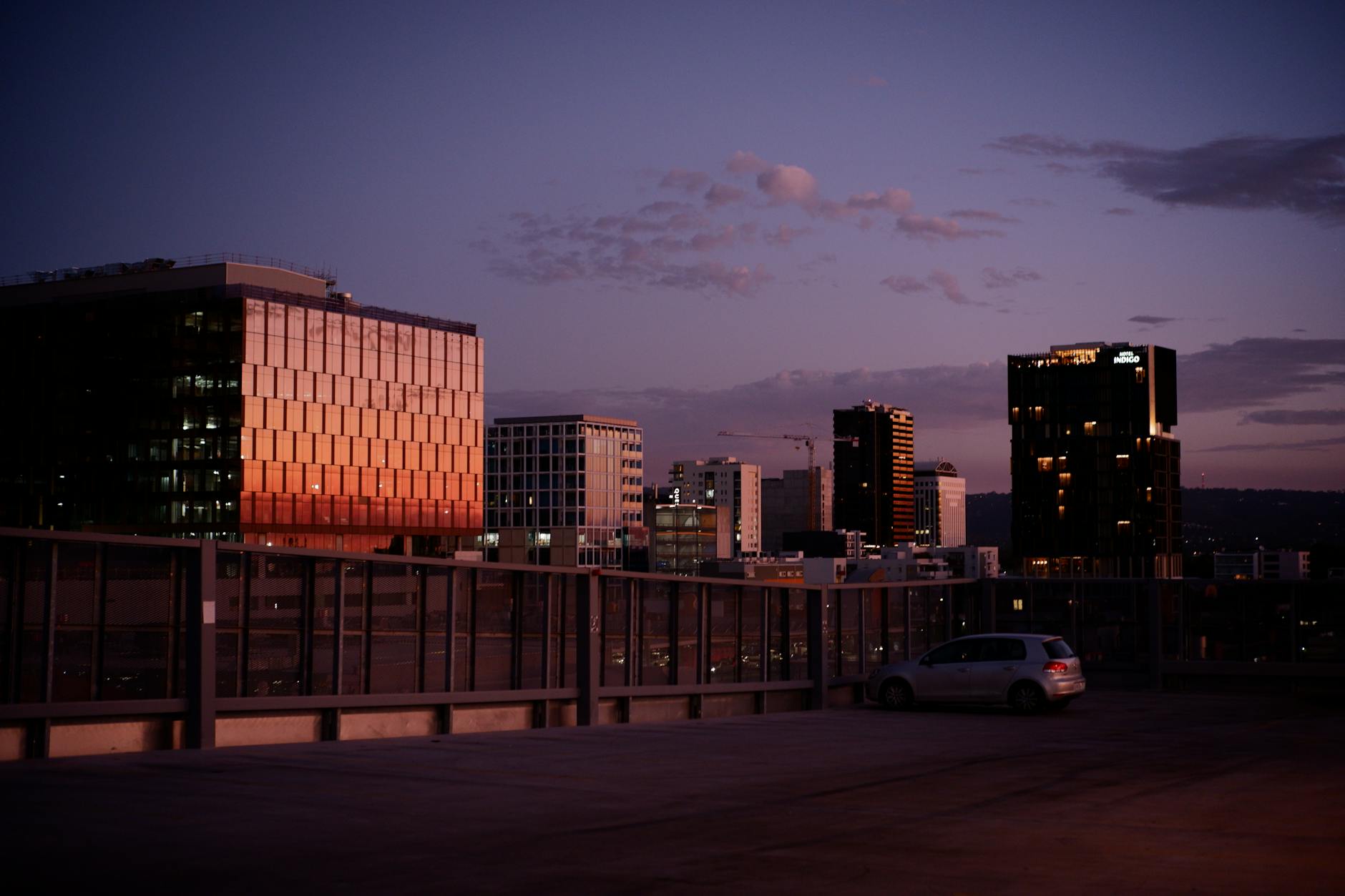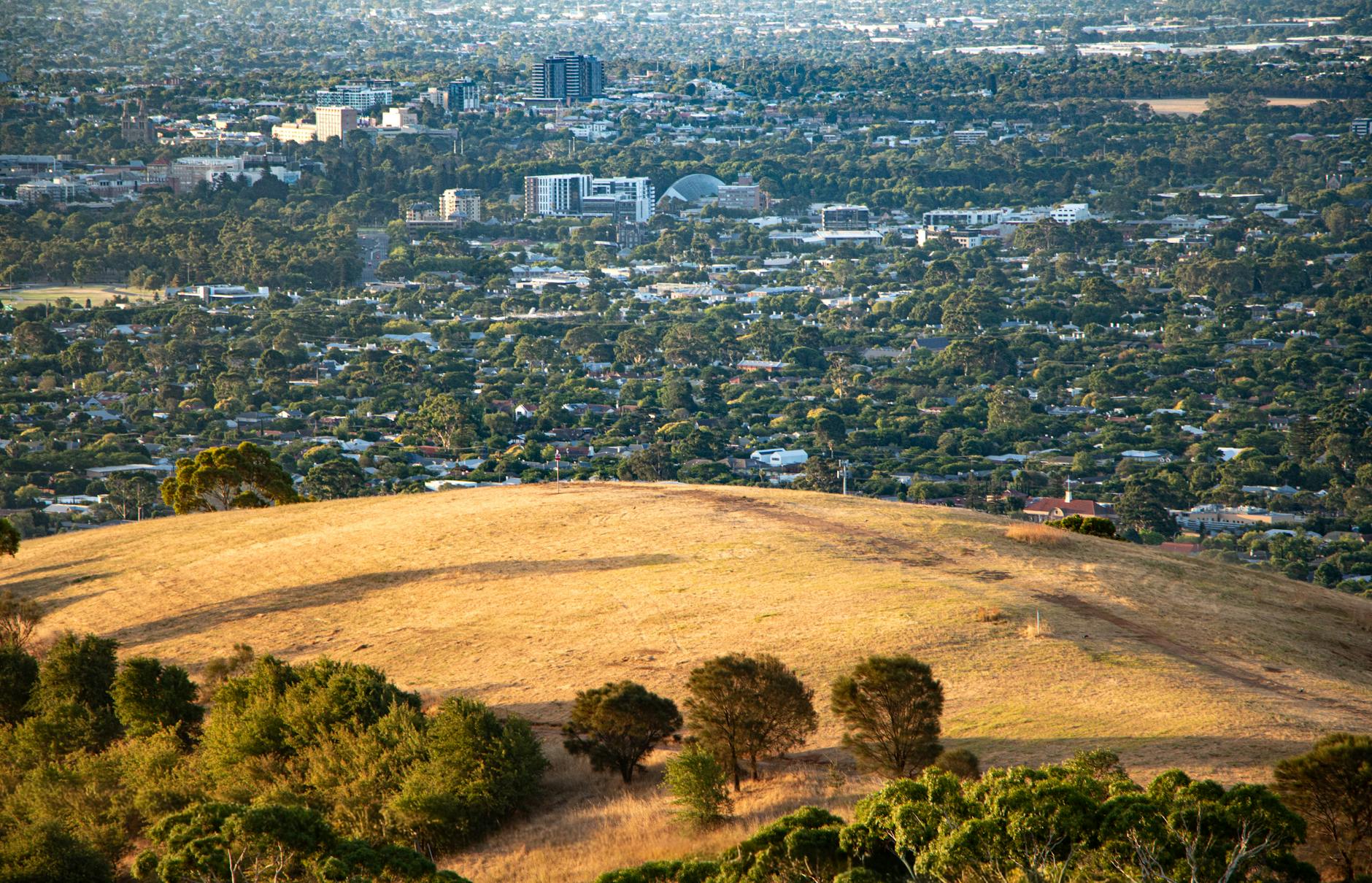
The two cities are 730km and eight hours apart, and Australians will tell you they are chalk and cheese. They are not, quite. Both are grid-planned nineteenth-century colonial capitals with tram networks, a laneway bar culture, a serious festival calendar and a population that takes its coffee and its football seriously. The honest version of Adelaide vs Melbourne is a difference of scale and intensity rather than of kind — Melbourne is four times the size and does everything louder, Adelaide does a narrower range of things and puts them all within a twenty-minute walk. Which one suits you depends almost entirely on what you want a city to feel like.
This is not a rankings page. It is a straight comparison across the things visitors actually decide on: cost, food, wine, weather, walkability, culture, day trips, family suitability and how many days each city justifies. Where Melbourne is better, this page says so — we write about Adelaide, but a guide that pretends its own city wins every category is no use to anyone planning a trip. Prices were checked in September 2026 and are in Australian dollars.
The short answer
| If you want… | Choose |
|---|---|
| Big-city energy, nightlife, choice | Melbourne |
| Wine country within 45 minutes | Adelaide |
| To walk everywhere without a timetable | Adelaide |
| Live music, theatre and comedy year-round | Melbourne |
| Beaches you can reach by tram | Adelaide |
| A lower daily budget | Adelaide |
| The widest food scene in Australia | Melbourne |
| Reliable summer weather | Adelaide |
| Wildlife and wilderness close to the city | Adelaide |
| Shopping, galleries and museums at scale | Melbourne |
If you only have four days in Australia’s south, Melbourne is the safer choice — it is bigger, it has more to fill bad weather with, and it is the easier city to arrive in cold. If you have a week, or if what you are actually after is wine, coast and space, Adelaide is the better one, and it is not close.
Size and feel
Melbourne’s metropolitan population is around five million; Adelaide’s is about 1.4 million. That ratio explains most of what follows. Melbourne has more of everything — more restaurants, more galleries, more live venues, more people on the footpath at 10pm on a Tuesday. It also has the costs of that: longer transit times, denser traffic, a rental market that shapes the whole city’s mood, and a CBD that takes forty minutes to cross on foot.
Adelaide’s CBD is a one-mile square laid out by Colonel William Light in 1837, ringed entirely by parklands and bounded by five squares. You can walk from North Terrace to South Terrace in about twenty-five minutes. Nothing in the city centre is far from anything else, and the parklands mean you are never more than a few blocks from open grass. The trade-off is that the city empties earlier and the range narrows: on a Monday night in July, Adelaide has perhaps a dozen good options open and Melbourne has hundreds.
The stereotype that Adelaide is boring is partly earned and largely out of date. It was true of the 1990s city. Since the small-venue licensing reforms, the east end and the west end have filled with laneway bars, and the festival season in February and March turns the place into something genuinely frenetic. Eleven months of the year, though, it is a quiet city, and that is a feature or a flaw depending on you.
Cost
Adelaide is meaningfully cheaper, and the gap is widest on accommodation.
| Item | Adelaide (A$) | Melbourne (A$) |
|---|---|---|
| Mid-range central hotel, per night | 170-260 | 230-360 |
| Hostel dorm bed | 35-50 | 40-65 |
| Flat white | 4.50-6.00 | 5.00-6.50 |
| Casual dinner for two, no wine | 60-90 | 75-120 |
| Airport to city transfer | ~18 taxi / ~4 bus | ~65 taxi / ~22 SkyBus |
| Day of public transport | ~11 metroCARD cap | ~11 Myki cap |
| Wine tour, full day | 140-220 | 180-260 |
Two figures stand out. The airport transfer difference is stark — Adelaide’s airport is 7km out with a A$4 bus, Melbourne’s is 23km out with no train at all and a SkyBus that costs five times as much. And accommodation runs roughly 30% cheaper in Adelaide for equivalent quality, which compounds fast over a week. Our Adelaide on a budget guide has the detail on stretching it further.
Food and coffee

Melbourne wins on breadth and Adelaide wins on produce, and both statements are uncontroversial locally.
Melbourne has the deepest restaurant scene in Australia: a Greek quarter, a Vietnamese quarter on Victoria Street, an Italian one on Lygon Street, a Chinatown that has been running since the gold rush, and an accumulated fine-dining infrastructure that Adelaide simply does not have at the same density. If you want to eat differently every night for two weeks without repeating a cuisine, Melbourne makes that trivial.
Adelaide’s answer is the Central Market — 70-odd traders under one roof since 1869, and one of the largest fresh produce markets in the southern hemisphere. It is not a tourist market with souvenir stalls; it is where the city actually shops, and it opens onto Gouger Street and Chinatown, which puts yum cha, Szechuan, Cantonese, Malaysian and Vietnamese within a hundred metres of each other. The state’s produce advantage is real: Coffin Bay oysters, Spencer Gulf king prawns, Barossa smallgoods, Adelaide Hills cheese and citrus from the Riverland all arrive fresher and cheaper here than anywhere else in the country.
On coffee, the honest verdict is that Melbourne’s floor is higher. Adelaide’s best cafés match anything in Melbourne, but the average suburban café in Melbourne is better than the average suburban café here. See our best cafés in Adelaide and Adelaide restaurants guide for the local picks.
Wine
This is the least contested category on the page. Adelaide wins outright and it is not a matter of taste.
Adelaide is the only Australian capital with four significant wine regions inside an hour’s drive: the Barossa Valley (65km, shiraz, some of the oldest producing vines on earth), McLaren Vale (40km, shiraz and grenache with a coastline attached), the Adelaide Hills (20km, cool-climate chardonnay and sauvignon blanc) and the Clare Valley (two hours, riesling). Add Coonawarra’s cabernet in the south-east and Langhorne Creek, and South Australia produces roughly half of all Australian wine.
Melbourne has the Yarra Valley and the Mornington Peninsula, both excellent, both about an hour out, and both essentially two options rather than five. If wine is a meaningful part of why you are travelling, this decides the question on its own. Our Adelaide wine regions guide compares them, and Barossa vs McLaren Vale settles the most common follow-up question.
Weather
Adelaide is the driest capital in Australia. Melbourne is the one with the reputation for four seasons in a day, and it earns it — the city sits where cold Southern Ocean air meets warmer inland air, and a 25°C morning can become a 14°C afternoon with rain.
Adelaide summers are hot and dry, with January and February regularly above 35°C and heatwaves into the low 40s. Winters are mild and grey rather than cold, with maximums around 15-16°C and most of the year’s rain falling between May and August. Melbourne is a few degrees cooler year-round and considerably wetter, spread evenly across the year.
For a visitor, this cuts both ways. Adelaide’s summer is more reliable for beach days and outdoor festivals but genuinely uncomfortable in a heatwave, and it has less indoor infrastructure to retreat into. Melbourne’s weather is worse on average but the city is built for it: arcades, galleries, covered laneways and a vast indoor culture. If you are travelling in July, Melbourne handles rain better. If you are travelling in January, Adelaide’s beaches are twenty minutes away by tram. Our best time to visit Adelaide guide has month-by-month figures.
Culture, arts and nightlife
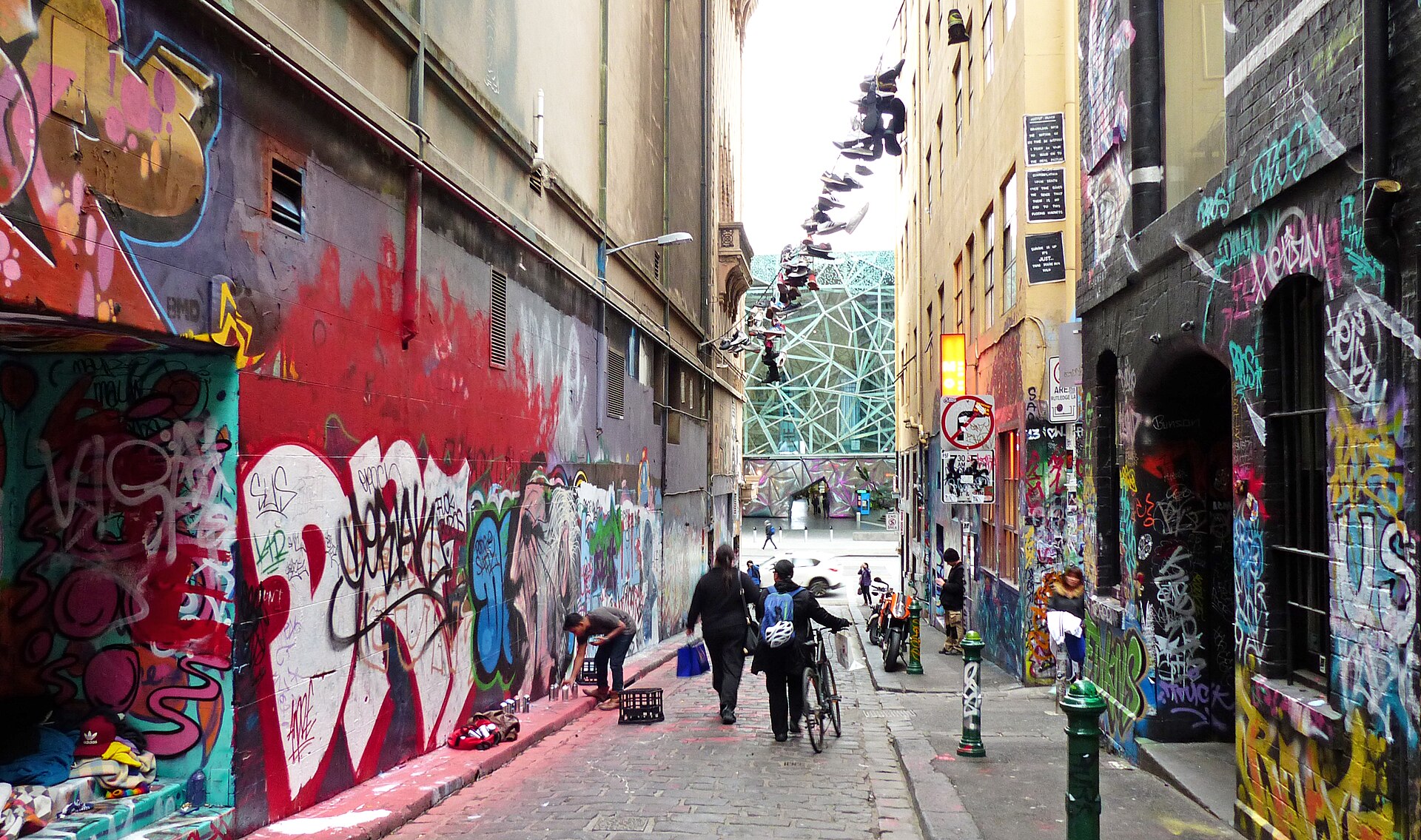
Melbourne is Australia’s cultural capital by most measures. The NGV is the country’s most-visited gallery, the live music circuit is the largest per capita in the world by some counts, the Melbourne International Comedy Festival is the third-biggest comedy festival anywhere, and the theatre scene sustains long commercial runs that Adelaide cannot.
Adelaide’s counter-argument is concentration. For roughly a month from mid-February, the Adelaide Fringe — the second-largest fringe festival in the world after Edinburgh — runs alongside the Adelaide Festival, WOMADelaide and Writers’ Week, and the entire city turns into a venue. Per head of population, nothing in Australia compares. The rest of the year, the North Terrace cultural boulevard puts the Art Gallery of South Australia, the South Australian Museum and the State Library in a single free row, and the Adelaide Botanic Garden is next door.
On nightlife, Melbourne wins on volume and Adelaide has closed the gap on quality. The west end around Peel and Leigh Streets and the east end around Rundle and Vardon have a genuinely good small-bar scene. It just stops earlier. See our guides to the laneway bars, the Fringe and the museums and galleries.
Beaches and the outdoors

Adelaide’s advantage here is structural. The city sits on a gulf with 30km of continuous white-sand beach along its western edge, and the Glenelg tram runs from Victoria Square in the CBD to the sand in about twenty-five minutes for the cost of an ordinary fare. Henley, Grange, Semaphore and Brighton are all reachable by train or bus. The water is calm, shallow and warm by Australian standards because Gulf St Vincent is sheltered.
Melbourne’s bay beaches — St Kilda, Brighton, Port Melbourne — are perfectly pleasant and considerably busier, and the ocean beaches are on the Mornington Peninsula an hour and a half away. Melbourne’s outdoor trump card is the Great Ocean Road, which is genuinely world-class and starts about ninety minutes from the city.
For wilderness rather than coast, Adelaide again wins on proximity: Cleland Wildlife Park has koalas twenty minutes from the CBD, Morialta’s waterfalls are half an hour out, Mount Lofty is a forty-minute drive with a view over the whole plain, and Kangaroo Island is a couple of hours plus a ferry. See the best beaches in Adelaide and the hiking trails guide.
Sport
Melbourne is the sporting capital of Australia and there is no serious argument. The MCG holds 100,000, the Australian Open and the Formula One Grand Prix are both there, and in winter there is AFL football on four days out of seven.
Adelaide’s version is smaller and, for a visitor, arguably more accessible. Adelaide Oval holds a bit over 50,000 and is a ten-minute walk from the CBD rather than a train ride. Tickets to almost anything are easier to get and cheaper. Gather Round brings the entire AFL competition to South Australia for four days each April, LIV Golf draws 260,000 over a week, the Tour Down Under is free to watch from any roadside, and the Adelaide 500 runs a street circuit through the parklands. Our sport in Adelaide guide covers the whole year.
Getting around
Melbourne has the larger network by a long way: 250km of tram track, an extensive suburban rail system and buses filling the gaps. It also needs all of it, because the city is enormous.
Adelaide has one tram line, six suburban rail lines and a bus network, and a free tram zone through the city centre and out to the Botanic Gardens that you do not tap on for. For a visitor staying centrally, most of Adelaide is walkable and the tram covers the rest. The practical difference: in Melbourne you plan around transport, in Adelaide you mostly do not. See getting around Adelaide.
Day trips compared
This is where the two cities diverge most sharply, and it is worth laying out side by side because it drives the length of the trip.
| From Adelaide | Time | From Melbourne | Time |
|---|---|---|---|
| Adelaide Hills and Hahndorf | 25 min | Dandenong Ranges | 60 min |
| McLaren Vale | 45 min | Yarra Valley | 70 min |
| Barossa Valley | 60 min | Mornington Peninsula | 75 min |
| Victor Harbor and the Fleurieu | 80 min | Great Ocean Road (Apollo Bay) | 3 hrs |
| Kangaroo Island | 2 hrs + ferry | Phillip Island | 2 hrs |
| Clare Valley | 2 hrs | Bendigo and Ballarat | 2 hrs |
Adelaide’s day trips are closer and there are more of them, but Melbourne’s headline one — the Great Ocean Road — is better than anything within the same radius of Adelaide. If you can only do one day trip on the whole holiday, the Great Ocean Road is the stronger single experience. If you have four or five days to spend on day trips, Adelaide gives you a better week because you spend less of each day in the car. Our Adelaide day trips guide covers everything within two hours of the city.
Accommodation and where to base yourself
In Melbourne the base question genuinely matters: the CBD, Southbank, Fitzroy, St Kilda and Carlton are different trips, and getting it wrong costs you an hour a day in transit. In Adelaide it barely matters. Almost anywhere in the CBD grid is within a twenty-minute walk of everything, North Adelaide is ten minutes further and quieter, and Glenelg swaps the city for the beach at the cost of a twenty-five-minute tram.
Adelaide also has more character in its mid-range stock than its reputation suggests — restored pubs with rooms above them, heritage buildings converted rather than demolished, and a growing set of boutique hotels in the east end. What it lacks is the top end: Melbourne has a depth of five-star and design-led hotels that Adelaide cannot match. Our where to stay in Adelaide guide sets out the areas.
Safety and the practical stuff
Both cities are safe by international standards, and Adelaide is statistically the safer of the two — it has lower rates of most categories of crime against the person, and the CBD is small enough that it never feels deserted in the way parts of a larger city can. The usual sensible urban caution applies in both: late-night areas around nightclub strips, the standard care with belongings on public transport.
Practical differences that catch people out: Adelaide’s shops close earlier, with Sunday trading shorter than Melbourne’s and many suburban businesses shut on Sunday entirely. Late-night food is much thinner on the ground. And Adelaide has no Uber-scale surge of alternatives at 2am, so if you are out late, know how you are getting home before you go out.
How many days each city needs
Melbourne justifies four to five days on its own, and a week if you add the Great Ocean Road or the Yarra Valley. Adelaide justifies two to three days for the city itself, and five to seven once you use it as a base for the wine regions, Kangaroo Island or the Fleurieu Peninsula — which is really the point of Adelaide. The city is a good base more than it is a destination in itself, and any honest account has to say so.
Our how many days in Adelaide guide works through the options in detail.
Can you do both?
Easily. Flights between the two are about 75 minutes and run more or less hourly, often for under A$120 one way if booked ahead. The drive is 730km on the Dukes Highway — eight or nine hours of straight, dull road — or three to five days via the Great Ocean Road and the Limestone Coast, which is a far better use of the same distance and one of Australia’s great drives. Our South Australia road trips guide sets out that route.
The sensible two-week southern itinerary is Melbourne for four days, the Great Ocean Road and Limestone Coast for four, Adelaide and its wine regions for four, and Kangaroo Island or the Flinders Ranges for whatever is left.
Frequently asked questions
Is Adelaide worth visiting if I have already been to Melbourne?
Yes, but for different reasons. Do not come expecting a smaller Melbourne — you will find one and be underwhelmed. Come for the wine regions, the coast, the wildlife and the space, all of which Melbourne cannot match for proximity.
Is Adelaide cheaper than Melbourne?
Yes, across the board. Accommodation is roughly 30% cheaper for equivalent quality, eating out is 15-25% cheaper, and the airport transfer is A$4 by bus against about A$22 on Melbourne’s SkyBus.
Which city has better food, Adelaide or Melbourne?
Melbourne, on breadth and depth — more cuisines, more restaurants, a higher average. Adelaide wins on produce, on markets and on value, and its best restaurants are excellent. If food is the main reason for the trip, go to Melbourne.
Which has better weather?
Adelaide is warmer, drier and more reliable, which is better for beaches and outdoor events and worse in a February heatwave. Melbourne is cooler, wetter and famously changeable, but built to absorb bad weather.
How far is Adelaide from Melbourne?
About 730km by the direct Dukes Highway route, eight to nine hours’ driving, or a 75-minute flight. Via the Great Ocean Road and the Limestone Coast it is around 1,100km and needs three to five days.
Is Adelaide boring compared with Melbourne?
Quieter, yes; boring, no longer. The small-bar scene, the Central Market and the February-March festival season are all genuinely good. But Melbourne has more going on every single night of the year, and if constant options are what you want from a city, that is the one to pick.
Which is better for families?
Adelaide, marginally, and mostly on logistics. Everything is closer, the beaches are calmer and tram-accessible, the zoo has the only giant pandas in Australia, and the whole trip costs less. Melbourne has more individual attractions but you spend more of the day travelling between them.
If the comparison has left you unconvinced either way, the underlying question is usually simpler than which city wins. Our honest answer to is Adelaide worth visiting makes the case on its own terms — the wine, the produce, the wildlife and the value — and is equally clear about the travellers who should skip it.
Related Adelaide Guides
- Adelaide Travel Guide — the full overview if Adelaide is the pick.
- How Many Days in Adelaide — building an itinerary that earns its time.
- Adelaide’s Wine Regions — the category Adelaide wins outright.
- Adelaide on a Budget — where the cost advantage actually shows up.
- Best Beaches in Adelaide — the tram-accessible coast.
- South Australia Road Trips — including the coastal route between the two cities.
- The Adelaide Fringe — the month when Adelaide is the busier city.
- Best Time to Visit Adelaide — month-by-month climate and events.
Photo Credits
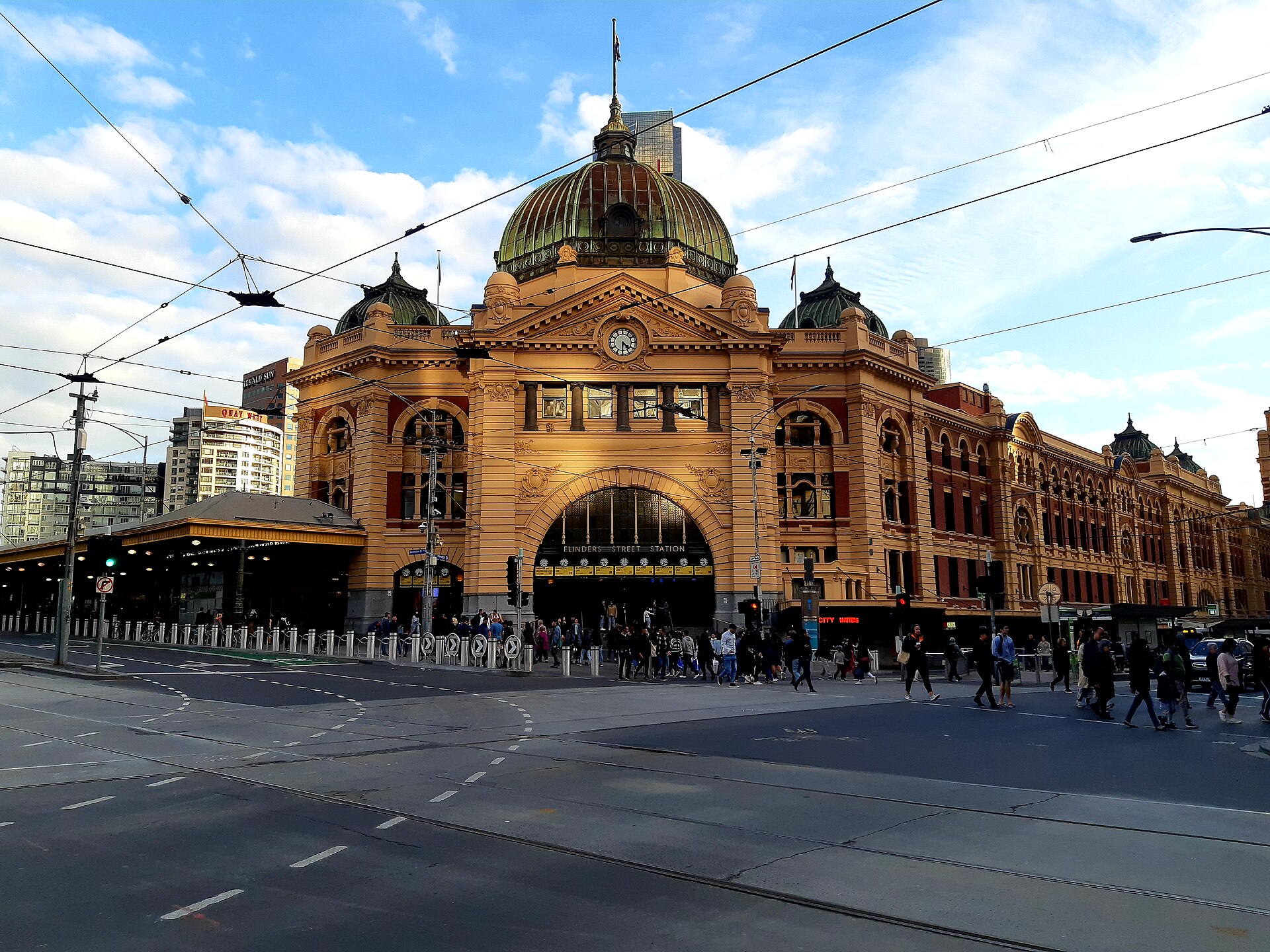
Flinders Street Station, Melbourne: “Flinders Street Station Main Building, May 2019.jpg” by Medelam, via Wikimedia Commons, CC BY-SA 4.0.
Hosier Lane, Melbourne: “Hosier Lane Melbourne. (47940124773).jpg” by Bernard Spragg. NZ from Christchurch, New Zealand, via Wikimedia Commons, CC0.