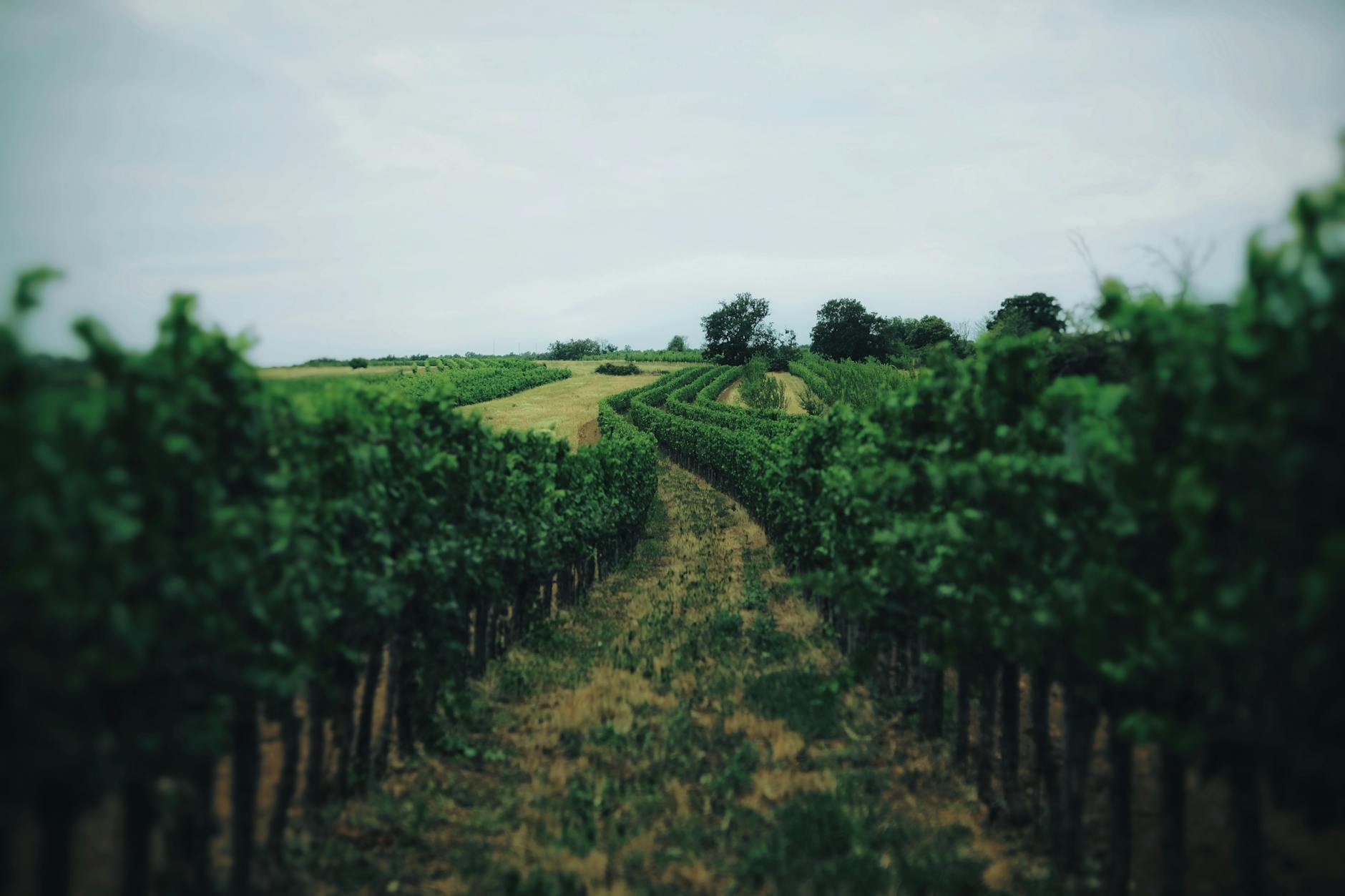
Adelaide is the wine capital of Australia — and one of only nine Great Wine Capitals of the World, alongside Bordeaux, Napa Valley, and Rioja. Within ninety minutes of the city centre, you can visit the Barossa Valley, McLaren Vale, Adelaide Hills, Clare Valley, and Langhorne Creek, five of the country’s most respected Adelaide wine regions. Together, they produce everything from powerful old-vine shiraz to elegant cool-climate pinot noir, world-class riesling, and innovative natural wines that are reshaping Australian viticulture.
This comprehensive guide to the Adelaide wine regions covers the major regions in detail — what to drink, where to taste, how to get there, and what makes each area distinctive. Whether you are a serious wine collector or a curious first-time visitor, the Adelaide wine regions offer some of the best vineyard experiences in the world, at a fraction of the cost of comparable regions in Europe or California.
Why Adelaide Wine Regions Are World-Class
South Australia produces approximately 50 per cent of all Australian wine and is home to 18 designated wine regions. The state’s viticultural success is built on a combination of ancient soils, diverse microclimates, and a winemaking tradition that stretches back to the 1840s. The Adelaide wine regions benefit from their proximity to both the Southern Ocean and the Mount Lofty Ranges, creating a remarkable diversity of terroir within a compact area. The Barossa Valley’s warm, dry conditions produce full-bodied reds of extraordinary concentration. McLaren Vale’s Mediterranean maritime climate yields rich shiraz and grenache. The elevated Adelaide Hills deliver crisp, cool-climate whites. And the Clare Valley’s unique geography creates rieslings that rival Germany’s finest.
What truly sets the Adelaide wine regions apart from other global wine destinations is accessibility. You can taste world-class wine at more than 200 cellar doors, many of which are family-run operations where the winemaker personally pours your tasting. Extended degustation lunches at winery restaurants cost a fraction of equivalent experiences in Napa or Bordeaux. And with multiple wine regions all within day-trip distance of the CBD, Adelaide offers the most efficient wine-touring experience in Australia.
Barossa Valley: Australia’s Most Famous Wine Region
Overview
The Barossa Valley sits approximately 65 kilometres northeast of Adelaide — about one hour by car. It is Australia’s most internationally recognised wine region and home to some of the oldest shiraz vines on the planet, with many dating back to the 1840s and 1850s. The region’s warm, dry climate and ancient soils produce shiraz of extraordinary depth, concentration, and complexity — wines that have defined Australian winemaking on the global stage. There are approximately 150 wineries in the Barossa, and more than 80 cellar doors welcome visitors.
What to Drink
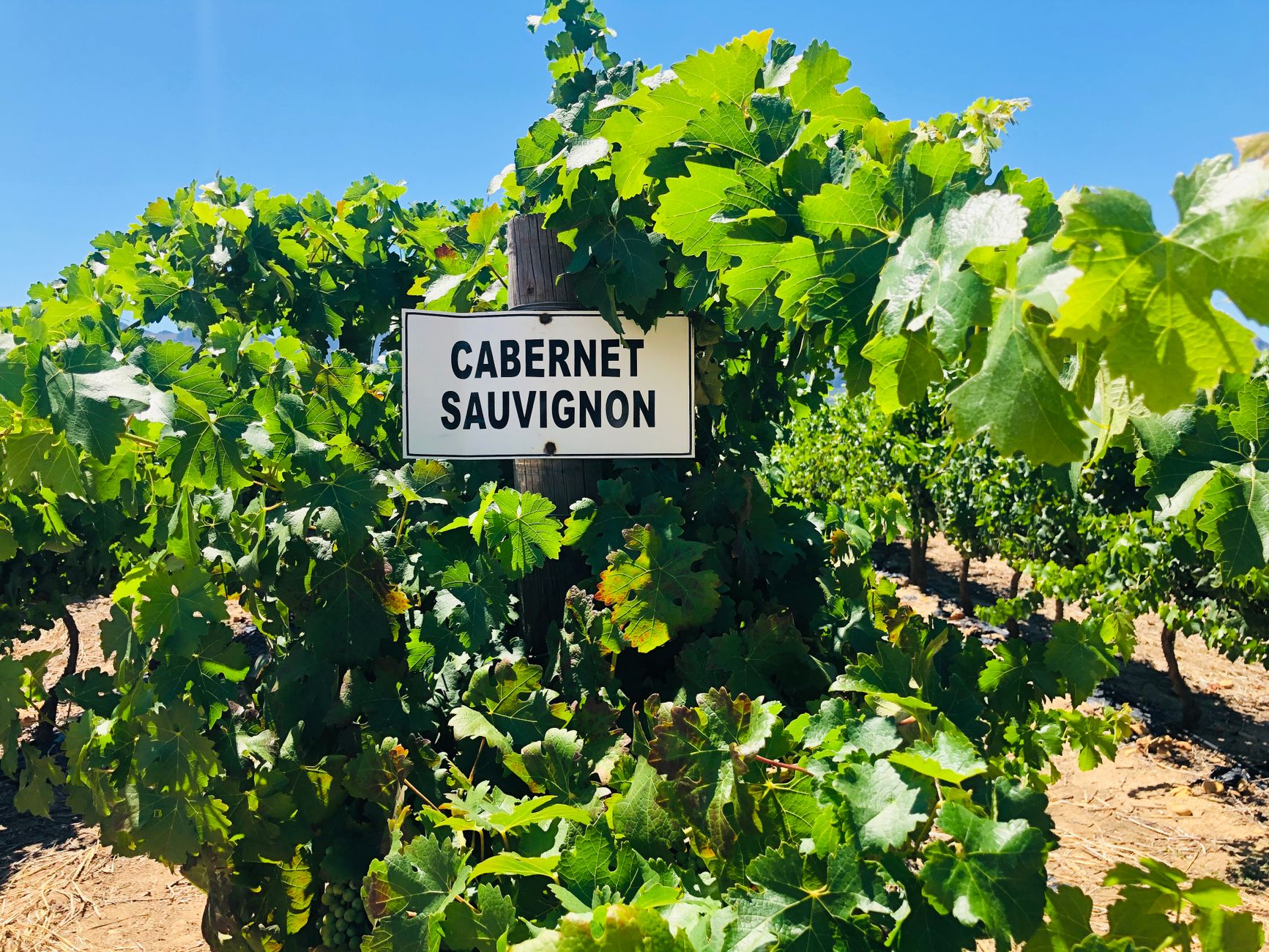
Shiraz is the undisputed star of the Barossa — bold, rich, and often aged in American oak to develop the region’s signature combination of dark fruit, chocolate, and spice. Cabernet sauvignon, grenache (both as a single varietal and in GSM blends), and mataro round out the red portfolio. White wine lovers should seek out the Barossa’s eden valley riesling — a dry, lime-accented style that ages beautifully. Fortified wines are another Barossa speciality, with Seppeltsfield’s unbroken lineage of vintage tawny dating back to 1878.
Top Cellar Doors to Visit
Seppeltsfield — Dating to 1851, this is the Barossa’s most historic estate. The Centennial Cellar houses the world’s longest unbroken lineage of single-vintage tawny, and visitors can taste their birth-year wine from the barrel. The estate also features a restaurant, art gallery, and distillery, making it a full-day destination.
Henschke — The Henschke family have been growing grapes in the region for over 150 years. Their Hill of Grace vineyard, planted in the 1860s, produces one of Australia’s most revered wines. The cellar door is an elegant space in the original 1950s woolstore building.
Chateau Tanunda — Established in 1890, this is considered the birthplace of the Barossa’s wine industry. The grand heritage buildings are stunning, and the wines — particularly the shiraz and grenache — are excellent. A must-visit for anyone interested in the region’s history.
Artisans of Barossa — A collective cellar door where independent small-batch winemakers pour their wines side by side. This is the best way to discover the Barossa’s emerging producers and alternative styles without visiting a dozen separate cellar doors.
Jacob’s Creek — One of Australia’s most internationally recognised wine brands, Jacob’s Creek offers an accessible visitor experience on a beautiful 42-hectare property. A bicycle track weaves through the vineyards, and the visitor centre includes interactive tasting experiences and a restaurant. For our full guide, see the upcoming Barossa Valley wine guide.
McLaren Vale: Coastal Wine Country
Overview
McLaren Vale is just 45 minutes south of Adelaide, making it the most convenient Adelaide wine region for a half-day or full-day visit. Set between the rolling Mount Lofty Ranges and the beaches of Gulf St Vincent, this is Australia’s premier coastal wine destination. More than 80 cellar doors and vineyards are clustered around the town of McLaren Vale, along with acclaimed restaurants, artisan food producers, and some of the most photogenic vineyard landscapes in the country. The region was among the first in Australia to adopt sustainable wine-growing practices, and many producers hold organic or biodynamic certifications.
What to Drink
McLaren Vale is renowned for shiraz — rich, generous, and often showing the Mediterranean maritime influence in their plush texture and savoury complexity. Grenache is the region’s second great strength, producing wines of remarkable elegance and perfume. Cabernet sauvignon and GSM (grenache-shiraz-mataro) blends are also excellent. On the white side, look for fiano and vermentino — Italian varieties that thrive in McLaren Vale’s warm climate and are becoming regional signatures. The region has also become a hotbed for natural and minimal-intervention wines.
Top Cellar Doors to Visit
d’Arenberg Cube — The most visually striking cellar door in Australia. This Rubik’s Cube-inspired building houses an 11-course degustation restaurant, multiple tasting rooms, virtual reality experiences, and an art collection. The views from the upper levels across the vineyards to the coast are spectacular.
Wirra Wirra — A historic estate known for its playful spirit (look for the catapult on the lawn) and consistently excellent wines. The Church Block blend is a benchmark of the region, and the cellar door is welcoming and unpretentious.
Alpha Box and Dice — A fiercely independent, experimental winery that pushes boundaries with unconventional varieties and funky labelling. The cellar door is a lively, fun experience that appeals to adventurous drinkers.
Coriole Vineyards — Pioneers of Italian varieties in McLaren Vale, Coriole produces outstanding fiano, sangiovese, and nero d’avola alongside traditional shiraz. The cellar door is set in a beautiful heritage building with garden views. For our complete guide, see the upcoming McLaren Vale wine guide.
The Shiraz Trail
The Shiraz Trail is a nine-kilometre walking and cycling path that follows an old railway line between McLaren Vale and Willunga, passing several cellar doors en route including Wirra Wirra, Serafino, and Hugh Hamilton. It is a wonderful way to combine exercise with wine tasting, and many wineries will arrange to transport your purchases back to your accommodation.
Adelaide Hills: Cool-Climate Elegance
Overview
The Adelaide Hills is the closest wine region to the city — just 15 to 30 minutes by car from the CBD. Located in the Mount Lofty Ranges at elevations of 400 to 700 metres, the region’s cooler temperatures and higher rainfall produce a distinctly different style of wine from the warmer Barossa and McLaren Vale. Over 50 cellar doors welcome visitors, many in charming villages like Hahndorf (Australia’s oldest surviving German settlement), Stirling, Crafers, and Lobethal. The Adelaide Hills is perfect for a morning or afternoon outing, and combines beautifully with a visit to Hahndorf for German food and craft beer.
What to Drink
Sauvignon blanc is the Adelaide Hills’ signature variety — vibrant, aromatic, and with a purity that rivals Marlborough at its best. Chardonnay from this region is among the finest in Australia — elegant, restrained, and beautifully structured. Pinot noir thrives in the coolest sites, and the region also produces excellent sparkling wine using the traditional method. For something unusual, seek out gruner veltliner — an Austrian variety pioneered by Hahndorf Hill that has found a natural home in the Hills. Cool-climate shiraz from the Adelaide Hills is more peppery and medium-bodied than the Barossa style, offering an interesting comparison for visitors tasting across both regions.
Top Cellar Doors to Visit
Shaw + Smith — Winners of the Gourmet Traveller Award for Best Tasting Experience in 2022, Shaw + Smith produces benchmark Adelaide Hills sauvignon blanc, chardonnay, and pinot noir. The cellar door, designed by architect Max Pritchard, is set among the vines with panoramic views — one of the most beautiful tasting rooms in the country.
Nepenthe Wines — A large-format producer with a newly renovated cellar door featuring a tasting bar, indoor lounge, and a deck with floor-to-ceiling views over the rolling hills. The pinot gris and pinot noir are standouts.
Hahndorf Hill — Pioneers of Austrian varieties in Australia, including gruner veltliner, blaufrankisch, zweigelt, and St Laurent. The cellar door sits in the heart of Hahndorf and pairs perfectly with a walk through the historic main street. A must-visit for adventurous wine lovers.
The Lane Vineyard — Perched on one of the highest points in the Adelaide Hills, The Lane combines exceptional chardonnay and pinot grigio with a restaurant that draws food lovers from across the state. The sunset views from the cellar door are remarkable. For our full guide, see the upcoming Adelaide Hills wine guide.
Clare Valley: The Riesling Capital of Australia
Overview
The Clare Valley sits approximately 130 kilometres north of Adelaide — about a 90-minute drive — making it a comfortable day trip or an ideal overnight destination. This picturesque region is Australia’s undisputed riesling capital, with a unique combination of warm days and cool nights that produces rieslings of extraordinary intensity and longevity. Winemaking here dates back to 1851, when Jesuit brothers established Sevenhill Cellars, making it one of South Australia’s oldest wine regions. Today, around 40 cellar doors welcome visitors in a relaxed, unpretentious atmosphere that is a refreshing contrast to more commercial wine destinations.
What to Drink
Riesling is the star — dry, lime-accented, and mineral-driven, Clare Valley riesling is considered world-class and ages magnificently for 10 to 20 years. The region also produces excellent shiraz (fuller and richer than Adelaide Hills but more elegant than Barossa), cabernet sauvignon, and semillon. Several producers are experimenting with fiano, tempranillo, and other Mediterranean varieties. If you visit only one wine region for white wine, this should be it.
The Riesling Trail
The Riesling Trail is a 35-kilometre cycling and walking track that follows the path of an old railway line from Auburn to Clare and on to Barinia. Opened in 1994, it was the first railway-to-trail conversion in South Australia and remains one of the most enjoyable ways to explore any wine region in Australia. The trail passes through vineyards, past cellar doors, and through the historic towns of Auburn, Watervale, Sevenhill, and Clare. Three or four cellar doors per day is ideal if you are cycling, and many wineries will arrange to transfer your purchases to your accommodation. The best times to walk or cycle the trail are autumn (March to May) and spring (September to November), when the weather is mild and the landscapes are at their most beautiful.
Top Cellar Doors to Visit
Jim Barry Wines — Named James Halliday Winery of the Year in 2020, Jim Barry produces the iconic Armagh Shiraz alongside exceptional rieslings. The cellar door in Clare is a must-stop on any visit.
Skillogalee — Famous for its veranda lunch as much as its wines, Skillogalee occupies an 1851 stone miner’s cottage. A long, leisurely lunch here with Clare Valley riesling and seasonal produce is one of the most quintessentially South Australian experiences you can have.
Sevenhill Cellars — Established in 1851 by Austrian Jesuit brothers, this is the Clare Valley’s oldest winery and one of the most historic in Australia. The cellars, St Aloysius Church, and surrounding vineyards are beautiful, and the wines — particularly the riesling and shiraz — are excellent. For our full guide, see the upcoming Clare Valley wine guide.
Langhorne Creek and Beyond: Hidden Adelaide Wine Regions
Beyond the four headline Adelaide wine regions, South Australia is home to several underrated wine areas that reward adventurous visitors. Langhorne Creek, approximately 75 kilometres southeast of Adelaide, is a compact floodplain region beside the Bremer River with a winemaking history dating back to the 1850s. Sixth-generation producers still work the land here, crafting juicy, earthy cabernet sauvignon and shiraz at excellent value. Langhorne Creek fruit helped Wolf Blass win the Jimmy Watson Trophy, demonstrating the quality that this unassuming region is capable of.
Coonawarra, further south in the Limestone Coast, is famous for its terra rossa soil — a thin band of red earth over limestone that produces some of Australia’s finest cabernet sauvignon. While it is a longer drive from Adelaide (approximately 380 kilometres), serious wine collectors consider it an essential pilgrimage. Closer to the city, the Currency Creek and Southern Fleurieu regions are emerging areas producing interesting wines from alternative varieties. For our detailed guide, see the upcoming Langhorne Creek and Coonawarra guide.
Adelaide Wine Regions: Wine Tours and Getting Around
Guided Wine Tours from Adelaide
If you plan to taste wine (and you should), a guided tour is the safest and most relaxing way to experience the Adelaide wine regions. Several operators run daily tours from Adelaide to the Barossa Valley, McLaren Vale, and Adelaide Hills, with hotel pick-up and drop-off included. Small-group tours typically visit three to five cellar doors and include a restaurant lunch or gourmet platter. Expect to pay from $100 to $200 per person for a full-day small-group tour, or $400 to $800 for a private experience. Operators like Adelaide’s Top Food and Wine Tours, TrailHopper, and Wine Valley Tours are well-regarded and offer flexible itineraries.
Self-Drive Tips
Self-driving gives you maximum flexibility, but you will need a designated driver. South Australia’s drink-driving laws are strictly enforced, with a blood alcohol limit of 0.05. If you plan to self-drive, appoint a non-drinking driver, use spit buckets at cellar doors (this is completely normal and expected), or consider a designated-driver service that will drive your car for you while you taste. All of the Adelaide wine regions are connected by well-maintained sealed roads, and most cellar doors have free parking. A GPS or smartphone navigation app is essential, as some smaller cellar doors are on rural roads with limited signage.
Hop-On Hop-Off Bus Services
TrailHopper operates hop-on hop-off bus services in the Barossa Valley, McLaren Vale, and Adelaide Hills, allowing you to create your own itinerary at your own pace. This is an excellent middle ground between a structured guided tour and self-driving — you get the flexibility to choose your own cellar doors and spend as long as you like at each stop, with none of the drink-driving risk. Services run daily and bookings can be made online.
Winery Dining in the Adelaide Wine Regions
Many of the best restaurants in South Australia are found not in Adelaide itself, but in the surrounding wine regions. Winery restaurants combine estate wines with seasonal produce sourced from neighbouring farms, orchards, and kitchen gardens, creating food-and-wine experiences that rival the best in the world.
In the Barossa, Hentley Farm offers four-course and seven-course degustation menus in a restored 1840s homestead, and Fermentasian brings unexpected Asian-Barossa fusion. In McLaren Vale, the d’Arenberg Cube restaurant provides a surreal dining experience with panoramic vineyard views, while Salopian Inn serves wood-fired dishes in a heritage pub. In the Adelaide Hills, The Lane Vineyard and Golding Wines both offer exceptional food alongside their wines. Even in the Clare Valley, Skillogalee’s veranda lunch is legendary. For a complete guide to the best winery restaurants, see our Adelaide food guide.
Wine Festivals and Seasonal Events
The Adelaide wine regions host several annual events that are worth planning a trip around. Tasting Australia (typically April or May) is Adelaide’s flagship food and wine festival, with events spanning the city and the wine regions. The Barossa Vintage Festival, held every two years in odd-numbered years, is a week-long celebration of the grape harvest with winery events, long lunches, parades, and community gatherings. The McLaren Vale Sea and Vines Festival pairs coastal produce with regional wines in a picturesque beach-meets-vineyard setting. The Adelaide Hills Crush Festival in January celebrates the region’s food and wine with open cellar doors, producer events, and live music. During harvest season (February to April), many wineries offer special experiences including grape-picking, grape-stomping, and behind-the-scenes winery tours. Check South Australian Tourism for current event dates.
Practical Guide to Visiting Adelaide Wine Regions
Best Time to Visit
The Adelaide wine regions are a year-round destination, but each season offers a different experience. Autumn (March to May) is peak season — the vines turn gold and red, harvest is underway, and wine festivals dot the calendar. Spring (September to November) brings wildflowers, mild weather, and the start of the outdoor dining season. Summer (December to February) means long evenings and excellent conditions for outdoor tastings, but temperatures in the Barossa and Clare Valley can exceed 40°C on hot days — plan to arrive early and seek shade. Winter (June to August) is the quiet season, with fewer crowds, cosy cellar-door fires, and hearty seasonal menus — an underrated time to visit.
Tasting Etiquette
Cellar-door tasting in the Adelaide wine regions is relaxed and welcoming, even at the most prestigious estates. Start with lighter wines (sparkling, white, rosé) before progressing to reds and fortifieds. Spitting is completely acceptable and expected, especially if you plan to visit multiple cellar doors in a day — spit buckets are provided at every tasting room. Ask questions freely — most cellar-door staff are passionate wine lovers who enjoy sharing their knowledge. Tasting fees typically range from $5 to $25 per person and are usually waived if you purchase wine. Many cellar doors require advance bookings for seated tastings, particularly on weekends.
What to Budget
Cellar-door tastings range from free to $25 per person, with most sitting between $10 and $15 (often redeemable against purchases). Wine prices range widely — expect to pay $15 to $30 for excellent everyday drinking wines, $30 to $80 for premium bottles, and $80 to $300 or more for icon wines like Henschke Hill of Grace or Penfolds Grange. Winery lunches typically cost $60 to $150 per person. A guided tour with lunch runs $100 to $200 per person. If you are visiting the Adelaide wine regions from the city, budget $50 to $80 for fuel and parking if self-driving.
Adelaide Wine Regions Comparison at a Glance
Barossa Valley — 1 hour from Adelaide. Famous for: bold shiraz, grenache, fortified wines. Style: warm, full-bodied, rich. Over 80 cellar doors. Best for: red wine lovers and wine history.
McLaren Vale — 45 minutes from Adelaide. Famous for: shiraz, grenache, fiano, natural wines. Style: Mediterranean, generous, coastal influence. Over 80 cellar doors. Best for: food and wine pairing, casual exploration.
Adelaide Hills — 15–30 minutes from Adelaide. Famous for: sauvignon blanc, chardonnay, pinot noir, sparkling. Style: cool-climate, elegant, crisp. Over 50 cellar doors. Best for: white wine lovers and quick half-day trips.
Clare Valley — 90 minutes from Adelaide. Famous for: riesling, shiraz, cabernet sauvignon. Style: intense, mineral-driven (whites), structured (reds). Around 40 cellar doors. Best for: riesling fans and the Riesling Trail cycling experience.
Langhorne Creek — 1 hour from Adelaide. Famous for: cabernet sauvignon, shiraz. Style: juicy, earthy, excellent value. Smaller region with boutique cellar doors. Best for: off-the-beaten-path discovery.
Shipping Wine Home from Adelaide Wine Regions
One of the joys of visiting the Adelaide wine regions is being able to purchase wines directly from the cellar door — often including limited-release bottles that are not available in retail stores. Most wineries offer domestic shipping within Australia, and many can arrange international shipping for overseas visitors. If you are visiting multiple cellar doors, consider consolidating your purchases through a wine shipping service rather than carrying bottles in your car. Several operators in the Barossa Valley and McLaren Vale specialise in collecting purchases from multiple cellar doors and shipping them to your home address in a single consignment.
For international visitors, be aware that customs regulations in your home country may limit the amount of wine you can import duty-free. Check your allowance before purchasing in bulk. Australian domestic airlines allow you to carry wine in checked luggage (securely packed), and wine shipping boxes are available at most cellar doors and post offices in the Adelaide wine regions. If you are driving, invest in a wine carry bag or padded box for the car — South Australian summers can get very hot, and wine left in a warm boot will be damaged within hours.
Adelaide Wine Regions for Different Travel Styles
For couples and romance: McLaren Vale offers the most romantic wine-region experience, with boutique cellar doors, coastal scenery, and intimate winery restaurants. The d’Arenberg Cube at sunset is unforgettable. In the Adelaide Hills, Shaw + Smith and The Lane Vineyard combine stunning views with exceptional wine.
For families: The Barossa Valley is the most family-friendly of the Adelaide wine regions, with several cellar doors offering children’s activities, playgrounds, and picnic areas alongside the tasting rooms. Jacob’s Creek has cycling trails suitable for families, and several Barossa producers have cellar doors with gardens where children can play while parents taste.
For serious wine collectors: The Barossa Valley and Clare Valley offer the deepest selection of aged and museum-release wines. Seppeltsfield’s birth-year tawny experience is unique in the world. Henschke’s Hill of Grace and Penfolds Grange (available at the Magill Estate cellar door, 15 minutes from Adelaide) are bucket-list wines for collectors.
For active travellers: Cycle the Clare Valley Riesling Trail (35 km) or the McLaren Vale Shiraz Trail (9 km) for a unique perspective on the Adelaide wine regions. Both trails pass through beautiful countryside and connect multiple cellar doors, allowing you to combine exercise with wine tasting in a way that few other wine destinations in the world can match.
Frequently Asked Questions About Adelaide Wine Regions
How many wine regions are near Adelaide?
There are five major Adelaide wine regions within ninety minutes of the city: the Barossa Valley, McLaren Vale, Adelaide Hills, Clare Valley, and Langhorne Creek. South Australia as a whole has 18 designated wine regions, several of which — including Coonawarra, the Fleurieu Peninsula, and Eden Valley — are accessible as longer day trips or overnight excursions from Adelaide.
Which Adelaide wine region should I visit first?
If you only have time for one Adelaide wine region, the Barossa Valley is the iconic choice — it has the most cellar doors, the greatest diversity of experiences, and the deepest historical significance. If you prefer white wines or have limited time, the Adelaide Hills is closest to the city and offers excellent cool-climate wines in a beautiful setting. McLaren Vale is the best all-rounder for food, wine, and scenery combined.
Do I need to book cellar door tastings in advance?
For casual counter tastings at larger cellar doors, walk-ins are generally fine on weekdays. However, seated tastings, premium experiences, and weekend visits should be booked in advance. Smaller boutique producers often require appointments. It is always worth checking the winery website or calling ahead, particularly during peak seasons (autumn harvest and long weekends).
Can I visit Adelaide wine regions without a car?
Yes. Guided wine tours with hotel pick-up operate daily from Adelaide to the Barossa Valley, McLaren Vale, and Adelaide Hills. Hop-on hop-off bus services (TrailHopper) cover all three regions. In the Clare Valley, the Riesling Trail allows you to cycle between cellar doors. Rideshare services are available in the Adelaide Hills and parts of McLaren Vale, though service is limited in more rural areas. For a stress-free experience, a guided tour is the best option.
What is the best time of year to visit Adelaide wine regions?
Autumn (March to May) is the best time for wine enthusiasts — harvest is underway, wine festivals are running, and the vineyards display spectacular autumn colours. Spring (September to November) is ideal for pleasant weather and outdoor dining. Summer offers long evenings but can be very hot in the Barossa and Clare Valley. Winter is the quiet season with fewer crowds and cosy cellar-door atmospheres. The Adelaide wine regions are genuinely rewarding year-round.
How much does wine tasting cost in the Adelaide wine regions?
Tasting fees at Adelaide wine region cellar doors typically range from $5 to $25 per person, with most charging between $10 and $15. Many cellar doors waive the tasting fee if you purchase wine. Some smaller producers offer free tastings. Premium seated experiences and reserve wine tastings may cost more. Overall, wine tasting in the Adelaide wine regions is significantly more affordable than comparable experiences in Napa Valley, Bordeaux, or Tuscany. For more on planning your trip, see our Adelaide travel guide and things to do in Adelaide.
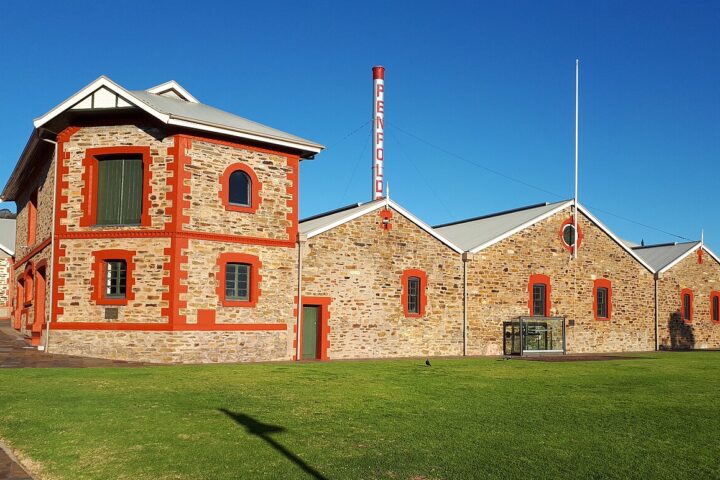
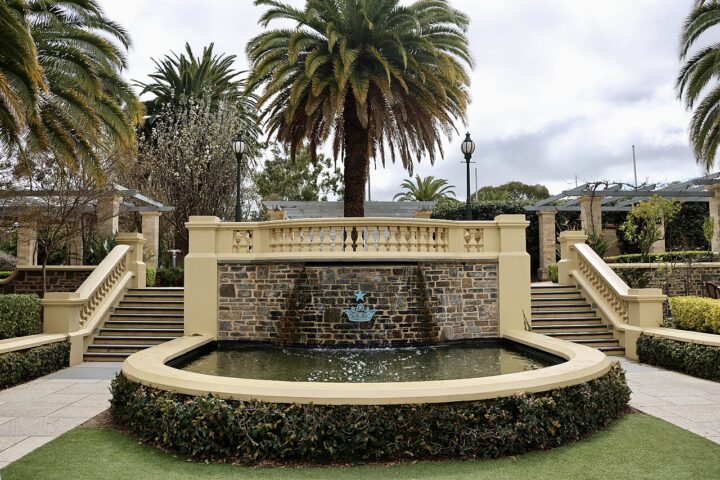
You do not have to leave the suburbs to stand where Australian wine history was made. Our guide to Penfolds Magill Estate, eight kilometres from the CBD, covers the 1844 cellars where Grange was first made (and kept being made in secret), the Helen Keller vat, which tour or tasting to book in Grange’s 75th year, and the two restaurants on the estate.
1 note