People ask this question about Adelaide in a way they do not ask it about Sydney or Melbourne, and the reason is fair enough: Adelaide has no Opera House, no Harbour Bridge, no single image that does the work of persuading you. So the honest place to start is that if you are looking for a landmark to stand in front of, is Adelaide worth visiting has a fairly unglamorous answer — not on its own, not for a weekend, not if you want a city that announces itself. What Adelaide has instead is a set of things it does better than anywhere else in Australia, and whether the trip is worth it depends entirely on whether those things are what you want.
This page makes the case both ways. It sets out what Adelaide genuinely does better, who should skip it, what a realistic first trip looks like, and what visitors most often get wrong. It is written by people who cover the city full-time, which means the temptation is to oversell — so where a common criticism is fair, this page says so. Prices were checked in September 2026 and are in Australian dollars.
The short answer
Yes, if you care about wine, food and produce; if you want beaches, wildlife and wilderness within an hour of a capital city; if you like walkable cities and dislike queues; if you are travelling on a budget; or if you are coming in February or March, when the city hosts one of the biggest arts festival seasons on earth.
No, or not yet, if you have four days in Australia and have never seen Sydney; if you want big-ticket attractions and a dense nightlife; if you are visiting in the middle of a January heatwave without a car; or if you are hoping for a compressed version of Melbourne.
The most useful framing is this: Adelaide is a base, not a destination. Three days in the city alone is thin. Six days using the city as a base for the Barossa, McLaren Vale, the Adelaide Hills, the Fleurieu coast and Kangaroo Island is one of the best weeks in Australia. Almost every disappointed visitor made the first mistake.
What Adelaide does better than anywhere else in Australia
Wine, and it is not close
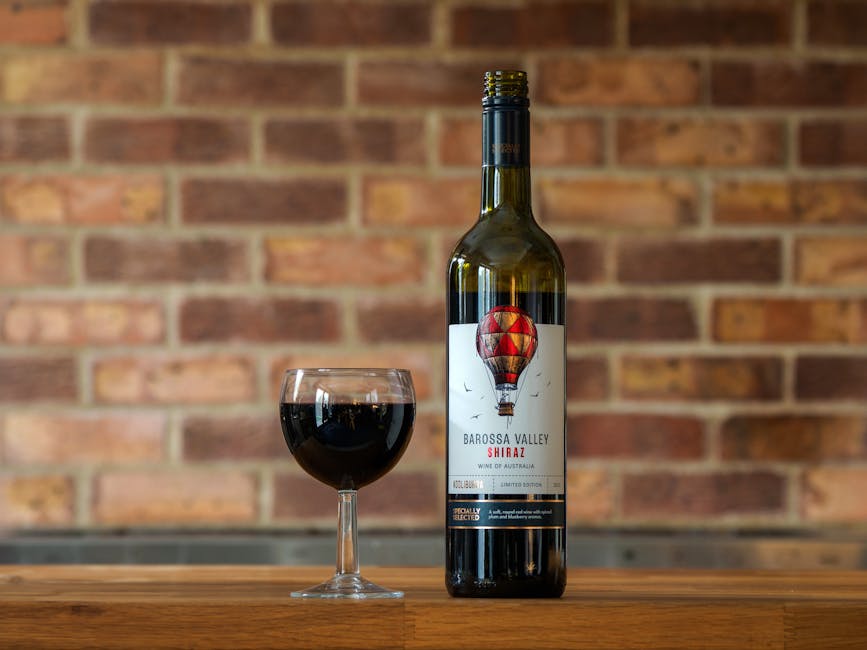
No other Australian capital has four significant wine regions within an hour’s drive. The Adelaide Hills are twenty minutes from the CBD, McLaren Vale forty-five, the Barossa Valley an hour, the Clare Valley two. South Australia produces roughly half of all Australian wine, and the Barossa holds some of the oldest continuously producing vines anywhere on earth — pre-phylloxera shiraz planted by Silesian settlers in the 1840s and still fruiting.
The specific experiences are good too, not just the geography. Seppeltsfield’s Centennial Cellar lets you taste tawny drawn from a barrel of your own birth year. The d’Arenberg Cube in McLaren Vale is a five-storey puzzle-cube building that also holds the largest Salvador Dalí collection outside Europe. Penfolds Magill Estate is fifteen minutes from the CBD in the foothills, with heritage bluestone cellars and underground drives. See our wine regions guide.
Produce and markets
The Adelaide Central Market has traded since 1869 and is one of the largest fresh produce markets in the southern hemisphere. It is not a curated tourist experience; it is where the city buys food, which is exactly what makes it worth an hour. Around it, Gouger Street and Chinatown put yum cha, Szechuan, Cantonese, Malaysian and Vietnamese within a hundred metres of each other.
The state’s produce is the underlying advantage: Coffin Bay oysters, Spencer Gulf king prawns, Barossa smallgoods, Adelaide Hills cheese, Riverland citrus. Eating well in Adelaide costs less than eating equivalently well in Sydney or Melbourne. Our Central Market guide and restaurants guide cover it.
Wildlife within reach
Adelaide Zoo has the only giant pandas in Australia — Xing Qiu and Yi Lan, on show since January 2025 in the Bamboo Forest enclosure. Cleland Wildlife Park in the Hills lets you walk among kangaroos and, in a supervised session, hold a koala. Monarto Safari Park an hour east is one of the largest open-range zoos in the world. Off Glenelg, Temptation Sailing runs a wild dolphin swim from Marina Pier. Kangaroo Island, two hours plus a ferry, has sea lions at Seal Bay and koalas in the wild.
No other Australian capital puts that much wildlife inside a two-hour radius.
Beaches you can reach without a car

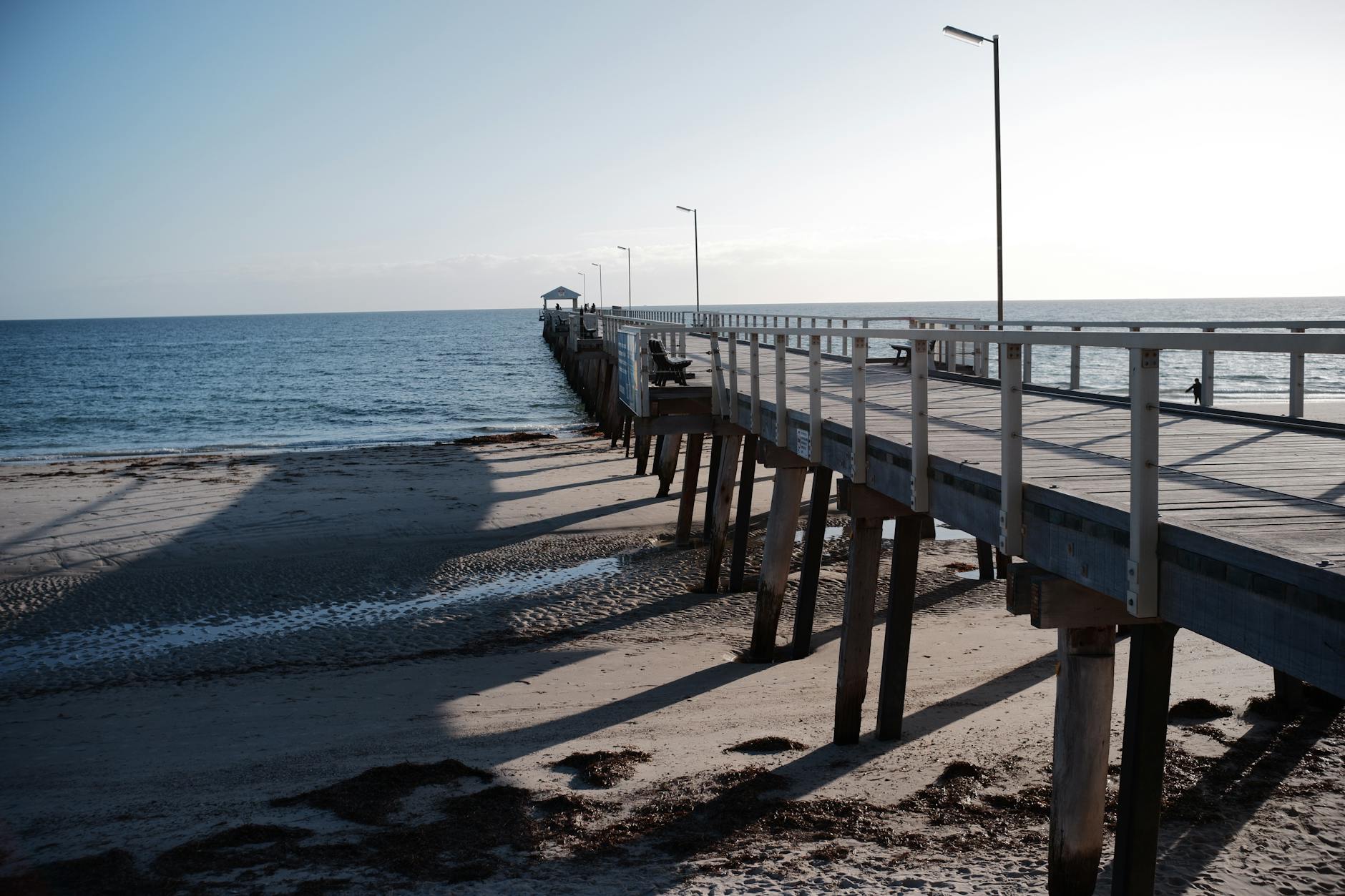
Thirty kilometres of white sand runs along the city’s western edge, and the Glenelg tram takes you from the middle of the CBD to the beach in about twenty-five minutes on a normal fare. Henley, Grange, Semaphore and Brighton are all on the train or bus network. Because Gulf St Vincent is sheltered, the water is calm, shallow and warm by Australian standards — the sunsets over the water are the actual draw. See the best beaches in Adelaide.
A festival season with no equal per head
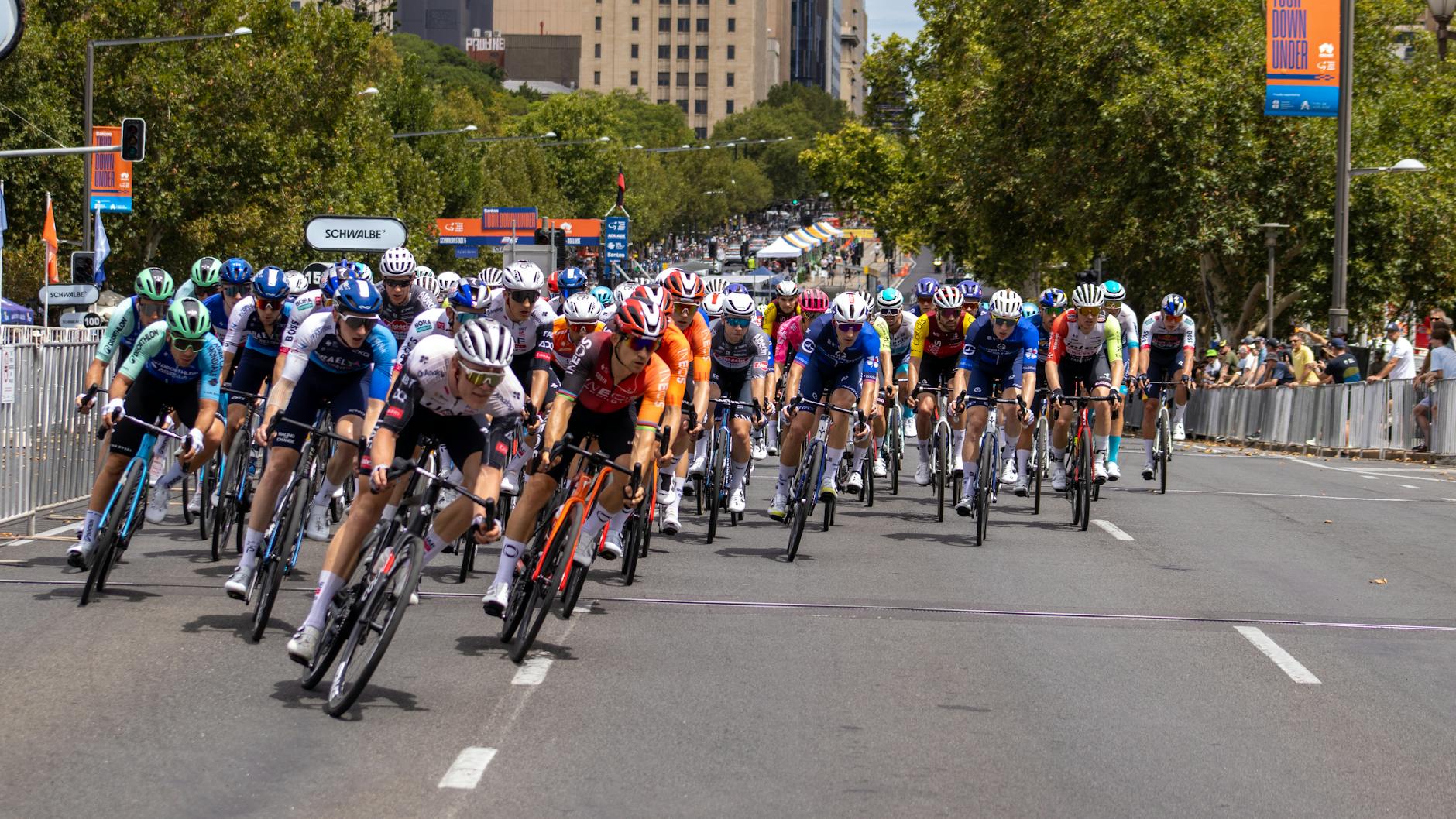
From mid-February for about a month, the Adelaide Fringe — the second-largest fringe festival in the world after Edinburgh — runs alongside the Adelaide Festival, WOMADelaide and Writers’ Week. The parklands fill with pop-up venues, the Garden of Unearthly Delights takes over Rundle Park, and the whole city changes character. If you can time a visit for this window, do; it answers the “is Adelaide boring” question permanently. Our Fringe guide has the detail.
Free, good museums in a row
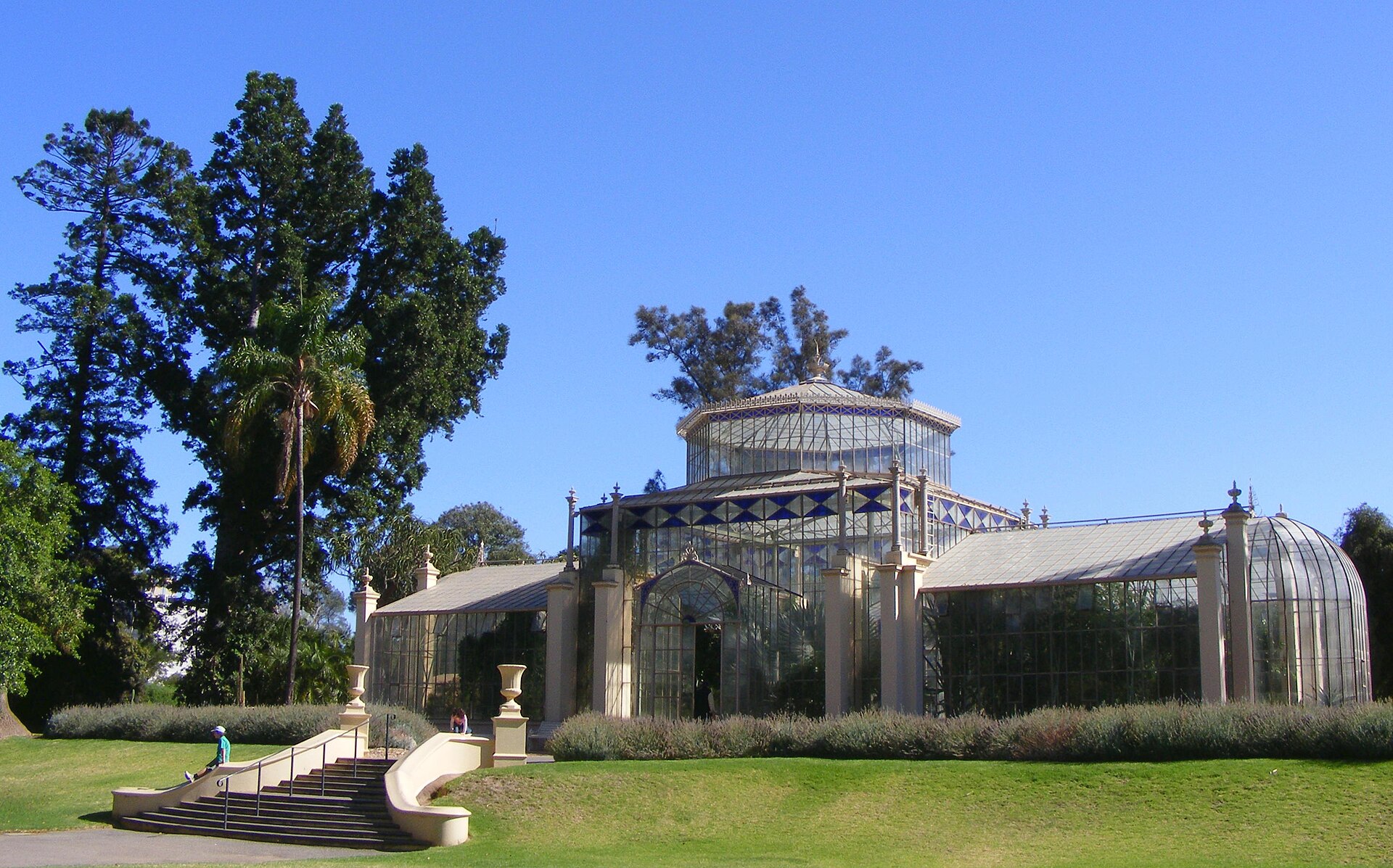
North Terrace holds the Art Gallery of South Australia, the South Australian Museum — with the world’s largest collection of Australian Aboriginal cultural material — the State Library and the Botanic Garden, all within a few hundred metres and all free to enter. For a city this size, that concentration is unusual.
Space, and the absence of queues
This one is hard to put in a brochure and it is the thing returning visitors mention most. Adelaide does not have queues. You walk into the Art Gallery. You get a table. The cellar door has three people at the bench rather than thirty, and the person pouring has time to talk to you. Mount Lofty Summit at sunset has a handful of cars in the car park. Even Adelaide Oval on a big AFL night empties in twenty minutes because everyone walks.
After a week in Sydney, that difference registers as a physical relief. It is the same reason the parklands matter more than they sound on paper: 760 hectares of open ground wrapped completely around a one-mile city grid, so you are never more than a few blocks from grass and river red gums. Colonel Light’s 1837 plan is the reason Adelaide feels the way it does, and it is genuinely unusual among world cities.
How it compares with the other capitals
The honest way to place Adelaide is against the alternatives, because that is the real decision most people are making.
- Against Sydney — Sydney wins on spectacle, harbour, ocean beaches and sheer first-visit impact. It is the right first stop in Australia. Adelaide wins on cost, on wine and on not queueing for anything.
- Against Melbourne — Melbourne wins on food breadth, nightlife, shopping and culture at scale. Adelaide wins on wine, coast, walkability and value. Both have serious festival seasons.
- Against Brisbane — Brisbane has the warmer winter and access to the reef and the Sunshine Coast. Adelaide has the better food, the better wine and far more variety within two hours.
- Against Perth — Perth has better beaches and Rottnest Island, and is far more isolated. Adelaide has more wine regions, a bigger festival calendar and is much easier to combine with the eastern cities.
- Against Hobart — the closest comparison in feel and the fairest fight. Hobart has MONA and a more dramatic setting; Adelaide has more variety, more wine and better weather.
The things visitors actually remember
Across the guides on this site, the same handful of things come up when people describe what stayed with them, and none of them are landmarks.
- Tasting tawny from a barrel of your own birth year at Seppeltsfield.
- Sunset from Glenelg jetty, reached on a tram that runs down the middle of a suburban street.
- Standing among kangaroos at Cleland with the whole city laid out below the hill.
- A Saturday morning in the Central Market with a coffee and a bag of Barossa mettwurst.
- The Fringe in March: a converted parkland full of tents, lights and people, in a city that was silent three weeks earlier.
- Driving out of the Adelaide Hills into the Barossa in the early morning with fog still in the valleys.
If that list appeals to you more than a photograph of a famous building, Adelaide is worth the trip. If it does not, be honest with yourself and go to Sydney.
The fair criticisms
Several of the standard complaints about Adelaide are true, and pretending otherwise would be useless.
- It is quiet. Outside the festival season, the city empties early. Sunday trading is short, late-night food is thin, and a Monday night in July offers a fraction of Melbourne’s options. If constant activity is what you want from a city, this is a real drawback rather than a charming quirk.
- There is no single must-see landmark. Nothing here does the work that the Opera House does for Sydney. The best things are cumulative rather than photographable.
- Summer heat is punishing. January and February regularly exceed 35°C and heatwaves reach the low 40s. Without a car or a pool, a 42°C day in Adelaide is genuinely unpleasant, and the city has less indoor infrastructure to escape into than a larger one.
- The city is thin without a car. The CBD is walkable and the tram reaches Glenelg, but the wine regions, the Hills and the coast — the actual case for Adelaide — need a car or a tour.
- The top end of hotels and restaurants is shallow. Adelaide’s mid-range is excellent value; its luxury tier is small.
What is not a fair criticism any more is the old “Adelaide is a big country town” line. Small-venue licensing reform transformed the bar scene, the east and west ends are genuinely good, and the food is better than the reputation. That criticism describes the city of thirty years ago.
Who should visit, and who should not
| Traveller | Verdict |
|---|---|
| Wine and food travellers | Come. This is the best wine base in Australia. |
| First-time visitor to Australia, 10 days | Sydney first. Adelaide on a second trip. |
| First-time visitor, 3 weeks | Include it. Four days minimum. |
| Families with young children | Come. Short distances, calm beaches, pandas. |
| Nightlife-focused twenty-somethings | Melbourne or Sydney, unless it is Fringe season. |
| Budget travellers | Come. The cheapest capital to visit well. |
| Nature and wildlife travellers | Come. Best access of any capital. |
| Cruise passengers with one day | Worth going ashore, but stay local — the city and Glenelg, not the Barossa. |
What a worthwhile first trip looks like
If you take one thing from this page, take this: give Adelaide five or six days, not two, and plan at least three of them outside the city.
- Day 1 — North Terrace museums, the Central Market for lunch, Rundle Mall, and a small bar on Leigh or Peel Street in the evening.
- Day 2 — Adelaide Hills: Stirling, Hahndorf, a cellar door, and Mount Lofty Summit for the view back over the plain. Cleland Wildlife Park if you want koalas.
- Day 3 — McLaren Vale, ending at a beach on the Fleurieu coast.
- Day 4 — The Barossa. Seppeltsfield, one big name, one small producer, a long lunch.
- Day 5 — Glenelg and the coast, the Zoo and the Botanic Garden, or a day trip to Victor Harbor.
- Day 6 — Kangaroo Island, if you can give it two nights rather than one long day.
Our three-day and five-day itineraries lay this out properly, and how many days in Adelaide works through the trade-offs.
What visitors get wrong
- Treating it as a stopover. One night in Adelaide between Melbourne and Perth shows you almost nothing that makes it worth coming.
- Coming in January without a plan for the heat. Book accommodation with air conditioning, do outdoor things before 11am, and use the afternoon for the Art Gallery or a cellar door.
- Skipping the car. Hiring a car for two or three of your days transforms the trip. Hiring one for all of them wastes money in a walkable CBD — see our car rental guide.
- Doing Kangaroo Island as a single long day. It is possible and it is exhausting: a 6am start, a lot of coach time and a late return. Two nights is the honest minimum.
- Comparing it to Melbourne all week. They are different propositions. Our Adelaide vs Melbourne comparison is blunt about which categories each one wins.
What it costs
Adelaide is the cheapest mainland capital to visit properly. As a rough daily guide per person, excluding flights: a budget trip on hostels, market food and free museums runs A$110-150 a day; a mid-range trip with a central hotel, a couple of restaurant meals and a wine tour runs A$260-380; and a comfortable trip with a hire car, better hotels and a private tour sits around A$450-600. Our Adelaide on a budget guide covers the low end in detail.
Frequently asked questions
Is Adelaide worth visiting for a few days?
Three days is enough for the city itself but sells the region short. Five or six days, with three spent in the wine regions, the Hills and on the coast, is where the trip becomes genuinely worth the airfare.
Is Adelaide boring?
Quiet, yes — the city empties earlier than Melbourne or Sydney and Sunday trading is short. Boring, no: the small-bar scene, the Central Market, the museums and the February-March festival season are all good. But if you want somewhere with options at 1am on a Tuesday, this is not it.
What is Adelaide best known for?
Wine — the Barossa, McLaren Vale, the Clare Valley and the Adelaide Hills — plus its festival season, the Central Market, the parklands that ring the city, and Adelaide Oval. It is also the only place in Australia with giant pandas.
Is Adelaide better than Perth or Brisbane?
Different rather than better. Adelaide beats both on wine, festivals and value, and is more compact. Brisbane has the warmer climate and better access to the Great Barrier Reef; Perth has better beaches and Rottnest Island. For a wine-and-food trip, Adelaide wins comfortably.
How many days do you need in Adelaide?
Two to three for the city, five to seven if you use it as a base for the surrounding regions — which is how it is meant to be used.
Is Adelaide expensive?
No. It is the cheapest mainland Australian capital for visitors: accommodation runs roughly 30% below Melbourne for equivalent quality, the airport bus is a few dollars, and the major museums are free.
When is the best time to visit Adelaide?
February and March for the festival season, or March to May and September to November for the most comfortable weather. January is hot, and July is mild but grey. See our best time to visit guide.
Related Adelaide Guides
- Adelaide Travel Guide — the full overview once you have decided to come.
- How Many Days in Adelaide — how long the city and the regions actually need.
- Adelaide vs Melbourne — an honest category-by-category comparison.
- Things to Do in Adelaide — the case for the city, in list form.
- Adelaide’s Wine Regions — the strongest single reason to come.
- Best Time to Visit Adelaide — month by month, with the heat honestly described.
- Adelaide 3-Day Itinerary — the minimum viable trip.
- Adelaide on a Budget — doing it well for less.
Photo Credits
The Palm House, Adelaide Botanic Garden: “Palm house, Adelaide Botanic Gardens – oblique.JPG” by Peripitus, via Wikimedia Commons, CC BY-SA 3.0.
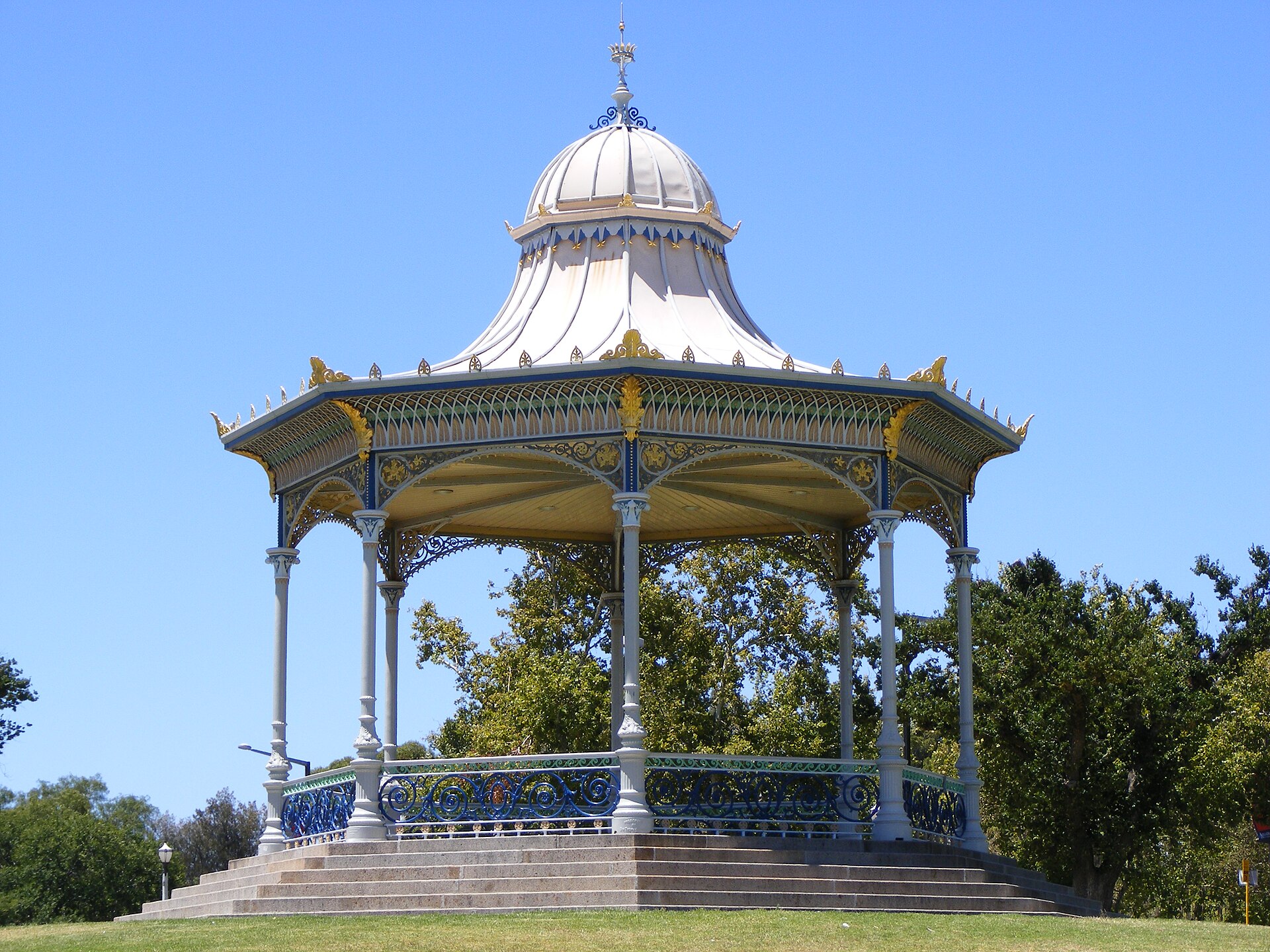
The Elder Park rotunda: “Elder Park Rotunda Adelaide.jpg” by Peripitus, via Wikimedia Commons, CC BY 3.0.