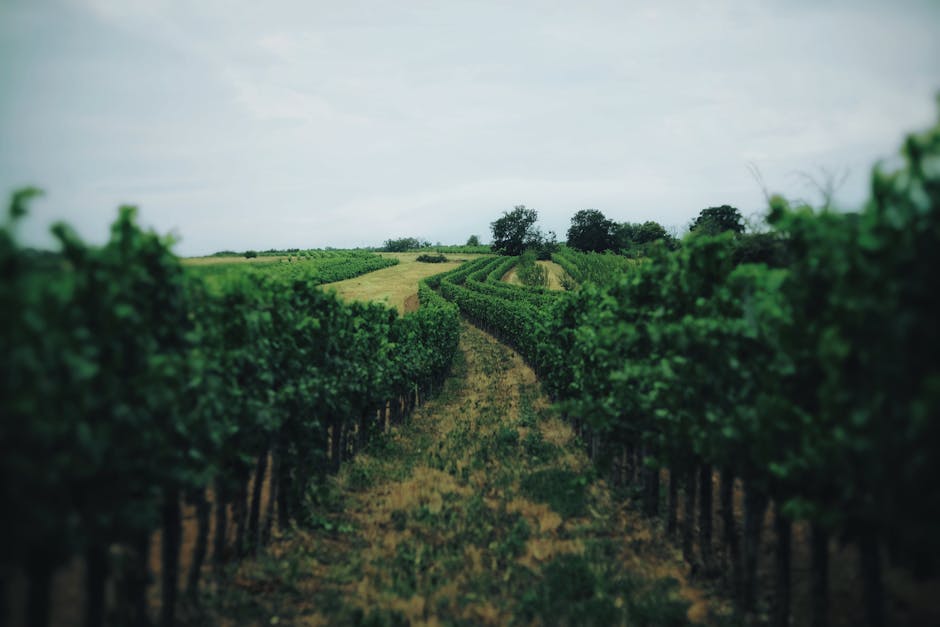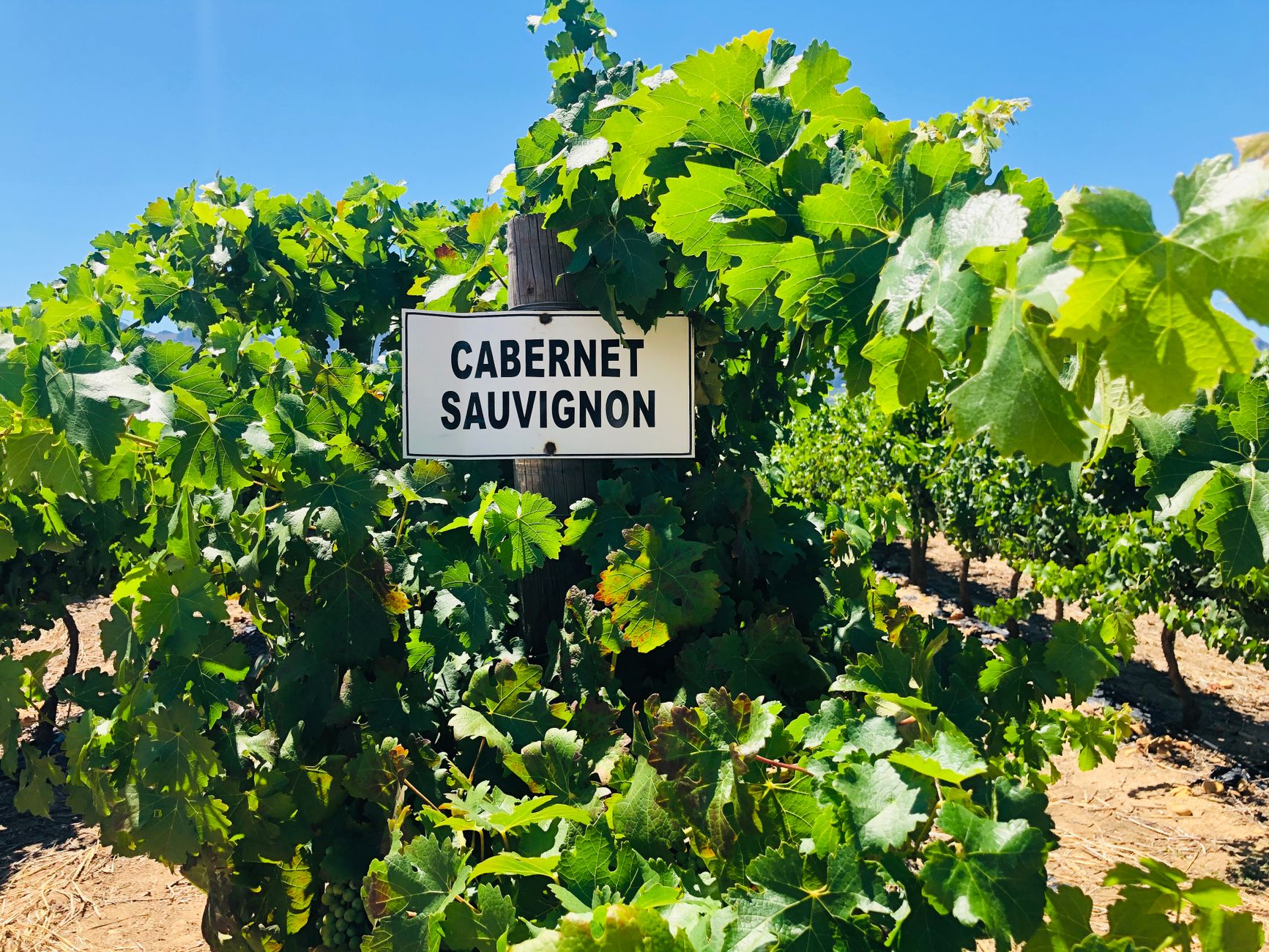
Ask most visitors to name a South Australian wine region and they’ll say Barossa, maybe McLaren Vale. Almost nobody says Langhorne Creek wine country, and that’s exactly why I keep going back. Around an hour south-east of the city, out past Strathalbyn towards Lake Alexandrina, this flat green pocket of vines grows some of the softest, most generous Cabernet in the country, and on a weekday you’ll often have the cellar door more or less to yourself. Pair it with Coonawarra, the famous-but-far Cabernet country down on the Limestone Coast, and you’ve got two regions that the day-trip crowds skip and the people who actually love red wine quietly adore. For the full picture of where everything sits, start with our pillar guide to Adelaide’s wine regions, then come back for the two that deserve more love than they get.
I’ll be honest about the geography up front, because it matters: these two regions sit at opposite ends of “easy”. Langhorne Creek is a relaxed half-day from town. Coonawarra is a proper road trip, nearly four hours away and closer to Mount Gambier than to Adelaide. Both are worth it. They just ask different things of you, and I’ll walk you through exactly how to do each one well.

Langhorne Creek: the underrated region on Adelaide’s doorstep
Langhorne Creek is the region locals name when they want to sound like they know something, and they’re right to. It sits on the floodplain of the Bremer and Angas rivers between the Adelaide Hills and the coast, near the bottom of Lake Alexandrina, about an hour’s drive south-east of the city. The land is dead flat and ridiculously fertile, historically the vines were watered by natural winter flooding off the rivers, and that combination of deep alluvial soil and the cooling “lake doctor” breeze off Lake Alexandrina gives the reds a softness you don’t get in the hotter inland regions. If the Barossa is muscle, Langhorne Creek is velvet.
What surprises first-timers is the history. This is one of the oldest wine districts in the state, with vines that have been quietly producing since the mid-1800s, and it’s home to some of the oldest recorded Cabernet Sauvignon vines anywhere in the world. A lot of the cellar doors here are run by the fourth, fifth and even sixth generation of the same families, people whose great-great-grandparents planted the originals. There’s no marketing gloss on that; it’s just the truth of who pours your tasting.
The wines: soft Cabernet, signature Malbec and a Mediterranean streak
Reds are the headline. Cabernet Sauvignon is the king here, and the Langhorne Creek style is unmistakable, ripe, rounded, generous, with soft dark-berry fruit and tannins that don’t bite. It’s the kind of Cabernet you can drink young and happily, which makes it a brilliant entry point if big austere reds usually scare you off. Shiraz is excellent too, plush and easy-going rather than blockbuster. But the variety that’s quietly become the region’s signature is Malbec; Langhorne Creek does it better than almost anywhere in Australia, all plummy depth and violet perfume, and if you’ve only ever had Malbec from Argentina, this is worth your tasting slot.
In the last decade or so the growers have leaned into Mediterranean varieties as well, the Fianos, Montepulcinos and the like, which thrive in the warm, dry climate. It’s the same broad direction you’ll find in our McLaren Vale wine guide, just with far fewer people watching. For decades a huge share of Langhorne Creek’s fruit went into big-brand blends made elsewhere, which is partly why the region stayed under the radar; the grapes were famous, the name wasn’t.

The cellar doors worth your time
There are only around nine cellar doors here, which is part of the charm, you can genuinely get around the best of them in a day without rushing. A few I’d steer you to, and these are illustrative rather than a ranked list, since openings change and you should check before you drive. Kimbolton Wines is the one that makes people gasp; the tasting room is an architecturally reworked shipping container perched above the vines, all glass and clean lines, and the view does half the work. Bremerton Wines pours in an 1866 stone stable, run by sisters, and the heritage setting is gorgeous. Lake Breeze and Bleasdale are the names that anchor the region, Bleasdale is one of the oldest family-owned wineries in the country and a lovely spot for a picnic. And out at Milang, on the edge of the lake, Kanoetree has set up in the beautifully restored old Lakeside Butter Factory, which is worth the small detour for the building alone.
What you won’t find here is a queue, a wedding-sized tour bus, or a $40 tasting fee with a three-week booking wait. Most cellar doors are relaxed, walk-in friendly and great value, the tasting fees are modest and usually waived if you buy a bottle, which you will. It feels like the wine regions closer to town did fifteen years ago, before they got busy, the same easy welcome you’ll remember from the historic estates in our Barossa Valley wineries guide, only quieter. If you’re trying to keep a trip affordable, this is a region that rewards you; our guide to doing Adelaide on a budget goes deeper on stretching the dollar, and a Langhorne Creek day fits that brief beautifully.
Getting to Langhorne Creek and what to pair it with
From the Adelaide CBD it’s roughly an hour by car, the most scenic way is up and over the Adelaide Hills, down through historic Strathalbyn (worth a coffee and a wander among the antique shops), and out onto the flats. There’s no train and no realistic public transport, so you’ll want your own wheels or a tour, and if you’re hiring a car our Adelaide car rental guide covers the practicalities. Crucially, a tasting day means someone has to be the designated driver, or you book a tour and let someone else worry about it. Don’t try to do it any other way.
The real magic of Langhorne Creek is how easily it bolts onto a wider Fleurieu Peninsula trip. You can spend the morning at the cellar doors and the afternoon down at the lake, or push on to the coast. It pairs especially well with a visit to Victor Harbor and Granite Island, which is only about forty minutes further on, making a wine-and-whales day genuinely doable in autumn and winter. If you’re weighing it against the bigger regions, our honest comparison of the Barossa versus McLaren Vale is the place to start, but I’d argue Langhorne Creek belongs in that conversation more than its profile suggests.

Coonawarra: world-class Cabernet on the Limestone Coast
Now for the far one. Coonawarra is the region serious Cabernet drinkers will tell you is the best in Australia for the variety, and they have a strong case. The catch is distance: it’s down in the state’s south-east, near Mount Gambier, around 380 kilometres and close to four hours’ drive from Adelaide. Let me be blunt, this is not an Adelaide day trip. It’s a destination in its own right, a Limestone Coast road-trip stop, and the people who get the most out of it treat it that way, staying a night or two rather than trying to bolt it on for an afternoon.
So why make the effort? Because of the dirt. Coonawarra sits on a narrow cigar-shaped strip of terra rossa, a striking red-brown topsoil sitting directly over a bed of free-draining limestone, and that geology, combined with a cool maritime climate, produces Cabernet Sauvignon with a structure, elegance and ageing potential that’s hard to find anywhere else in the country. The wines are darker, more savoury and more serious than Langhorne Creek’s plush style: blackcurrant, mint and eucalyptus, fine grippy tannins, the kind of bottles you cellar for a decade. If you only drink one variety, and that variety is Cabernet, this is a pilgrimage.
The cellar doors and the famous terra rossa
Coonawarra has the scale to back up the reputation, with more than twenty cellar doors, and the good news for visitors is that most of them are open most days, no appointment gymnastics required. As always these names are illustrative and worth checking before you go. Wynns Coonawarra Estate is the icon, its triple-gabled stone winery is on the region’s labels for a reason, and tasting its Black Label and single-vineyard Cabernets is a rite of passage. Bellwether is the cult favourite, a star cellar door set in a grand old woolshed with its own kitchen and even a campground, run with real personality. Majella, Penley, Katnook and Rymill are all serious Cabernet houses with welcoming cellar doors, and DiGiorgio is the one I’d send families to, it’s relaxed, Italian-heritage and runs hands-on pasta-making classes alongside the tastings.
Driving the Coonawarra strip is part of the fun, it’s a flat, narrow region, and you can move between cellar doors in minutes, watching that red soil run right up to the vine rows. It’s a very different rhythm from the rolling hills you’ll know from our Clare Valley wine guide; Coonawarra is all about that one perfect strip of ground.

When to go: the Coonawarra Cabernet Celebrations
If you can time it, October is the month. The region runs its month-long Coonawarra Cabernet Celebrations through October, a string of long lunches, masterclasses, vineyard events and open cellar doors built entirely around the wine that made the place famous. Dates and the program shift year to year, so check the official Coonawarra site before you lock anything in, that’s true of any wine event, as we flag throughout our wine coverage. Autumn (March to May) is the other lovely window, when the vines turn gold and the harvest is on; for why that season suits a wine trip best, see our guide to the best time to visit Adelaide.
How to actually reach Coonawarra
You’ve got two real options. The first is to drive, treating Coonawarra as the centrepiece of a Limestone Coast road trip down the Riddoch Highway, taking in places like the Coorong, Robe and the sinkholes and lakes around Mount Gambier along the way. Done like that, the four hours stops being a chore and becomes the holiday. The second option, if time is tight, is to fly: regional flights run from Adelaide to Mount Gambier, which is only about half an hour from the Coonawarra cellar doors, so you can be tasting by lunchtime. Either way you’ll need a car at the other end, and the same designated-driver rule applies, plan your tasting day so nobody’s driving who’s been drinking. For slotting all of this into a bigger South Australian itinerary, our broader Adelaide travel guide helps you see how the pieces connect.
Langhorne Creek vs Coonawarra: which underrated region suits you?
People always ask me to pick, and I won’t, because they answer different questions. If you’ve got a single spare day out of Adelaide, want to avoid crowds, love a soft generous red and a bit of history, and fancy pairing wine with the lake or the coast, Langhorne Creek is the obvious call, it’s close, cheap, quiet and lovely. If you’re a dedicated Cabernet drinker, you’re building a longer Limestone Coast or Victorian road trip, and you want to taste genuinely world-class, age-worthy reds at the source, Coonawarra rewards the long drive in a way few regions do.
What they share is the thing I value most: space. Neither gets the tour-bus crush of the headline regions, so the people pouring your wine have time to actually talk to you. If your priority is range and ease over a packed weekend, the closer regions in our McLaren Vale guide or the Barossa versus McLaren Vale comparison will serve you better. But if you want to feel like you’ve found something, these two are it.
Practical info: planning your visit
A few things I’d sort before you go, learned from doing both regions more than once. Sort your driver first, always; a wine day with no designated driver is a wine day that goes wrong, and a guided tour is genuinely worth it if your whole group wants to taste. Check cellar door hours and any booking requirements directly with the wineries, because they change seasonally and the small family operations sometimes close midweek. Take cash or a card and expect modest tasting fees, often waived with a purchase, which is one of the quiet joys of these less commercial regions. Pack layers, especially down on the Limestone Coast where the maritime weather turns quickly. And book accommodation ahead for Coonawarra in October, when the Cabernet Celebrations fill the local beds fast.
Budget-wise, both regions are kinder than the famous names, the wines are excellent value, the tastings are cheap, and there’s no premium for the postcode. If you’re keeping costs down across a whole trip, our guide to Adelaide on a budget and the timing advice in when to visit Adelaide both apply here. Go midweek, drive yourself with a designated driver, pack a picnic, and a day in Langhorne Creek can cost very little while feeling like a proper escape.
My honest take
I send a lot of friends to the Barossa and McLaren Vale, because they’re brilliant and they’re close. But the visits people thank me for afterwards are usually these two. Langhorne Creek because they couldn’t believe somewhere this good was that quiet, that close and that cheap. Coonawarra because the Cabernet genuinely changed how they think about Australian reds, and the Limestone Coast drive turned into the best part of the holiday. Skip the crowds, point the car south-east, and find out why the people who really know South Australian wine keep these two a little bit to themselves.
Frequently asked questions
Is Langhorne Creek worth visiting?
Yes, very much so, especially if you want a quieter, more affordable alternative to the Barossa and McLaren Vale. It’s about an hour south-east of Adelaide, grows some of the world’s oldest recorded Cabernet vines, and is known for soft, generous Cabernet, signature Malbec and Shiraz. With only around nine relaxed cellar doors and far fewer crowds, it’s excellent value and pairs easily with a Fleurieu Peninsula or Lake Alexandrina visit.
How far is Coonawarra from Adelaide?
Coonawarra is around 380 kilometres south-east of Adelaide, near Mount Gambier, which is close to a four-hour drive. It is not a realistic day trip from the city; it’s best treated as a destination on a Limestone Coast road trip, staying a night or two. If time is short, you can fly from Adelaide to Mount Gambier, which is about half an hour from the Coonawarra cellar doors.
What wine is Coonawarra famous for?
Coonawarra is famous for Cabernet Sauvignon, widely regarded as some of the best in Australia. Its reputation rests on a narrow strip of terra rossa soil over a limestone base, which combined with a cool maritime climate produces Cabernet with structure, elegance and excellent ageing potential, think blackcurrant, mint and fine tannins. The region celebrates this with its month-long Coonawarra Cabernet Celebrations each October.
How many cellar doors are there in Langhorne Creek and Coonawarra?
Langhorne Creek has around nine cellar doors, small enough to enjoy the best of them in a single relaxed day. Coonawarra is larger, with more than twenty cellar doors, most of which are open most days without an appointment. Both regions are far less crowded than the Barossa or McLaren Vale, so you’ll usually get plenty of time to chat with the people pouring your wine.
Can you do Langhorne Creek and Coonawarra in one trip?
You can, but plan for it. Langhorne Creek is an easy day trip from Adelaide, while Coonawarra is a four-hour drive away on the Limestone Coast. The natural way to combine them is a road trip heading south-east: stop in Langhorne Creek and the Fleurieu first, then continue down towards the Coorong and Coonawarra over a few days, rather than trying to see both in one outing.
Do I need a designated driver for the wine regions?
Yes. For any tasting day in Langhorne Creek or Coonawarra you should have a designated driver who isn’t drinking, or book a guided tour so nobody has to. There is no realistic public transport to either region, so your own car or a tour is essential, and Australia’s drink-driving laws are strict. Plan the day so tasting and driving never overlap.