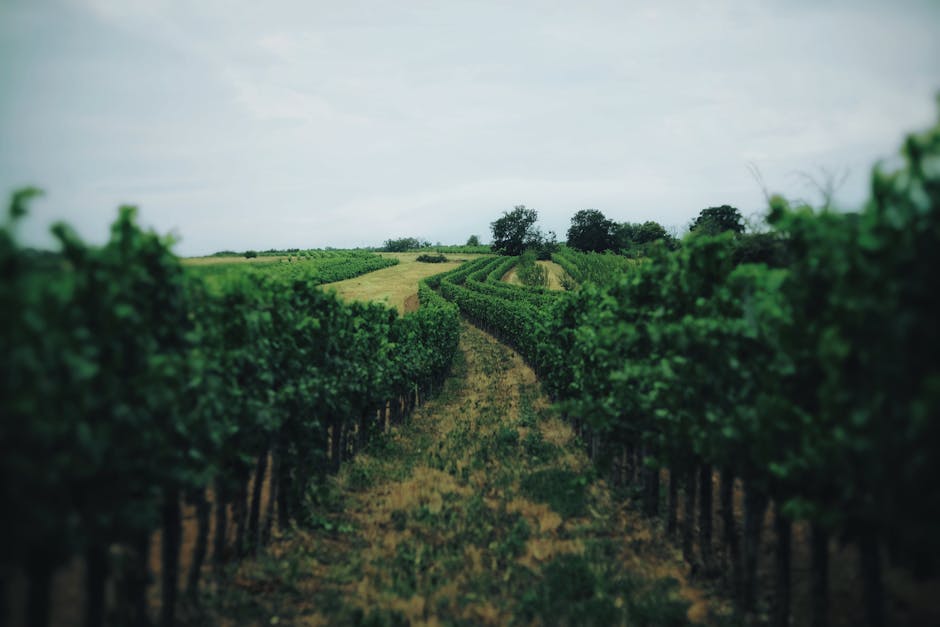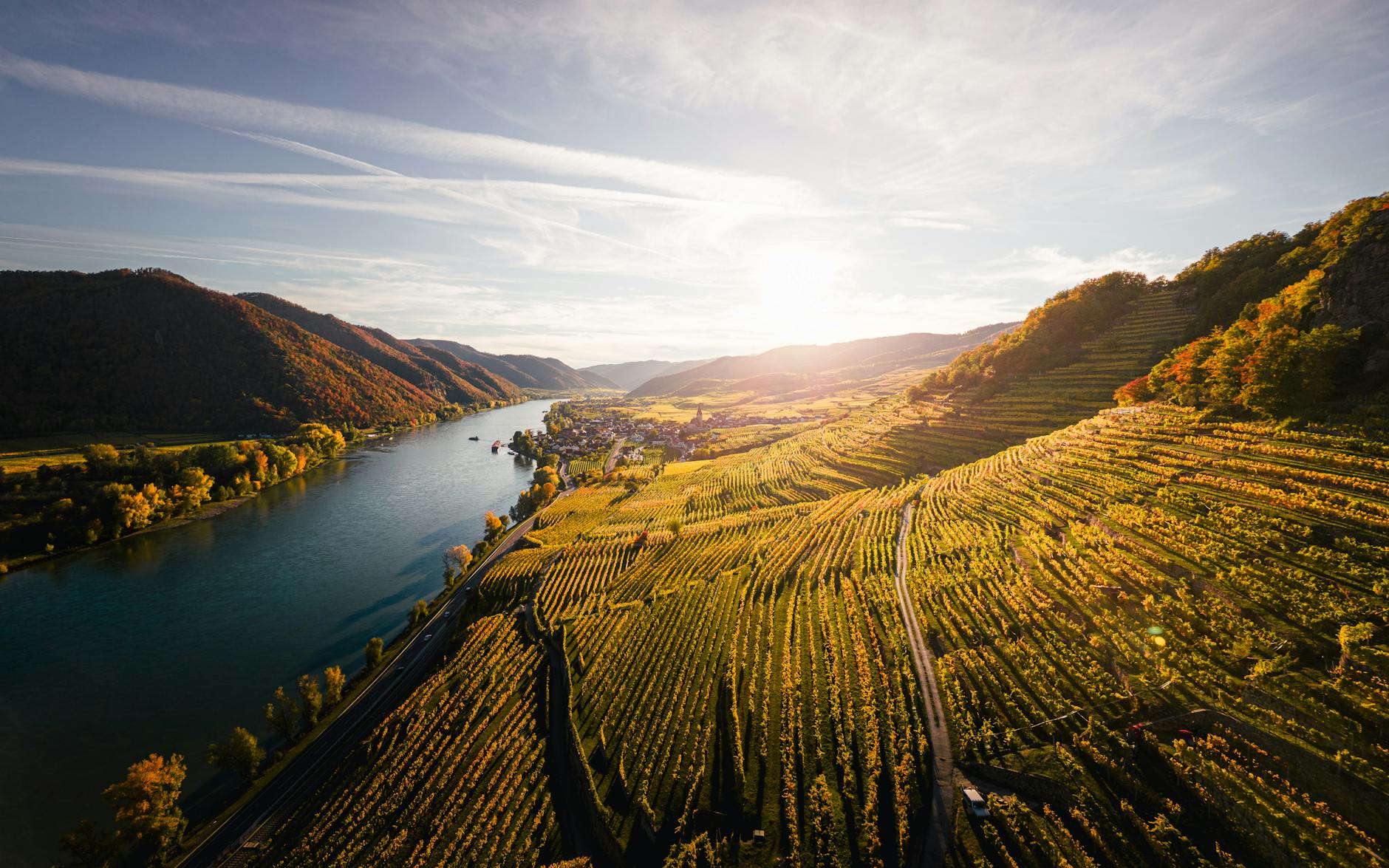
The Clare Valley wine region stands as one of Australia’s most celebrated wine destinations, renowned worldwide for producing exceptional Riesling alongside powerful Shiraz and elegant Cabernet Sauvignon. Located approximately two hours north of Adelaide, this picturesque valley of rolling hills, historic stone villages, and over 50 wineries offers an intimate, unhurried wine experience that contrasts beautifully with larger, more commercial regions. Whether you’re cycling the famous Riesling Trail, savouring lunch on a cellar door veranda, or discovering the world-class wines that have put this small region on the global stage, Clare Valley delivers one of South Australia’s most rewarding wine experiences. This guide covers everything you need to know about exploring the Clare Valley, from our comprehensive guide to Adelaide wine regions.
Clare Valley Overview
The Clare Valley wine region stretches approximately 30 kilometres from Auburn in the south to Clare township in the north, encompassing around 50 wineries and 35 cellar doors open to visitors. Despite its relatively compact size compared to the Barossa Valley, Clare Valley punches well above its weight in wine quality, producing some of Australia’s most acclaimed whites and reds. The region’s winemaking history dates back to the 1840s when Jesuit priests planted the first vines at Sevenhill Cellars — a winery that continues to operate today as one of Australia’s oldest.
What makes Clare Valley wines distinctive is the region’s unique combination of climate, geography, and soil. The valley’s relatively high elevation (400-500 metres above sea level) creates significant diurnal temperature variation — warm days followed by dramatically cool nights. This daily temperature swing allows grapes to ripen fully while retaining the natural acidity that gives Clare Valley wines their characteristic freshness and longevity. Maritime breezes from Gulf St Vincent moderate afternoon temperatures, while the valley’s mixed soils — including ancient slate, limestone, and red clay — contribute complexity and mineral character to the wines.
The Riesling Trail: Clare Valley’s Iconic Experience
The Riesling Trail is undoubtedly Clare Valley’s most famous attraction and one of Australia’s great cycling and walking paths. This 33-kilometre trail follows a disused railway line from Auburn to Clare, passing through vineyards, past cellar doors, and alongside historic towns. The flat-to-gentle gradient makes it accessible to recreational cyclists of all fitness levels, while the numerous cellar door stops along the route make it as much a wine trail as a cycling path.
Cycling the Riesling Trail
The Riesling Trail can be experienced as a full-day adventure (cycling the entire 33km) or in shorter sections. Most visitors cycle a section of 10-15 kilometres, stopping at 3-5 cellar doors along the way. The most popular section runs from Clare to Sevenhill (approximately 8km each way), passing several excellent wineries and offering gentle terrain ideal for casual cyclists. Bike hire is available from several operators in Clare township, with standard bikes costing around $30-40 for a half day and electric bikes from $50-70. Many hire companies offer pick-up/drop-off services so you can cycle one way and be driven back.
Walking the Riesling Trail
Walkers can enjoy shorter sections of the Riesling Trail, with most choosing a 5-10 kilometre section between cellar doors. The flat terrain and shaded sections make it comfortable walking even in warmer months (though summer midday heat should be avoided). Interpretive signs along the trail explain the region’s geology, history, and winemaking heritage. The Riesling Trail is also part of the longer Heysen Trail walking network, which extends through the Clare Valley on its journey from Cape Jervis to the Flinders Ranges.
Best Cellar Doors Along the Riesling Trail
These wineries are either directly on the Riesling Trail or a short detour from it, making them ideal stops for cyclists and walkers:
- Sevenhill Cellars: Historic Jesuit winery (est. 1851) with beautiful stone cellar and church. Tastings of their full range including excellent Riesling and fortified wines
- Skillogalee: Just off the trail, famous for their outstanding lunch restaurant as much as their wines
- Pikes: Modern facility with seated tastings and a beer brewery on site (Pikes Pilsner for non-wine drinkers)
- Paulett Wines: Hilltop location with stunning valley views from the tasting room
- Crabtree Watervale: Charming historic cellar door in the village of Watervale
Top Clare Valley Wineries and Cellar Doors
Beyond the Riesling Trail, Clare Valley is home to numerous outstanding wineries that deserve dedicated visits. Here are the must-visit cellar doors:
Jim Barry Wines
Jim Barry Wines is one of Clare Valley’s most prestigious producers, crafting wines that regularly feature among Australia’s finest. The family-owned winery is best known for two iconic wines: The Florita Riesling (sourced from a single vineyard planted in 1968, producing one of Australia’s finest and most age-worthy dry Rieslings) and The Armagh Shiraz (a powerful, complex red consistently rated among Australia’s top Shiraz, with prices reflecting its prestige at $200+ per bottle). The cellar door offers tastings of their full range, including more accessible wines like the Lodge Hill Riesling and McRae Wood Shiraz, alongside their premium wines. The tasting experience at Jim Barry is educational and generous, with knowledgeable staff who share the stories behind each wine. Allow 30-45 minutes for a comprehensive tasting.
Tim Adams Wines
Tim Adams is a Clare Valley institution, producing consistently excellent wines at accessible price points. Their cellar door on Warenda Road offers a relaxed tasting experience showcasing a diverse range including their benchmark Riesling, Semillon, Shiraz, and the excellent Aberfeldy Shiraz from century-old vines. Tim Adams wines represent exceptional value in the Clare Valley context — even their premium wines remain reasonably priced compared to equivalent quality from other regions. The cellar door is unpretentious and welcoming, making it an ideal introduction to Clare Valley wines for newcomers. Their Riesling is a textbook example of the Clare Valley style: dry, lime-scented, and built for ageing.
Skillogalee
Skillogalee is as famous for its restaurant as its wines, offering one of the Clare Valley’s best winery lunch experiences. The restaurant veranda overlooks the vineyard and is the perfect setting for a long, leisurely lunch paired with Skillogalee wines straight from the cellar door. The menu features regional produce prepared simply but beautifully — think slow-braised lamb, seasonal salads, house-made bread, and local cheeses. The wines themselves are excellent, with their Riesling, Gewürztraminer, and Shiraz all being standouts. A visit to Skillogalee should be planned as a longer stop to enjoy both wine tasting and lunch (booking essential for the restaurant, especially weekends). It’s one of those rare places where the food, wine, and setting combine into something truly memorable.
Pikes Wines
Pikes offers a modern, comprehensive wine experience with their cellar door, brewery (Pikes Beer Company), and tasting facilities all housed in a purpose-built complex in Polish Hill River. The wine range is extensive, from their accessible Traditionale series through to premium The EWP Riesling and The Merle Reserve Cabernet Sauvignon. What sets Pikes apart is their seated tasting experience — rather than standing at a bar, guests are seated comfortably and guided through a curated selection by knowledgeable staff. The addition of their craft brewery makes Pikes an excellent stop for groups with mixed beverage preferences. Their Rieslings consistently rank among Clare Valley’s best, with the dry, taut style that characterises the region.
Jeanneret Wines
Jeanneret Wines combines excellent wine with a unique food offering that has made it one of Clare Valley’s most popular family-friendly cellar door experiences. Their wood-fired pizza oven operates on weekends and selected days, producing artisan pizzas made with local ingredients that pair beautifully with their wines. The relaxed, outdoor setting with vineyard views, combined with the casual food offering, makes Jeanneret ideal for families and groups seeking a less formal winery experience. The wines — particularly their Riesling, Shiraz, and GSM blend — are excellent and well-priced. The combination of quality wine, wood-fired pizza, vineyard views, and family-friendly atmosphere makes Jeanneret a highlight for many visitors.
More Notable Cellar Doors
- Grosset Wines: Internationally acclaimed producer (visit by appointment only). Their Polish Hill and Springvale Rieslings are considered among Australia’s absolute finest
- Wendouree Cellars: Legendary producer of powerful reds — rarely open but worth enquiring about access
- Mitchell Wines: Historic cellar door in a beautiful stone building with excellent Riesling and Shiraz
- Knappstein: CBD of Clare township location, convenient for those without transport
- Mount Horrocks: Organic/biodynamic producer known for exceptional Riesling and their unique Cordon Cut (dessert wine)
Clare Valley Wine Styles
Understanding Clare Valley’s wine styles helps you appreciate what makes this region unique among Australia’s wine-producing areas.
Riesling: The Region’s Crown Jewel
Clare Valley Riesling is the region’s calling card and arguably Australia’s most celebrated white wine style. Clare Valley Rieslings are characterised by intense lime and citrus aromas, a taut mineral backbone, bone-dry palate, and exceptional ageing potential (top examples evolve beautifully for 10-20+ years). The style differs subtly from neighbouring Eden Valley Riesling — Clare Valley examples tend to be slightly more generous and limey, while Eden Valley leans more floral and delicate. The region’s slate soils and significant diurnal temperature variation are credited with producing Rieslings of such intensity and longevity. When tasting Clare Valley Riesling, you’ll encounter both young, zesty current-vintage wines and aged examples showing developed toast and honey characters — both are valid and delicious expressions of this extraordinary grape variety.
Shiraz: Clare Valley’s Red Star
While Riesling receives most attention, Clare Valley Shiraz is equally impressive and arguably undervalued compared to Barossa Valley equivalents. Clare Valley Shiraz tends toward a medium to full-bodied style with firm tannins, dark fruit flavours (blackberry, plum), pepper and spice notes, and notable elegance compared to the richer, softer Barossa style. The cooler nights preserve acidity, giving Clare Valley Shiraz a freshness and food-friendliness that sets it apart. Premium examples (Jim Barry’s The Armagh, Wendouree Shiraz) command high prices and critical acclaim, while excellent everyday Shiraz can be found from $20-40 per bottle at most cellar doors.
Cabernet Sauvignon and Other Varieties
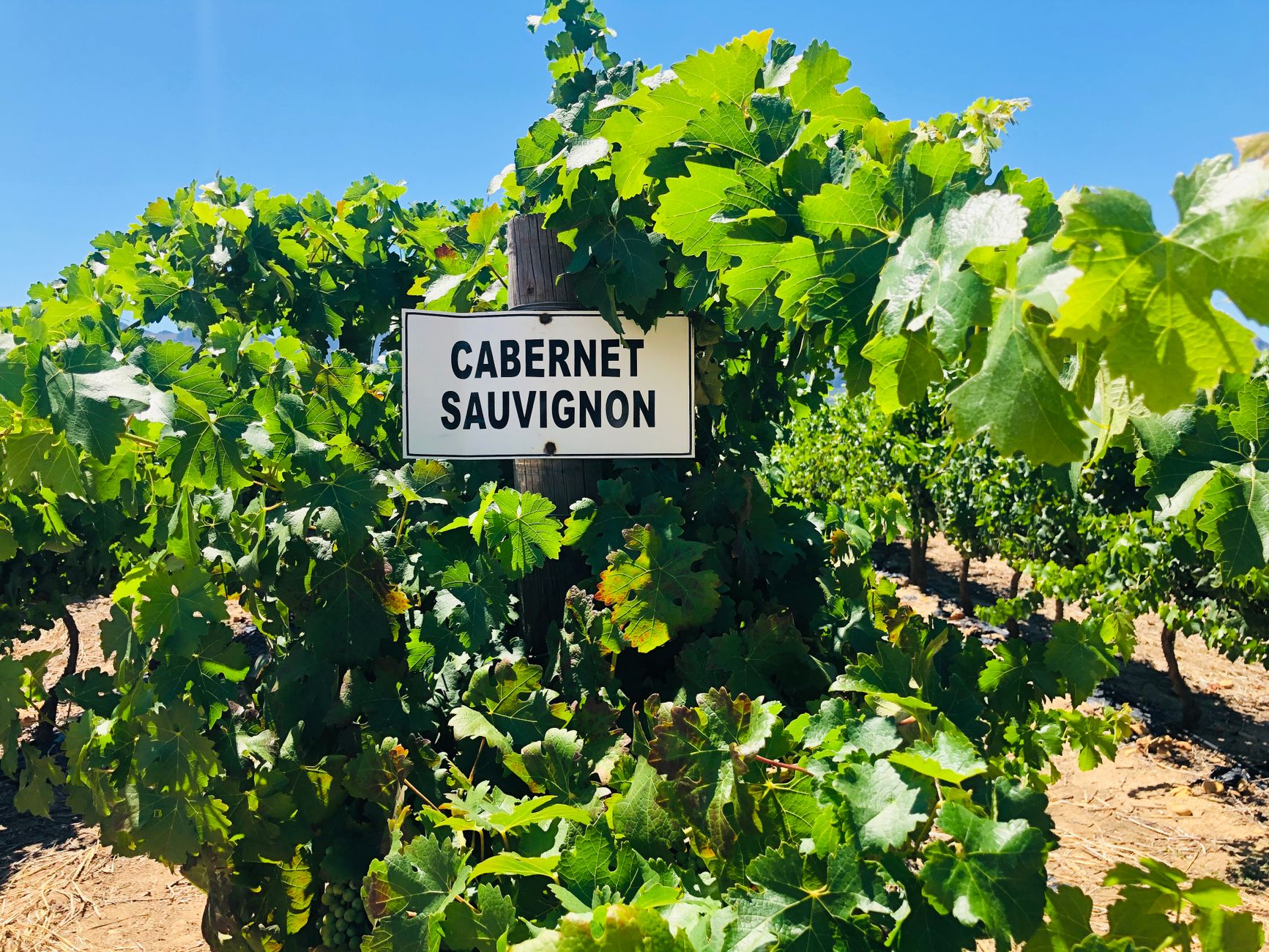
Clare Valley produces excellent Cabernet Sauvignon — structured, firm, and age-worthy with typical blackcurrant, cedar, and herbal characters. The region’s warmer sites suit Cabernet perfectly, and several producers make outstanding examples. Beyond the big three (Riesling, Shiraz, Cabernet), you’ll find excellent Grenache, Tempranillo, Malbec, and white varieties including Semillon, Gewürztraminer, and Fiano as winemakers experiment with alternative varieties suited to the valley’s climate.
Getting to Clare Valley from Adelaide
Clare Valley is located approximately 130 kilometres north of Adelaide, reached via a scenic 1.5-2 hour drive through the northern Adelaide Plains and into the ranges.
Self-Drive
The most popular route from Adelaide follows Main North Road (A32) through Gawler and on to Auburn, the southern gateway to the Clare Valley. Alternatively, the scenic route via the Adelaide Hills through Williamstown adds about 20 minutes but passes through beautiful countryside. Once in the valley, distances between cellar doors are short (most are within 5-15 minutes of each other), making self-drive practical. However, if you plan to taste wines seriously, a designated driver is essential. For transport options around Adelaide, check our getting around Adelaide guide.
Organised Tours from Adelaide
Several tour companies operate day trips from Adelaide to Clare Valley, typically visiting 3-5 cellar doors with lunch included. These tours solve the designated driver problem and often provide expert guides who can enhance your understanding of the region. Popular operators include Groove Car Hire (self-drive vintage cars), Clare Valley Experiences, and several Adelaide-based wine tour companies. Day tours typically depart Adelaide at 8:30-9:00am and return by 5:30-6:00pm, priced from $150-220 per person including tastings and lunch. For other day trip ideas from Adelaide, see our complete guide.
Public Transport
Public transport to Clare Valley is limited. The Yorke Peninsula Coach service runs from Adelaide to Clare once daily, but limited scheduling and the lack of local public transport within the valley make this impractical for wine touring. For visitors without cars who want flexibility, hiring a car or joining an organised tour are the most viable options.
Seasonal Events and best time to visit
Clare Valley offers distinct experiences throughout the year, with several signature events drawing visitors to the region.
Autumn (March – May)
Vintage season transforms the valley as grapes are harvested and the vineyards turn golden. The annual Clare Valley Gourmet Weekend (May) is the region’s flagship event, with cellar doors offering special food and wine pairings, live music, and behind-the-scenes winery experiences. Autumn temperatures are ideal for cycling the Riesling Trail and long winery lunches.
Winter (June – August)
Winter is Clare Valley’s quietest season, with smaller crowds and a cosy atmosphere in cellar doors. The region’s restaurants lean into hearty winter menus, and accommodation prices drop significantly. While some smaller cellar doors reduce their hours, major wineries remain open. The landscape turns green and moody, creating dramatic photography opportunities.
Spring (September – November)
Wildflowers, new vineyard growth, and warming temperatures make spring a beautiful time to visit. The valley comes alive with colour, and the Riesling Trail is at its most picturesque. Spring temperatures are perfect for outdoor activities and comfortable cellar door visits without the summer heat.
Summer (December – February)
Summer can be hot in Clare Valley (regularly above 35°C), so plan cellar door visits for morning or late afternoon and enjoy long lunches in air-conditioned or shaded restaurant settings. New vintage releases often launch in summer, and the region attracts visitors escaping Adelaide’s beach crowds for a different experience. For understanding Adelaide’s seasons, see our best time to visit Adelaide guide.
Food and Dining in Clare Valley
Clare Valley has developed a food scene that, while smaller than the Barossa Valley’s, punches above its weight with quality restaurants and produce-driven dining experiences.
Winery Restaurants
- Skillogalee Restaurant: The valley’s most acclaimed winery restaurant, with a seasonal menu on a beautiful veranda (lunch daily, dinner Friday-Saturday)
- Seed Kitchen at Pikes: Modern Australian cuisine paired with Pikes wines in a contemporary setting
- Mr Mick Kitchen: Part of the Knappstein complex in Clare township, offering casual dining with excellent local produce
- Jeanneret Wines: Wood-fired pizzas on weekends in a relaxed vineyard setting
- Rising Sun Hotel (Auburn): Historic country pub reimagined as a gastro-pub with excellent local wines and produce-driven menus
Local Produce
Beyond wine, Clare Valley produces excellent olive oil, artisan cheeses, seasonal stone fruits, and premium lamb. The region’s farmers’ markets (typically Saturday mornings) showcase local produce and provide picnic provisions for vineyard lunches. Several cellar doors sell local produce alongside their wines, and the tradition of purchasing a bottle and local cheese to enjoy in the vineyard is actively encouraged at many properties.
Accommodation in Clare Valley
For those wanting to stay overnight (highly recommended for a comprehensive valley exploration), Clare Valley offers diverse accommodation options:
- Luxury: Clare Valley Hotel, Thorn Park By The Vines (boutique B&B), vineyard cottages at several wineries
- Mid-range: Clare Valley Motel, Brice Hill Country Lodge, Comfort Inn Clare Central
- Self-contained: Numerous vineyard cottages and holiday houses available through Airbnb and local booking platforms ($150-300 per night)
- Budget: Clare Caravan Park, Auburn Railway Station B&B, basic motel rooms from $90 per night
Staying overnight allows you to enjoy evening dining at the valley’s restaurants, catch both morning and afternoon cellar door visits, and cycle the Riesling Trail without the pressure of a same-day return to Adelaide. Weekend bookings fill quickly during events and autumn — plan ahead. For broader accommodation options, see our where to stay in Adelaide guide.
Planning Your Clare Valley Wine Tour
Here are our recommended itineraries for different types of visits:
Half-Day Visit (4-5 hours)
Focus on 2-3 cellar doors and a quick cycle or walk on the Riesling Trail. Start at Jim Barry or Tim Adams for an excellent introduction to Clare Valley wines, continue to Skillogalee for lunch, and finish at Pikes for a seated tasting. This gives you a solid overview of the region’s best without rushing.
Full-Day Visit (8-9 hours)
A full day allows 4-6 cellar door visits plus Riesling Trail cycling and a leisurely lunch. Suggested itinerary: arrive Auburn, cycle the southern Riesling Trail section (Auburn to Watervale, 10km), visit 2 cellar doors en route, lunch at Skillogalee, afternoon visits to Jim Barry and Pikes, and a final stop at Sevenhill Cellars for their historic cellar before returning to Adelaide.
Weekend Getaway (2 days)
An overnight stay allows the most comprehensive and relaxed Clare Valley experience. Day one: arrive late morning, cycle the Riesling Trail, visit 3-4 cellar doors, enjoy a long lunch, and finish with evening dining in Clare or Auburn. Day two: visit 2-3 cellar doors you missed on day one (including by-appointment-only producers like Grosset), purchase wines for home, and return to Adelaide via a different scenic route.
Practical Tips for Clare Valley Visitors
- Designate a driver or book a tour: Drink driving laws apply strictly in regional SA — plan your tasting responsibly
- Most cellar doors open 10am-4pm or 5pm: Some smaller producers have limited hours (weekends only or by appointment). Check before driving out
- Tasting fees: Most Clare Valley cellar doors offer free tastings, though some premium producers charge $5-15 (usually redeemable against purchase). This is more relaxed than some other Australian wine regions
- Wine purchases: Many wines are only available at the cellar door (not in retail shops). If you taste something you love, buy it on the spot — particularly limited-release Rieslings and premium reds
- Cycling preparation: Bring sunscreen, water, and a helmet (compulsory). The Riesling Trail has limited shade in sections. Start early in summer
- Mobile reception: Coverage can be patchy in parts of the valley. Download maps offline and have cellar door addresses saved before setting out
- Shipping wine home: Most cellar doors offer shipping services (domestic and international). If you’re buying multiple bottles across several wineries, consider using a wine courier service to consolidate shipments
Frequently Asked Questions About Clare Valley Wine
How far is Clare Valley from Adelaide?
Clare Valley is approximately 130 kilometres north of Adelaide, taking 1.5-2 hours to drive depending on your route and starting point. The southern gateway town of Auburn is reached first, with Clare township approximately 25 minutes further north through the valley.
What is Clare Valley best known for?
Clare Valley is most famous for its exceptional dry Riesling, which is considered among the world’s finest examples of the variety. The region is also acclaimed for premium Shiraz and Cabernet Sauvignon, and for the Riesling Trail cycling/walking path.
Can you visit Clare Valley as a day trip from Adelaide?
Yes, a Clare Valley day trip from Adelaide is very achievable. Departing Adelaide by 9:00am gives you 6-7 hours in the valley before a comfortable evening return. You can visit 3-5 cellar doors and enjoy lunch. However, an overnight stay allows a more relaxed pace and the opportunity to enjoy evening dining in the region. Compare this with a Barossa Valley day trip which is closer to Adelaide (1 hour).
Is Clare Valley better than the Barossa Valley?
Neither is “better” — they’re different experiences. Clare Valley is smaller, quieter, more intimate, and specialises in Riesling. The Barossa is larger, more commercial, and famous for bold Shiraz. Many wine enthusiasts prefer Clare Valley for its relaxed pace, free tastings, and the Riesling Trail experience. Both are world-class and ideally visited on separate days.
Experience Clare Valley Wine Country
Clare Valley offers one of Australia’s most rewarding wine region experiences — intimate, unpretentious, and centred on world-class wines that reflect a unique terroir. From the globally acclaimed Rieslings that have put this small valley on the world wine map to the powerful Shiraz and elegant Cabernets that rival any Australian region, Clare Valley consistently over-delivers. The Riesling Trail adds a dimension of active exploration that few wine regions can match, while the valley’s restaurants and accommodation provide the infrastructure for memorable overnight stays. Whether you’re a serious wine enthusiast seeking Australia’s finest Rieslings or a casual visitor looking for a beautiful day among vineyards, cellar doors, and good food, Clare Valley will exceed your expectations. Plan your visit, designate a driver (or book a tour), and prepare to discover one of South Australia’s greatest treasures.