
A Barossa Valley day trip is one of the most rewarding experiences you can have from Adelaide, transporting you from a vibrant capital city to one of the world’s great wine regions in just over an hour. Located approximately 70 kilometres northeast of the CBD, the Barossa Valley packs an extraordinary concentration of world-class wineries, artisan food producers, historic towns, and stunning vineyard landscapes into a compact region that’s perfectly suited to a single day’s exploration. Whether you’re a serious wine enthusiast or simply someone who appreciates good food, beautiful scenery, and a touch of history, a Barossa Valley day trip belongs at the top of your Adelaide itinerary.
This guide covers everything you need to plan the perfect Barossa Valley day trip from Adelaide — from transport options and route suggestions to the best wineries, dining spots, and non-wine attractions. We’ve included sample itineraries for different interests, practical tips on responsible drinking, and a detailed cost breakdown so you can budget accurately. For broader day trip inspiration, see our Adelaide day trips guide, and for deeper wine region coverage, explore our Barossa Valley wineries guide.
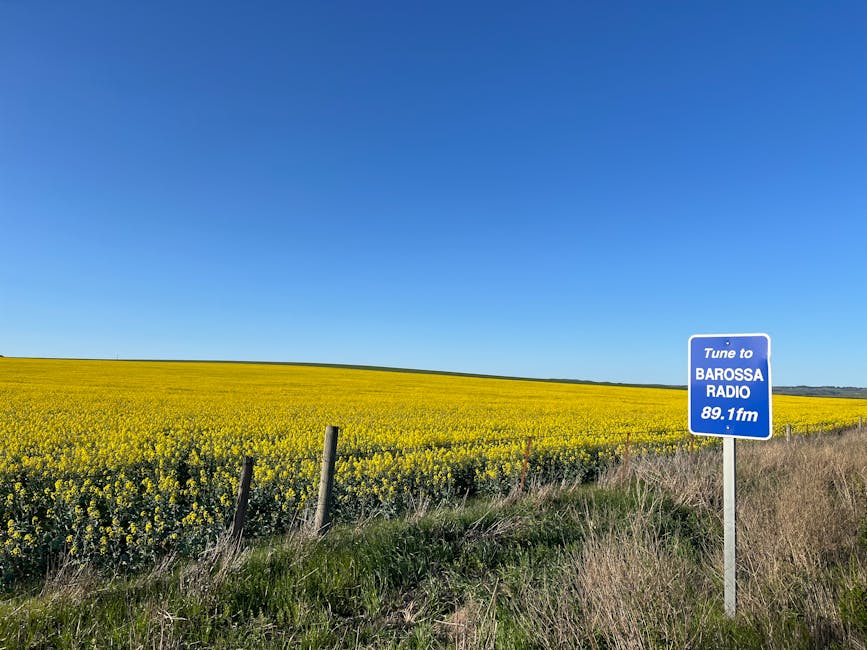
Getting to the Barossa Valley from Adelaide
Reaching the Barossa Valley from Adelaide is straightforward, with two main driving routes offering different scenic experiences. The journey takes approximately 60-75 minutes depending on your route and starting point.
Self-Drive via Gawler (Main Road Route)
The most direct route follows the Main North Road or the Northern Expressway to the town of Gawler, then continues northeast on the Barossa Valley Way into the heart of the region. This route is approximately 65 kilometres and takes around 60 minutes in normal traffic. It’s a flat, easy drive on well-maintained roads, passing through the satellite town of Gawler where you can stop for fuel and supplies before entering wine country. This route brings you into the Barossa Valley from the south, typically arriving first at Lyndoch before continuing to Tanunda, the valley’s main town.
Self-Drive via Chain of Ponds (Scenic Route)
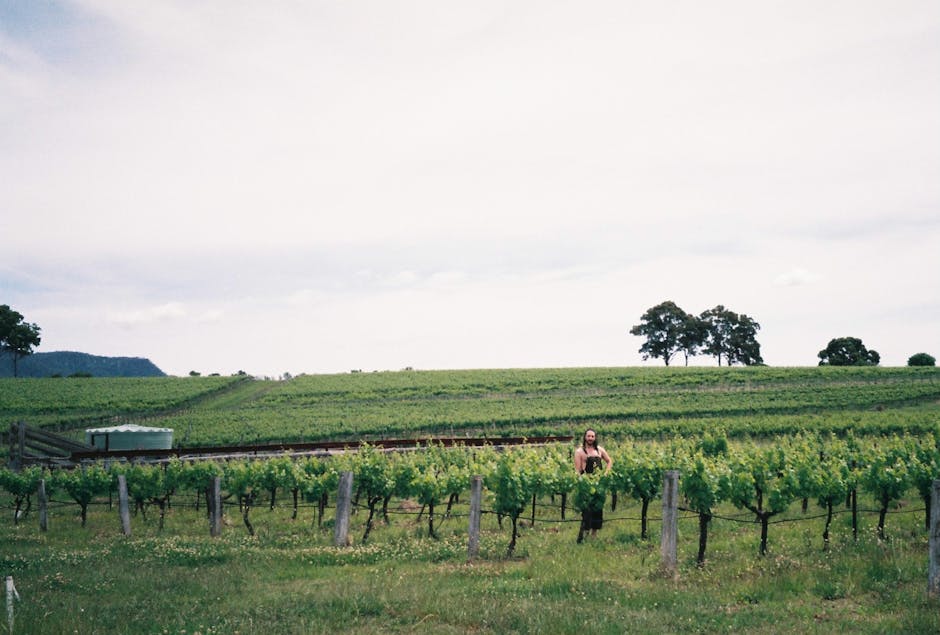
For a more scenic Barossa Valley day trip experience, take Gorge Road from the eastern suburbs through the Adelaide Hills, continuing through Chain of Ponds and Williamstown before descending into the northern Barossa near Angaston. This route is slightly longer at approximately 75 kilometres and takes around 75 minutes, but the winding hills roads, native bushland, and dramatic descent into the valley floor are genuinely spectacular. This approach enters the Barossa from the east, making it ideal if you want to start at Angaston or visit Henschke (technically in the adjacent Eden Valley) before working south through the main Barossa towns.
Guided Tours: The Stress-Free Option
If you want to taste freely without worrying about driving, a guided Barossa Valley day trip tour is the smart choice. Numerous operators run daily departures from Adelaide, with prices typically ranging from $119 to $200+ per person depending on the inclusions. Budget tours at the lower end usually visit three to four wineries with basic tastings and a simple lunch stop. Premium tours include curated cellar door experiences, behind-the-scenes winery access, gourmet lunch at a winery restaurant, and smaller group sizes (often 12-20 people compared to 40+ on budget coaches). Popular operators include Groovy Grape, Adelaide Sightseeing, and Barossa Experience Tours. Most tours depart from Adelaide’s central bus station or offer hotel pickup between 8:30am and 9:30am, returning around 5:00-6:00pm.
For information on getting to and from your departure point, see our getting around Adelaide guide. Tour bookings can typically be made directly with operators or through your accommodation.
Must-Visit Wineries for a Barossa Valley Day Trip
The Barossa Valley is home to over 150 wineries and 80+ cellar doors, so choosing where to stop on a single day trip requires some strategic planning. We recommend visiting three to four wineries maximum — this allows enough time to genuinely enjoy each experience without rushing. Here are the standout cellar doors that deliver the most rewarding day trip experiences.
Penfolds Barossa Valley Cellar Door
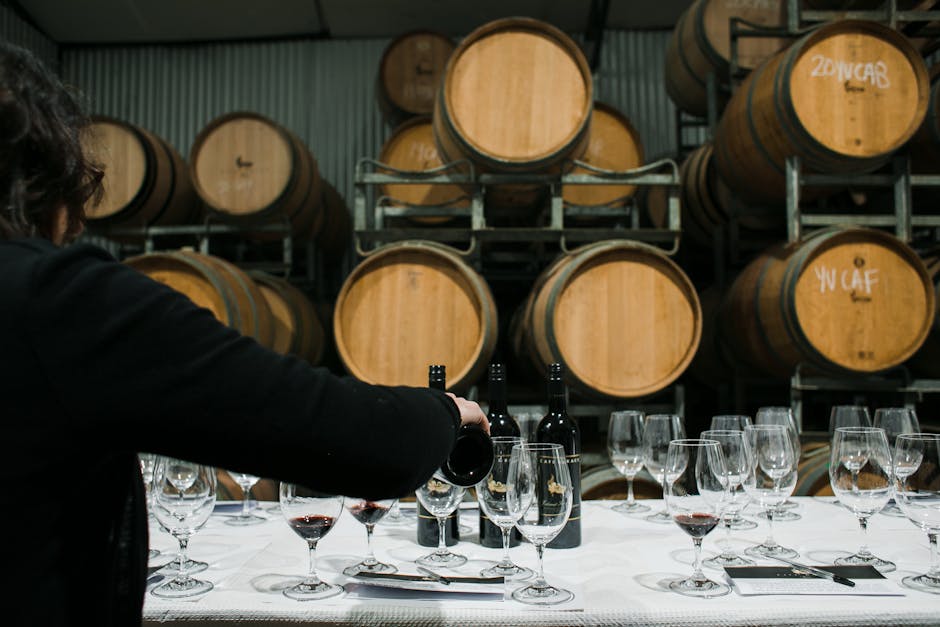
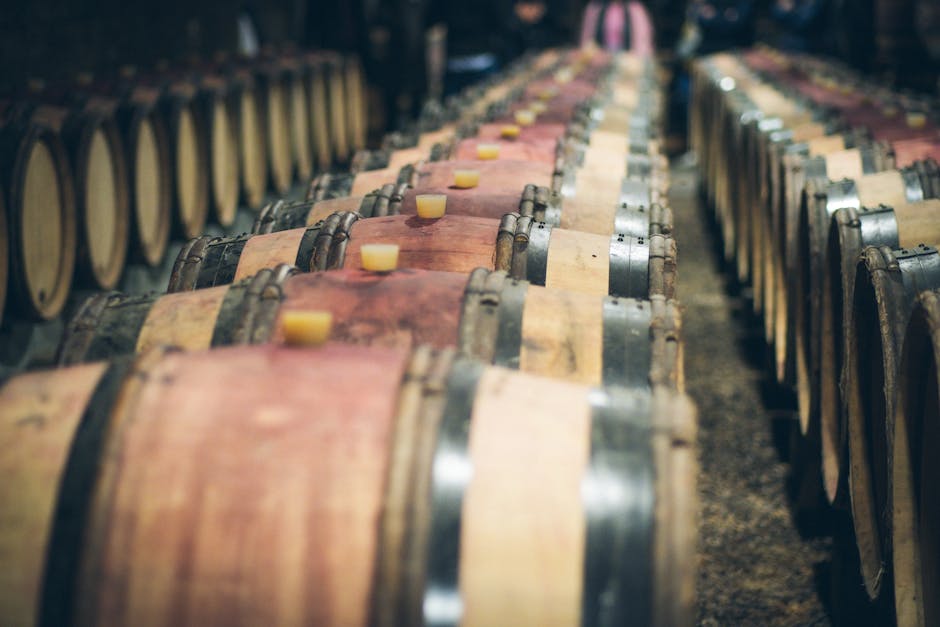
Penfolds is Australia’s most iconic winery, and their Barossa Valley cellar door on Tanunda Road is a pilgrimage site for wine lovers worldwide. The standard tasting experience (around $15-20, often refundable on purchase) introduces you to a range of current releases, from approachable everyday wines to the more prestigious Bin series. For a splurge, the “Make Your Own Blend” experience lets you create your own wine under expert guidance — it’s genuinely interactive and educational, and you take home a personalised bottle. The premium “Taste of Grange” experience offers the chance to sample Australia’s most celebrated wine alongside rare vintages, though prices reflect the exclusivity. Allow 45-60 minutes for a standard tasting, or 90 minutes for premium experiences. Booking is recommended, especially for the premium options.
Jacob’s Creek Visitor Centre
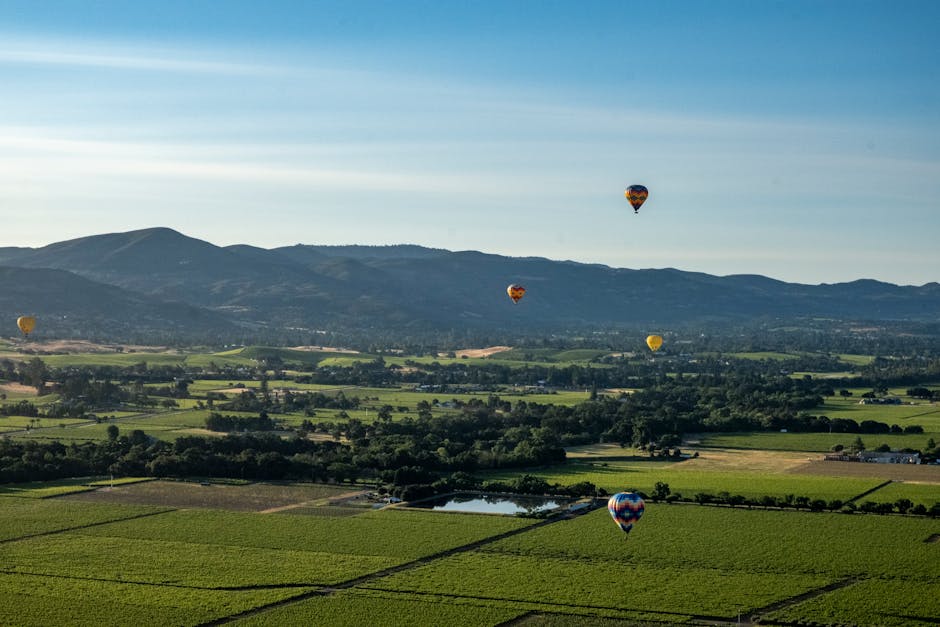
Jacob’s Creek offers one of the most polished visitor experiences in the Barossa Valley. Their purpose-built visitor centre on Barossa Valley Way overlooks the original Jacob’s Creek vineyard and features an excellent restaurant alongside extensive tasting facilities. The standard tasting is complimentary or low-cost, covering their core range, while premium tastings explore their Reserve and Heritage wines. The food and wine pairing experience is particularly well-regarded, matching current vintages with dishes designed to showcase complementary flavours. The grounds are beautiful, with vineyard walks and scenic lookout points, making it an excellent first or last stop on a Barossa Valley day trip for its combination of accessibility, quality, and visual appeal.
Seppeltsfield
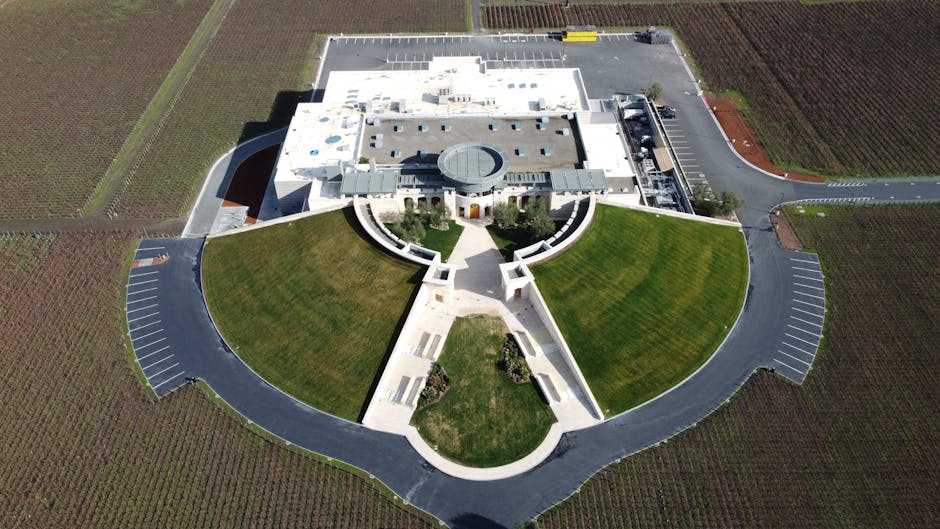
Seppeltsfield is not just a winery — it’s a cultural estate that has evolved into one of the Barossa’s most multi-dimensional attractions. The property’s palm-lined avenue entrance is immediately striking, leading to a complex that includes multiple cellar doors, restaurants, art galleries, a distillery, a chocolate maker, and the FINO restaurant, widely regarded as one of the Barossa’s finest dining experiences. Seppeltsfield’s signature offering is the Centennial Collection — an unbroken lineage of fortified wines dating back to 1878, allowing visitors to taste a wine from their birth year (a truly unique experience, priced accordingly). Standard tastings explore their current table wine range and are more affordable. Plan to spend at least 60-90 minutes here to appreciate the full scope of the estate.
Peter Lehmann Wines
Peter Lehmann Wines on Para Road in Tanunda is a Barossa institution that celebrates the valley’s egalitarian winemaking spirit. Founded by the legendary Peter Lehmann, who famously saved local grape growers from ruin during the industry downturn of the 1970s, the winery produces outstanding Shiraz, Grenache, and Riesling at accessible price points. The tasting room is welcoming and unpretentious, with knowledgeable staff who share the winery’s remarkable story as they pour. The landscaped grounds include the Weighbridge restaurant for those wanting to linger over lunch. Tastings are typically $5-10, refundable on purchase, making Peter Lehmann exceptional value on a Barossa Valley day trip.
Henschke
Technically located in the Eden Valley (the elevated sub-region adjoining the Barossa), Henschke is worth the short detour for serious wine enthusiasts. Home to the legendary Hill of Grace vineyard — some of the oldest Shiraz vines in the world, planted in the 1860s — Henschke produces wines of extraordinary elegance and complexity that regularly rank among Australia’s finest. The cellar door at Keyneton is a modest, family-run affair that belies the quality of what’s in the glass. Now in its sixth generation, the Henschke family brings a deep generational knowledge to every wine they produce. The standard tasting range is exceptional, covering their Eden Valley Riesling, Keyneton Euphonium blend, and single-vineyard Shiraz releases, and while the flagship Hill of Grace and Mount Edelstone wines carry premium prices, tasting them at their source is a privilege that wine lovers remember for years. Henschke is best suited to those who entered the Barossa via the Chain of Ponds route, as Keyneton sits naturally at the start of an east-to-west Barossa Valley day trip itinerary.
Beyond Wine: Barossa Valley Day Trip Attractions
The Whispering Wall
The Whispering Wall at the Barossa Reservoir is one of South Australia’s quirkiest attractions and a must-visit on any Barossa Valley day trip, especially with children. The dam wall, built between 1899 and 1903, has a unique curved shape that creates an extraordinary acoustic phenomenon — words whispered at one end of the 140-metre wall can be heard clearly at the other end, over 100 metres away. It’s genuinely impressive and never fails to delight both children and adults. The site is free to visit and requires only a 15-20 minute stop. Located near Williamstown on the eastern approach to the Barossa, it makes an ideal first stop if you’re entering via the Chain of Ponds scenic route.
Towns to Explore: Tanunda, Angaston, and Nuriootpa
The three main Barossa towns each offer distinct character. Tanunda is the valley’s cultural heart and the most visitor-friendly town, with a picturesque main street (Murray Street) lined with heritage stone buildings, boutique shops, bakeries, and cafes. The German heritage is palpable — look for Barossa Wurst Haus for traditional German smallgoods, and Red Door Bakery for exceptional sourdough bread. Tanunda’s Barossa Valley Cheese Company is a must-stop for artisan cheese. Angaston, on the valley’s eastern edge, has a quieter, more refined atmosphere with excellent food shopping at the Barossa Valley Cheese Company’s second location and several boutique producers. Nuriootpa is the Barossa’s commercial centre, with the major supermarkets and services. While less tourist-oriented, it’s home to Maggie Beer’s Farm Shop and several excellent wineries.
Food Experiences in the Barossa Valley
The Barossa Valley’s food scene is as compelling as its wine, and a Barossa Valley day trip should include at least one significant food experience. Maggie Beer’s Farm Shop in Nuriootpa is an absolute must-visit — the legendary Australian cook’s retail space showcases her full product range alongside local Barossa products, with regular cooking demonstrations and a tasting bar where you can sample farmhouse pate, verjuice products, ice cream, and seasonal specialties. Entry is free, and you’ll almost certainly leave with a bag full of provisions.
The Barossa Farmers Market operates every Saturday morning (7:30am-11:30am) at the Vintners Bar & Grill in Angaston, bringing together the region’s best producers for a vibrant, authentic market experience. If your Barossa Valley day trip falls on a Saturday, this should be your first stop — arrive early for the best selection of artisan breads, charcuterie, cheese, olive oils, seasonal fruit, and prepared foods. For a sit-down meal, the Barossa offers excellent winery restaurants including Appellation at the Louise (fine dining), Hentley Farm (modern Australian in a heritage setting), FINO at Seppeltsfield, and the more casual Fermentasian for Asian-influenced cuisine. For those interested in Adelaide’s broader dining scene, see our Adelaide restaurants guide.
Sample Barossa Valley Day Trip Itineraries
Wine-Focused Itinerary (Self-Drive with Designated Driver)
9:00am: Depart Adelaide via Gawler route. 10:15am: First stop — Jacob’s Creek Visitor Centre for a complimentary tasting and vineyard walk. 11:30am: Drive to Penfolds Barossa Valley for a premium tasting experience (pre-book recommended). 1:00pm: Lunch at a winery restaurant — Appellation, FINO at Seppeltsfield, or the Weighbridge at Peter Lehmann. 2:30pm: Afternoon tasting at Seppeltsfield (explore the estate and perhaps try the birth-year Centennial tasting). 4:00pm: Final stop at a smaller, boutique producer — Torbreck, Langmeil, or Rockford — for a more intimate cellar door experience. 5:00pm: Depart for Adelaide, arriving back around 6:00-6:15pm.
Food-Focused Itinerary
8:00am: Depart Adelaide early via Chain of Ponds scenic route. 9:15am: Stop at the Whispering Wall for a quick visit. 9:45am: If Saturday, head to the Barossa Farmers Market in Angaston (open until 11:30am). 11:00am: Maggie Beer’s Farm Shop for tastings and cooking demonstration. 12:00pm: Browse Tanunda’s Murray Street — Barossa Valley Cheese Company, Red Door Bakery, Barossa Wurst Haus for German smallgoods. 1:00pm: Lunch at Hentley Farm or Fermentasian. 2:30pm: One winery visit — Seppeltsfield for its food-friendly atmosphere and estate complex. 4:00pm: Pick up provisions from cellar doors and local producers. 4:30pm: Depart for Adelaide via the Gawler route.
Family-Friendly Barossa Valley Day Trip Itinerary
9:30am: Depart Adelaide via Chain of Ponds route (more scenic for kids). 10:30am: Whispering Wall — kids love the acoustic phenomenon. 11:15am: Maggie Beer’s Farm Shop — ice cream tastings for kids, food products for adults. 12:00pm: Lunch in Tanunda — casual cafes on Murray Street or picnic supplies from local shops. 1:30pm: Visit Chateau Tanunda or Jacob’s Creek — both have family-friendly grounds with room for kids to run while adults taste. 3:00pm: Explore Tanunda — old-fashioned lolly shops, the Barossa Regional Gallery, or a walk along the Para River trail. 4:00pm: Depart for Adelaide. This itinerary balances adult interests with child-friendly activities and avoids the intensity of a purely wine-focused day.
Responsible Drinking and Designated Driver Tips
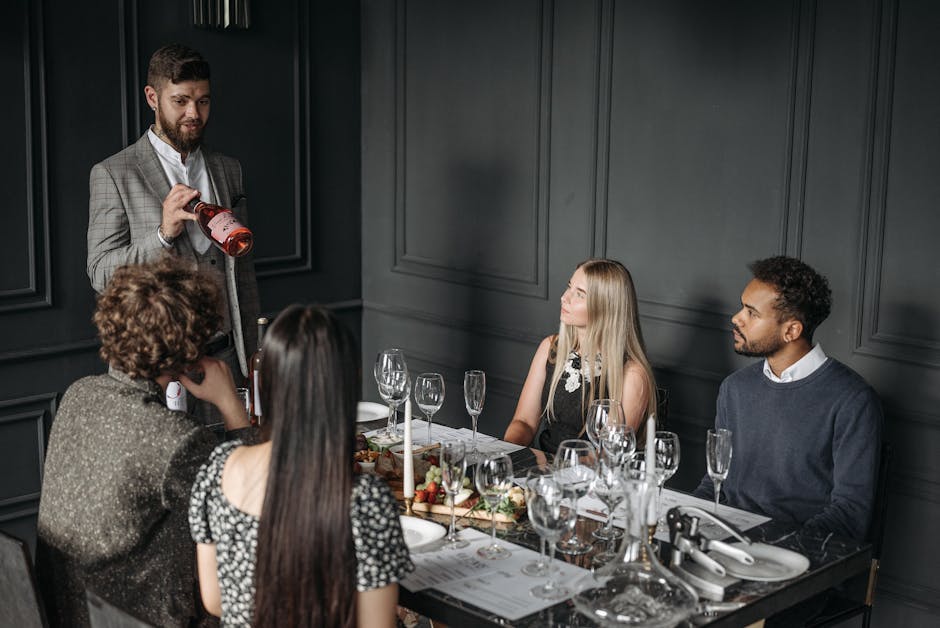
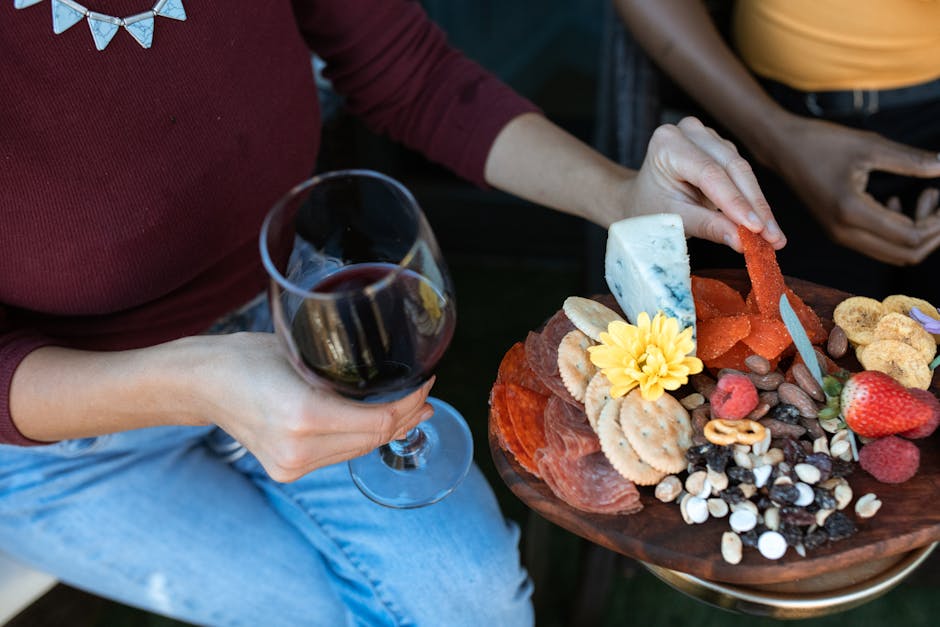
A Barossa Valley day trip involves wine tasting, and responsible alcohol consumption is both a legal requirement and a safety imperative. South Australia’s legal blood alcohol limit for fully licensed drivers is 0.05%, and for learner and provisional drivers it’s zero. Wine tasting at multiple cellar doors over a full day will very likely exceed these limits for the driver, so planning ahead is essential.
Designated driver: If self-driving, ensure one person in your group remains the designated driver for the entire day. Most cellar doors are happy to provide non-alcoholic alternatives (sparkling water, juice, coffee) for designated drivers, and some offer free or discounted tastings of their non-alcoholic wine range. The designated driver is doing the group an enormous favour — acknowledge this and perhaps rotate the role on future trips. Guided tours: The simplest solution is booking a guided tour where professional drivers handle the transport. This allows everyone to taste freely. Spit, don’t swallow: At professional wine tastings, spitting is completely acceptable and expected. Every cellar door provides spittoons. Using them allows you to evaluate many wines without consuming significant alcohol. Pace yourself: Eat a substantial breakfast before departing, snack between tastings, drink water throughout the day, and don’t feel pressured to finish every pour. Most cellar doors serve modest tasting portions (around 20-30ml per wine), but these add up across multiple stops.
What to Wear and Bring on a Barossa Valley Day Trip
Dressing appropriately makes your Barossa Valley day trip more comfortable. Smart casual attire is the standard at most cellar doors — you don’t need to dress formally, but clean, presentable clothing is respectful. Comfortable walking shoes are essential, as you’ll be on your feet at cellar doors and exploring towns. In summer (December-February), the Barossa can exceed 40°C, so bring sunscreen, a hat, sunglasses, and plenty of water. In winter (June-August), the valley can be surprisingly cold with morning fog, so layer up with a warm jacket.
Essential items to bring: Sunscreen and hat (year-round), reusable water bottle, car phone charger (GPS navigation drains battery), a cooler bag or esky for wine purchases (the car can get very hot in summer and ruin wine), cash for smaller producers and market stalls, a camera for vineyard photography, and a designated driver or tour booking confirmation. Check the Barossa Tourism website for current cellar door opening hours and event information before your visit.
Barossa Valley Day Trip Cost Breakdown
Understanding the costs involved helps you budget realistically for a Barossa Valley day trip. Here’s a detailed breakdown based on current prices for a self-drive experience for two people.
Transport: Self-drive fuel costs approximately $15-25 return depending on your vehicle. Guided tours range from $119-200+ per person (most include tastings and some include lunch). Cellar door tastings: Many smaller cellar doors offer free tastings or charge $5-10 (often refundable with a purchase). Premium experiences like Penfolds “Make Your Own Blend” cost $65-85 per person, and the Seppeltsfield Centennial Tasting is $99-150+. Budget $20-40 per person for standard tastings across 3-4 wineries. Lunch: Casual cafe meals in Tanunda run $15-25 per person. Winery restaurants range from $35-60 per person for a two-course lunch. Picnic provisions from local producers cost $20-30 for two. Wine purchases: You’ll likely buy wine — budget $50-200+ depending on your enthusiasm. Many cellar doors offer “tasting pack” deals of 3-6 bottles at a discount. Total estimate: A budget-conscious self-drive Barossa Valley day trip for two costs approximately $120-180 total (fuel, free/cheap tastings, casual lunch, modest wine purchase). A moderate experience runs $200-350 for two. A premium experience with guided tour, winery lunch, and significant wine purchases can exceed $500 for two.
Smaller and Boutique Barossa Wineries Worth Visiting
While the big names draw the crowds, some of the Barossa Valley’s most rewarding cellar door experiences are found at smaller, boutique producers. Torbreck Vintners produces critically acclaimed Shiraz and Grenache from old Barossa vines, with a beautiful cellar door on Roennfeldt Road offering intimate tastings that are less rushed than the major estates. Rockford Wines is a Barossa institution that uses traditional winemaking methods (including a beautiful old basket press) to produce wines of genuine character — their Basket Press Shiraz is legendary. Langmeil Winery is home to the Freedom 1843 Shiraz, made from some of the oldest surviving Shiraz vines in the world — tasting a wine from vines planted nearly 200 years ago is a profoundly special experience. Turkey Flat Vineyards produces exceptional Shiraz, Grenache, and Rosé from equally ancient vines, with a warm, family-run cellar door. Whistler Wines offers excellent value wines in a welcoming, unpretentious setting that’s ideal for those new to wine tasting.
Booking Tips and Best Time to Visit
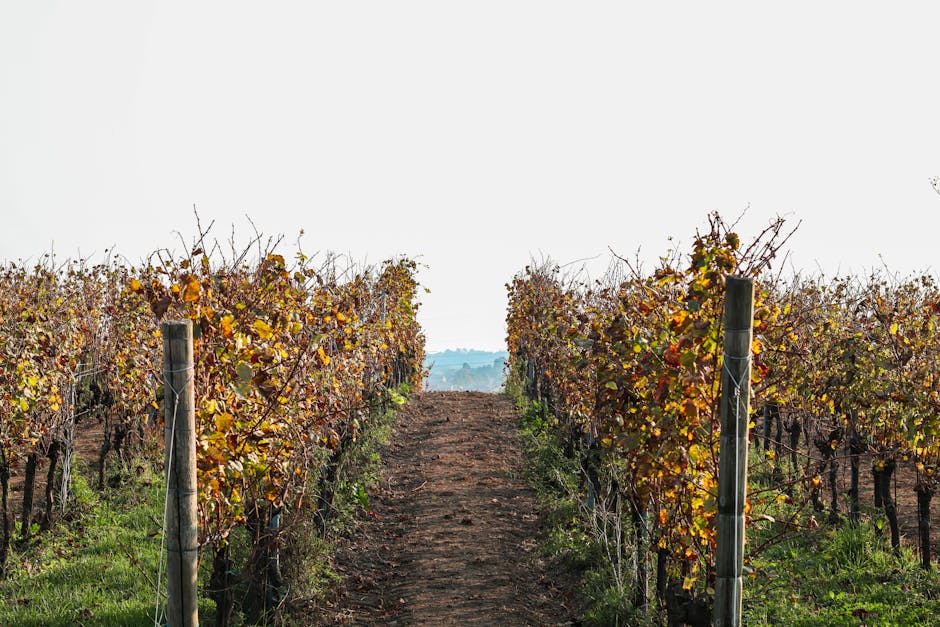
The Barossa Valley is a year-round destination, but each season offers a different character. Autumn (March-May) is the harvest season, when the vineyards blaze with gold and crimson, the air smells of fermenting grapes, and many wineries offer special vintage experiences — this is arguably the best time for a Barossa Valley day trip. Spring (September-November) brings green vineyards, wildflowers, and comfortable temperatures. Summer (December-February) is hot but vibrant, with longer daylight hours. Winter (June-August) is quiet and moody, with excellent value and intimate cellar door experiences.
Booking tips: Book premium cellar door experiences and winery restaurant lunches at least one to two weeks in advance, especially for weekends and long weekends when the Barossa sees its highest visitor numbers. Weekend visits are busier than midweek — a Tuesday or Wednesday Barossa Valley day trip offers a more relaxed experience and often better service at cellar doors. Check for local events like the Barossa Vintage Festival (held every two years) and the Barossa Gourmet Weekend, which add festivity but also increase visitor numbers. Download the Barossa visitor map before your trip to plan your route efficiently. Mobile phone reception is generally good in the main towns (Tanunda, Angaston, Nuriootpa) but can be patchy on rural roads between wineries, so having a downloaded map is worthwhile insurance.
Barossa Valley Wine Styles: What You’ll Be Tasting
Understanding the Barossa Valley’s signature wine styles enhances your tasting experience enormously. The Barossa is first and foremost Shiraz country — the region produces some of the world’s most celebrated examples of this grape variety, characterised by bold, full-bodied flavours with dark fruit, chocolate, spice, and often a distinctive earthy richness that comes from the valley’s ancient soils. Barossa Shiraz ranges from the opulent and powerful (think Penfolds Grange) to more refined, elegant expressions from cooler sites and older vines. During your Barossa Valley day trip tastings, you’ll likely encounter Shiraz at every cellar door — embrace it, compare styles between producers, and you’ll quickly develop an appreciation for why this variety defines the region.
Grenache is the Barossa’s second great red variety, experiencing a renaissance as winemakers rediscover old bush vines planted by the region’s original settlers. Barossa Grenache tends to be lighter and more perfumed than Shiraz, with red berry fruits, spice, and silky textures — it’s a wonderful food wine and often more approachable for those who find Shiraz too intense. GSM blends (Grenache, Shiraz, Mourvèdre) are a Barossa specialty, combining the best characteristics of all three varieties into complex, layered wines. On the white side, the adjacent Eden Valley produces exceptional Riesling — crisp, aromatic, and age-worthy — while Barossa producers also make excellent Semillon, Chardonnay, and Viognier. Many cellar doors offer both red and white tastings, so even white wine lovers will find plenty to enjoy on a Barossa Valley day trip.
The Barossa Valley’s German Heritage
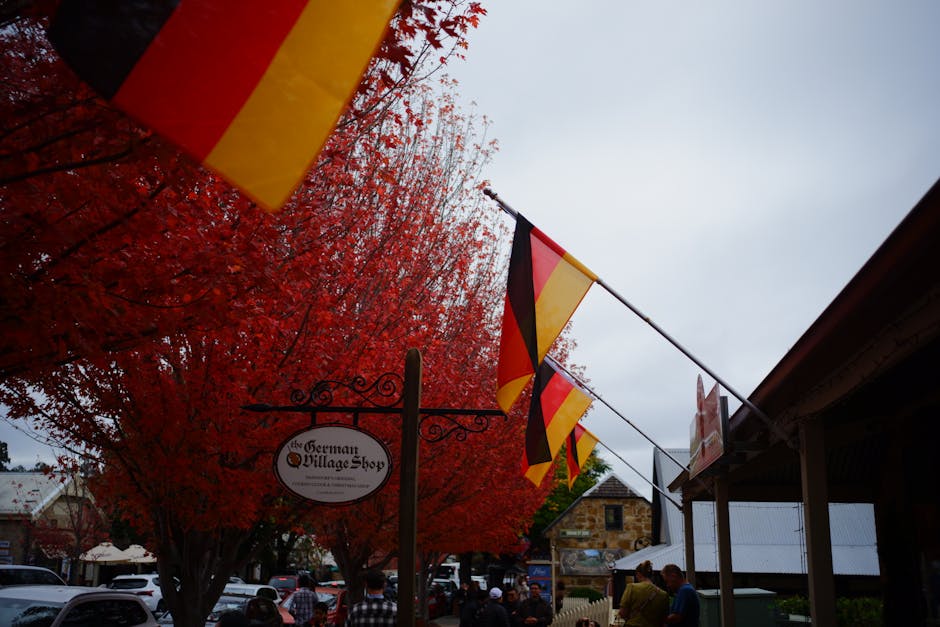
The Barossa Valley’s distinctive character owes much to its German and Silesian settlers, who arrived in the 1840s seeking religious freedom. Their influence is woven into the fabric of the region — from the Lutheran churches that dot the landscape to the German-inspired food traditions (Mettwurst, Streuselkuchen, smoked meats) that remain central to Barossa cuisine. During your Barossa Valley day trip, you’ll notice this heritage in the architecture of Tanunda and Angaston, the German-named vineyards and streets, and the warm, unpretentious hospitality that characterises the region’s cellar doors. The Barossa’s winemaking tradition itself was established by these settlers, many of whom brought vine cuttings from Europe — some of these original plantings survive today as the region’s most prized old vines, including the Shiraz vines at Langmeil (planted 1843) and Turkey Flat (planted 1847) that produce some of the world’s most expensive and celebrated wines.
Frequently Asked Questions About Barossa Valley Day Trips
Is a Barossa Valley day trip from Adelaide worth it?
Absolutely. A Barossa Valley day trip is consistently rated as one of Australia’s top wine tourism experiences. The combination of world-class wineries, exceptional food, charming heritage towns, and beautiful vineyard scenery — all within an hour of Adelaide — makes it an incredibly rewarding day out. Even if you’re not a serious wine drinker, the food experiences (Maggie Beer’s Farm Shop, the Farmers Market, artisan producers) and the scenic beauty of the valley make the trip worthwhile.
Should I self-drive or take a guided tour to the Barossa Valley?
This depends on your priorities. Self-driving offers flexibility to visit whichever cellar doors interest you, stop whenever you want, and set your own pace — but requires a designated driver who won’t be tasting. A guided tour eliminates the driving responsibility, allowing everyone to taste freely, and includes expert commentary and curated experiences — but follows a fixed itinerary with less personal choice. For couples and solo travellers, a guided tour is often the better option. For groups of three or more (where one person can be the designated driver), self-driving offers more flexibility and can be more cost-effective.
How many wineries can I visit on a Barossa Valley day trip?
We recommend visiting three to four wineries in a single day. This allows 45-60 minutes at each cellar door, time for a proper lunch, and exploration of at least one town. Trying to visit more than five wineries leads to palate fatigue, rushed experiences, and a day that feels like a race rather than an indulgence. Quality over quantity is the key to a satisfying Barossa Valley day trip.
Is the Barossa Valley suitable for families with children?
Yes, with appropriate planning. While wine tasting is the primary draw, the Barossa Valley has plenty to offer families. The Whispering Wall delights children with its acoustic marvel, Maggie Beer’s Farm Shop offers ice cream and cooking demonstrations, Tanunda has playgrounds and parks along the Para River, and the open vineyard landscapes provide space for kids to run and explore. Several cellar doors (Jacob’s Creek, Chateau Tanunda) have family-friendly grounds. A family-focused Barossa Valley day trip shifts the emphasis from intensive wine tasting to a mix of food, scenery, and the valley’s unique attractions.
What is the best day of the week for a Barossa Valley day trip?
Midweek (Tuesday to Thursday) offers the most relaxed experience, with fewer visitors at cellar doors and easier restaurant bookings. Saturday has the added draw of the Barossa Farmers Market in Angaston (7:30am-11:30am), making it the best option if you want to combine wine and food market experiences. Sundays and public holidays are popular with local day trippers and can be busier. Some smaller cellar doors are closed on certain weekdays, so check opening hours on the Barossa Tourism website before planning your route.
1 note