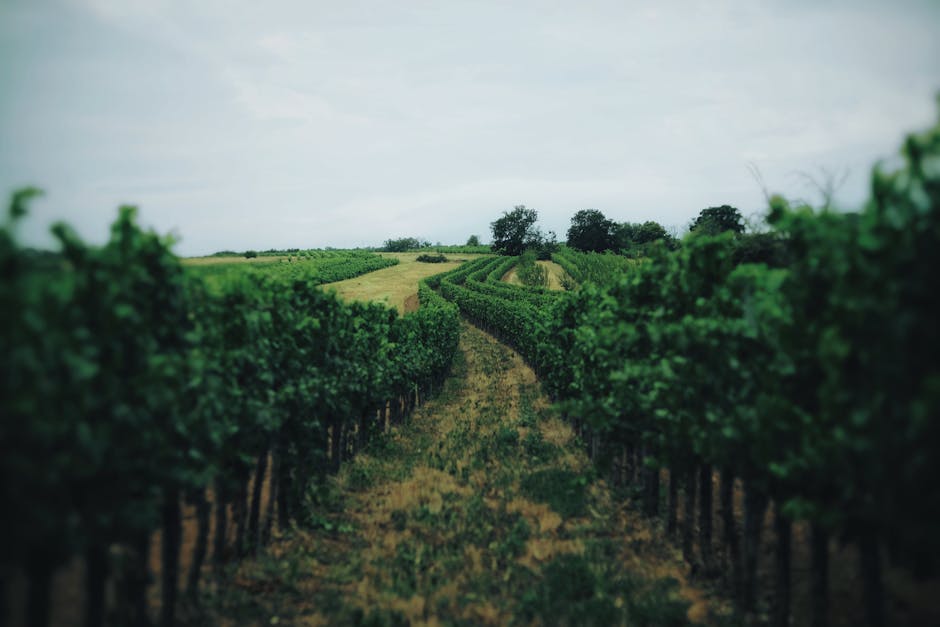
Barossa Valley wineries represent the pinnacle of Australian winemaking, producing bold, powerful wines that have earned international acclaim and made this stunning region one of the most visited wine destinations in the world. Located just 60 kilometres northeast of Adelaide — roughly an hour’s drive through the Adelaide Hills — the Barossa Valley is home to over 150 wineries and 80 cellar doors, ranging from iconic estate producers with histories spanning six generations to exciting newcomers crafting innovative wines that challenge convention. Whether you’re a serious wine collector seeking aged Shiraz from century-old vines or a casual enthusiast wanting to enjoy a relaxed afternoon of tasting with vineyard views, the Barossa delivers experiences that create lasting memories.
What makes Barossa Valley wineries truly exceptional is the combination of heritage, terroir, and human passion. The region was settled by German and English migrants in the 1840s, and many of today’s leading producers are operated by fifth and sixth-generation descendents of those original settlers. The valley’s warm, dry climate and ancient soils produce grapes of extraordinary concentration and character, particularly Shiraz, which has become the region’s signature variety. This comprehensive guide covers the best Barossa Valley wineries to visit, how to plan your tasting itinerary, wine tour options, and practical tips that will help you make the most of your time in this world-class wine region. For a broader overview of South Australia’s wine regions, visit our Adelaide wine regions guide.
Best Barossa Valley Wineries: The Icons
The Barossa Valley is home to some of Australia’s most celebrated and historically significant wineries. These iconic producers have built international reputations over generations and offer cellar door experiences that combine world-class wines with rich heritage and storytelling.
Penfolds Barossa Valley
No discussion of Barossa Valley wineries is complete without Penfolds, Australia’s most famous wine brand and producer of the legendary Grange — consistently ranked among the world’s greatest wines. The Penfolds cellar door experience at the historic Magill Estate offers premium tastings that may include current vintage wines, aged library releases, and the chance to create your own blend. The Make Your Own Blend experience is one of the Barossa’s most popular activities, allowing visitors to blend their own wine from component varieties under expert guidance. While Grange itself is rarely available for tasting, the Penfolds range from Koonunga Hill through to the Bin series and luxury St Henri and RWT provides an extraordinary journey through Australian winemaking excellence.
Jacob’s Creek Visitor Centre
Jacob’s Creek is one of Australia’s most recognisable wine brands worldwide, and their Barossa Valley visitor centre offers an accessible, beautifully designed cellar door experience that’s particularly welcoming for wine newcomers. The modern facility overlooks the original Jacob’s Creek and includes guided tastings, a cooking school, and an excellent restaurant serving contemporary Australian cuisine matched with Jacob’s Creek wines. The Heritage Collection tasting provides access to premium limited-release wines not available in retail stores. The visitor centre’s approachable atmosphere and knowledgeable staff make it one of the best Barossa Valley wineries for those new to wine tasting.
Seppeltsfield
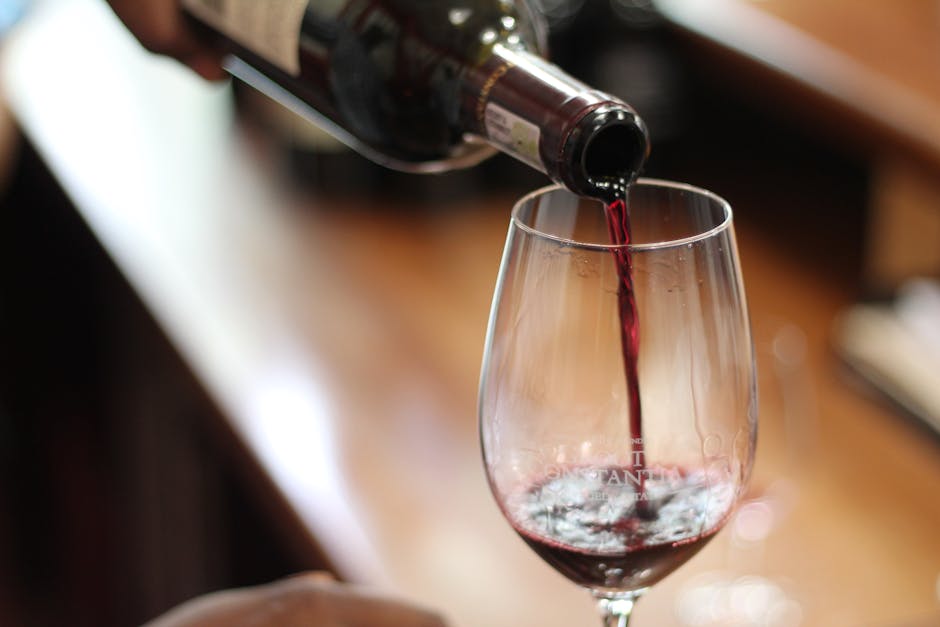
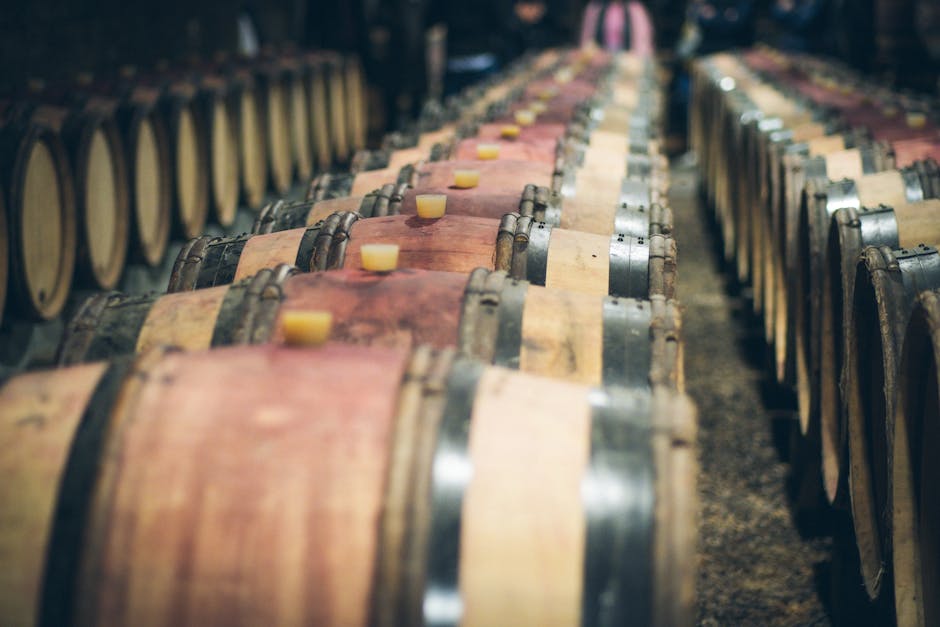
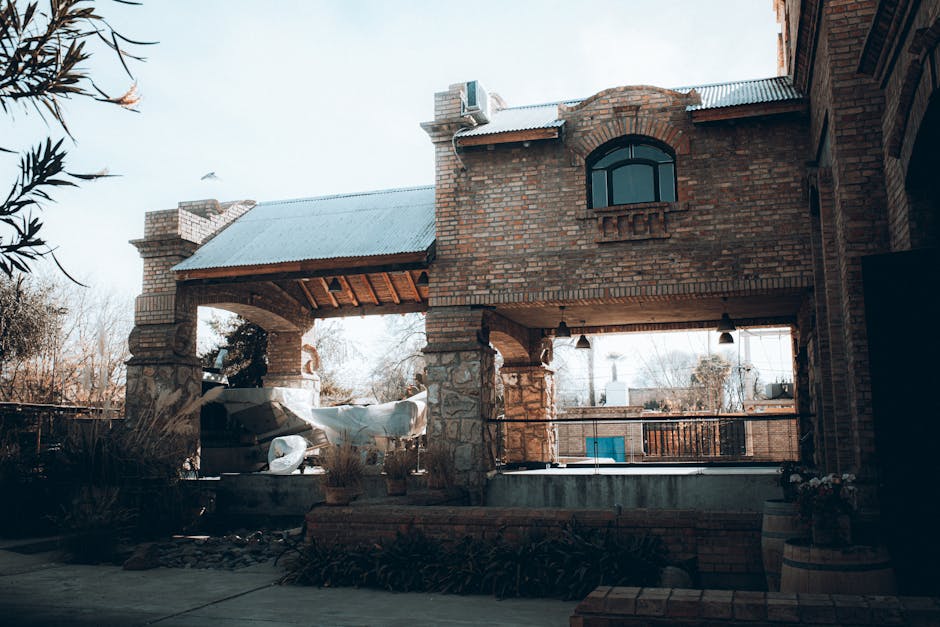
Seppeltsfield is the Barossa Valley’s most historically significant estate, featuring a stunning palm-lined avenue leading to a complex of heritage buildings that house one of the world’s most remarkable wine collections. The Centennial Collection — an unbroken lineage of fortified wines dating from 1878 to the present, with every vintage represented — is unique in the world. The signature experience at Seppeltsfield is tasting your birth-year Tawny directly from the barrel, an emotional and unforgettable moment that connects you personally to the Barossa’s winemaking history. Beyond the fortified wines, Seppeltsfield’s table wine range has expanded significantly under recent ownership, and the estate also houses restaurants, art galleries, and artisan food producers within its grounds.
Henschke
Henschke, now in its sixth generation, produces some of Australia’s most revered wines from vineyards that include the legendary Hill of Grace — home to pre-phylloxera Shiraz vines planted in the 1860s. The Hill of Grace Shiraz is one of Australia’s most collectible wines, typically allocated rather than sold through retail channels. The Henschke cellar door in the Eden Valley (the elevated sub-region of the broader Barossa zone) offers tastings of their full range in a setting of understated elegance. The quality is extraordinary across every price point, from the accessible Tilly’s Vineyard range through to the iconic single-vineyard releases. Henschke represents Barossa Valley wineries at their most refined and family-oriented.
Boutique and Emerging Barossa Valley Wineries
While the iconic names draw international visitors, some of the Barossa’s most exciting winemaking is happening at smaller boutique producers. These Barossa Valley wineries offer intimate tasting experiences, direct access to winemakers, and innovative wines that push beyond the region’s traditional Shiraz-dominated profile.
Torbreck Vintners
Torbreck has become one of the most critically acclaimed Barossa Valley wineries since its founding in the 1990s, producing powerful, complex wines from old-vine fruit. The RunRig and The Laird are among Australia’s highest-rated wines, while the Woodcutter’s range offers exceptional quality at accessible prices. The cellar door in Marananga provides a relaxed setting for tasting across the full range.
Two Hands Wines
Two Hands has earned a global reputation for producing bold, generous wines that showcase the Barossa’s rich fruit character. Their Gnarly Dudes Shiraz and Brave Faces Grenache Shiraz Mataro are consistently excellent and well-priced. The cellar door in the Barossa features modern design and a welcoming atmosphere that appeals to younger wine enthusiasts and those who might find some traditional cellar doors intimidating.
Charles Melton Wines
Charlie Melton is credited with reviving interest in Grenache, Shiraz, and Mataro (GSM) blends in the Barossa during the 1990s, and his Nine Popes blend remains a Barossa classic. The intimate cellar door on Krondorf Road offers a personal tasting experience where you might meet Charlie himself. The wines are characterful and food-friendly, often showing more restraint than the Barossa’s blockbuster Shiraz styles.
Planning Your Barossa Valley Wineries Visit
How to Get to the Barossa Valley
The Barossa Valley is approximately 60 kilometres northeast of Adelaide, reachable by car in about one hour via the Barossa Valley Way or the more scenic route through the Adelaide Hills via Williamstown. If you’re planning to taste seriously, joining a guided wine tour is strongly recommended as it eliminates the need for a designated driver. Tour operators collect you from Adelaide CBD hotels and provide full-day experiences visiting four to six wineries with expert commentary. For those preferring to self-drive, the Barossa is well-signposted and easy to navigate, with most cellar doors clustered along a compact corridor between Lyndoch, Tanunda, Angaston, and Nuriootpa. Our day trips from Adelaide guide has more details on getting there.
How Many Wineries Can You Visit in a Day?
A realistic self-drive day allows visits to four to five Barossa Valley wineries, allowing roughly 45-60 minutes at each cellar door. Guided tours typically visit four to six wineries with lunch included. It’s better to visit fewer wineries thoroughly — engaging with the staff, learning about the wines, and sitting with your favourites — than to rush through eight or ten and remember none of them. Most cellar doors offer tasting flights of five to eight wines for $10-20, with fees often waived with purchase.
Best Time to Visit Barossa Valley Wineries
Barossa Valley wineries are open year-round, but each season offers a different experience. Autumn (March-May) is harvest season, bringing special vintage events, grape-picking experiences, and the Barossa Vintage Festival. Spring (September-November) offers mild weather, wildflowers among the vine rows, and the Barossa Gourmet Weekend food and wine festival. Summer (December-February) provides long warm days perfect for vineyard lunches, though temperatures can be intense. Winter (June-August) is the quietest period, offering intimate cellar door experiences without crowds and the chance for unhurried conversations with winemakers. The best time to visit Adelaide for wine tourism is March to May or September to November.
Barossa Valley Wine Tours from Adelaide
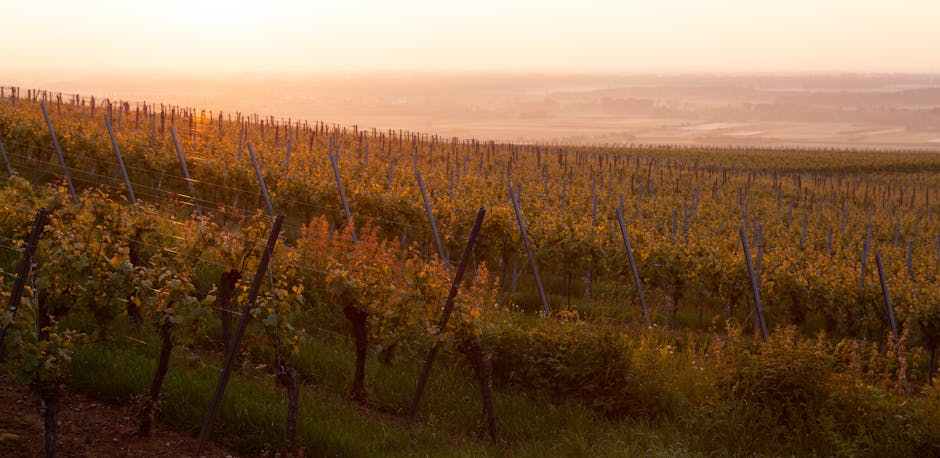
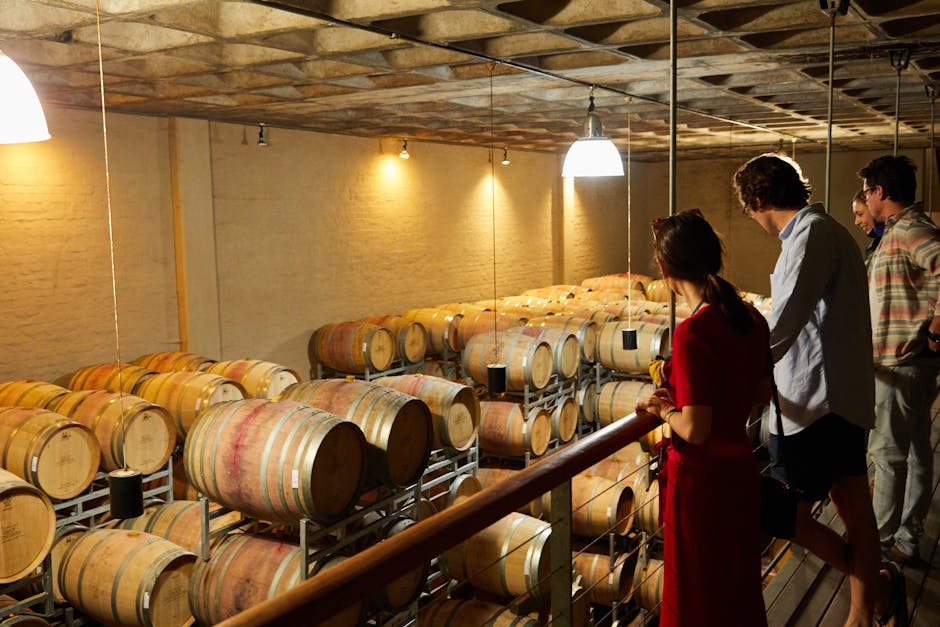
Guided wine tours from Adelaide to the Barossa Valley range from affordable small-group minibus experiences to premium private chauffeured journeys. Most full-day tours depart Adelaide around 9am and return by 5pm, visiting four to six Barossa Valley wineries with lunch included. Premium tours may include exclusive behind-the-scenes access, barrel tastings, and visits to appointment-only wineries not open to the general public. Some operators offer combination tours that include the Barossa and the Adelaide Hills or Eden Valley in a single day. Prices range from approximately $100 for budget group tours to $300-500 for premium small-group or private experiences. Booking at least a week in advance is recommended, especially during peak season weekends.
Dining at Barossa Valley Wineries
The Barossa Valley’s food scene has evolved to match its wine quality, with several winery restaurants earning national and international recognition. Fermentasian at Seppeltsfield combines Asian flavours with Barossa produce, offering a creative alternative to traditional winery dining. Appellation at The Louise is one of regional Australia’s finest dining experiences, using Barossa-grown ingredients in a multi-course tasting menu paired with local wines. Hentley Farm restaurant has earned a devoted following for its degustation menus that celebrate the Barossa’s agricultural heritage. For more casual dining, many cellar doors offer cheese and charcuterie platters featuring local Barossa produce alongside their wines, and the Barossa Farmers Market runs every Saturday morning in Angaston. For more dining inspiration, our Adelaide restaurant guide covers the region’s culinary highlights.
Barossa Valley Wine Varieties to Explore
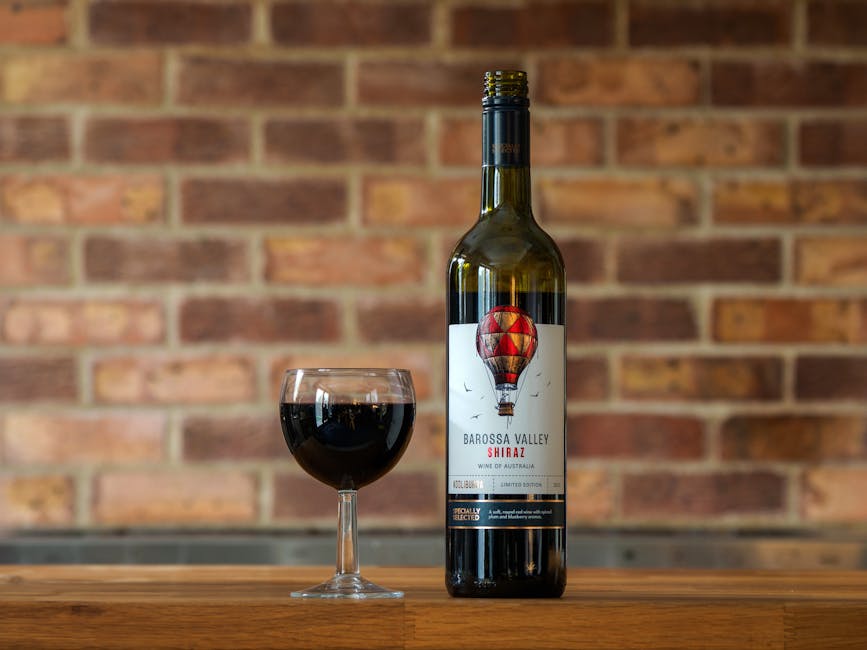
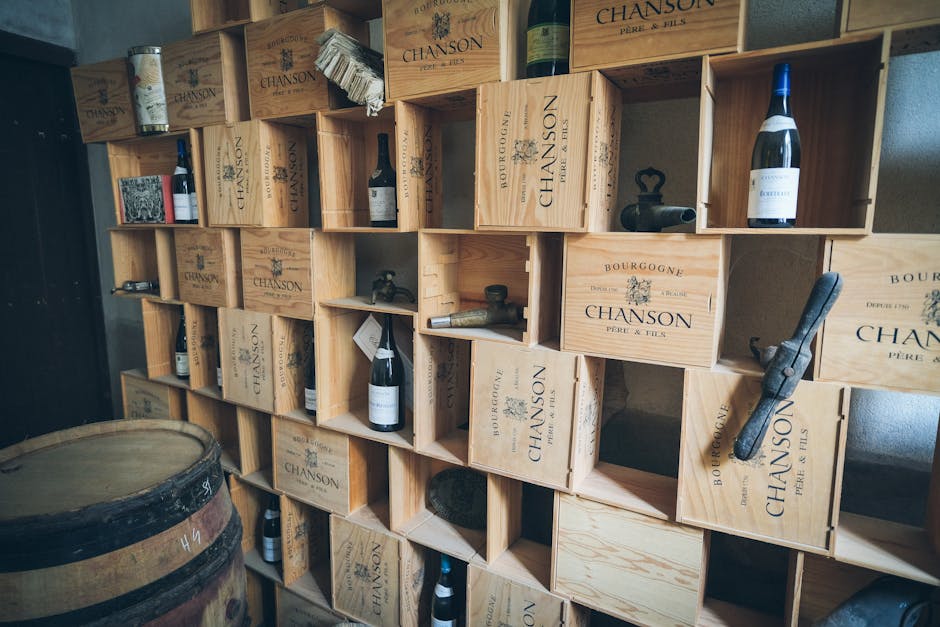
While Shiraz is the Barossa’s undisputed king, accounting for approximately half of the region’s production, Barossa Valley wineries produce an impressive range of varieties worth exploring. Old-vine Grenache is experiencing a renaissance, with producers crafting elegant, complex wines from vines planted in the 1850s. Cabernet Sauvignon thrives in the region’s warmer sites, producing structured wines with generous fruit. Barossa Riesling from the elevated Eden Valley sub-region offers bone-dry, lime-scented wines that age magnificently. GSM blends — Grenache, Shiraz, Mataro — are a traditional Barossa specialty that reflects the region’s Rhône Valley heritage. Even Chardonnay, Semillon, and Viognier have found their place in the Barossa, with white wine production increasing as consumer tastes diversify.
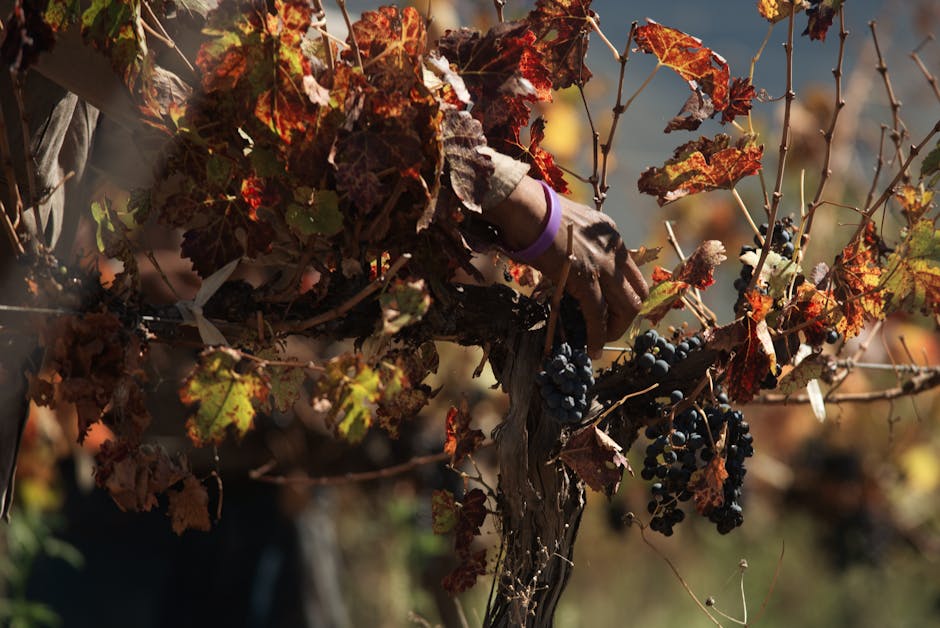
Barossa Valley Wine Varieties Beyond Shiraz
While Shiraz is undeniably the king of Barossa Valley wineries, the region produces an impressive diversity of wine styles that deserve attention. Exploring beyond Shiraz reveals the full breadth of the Barossa’s winemaking heritage and terroir, and some of the region’s most exciting wines are made from lesser-known varieties.
Grenache: Often called the Barossa’s “second grape,” Grenache has experienced a remarkable renaissance in recent years. Old-vine Grenache from bush vines planted in the 1850s-1940s produces wines of extraordinary complexity — lighter in colour than Shiraz but bursting with red fruit aromatics, spice, and a silky texture. Producers like Cirillo Estate (home to the world’s oldest known Grenache vines, planted in 1848), Turkey Flat, and Yelland & Papps are crafting Grenache wines that rival the best from the southern Rhône. Visiting Barossa Valley wineries that specialise in old-vine Grenache is a must for anyone interested in Australian wine history.
Cabernet Sauvignon: The Barossa’s Cabernet Sauvignon is often overshadowed by Coonawarra’s more famous examples, but top producers like Penfolds, Henschke, and Kaesler make outstanding Cabernet and Cabernet-Shiraz blends. The Barossa’s warmer climate produces riper, more generous Cabernet styles compared to Coonawarra’s elegant, structured versions — both are valid expressions of this noble variety in an Australian context.
Riesling: The elevated, cooler sub-region of Eden Valley (technically part of the greater Barossa zone) produces some of Australia’s finest Rieslings. Pewsey Vale, Henschke’s Julius, and Mountadam offer cellar door tastings that showcase the spectrum from bone-dry to lusciously sweet. Eden Valley Riesling is characterised by intense lime and mineral notes, crisp natural acidity, and exceptional ageing potential — some examples developing beautifully for 20+ years. A visit to Barossa Valley wineries should always include a detour to Eden Valley for Riesling.
Mataro (Mourvèdre): Another old-vine treasure in the Barossa, Mataro was widely planted by early settlers and many of these ancient vines survive today. Once dismissed and used primarily for fortified wines, Mataro has been rediscovered by a new generation of Barossa winemakers. Producers like Tscharke, Head Wines, and Smidge are making distinctive, terroir-driven Mataro that showcases the variety’s earthy, meaty, dark-fruited character.
Planning Your Barossa Valley Itinerary
Making the most of your Barossa Valley wine experience requires thoughtful planning. The region is spread across rolling hills and wide valleys, with over 150 Barossa Valley wineries and cellar doors scattered between the main towns of Tanunda, Nuriootpa, Angaston, Lyndoch, and Williamstown. Here’s how to structure your visit for maximum enjoyment.
One-day itinerary: If you only have a single day, focus on a corridor rather than trying to cover the entire region. The Tanunda-to-Angaston route along the Barossa Valley Way hits the highest concentration of premium cellar doors. Start at Peter Lehmann Wines in Tanunda for an accessible, crowd-pleasing introduction, move to Hentley Farm for a world-class lunch, then visit Henschke in the afternoon for an iconic Hill of Grace tasting experience. Limit yourself to 4-5 cellar doors to avoid palate fatigue and truly savour each visit.
Two-day itinerary: With a second day, you can split between the Barossa Valley floor and Eden Valley. Day one covers the Barossa’s bold reds — Shiraz, Grenache, and GSM blends — at wineries like Torbreck, Two Hands, and Rockford. Day two heads up to Eden Valley for a contrasting experience: elegant Rieslings, cool-climate Shiraz, and stunning elevated views at Barossa Valley wineries like Mountadam, Pewsey Vale, and Yalumba. An overnight stay in Tanunda or Angaston allows you to enjoy the Barossa’s excellent dining scene without worrying about driving.
Weekend escape: A long weekend gives you time to explore not just the cellar doors but the wider Barossa experience — farmers markets on Saturday mornings, artisan food producers, historical walking trails through Bethany and Light Pass, and a hot air balloon flight over the vineyards at dawn. This deeper immersion reveals why the Barossa is not just a wine region but a complete lifestyle destination that rewards those who take their time.
Frequently Asked Questions
How far is the Barossa Valley from Adelaide?
The Barossa Valley is approximately 60 kilometres northeast of Adelaide, a drive of about one hour via the Barossa Valley Way. The scenic route through the Adelaide Hills via Williamstown takes slightly longer but offers stunning views.
Are Barossa Valley winery tastings free?
Most Barossa Valley wineries charge $10-20 for a tasting flight of five to eight wines. Many waive the tasting fee with purchase of a bottle or more. Premium tastings featuring reserve and library wines may cost $25-50. A few smaller cellar doors still offer complimentary tastings.
Do I need to book cellar door tastings in advance?
Walk-ins are welcome at most Barossa Valley wineries during normal opening hours (typically 10am-5pm daily). However, booking is recommended for premium experiences, larger groups of six or more, and visits on busy weekends, especially during harvest season and long weekends. Some smaller producers require appointments.
Can I ship wine home from the Barossa Valley?
Yes, most Barossa Valley wineries offer domestic and international shipping services. Within Australia, shipping is straightforward and cost-effective, especially with larger orders. International shipping is available to many countries, though costs are higher and customs regulations vary. Many visitors taste at the cellar door and then order online for delivery later.
One estate on this list deserves a longer visit than the rest. Our guide to Seppeltsfield and the Centennial Cellar explains how a barrel from every vintage since 1878 lets you taste the tawny from your own birth year, what the 100-year-old Para Vintage Tawny is like, which tour to book, and what else fills the estate in its 175th year.