Adelaide is unusually good at being seen quickly. The CBD is a one-mile square, the museums are free and in a row, the tram to the beach takes about half an hour, and almost nothing you want to do involves a queue or a booking. That combination means one day in Adelaide is not the consolation prize it is in most cities — you can genuinely cover the food, the culture, the parklands and the coast between breakfast and dinner without rushing, and still be sitting down with a glass of something local by seven.
What follows is a specific hour-by-hour plan rather than a list of options, because a single day needs decisions made for you. There are then variants for families, cruise passengers, layovers, rain, extreme heat and anyone with a hire car. All of it is walkable or reachable on the free tram unless stated otherwise. Prices and opening hours were checked in November 2026; confirm the current times on the venue’s own site, particularly on public holidays.
The day at a glance
| Time | What | Cost (A$) |
|---|---|---|
| 7:30 | Coffee and breakfast, Central Market or Peel Street | 15-25 |
| 9:00 | South Australian Museum and the Mortlock Wing | Free |
| 10:30 | Art Gallery of South Australia | Free |
| 11:30 | Adelaide Botanic Garden and the Palm House | Free |
| 12:45 | Lunch at the Central Market | 12-20 |
| 14:00 | Elder Park, the Torrens footbridge and Adelaide Oval | Free |
| 15:15 | Rundle Mall, or the Himeji Garden if you would rather not shop | Free |
| 16:00 | Tram to Glenelg | 2.70-4.75 |
| 16:45 | Glenelg beach, jetty and Moseley Square | Free |
| Sunset | From the jetty, facing west over the gulf | Free |
| 19:30 | Dinner on Gouger Street or at Glenelg | 35-60 |
| 21:00 | A laneway bar on Leigh or Peel Street | 15-30 |
Total, excluding accommodation: roughly A$85-135 per person for a full day including two meals and drinks. The cultural half of the day costs nothing at all.
Before you start
- The tram is free through the city centre, from the Entertainment Centre through the CBD to South Terrace, plus the Botanic Gardens spur. You do not tap on. Beyond the free zone — to Glenelg — you need a metroCARD or a contactless card.
- Leave your bags somewhere. Adelaide Railway Station has lockers, and most CBD hotels will hold luggage before check-in or after checkout.
- Check the weather and flip the day if needed. In summer, do the beach in the morning and the museums in the afternoon heat. The order below assumes a mild day.
- Nothing here needs booking except dinner on a Friday or Saturday.
Morning: North Terrace
7:30 — Coffee and breakfast
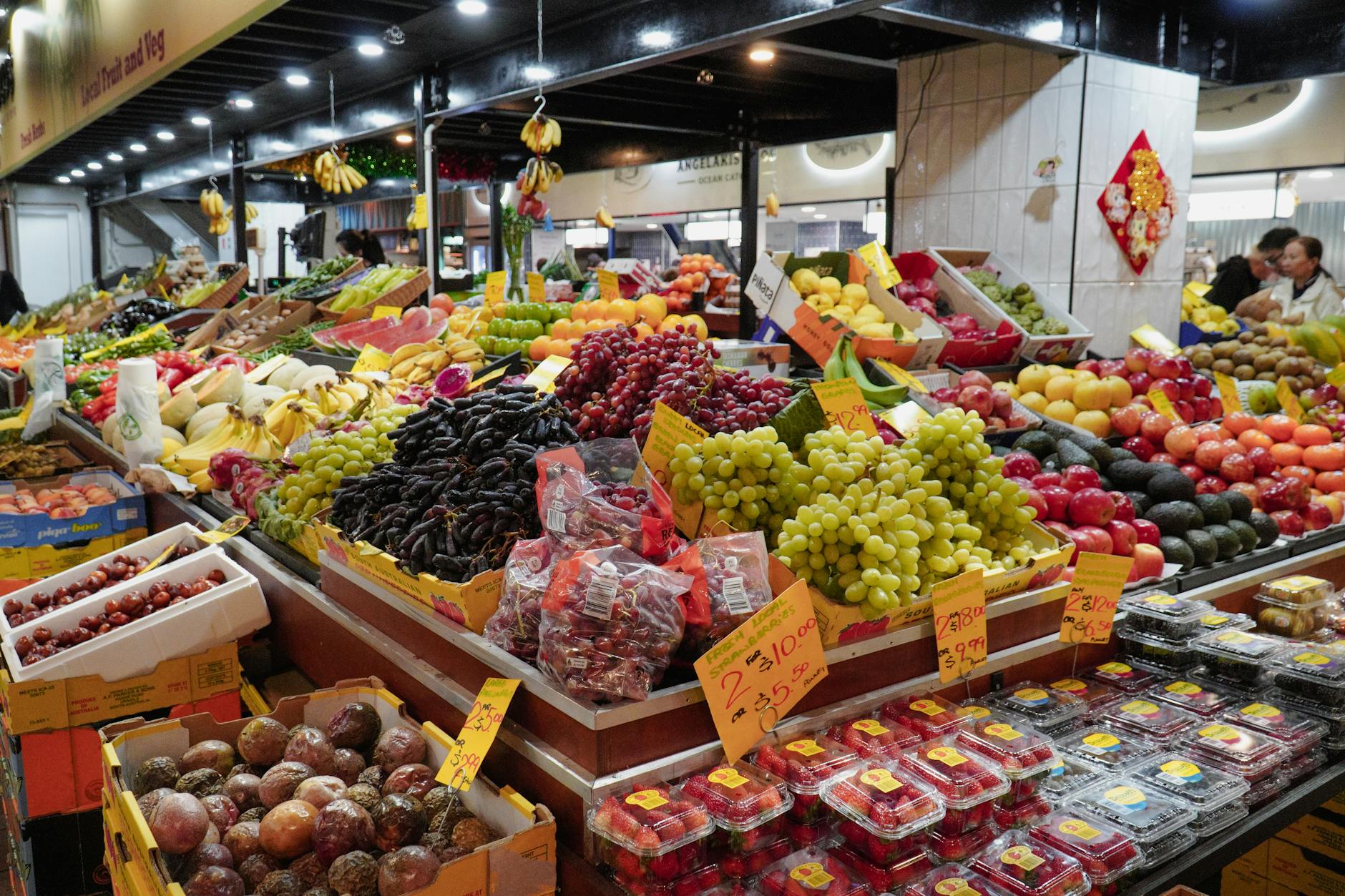
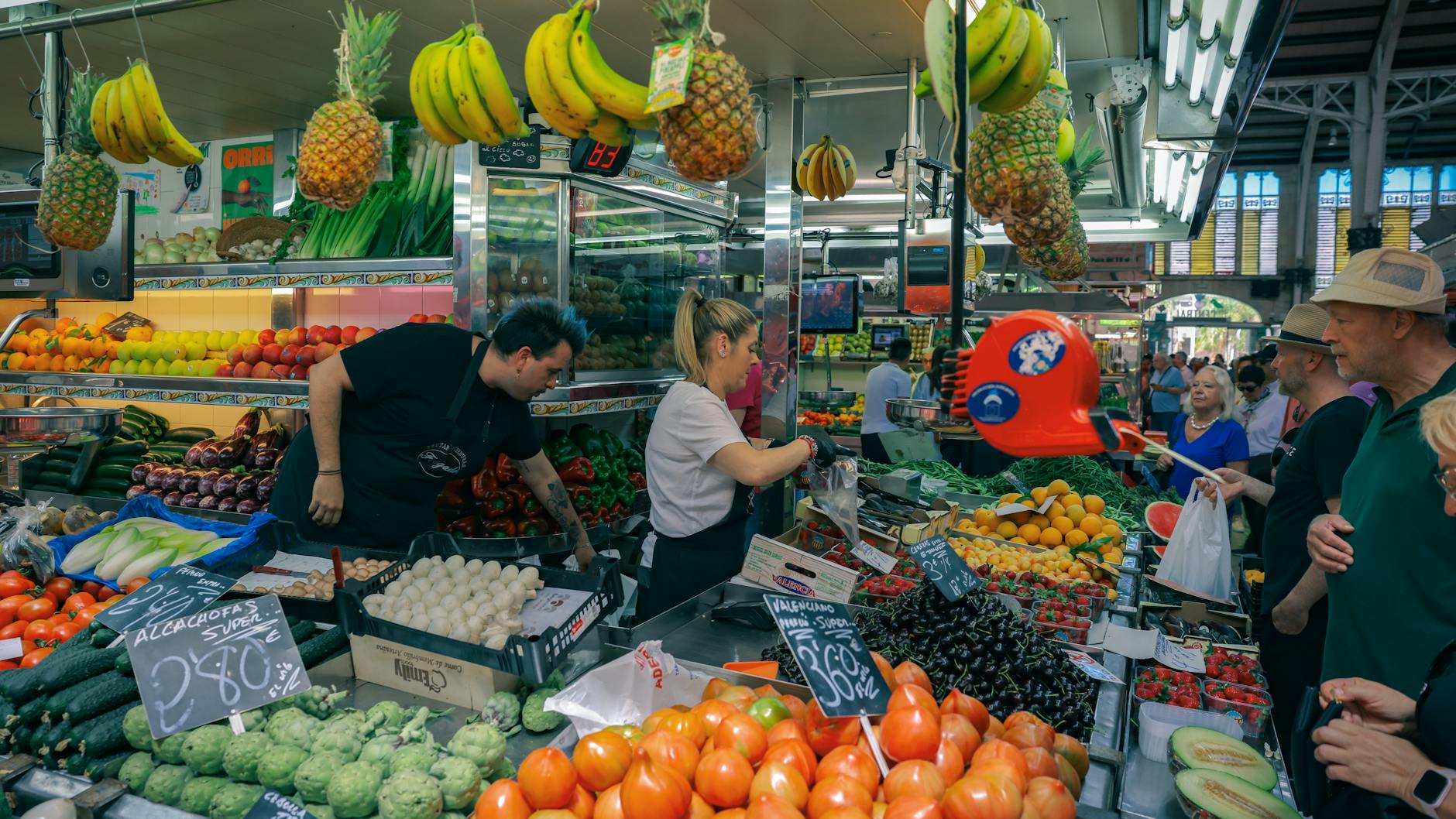
Start at the Adelaide Central Market on Gouger Street. It opens early Tuesday to Saturday and is quietest before nine, when the traders are still stacking and the coffee queues are short. Buy a pastry and a flat white and walk a lap before you eat — 70-odd stalls under one roof, trading since 1869, and the fastest possible introduction to why South Australians are smug about food. If the market is closed (Sunday and Monday), Peel Street and Leigh Street in the west end do the city’s best breakfasts instead.
9:00 — The South Australian Museum and the State Library
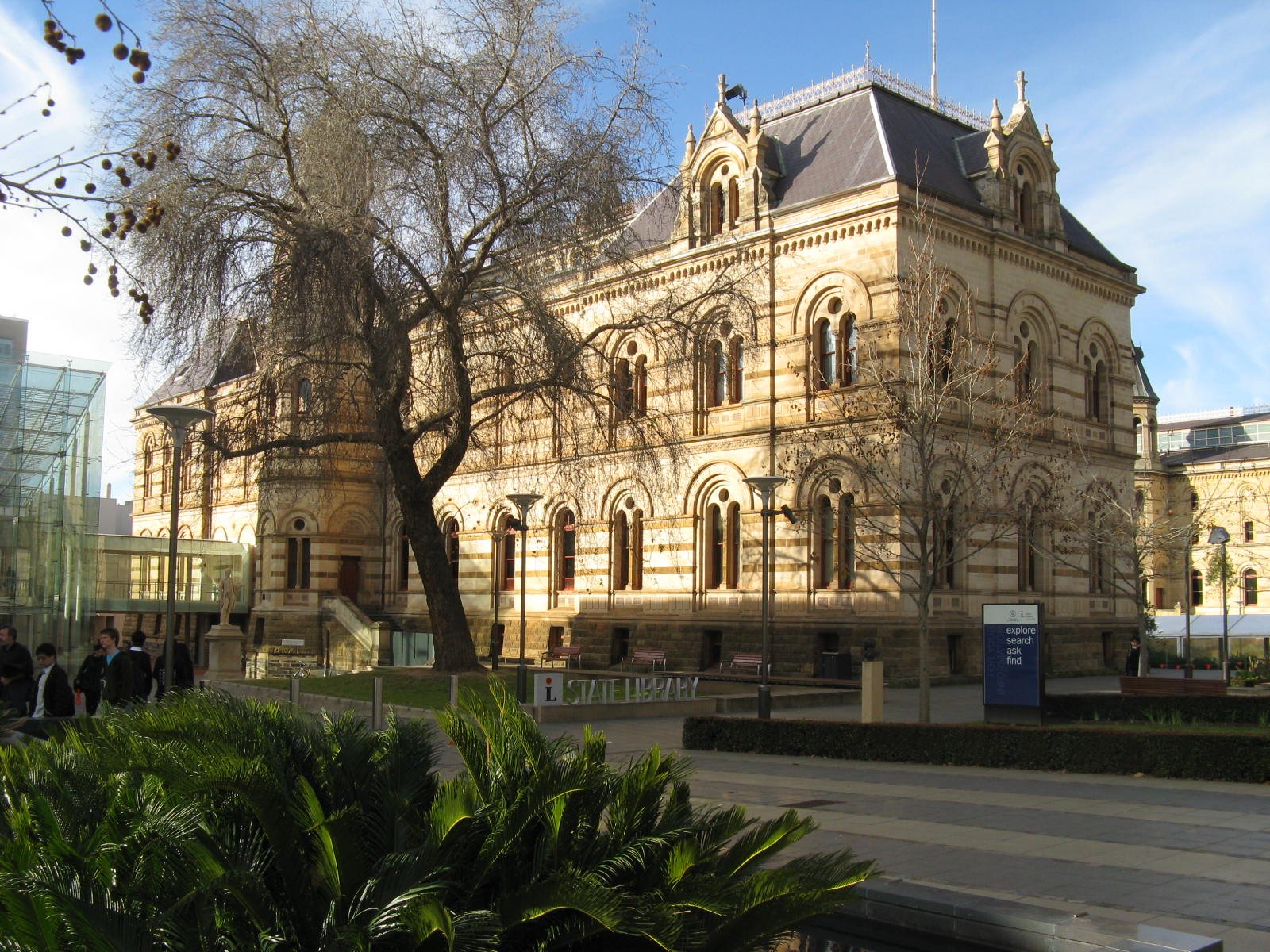
Walk north to North Terrace, about ten minutes. Start at the State Library, next door to the South Australian Museum: the Mortlock Wing is a nineteenth-century reading room with glass floors, iron balconies and a vaulted ceiling, and it takes about ten minutes and no money to see the most photographed interior in South Australia. Library opening times vary by day and by building, so check the Mortlock Chamber’s hours on the State Library’s site before you plan an early visit.
Then the Museum. Its Australian Aboriginal Cultures Gallery displays more than 3,000 items from the museum’s world-leading collection of Aboriginal cultural material, and the Pacific Cultures Gallery upstairs is a Victorian cabinet-of-wonders experience, all floor-to-ceiling glass cases. Both free. Give it an hour.
10:30 — Art Gallery of South Australia
Next door again. The Australian collection is the reason to come — colonial landscapes, Heysen’s Flinders Ranges gums, strong contemporary Aboriginal holdings — and the European rooms are better than a city this size has any right to. Free entry, an hour is plenty, and the gallery bookshop is one of the best in Adelaide. Our Art Gallery guide has the highlights if you want to be targeted about it.
11:30 — Adelaide Botanic Garden
Walk east along North Terrace and through the gates. The Botanic Garden is free and open daily. Most of it is flat, but some paths are gravel or sawdust and some are steep, and the gradient at Hackney Gate is hard going, so plan your route if you have a pram or a wheelchair. Aim for three things: the Palm House; the glass Bicentennial Conservatory; and the Museum of Economic Botany, a historic collection of plant specimens with replica fruit and fungi, which is the strangest and best thing in the garden. Forty-five minutes, or an hour if you sit down.
Midday: the Market and the river
12:45 — Lunch
Back to the Central Market, which is a fifteen-minute walk or two free tram stops. Lunch here is A$12-20 and the range is absurd for the price: laksa, bao, Turkish gozleme, seafood, cheese and a baguette, or a plate from one of the Asian food stalls at the southern end. Eat standing at a counter like everyone else. If you would rather sit, Gouger Street immediately outside has yum cha, Szechuan and Cantonese within a hundred metres.
14:00 — Elder Park, the Torrens and Adelaide Oval
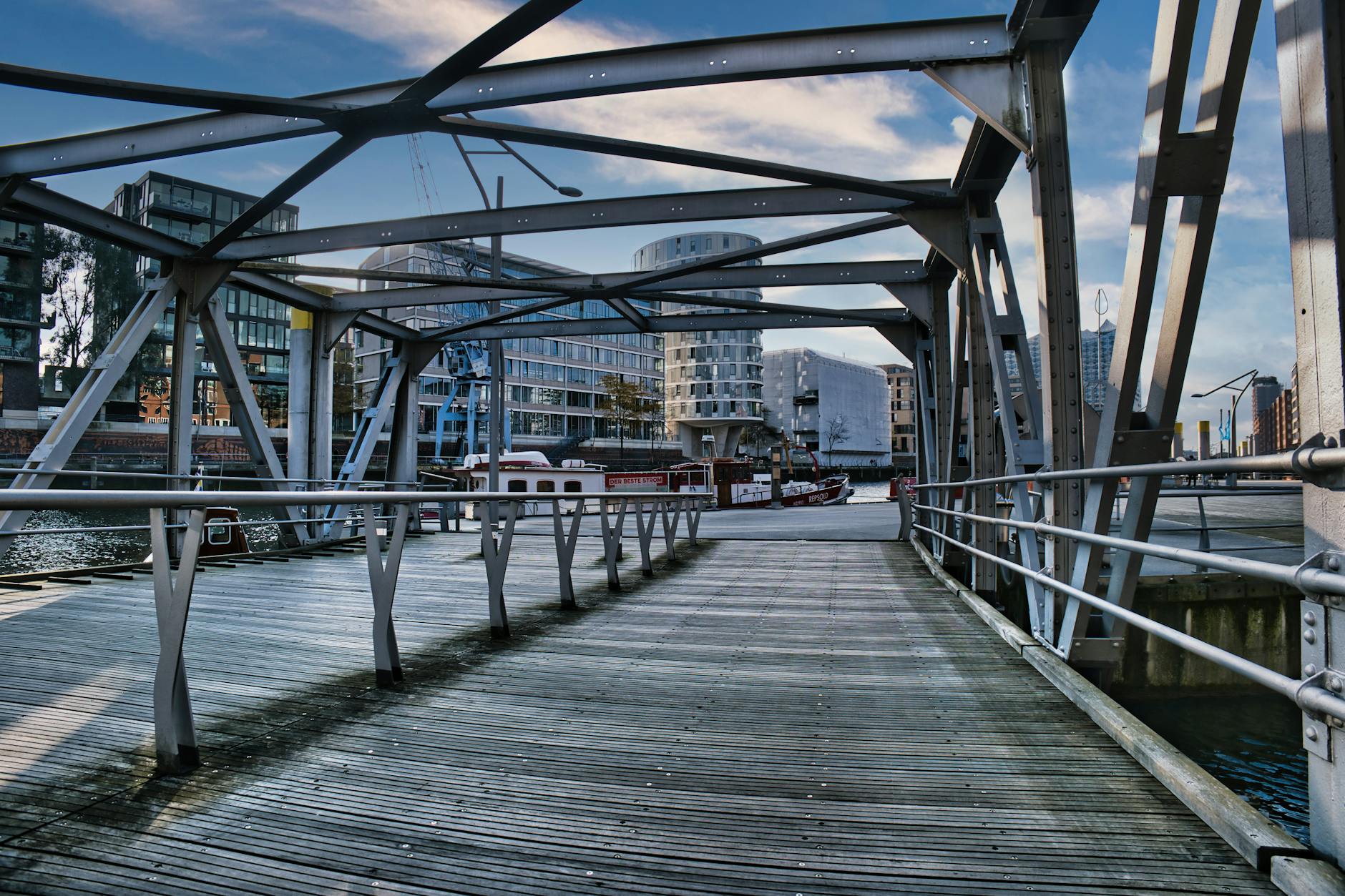
Walk north through the city to the river. Elder Park sits on the south bank with an ornate 1882 rotunda and the Festival Centre behind it, and the footbridge crosses from there to Adelaide Oval. Walk over it. The view back at the city skyline across the water, with the Oval’s curved stands on the other side, is the shot Adelaide does not have a famous version of but should.
On the far side stands the Oval, home of the 1911 scoreboard. If there is a game on, our sport in Adelaide guide covers tickets, and if you want inside the stadium on a quiet day, the Adelaide Oval tours guide covers the RoofClimb and the museum — though neither fits comfortably in a single day that also includes the beach.
15:15 — Rundle Mall, or the Himeji Garden
A fork in the day. If you want shopping and street life, Rundle Mall has the Mall’s Balls sculpture, the Adelaide Arcade and Haigh’s flagship at Beehive Corner — the company’s shop since 1923, eight years after Haigh’s began in Adelaide, and the right place to buy chocolate frogs to take home.
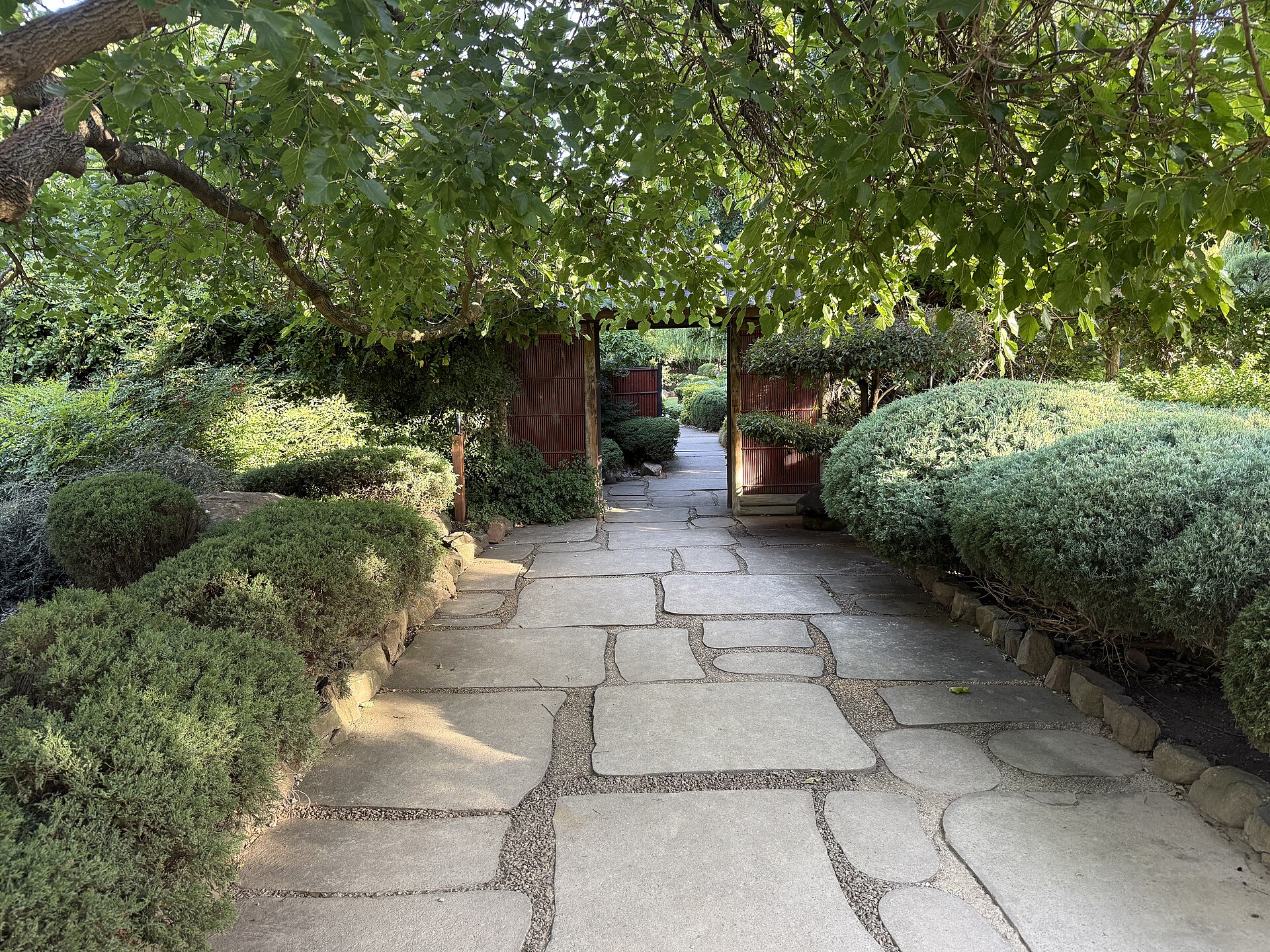
If you would rather not shop, take the free tram south to Victoria Square and walk to the Adelaide Himeji Garden on South Terrace: a small, formal Japanese garden given by Adelaide’s sister city, free, and generally deserted. Twenty minutes of complete quiet in the middle of a capital city.
Afternoon and evening: the coast
16:00 — Tram to Glenelg
Board at Victoria Square or anywhere along King William Street. The Glenelg tram takes about thirty minutes and runs down the middle of Jetty Road for the last stretch, which is a pleasant piece of theatre in itself. This is the one leg of the day that costs money — A$2.70 off-peak or A$4.75 at peak times on a metroCARD or contactless card.
16:45 — Glenelg

The tram terminates at Moseley Square, with the jetty directly ahead and the beach either side. Walk the jetty to the end. Swim if the weather allows — Gulf St Vincent is shallow, calm and considerably warmer than the Southern Ocean beaches an hour south. Jetty Road behind the square has the ice cream, the bars and the shops.
Because Adelaide faces west, the sun sets over the water, which is the single thing this coast does better than Sydney or Brisbane. Check the sunset time and be on the jetty fifteen minutes before it. In December that is close to 8:30pm; in June it is nearer 5:15pm, which changes the shape of the evening considerably.
19:30 — Dinner
Two good options. Stay at Glenelg and eat on Jetty Road or at one of the waterfront places on Holdfast Shores — pleasant, unremarkable, and you are already there. Or take the tram back and eat on Gouger Street, where Ying Chow, Concubine, Ding Hao and Ba Guo Bu Yi sit within a couple of hundred metres of each other, or in the east end around Rundle Street and Vardon Avenue. Our Adelaide restaurants guide and Asian food guide cover both.
21:00 — One drink
Finish in the west end. Leigh Street and Peel Street run parallel between Currie and Hindley, and both are lined with small bars that did not exist fifteen years ago — the result of licensing reform that transformed Adelaide’s evenings. Order something from the Adelaide Hills or McLaren Vale; the by-the-glass lists here are better than in any comparable Australian city. See our laneway bars guide.
Variations on the day
One day with children
Swap the Art Gallery for Adelaide Zoo, a short walk from North Terrace; it has the only giant pandas in Australia, Xing Qiu and Yi Lan, in the Bamboo Forest enclosure. Allow two to three hours and about A$45-50 for an adult. Then keep the Market lunch, add the Elder Park playground and the paddleboats on the Torrens, and go to Glenelg for the afternoon — the beach is shallow and there is a small amusement area at Moseley Square. Our Adelaide with kids guide has more.
One day from a cruise ship
Ships berth at Outer Harbor, 23km from the city, with the railway station 150-200 metres from the terminal. Buy the A$10 cruise metroCARD sold at the station on cruise days — unlimited travel for the day on trains, trams and buses — and take the train in, about 35 minutes. From Adelaide Railway Station you are on North Terrace, which is where this itinerary spends its morning. Skip Glenelg unless your all-aboard is genuinely late, and be back at the station with a large margin. Our arriving in Adelaide guide covers the port in detail.
One day on a layover
First, the rule that catches people: if you are transiting internationally, you cannot leave Adelaide Airport without a valid Australian visa. Assuming you have one, the airport is 7km from the CBD, a taxi to Victoria Square is around A$23-26 (A$26.40-29 on the higher tariff) plus the airport levy, and the J1 bus is a few dollars. With four to six hours on the ground, do North Terrace and the Central Market and nothing else. With less than three hours, stay airside.
One day if it rains
The morning of this itinerary is almost entirely indoors already. Extend it: add the Bicentennial Conservatory in the Botanic Garden, the Adelaide Arcade and the Adelaide Central Plaza, and spend the afternoon at the Zoo, which is less unpleasant in rain than you would think. See our rainy day activities guide.
One day in a heatwave
Invert it. Beach at 8am while it is still bearable, museums and galleries from 11am to 4pm when the temperature peaks, and the parklands or a rooftop from six. Carry water, use the public fountains along North Terrace, and do not attempt a long walk between one and four. A 40°C day in Adelaide is not something to power through.
One day with a hire car
If you have a car and only one day, the honest advice is to leave the city entirely. Two options, both better than a rushed city day:
- The Adelaide Hills — Stirling, Hahndorf, a cellar door, Mount Lofty Summit for the view, and Cleland Wildlife Park for koalas. Twenty minutes to an hour from the CBD. See the Adelaide Hills day trip guide.
- McLaren Vale and the Fleurieu coast — forty-five minutes south, two or three cellar doors, lunch among the vines, and a beach at Port Willunga on the way back. See the McLaren Vale guide.
One day if you are based at the beach
If you are staying at Glenelg rather than in the CBD, run the day backwards. Swim and have breakfast on Jetty Road before the tram fills, take the 9am tram into town, do North Terrace and the Market through the middle of the day, and come back out in the late afternoon for the sunset you would otherwise be rushing for. You lose nothing and the tram is quieter in both directions. Our Glenelg accommodation guide covers where to stay out there.
How the day changes with the season
Adelaide’s single-day itinerary is more seasonal than most, largely because of daylight and heat.
- December to February — sunset is about 8:30pm in December, easing to about 8pm by late February, so the beach section can start late and the day stretches. But afternoons regularly exceed 35°C, so the museums belong in the middle of the day and the coast belongs at either end.
- March — the best month for this itinerary, and the busiest. The Fringe and the Adelaide Festival run through most of it, which means the parklands are full of pop-up venues in the evening and a show is a legitimate replacement for the laneway bar. Book dinner.
- April and May — mild, clear and quiet. The Botanic Garden is at its best and the light on the Torrens in the late afternoon is worth the detour.
- June to August — sunset falls around 5:15pm in June and gets later through winter, reaching about 5:50pm by the end of August, so the day compresses considerably. Do the beach at lunchtime or skip it, and spend the extra time indoors on North Terrace. It is mild rather than cold — daytime maximums around 15-16°C — but bring a jacket for the walk back over the footbridge.
- September to November — wildflowers in the parklands, comfortable temperatures and lengthening evenings. Along with April, this is the easiest time to do everything above without adjusting anything.
Our best time to visit Adelaide guide has the month-by-month climate figures if you are still choosing when to come.
What to leave out
One day forces choices, and these are the ones to make.
- The Barossa. An hour each way plus a proper visit does not fit alongside anything else. Save it.
- Kangaroo Island. A one-day trip from Adelaide is a 6am start, a lot of coach time and a late return. It needs two nights.
- The Adelaide Oval RoofClimb. Excellent, but it is a two-hour commitment with a booking and a briefing.
- Trying to see both the Art Gallery and the Zoo properly. Pick one.
- Driving. Parking in the CBD is A$18-35 a day and everything in this itinerary is walkable or on the free tram.
Frequently asked questions
Is one day enough for Adelaide?
For the city itself, yes — you can cover the museums, the market, the parklands and the beach comfortably in a day because everything is close together. It is not enough for the wine regions, the Hills or Kangaroo Island, which are the real reason most people come. Our how many days in Adelaide guide covers what a longer stay adds.
What should I do with one day in Adelaide?
North Terrace’s free museums in the morning, the Central Market for lunch, Elder Park and the Torrens footbridge in the early afternoon, the tram to Glenelg for the beach and sunset, and dinner on Gouger Street. That is the day above, and it needs no bookings.
Can you walk around Adelaide in a day?
Yes. The CBD is a one-mile grid ringed by parklands and you can cross it on foot in about twenty-five minutes. Every stop in this itinerary except Glenelg is within walking distance of the others.
How do I get to Glenelg from Adelaide city centre?
The tram, from Victoria Square or anywhere along King William Street, in about thirty minutes. It costs a single fare — A$4.75 peak or A$2.70 off-peak on a metroCARD — and is free within the city centre section.
What is free to do in Adelaide in one day?
The Art Gallery of South Australia, the South Australian Museum, the State Library and its Mortlock Wing, the Botanic Garden, the Himeji Garden, the parklands, the Torrens footbridge, every beach, and the tram through the city centre.
Is the Central Market open every day?
No. It trades Tuesday to Saturday, and is closed Sunday and Monday. If your one day falls on a Sunday or Monday, do breakfast and lunch on Peel Street, Leigh Street or Gouger Street instead.
What is the best time of day to visit Glenelg?
Late afternoon into sunset. Adelaide faces west, so the sun goes down over the water — around 8:30pm in December and 5:15pm in June. Check the time before you commit the afternoon.
Related Adelaide Guides
- Adelaide 3-Day Itinerary — what to add when you have two more days.
- How Many Days in Adelaide — how long the city and the regions really need.
- Adelaide Central Market — the stalls worth queueing for.
- North Terrace — the cultural boulevard in detail.
- Glenelg — the beach suburb at the end of the tram line.
- Free Things to Do in Adelaide — most of this itinerary, and more.
- The Free Tram Zone — where it starts and stops.
- Things to Do in Adelaide — everything that did not fit in a day.
Photo Credits
The State Library of South Australia on North Terrace: “AdelaideMortlockLibraryAug08.jpg” by Pdfpdf, via Wikimedia Commons, CC BY-SA 3.0.
The Adelaide Himeji Garden: “Adelaide Himeji Garden, January 2026 03.jpg” by DaHuzyBru, via Wikimedia Commons, CC BY-SA 4.0.