An Adelaide Hills day trip is the one I recommend to absolutely everyone, because you can be standing in a 19th-century German village or looking out over the whole city from a mountain summit barely twenty to thirty minutes after you leave the CBD. Head up the South Eastern Freeway, watch the suburbs fall away into eucalypt forest and folded green ridgelines, and you’re in another world entirely: cool-climate vineyards, apple orchards, heritage main streets, cheese makers, koalas you can actually meet, and some of the prettiest autumn colour in the country. It’s the easiest big day out we’ve got, and one of the most rewarding. For the wider picture of where this sits among our local escapes, start with our guide to the best day trips from Adelaide, then settle in here for the Hills in detail.
I’ve done this drive more times than I can count, with visiting relatives, with friends from interstate, on lazy Sundays when I just wanted a pie and a view. The mistake most people make is trying to cram the whole region into one frantic loop. You can’t, and you shouldn’t. So I’ll lay out the villages, the must-do nature stops, the wineries and the food, then give you a realistic loop and a sample day you can actually pull off.
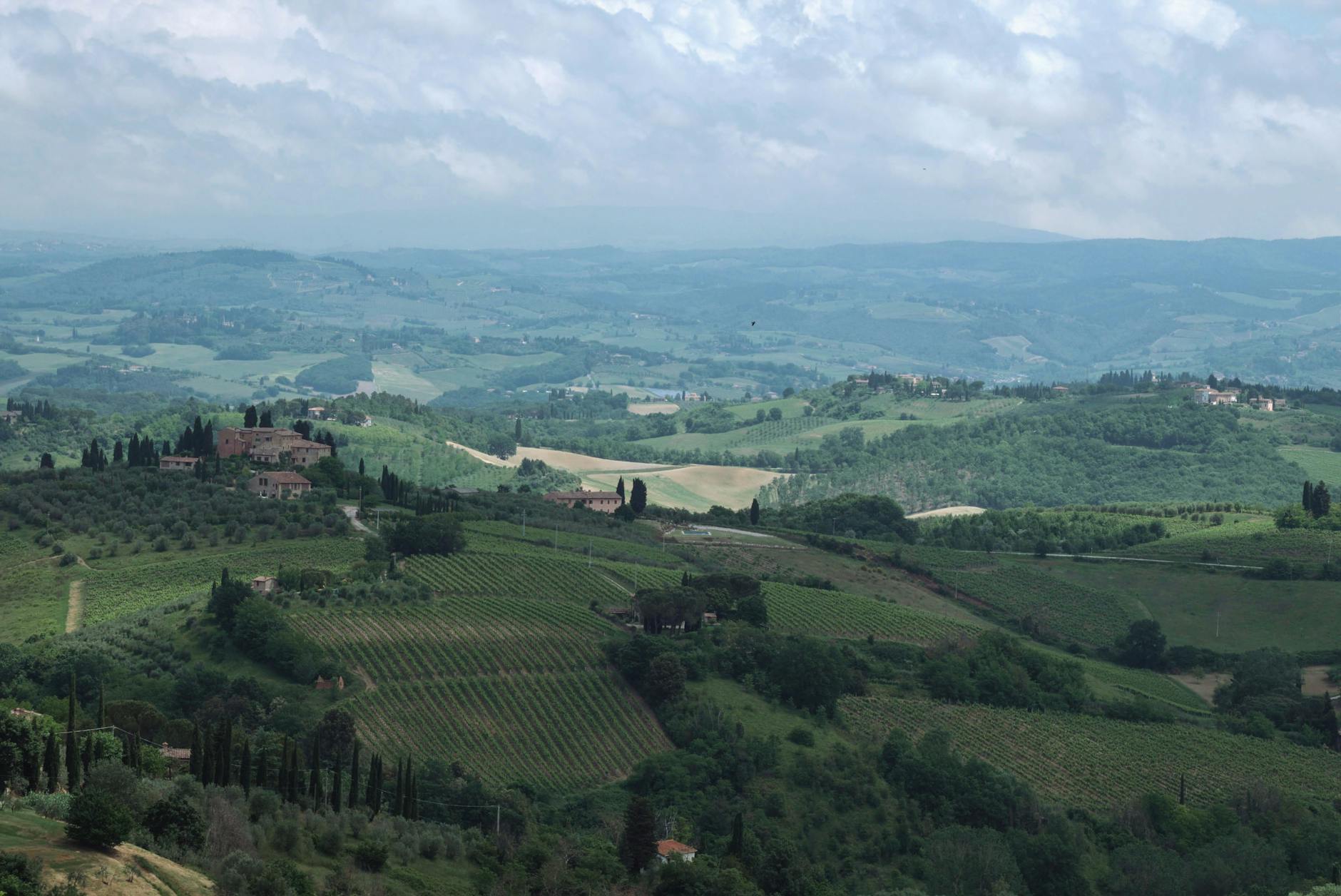
Where exactly are the Adelaide Hills?
The Adelaide Hills are the wooded ranges that rise straight up behind the city, part of the Mount Lofty Ranges. The beauty of them, and the reason they make such a good day trip, is sheer proximity: most of the headline villages sit within a half-hour drive of the city centre. Hahndorf, the best-known town, is about 28 kilometres from the CBD, a comfortable half hour up the freeway. Stirling, Aldgate and Crafers are even closer, barely twenty minutes from town. You really can have breakfast in the city and be wandering a Hills main street before the morning’s properly warmed up.
Because everything is so close together, the Hills reward a slow, loop-style approach rather than a single destination. The freeway is the spine; the fun is in peeling off it onto the back roads that wind between the villages. If you’re weighing the Hills against the other classic escapes, our overview of South Australia’s wine regions puts it in context alongside the Barossa and McLaren Vale, and you could just as easily pair a Hills morning with a Victor Harbor and Granite Island day trip further south if you’re feeling ambitious.
The villages: a quick tour
The character of a Hills day really comes from its villages, each with its own flavour. Here’s how I’d think about them.
Hahndorf
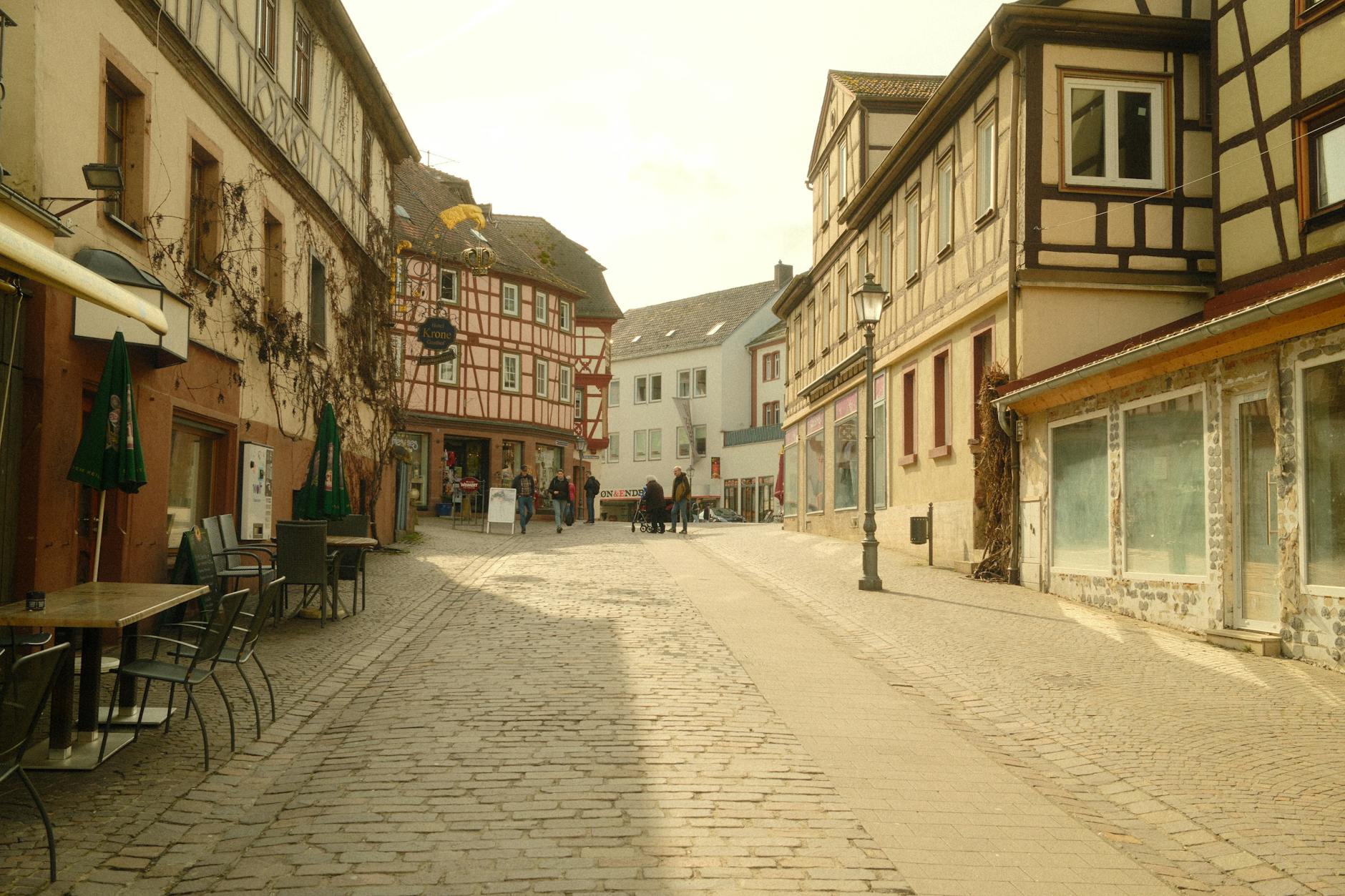
Hahndorf is the obvious starting point and Australia’s oldest surviving German settlement, founded back in 1839 by Lutheran migrants. Its leafy main street is lined with heritage buildings, beer halls and craft shops, and the German pubs, the Hahndorf Inn and the German Arms, do the schnitzels, pork knuckle and bratwurst you’d hope for. It’s touristy, no question, but it earns it. Because Hahndorf deserves a day of its own, I’ve kept it brief here, our dedicated Hahndorf day trip guide walks you through the best of the main street, where to eat and what to skip. Just out of town, Beerenberg Farm does pick-your-own strawberries from roughly November to April, which is a brilliant cheap thrill with kids.
Stirling and Aldgate
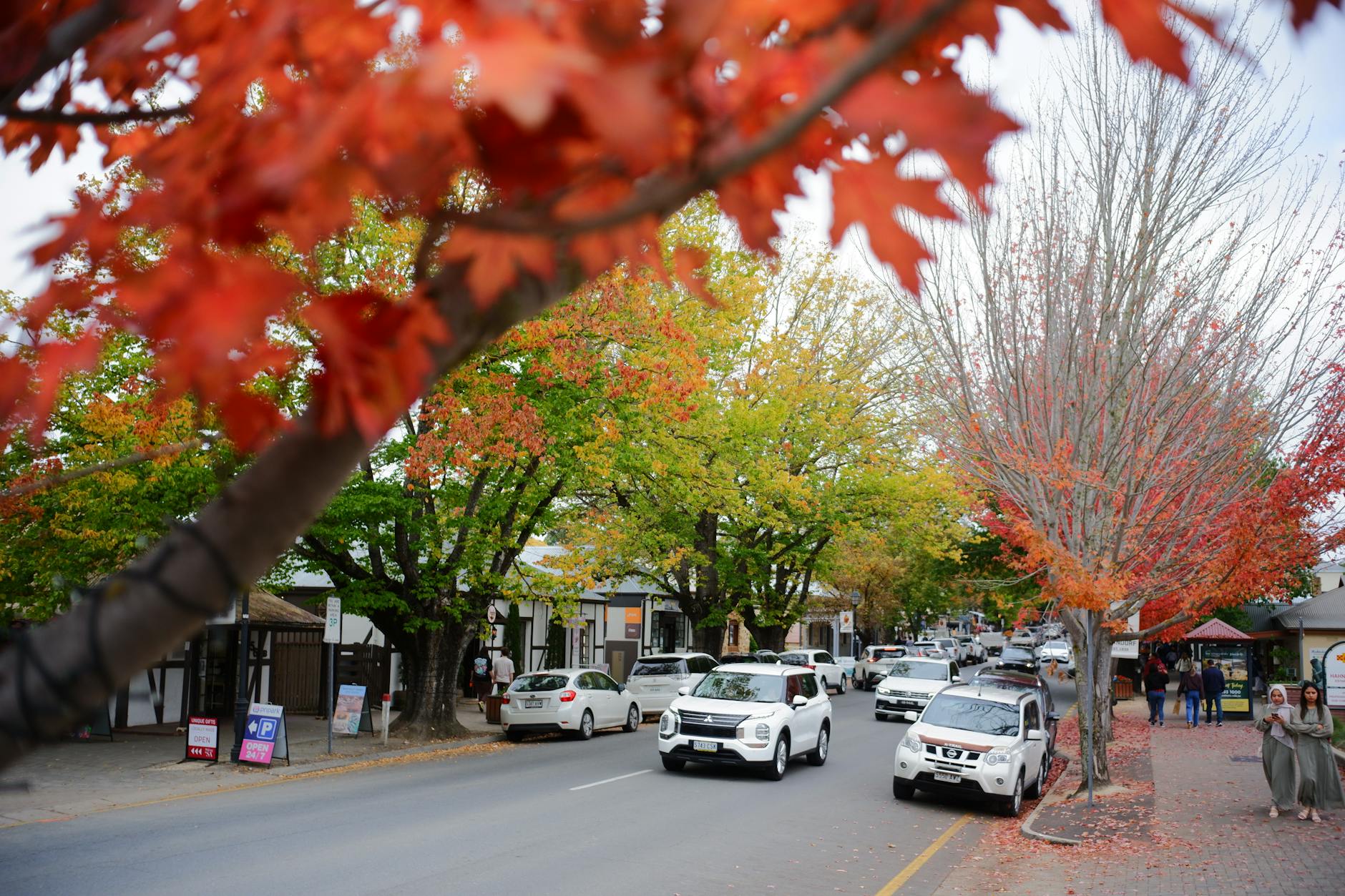
If Hahndorf is the showpiece, Stirling is where I’d actually choose to linger. It’s the leafy, slightly genteel village famous for its European deciduous trees, which means in autumn the main street turns gold, amber and crimson in a way that feels distinctly un-Australian. The boutiques and cafes are excellent, and the Stirling Markets pop up on the fourth Sunday of most months. Neighbouring Aldgate is smaller and quieter, with a good pub and a village green, the sort of place you stop for a coffee and end up staying an hour.
Bridgewater, Crafers and Uraidla
Bridgewater is worth a stop for the old Bridgewater Mill, a restored flour mill with its huge working waterwheel turning beside the road. Crafers sits right at the top of the freeway and is the gateway to Mount Lofty, handy as a base for the summit and the botanic garden. Then there’s Uraidla, a tiny hilltop hamlet that’s quietly become one of the foodiest spots in the Hills, with a brewery, a superb bakery and a genuinely good pub. Summertown nearby is cidery and winery country.
Lobethal
Lobethal is another historic German-founded town, set a little deeper into the Hills. It’s best known for the Lights of Lobethal, a community Christmas-lights tradition that draws crowds every December, and for the Lobethal Bierhaus, a microbrewery in an old woollen-mill building that does proper Hills beer and hearty plates. It’s a good anchor if you’re exploring the eastern, more rural side of the region.
Mount Lofty Summit: the view that sells the Hills
If you do one thing in the Adelaide Hills, make it Mount Lofty Summit. At 727 metres it’s the highest point in the southern Mount Lofty Ranges, and the lookout serves up a sweeping panorama right across Adelaide to the coast and Gulf St Vincent beyond. On a clear day you can pick out the CBD towers, the suburbs spreading to the sea, and ships out on the water. There’s a cafe and visitor centre up top, and it’s free to visit, just bring a layer, because it’s reliably cooler and windier than the city below.
For the energetic, the summit links to Waterfall Gully by a well-worn walking trail, a steep but spectacular descent of around 4.5 kilometres one way through stringybark forest to the waterfall at the bottom. Plenty of locals do it as a return hike for the workout. I’ve covered the route, the gradient and where to park in our full Mount Lofty to Waterfall Gully hike guide, so check that before you lace up. Sunset from the summit is one of Adelaide’s great free pleasures; time your day to finish here and you won’t regret it.
Mount Lofty Botanic Garden
Just below the summit, the Mount Lofty Botanic Garden is a cool-climate garden that comes into its own in autumn, when its maples, oaks and exotic plantings put on a colour show that draws photographers from all over the state. Spring is lovely too, with magnolias, rhododendrons and camellias in bloom. Entry is free, the paths wind down through gullies and around a lake, and it’s a peaceful counterpoint to the busier village strips. If chasing the seasonal colour is your thing, our guide to Adelaide in autumn explains exactly when the Hills peak and why this is the best time of year to come up.
Cleland Wildlife Park: meet a koala
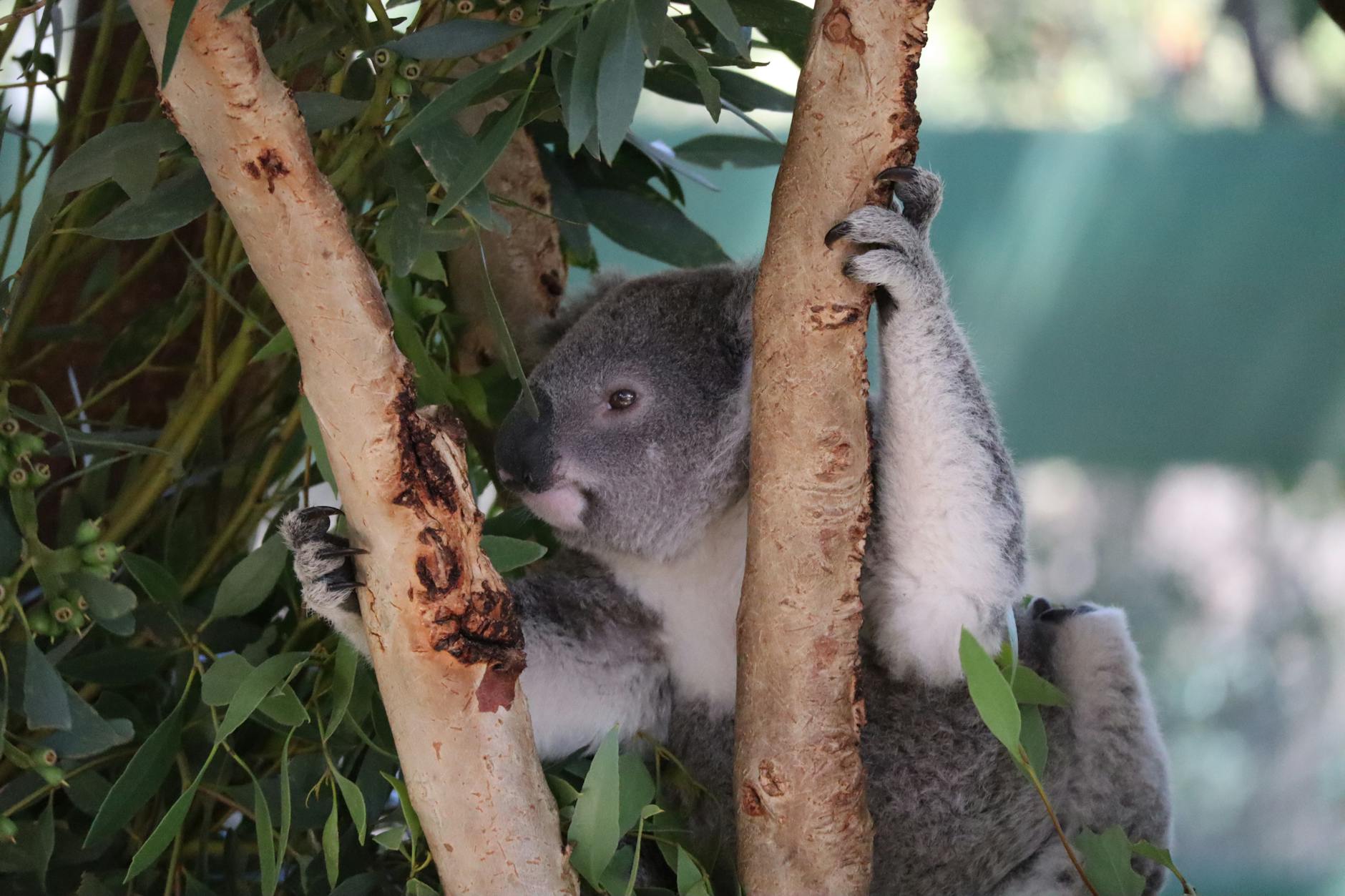
Tucked into the bush near the summit, Cleland Wildlife Park is where you go to get genuinely close to Australian animals. You can walk among kangaroos and wallabies, see dingoes, emus, potoroos and a huge aviary of birds, and, the headline act, have your photo taken holding a koala at set times during the day. It’s one of the few places in the country where that’s still possible, and it’s a guaranteed hit with kids and overseas visitors. It’s a working conservation park rather than a slick theme park, which I much prefer. Hold-a-koala sessions and entry times change with the seasons, so check current times and book the koala experience ahead, and read our full Cleland Wildlife Park guide for what to expect and how to plan your visit.
Cool-climate wineries
The Adelaide Hills is South Australia’s cool-climate wine region, and it makes a completely different style of wine to the big reds of the Barossa Valley just over the hill. Up here the altitude and cooler air suit elegant chardonnay, sauvignon blanc, pinot noir and increasingly good sparkling, fresher, brighter, more restrained. Cellar doors are dotted through the hills and gullies, many of them small family operations with a view over the vines and a wood fire going in winter. Deviation Road is a standout for sparkling; there are dozens more worth your time.
I won’t list them all here because we’ve done that properly in our Adelaide Hills wine guide, which maps out the best cellar doors and how to string them together. The one rule I’ll repeat: if you’re tasting, sort a designated driver or join a tour. The Hills roads are winding and the police do patrol them. Tasting fees are common now and usually waived with a purchase, so factor that in. For a winery-focused day you’ll want a plan; the wine guide has the routes.
Culture and produce: The Cedars, cheese and cider
The Hills aren’t only villages and views. The Cedars, near Hahndorf, is the former home, studio and gallery of Sir Hans Heysen, one of Australia’s most celebrated landscape painters. You can tour the house and the light-filled studio where he worked and see why the Hills landscape so obsessed him, the gum trees he painted are still standing on the property. It’s a lovely, unhurried stop for anyone with a soft spot for art or history.
Then there’s the food. The Adelaide Hills is serious produce country. Udder Delights at Hahndorf is the local cheese institution, with a cheese cellar and a cafe doing fondue and cheese boards. This is apple and cider country too, with orchards and cider houses scattered through the cooler reaches, the legacy of a long fruit-growing history. Farmers markets are a Hills staple; the Adelaide Hills Farmers Market runs weekly at Mount Barker on Saturday mornings, and the produce is exceptional. Add the Lobethal Bierhaus for beer and you’ve got the makings of a very indulgent day. If you’d rather make a weekend of all this eating and drinking, our Adelaide Hills accommodation guide covers the cottages, B&Bs and luxury stays.
A suggested scenic-drive loop
Here’s the loop I’d hand a first-timer. From the city, take the freeway up to the Crafers exit and head straight to Mount Lofty Summit while the morning light is still soft and the lookout is quiet. From there it’s a short hop to the Mount Lofty Botanic Garden, then down to Cleland Wildlife Park to meet the locals. Drop into Stirling for lunch and a wander among the boutiques, then meander the back roads through Aldgate and Bridgewater, stopping at the old mill, on your way to Hahndorf. Spend the late afternoon on Hahndorf’s main street, pick up cheese and produce, and if there’s time and a sober driver, swing through a cellar door or two on the way out. Loop back to the freeway and you’re home for dinner.
That’s the classic version. If you’d rather chase autumn colour, weight the day towards Stirling and the botanic garden. If you’re travelling with kids, lead with Cleland and Beerenberg’s strawberry picking. The Hills are flexible like that, which is exactly why they make such a good repeat trip. For where the Hills fit into a broader Adelaide visit, our roundup of the best things to do in Adelaide helps you balance city days against escapes like this one.
A sample day in the Adelaide Hills
To make it concrete, here’s a realistic single day. Leave the city around 9am and drive to Mount Lofty Summit for the view and a coffee at the cafe. By mid-morning, wander the Mount Lofty Botanic Garden, then spend an hour or so at Cleland Wildlife Park, timing it for a koala photo session. Around midday, drive down to Stirling for a relaxed lunch and a poke through the shops. In the early afternoon, take the scenic back roads to Hahndorf, stopping at Udder Delights for cheese. Spend the late afternoon on the Hahndorf main street, then, if you’ve a designated driver, finish with a tasting at a nearby cellar door before heading back down the freeway. It’s a full day, but an unhurried one, and you’ll have seen the best of the region.
Doing the Hills without a car
You can absolutely visit the Adelaide Hills without your own wheels, though a car makes the loop far easier. Public buses run from the city to Hahndorf, Stirling and Mount Barker, so a single-village day, say, Hahndorf or Stirling, is very doable on the metro network; just check current timetables, because Hills services are less frequent than city routes. To string several stops together, though, you’ll want either a hire car or a tour. Plenty of operators run small-group Adelaide Hills day tours from the city that bundle Hahndorf, a winery or two and often Mount Lofty or Cleland, ideal if you want to taste wine without worrying about driving. Tour prices and itineraries change, so check current options when you book.
If you’d rather have the freedom to set your own pace, hiring a car is the way to go, and it’s straightforward here; our Adelaide car rental guide covers the practicalities. For the bigger picture of getting around the state, the Adelaide travel guide ties the transport options together.
When to go: the best seasons
The Hills are good year-round, but two seasons stand out. Autumn (March to May) is the showstopper, when the deciduous trees in Stirling and the Mount Lofty Botanic Garden turn brilliant shades of red and gold, the air is crisp and the harvest is on in the wineries. It’s my favourite time to come up, and it’s no secret, so weekends get busy; for the full seasonal breakdown, see our guide to the best time to visit Adelaide. Spring (September to November) is the other sweet spot, with blossom, wildflowers, mild days and strawberry picking starting at Beerenberg. Winter is atmospheric in its own way, cool, often misty, with wood fires in the cellar doors and the Winter Reds wine weekend, while summer is warm and good for exploring but lacks the seasonal drama. Whenever you come, pack a layer; the Hills are reliably several degrees cooler than the city, and the weather can turn quickly up high.
Practical tips for your Adelaide Hills day trip
A few things I’d tell any visitor before they set off. The drive up the freeway is short, roughly 20 to 30 minutes to the first villages, but the back roads between towns are winding and slower than the map suggests, so don’t over-schedule. Petrol is cheaper in the city than in the Hills, so fill up before you leave. Bring layers and decent shoes if you plan to walk the summit trail or the botanic garden. Book ahead for the Cleland koala experience and for any winery lunch on a weekend. Many cellar doors and smaller venues close earlier than city places, so do your tastings and shopping before late afternoon. And remember the golden rule of any wine-country day: if you’re drinking, you’re not driving, so sort that out before you go. With a little planning, the Hills deliver one of the best-value, most varied day trips in South Australia, all within sight of the city you started from.
Frequently asked questions
How far is the Adelaide Hills from the city?
The Adelaide Hills begin just behind the city, with the closest villages like Crafers, Stirling and Aldgate only about 20 minutes up the South Eastern Freeway from the CBD. Hahndorf, the best-known town, is around 28 kilometres away, roughly a half-hour drive. Because everything sits so close together, the Hills make an easy day trip and you can comfortably visit several villages in a single outing.
What is the best time of year to visit the Adelaide Hills?
Autumn (March to May) is the standout, when the deciduous trees in Stirling and the Mount Lofty Botanic Garden turn spectacular shades of red and gold and the wine harvest is on. Spring (September to November) is the other favourite, with blossom, wildflowers, mild weather and the start of strawberry picking. Winter brings misty days, wood fires in the cellar doors and the Winter Reds weekend, while summer is warm and pleasant for exploring.
Can you visit the Adelaide Hills without a car?
Yes, but it limits how much you can see. Public buses run from the city to single villages like Hahndorf, Stirling and Mount Barker, so a one-town day is very doable on the metro network, though Hills services are less frequent than city routes. To string several stops together or to taste wine without driving, your best options are hiring a car or joining a small-group day tour from the city. Check current timetables and tour itineraries when you plan.
What are the must-do things on an Adelaide Hills day trip?
The essentials are Mount Lofty Summit for its sweeping city-to-coast views, the cool-climate Mount Lofty Botanic Garden, Cleland Wildlife Park where you can hold a koala, and a wander through the heritage German main street at Hahndorf. Add a stop in leafy Stirling, a cool-climate winery cellar door, and some local produce like Udder Delights cheese, and you’ve got a full and varied day.
Can you hold a koala in the Adelaide Hills?
Yes. Cleland Wildlife Park near Mount Lofty Summit is one of the few places in Australia where you can have your photo taken holding a koala, at set times during the day. You can also walk among kangaroos and wallabies and see dingoes, emus and native birds. Koala sessions and entry times vary by season, so check current times and book the koala experience ahead of your visit.
Is the Adelaide Hills a good wine region?
Very much so. The Adelaide Hills is South Australia’s premier cool-climate wine region, producing elegant chardonnay, sauvignon blanc, pinot noir and excellent sparkling wines, a contrast to the big reds of the nearby Barossa. Cellar doors are scattered through the gullies and many are small family operations with lovely views. If you plan to taste, arrange a designated driver or take a tour, as the winding Hills roads are patrolled.