Cleland Wildlife Park offers one of Australia’s most immersive native wildlife experiences, set within 35 hectares of natural bushland in the Adelaide Hills. Located just 20 minutes from Adelaide’s CBD at 365 Mount Lofty Summit Road, Crafers, this beloved sanctuary provides visitors with extraordinary opportunities to get up close with koalas, hand-feed kangaroos, and encounter more than 130 species of Australian native animals in spacious, naturalistic enclosures.
Unlike traditional zoos where animals are viewed from a distance behind barriers, Cleland Wildlife Park is designed around the philosophy of immersive interaction. Many of the park’s enclosures are walk-through habitats where visitors share space directly with the animals, creating genuine connections and unforgettable encounters that simply are not possible in conventional wildlife facilities.
Whether you are a family with young children, an international visitor eager for authentic Australian wildlife encounters, or a local looking for a nature-filled day out, Cleland Wildlife Park delivers experiences that educate, inspire, and delight. This comprehensive guide covers everything from ticket prices and koala experiences to insider tips for making the most of your 2026 visit.
Getting to Cleland Wildlife Park
Cleland Wildlife Park is located at 365 Mount Lofty Summit Road, Crafers, approximately 20 minutes from Adelaide’s CBD. The park sits within the Cleland Conservation Park on the slopes of Mount Lofty, meaning the drive to the park is scenic in itself, winding through native bushland as you climb into the Adelaide Hills.
By Car
The most popular option is driving via the South Eastern Freeway. Exit at Crafers and follow the signs to Mount Lofty Summit and Cleland Wildlife Park. Free parking is available at the park entrance. The drive takes approximately 20 minutes from the CBD in normal traffic conditions, making it one of Adelaide’s most accessible nature attractions.
By Public Transport
While public transport options are limited, you can take the 823 bus from the city to Crafers and then walk or taxi to the park entrance (approximately 2km). Alternatively, several tour operators offer packages that include transport from the city. Check our getting around Adelaide guide for more transport options.
By Tour
Several tour companies offer half-day and full-day packages that include Cleland Wildlife Park combined with other Hills attractions like Mount Lofty Summit, Hahndorf village, or Adelaide Hills wineries. These tours include hotel pickup and drop-off, making them ideal for visitors without a car.
Koala Experiences at Cleland
Koalas are undoubtedly Cleland Wildlife Park’s biggest drawcard, and the park offers multiple levels of koala interaction to suit different preferences and budgets. South Australia is one of the few Australian states where you can still hold a koala, making these experiences particularly special for international visitors.
Koala Close-Up (Free with Admission)
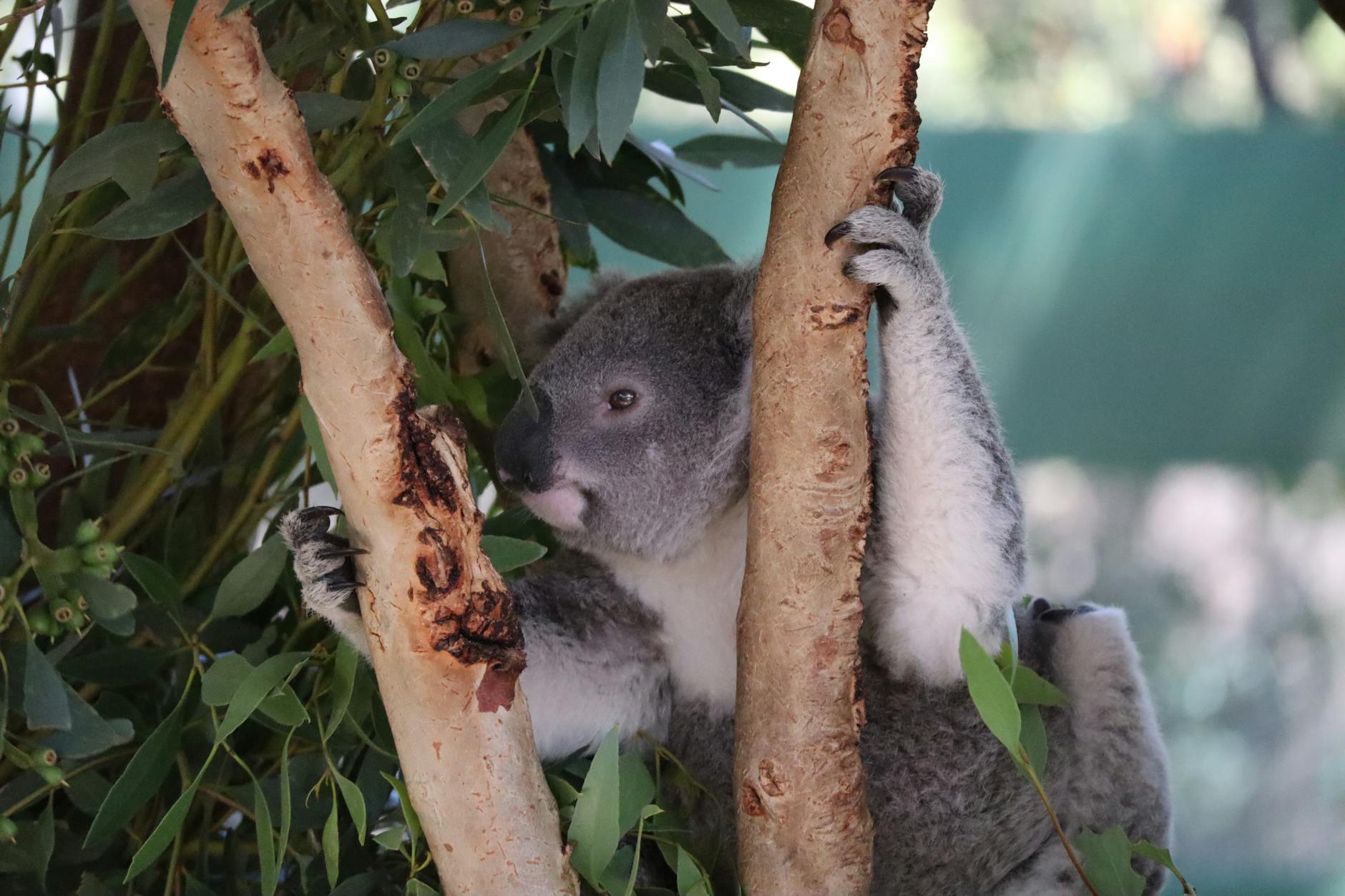
Included with your general admission ticket, the Koala Close-Up experience allows visitors to enter the koala habitat and observe these iconic marsupials at very close range. Park staff are on hand to share fascinating information about koala biology, behaviour, and conservation. While you cannot hold the koalas during this experience, you will be just centimetres away from these charismatic animals as they rest in their eucalyptus trees.
Meet A Koala Experience (From $35)
For a more intimate encounter, the Meet A Koala experience puts you face-to-face with one of the park’s ambassador koalas under the guidance of an experienced keeper. You will learn about the individual koala’s personality and history while having the opportunity for close-up photos. This is a small-group experience that provides personalised attention and plenty of time for questions about koala ecology and conservation efforts.
The Koala Loft
Cleland’s newest koala experience, the Koala Loft provides an elevated viewing platform that brings visitors to eye level with koalas in their tree canopy habitat. This innovative design allows you to observe natural koala behaviour from a completely new perspective—watching them feed, groom, and interact with each other as they would in the wild. The Koala Loft is accessible throughout the day and offers some of the park’s best photography opportunities.
Kangaroo and Wallaby Encounters
The kangaroo and wallaby areas at Cleland are among the park’s most popular zones, particularly for families and international visitors. These open walk-through habitats allow you to move freely among western grey kangaroos, red kangaroos, and several wallaby species, with bags of specially formulated feed available for purchase at the entrance.
The animals are accustomed to human presence and will often approach visitors directly, particularly when food is on offer. Early morning and late afternoon tend to be the most active feeding times, as kangaroos are naturally crepuscular (most active at dawn and dusk). The experience of having a large kangaroo eat gently from your hand is genuinely magical and creates wonderful photo opportunities.
Tips for the kangaroo enclosure include moving slowly and calmly, offering food on a flat palm, being patient if animals are resting during the heat of the day, and supervising young children to ensure gentle interactions. The wallabies tend to be slightly more skittish but equally rewarding to observe and photograph in their natural-feeling habitat.
Other Native Species to Discover
Beyond koalas and kangaroos, Cleland Wildlife Park houses an impressive diversity of Australian native wildlife. With more than 130 species represented, you could easily spend an entire day exploring the various habitats and encountering animals you will not find anywhere else in the world.
Birds
The aviary and wetland areas house an extraordinary collection of Australian birds, from colourful parrots and cockatoos to majestic wedge-tailed eagles and elegant black swans. The walk-through aviary allows close encounters with rainbow lorikeets, king parrots, and other species, while the wetland area attracts both captive and wild waterbirds creating a vibrant birdwatching experience.
Reptiles
The reptile house features a range of Australian reptiles including blue-tongue lizards, shingleback lizards, various snake species, and freshwater turtles. Keeper talks in this area provide fascinating insights into reptile biology and the important ecological roles these often-misunderstood animals play in maintaining healthy ecosystems.
Nocturnal House
One of the park’s most unique attractions, the Nocturnal House simulates nighttime conditions, allowing visitors to observe animals that are normally active only after dark. Here you can spot brush-tailed bettongs, greater bilbies, and various owl species going about their nightly activities—animals that most Australians have never seen in action.
Wombats and Emus
The wombat enclosure allows observation of these powerful, charismatic marsupials as they dig, forage, and rest in their burrow systems. The emu paddock provides opportunities to see Australia’s largest bird up close. Both species are fascinating to watch and photograph, with interpretive signage explaining their unique adaptations and ecological significance within Australian landscapes.
Dingoes and Tasmanian Devils
The park’s predator enclosures house Australian dingoes and Tasmanian devils in spacious habitats that replicate their natural environments. These viewing areas provide rare opportunities to observe these important apex predators, with keeper presentations explaining their ecological roles and the conservation challenges they face in modern Australia.
Walking Trails Within the Park
Cleland Wildlife Park incorporates several walking trails that wind through natural bushland, connecting the various animal exhibits while providing opportunities to spot wild birds and native plants. The trails range from flat, accessible paths suitable for wheelchairs and prams to more challenging routes that climb through native vegetation.
The bushland trail takes approximately 45 minutes and passes through representative examples of the Adelaide Hills native vegetation communities, including stringybark eucalyptus woodland, native grasslands, and riparian zones. Keep watch for wild birds, including kookaburras, superb fairy-wrens, and crimson rosellas, which are commonly spotted along the trails.
For more extensive walking, the park connects to the broader Cleland Conservation Park trail network, including tracks leading to Mount Lofty Summit (approximately 2km). This allows active visitors to combine their wildlife park experience with bushwalking—perfect for those who enjoy outdoor activities around Adelaide.
Keeper Talks and Educational Programs
Cleland Wildlife Park runs a daily schedule of keeper talks and feeding demonstrations that provide deeper insights into the animals and their conservation. These free presentations are conducted by experienced keepers who share stories about individual animals, explain natural behaviours, and discuss conservation challenges facing Australia’s native wildlife.
- Koala keeper talk: Learn about koala diet, sleep patterns, and conservation
- Raptor presentation: See birds of prey demonstrate their hunting abilities
- Reptile encounter: Get hands-on with blue-tongue lizards and other friendly species
- Kangaroo feeding time: Understand kangaroo social behaviour and biology
- Nocturnal animal spotlight: Discover the secret lives of Australia’s night creatures
- Wombat feeding: Watch these powerful diggers enjoy their afternoon meal
Seasonal programs and school holiday activities add extra value for families visiting with children. These might include wildlife art workshops, junior keeper experiences, behind-the-scenes tours, or themed nature walks designed for young explorers eager to learn about Australian wildlife.
Facilities and Practical Information
Ticket Prices and Opening Hours
General admission provides access to all standard exhibits and walk-through enclosures. The Koala Close-Up experience is included free with admission, while premium experiences like Meet A Koala require separate booking. Family passes offer good value for those visiting with children, and annual memberships are available for frequent visitors. The park is open daily from 9:30am to 5:00pm with last entry at 4:30pm.
Cafe and Gift Shop
The park’s cafe offers a range of light meals, snacks, and beverages, with both indoor and outdoor seating overlooking bushland. The menu includes kid-friendly options and quality coffee. The gift shop stocks Australian-made souvenirs, plush toys, educational books, and locally produced goods—perfect for finding unique mementos of your wildlife encounter.
Picnic Areas
Several shaded picnic areas throughout the park provide pleasant spots to enjoy a packed lunch surrounded by natural bushland. Barbecue facilities are available at some locations. Many families combine a wildlife park visit with a leisurely picnic, making it a full half-day or day experience that provides excellent value.
Accessibility
The main paths through Cleland Wildlife Park are accessible for wheelchairs and mobility devices, with accessible toilets available. Some bush trails have steeper sections that may be challenging. The park provides accessibility information on their website to help visitors plan their route through the exhibits.
Combining Cleland with Mount Lofty Summit
Mount Lofty Summit, the highest point in the Adelaide Hills at 727 metres, is located just 2km from Cleland Wildlife Park, making it natural to combine both attractions in a single visit. The summit offers breathtaking panoramic views over Adelaide, the coast, and the surrounding Hills landscape—on clear days you can see from the Flinders Ranges to the south coast.
The Mount Lofty Summit cafe and visitor centre provides information about the region, quality coffee and food, and stunning vista points. The short drive between the two attractions passes through beautiful native bushland, and there is also a walking trail connecting them for those who prefer to travel on foot.
This combination of wildlife encounters and spectacular scenery makes for one of Adelaide’s best half-day experiences, particularly for visitors wanting to see both native animals and the natural landscape of the Adelaide Hills. Consider adding a stop at a nearby cellar door to round out your Hills experience.
Tips for the Best Wildlife Encounters
Timing and approach can significantly impact the quality of your Cleland Wildlife Park experience. Here are insider tips to help you make the most of your visit.
- Visit early morning (9:30-11am) or late afternoon (3-5pm) when animals are most active
- Allow at least 2-3 hours for a comprehensive visit; half a day is ideal
- Check the daily keeper talk schedule upon arrival and plan your route accordingly
- Bring a good camera with zoom capability for wildlife photography
- Wear comfortable walking shoes suitable for bush trails
- Carry water and sun protection, especially during summer months
- Move slowly and quietly in animal enclosures for closer encounters
- Purchase animal feed from the entrance to enhance kangaroo and bird interactions
- Book premium koala experiences in advance, especially during school holidays
- Visit during cooler months (April-September) when animals are more active during the day
Visiting with Children
Cleland Wildlife Park is one of Adelaide’s premier family attractions, offering experiences that captivate children of all ages. The hands-on nature of the park—being able to touch, feed, and interact with animals rather than just observing from a distance—creates memorable experiences that children treasure. For more family-friendly ideas, explore our Adelaide with kids guide.
Young children particularly love the kangaroo feeding areas, where gentle animals approach at their own pace, creating magical moments of connection. The keeper talks are presented in an engaging, educational style accessible to younger audiences, and the park’s Junior Keeper program (during school holidays) allows older children to experience what it is like to care for native animals.
Practical considerations for families include the availability of prams on main paths, baby change facilities, a family-friendly cafe menu, and shaded rest areas throughout the park. The gift shop’s range of educational toys and books makes finding meaningful souvenirs easy for families wanting to extend the learning experience at home.
Conservation and Education
Cleland Wildlife Park plays an important role in conservation education and species management. The park participates in breeding programs for threatened species, conducts research into native animal welfare and behaviour, and educates thousands of visitors annually about the challenges facing Australia’s unique wildlife.
Revenue from admission fees and experiences directly supports the park’s conservation work, meaning every visit contributes to the protection of native species. The park’s educational programs reach thousands of school students each year, inspiring the next generation of conservation advocates and wildlife carers.
Recent conservation successes at Cleland include participation in breeding programs for endangered species and the development of new habitat areas that better replicate natural environments. The park continues to evolve its approach to animal welfare and visitor education, ensuring it remains at the forefront of wildlife conservation practice in Australia.
Final Thoughts
Cleland Wildlife Park delivers one of Adelaide’s most rewarding visitor experiences, combining genuine wildlife encounters with natural bushland beauty and educational value. Whether you are holding a koala for the first time, hand-feeding a gentle kangaroo, or discovering the secret world of nocturnal animals, the park creates connections with Australian wildlife that stay with you long after the visit ends. Located just 20 minutes from the city and easily combined with other Adelaide Hills attractions, Cleland Wildlife Park deserves a place on every Adelaide itinerary. For more nature experiences, explore our guide to the best beaches in Adelaide or discover other things to do in Adelaide.
Making the Most of Your Cleland Visit
To get the most from your Cleland Wildlife Park experience, we recommend arriving when the gates open — animals are most active in the cooler morning hours, and you’ll have the walking trails largely to yourself before tour groups arrive mid-morning. Purchase a bag of animal feed from the visitor centre as you enter; this is the key to memorable kangaroo and wallaby encounters throughout the day. The grey kangaroos and red-necked wallabies in the free-range areas are remarkably gentle and will approach visitors holding feed, creating wonderful photo opportunities especially with young children.
The park’s layout follows a gentle loop trail that takes approximately two to three hours to complete at a relaxed pace, though families with young children often spend four hours or more exploring every enclosure and play area. The trail passes through diverse habitat zones that mirror South Australia’s natural environments, from open woodland where kangaroos graze to dense wetland areas home to waterbirds and the fascinating platypus exhibit. Keeper presentations run throughout the day at various enclosures — check the daily schedule board near the entrance to plan your route around talks that interest you most.
Photography enthusiasts will find Cleland a rewarding destination. The natural bushland setting provides far more attractive backdrops than typical zoo environments, and the animals’ comfort around people allows for remarkably close-range shots without telephoto lenses. Early morning and late afternoon light filtering through the eucalyptus canopy creates magical conditions, particularly in the kangaroo meadow and along the wetland boardwalk. For the best koala photographs, visit the Koala Loft where elevated walkways bring you to eye level with these beloved marsupials nestled in their favourite fork-shaped branches.
Combining Cleland with a visit to nearby Mount Lofty Summit makes for a full half-day excursion. The summit lookout sits just a five-minute drive from the wildlife park entrance and offers sweeping 360-degree panoramas across Adelaide, the coast, and the Adelaide Hills hinterland. The Summit Café serves excellent coffee and light meals with views, while the Mount Lofty Botanic Garden (free entry) descends the hillside in a series of beautifully curated garden rooms featuring rhododendrons, ferns, magnolias, and exotic species from around the world. Together, Cleland and Mt Lofty represent one of Adelaide’s most satisfying half-day itineraries for visitors of all ages.
Seasonal events add another dimension to the Cleland experience. During school holidays, the park runs special programs including behind-the-scenes keeper experiences, wildlife art workshops, and extended evening openings where visitors can observe nocturnal animals becoming active at dusk. The annual Wildlife Photography competition draws entries from across Australia, and the winning images are displayed in a temporary exhibition at the visitor centre. Spring brings breeding season activity — keep your eyes open for joey heads poking from pouches and fluffy chick hatchlings in the bird aviaries.
For tickets, directions, and the latest events, visit the Cleland Wildlife Park official website. Combine your visit with a stop at Mount Lofty Botanic Garden just minutes away. South Australia Tourism offers visitor tips, while Visit Adelaide Hills helps plan your wider Hills itinerary. Transport information is available from Adelaide Metro for bus routes to the park.