Adelaide is one of the few capital cities in the world where you can be off the plane, through baggage claim and standing in a hotel lobby in the middle of town in under half an hour. The airport sits about 7km west of the city, there is one terminal rather than five, and the road in runs more or less straight. That ease is the first useful thing to know about arriving in Adelaide — whichever way you come in, the last leg is short. The second useful thing is that the other three arrival points are considerably more spread out, and a cruise passenger or a rail traveller who assumes the same convenience will be caught out.
This guide covers all four ways into the city: the airport, the Outer Harbor cruise terminal, the Adelaide Parklands Terminal for the long-distance trains, and the drive in from interstate. It sets out what each one costs, how long the transfer really takes, what is open at what hour, and the handful of things that catch first-time arrivals — including the visa rule that stops layover passengers leaving the terminal. Fares and hours were checked in September 2026; treat the dollar figures as the right order of magnitude and confirm the current price on the operator’s own site before you travel.
Arrival costs at a glance
| Arrival point | Distance to CBD | Best transfer | Typical cost (A$) | Time |
|---|---|---|---|---|
| Adelaide Airport (ADL) | 7km | Taxi, or the J1 bus | ~18 taxi · ~4 bus | 15-25 min |
| Adelaide Airport | 7km | Rideshare | 15-30 | 15-25 min |
| Outer Harbor cruise terminal | 23km | Train from Outer Harbor station | ~10 cruise metroCARD | ~45 min |
| Outer Harbor cruise terminal | 23km | Taxi or pre-booked transfer | 60-90 | 30-40 min |
| Adelaide Parklands Terminal | 2km | Coach transfer or taxi | 15-25 taxi | 10 min |
| Driving from Melbourne | 730km | Dukes Highway | Fuel plus tolls (none) | 8-9 hrs |
The pattern is clear enough: the airport is cheap and quick, the cruise terminal is neither, and the train terminal is close but poorly served by public transport. Plan accordingly.
Adelaide Airport
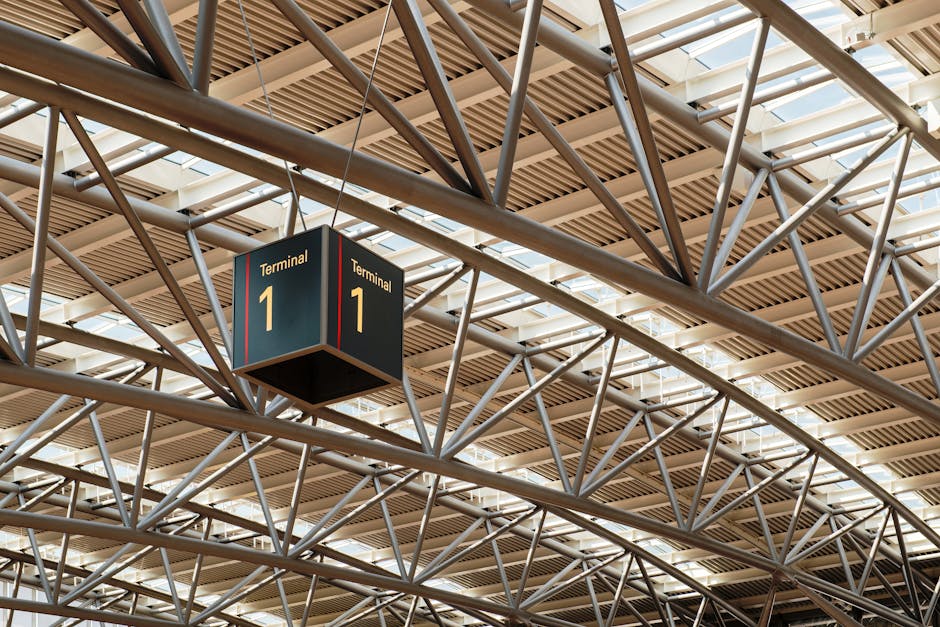
Adelaide Airport (code ADL) handles all international and domestic flights through a single building. It runs about 0.9km end to end, has 27 aircraft stands including A380-capable bays, and 14 glass-sided aerobridges. Domestic gates sit at one end, international at the other, and you walk between them on the same concourse — there is no shuttle, no landside transfer and no second terminal to find. Anyone used to Sydney or Melbourne will find this disorienting in a good way.
The terminal is open from 03:15 to 23:30. It is not a 24-hour building, which matters if you land on a delayed late flight or plan to sleep before an early departure: you will be moved out at closing. The quiet seating is near Gates 16-18, and that is where to head if you have hours to fill.
Clearing immigration and customs
International arrivals clear immigration, collect bags and pass through biosecurity. Australia’s biosecurity rules are strict and enforced, not theatrical: declare all food, plant material, wooden items, and anything that has been on a farm. Declaring something is free and takes a minute; failing to declare it carries a substantial on-the-spot fine. Eligible passport holders can use the SmartGate ePassport lanes, which cut the queue considerably.
Adelaide’s international arrival banks are small compared with the eastern capitals, so the hall clears quickly. Twenty to thirty minutes from wheels-down to kerbside is normal; an hour is a bad day.
Getting from the airport into the city
Four realistic options, in ascending order of cost.
- The J1 bus is the public-transport answer. It runs from the terminal to the CBD in one direction and to Glenelg in the other, so for a few dollars on a metroCARD you can go either to the city or straight to the beach. It is the cheapest transfer in any Australian capital and it is genuinely usable with luggage.
- Taxi from the rank outside arrivals runs around A$18 on the meter for the CBD, plus airport access fees and late-night surcharges. There is rarely a queue.
- Rideshare pick-up is signposted from arrivals and typically lands in the A$15-30 band depending on demand.
- Car rental desks are in the terminal with the cars in the adjacent multi-storey. If you are heading straight to the Barossa, McLaren Vale or the Hills, collecting a car here rather than in the city saves you the CBD one-way grid entirely.
Our dedicated Adelaide airport to city guide has the stop-by-stop bus detail, current fare structure and the rank locations; car rental in Adelaide covers the companies, the insurance traps and the one-way options.
Parking
Five options, and the naming is straightforward for once. P1 Terminal is the multi-storey attached to the building, P2 Outdoor is the short-stay surface car park, P3 Long Term is the cheap one for trips of several days, and there are Valet and Meet & Greet services if you want to hand over the keys. P1 has 26 accessible bays — twelve on Level 2, six on Level 1 and four each on Levels 3 and 4 — all positioned beside the lifts and marked with blue guidance lights.
Book long-term parking online in advance. The drive-up rate at P3 is noticeably worse than the pre-booked rate, and for a week away the difference is real money.
Lounges
The REX Lounge sits near Gate 10, the Virgin Australia Lounge opposite Gate 18, and the Qantas Club and Chairman’s Lounge on the Departures level near Gate 21. Paid single entry is sometimes available at the Qantas and Virgin lounges, but the price and the rules move constantly — check the airline’s own page on the day rather than relying on any article, this one included.
Layovers: the rule that catches people
If you are transiting through Adelaide on an international itinerary, you cannot leave the airport without a valid Australian visa. There is no transit-lounge exit, no “just for a few hours” exception at immigration. Australia does have a Transit visa for some nationalities and an ETA or eVisitor for others, but you need it before you fly, not on arrival. This is the single most common mistake international travellers make with Adelaide, and it is worth confirming your own passport’s position weeks ahead rather than at the gate.
If you do have the visa and four or more hours to spend, the city is close enough to be worth it: taxi in, walk North Terrace, eat at the Central Market, taxi back. Anything under three hours, stay in the terminal.
Accessibility
The terminal is step-free throughout with lifts between levels, accessible toilets on both levels, and a Changing Places facility. Accessible parking is as described above. Assistance needs to be arranged through your airline in advance rather than requested on arrival — the airport does not staff it directly.
Arriving by cruise ship: Outer Harbor
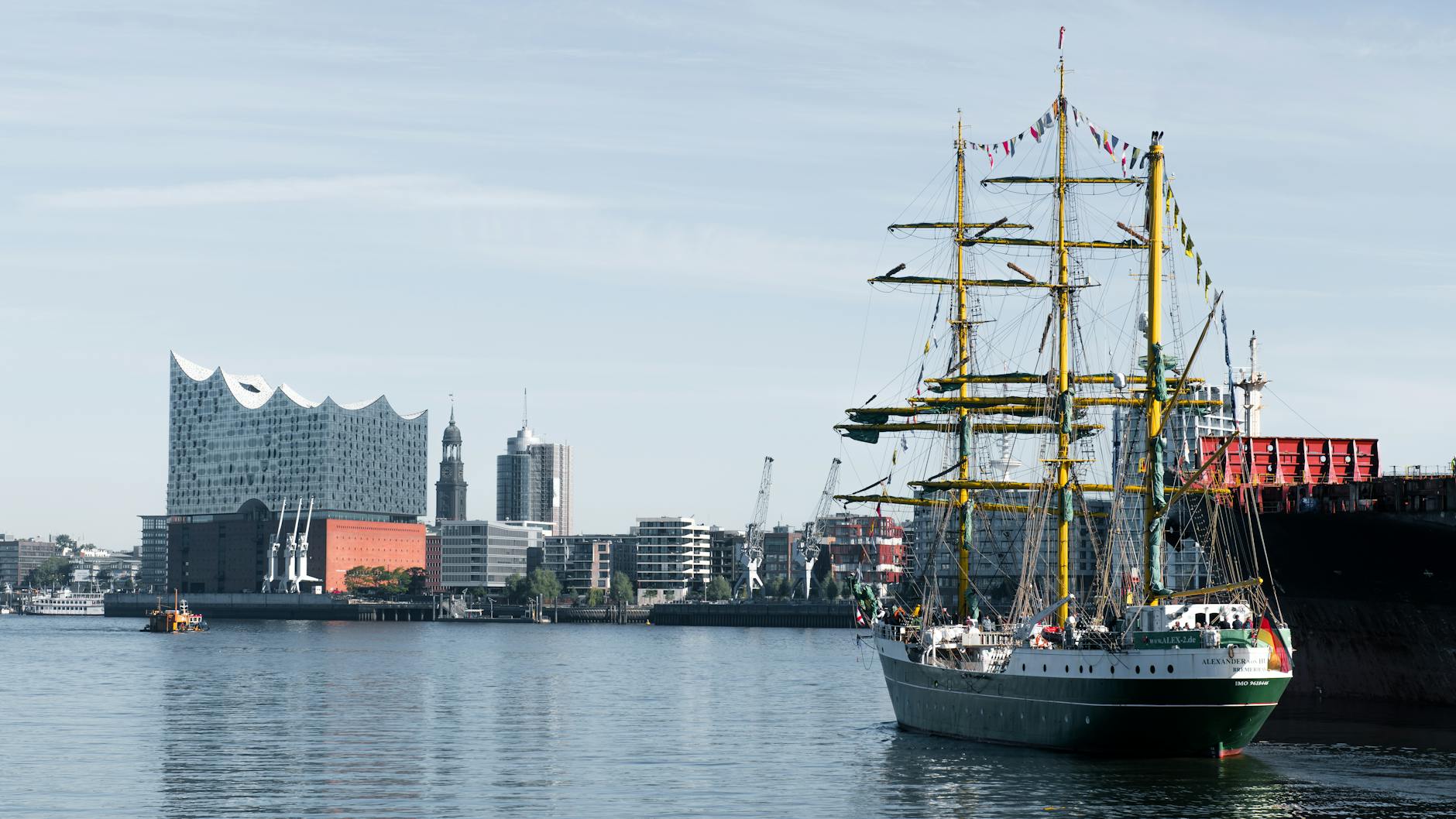
Cruise ships berth at the Port Adelaide Passenger Terminal on Oliver Rogers Road, Outer Harbor, at the tip of the Le Fevre Peninsula. It is 23km — about 14 miles — from the CBD, and that distance is the thing to internalise before you plan a day ashore. This is not a walk-off-and-you-are-there port.
The terminal itself is modest but functional: a visitor information desk, souvenir shops, free Wi-Fi, toilets and an ATM. What it does not have is parking. There are a handful of fifteen-minute bays and some limited free off-road parking in the parklands opposite, and that is all — if someone is collecting you, arrange a specific meeting time rather than assuming they can wait.
Getting from the ship into Adelaide
The best answer is the train. Outer Harbor railway station is 150 to 200 metres from the terminal, directly opposite on Oliver Rogers Road, and runs regular services to Adelaide Railway Station on North Terrace in around 45 minutes. On cruise days, Adelaide Metro staff sell a A$10 cruise metroCARD at the station, which gives you a full day of unlimited travel on buses, trains and trams. For a day in port that is an outstanding deal: it covers the run into the city, the tram out to Glenelg, and the trip back.
Taxis meet arriving ships but are not always plentiful, and a fare into the city sits in the A$60-90 range. Ship-organised shore excursions and shuttles work and are the low-stress choice, but the pricing reflects that. If you are mobile and comfortable with a train, the A$10 card is hard to argue with.
What is actually reachable in a day ashore
From Outer Harbor, the realistic radius is smaller than the brochure suggests. The Barossa is about 90 minutes away by road, and so is Victor Harbor — both are doable with an organised tour but tight independently. Port Adelaide itself is a fifteen-minute train ride and has the maritime museum, the Wonderwalls murals and dolphin-watching cruises on the Port River; our Port Adelaide guide covers it properly and it is badly underrated as a short-day option. The city and Glenelg are both comfortable. Kangaroo Island is not.
Driving to the terminal
If you are joining a ship rather than leaving one, take the A7 or A9 to Port Adelaide, then the A16 out to Outer Harbor. Allow 40 minutes from the CBD and more on a weekday morning. Given the parking situation, a taxi or a drop-off is the sensible plan.
Arriving by train
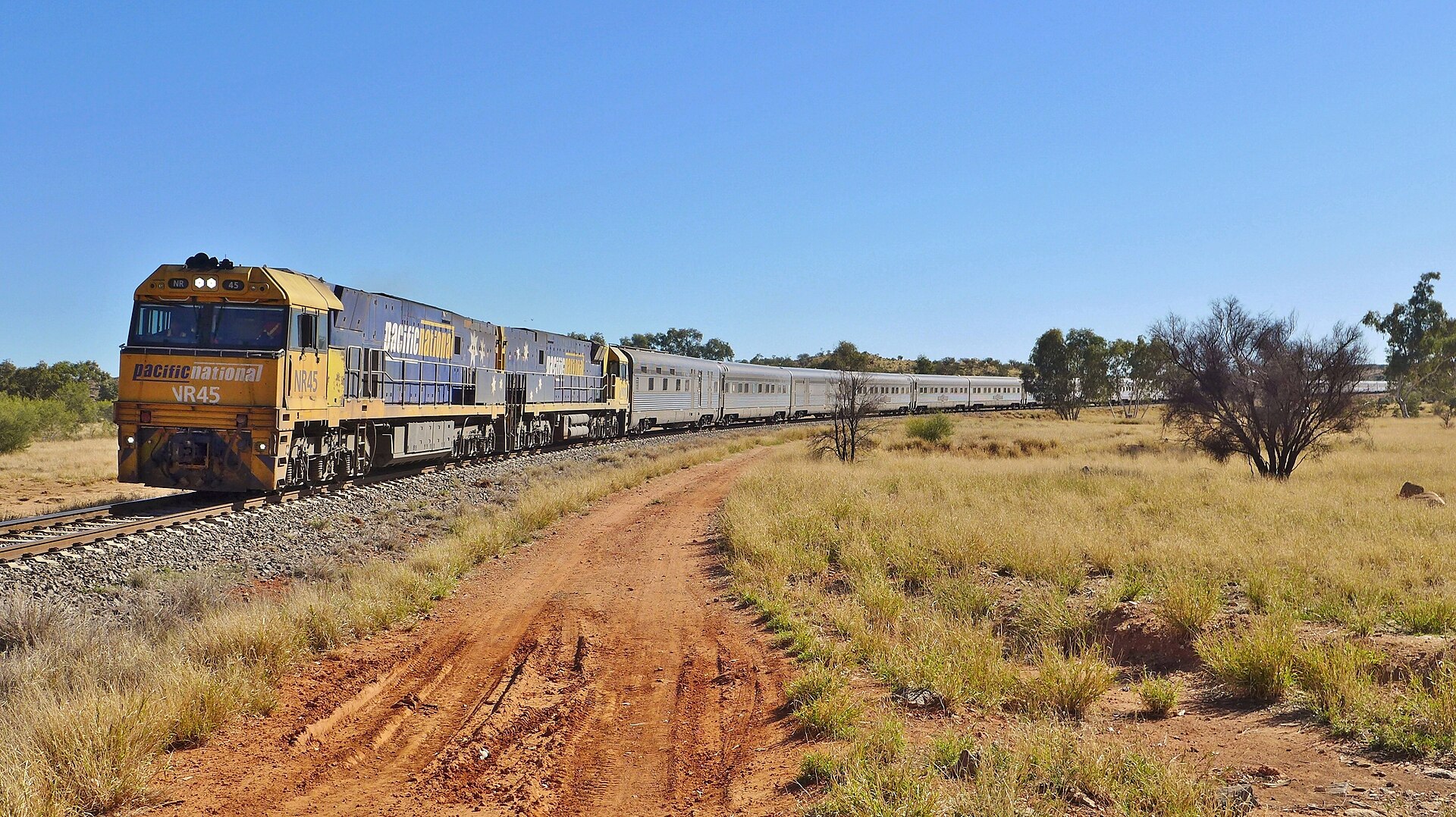
Adelaide is the junction of Australia’s two great long-distance rail journeys. The Ghan runs north to Darwin and the Indian Pacific runs east-west between Sydney and Perth, and both are operated by Journey Beyond Rail — which is why the carriages, cabins and restaurant cars are identical on each.
Critically, neither uses Adelaide Railway Station. Both arrive at and depart from the Adelaide Parklands Terminal in Keswick, about 2km south-west of the city centre. This trips people up regularly. Parklands Terminal is not on the suburban rail network in any useful way; you take a taxi, a rideshare or the coach transfer that Journey Beyond runs to and from central hotels. A taxi to the CBD is a A$15-25 job and takes ten minutes.
The Ghan
Adelaide to Darwin is 2,979km. The standard northbound service is three days and two nights; southbound takes four days and three nights, with the extra time spent on longer off-train excursions. Stops include most of a day in Alice Springs, plus Katherine and — depending on direction — Marla or Manguri. The Ghan Expedition adds a fourth day and a stop at Coober Pedy.
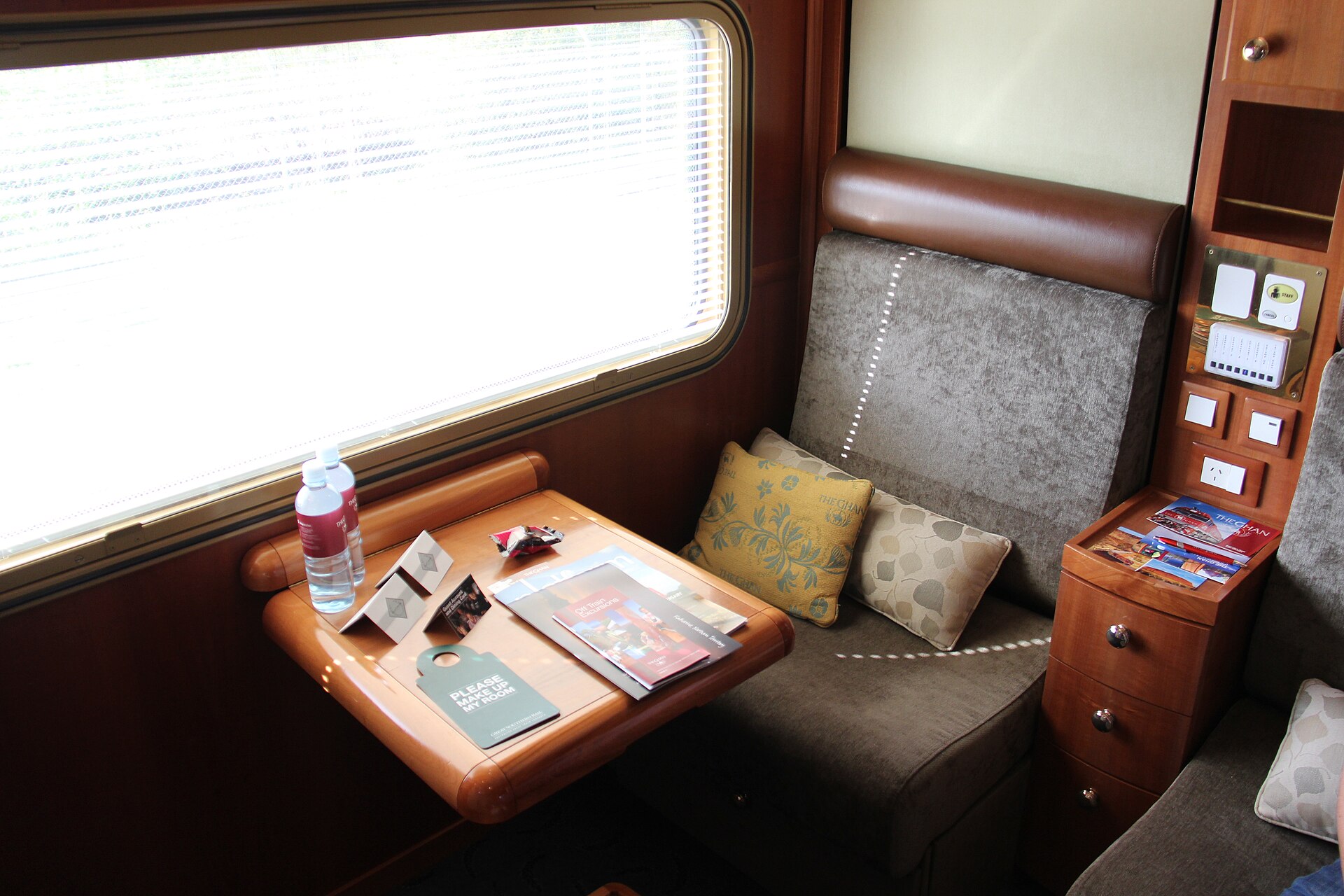
Indicative fares Adelaide to Darwin start around A$1,789 in Gold and A$3,319 in Platinum, all-inclusive of meals, drinks and off-train excursions. Those numbers move with season and demand, so verify before budgeting. Of the two great trains, the Ghan is the better sightseeing journey — the stops are longer and more interesting, and the country changes more.
Practicalities for rail arrivals
Journey Beyond’s coach transfers connect the terminal with a list of central hotels, and they are included or cheaply available depending on your fare class — worth taking, because Keswick is an awkward spot to stand with three days of luggage. If you are arriving in the morning and your hotel room is not ready, most CBD hotels will hold bags, and Adelaide Railway Station has lockers.
Arriving by road
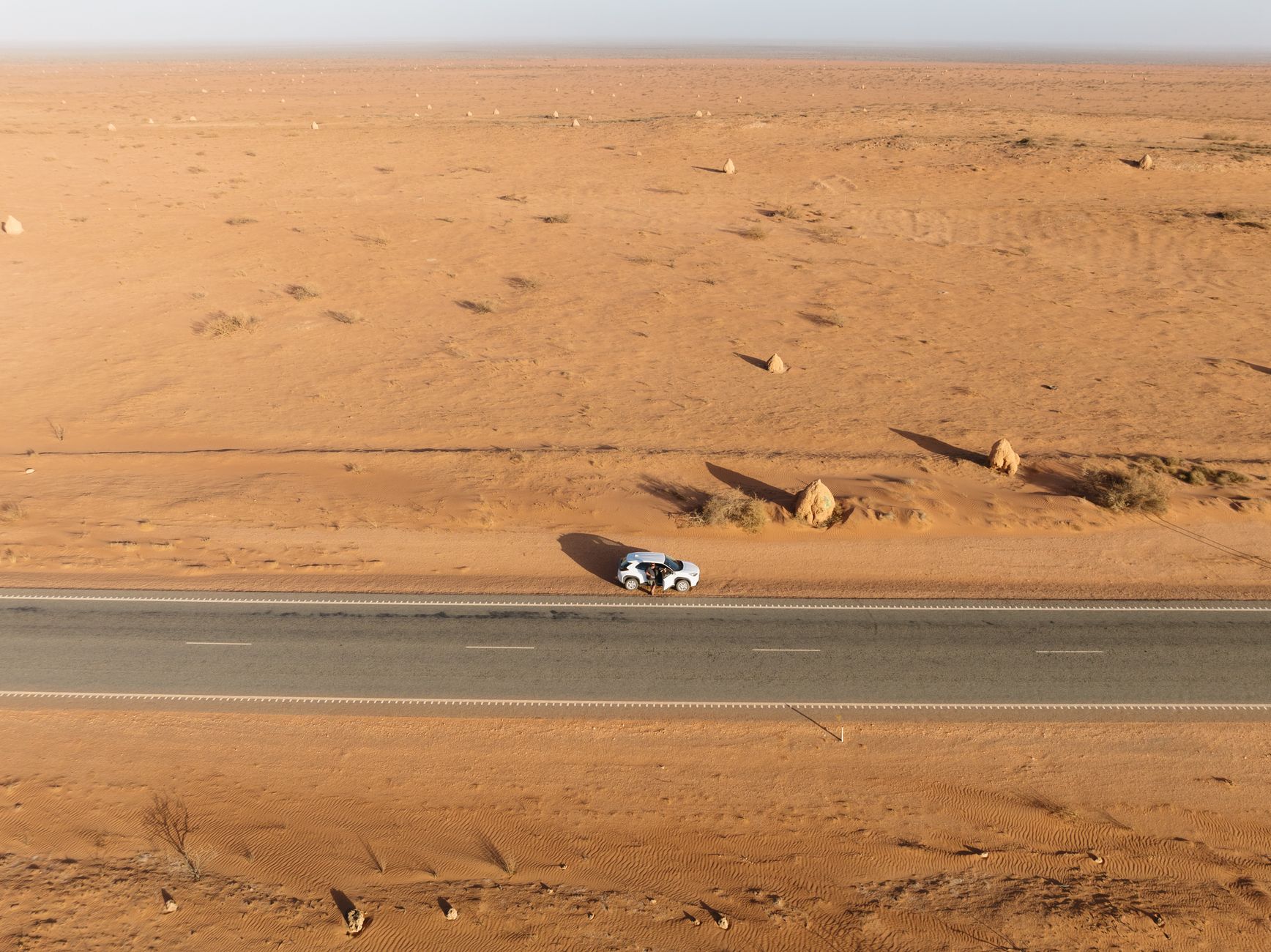
Driving into Adelaide is easy by capital-city standards. From Melbourne the direct route is the Dukes Highway via Bordertown and Tailem Bend — roughly 730km and eight to nine hours, on a road that is straight, sparsely trafficked and dull in the best possible way. The scenic alternative is the Great Ocean Road and the Limestone Coast, which turns the same trip into two or three days and is a far better use of them.
From Sydney it is about 1,400km via Mildura or the Hay Plain, realistically two days. From Melbourne or Sydney, the last hour into Adelaide comes over the South Eastern Freeway and down the Adelaide Hills escarpment — a long, steep descent with mandatory truck arrester beds and a hard-enforced 60km/h limit for heavy vehicles. Take it seriously in a loaded campervan.
Once in the city, the CBD is a one-mile grid ringed by parklands, so it is unusually easy to navigate and unusually easy to park badly. Read our driving in South Australia guide for road rules, fuel distances and the wildlife-at-dusk problem, which is not a cliché — kangaroos on regional roads at dawn and dusk cause a great many single-vehicle accidents every year.
Interstate coaches also run into Adelaide from Melbourne and Sydney, arriving at the Central Bus Station on Franklin Street in the CBD. Journey times are long — Melbourne is around ten hours — and operators and schedules change, so check current services rather than relying on a timetable you read months ago.
Arriving from elsewhere in South Australia
Not everyone reaches Adelaide from another state. If you are working your way around South Australia, three other arrival routes come up often enough to be worth setting out.
From Kangaroo Island, the ferry crosses Backstairs Passage between Penneshaw and Cape Jervis, a 45-minute run. Cape Jervis is then about 105km from Adelaide — roughly 90 minutes to two hours by road down the Fleurieu Peninsula. There is a connecting coach for foot passengers, but it turns a short crossing into a long day, so most people drive it or fly into Kingscote instead. Our Kangaroo Island from Adelaide guide has the full logistics.
From the Eyre Peninsula, Port Lincoln is a seven-hour drive around the top of Spencer Gulf or a 50-minute flight with Rex or QantasLink. The flight is not expensive by regional-Australia standards and it saves most of a day in each direction. Regional flights arrive at the same single terminal as everything else, so there is no separate country-airline building to find.
From the Flinders Ranges or the Outback, you come down the Princes or the Stuart Highway and the last stretch runs through Port Augusta and the mid-north. It is a long, empty drive with genuinely large gaps between fuel stops — plan the tank rather than assuming, and be off the road by dusk. See our Flinders Ranges road trip guide for the distances.
Landing at a difficult hour
Adelaide’s flight schedule bunches oddly. International arrivals from Asia and the Gulf tend to land late at night or very early in the morning, and domestic red-eyes from Perth put people on the kerbside at hours when the city is asleep. A few things to know if that is you.
- The terminal shuts at 23:30 and reopens at 03:15. If your inbound flight lands at 23:15 and you were planning to wait for a 06:00 connection inside, you will be asked to leave.
- Taxis meet scheduled arrivals at any hour, but the rank thins out fast once a flight has cleared. If you are last off the aircraft at 1am, book a rideshare from the gate rather than assuming a car will be waiting.
- The J1 does not run all night. Public transport into the city effectively stops in the small hours; check the last service before you rely on it.
- Adelaide is a quiet city after midnight, in a way Sydney and Melbourne are not. That is generally pleasant and occasionally inconvenient: a 24-hour supermarket is not a given, and hotel reception may be on a night bell rather than staffed. Tell your accommodation your arrival time in advance and you will avoid the only real problem here.
The flip side is that an early arrival is a gift in summer. Landing at 6am in January means you get the coolest four hours of the day, and the Central Market opens at seven.
Your first hour in the city
A short, practical checklist for the first sixty minutes after you land.
- A metroCARD. Buy one at the airport, the railway station or any newsagent. Adelaide Metro also takes contactless card payment on board, but a metroCARD is cheaper per trip and simpler if there are several of you.
- Know the free tram zone. Trams are free through the city centre between the Entertainment Centre and South Terrace, and free out to the Botanic Gardens. You do not need to tap on. Details in our free tram guide.
- A SIM or eSIM. Telstra has the best regional coverage by a wide margin, which matters the moment you leave the metropolitan area. Optus and Vodafone are fine in the city and cheaper.
- Cash is barely needed. Card is accepted essentially everywhere, including the Central Market and small cafés. Carry a little for country markets and honesty boxes at cellar doors.
- Water. Adelaide’s tap water is safe and free public fountains are common in the parklands and along North Terrace. In summer, carry a bottle from the moment you arrive.
Where to head first
If you land in the morning and cannot check in yet, drop your bags and walk North Terrace. The State Library, the South Australian Museum and the Art Gallery of South Australia sit in a row and all cost nothing to enter — see our North Terrace guide. If you land hungry, the Adelaide Central Market is a six-minute walk from Victoria Square and the single best introduction to the city. If you land in the afternoon and want to be somewhere that feels like a holiday immediately, take the tram to Glenelg and watch the sunset from the jetty.
For choosing a base, our where to stay in Adelaide guide sets out the trade-offs — CBD for walkability, North Adelaide for quiet and proximity to the Oval, Glenelg for the beach, and the Hills for a slower version of the whole trip.
What is not worth paying for
- Pre-booked private airport transfers. For a 7km run with a taxi rank that rarely has a queue, a transfer service is paying a premium for a problem Adelaide does not have. Book one only for a group with a lot of luggage or an accessible-vehicle requirement.
- Airport currency exchange. Rates at any airport are poor. Use an ATM in the terminal or a travel card.
- A hire car for a city-only stay. The CBD is walkable end to end in half an hour, parking is metered and the trams are free through the centre. Hire the car on the day you leave for the wine regions, not the day you land.
- Ship shore excursions to the Barossa if you are confident travelling independently. The A$10 cruise metroCARD plus a wine tour booked directly usually costs less and gives you a better day. If you are not confident, take the ship’s option — missing the all-aboard is an expensive way to save money.
- Airport lounge day passes on a short domestic connection. Adelaide’s terminal is small, quiet and has decent seating near Gates 16-18. You are paying for coffee.
Frequently asked questions
How far is Adelaide Airport from the city centre?
About 7km, or 15 to 25 minutes by road depending on traffic. A taxi is around A$18 on the meter plus airport fees, and the J1 bus does the same trip for a few dollars.
Does Adelaide Airport have separate domestic and international terminals?
No. One terminal handles both, with domestic gates at one end and international at the other, connected along a single concourse about 0.9km long. There is no landside transfer between them.
Is Adelaide Airport open 24 hours?
No. The terminal operates from 03:15 to 23:30. If you have an overnight gap, book a hotel rather than planning to sleep in the building.
Can I leave the airport during an international layover in Adelaide?
Only if you hold a valid Australian visa — an ETA, eVisitor or Transit visa as applicable to your passport. There is no visa-free transit exit. Arrange it before you fly.
How do I get from the Outer Harbor cruise terminal to Adelaide?
Walk 150-200 metres to Outer Harbor railway station and take the train, roughly 45 minutes to Adelaide Railway Station. On cruise days a A$10 cruise metroCARD sold at the station gives you unlimited travel for the day on trains, trams and buses. A taxi costs A$60-90.
Is there parking at the Adelaide cruise terminal?
Effectively no. There are a few fifteen-minute bays and some limited free parking in the parklands opposite, but no long-term parking. Arrange a drop-off or a taxi.
Which station does The Ghan leave from in Adelaide?
Adelaide Parklands Terminal at Keswick, about 2km south-west of the CBD — not Adelaide Railway Station on North Terrace. Journey Beyond runs coach transfers to and from central hotels, and a taxi to the city is A$15-25.
How long does it take to drive from Melbourne to Adelaide?
Around eight to nine hours on the direct Dukes Highway route, covering roughly 730km. Via the Great Ocean Road and the Limestone Coast, budget two to three days — and it is worth them.
Do I need a car in Adelaide?
Not for the city. The CBD grid is walkable, the trams are free through the centre and the suburban trains reach the beaches. You want a car for the wine regions, the Hills and anything beyond the metropolitan area — hire it for those days rather than for the whole trip.
Related Adelaide Guides
- Adelaide Airport to the City — every transfer option with current fares and stop locations.
- Getting Around Adelaide — trams, trains, buses, cycling and walking, compared.
- Adelaide Public Transport Guide — metroCARD, zones, timetables and night services.
- Car Rental in Adelaide — where to collect, what to decline, one-way options.
- Driving in South Australia — distances, fuel, road rules and wildlife.
- Where to Stay in Adelaide — choosing a base by area and budget.
- Adelaide Travel Tips — the practical details that make a first visit smoother.
- Adelaide Travel Guide — the full overview of the city and the state.
Photo Credits
The Ghan crossing outback country near Alice Springs: “NR45 + NR10 + Ghan Alice Springs, 2015 (02).JPG” by Bahnfrend, via Wikimedia Commons, CC BY-SA 4.0.
A sleeper cabin aboard The Ghan: “The Ghan Train Australia – Platinum Class.jpg” by Tips For Travellers, via Wikimedia Commons, CC BY 2.0.