The drive from Adelaide to Flinders Ranges is the great South Australian road trip, the one I tell visitors to do if they’ve got even three days spare and a soft spot for big country. It’s the trip where the vineyards thin out, the paddocks turn gold, the horizon stretches into ancient folded mountains, and your phone quietly stops working. This is the route guide: how to actually get there, where to stop, what to eat, and how to spread it across three to five days so the journey is half the holiday. If you’re still mapping out your South Australian adventures, start with our guide to the best day trips and getaways from Adelaide, then come back here for the long haul north. It is one of the best ways to see the state once you have ticked off the headline things to do in Adelaide. And once you’ve arrived, our companion Flinders Ranges destination guide covers what to actually do once you’re in the park, so I won’t repeat all of that here.
I’ve done this drive more times than I can count, in everything from a borrowed hatchback to a proper 4WD, and the thing I’ll tell you up front is this: don’t rush it. The fast way is the highway. The good way is via the Clare Valley. They’re roughly the same distance, but one of them is a slog and the other is a holiday. Let me talk you through the better one.
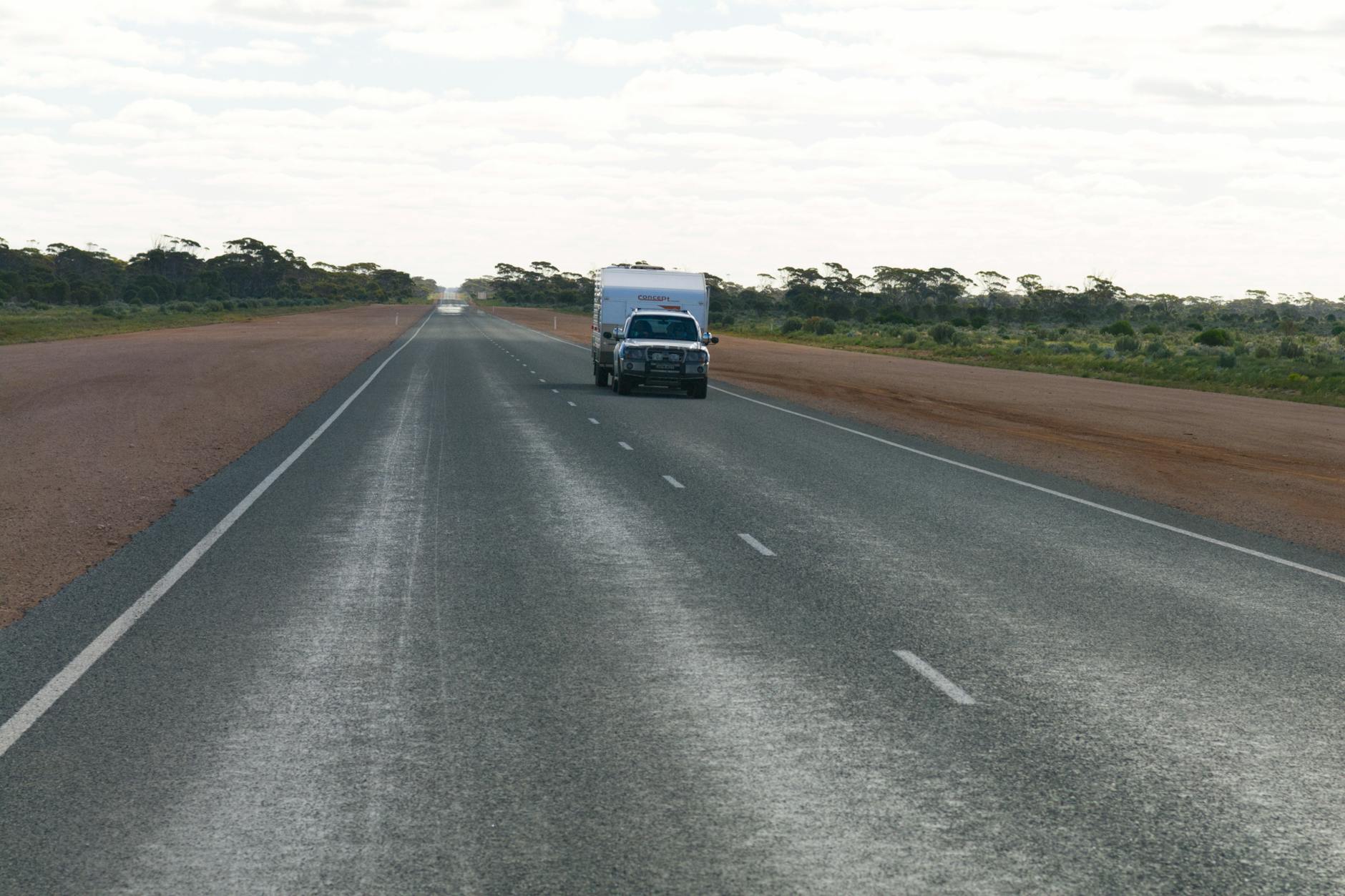
How far is it, and how long does the drive take?
The short version: it’s about 278 kilometres from Adelaide to Melrose if you take the scenic Clare Valley route, and from there it’s another couple of hours into the heart of the ranges around Wilpena Pound. Driven flat out with no stops, you could reach Melrose in around three and a half hours and push on to Wilpena in roughly five and a half to six. But driving it flat out misses the entire point. The towns along the way are the trip, not obstacles between you and the trip.
My honest advice is to treat the first leg as a full day with a long lunch in it, and to break the journey overnight rather than trying to reach the ranges in one sitting. You’ll arrive frazzled if you do it all at once, and you’ll have driven past half the best bits in the dark. If you’re hiring a car for this, and you really do want your own wheels for the Flinders, our rundown of car rental in Adelaide walks through what to look for, including which roads your insurance will and won’t cover.
The best route: go via the Clare Valley
Here’s the call I’d make every single time. Instead of barrelling up the dull, fast Highway 1 corridor through Port Wakefield, point the car towards the Clare Valley. It adds barely any distance, the scenery is incomparably prettier, and it builds in one of the best lunch stops in regional South Australia. You roll out of the northern suburbs, through the wheat country around Tarlee, and into rolling vine-covered hills well before you’ve finished your first podcast.
The Clare route also means you can string the whole drive together as a proper progression: wine country, then pastoral country, then the foothills, then the ranges proper. It feels like a journey rather than a transfer. The Explorers Way (the Highway 1 and Stuart Highway run that eventually carries you all the way to Darwin) is the option if you’re planning to keep heading north afterwards, and I’ll come back to that at the end. But for a Flinders trip, Clare every time.
First stop: Tarlee
Tarlee is your first proper leg-stretch, a small wheatbelt town about an hour out of the city. It’s not a destination in itself, but it’s a good spot to grab a coffee, top up the tank while fuel is still city-priced, and let the kids run a lap. Treat it as the moment you officially leave the suburbs behind. From here the landscape opens right up.

Clare: lunch, wine and the halfway mark
Clare is the natural lunch hub and it sits at roughly the halfway point of the first day’s drive, which makes it almost perfectly placed. This is the heart of the Clare Valley, one of the country’s great cool-climate wine regions, famous above all for riesling. If you’ve got a designated driver, a tasting or two here is a lovely way to break the trip, but keep it sensible: you’ve still got hours of driving ahead, and a long lunch with wine is a job for a passenger, not the person behind the wheel.
For lunch I’d point you at the cafes and pubs along the main street, or a winery restaurant if you want to make more of it. There are cellar doors scattered through the valley, and the Riesling Trail (a former rail line turned cycling and walking path) is there if you’ve got the time and inclination to stretch your legs between vines. I won’t go deep on the wineries here because we’ve got a whole separate piece on it, our Clare Valley wine guide has the cellar doors I’d actually drive out of my way for. If wine country is really your thing, Clare also works beautifully as a standalone day trip from Adelaide in its own right.
One practical note: Clare is your last big town with a proper supermarket and plenty of fuel choice for a while, so it’s a sensible place to stock up on snacks and water for the road ahead. Things get smaller and further apart from here. If your taste runs more to a gentler scenic drive closer to the city, an Adelaide Hills day trip covers similar wine-and-villages ground in a single day.
Laura and the Golden North stop
North of Clare you’ll roll through Laura, a tidy little town with a claim to fame I never skip: it’s the home of Golden North ice cream, the South Australian institution behind the legendary Giant Twin. Stopping for a Golden North on a hot drive north is practically a tradition, and the town wears its ice-cream heritage proudly. Laura is also the gateway to the Bundaleer Forest area, the state’s first commercial forest, which is a pretty spot for a wander if you’ve built in the time. It’s a short stop, but a sweet one, literally.

Melrose: the oldest town in the Flinders
Melrose is where I’d spend the first night, and honestly it’s one of my favourite small towns in the state. It holds the title of the oldest town in the Flinders Ranges, and it sits right at the foot of Mount Remarkable, which gives the whole place a backdrop that looks almost staged. The pace is slow, the heritage buildings are intact, and there’s a proper sense that you’ve arrived somewhere with character rather than just another roadhouse town.
Melrose has quietly become a mountain biking mecca, with a network of trails climbing up around Mount Remarkable that draw riders from all over. Even if you’re not on a bike, the trailheads make for good walking, and the views back over the plains are worth the climb. The town’s social heart is Over the Edge, a combined cafe, bike shop and gathering spot that does a genuinely good coffee and feed, the kind of place where the whole town seems to drift through over a morning. Mount Remarkable National Park itself, with its gorges and walking trails, is right on the doorstep if you want a proper leg-stretch before pushing further north.
For accommodation in Melrose, you’ve got a heritage pub, a caravan park and a scattering of cottages and B&Bs, and they book out fast in peak season, so sort it ahead of time. This is a recurring theme on this trip: the towns are small, the beds are limited, and turning up hoping for a room is a gamble you’ll often lose.
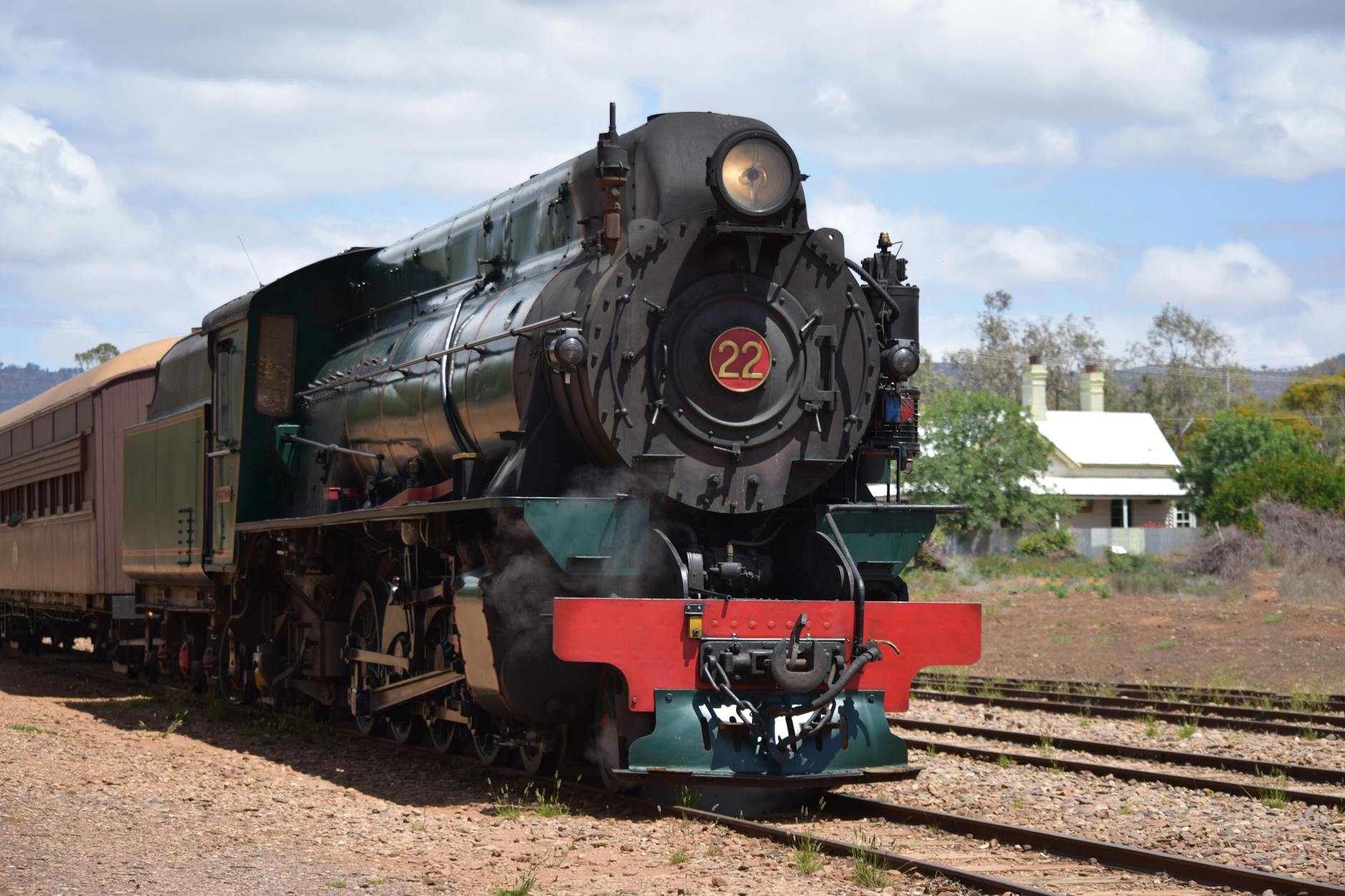
Quorn: heritage steam and quandong pie
From Melrose, the road carries you north towards Quorn, and you’re now genuinely in the Flinders. Quorn is a classic outback railway town, and its star attraction is the Pichi Richi Railway, a beautifully preserved heritage steam line that runs through the Pichi Richi Pass. Riding behind a working steam locomotive through that rugged country is a proper highlight, and it’s exactly the kind of slow, characterful thing this trip is built around. Services don’t run every day, so check the current timetable and book ahead if you want to ride; it would be a shame to roll into town on a day the engine’s cold.
Quorn is also where you should try a quandong pie. The quandong is a native peach, tart and distinctive, and the Quandong Cafe on the main street is the spot for it. It’s one of those regional things you can’t easily get back in the city, so order one even if you think you won’t like it; you probably will. The town’s wide streets and old shopfronts have featured in plenty of films over the years, and it has a frontier-town atmosphere that feels a world away from Adelaide.
Hawker: the hub of the Flinders
Hawker bills itself as the “Hub of the Flinders”, and for the practical traveller that’s exactly right. This is your last real chance to do a proper supermarket shop and fill the tank at something resembling sensible prices before you head into the park, where fuel is dearer and supplies are thinner. I always top up everything at Hawker: fuel, water, snacks, anything I’ve forgotten. Treat it as your final provisioning stop.
It’s not all logistics, though. The Old Ghan Restaurant, set in the old railway station, is a characterful place to eat and a nod to the original Ghan line that once ran through here. Hawker is also where the landscape really announces itself, the ranges loom properly now, and you can feel you’re on the threshold of the main event. From Hawker it’s a straightforward run into the Ikara-Flinders Ranges National Park and Wilpena Pound.
Into the ranges: Wilpena Pound and beyond
Once you’re past Hawker and into the park, you’ve arrived at the destination this whole drive has been building towards. Wilpena Pound, or Ikara to use its Adnyamathanha name, is the natural amphitheatre at the heart of the ranges, and it’s the base for most people’s time here. I’m deliberately not going to rehash the in-park detail, the walks, the scenic flights, the gorges, the wildlife, the resort, because we’ve covered all of that properly in our Flinders Ranges destination guide. If you’re trying to decide how many days to spend in the park itself and what to prioritise once you’re there, that’s the guide to read alongside this one.
What matters for your route planning is this: give yourself at least a couple of full days in and around the park. The gorges (Brachina and Bunyeroo among them) are spectacular, but some of the best scenic drives involve unsealed roads, and a few tracks are genuinely 4WD-only. Check conditions before you set out, because rain can close roads quickly out here. A regular car will get you to Wilpena and along the main routes comfortably; it’s the back-country gorge loops where a higher-clearance vehicle earns its keep.
A day-by-day Flinders Ranges itinerary
Here’s how I’d actually structure it. This is a flexible skeleton, stretch or compress it to suit your time, but it’s the rhythm I keep coming back to.
Day 1: Adelaide to Melrose via the Clare Valley
Leave the city mid-morning, coffee stop at Tarlee, then push on to Clare for a long lunch around the halfway mark. Browse a cellar door or two if you’ve got a non-drinking driver, grab a Golden North in Laura, and roll into Melrose in the late afternoon. Check into your pub or cottage, walk off the drive on one of the lower Mount Remarkable trails, and have dinner at the local pub. First night done, and you’ve barely felt the distance.
Day 2: Melrose to Wilpena via Quorn and Hawker
A proper coffee at Over the Edge, then north to Quorn. If the timing works, ride the Pichi Richi Railway; if not, at least have a quandong pie and a wander. Push on to Hawker, do your big provisioning shop and fuel up, then make the final run into the national park. Aim to arrive at Wilpena with daylight to spare so you can get the lay of the land before sunset.
Days 3 and 4: Exploring the park
This is your time in the ranges proper, and it’s where you’ll want our in-park guide open on your phone (while you’ve still got reception). Hike into Wilpena Pound, drive the Brachina and Bunyeroo gorge loops for the geology and the wildlife, consider a scenic flight for the full sense of scale, and slow right down. Two days is the minimum I’d allow here; three is better if you can spare it. Sunsets over the ranges are the kind that make people go quiet.
Day 5: The return, via Port Augusta
For the drive home, you don’t have to retrace your exact steps. A good option is to loop out via Hawker and down to Port Augusta, where the ranges meet the top of the gulf, and run back to Adelaide down Highway 1. It’s a faster, more direct return than the Clare detour, which is exactly what you want when you’re tired and heading home. Break it with a stretch at Port Augusta, where the Australian Arid Lands Botanic Garden is a pleasant final stop before the long straight run south.

Driving logistics: fuel, water, reception and roads
This is outback driving, and while it’s not extreme, it does ask a bit more of you than a Sunday run to the Hills. A few things I’d treat as non-negotiable.
Fuel. Fill up whenever you’re below half a tank once you’re past Clare. Towns are far apart, some fuel stops keep limited hours, and prices climb the further north you go. Hawker is your last properly stocked stop before the park.
Water. Carry more than you think you need, especially in the warmer months. It’s a dry, hot landscape and there’s nowhere to duck into for a bottle on the long stretches. Keep a few litres in the boot as a baseline even in cooler weather.
Phone reception. Expect it to be patchy to non-existent across big chunks of the route and inside the park. Download your maps offline before you leave Clare, tell someone your rough plan, and don’t rely on your phone for navigation once you’re north of Hawker.
Roads. The main route is sealed and fine for any car. Inside the park, the headline gorge drives include unsealed sections, and some tracks are 4WD-only. Check current road conditions before you set out each day, because unsealed roads can close after rain. If you’re unsure what your hire car is rated for, sort that out before you leave the city; our car rental guide covers the insurance fine print.
When to go, and how long you need
Timing matters out here more than almost anywhere else in the state. Summers are genuinely hot, often uncomfortably so for walking, so I’d steer you firmly towards autumn and spring. The shoulder seasons give you mild days, cool nights and the best light for the landscape, and after good rains the ranges can carpet themselves in wildflowers. Our broader notes on the best time to visit Adelaide and South Australia back this up, and if you want the case for autumn specifically, the cooler air and golden country make autumn in South Australia my pick for this drive.
As for length: three days is the practical minimum (one day up, one day in the park, one day back), but it’s a fairly brisk version. Four to five days is the sweet spot, and it’s what I’d genuinely recommend, because it lets the journey breathe, gives you two full days in the ranges, and means you’re not driving tired. This is a big trip by South Australian standards, on a par with a proper Kangaroo Island escape in terms of the planning it deserves, so give it the time it’s worth. If a multi-day haul feels like a stretch, a shorter coastal run such as Victor Harbor and Granite Island is the easier alternative.
Booking ahead and continuing north
Two final planning points. First, book your accommodation ahead, especially in peak season and across the small towns where beds are genuinely limited. Melrose, the park’s resort and the surrounding stations fill up, and there’s no luxury of turning up and finding a room. Lock it in early.
Second, if you’ve caught the long-drive bug, the Flinders is the doorway to the real outback. From the ranges you can keep pushing north on the Explorers Way towards Coober Pedy, Uluru and eventually Darwin, or branch off towards the Outback tracks for the truly adventurous. That’s a much bigger undertaking with its own rules, but it’s worth knowing the option is right there. For most people, though, the Adelaide to Flinders Ranges loop is the perfect first taste of South Australia’s big country, and a trip you’ll talk about long after you’re home. For the wider context of where this sits among the state’s great escapes, our Adelaide travel guide ties the whole region together.
Frequently asked questions
How long is the drive from Adelaide to the Flinders Ranges?
Taking the scenic route via the Clare Valley, it’s about 278 kilometres from Adelaide to Melrose, the first major town in the Flinders, and roughly another couple of hours from there to Wilpena Pound. Driven without stops you could reach Wilpena in around five and a half to six hours, but you’d be missing the point. Plan it as a full day’s drive with a long lunch in Clare, ideally breaking the journey overnight in Melrose.
What’s the best route from Adelaide to the Flinders Ranges?
I’d take the scenic route via the Clare Valley rather than the faster Highway 1 corridor. It’s barely any further, the scenery is much prettier, and it builds in a great lunch stop and wine country at the roughly halfway mark in Clare. From Clare you continue north through Laura and Melrose, then on to Quorn, Hawker and into the ranges. The Highway 1 and Stuart Highway (Explorers Way) route is the option if you’re planning to continue further north afterwards.
How many days do you need for an Adelaide to Flinders Ranges road trip?
Three days is the practical minimum, allowing roughly one day to drive up, one day in the park and one day to return. Four to five days is the sweet spot and what I’d recommend, as it lets you enjoy the towns along the way, gives you two full days exploring the gorges and Wilpena Pound, and means you’re not driving tired. For the in-park detail on how to spend your time once you arrive, see our Flinders Ranges destination guide.
Can you do the Flinders Ranges without a 4WD?
Yes, for the most part. The main route from Adelaide to Wilpena Pound is sealed and fine for any standard car. However, several of the best scenic drives inside the national park, including some of the gorge loops, involve unsealed roads, and a few tracks are genuinely 4WD-only. Check current road conditions before each drive, as unsealed roads can close after rain, and confirm what your hire car is rated for before leaving Adelaide.
Where should you stop on the drive to the Flinders Ranges?
The best stops are Clare for lunch and wine at roughly the halfway point, Laura for a Golden North ice cream, Melrose (the oldest Flinders town, at the foot of Mount Remarkable) for an overnight stay, Quorn for the Pichi Richi heritage steam railway and a quandong pie, and Hawker for your last big supermarket shop and cheaper fuel before entering the park.
When is the best time to drive to the Flinders Ranges?
Autumn and spring are the best times. Summers in the Flinders are genuinely hot and not ideal for walking, while autumn and spring deliver mild days, cool nights and the best light on the landscape. After good rains, spring can also bring wildflowers across the ranges. Always book accommodation ahead in peak season, as beds in the small towns and at the park are limited.
The Flinders is one of eleven routes that radiate out of Adelaide, and it is not always the right one for the time you have. If you are weighing it against the Eyre Peninsula, the Limestone Coast or a run up the Stuart Highway to Coober Pedy, our guide to South Australia road trips puts them side by side with distances, days needed and the seasons each one actually works in.