
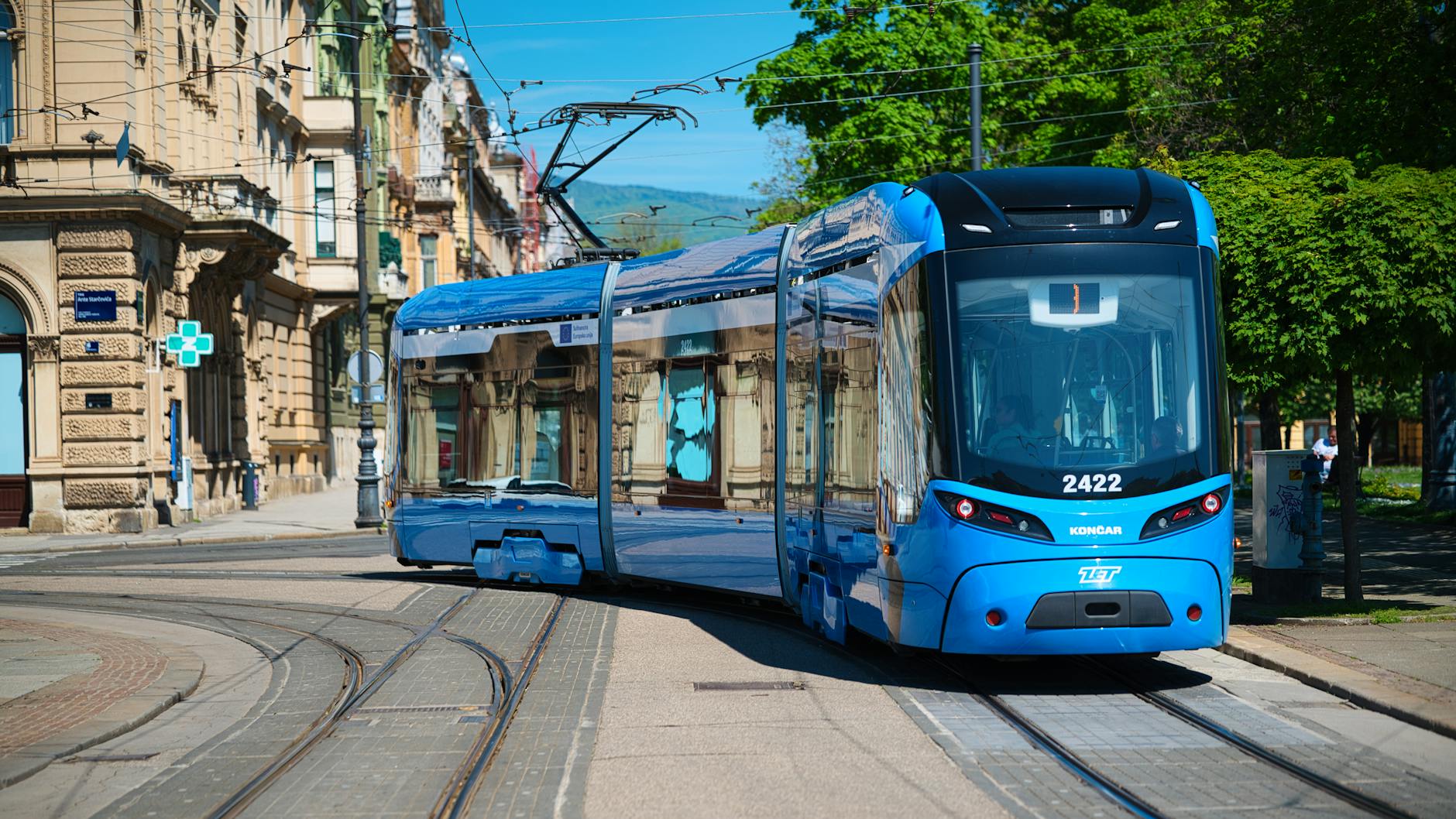
Adelaide’s free tram service is one of the city’s best-kept secrets for visitors—a convenient, cost-free way to travel through the CBD that connects major attractions, shopping precincts, and entertainment venues along a well-served corridor. Operating between the Entertainment Centre in the north and South Terrace in the south, the free tram removes any excuse not to explore Adelaide’s city centre on foot and by rail, providing effortless connections between key destinations.
Whether you are heading to the Central Market, Adelaide Oval, or the vibrant restaurants of Gouger Street, the free tram delivers you effortlessly to Adelaide’s key destinations without spending a cent. Beyond the free zone, the same tram line extends all the way to the beachside suburb of Glenelg, providing a scenic and affordable connection to the coast for a modest fare.
This comprehensive guide covers everything you need to know about using Adelaide’s free tram in 2026—routes, stops, operating hours, ticketing, and insider tips for making the most of this excellent public transport service. For broader transport information, see our complete getting around Adelaide guide.
Understanding the Free Tram Zone
Adelaide Metro operates the tram on a single line running from the Entertainment Centre in the city’s north through the CBD to the beachside suburb of Glenelg in the south-west. The free section covers the CBD portion of this route—from the Entertainment Centre to South Terrace—encompassing all the stops you are likely to need for exploring the city centre.
Within this free zone, you simply step on and off the tram without any ticket, pass, or card. There are no validators to tap, no barriers to pass through, and no identification required. The system operates on trust within the free zone, making it completely frictionless for visitors and locals alike. You can ride one stop or multiple stops—it is entirely free regardless of distance within the zone.
- Free zone: Entertainment Centre to South Terrace (all CBD stops)
- No ticket required within the free zone—simply board and alight
- Beyond South Terrace towards Glenelg: paid fare applies ($3.98 with MetroCARD)
- MetroCARD or single ticket required for travel outside the free zone
- Free zone operates same hours as regular tram service
Tram Route and Stop Locations
The tram line runs north-south through Adelaide’s city centre along King William Street—the city’s main boulevard—before turning west along the old Glenelg tramway corridor. Within the free zone, stops are conveniently spaced every few hundred metres, putting most CBD attractions within a short walk of a tram stop.
Free Zone Stops (North to South)
- Entertainment Centre – Adelaide Entertainment Centre, concerts and major events
- Adelaide Railway Station – Train connections, Adelaide Oval access, North Terrace cultural precinct
- City West – Convention Centre, Casino, riverbank dining precinct
- Hindmarsh Square – East end of Rundle Mall shopping precinct
- Rundle Mall – Adelaide’s premier shopping street and retail hub
- Pirie Street – Office district, dining options
- King William Street – Central city, banks, heritage buildings
- Victoria Square / Tarntanyangga – Central hub, bus interchange, Tasting Australia Town Square
- City South – Gouger Street restaurants, Chinatown, Adelaide Central Market
- South Terrace – Last free zone stop, boundary of paid service to Glenelg
Each stop features clear signage indicating the free zone boundary and displaying real-time information about next tram arrivals. Platform-level boarding makes the tram fully accessible for wheelchairs, prams, and mobility devices without any steps or gaps.
Key Stops and Nearby Attractions
Understanding which stop serves which attraction helps you plan efficient city exploration using the free tram as your transport backbone. Here is a guide to what you will find near each major stop.
Entertainment Centre
The northern terminus of the free zone serves the Adelaide Entertainment Centre—the city’s major concert and events venue hosting national and international touring acts. The surrounding area includes restaurants and bars that service event-night crowds. This stop also provides access to the developing inner-north precinct with its mix of residential and entertainment offerings.
Adelaide Railway Station
This stop connects the tram to Adelaide’s train network, with services running to Gawler, Seaford, Belair, Outer Harbor, and Tonsley. It also provides the closest tram access to Adelaide Oval (Australia’s most beautiful cricket and football ground), the Adelaide Festival Centre, and the North Terrace cultural boulevard including the Art Gallery of South Australia, South Australian Museum, State Library, and University of Adelaide.
Rundle Mall
Adelaide’s premier shopping destination is directly served by its own tram stop. Rundle Mall features major department stores, boutique retailers, historic arcades, and dining options. The mall connects to Rundle Street to the east (restaurants, bars, independent shops, live music venues) and is within easy walking distance of the entire North Terrace cultural precinct.
Victoria Square / Tarntanyangga
The central hub of Adelaide, Victoria Square serves as the city’s geographic heart and major bus interchange. During Tasting Australia, this space transforms into the festival’s Town Square precinct. Year-round, it provides access to the Adelaide Central Market (via a short walk south), the Supreme Court precinct, the Adelaide Town Hall, and numerous bus connections to suburban destinations across the metropolitan area.
City South
This stop provides the closest tram access to the Adelaide Central Market—one of the city’s must-visit attractions. Chinatown is adjacent, and the Gouger Street restaurant strip (Adelaide’s premier dining precinct) is a 2-minute walk. This stop is essential for food lovers exploring Adelaide’s culinary heart and wanting easy access to diverse restaurant options.
Operating Hours and Frequency
Adelaide’s tram service operates at frequencies that make it a genuinely practical transport option rather than just an occasional novelty. During peak hours, you will rarely wait more than a few minutes for the next service, making it reliable enough to use as your primary city transport.
- Peak hours (weekday mornings and evenings): Every 5-8 minutes
- Daytime off-peak: Every 10-12 minutes
- Evening and weekend: Every 15 minutes
- First tram: Approximately 6:00am (varies by stop and day)
- Last tram: Approximately midnight (varies by day of week)
- Extended services operate for major events and festivals at Adelaide Oval and Entertainment Centre
Real-time arrival information is displayed at each tram stop on electronic screens, and the Adelaide Metro app provides live tracking so you can time your arrival at the stop precisely. During major events (Adelaide Oval matches, concerts, festivals), additional services run to manage increased demand and reduce waiting times.
Beyond the Free Zone: Travelling to Glenelg
While the free zone covers the CBD, the same tram line continues beyond South Terrace all the way to the seaside suburb of Glenelg—a journey of approximately 30 minutes that transforms from urban streetscape to leafy suburbs to coastal village. The fare for travel beyond the free zone is $3.98 with a MetroCARD or slightly more for a single-trip ticket. Glenelg offers beautiful beaches, the Jetty Road shopping and dining strip, sunset views over the Gulf St Vincent, and a relaxed coastal atmosphere.
The tram journey to Glenelg is enjoyable in its own right, passing through established residential areas with tree-lined streets and historic homes. Many visitors find the transition from busy CBD to quiet suburbs to beachside village to be a pleasant journey rather than merely a transport necessity. The tram arrives at Moseley Square in Glenelg, directly facing the beach.
Using a MetroCARD
For travel beyond the free zone, you will need either a MetroCARD (Adelaide’s rechargeable transit card) or sufficient cash for a single-trip ticket. MetroCARDs can be purchased from the Adelaide Metro InfoCentre on King William Street, various retailers throughout the city, or ordered online. The card costs $5 and is then loaded with credit for travel.
To use the MetroCARD, simply tap on the validator when boarding for travel outside the free zone, and tap off when you alight at your destination. The system calculates your fare automatically. A 2-hour ticket allows unlimited transfers between trams, buses, and trains within the time window, making it excellent value if you are making connections between different transport modes.
Visitors staying more than a few days should consider a MetroCARD as the per-trip savings add up quickly. The card works across all Adelaide Metro services—trams, buses, and trains—providing convenient access to the entire metropolitan public transport network with a single card.
Tram Types: Modern and Heritage
Adelaide’s tram fleet consists of two distinct vehicle types that you might encounter during your travels, each offering a different riding experience and visual character.
Bombardier Flexity Classic
The majority of services are operated by modern Bombardier Flexity Classic trams—sleek, air-conditioned vehicles with low floors for easy boarding, spacious interiors, and large windows for city views. These trams are fully accessible, with designated wheelchair spaces, priority seating, and audio-visual next-stop announcements. They are comfortable, efficient, and capable of carrying large passenger numbers during peak periods.
Heritage Trams
On weekends and special occasions, heritage trams from Adelaide’s original electric tramway network are brought into service, offering a nostalgic riding experience. These beautifully restored vehicles date from the early-to-mid 20th century and feature wooden interiors, opening windows, and the distinctive charm of classic public transport. Riding a heritage tram provides a tangible connection to Adelaide’s transport history.
Heritage trams are particularly popular with visitors and photography enthusiasts. Their schedules vary, so encountering one is somewhat serendipitous, but they typically run on weekend afternoons and during festival periods. The trams operate the same route and stops as modern services, so you receive the same transport benefit with added historic character.
History of Adelaide’s Tram Network
Adelaide’s relationship with trams stretches back over a century, encompassing a fascinating story of public transport evolution, controversial decisions, and eventual revival that mirrors the experience of many Australian cities.
The Original Electric Tramway (1909-1958)
Adelaide’s first electric trams began service in 1909, eventually growing into an extensive network of routes that crisscrossed the city and connected suburban communities. At its peak, the tramway served a large proportion of Adelaide’s commuters and was integral to the city’s daily life. The distinctive trams became iconic features of Adelaide’s streetscape throughout the first half of the 20th century.
Closure and the Surviving Glenelg Line
Like many Australian cities, Adelaide progressively closed its tram routes during the 1950s in favour of buses, which were seen as more modern and flexible. Most routes were gone by 1958, but the Glenelg line survived—saved by community advocacy and its continuing patronage. This single surviving line operated continuously from 1929, becoming a beloved Adelaide institution and eventual heritage asset.
Revival and Extension (2007-Present)
The modern tram era began in 2007 when the state government extended the surviving Glenelg line from Victoria Square north through the CBD to the Entertainment Centre. New Bombardier Flexity trams replaced the aging fleet for regular services (heritage trams were preserved for special occasions), and the extended route transformed the tram from a suburban connector into a genuine CBD transport solution.
The introduction of the free zone within the CBD made the city section accessible to all, removing cost as a barrier to public transport use in the city centre. Today, Adelaide’s tram is one of the city’s most-used public transport services, with ongoing discussions about further extensions to expand the network’s reach and utility to additional suburbs and key destinations.
Tips for Tourists Using the Free Tram
Making the most of Adelaide’s free tram service is straightforward, but a few insider tips can enhance your experience and help you navigate the system efficiently.
- No ticket is needed in the free zone—just step on and off at any door
- All doors open at every stop; board through any door without waiting
- Priority seating near doors is reserved for elderly and disabled passengers
- Bikes can be carried on trams outside peak hours in designated areas
- The tram runs along King William Street—Adelaide’s central north-south axis
- Walking east or west from any tram stop reaches most CBD attractions within 5 minutes
- Real-time arrivals are shown on platform displays and the Adelaide Metro app
- Air conditioning makes the tram a welcome relief during hot summer days
- Heritage trams run irregularly on weekends—a pleasant surprise if you catch one
- The free zone ends at South Terrace—listen for announcements if heading to Glenelg
- Peak hour trams can be standing room only—off-peak travel is more comfortable
Connecting to Other Public Transport
The free tram integrates seamlessly with Adelaide’s broader public transport network, making it a useful spine from which to access buses and trains serving the wider metropolitan area.
Victoria Square/Tarntanyangga is the major bus interchange point in the city, with services radiating to all suburban areas from this central location. Adelaide Railway Station (accessible from the Adelaide Railway Station tram stop) provides train services to Gawler, Seaford, Belair, Outer Harbor, and Tonsley. The O-Bahn Busway from the eastern suburbs terminates at Grenfell Street, also close to tram stops.
For visitors staying outside the CBD, the combination of suburban buses or trains into the city followed by the free tram for CBD exploration provides comprehensive, affordable coverage of Adelaide’s attractions. A MetroCARD loaded with credit covers all modes seamlessly and offers discounted fares compared to purchasing single tickets for each journey.
Accessibility Features
Adelaide’s modern tram fleet is fully accessible, making it one of the city’s most inclusive transport options for visitors with mobility requirements or those travelling with prams, heavy luggage, or shopping bags.
- Low-floor design with level platform boarding (no steps or gaps)
- Designated wheelchair spaces with securing points in each tram
- Audio announcements of approaching stops for vision-impaired passengers
- Visual displays showing next stop and route information
- Tactile ground surface indicators at all stops for navigation
- Push-button door opening for independent boarding
- Priority seating near doors for passengers with disabilities or mobility needs
- Accessible pedestrian crossings at all tram stop locations
- Adequate space for prams, mobility scooters, and walking frames
The combination of the tram’s accessibility features and the free fare within the CBD makes it an excellent transport choice for visitors with mobility challenges, families with prams, elderly travellers, or anyone carrying heavy bags from shopping expeditions.
Using the Tram for Adelaide Oval Events
The free tram is one of the best ways to reach Adelaide Oval for AFL matches, cricket internationals, concerts, and other major events. The Adelaide Railway Station stop provides the closest access to the oval via the footbridge across the River Torrens. After major events, extra tram services run to manage the crowd exodus efficiently.
Pre-event, the tram fills with fans heading to the ground, creating a festive atmosphere. Post-event, queues at the closest stop can be significant, so walking one or two stops south before boarding often reduces your wait time considerably. Many regular event-goers develop their preferred stop and timing strategies for efficient travel to and from games and concerts.
For evening events, the tram provides a safe, well-lit, and convenient transport option that avoids the need for parking (which can be expensive and congested around the oval on event nights). Combined with the free fare, this makes the tram the smartest choice for Adelaide Oval visitors.
Glenelg: Worth the Fare
While this guide focuses on the free CBD service, the extension to Glenelg is worth the modest $3.98 fare for its scenic journey and coastal destination. Glenelg offers a beautiful sandy beach, the Jetty Road shopping and dining precinct, sunset views over Gulf St Vincent, dolphin-watching boat tours, and a relaxed seaside atmosphere that contrasts pleasantly with the CBD. Read more about Adelaide’s beaches including Glenelg.
Glenelg makes an excellent half-day excursion from the CBD—ride the tram out mid-morning, explore the beach and shops, lunch at a Jetty Road restaurant, and return by mid-afternoon. During summer, the beach is the main attraction with swimming, volleyball, and people-watching. Winter visitors enjoy the village atmosphere, coastal walks, and cafe culture without the crowds. The return journey gives you time to rest tired feet while watching Adelaide suburbs slide past your window.
Planning Your Tram-Based Adelaide Itinerary
The free tram provides an excellent backbone for a full day of Adelaide CBD exploration. Here is a suggested itinerary using the tram as your primary transport between attractions throughout the day.
- Morning: Start at City South stop for breakfast at Adelaide Central Market
- Mid-morning: Tram north to Rundle Mall for shopping and coffee
- Lunch: Walk from Rundle Mall to North Terrace museums and galleries
- Afternoon: Tram to Victoria Square, then walk to Gouger Street for late lunch
- Late afternoon: Tram south to South Terrace, continue to Glenelg for sunset
- Evening: Return tram to city for dinner at one of Adelaide’s acclaimed restaurants
This itinerary demonstrates how the free tram connects Adelaide’s key precincts effortlessly, allowing you to experience the city’s diverse attractions without a car or expensive transport costs. Modify it based on your interests and the time available. For more ideas on structuring your Adelaide visit, see our guide to things to do in Adelaide.
Final Thoughts
Adelaide’s free tram service exemplifies the city’s visitor-friendly approach—practical, well-maintained public transport that removes barriers to exploration and makes the CBD genuinely accessible to everyone. Whether you are using it as your primary city transport, catching a heritage tram for the nostalgic experience, or riding all the way to Glenelg beach, the tram adds ease and enjoyment to any Adelaide visit. Combined with the city’s compact, walkable layout and excellent bus and train connections, the free tram ensures that exploring Adelaide is both effortless and affordable.
For timetables, route maps, and fare information, visit the Adelaide Metro website or download the Adelaide Metro app. South Australia Tourism includes tram information in their getting around guides. The City of Adelaide website has information on attractions near each tram stop, and City of Holdfast Bay covers Glenelg activities at the terminus end.
The free zone does more work than most visitors realise: a whole day of sightseeing in the city centre can cost nothing but the single fare out to the beach. Our one day in Adelaide itinerary is built around exactly that, with an hour-by-hour plan and a costed total.

1 note