The Art Gallery of South Australia stands as one of Australia’s most distinguished cultural institutions, housing a comprehensive collection of nearly 45,000 works spanning the full breadth of Australian art, significant international holdings, and one of the most important collections of Aboriginal and Torres Strait Islander art in the world. Located in the heart of Adelaide’s North Terrace cultural precinct, AGSA offers visitors a world-class art experience in an elegant heritage setting – and admission to the permanent collection is completely free.
Since its establishment in 1881, the Gallery has grown from a modest colonial collection into an institution of national significance, renowned for its curatorial excellence, ambitious exhibition programs, and deep commitment to celebrating Australian creative achievement. Whether you’re an art historian, a casual visitor, or bringing children for their first gallery experience, AGSA delivers meaningful encounters with great art in spaces designed to inspire and welcome all audiences.
Location and Getting There
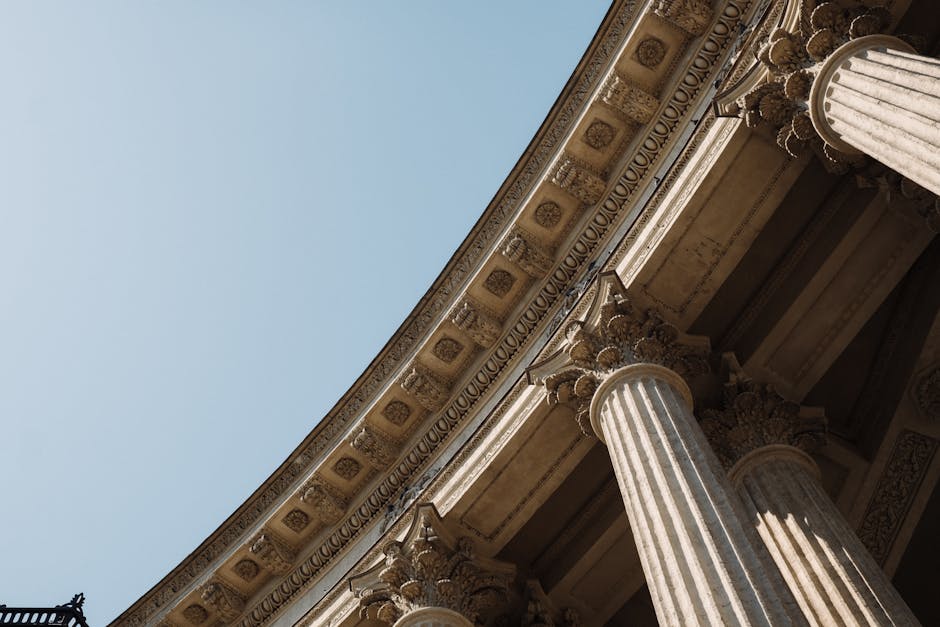
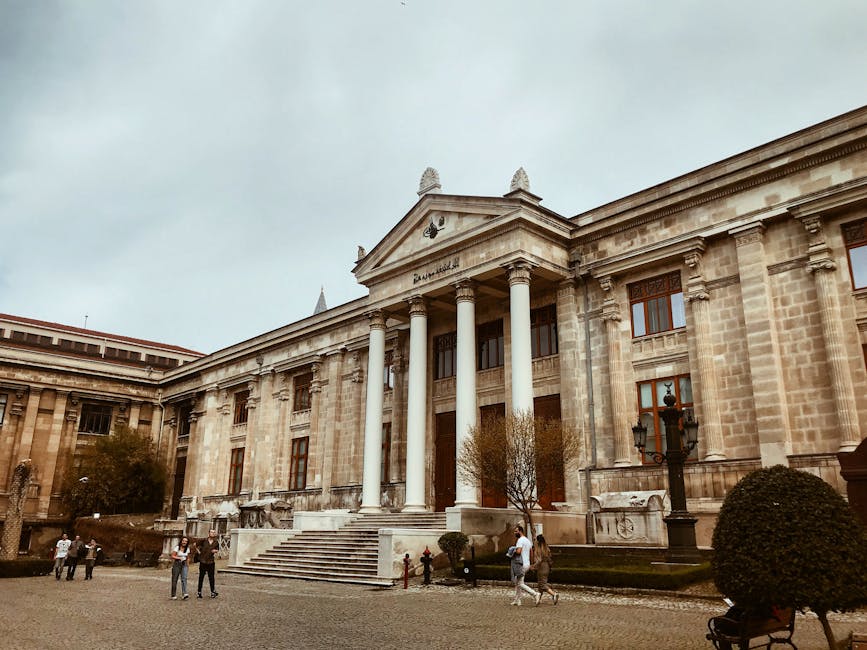
The Art Gallery of South Australia occupies a commanding position on North Terrace, Adelaide’s premier cultural boulevard, between the University of Adelaide and the South Australian Museum. This central location places it within easy walking distance of the CBD, public transport hubs, and Adelaide’s major hotels. The gallery’s classical facade, with its distinctive colonnade and sculpture-adorned entrance, is one of North Terrace’s most recognisable landmarks.
By public transport, the closest tram stop is on North Terrace on the free city circuit. Multiple bus routes stop along North Terrace and King William Street, all within a two-minute walk of the gallery entrance. If driving, the nearest parking is available at the University of Adelaide’s North Terrace car park or the various parking facilities in the CBD. Limited metered street parking is available on North Terrace itself.
The gallery sits within a cultural cluster that includes the South Australian Museum (next door), the State Library of South Australia, the Adelaide Festival Centre, and the University of Adelaide’s heritage campus. This concentration makes it easy to visit multiple institutions in a single day – a popular approach outlined in our guide to things to do in Adelaide.
Opening Hours and Admission
AGSA is open daily from 10am to 5pm, including weekends and most public holidays. The gallery closes only on Christmas Day. Extended evening hours are occasionally offered during major exhibitions, Adelaide Festival, and special events – check the website for current details during your visit dates.
Admission to the permanent collection galleries is always free. This includes the Australian art galleries, Aboriginal and Torres Strait Islander art galleries, Asian art galleries, European art galleries, and decorative arts displays. Temporary exhibitions in the dedicated exhibition spaces may carry an admission fee, typically ranging from $15 to $25 for adults, with concession pricing and family tickets available. Members receive free entry to all exhibitions.
The gallery tends to be quietest on weekday mornings, making this the optimal time for photography, contemplation, and unhurried engagement with the collections. Weekend afternoons see higher visitor numbers, particularly in the major exhibition spaces and the ground floor Australian galleries. School holiday periods bring additional family visitors but the gallery’s generous proportions ensure it rarely feels crowded.
Architecture: From Colonial Grandeur to Contemporary Vision
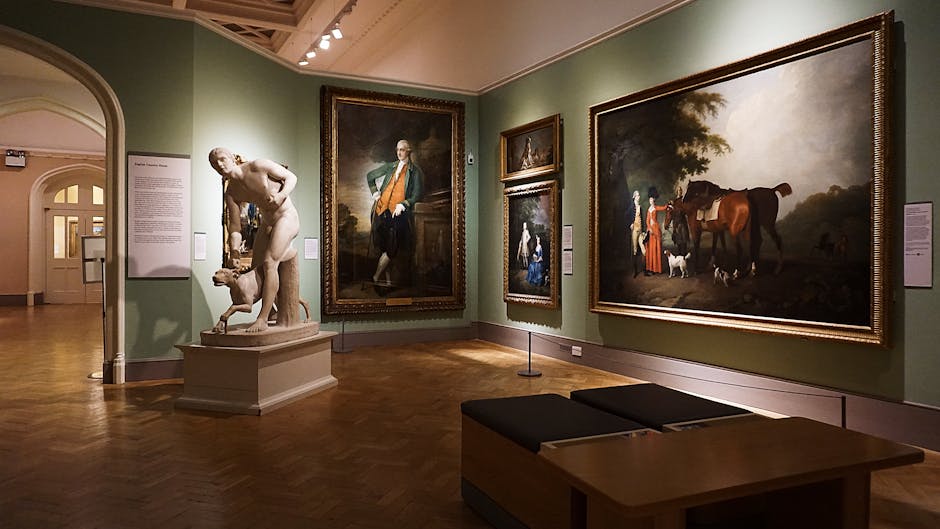
The gallery building itself tells the story of South Australia’s cultural evolution across nearly 150 years. The original 1881 building, designed in the Victorian classical revival style, presents an imposing stone facade to North Terrace with grand interior galleries featuring high ceilings, ornate mouldings, and natural top-lighting that creates ideal conditions for viewing art.
Subsequent additions have extended the gallery significantly while respecting the heritage core. The most notable expansion is the contemporary gallery wing, which provides flexible, climate-controlled spaces for temporary exhibitions and contemporary art installations. The architectural dialogue between old and new creates a distinctive visitor experience as you move between intimate heritage rooms hung with colonial portraits and soaring contemporary spaces housing large-scale installations.
The Elder Wing, completed in 1897 through philanthropy, houses the European collection in grand Victorian proportions. The Melrose Wing (1936) and subsequent twentieth-century additions provide further gallery space, creating a building that rewards exploration with unexpected connections between spaces and collections. The sculpture courtyard, accessible from the ground floor, offers a peaceful outdoor retreat between gallery visits.
Australian Art Collection
The Australian art collection at AGSA is comprehensive and represents the institution’s core strength, tracking the development of Australian art from colonial beginnings through to contemporary practice. The collection includes iconic works that define the Australian artistic canon alongside lesser-known gems that reward the attentive visitor.
The colonial and early Australian galleries feature foundational works including paintings by Conrad Martens, Eugene von Guerard, and John Glover that document the Australian landscape as European eyes first encountered it. The Heidelberg School, Australia’s first significant art movement, is well represented with major works by Tom Roberts, Arthur Streeton, Charles Conder, and Frederick McCubbin that capture the golden light and bush character of late nineteenth-century Australia.
Moving into the twentieth century, the collection showcases the full diversity of modernist experimentation in Australian art. Sidney Nolan’s iconic Ned Kelly series paintings (AGSA holds significant examples), Russell Drysdale’s outback landscapes, Arthur Boyd’s mythological narratives, and Jeffrey Smart’s precise urban compositions all feature prominently. The gallery’s collection of Australian women artists has been significantly strengthened in recent decades, with important works by Grace Cossington Smith, Margaret Preston, Nora Heysen, and Joy Hester.
Contemporary Australian art occupies dedicated galleries that rotate regularly, ensuring repeat visitors always encounter new work. AGSA actively collects living Australian artists across all media – painting, sculpture, photography, video, installation, and new media – maintaining its position at the forefront of Australian cultural life. The biennial Adelaide Biennial of Australian Art, presented by AGSA, is one of the country’s most prestigious contemporary art events.
Aboriginal and Torres Strait Islander Art
AGSA’s Aboriginal and Torres Strait Islander art collection is one of the most significant in any Australian art museum, reflecting the institution’s long commitment to recognising Indigenous Australian art as a central – not peripheral – element of the national artistic story. The collection spans historical artefacts through to cutting-edge contemporary work by First Nations artists working across all media.
The dedicated Aboriginal art galleries present a chronological and thematic journey through Indigenous artistic traditions, from ancient rock art documentation and traditional bark paintings through the Western Desert art movement of the 1970s-80s to the diverse contemporary practices of today. Major holdings include works from Papunya Tula, the APY Lands communities, Arnhem Land, and the Tiwi Islands, alongside significant urban and regional Aboriginal artists.
The gallery’s Tarnanthi Festival, held annually from October through January, is one of Australia’s most significant exhibitions of contemporary Aboriginal and Torres Strait Islander art. Tarnanthi (meaning ‘to come forth’ in Kaurna language) transforms the gallery and partner venues across Adelaide into a celebration of Indigenous artistic excellence. For visitors interested in Aboriginal culture, AGSA’s collection complements the experiences available at Tandanya and through cultural tours – see our guide to Adelaide’s cultural experiences for the broader picture.
Asian Art Collection
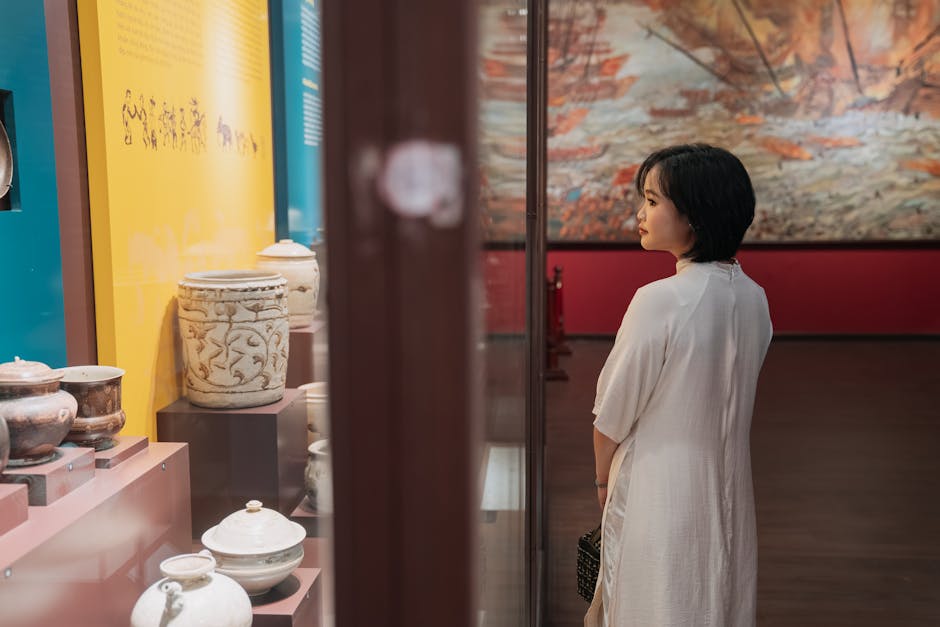
AGSA holds one of Australia’s most comprehensive Asian art collections, reflecting South Australia’s geographic proximity to and cultural connections with the Asia-Pacific region. The collection encompasses significant holdings from China, Japan, Southeast Asia, and the Indian subcontinent, spanning several thousand years of artistic production.
Chinese art highlights include ancient bronzes, ceramics from the Song, Ming, and Qing dynasties, landscape paintings, and contemporary Chinese art that charts the remarkable artistic flowering of recent decades. The Japanese collection features woodblock prints (ukiyo-e), screens, ceramics, and contemporary works. Southeast Asian art includes important textile collections, sculpture, and contemporary works from the region’s diverse cultures.
The Asian galleries are among the gallery’s most peaceful spaces, offering contemplative encounters with art traditions that prioritise subtlety, craftsmanship, and philosophical depth. These galleries are often less visited than the Australian collections, making them a rewarding destination for visitors seeking quiet engagement with extraordinary objects.
European Art Collection
The European collection, housed primarily in the elegant Elder Wing, provides a solid survey of European artistic traditions from the Renaissance through to the early twentieth century. While smaller than the European collections of Australian state galleries in Sydney and Melbourne, AGSA’s holdings include notable works that reward careful attention.
Highlights include important Pre-Raphaelite works (Edward Burne-Jones, Dante Gabriel Rossetti), impressive French Impressionist and Post-Impressionist holdings, British portraiture, Dutch Golden Age paintings, and Italian Renaissance works. The decorative arts collection, displayed throughout the heritage galleries, includes significant furniture, silver, glass, and textile holdings that contextualise the fine art collection within broader material culture.
The gallery regularly rehangs and reinterprets the European collection, bringing fresh perspectives to familiar works and drawing connections across periods and cultures. Themed displays often explore the relationship between European and Australian art, revealing how colonial artists brought European traditions to a new landscape and how Australian art gradually developed its own distinctive voice.
Major Works and Must-See Highlights
While every visitor’s highlights will differ based on personal taste, certain works in the AGSA collection are considered essential viewing for their artistic significance, historical importance, or sheer visual impact. Here are some works that first-time visitors should seek out across the various collection areas.
Tom Roberts’ masterful depictions of Australian life represent the pinnacle of Australian Impressionism and are among the gallery’s most beloved paintings. Jeffrey Smart’s precisely composed urban landscapes, several held by AGSA, offer a distinctive vision of modern life that has influenced generations of Australian artists. Sidney Nolan’s Kelly paintings combine myth, landscape, and modernist technique in works that have become Australian cultural icons.
In the Aboriginal collections, seek out the large-scale collaborative paintings from Western Desert communities, which transform gallery walls into windows onto ancestral landscapes and Dreaming narratives of extraordinary complexity. The Hermannsburg watercolours offer a gentler engagement with Aboriginal artistic tradition, while contemporary works by artists like Tracey Moffatt and Vernon Ah Kee demonstrate the diverse directions of current Indigenous art practice.
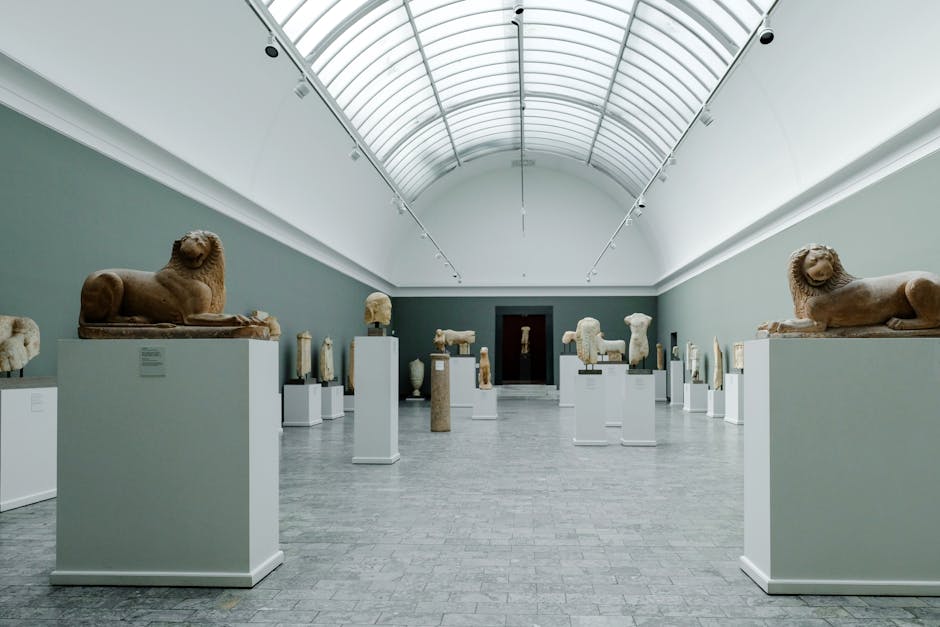
The gallery’s sculpture collection, distributed throughout interior galleries and the outdoor courtyard, includes significant Australian modernist works alongside European bronze and marble pieces. Contemporary sculptural installations often dominate the temporary exhibition spaces, taking full advantage of the generous ceiling heights in the modern wing.
Guided Tours
Free guided tours of the permanent collection depart daily at 11am and 2pm from the main entrance foyer. These volunteer-led tours typically last 45 to 60 minutes and provide excellent introductions to the collection’s highlights, historical context, and architectural features. No booking is required – simply gather at the designated meeting point at the scheduled time.
Specialised tours are offered periodically, focusing on particular collection areas (Aboriginal art, Australian modernism, European highlights) or themes (women artists, landscape painting, social commentary in art). These may require booking and are advertised on the gallery’s events calendar. During major temporary exhibitions, paid tours with curatorial staff offer deeper engagement with exhibition themes and individual works.
For groups, private tours can be arranged through the gallery’s education department. These are particularly valuable for visitors with specific interests, accessibility requirements, or time constraints that don’t align with the standard tour schedule. School and university groups are well catered for with age-appropriate programs designed by the education team.
Temporary Exhibitions Program
Beyond the permanent collection, AGSA presents a rotating program of temporary exhibitions that bring international art to Adelaide and showcase significant Australian artists through major survey shows. These exhibitions occupy dedicated gallery spaces and typically change every three to four months, ensuring there’s always something new to see even for regular visitors.
Recent years have seen ambitious exhibitions spanning major international loans, comprehensive retrospectives of Australian artists, and thematic shows exploring contemporary issues through art. The gallery’s programming balances crowd-pleasing blockbusters with more challenging contemporary presentations, ensuring diverse audiences find exhibitions that speak to their interests.
Exhibition tickets are available online (recommended for popular shows to avoid queues) or at the gallery desk. Member tickets offer significant savings for those planning multiple visits or who want to support the gallery’s programs. Exhibition openings and late-night events create a social atmosphere quite different from standard gallery hours and are well worth attending if your dates align.
AGSA Cafe and Gallery Shop
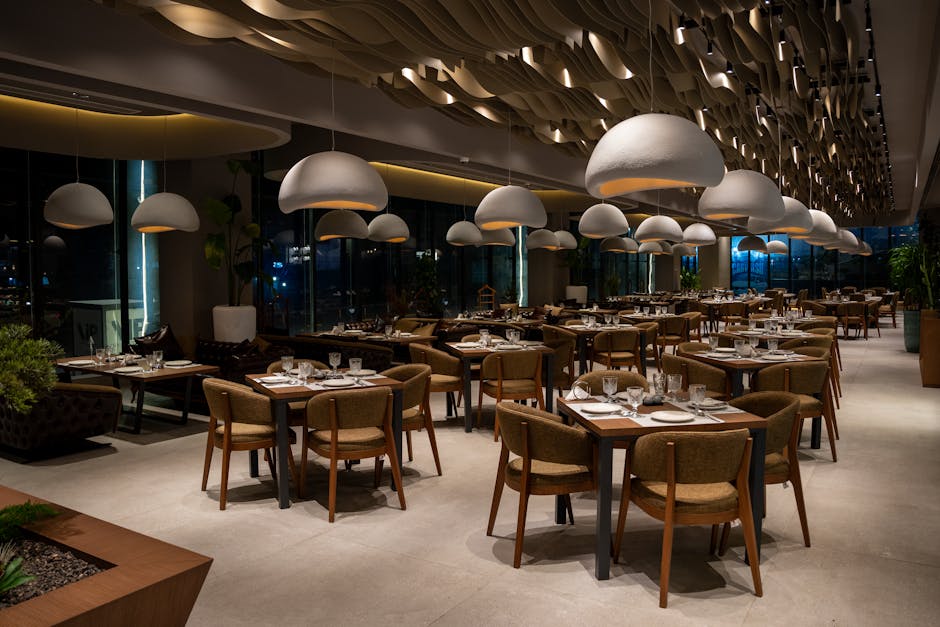
The AGSA cafe occupies an attractive space overlooking the gallery’s internal courtyard, providing an excellent spot for morning coffee, lunch, or afternoon tea during your gallery visit. The menu focuses on seasonal, locally sourced dishes prepared with care – a step above standard museum catering. The courtyard tables are particularly pleasant in mild weather, offering an outdoor dining experience surrounded by sculpture.
The gallery shop ranks among Adelaide’s best gift shopping destinations, stocking a carefully curated selection of art books, exhibition catalogues, Australian-made homewares, jewellery, prints, and design objects. It’s an excellent source of unique gifts and personal souvenirs that go beyond the typical tourist shop offerings. Exhibition-related merchandise is stocked during major shows, and the book section maintains an impressive range of art history and contemporary art publications.
Accessibility
AGSA is committed to providing accessible experiences for all visitors. The gallery is wheelchair accessible throughout all public areas, with lifts connecting all levels and accessible bathroom facilities on each floor. Wheelchair loans are available from the front desk on a first-come basis. The gallery’s flat floor design within each level makes navigation straightforward for visitors with mobility requirements.
Visitors with vision impairments can request audio description tours or tactile experiences for certain works. Large-print gallery guides are available at the information desk. For visitors who are deaf or hard of hearing, Auslan-interpreted tours are scheduled regularly (check events calendar), and hearing loops are installed in the lecture theatre and selected gallery spaces. Guide dogs and assistance animals are welcome throughout the gallery.
The gallery also caters for neurodiverse visitors with quiet hours, sensory guides, and social stories available for planning visits. Families with young children will find baby change facilities, pram-friendly spaces, and gallery activity packs designed to engage children with the collection in age-appropriate ways.
Photography Policy
Photography for personal, non-commercial use is permitted in most permanent collection galleries. Flash photography, tripods, and selfie sticks are not permitted to protect artworks and other visitors’ experience. Some works may carry individual photography restrictions due to copyright or loan conditions – these are clearly marked with signage near the affected works.
Temporary exhibitions often have specific photography policies that may differ from permanent collection rules. These are communicated at exhibition entrances and should be respected. Where photography is permitted, AGSA encourages visitors to share their images on social media, expanding awareness of the collection and its extraordinary works.
Children and Family Activities
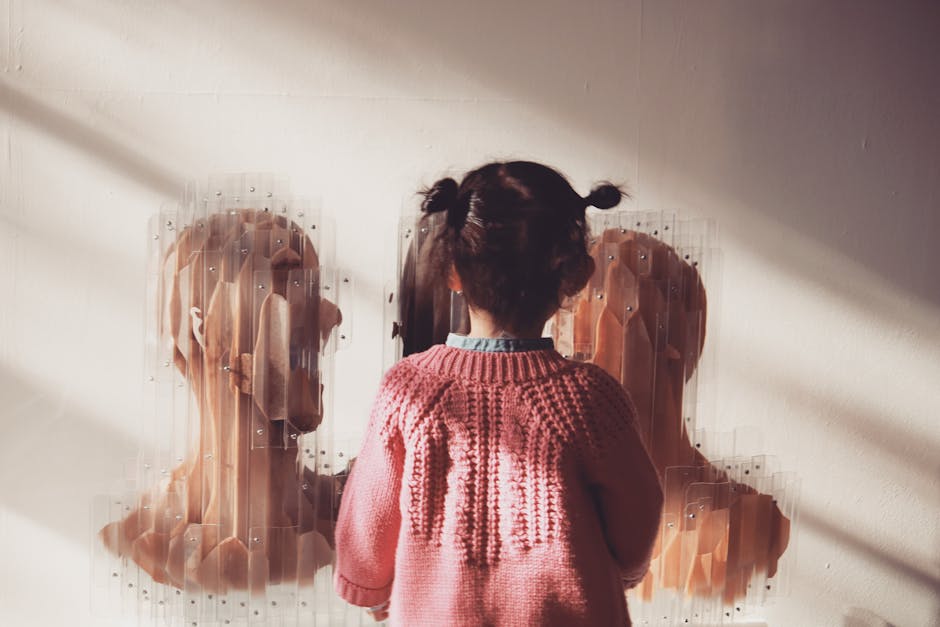
AGSA actively welcomes families with children and offers various resources to make gallery visits engaging for younger visitors. The Start program provides art-making activities during school holidays, with sessions designed for different age groups. Free family activity packs available at the information desk provide self-guided trails through the galleries with age-appropriate looking and thinking activities.
The gallery’s education team develops resources specifically for school-aged children, including trails that gamify the gallery experience, drawing activities that encourage close looking at artworks, and digital guides that add interactive layers to the visit. These resources transform what might be a passive viewing experience into active engagement, developing visual literacy and creative thinking skills.
For families visiting Adelaide with children, AGSA combines well with other North Terrace attractions in a full day of cultural exploration. The adjacent SA Museum’s natural history displays particularly appeal to younger visitors, and the University of Adelaide grounds offer green space for running off energy between cultural encounters. See our Adelaide with kids guide for a complete family-friendly itinerary that incorporates the gallery.
Events and Programming
Beyond exhibitions and tours, AGSA presents a rich events program encompassing lectures, artist talks, film screenings, musical performances, workshops, and social events. These programs bring the gallery to life after hours and provide opportunities for deeper engagement with art and ideas in a stimulating social setting.
After Dark events (typically monthly) transform the gallery into an evening venue with live music, DJs, bars, and access to exhibitions in a more relaxed atmosphere. These events attract a younger demographic and demonstrate that art galleries can be social, vibrant spaces rather than hushed sanctuaries. The combination of great art, good drinks, and musical programming creates memorable evenings unique to AGSA.
The gallery’s lecture and film programs attract serious art enthusiasts with presentations by curators, visiting artists, academics, and critics on topics relating to current exhibitions and collection research. Artist talks provide rare opportunities to hear directly from creative practitioners about their work, process, and ideas. Most lectures are free or modestly priced, making them accessible to all visitors.
Combining AGSA with the North Terrace Cultural Walk
AGSA’s North Terrace location makes it the perfect centrepiece of a broader cultural walking day that takes in the entire precinct’s offerings. A suggested half-day cultural walk begins at Parliament House (western end), progresses through the Festival Centre complex, the Art Gallery, the SA Museum, the State Library, and concludes at the Adelaide Botanic Garden (eastern end) – covering approximately two kilometres of flat, tree-lined boulevard.
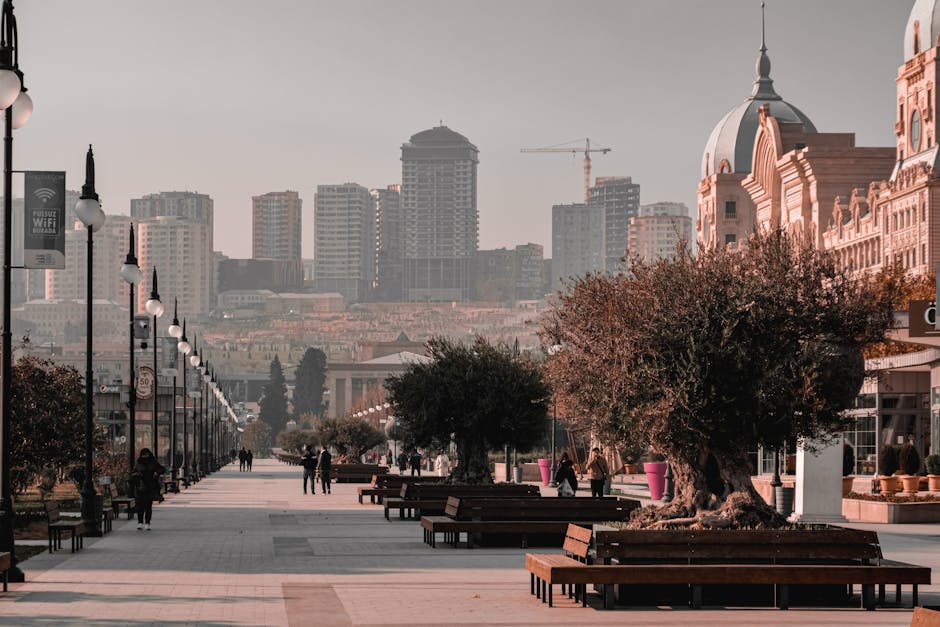
All institutions along this route are free to enter (temporary exhibitions excepted), making this one of Adelaide’s most valuable tourism experiences in terms of cultural richness per dollar spent. Allow a full day if you want to explore each institution thoroughly, or select two or three for a more relaxed half-day visit. The cafe options at each institution mean you can punctuate your cultural explorations with refreshment stops along the way.
The North Terrace walk connects with Adelaide’s broader cultural offerings, including performance venues, commercial galleries in the East End, and the multicultural precinct around the Central Market. Planning a day that combines several of these elements creates a rich understanding of Adelaide’s creative identity that goes beyond any single institution.
Practical Tips for Your Visit
To maximise your AGSA experience, arrive when the gallery opens at 10am for the quietest viewing conditions. Plan to spend at least two hours for a comprehensive visit to the permanent collection, or three to four hours if a temporary exhibition is showing. The 11am free guided tour provides an excellent overview if you’re short on time or prefer structured engagement with the collection.
Download the gallery’s app before your visit for self-guided audio tours and additional information about key works. The app includes collection highlights tours, themed routes (Aboriginal art, Australian landscapes, portraiture), and practical information about gallery facilities. Free WiFi is available throughout the gallery to support app-based engagement.
Lockers and a cloakroom are available near the entrance for storing bags, shopping, or luggage – useful if you’re visiting between accommodation check-out and transport departure. The gallery is fully air-conditioned, making it an excellent hot-weather destination during Adelaide’s summer months when outdoor activities become uncomfortable in the midday heat.
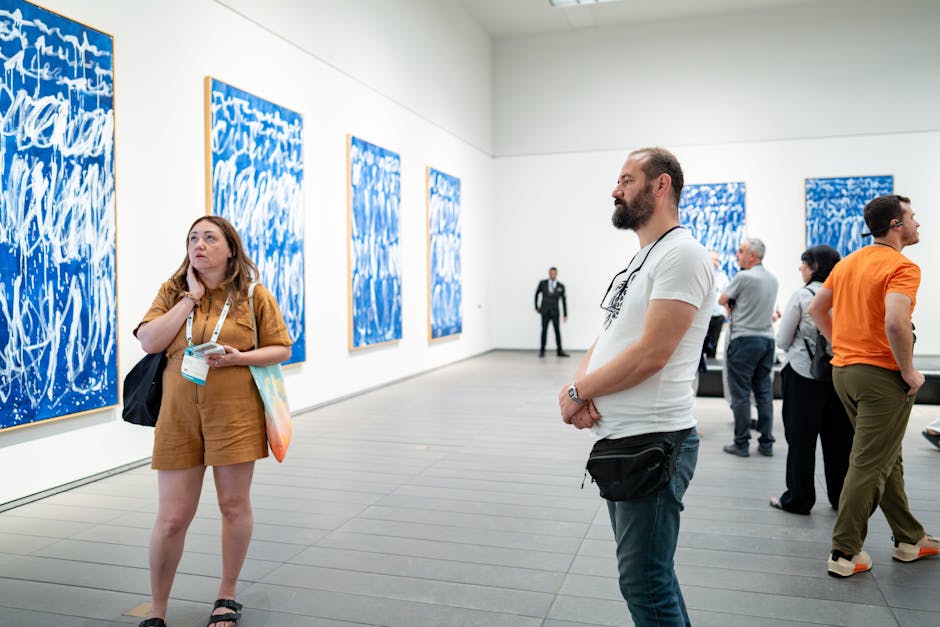
Consider planning your AGSA visit to coincide with one of the gallery’s events or tours for added value. The combination of a guided tour, exhibition visit, cafe lunch, and shop browsing makes for a satisfying half-day experience that often surprises visitors who allocated only an hour. Art has a way of drawing you in, and AGSA’s collection and spaces provide ample reason to linger longer than planned.
Nearby Attractions
AGSA’s central location places it within walking distance of numerous other Adelaide attractions. The South Australian Museum (next door) houses the world’s largest Aboriginal artefact collection and impressive natural history displays. The State Library offers free exhibitions in its gallery spaces and beautiful heritage reading rooms. The University of Adelaide campus is open to walk through, featuring impressive gothic revival architecture and peaceful grounds.
The Adelaide Botanic Garden, a ten-minute walk east along North Terrace, provides a beautiful natural counterpoint to the gallery’s indoor art experience. The Ayers House Museum (North Terrace) offers insight into colonial Adelaide life in a grand heritage home. The Adelaide Festival Centre, visible from the gallery’s western approach, hosts performing arts events year-round and its riverside setting offers pleasant walking.
For dining after your gallery visit, the East End (Rundle Street) is a five-minute walk east, offering diverse restaurants and bars. The Adelaide Oval precinct, visible across the river, combines sporting and entertainment events with quality dining options. The gallery’s position truly places it at the centre of Adelaide’s cultural and recreational life.
The Art Gallery of South Australia represents the best of what Adelaide offers to culturally curious visitors – world-class quality delivered with warmth, accessibility, and generosity. Its free admission policy removes all barriers to engagement with great art, and its diverse collections ensure that every visitor, regardless of background or prior art knowledge, will find works that speak to them. For visitors exploring Adelaide’s cultural landscape, AGSA stands as an essential destination that rewards both brief visits and extended exploration with equal richness. Plan your broader Adelaide cultural experience with our comprehensive guide to arts and culture in the city.
Plan your visit using the Art Gallery of South Australia official website for current exhibitions and events. Nearby cultural institutions include the South Australian Museum and the State Library of South Australia. For dining near the gallery, South Australia Tourism lists nearby options, and Adelaide Metro provides transport connections.