Planning a visit to Adelaide Zoo? Whether you’re a local looking for a family day out or a tourist exploring South Australia’s capital, Adelaide Zoo offers one of the most rewarding wildlife experiences in the country. Located just minutes from the CBD on North Terrace, this heritage-listed zoo has been delighting visitors since 1883 and remains one of Adelaide’s most beloved attractions. In this comprehensive guide, we cover everything you need to know — from things to do in Adelaide including ticket prices, must-see exhibits, daily shows, and insider tips to make your visit unforgettable.
History of Adelaide Zoo
Adelaide Zoo holds the distinction of being Australia’s second-oldest zoo, established in 1883 by the Royal Zoological Society of South Australia. Originally occupying a modest plot of land adjacent to the Adelaide Botanic Gardens, the zoo has grown over more than 140 years into a world-class conservation facility spanning approximately 8 hectares. The zoo’s heritage-listed grounds feature stunning Moreton Bay fig trees, historic buildings, and a charming blend of Victorian-era architecture alongside modern exhibit design.
Throughout its history, Adelaide Zoo has played a pivotal role in wildlife conservation both locally and internationally. The zoo participated in significant breeding programs for endangered species and was the first zoo in Australia to house Giant Pandas. Today, it is home to more than 2,500 animals representing over 250 species, many of which are part of critical conservation breeding programs. The zoo’s commitment to conservation extends beyond its gates through partnerships with wildlife organisations across Southeast Asia, Africa, and Australia.
Adelaide Zoo Tickets and Pricing 2026
Understanding Adelaide Zoo’s ticket options helps you plan your budget effectively. Here’s the complete breakdown of current pricing for 2026:
General Admission Prices
- Adults (15+): $34.50
- Children (4-14): $19.00
- Children under 4: Free
- Concession (seniors, students): $28.00
- Family Pass (2 adults + 2 children): $89.00
Annual memberships offer excellent value if you plan to visit more than twice a year. An adult annual pass costs around $99, while a family annual membership is approximately $249. Members also receive discounts at the zoo’s café and gift shop, plus free entry to Monarto Safari Park, Adelaide Zoo’s sister facility located about an hour from the city.
Money-Saving Tips for Tickets
Booking online in advance can save you up to 10% compared to gate prices. Keep an eye out for special promotions during school holidays and South Australian public holidays. Many Adelaide hotels offer zoo-inclusive packages, and the Adelaide Zoo website occasionally features flash sales. If you’re visiting both Adelaide Zoo and Monarto Safari Park, combo tickets offer significant savings.
Opening Hours and Best Times to Visit
Adelaide Zoo is open every day of the year, including public holidays, from 9:30am to 5:00pm (last entry at 4:30pm). However, choosing the right time to visit can significantly enhance your experience.
The best time to visit Adelaide Zoo is early morning, arriving right at 9:30am opening. Animals are most active in the cooler morning hours, particularly during Adelaide’s warm summer months. You’ll also beat the crowds, especially on weekends and school holidays. Weekdays during school terms are the quietest times, making them ideal for photographers and those who prefer a more relaxed pace.
During summer (December to February), Adelaide can experience extreme heat. On days above 40°C, some animals may be moved indoors or to shaded areas. The zoo provides additional water stations during heatwaves. Spring (September to November) and autumn (March to May) offer the most comfortable conditions for both visitors and animals, with pleasant temperatures and active wildlife. Check the best time to visit Adelaide for seasonal planning tips.
Must-See Exhibits at Adelaide Zoo
Adelaide Zoo features a diverse range of exhibits that showcase wildlife from around the world. Here are the highlights you absolutely shouldn’t miss during your visit.
Giant Pandas: Wang Wang and Funi
Adelaide Zoo’s most famous residents are Giant Pandas Wang Wang and Funi, who arrived in 2009 as part of a conservation partnership with China. They are the only Giant Pandas in the Southern Hemisphere, making Adelaide Zoo the exclusive destination to see these magnificent creatures in Australia. The purpose-built Bamboo Forest exhibit provides the pandas with a spacious environment featuring climbing structures, cooling systems, and fresh bamboo delivered daily. Wang Wang (male) and Funi (female) have distinct personalities — Wang Wang is known for his playful tree-climbing antics, while Funi tends to be more reserved. The best times to see the pandas active are during their morning and afternoon feeding sessions.
Immersion: Southeast Asian Rainforest
The Immersion exhibit transports visitors into a recreated Southeast Asian rainforest environment. This multi-species habitat features Sumatran Tigers, Sumatran Orangutans, White-Cheeked Gibbons, and Sun Bears, along with various bird species and reptiles. The exhibit’s innovative design includes elevated walkways, glass viewing panels at ground level, and rope bridges that allow primates to traverse overhead. The immersive landscaping, complete with waterfalls and dense tropical vegetation, makes you feel as though you’ve been transported to Borneo or Sumatra. Educational signage throughout the exhibit highlights the critical conservation challenges facing Southeast Asian wildlife, particularly deforestation and habitat loss.
Envirodome
The Envirodome is Adelaide Zoo’s spectacular tropical rainforest biodome — a climate-controlled glass structure housing free-flying birds, reptiles, and aquatic species in a lush tropical environment. Walking through the Envirodome, you’ll encounter colourful lorikeets, fruit bats, freshwater fish, and various frog species amid tropical plants, waterfalls, and streams. The controlled environment maintains optimal humidity and temperature year-round, providing a unique experience regardless of Adelaide’s weather outside. It’s particularly popular on hot or cold days when visitors appreciate the consistent tropical warmth.
Nature’s Playground and Children’s Zoo
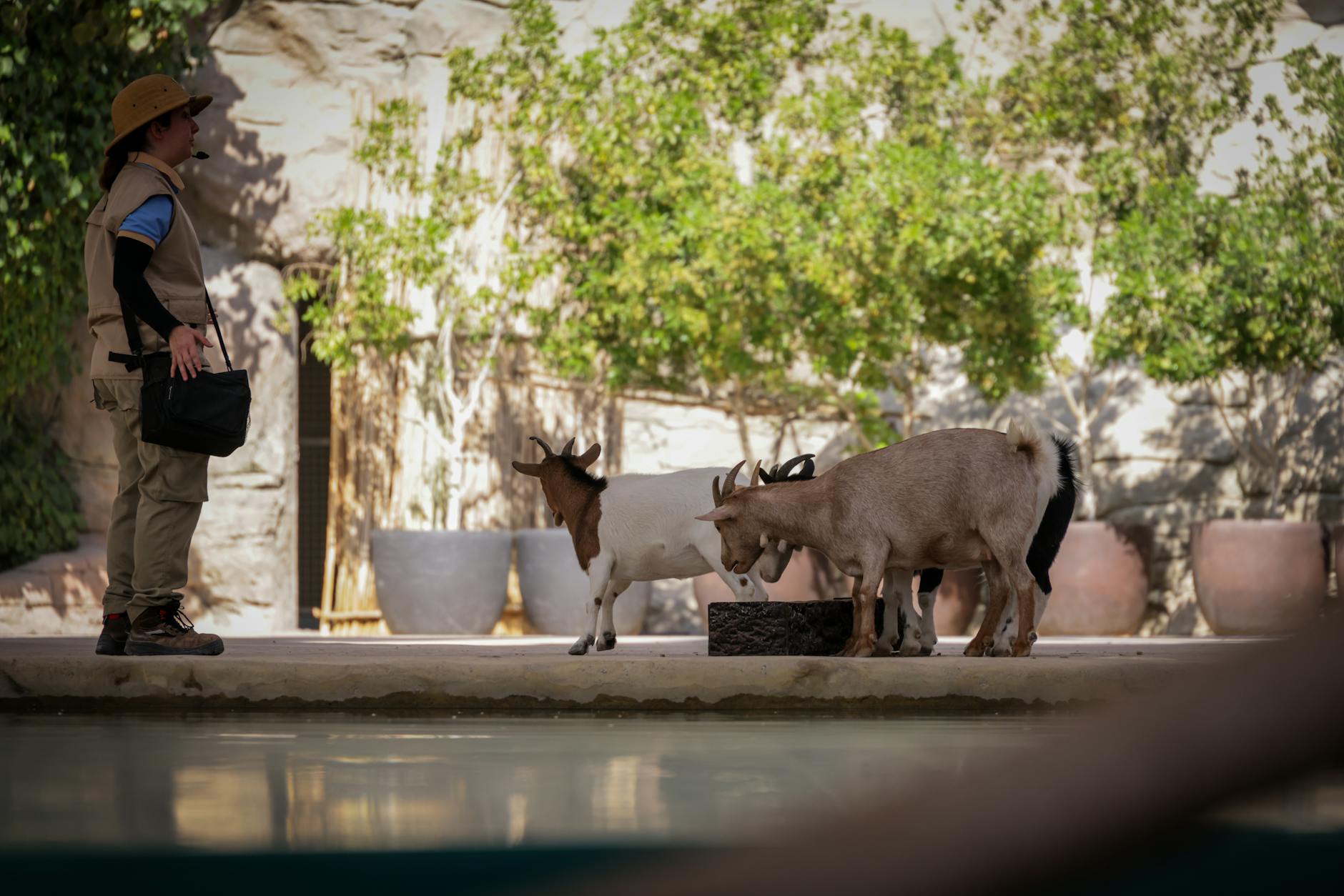
For families with young children, Nature’s Playground and the Children’s Zoo area are essential stops. The Children’s Zoo allows kids to get up close with friendly domestic animals including guinea pigs, rabbits, miniature ponies, and farm animals. Supervised interactions are available during scheduled times throughout the day. Nature’s Playground features nature-themed play equipment, sand play areas, and water play zones (bring spare clothes in summer!). This section is designed for children aged 2-10 and provides a welcome break where kids can burn off energy between animal exhibits. If you’re exploring Adelaide with little ones, check our guide to Adelaide with kids for more family-friendly ideas.
Australian Fauna and Nocturnal House
The Australian natives section showcases the unique wildlife of Australia, including koalas, wombats, Tasmanian devils, kangaroos, and various bird species. The Nocturnal House is a fascinating darkened exhibit where visitors can observe Australia’s nocturnal mammals — bilbies, quolls, sugar gliders, and bettongs — in a reversed day-night cycle. These animals are rarely seen in the wild, making this exhibit a truly special opportunity. The Australian animals section also features an impressive walk-through aviary housing cockatoos, rosellas, and other native birds.
South American and African Exhibits
Adelaide Zoo’s geographic diversity extends to exhibits featuring animals from South America and Africa. The South American section includes capybaras, tapirs, and various monkey species, while the African savannah area is home to giraffes, zebras, meerkats, and African wild dogs. The meerkat exhibit is particularly popular, with these charismatic creatures frequently entertaining visitors with their sentinel behaviour and social interactions. The giraffe feeding experience (additional fee applies) is one of the zoo’s most memorable interactive activities.
Daily Shows and Feeding Sessions
Adelaide Zoo offers daily keeper talks and feeding sessions that provide fascinating insights into animal behaviour and conservation. These presentations are included in your general admission and are well worth planning your day around.
Sea Lion Show
The sea lion presentation is one of the zoo’s most popular daily shows, typically held at 11:00am and 2:00pm. Australian sea lions demonstrate their natural behaviours including swimming, diving, and vocalising, while keepers share information about marine conservation and the threats facing wild sea lion populations along South Australia’s coastline. Arrive 10-15 minutes early to secure front-row seating at the amphitheatre.
Macaw Free Flight Display
The free flight bird display features colourful macaws and cockatoos soaring overhead in a spectacular aerial show. These intelligent birds demonstrate their natural flight capabilities while keepers discuss avian biology, conservation of tropical forests, and the intelligence of parrot species. The show typically runs at 12:30pm daily (weather permitting — cancelled in heavy rain or strong winds).
Additional Feeding Times
- Panda feeding: 9:30am and 3:00pm daily
- Giraffe feeding experience: 11:30am (bookable, additional $10)
- Penguin feeding: 2:30pm daily
- Tiger enrichment: 1:00pm (selected days)
- Meerkat talk: 10:30am daily
Show times can vary seasonally and may be cancelled in extreme weather conditions. Check the zoo’s daily schedule board at the entrance or their app for the most current information.
Getting to Adelaide Zoo
Adelaide Zoo enjoys an extremely convenient location on North Terrace, within easy reach of the city centre. Here are all the ways to get there:
By Public Transport
The most convenient public transport option is the free City Connector bus or the Adelaide Metro bus network. Several bus routes stop directly outside the zoo on Frome Road or along North Terrace. The Adelaide Railway Station is a 10-minute walk away, and the tram stop on North Terrace (near the Botanic Gardens) is just 5 minutes on foot. For detailed public transport information, visit our getting around Adelaide guide.
By Car
If driving, the zoo does not have its own car park. The nearest paid parking options include the East Terrace car park (5-minute walk), the Botanic Gardens car park on Plane Tree Drive (limited free parking for first 2 hours), and various Wilson Parking locations in the East End. On weekends, free on-street parking is available along Frome Road and surrounding streets. Arrive early on weekends and holidays to secure closer spots.
By Foot or Bicycle
Adelaide Zoo is an easy 15-minute walk from Rundle Mall through the East End or along North Terrace past the University of Adelaide and Art Gallery. The city’s bike share program offers convenient cycling access, with bike stations located near the zoo entrance. The Linear Park Trail along the River Torrens also provides a scenic cycling route directly to the zoo’s western boundary.
Insider Tips for Your Adelaide Zoo Visit
After numerous visits to Adelaide Zoo, here are our top tips to help you make the most of your experience:
Planning Your Route
Allow a minimum of 3-4 hours to see the zoo at a comfortable pace, though half a day or more is ideal if you want to catch multiple shows and feeding sessions. Start with the Giant Pandas (turn left from the entrance) as they’re most active in the morning. Then work your way through the Immersion exhibit before heading to the Australian natives section. Save the Envirodome and Children’s Zoo for the afternoon when the tropical warmth is most welcome.
What to Bring
- Sunscreen and hat: Much of the zoo is outdoors with limited shade
- Comfortable walking shoes: The zoo covers 8 hectares of varied terrain
- Water bottle: Refill stations are located throughout the grounds
- Camera with zoom lens: Many animals are best photographed from a distance
- Binoculars: Excellent for the aviaries and larger enclosures
- Picnic lunch: Save money by using the designated picnic areas
- Spare clothes for kids: Water play areas in Nature’s Playground
Photography Tips
Adelaide Zoo is a photographer’s paradise. The morning golden hour (first hour after opening) provides the best lighting conditions. For shooting through glass barriers, press your lens directly against the glass to eliminate reflections and use a lens hood. The panda enclosure has excellent elevated viewing platforms for photography. The free flight bird show offers dramatic action shots if you use a fast shutter speed (1/1000s or higher). The heritage gardens and Moreton Bay fig trees make stunning backdrops for family portraits.
Food and Dining at Adelaide Zoo
Adelaide Zoo offers several dining options to keep you fuelled throughout your visit. The main café, located near the centre of the zoo, serves barista coffee, light meals, sandwiches, and kids’ meals. A second kiosk near the sea lion arena offers ice cream, cold drinks, and snacks — perfect for hot days. The food quality is decent for a zoo venue, with prices slightly above standard café rates (expect $15-20 for a meal).
For budget-conscious visitors, you’re welcome to bring your own food and drinks. Several shaded picnic areas with tables are scattered throughout the grounds, making a packed lunch an excellent option especially for families. The large lawned area near Nature’s Playground is particularly popular for picnics.
For a more upscale dining experience, consider visiting one of the nearby Adelaide restaurants along North Terrace or in the East End after your zoo visit.
Combining Your Zoo Visit with the Botanic Gardens
Adelaide Zoo shares its eastern boundary with the magnificent Adelaide Botanic Gardens, making a combined visit an excellent way to spend a full day. The Botanic Gardens are free to enter and feature stunning themed gardens including the Mediterranean Garden, the First Creek Wetland, and the stunning Santos Museum of Economic Botany. The Bicentennial Conservatory (the largest single-span conservatory in the Southern Hemisphere) houses tropical rainforest plants from regions represented in the zoo.
A popular strategy is to visit the zoo in the morning (when animals are most active) and then stroll through the Botanic Gardens in the afternoon. The gardens close at sunset, giving you plenty of time after the zoo’s 5pm closing. Pack a picnic and enjoy it on the Botanic Gardens’ lawns before heading back to the city. This combination makes for one of Adelaide’s best full-day experiences.
Conservation Programs and How to Support Them
Adelaide Zoo is operated by Zoos SA, a not-for-profit conservation charity. Your admission ticket directly supports their conservation work both locally and globally. The zoo participates in over 20 regional and international breeding programs for endangered species. Key conservation projects include efforts to save the Orange-Bellied Parrot, Greater Bilby, Regent Honeyeater, and Sumatran Tiger.
Visitors can further support conservation through animal adoptions, keeper experiences, and donations. The zoo’s website provides information on volunteering opportunities and their various conservation campaigns. By visiting Adelaide Zoo, you’re directly contributing to the survival of some of the world’s most endangered species.
Accessibility and Facilities
Adelaide Zoo is largely wheelchair and pram accessible, with sealed pathways throughout most of the grounds. Wheelchair hire is available at the entrance (first-come, first-served). Accessible toilets are located at multiple points throughout the zoo. The zoo provides sensory maps for visitors with autism and offers quiet spaces during busy periods. Companion card holders receive free entry. Guide dogs and assistance animals are welcome, though some exhibit areas may have restrictions.
Nearby Attractions
Adelaide Zoo’s North Terrace location puts it within walking distance of many other attractions. Consider combining your visit with the South Australian Museum (free entry), the Art Gallery of South Australia (free entry), the Adelaide Botanic Gardens, or the National Wine Centre. The vibrant East End dining precinct on Rundle Street is just a 10-minute walk away, perfect for a post-zoo dinner. For more ideas on what to do in the area, see our complete things to do in Adelaide guide.
Frequently Asked Questions About Adelaide Zoo
How long do you need at Adelaide Zoo?
Most visitors spend 3-4 hours at Adelaide Zoo, but you could easily spend half a day if you want to see all exhibits and attend multiple shows. Families with young children often stay longer due to Nature’s Playground and the Children’s Zoo. Plan at least 4 hours if you want a relaxed, comprehensive experience.
Can you bring food into Adelaide Zoo?
Yes, you are welcome to bring your own food and drinks into Adelaide Zoo. There are multiple shaded picnic areas with seating throughout the grounds. Glass bottles are discouraged for safety reasons, so transfer drinks to plastic containers if possible.
Is Adelaide Zoo worth visiting?
Absolutely. Adelaide Zoo offers a unique combination of heritage charm, world-class exhibits, and exclusive attractions (the only Giant Pandas in the Southern Hemisphere). Its compact size means you can see everything in half a day without the exhaustion of larger zoos. The conservation focus and excellent keeper presentations add educational value that makes it worthwhile for all ages.
Are there pandas at Adelaide Zoo in 2026?
Yes, Giant Pandas Wang Wang and Funi remain at Adelaide Zoo in 2026. They are the only Giant Pandas in the Southern Hemisphere and continue to be the zoo’s star attractions. Visit during their feeding times (9:30am and 3:00pm) for the best viewing experience.
What is the difference between Adelaide Zoo and Monarto Safari Park?
Adelaide Zoo is a compact, walkable city zoo focused on diverse species in naturalistic exhibits. Monarto Safari Park (about 1 hour from Adelaide) is an open-range sanctuary where large African and Australian animals roam in vast paddocks, explored via guided bus tours. Both are operated by Zoos SA and a combo ticket is available. For those planning day trips from Adelaide, Monarto makes an excellent option.
Plan Your Adelaide Zoo Visit
Adelaide Zoo remains one of the most accessible and rewarding wildlife experiences in Australia. Its central location, manageable size, and unique attractions — particularly the Giant Pandas and Immersion exhibit — make it a must-visit destination whether you’re spending a day or a week in Adelaide. Book your tickets online to save, arrive early to see the animals at their most active, and don’t miss the sea lion show. Combined with the adjacent Botanic Gardens, Adelaide Zoo offers a full day of nature, education, and entertainment right in the heart of the city. For more inspiration on your Adelaide itinerary, explore our guides to the best beaches and nature spots around Adelaide.
The pandas deserve their own page, and they have one. Our guide to the Adelaide Zoo pandas covers Xing Qiu and Yi Lan in detail — where they came from, what happened to Wang Wang and Fu Ni, the time of day they are actually awake rather than asleep, and an honest verdict on whether they alone justify the ticket.