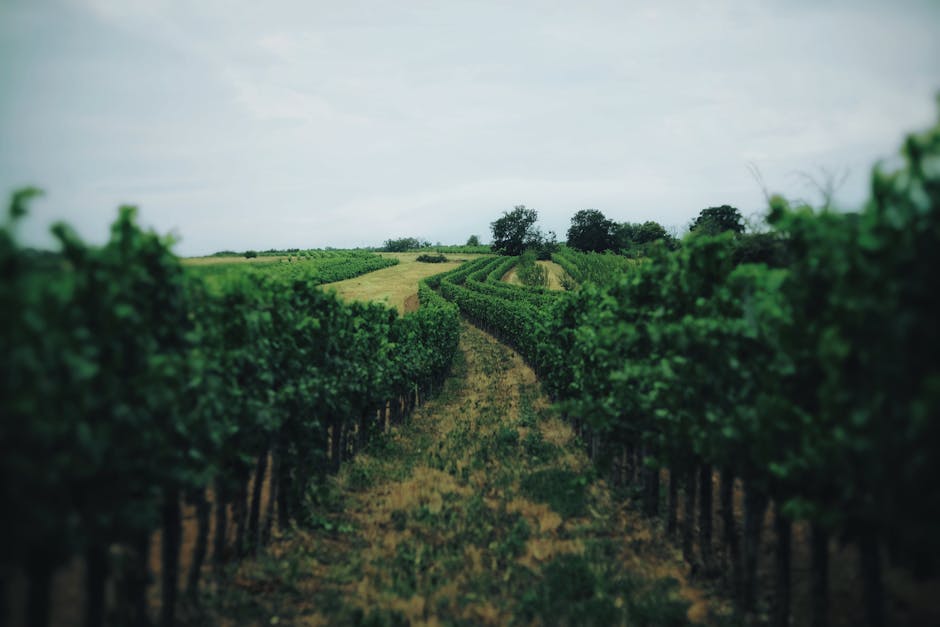
McLaren Vale stands as one of Australia’s most celebrated wine regions, producing world-class Shiraz alongside an increasingly diverse portfolio of Mediterranean varieties that thrive in the region’s maritime climate. Just 40 minutes south of Adelaide, this compact region packs more than 80 cellar doors into rolling hills that stretch from the Mount Lofty Ranges to the dramatic coastline of Gulf St Vincent. Whether you’re a seasoned wine collector or a curious beginner, McLaren Vale offers tasting experiences that range from intimate family-run operations to architectural showpieces.
Understanding McLaren Vale’s Terroir
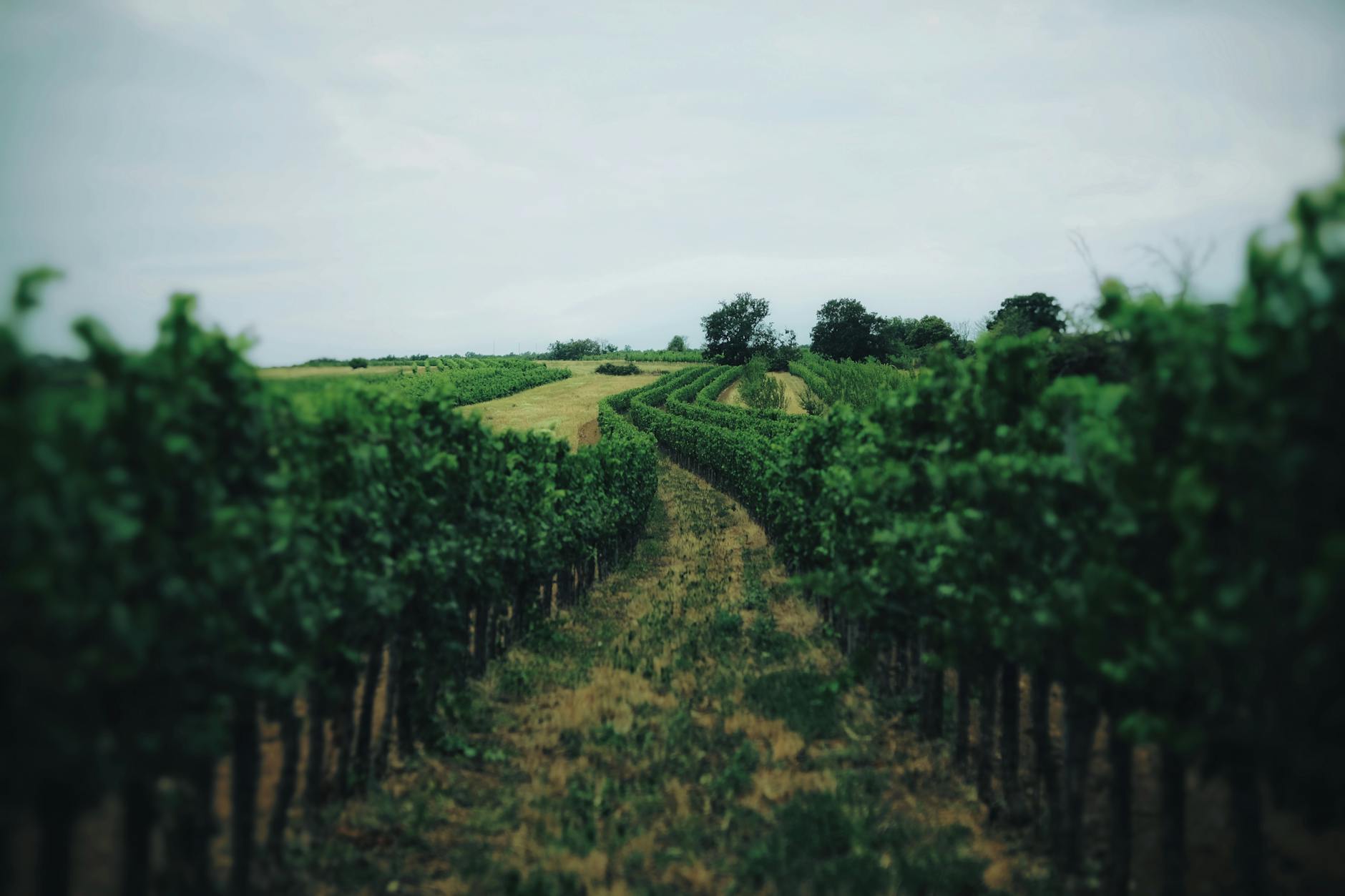
McLaren Vale’s extraordinary wine quality stems from a unique combination of geography, geology, and climate that few regions worldwide can match. The region spans approximately 75 square kilometres, yet contains more than 40 distinct soil types—an almost unprecedented geological diversity that allows winemakers to produce remarkably different wines from vineyards just kilometres apart.
The climate is Mediterranean: warm, dry summers moderated by cooling sea breezes from Gulf St Vincent to the west and the elevated terrain of the Mount Lofty Ranges to the east. This maritime influence is crucial—afternoon breezes slow ripening, preserve acidity, and prevent the overripe characters that can afflict warmer inland regions. Average summer temperatures sit around 28-32°C, with cool nights dropping to 14-16°C, allowing grapes to develop complex flavours while retaining freshness.
Rainfall averages 550mm annually, falling primarily in winter, meaning most vineyards are dry-grown or minimally irrigated during the growing season. Old vines—some dating back to the 1840s—send roots deep into varied substrates, drawing mineral character and surviving drought conditions that would stress younger plantings.
McLaren Vale’s Star Varieties
Shiraz: The Undisputed King
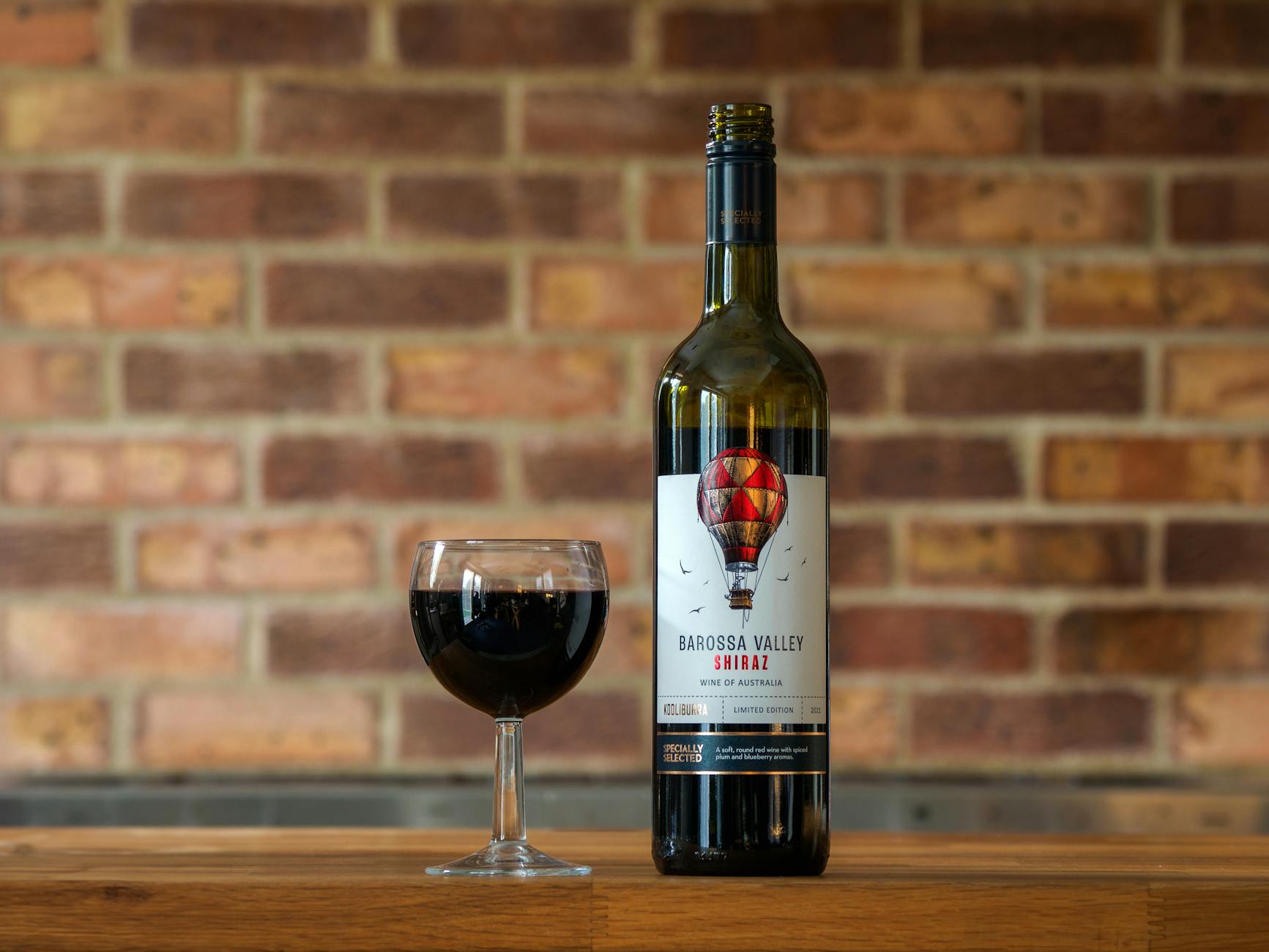
Shiraz accounts for approximately 55% of McLaren Vale’s plantings and produces the wines that built the region’s international reputation. McLaren Vale Shiraz is characteristically generous and full-bodied, with dark fruit (plum, blackberry, mulberry), chocolate, and often distinctive earthy, savoury notes that distinguish it from Barossa Valley’s more opulent style.
The best examples balance richness with structure: ripe fruit supported by fine tannins and refreshing acidity courtesy of those cooling sea breezes. Sub-regions produce notably different Shiraz styles—Blewitt Springs’ sandy soils yield elegant, perfumed wines, while Seaview’s heavier soils and coastal proximity produce denser, more structured examples. If you’re also exploring other Adelaide wine regions, you’ll appreciate how McLaren Vale Shiraz differs from Barossa Valley’s style.
Grenache: The Old-Vine Renaissance
McLaren Vale’s Grenache story is one of Australian wine’s most exciting chapters. For decades, old-vine Grenache was undervalued—blended away into cheap bulk wines or, tragically, pulled out in favour of more “fashionable” varieties. Today, those surviving old vines (50-100+ years old) are recognised as national treasures, producing wines of extraordinary complexity and character.
Old-vine McLaren Vale Grenache offers red fruits (strawberry, raspberry, cherry), exotic spice, floral perfume, and a silky texture that belies the grape’s reputation for simplicity. Leading producers like Yangarra Estate, Bekkers, and Thistledown have demonstrated that carefully made Grenache can rival the finest Châteauneuf-du-Pape. Look for examples from bush vines planted in sandy or sandy-loam soils—these tend to produce the most perfumed, complex wines.
Mediterranean Whites: Fiano, Vermentino & Beyond
McLaren Vale’s climate mirrors the Mediterranean basin, making it ideal for Italian and Southern French white varieties that struggle in cooler Australian regions. Fiano (from Southern Italy) has emerged as the region’s white wine star, producing textured, aromatic wines with stone fruit, honeysuckle, and a distinctive nutty character. Vermentino offers crisp, saline wines perfect for the region’s seafood. Grenache Blanc, Marsanne, and Roussanne round out a portfolio of whites that pair brilliantly with the local cuisine.
Other Notable Varieties
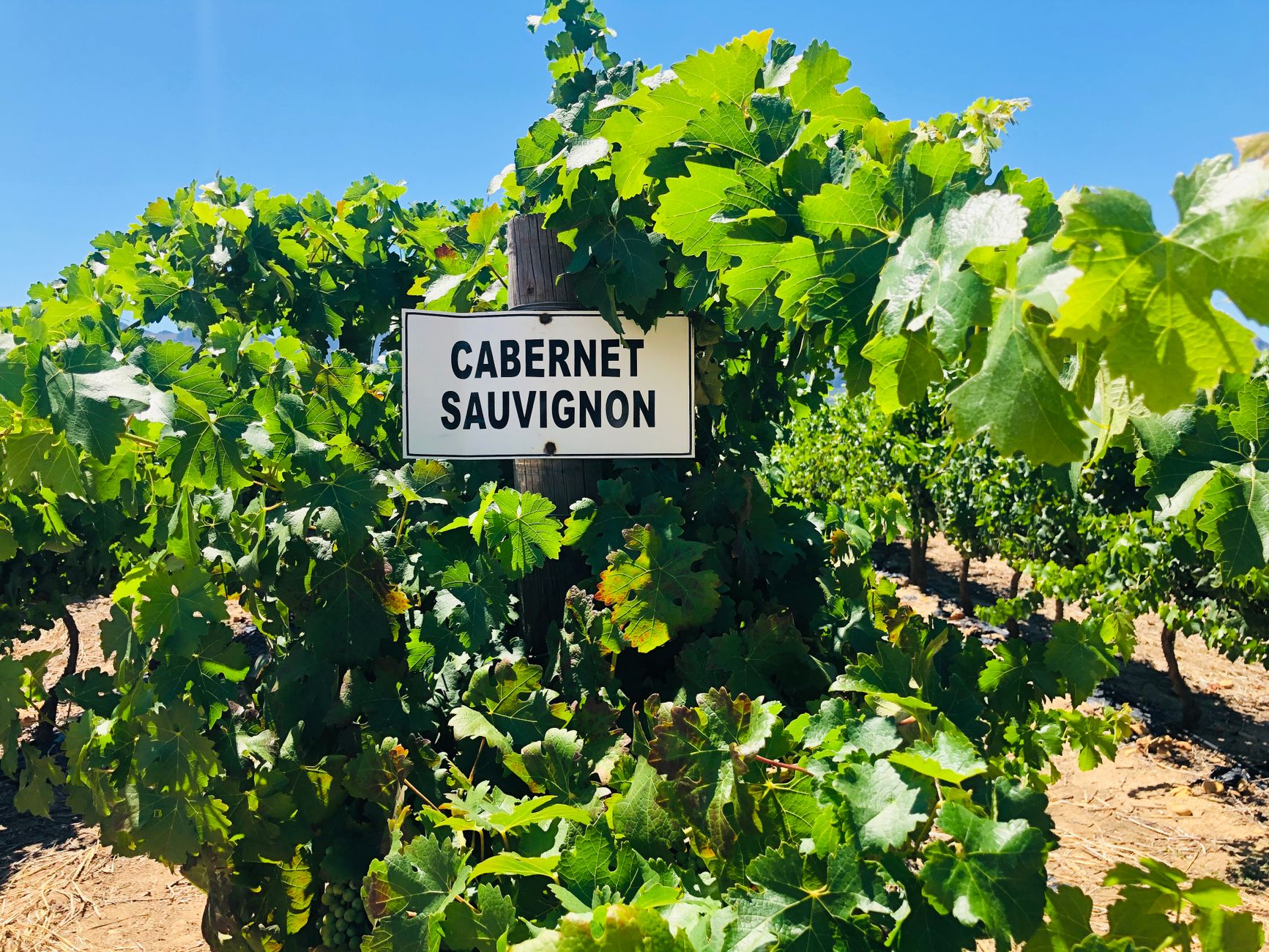
Cabernet Sauvignon produces structured, age-worthy wines, particularly from elevated sites. Tempranillo, Sangiovese, Nero d’Avola, and Montepulciano are all finding their place as winemakers experiment with varieties suited to a warming climate. These alternative varieties often offer excellent value, as they lack the premium pricing of established Shiraz and Grenache.
Top Cellar Doors: Must-Visit Wineries
d’Arenberg – The Cube Experience
d’Arenberg’s Cube is McLaren Vale’s most iconic building: a five-storey, Rubik’s Cube-inspired structure that houses some of Australia’s most unique wine experiences. Designed by fourth-generation winemaker Chester Osborn, the Cube contains a wine inhalation room (where you smell wine aromas from giant diffusers), a virtual fermenter (simulating the winemaking process), a contemporary art gallery, and the acclaimed d’Arry’s Verandah Restaurant on the top floor with panoramic vineyard views.
Beyond the spectacle, d’Arenberg produces exceptional wines across an enormous portfolio. The Dead Arm Shiraz (named for the deadarm fungus that reduces yields but intensifies flavour) is one of Australia’s most celebrated wines. Their Stump Jump range offers excellent value for everyday drinking. Tastings start from $15 per person; the full Cube experience is $35-70 depending on inclusions. Book in advance, especially weekends and holidays.
Coriole – Organic Pioneer
Coriole holds a special place in Australian wine history as the first winery to plant Sangiovese in the country, back in 1985. Today they’re certified organic and produce an exemplary range of Italian-inspired wines alongside traditional Shiraz and Cabernet. Their Sangiovese—bright, cherry-fruited, and refreshingly food-friendly—remains a benchmark for the variety in Australia.
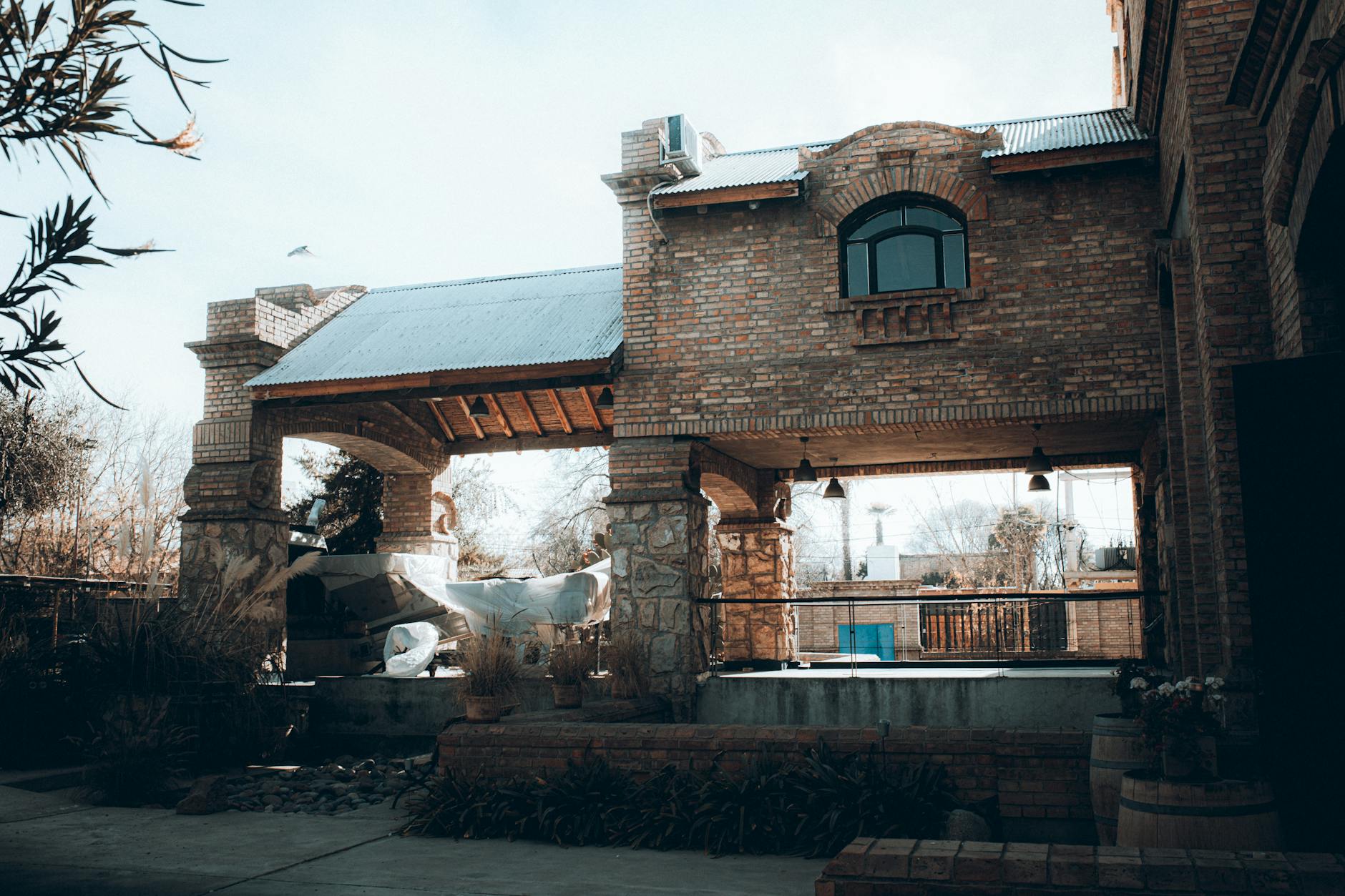
The cellar door experience is relaxed and welcoming: tastings happen in a restored 1860s stone barn, and you can bring a picnic to enjoy in their olive grove with vineyard views. The estate-grown olive oil is exceptional and available for purchase. Their Fiano and Chenin Blanc offer outstanding value among white wines. Tastings $10, refundable with purchase.
Mollydooker – Bold, Generous, Unforgettable
Mollydooker (Australian slang for a left-hander) produces some of McLaren Vale’s most opulent, fruit-driven wines. Their Carnival of Love Shiraz is legendary among lovers of rich, full-bodied Australian reds: waves of plum, dark chocolate, vanilla, and mocha backed by velvety tannins. It’s not subtle wine, but it’s magnificently executed.
The cellar door experience reflects the wines’ personality—warm, generous, and entertaining. Winemakers Sarah and Sparky Marquis are genuine characters whose passion is infectious. Their Boxer Shiraz and Maitre D’ Cabernet offer the house style at more accessible price points ($25-35). The premium Carnival of Love and Velvet Glove sit at $80-150. Tastings complimentary with a welcoming atmosphere that never feels intimidating.
Gemtree Wines – Family-Friendly Organic
Gemtree combines serious biodynamic winemaking with one of McLaren Vale’s most family-friendly cellar door experiences. Their playground and sprawling lawns make it ideal for families where one parent wants to taste while children play safely within view. The vineyard views from the tasting room are among the region’s most beautiful.
Wine quality matches the setting: their Obsidian Shiraz regularly earns 95+ point scores, while the Citrine Chardonnay and Luna Temperance (alcohol-free alternative) demonstrate range and innovation. Their commitment to biodiversity—including habitat corridors and wetland restoration—adds depth to the story in every glass. If you’re planning a McLaren Vale day trip with kids, Gemtree should top your list. Also consider our Adelaide with kids guide for more family-friendly options.
Wirra Wirra – Historic Charm
Wirra Wirra’s heritage stone buildings, established in 1894, house one of McLaren Vale’s most atmospheric cellar doors. The iconic ironbark post at the entrance has been rubbed smooth by generations of visitors. Inside, knowledgeable staff guide you through a portfolio that spans everyday drinking to collectible releases.
Their Church Block (a Cabernet-Shiraz-Merlot blend) is one of Australia’s most popular red wines—approachable, well-priced ($20-25), and consistently excellent. The RSW Shiraz represents the premium tier, showcasing what old-vine McLaren Vale Shiraz can achieve with careful winemaking. The grounds are beautiful for a post-tasting stroll, and their annual Christmas tree unveiling has become a beloved local tradition.
Chapel Hill – Coastal Views & Premium Wines
Perched on elevated terrain with sweeping views to the coast, Chapel Hill combines one of McLaren Vale’s best outlooks with consistently premium wines. Their Shiraz, Cabernet, and Grenache all benefit from the altitude and sea breezes that moderate temperatures at this site.
The tasting experience is polished without being stuffy—knowledgeable staff explain terroir and winemaking with genuine passion. Their The Parson Shiraz-Grenache offers exceptional value ($20-25), while the flagship Bush Vine Grenache and The Vicar Shiraz reward those seeking complexity and ageability. The views from the tasting terrace, particularly at sunset, are worth the visit alone.
Sub-Regions of McLaren Vale
Understanding McLaren Vale’s sub-regions adds depth to your tasting experience and helps explain why wines from neighbouring vineyards can taste so different.
Blewitt Springs
Elevated (200-250m) with predominantly deep sand over clay subsoils, Blewitt Springs produces some of McLaren Vale’s most elegant, perfumed wines. The sandy soils naturally restrict vine vigour and produce lower yields of intensely flavoured, finely structured fruit. Old-vine Grenache from Blewitt Springs is particularly prized for its floral, spicy character. Key producers: Yangarra Estate, Bekkers, Brash Higgins.
Willunga
In the southern part of the region, Willunga’s vineyards benefit from altitude and proximity to the coast. Soils are varied—ancient alluvial sands, limestone, and clay—producing wines with pronounced minerality and freshness. The area is also home to the renowned Willunga Farmers Market (Saturday mornings), making it a natural day trip stop for food lovers.
Seaview
The westernmost sub-region receives the strongest maritime influence, with afternoon sea breezes providing significant cooling. Soils tend toward heavier clay, producing wines with more power and density than the sandier eastern sites. Shiraz from Seaview often shows darker fruit characters and more robust structure.
Wine Tasting Etiquette and Tips
Whether you’re new to wine tasting or an experienced visitor, these tips will help you get the most from your McLaren Vale experience.
Booking: Most cellar doors welcome walk-ins, but popular wineries (especially d’Arenberg, Alpha Box & Dice, and Mitolo) recommend or require bookings on weekends and public holidays. Book at least a week ahead for Saturday visits during peak season (October-April).
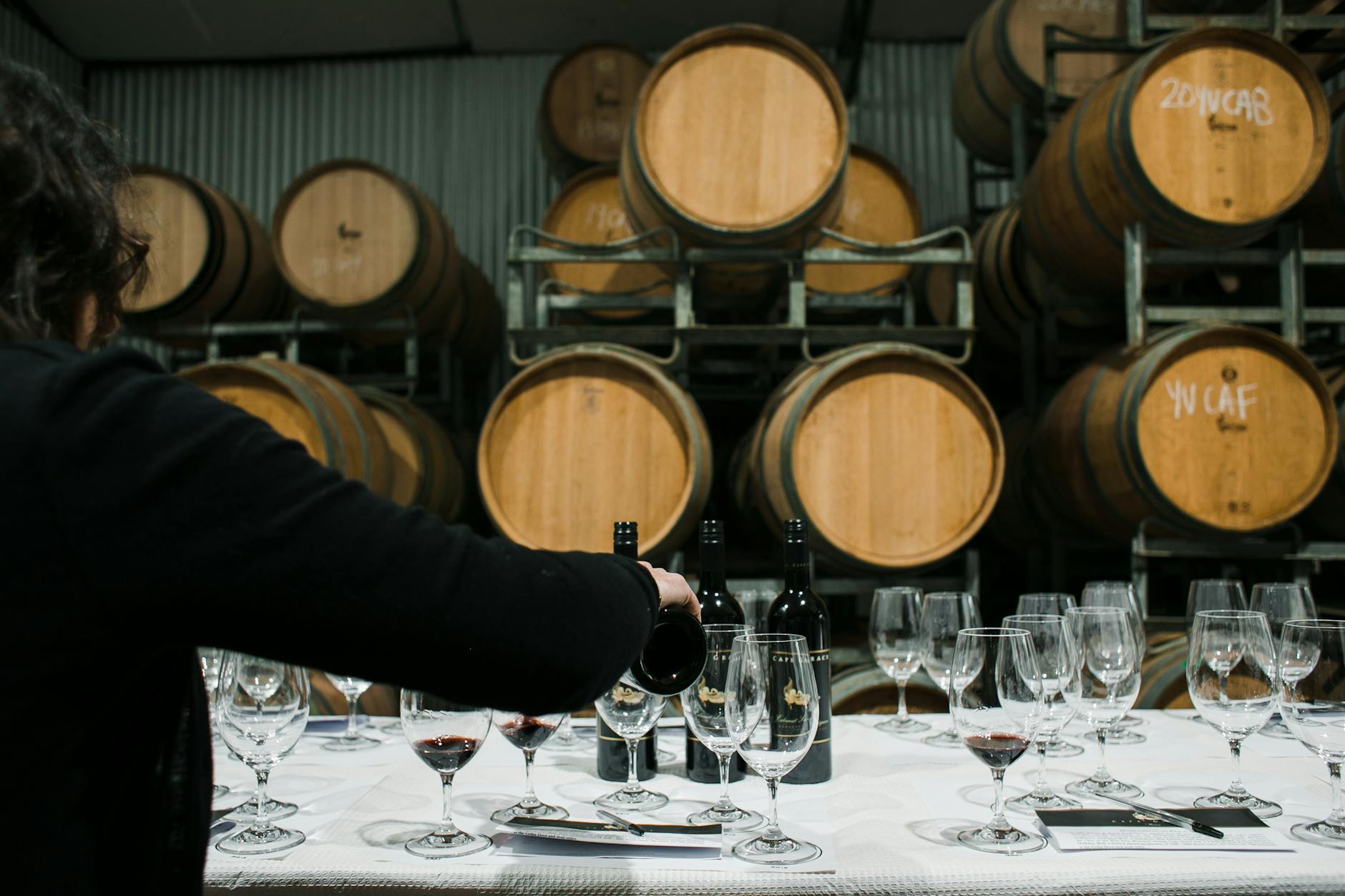
Tasting fees: Range from free to $25+, with most charging $10-15. Fees are typically refunded with purchase. Premium or library tastings cost more but offer exceptional wines you won’t find elsewhere.
Use the spittoon: Professional tasters always spit—it’s not rude, it’s sensible. You’ll appreciate wines more clearly and stay safe for driving. Every cellar door provides spit buckets without judgement.
Take notes: After four or five wineries, wines blur together. Use your phone to photograph labels and jot tasting notes. Many cellar doors provide tasting sheets you can annotate.
Ask questions: Cellar door staff genuinely love discussing their wines. Ask about vintage variation, food pairings, aging potential, or winemaking techniques. You’ll learn more than any book can teach.
Plan 4-5 wineries maximum: Quality over quantity. Rushing through ten cellar doors means missing the nuances that make each special. Allow 30-45 minutes per stop, with breaks for food and water between.
Seasonal Events and Festivals
McLaren Vale’s calendar is punctuated by events and festivals that celebrate the region’s wine and food culture throughout the year.
Sea & Vines Festival (June long weekend): The region’s signature event pairs wine with food across dozens of venues. Wineries create special menus, live music fills cellar doors, and the atmosphere is celebratory. Book accommodation and restaurants well in advance—this is McLaren Vale’s busiest weekend.
Vintage Festival (even-numbered years): Coinciding with harvest, this biennial celebration lets you see winemaking in action. Crush pads hum with activity, and many wineries offer special experiences like grape-picking, blending sessions, and barrel tastings.
Willunga Almond Blossom Festival (July): Celebrating the region’s beautiful almond orchards in bloom, this community festival combines food stalls, live music, and cellar door specials. A charming winter event.
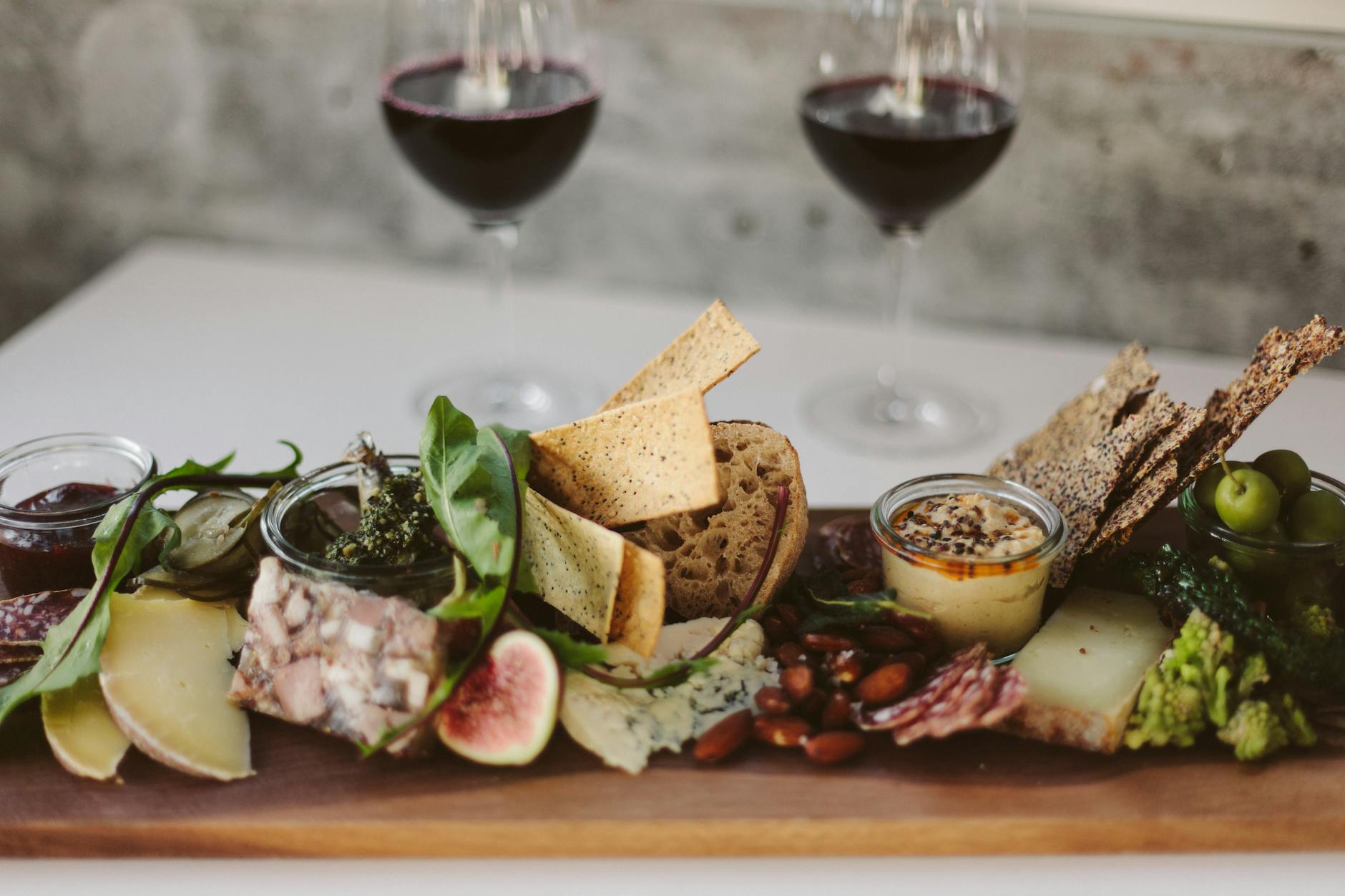
Food Pairing: What to Eat with McLaren Vale Wines
McLaren Vale’s food scene has developed alongside its wines, creating natural pairings that enhance both. The Adelaide food scene extends beautifully into this region.
With Shiraz: Slow-cooked lamb shoulder, wood-fired pizza with Italian sausage, aged cheddar, dark chocolate. The wine’s richness matches protein-heavy dishes with bold flavours.
With Grenache: Charcuterie boards, paella, Mediterranean vegetable dishes, roasted duck. The variety’s bright fruit and spice complement lighter, more aromatic foods.
With Fiano/Vermentino: Fresh seafood (especially local King George whiting), oysters, antipasto, goat cheese salads. These crisp whites sing alongside the coastal produce available at nearby beaches.
With Cabernet Sauvignon: Grilled rib-eye steak, mushroom ragout, hard aged cheeses. The wine’s structure and tannin require hearty, fatty dishes to balance.
Getting to McLaren Vale
McLaren Vale sits just 35-40 minutes south of Adelaide CBD, making it one of Australia’s most accessible premium wine regions. For details on getting around Adelaide and transport options, see our complete guide.
By car: Take the Southern Expressway from Adelaide (freeway, 20 minutes to interchange) then Main South Road into McLaren Vale township. Alternatively, the scenic route via Old Noarlunga and the coast adds 15 minutes but offers beautiful views. Designated driver services are available if your group prefers everyone to taste.
By tour bus: Numerous operators run daily tours from Adelaide, typically visiting 4-5 wineries with lunch included ($100-200 per person). This eliminates driving concerns and often provides access to wineries that don’t have public cellar doors. Check our day trips guide for recommended operators.
By bike: The Shiraz Trail (a dedicated cycling path) connects McLaren Vale township to Willunga, passing several cellar doors along relatively flat terrain. Bike hire is available in McLaren Vale township. It’s a wonderful way to combine exercise with tasting (though remember to spit!).
Where to Stay in McLaren Vale
While McLaren Vale works perfectly as a day trip from Adelaide, staying overnight allows you to explore at a more relaxed pace, enjoy long restaurant lunches without worrying about the drive back, and experience the region’s beautiful morning light.
Accommodation ranges from luxury vineyard retreats ($400-800/night) to charming B&Bs ($150-250/night) and self-contained cottages ($180-350/night). McLaren Vale township has the most options within walking distance of restaurants and shops. For a broader view of accommodation options near Adelaide, see our complete guide.
Building Your McLaren Vale Wine Knowledge
To truly appreciate McLaren Vale’s wines, consider visiting multiple times with different focuses. One trip might concentrate on Shiraz across different sub-regions; another could explore alternative varieties; a third might trace organic and biodynamic producers. Each visit reveals new layers in this complex, rewarding region.
Many cellar doors offer educational experiences beyond standard tastings: blending workshops where you create your own wine, vertical tastings across multiple vintages, and vineyard walks that explain terroir in situ. These deeper experiences transform casual wine drinkers into informed enthusiasts.

Planning Your McLaren Vale Wine Visit
The best time to visit McLaren Vale depends on what you want to experience. Autumn (March-May) offers harvest activity and golden vineyard colours. Winter (June-August) brings fewer crowds and lush green landscapes. Spring (September-November) sees wildflowers and new growth. Summer (December-February) is peak season with long warm days perfect for outdoor tastings—book well ahead.
Whether you’re planning a dedicated wine-focused trip or adding McLaren Vale to a broader Adelaide holiday, this region delivers experiences that linger long after the last glass is drained. The combination of world-class wines, stunning landscapes, exceptional food, and welcoming hospitality makes McLaren Vale one of Australia’s essential wine destinations. For a complete day plan, see our McLaren Vale day trip guide.
McLaren Vale’s Mediterranean Varieties and New Frontiers
The McLaren Vale wine region shares remarkable climatic similarities with the Mediterranean basin, a geographical advantage that forward-thinking winemakers have increasingly exploited to produce outstanding examples of varieties traditionally associated with southern Europe. The warm days, cool maritime-influenced nights, and relatively low rainfall create conditions that mirror those found in southern Italy, Spain, and southern France. This climate compatibility has enabled varieties like Fiano, Vermentino, Grenache, and Tempranillo to thrive with an authenticity of expression that has surprised even the most seasoned international wine critics.
Fiano has emerged as one of McLaren Vale’s most exciting white wine stories, producing wines of remarkable texture and complexity that rival the best examples from Campania in southern Italy. Local producers have discovered that the variety responds beautifully to the region’s ancient soils, developing the honeyed, nutty characters that make Italian Fiano so compelling while adding a distinctly Australian freshness. Vermentino, the crisp coastal white of Sardinia and Corsica, has found an equally welcoming home in McLaren Vale wine country, where sea breezes moderate temperatures and preserve the bright acidity that makes this variety so food-friendly.
Perhaps the most significant development in McLaren Vale’s varietal landscape is the renaissance of old-vine Grenache. For decades, these ancient plantings were undervalued, with fruit often disappearing into bulk blends. Today, a new generation of winemakers recognises that McLaren Vale’s Grenache vines, some over a century old, represent an irreplaceable viticultural treasure. These gnarled, low-yielding vines produce wines of extraordinary concentration and elegance, with the perfumed red fruit and spice characters that have drawn comparisons to the finest examples from Châteauneuf-du-Pape and Priorat.
The movement toward sustainable, organic, and biodynamic farming practices has gained remarkable momentum throughout the McLaren Vale wine region. The area became Australia’s first wine region to map its geological profile, creating a detailed understanding of soil types that informs both viticulture and winemaking decisions. Many producers have embraced organic certification, recognising that healthy soils produce more expressive wines while ensuring the long-term viability of their vineyards. Biodynamic practices, once considered fringe, have moved into the mainstream as producers observe measurable improvements in vine health and fruit quality.
A new generation of winemakers is pushing boundaries in McLaren Vale, experimenting with minimal-intervention techniques, amphora fermentation, and skin-contact whites that challenge conventional expectations. These young producers often combine formal winemaking education with apprenticeships in regions like the Rhône Valley, Piedmont, and the Douro, bringing international perspectives to their McLaren Vale wine endeavours. Their willingness to take creative risks has injected fresh energy into the region, attracting wine enthusiasts who seek unique and thought-provoking bottles alongside the established classics.
The convergence of Mediterranean varieties, old-vine treasures, and sustainable philosophies positions McLaren Vale at the forefront of Australian wine innovation. As climate change prompts a national conversation about which varieties will thrive in warming conditions, McLaren Vale’s early adoption of heat-adapted Mediterranean grapes provides a template for other regions to follow. The region proves that embracing change while honouring tradition creates wines of genuine distinction that express both place and purpose.
Wine Tourism Infrastructure and Visitor Experience
The McLaren Vale wine region has invested significantly in visitor infrastructure over recent decades, transforming the area from a collection of farmgate sellers into a sophisticated wine tourism destination that welcomes hundreds of thousands of visitors annually. Purpose-built cellar doors now feature architectural designs that complement the landscape, with many incorporating sustainable building practices and locally sourced materials that reflect the environmental values of the winemakers within. The visitor experience extends far beyond simple tastings, with many estates offering vineyard walks, blending workshops, and long-table lunches that immerse guests in the complete McLaren Vale wine story from soil to glass.
The region’s cycling trails have become increasingly popular with wine tourists seeking active experiences that combine exercise with indulgence. The Shiraz Trail and connected pathways link multiple cellar doors through scenic vineyard landscapes, providing a safe and enjoyable alternative to driving between tastings. Electric bicycle hire services have made these routes accessible to visitors of all fitness levels, while guided cycling wine tours combine local knowledge with curated tasting selections that highlight the diversity of McLaren Vale wine styles across different sub-regions and soil types.