Adelaide culture runs deep through every corner of this remarkable city, from the grand sandstone institutions lining North Terrace to the vibrant street art transforming inner-city laneways, from ancient Aboriginal heritage stretching back tens of thousands of years to cutting-edge contemporary galleries pushing creative boundaries. Known worldwide as the Festival City, Adelaide has built an extraordinary reputation for celebrating arts, culture, and heritage that far outweighs its modest population size, producing cultural experiences that rival those found in cities many times larger.
What makes Adelaide culture so compelling for visitors is its accessibility and concentration. The North Terrace Cultural Precinct places world-class museums, galleries, and libraries within a single walkable boulevard, with most offering completely free admission. The city’s colonial heritage is preserved in beautifully maintained sandstone buildings that create one of Australia’s most architecturally cohesive streetscapes. Aboriginal cultural experiences provide profound connections to the world’s oldest continuous living culture, while the performing arts scene delivers year-round theatre, music, dance, and cabaret of international calibre. This comprehensive guide explores every dimension of Adelaide culture, helping you plan cultural experiences that will enrich your visit to South Australia’s capital.
Whether you’re spending a day exploring the museums, following the best things to do in Adelaide, or immersing yourself in the festival atmosphere, Adelaide’s cultural offerings will leave a lasting impression on every visitor.
The North Terrace Cultural Precinct: Australia’s Finest Cultural Boulevard
North Terrace is the beating heart of Adelaide culture, a grand tree-lined boulevard that houses the most impressive concentration of cultural institutions in any Australian city. Walking from east to west along this magnificent street, you’ll encounter world-class museums, galleries, libraries, and universities, all housed in stunning heritage architecture that reflects Adelaide’s ambitions from its earliest colonial days. The best part for visitors is that virtually all of these institutions offer free general admission, making North Terrace one of Australia’s greatest cultural bargains.
Art Gallery of South Australia (AGSA)
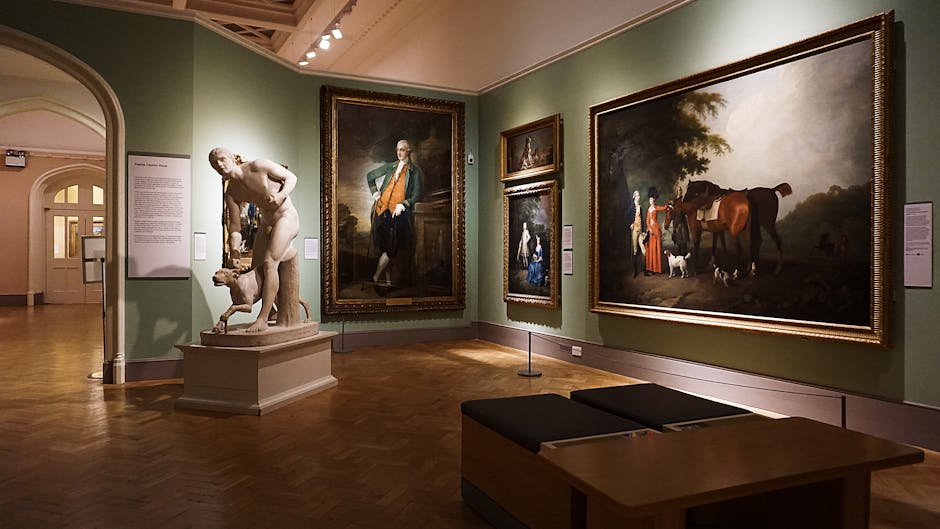
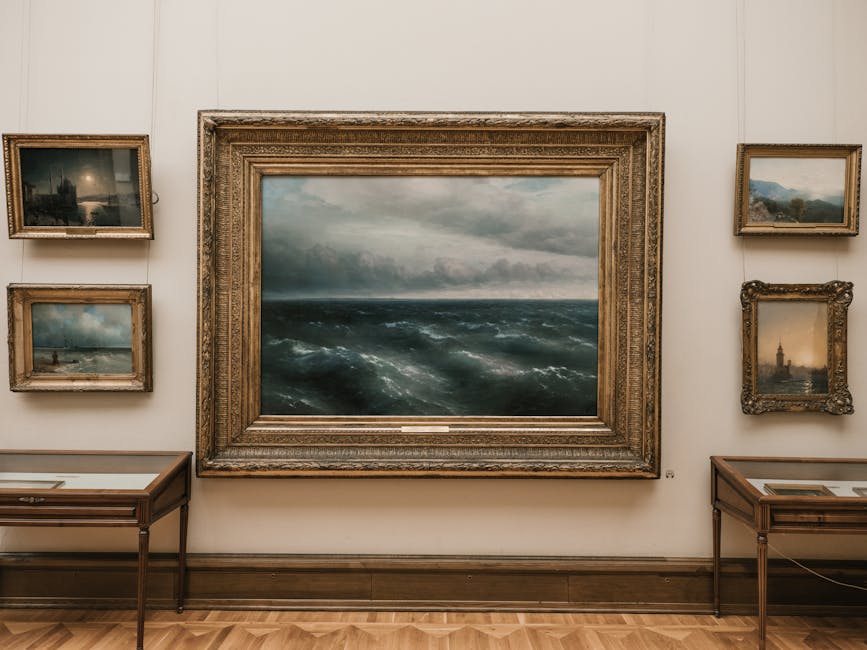
The Art Gallery of South Australia is the crown jewel of North Terrace and one of Australia’s most significant visual arts institutions. Behind its commanding neoclassical facade lies a collection of over 45,000 works spanning centuries of artistic achievement, from European Old Masters and Australian colonial paintings to cutting-edge contemporary installations and one of the world’s most important collections of Aboriginal and Torres Strait Islander art. The gallery’s permanent collection is arranged chronologically and thematically across spacious, beautifully lit galleries that make viewing a pleasure. AGSA hosts the prestigious Adelaide Biennial of Australian Art every two years, the Ramsay Art Prize for artists under forty, and Tarnanthi — an annual festival of contemporary Aboriginal and Torres Strait Islander art that has become one of Adelaide culture’s most significant events. Temporary exhibitions regularly feature international blockbuster shows that draw visitors from across the country. General admission is free, with charges applying only to special ticketed exhibitions.
South Australian Museum
The South Australian Museum is a treasure trove of natural history, cultural heritage, and scientific discovery that represents Adelaide culture at its most educational and awe-inspiring. The museum’s Aboriginal Cultures Gallery houses the world’s largest collection of Australian Aboriginal cultural material, with approximately 30,000 items collected across the continent since 1890. This extraordinary collection provides visitors with profound insights into the artistic traditions, spiritual beliefs, and daily lives of Australia’s First Peoples across diverse language groups and regions. Beyond the Aboriginal collections, the museum features outstanding natural history displays including the Pacific Cultures Gallery, an extensive mineral and fossil collection, the Egyptian Room, and displays exploring South Australia’s unique biodiversity. The museum’s research programmes contribute to global understanding of evolutionary biology, archaeology, and anthropology. Like most North Terrace institutions, general admission is completely free.
State Library of South Australia
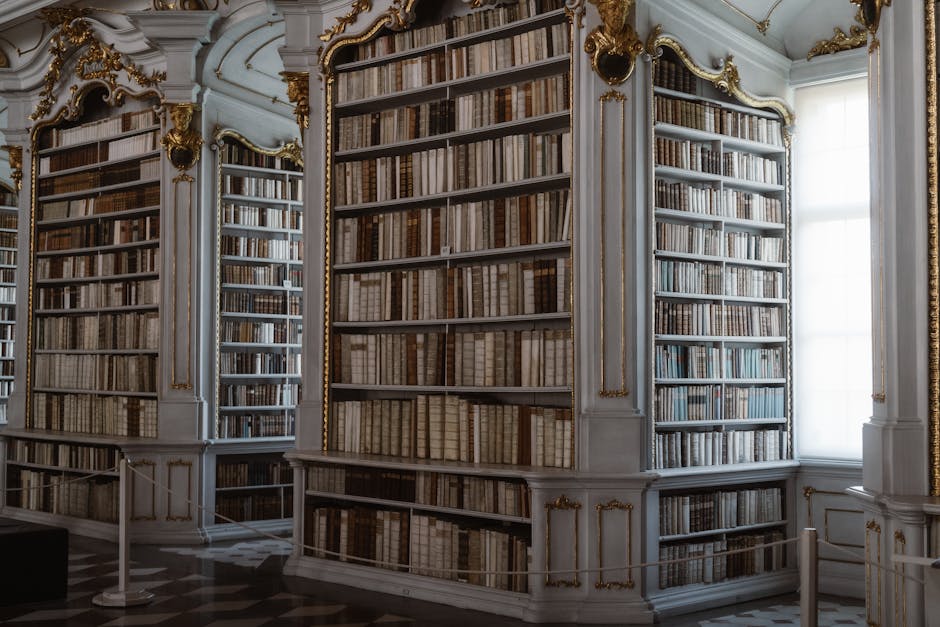
The State Library of South Australia is far more than a repository of books — it’s a magnificent cultural institution that combines stunning heritage architecture with contemporary exhibition spaces and community programmes. The Mortlock Wing, with its soaring multi-storey atrium lined with ornate iron balustrades and filled with natural light, is one of the most photographed interiors in Adelaide and a must-visit for architecture enthusiasts. The library hosts rotating exhibitions drawn from its extensive special collections, which include rare manuscripts, historic photographs, maps, and documents that tell the story of South Australia from pre-colonial times to the present. Regular talks, author events, and workshops make the State Library an active participant in Adelaide culture rather than a passive archive. The building also houses comfortable reading rooms, a cafe, and free Wi-Fi, making it an ideal spot for a culturally enriching rest during your exploration of North Terrace.
Migration Museum
Tucked behind the State Library, the Migration Museum provides a deeply moving exploration of immigration and settlement in South Australia. This intimate museum tells the stories of the diverse communities who have made South Australia their home over nearly two centuries, from early British and German settlers to post-war European migration, Vietnamese refugees, and contemporary arrivals from around the world. Interactive displays, personal testimonies, and recreated historical environments create emotional connections to the migrant experience that make this one of Adelaide culture’s most thought-provoking institutions. The museum’s position within the former Destitute Asylum buildings adds an additional layer of historical significance to the visitor experience.
Aboriginal Culture and Kaurna Heritage in Adelaide
Adelaide culture cannot be fully appreciated without understanding its Aboriginal foundations. The city is built on the traditional lands of the Kaurna people, whose connection to this country extends back tens of thousands of years. Today, a growing number of cultural experiences allow visitors to engage meaningfully with Aboriginal heritage, gaining insights into the world’s oldest continuous living culture through guided tours, cultural centres, art galleries, and immersive experiences.
Tandanya National Aboriginal Cultural Institute
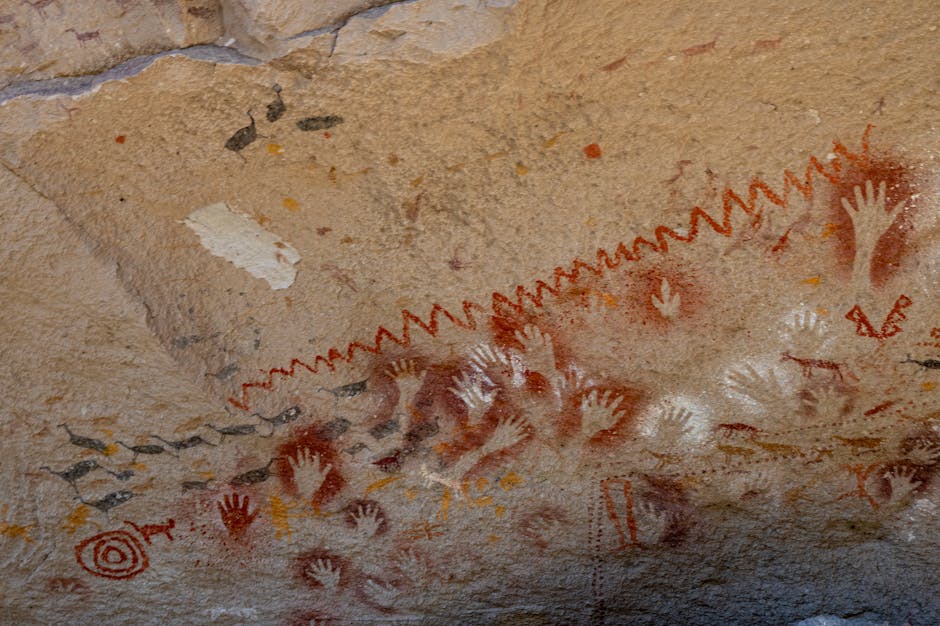
Tandanya holds the distinction of being Australia’s oldest Aboriginal-owned and managed multi-arts centre, and it remains one of the most important spaces for Aboriginal and Torres Strait Islander cultural expression in the country. Named after the Kaurna word for “place of the Red Kangaroo” — the original name for the Adelaide area — Tandanya presents a dynamic programme of visual art exhibitions, live performances, workshops, and cultural events throughout the year. The gallery spaces showcase both established and emerging Aboriginal artists working across painting, sculpture, photography, textiles, and mixed media. Cultural workshops offer hands-on experiences in traditional art techniques, while the performance space hosts music, dance, and theatrical works that explore contemporary Aboriginal identity and storytelling. Tandanya’s gift shop is one of Adelaide’s best sources for authentic Aboriginal art and crafts, with all proceeds supporting Aboriginal artists and communities.
Aboriginal Cultural Tours
Several Aboriginal-owned tour operators offer immersive cultural experiences that provide visitors with intimate, authentic connections to Adelaide’s Aboriginal heritage. Aboriginal Cultural Tours SA and operators like Bookabee Australia offer city-based cultural immersion tours that include visits to significant cultural sites, bush food trails through the Adelaide Botanic Gardens, and storytelling sessions that bring pre-colonial Adelaide to life. Southern Cultural Immersion, founded by Corey Turner, provides authentic Aboriginal cultural exploration and celebration, with profits contributing to the Kaurna Meyunna Trust. These guided experiences offer perspectives on Adelaide that no conventional tour can match, revealing layers of cultural meaning in familiar landscapes and providing opportunities for genuine cross-cultural connection and learning.
Kaurna Heritage Sites
Adelaide’s landscape is rich with Kaurna heritage sites that connect the modern city to its ancient origins. Victoria Square, known by its Kaurna name Tarntanyangga meaning “Red Kangaroo Dreaming Place,” sits at the geographical centre of Adelaide’s grid plan and holds deep spiritual significance. The Adelaide Botanic Gardens contain plants that were traditional food and medicine sources for the Kaurna people, and interpretive signage throughout the gardens identifies these culturally significant species. The River Torrens, known as Karrawirra Parri in Kaurna language, was a vital resource and meeting place, and walking along its banks today provides opportunities to reflect on the thousands of generations who gathered here before European settlement. For visitors wanting to explore Aboriginal cultural sites beyond Adelaide, day trips from Adelaide can include visits to Ngaut Ngaut Conservation Park and the Coorong, both significant Aboriginal cultural landscapes.
Adelaide’s Colonial Heritage and Architecture
Adelaide culture is uniquely shaped by its colonial origins as a planned free settlement, established in 1836 without convict labour. This distinctive founding philosophy is reflected in the city’s orderly grid layout, generous parklands, and the quality of its heritage architecture. Unlike Sydney and Hobart, which grew organically from penal colonies, Adelaide was designed from the outset as a model city, and the pride that early settlers took in their new home is visible in the grand buildings they constructed.
Heritage Walking Trails
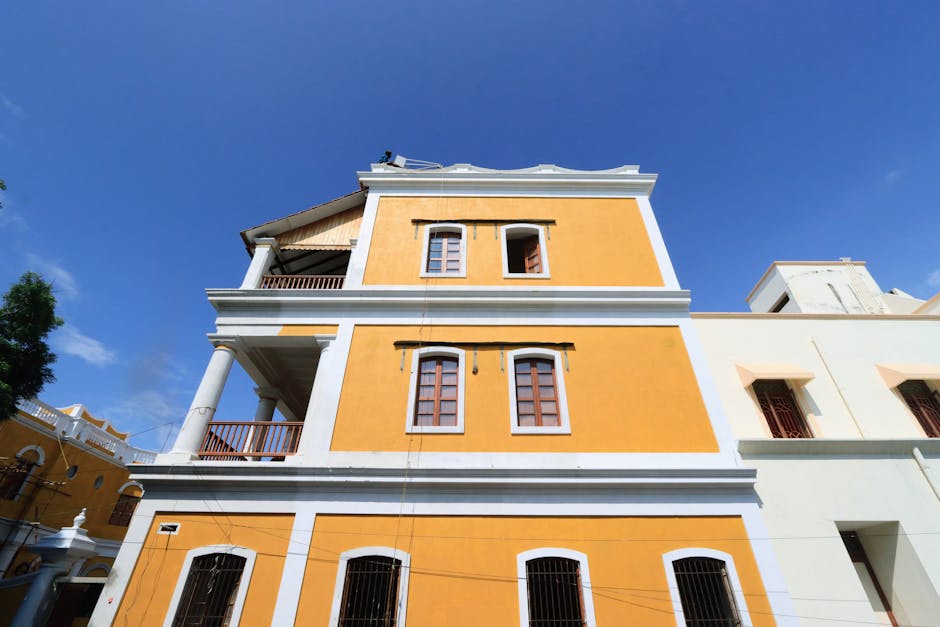
Several self-guided and guided walking trails allow visitors to explore Adelaide culture through its architecture and built heritage. The Edmund Wright Trail covers five prominent buildings along an 800-metre stretch of King William Street, including the ornate Edmund Wright House — originally built as a bank in 1878 and now one of Adelaide’s most photographed buildings — and Adelaide Town Hall, which was celebrated as the finest municipal building in the Southern Hemisphere when it opened in 1866. The Adelaide City Heritage organisation offers self-guided trail maps covering different precincts, allowing you to explore at your own pace while learning about the stories behind the facades. For a more structured experience, guided walking tours of North Terrace and North Adelaide provide expert commentary on the architecture, history, and the colourful characters who shaped the city’s development from colonial outpost to modern capital.
Significant Heritage Buildings
Adelaide’s heritage buildings span architectural styles from simple colonial Georgian through ornate Victorian and Edwardian periods to elegant Art Deco, creating a streetscape of remarkable variety and beauty. The Adelaide Arcade, opened in 1885, remains one of Australia’s finest examples of Victorian shopping arcade architecture, with its ornate plasterwork, tessellated tile floors, and natural light flooding through the glass roof. Ayers House on North Terrace, the former home of seven-times Premier Sir Henry Ayers, is a beautifully preserved example of Regency-style architecture that now serves as the headquarters of the National Trust of South Australia and is open for guided tours. The Adelaide Casino occupies the magnificently restored Adelaide Railway Station, a 1920s building that combines Beaux-Arts grandeur with Art Deco detailing. Parliament House, with its monumental marble columns and commanding position on North Terrace, demonstrates the ambitions of South Australia’s early political leaders. The widespread use of local bluestone, a distinctive blue-grey slate quarried nearby, gives Adelaide’s historic buildings a unique aesthetic character that distinguishes them from the sandstone architecture of Sydney or the brick buildings of Melbourne.
Churches and Religious Heritage
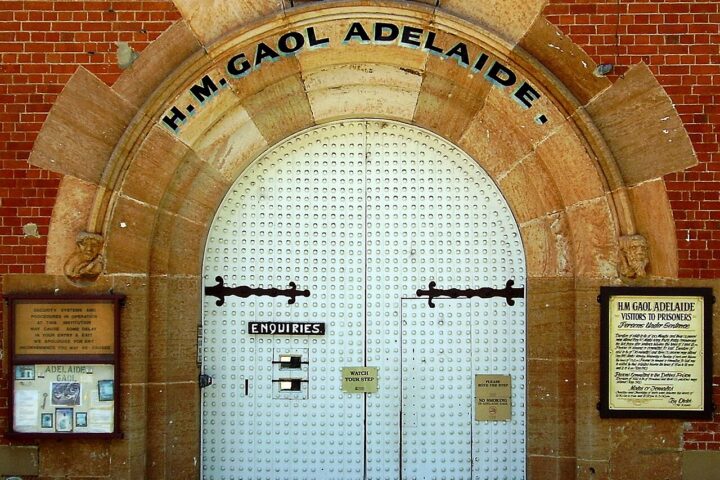
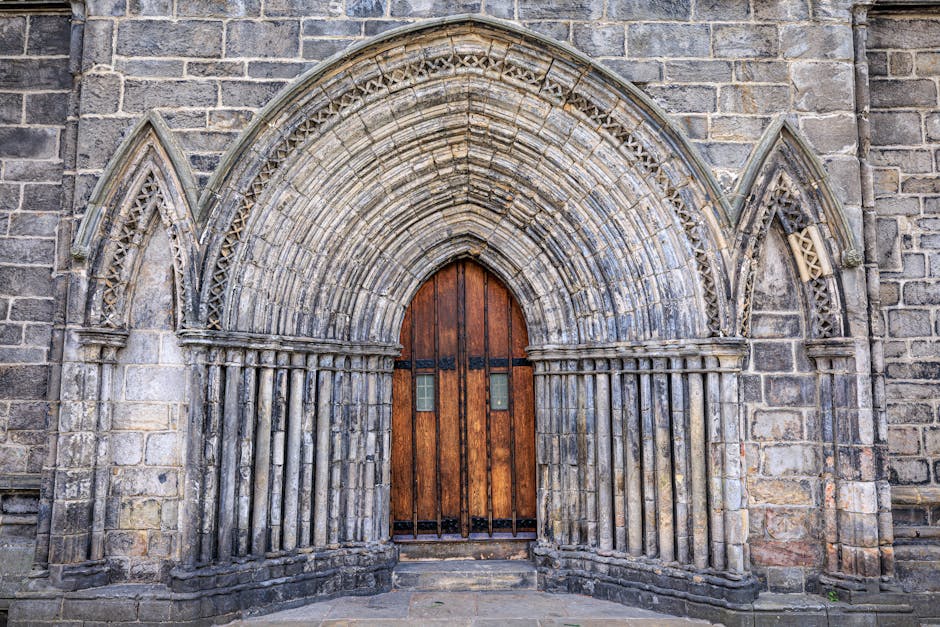
Adelaide was founded on principles of religious freedom, and the diversity of its historic churches reflects this heritage. The city earned the nickname “City of Churches” in the nineteenth century, and while the name has faded from common use, the churches themselves remain among Adelaide’s most impressive architectural achievements. St Peter’s Cathedral in North Adelaide is a masterpiece of Gothic Revival architecture, with its twin spires creating one of Adelaide’s most recognisable silhouettes. Holy Trinity Church on North Terrace, consecrated in 1838, is the oldest Anglican church in South Australia. The beautiful bluestone churches scattered throughout North Adelaide’s residential streets create a distinctly European atmosphere that surprises many first-time visitors.
Contemporary Art and Creative Spaces
Beyond the established institutions, Adelaide culture thrives in a network of contemporary art spaces, independent galleries, and creative hubs that showcase the city’s vibrant artistic community. These venues provide platforms for emerging artists, experimental practices, and cross-disciplinary collaboration that keep Adelaide’s cultural scene fresh and forward-looking.
JamFactory Contemporary Craft and Design
The JamFactory is one of Adelaide culture’s most distinctive institutions, combining working studios, exhibition galleries, and a retail space dedicated to Australian craft and design. Located in the West End creative precinct, JamFactory houses four professional studios — ceramics, glass, furniture, and metal — where emerging artists-in-residence create work under the guidance of experienced practitioners. Visitors can watch artisans at work through studio viewing windows, browse exhibitions of collectible craft and design in the gallery spaces, and purchase unique handmade objects in the retail shop. The JamFactory’s commitment to the intersection of art, craft, and design makes it a must-visit for anyone interested in contemporary Australian creative practice.
MOD. at the University of South Australia
MOD. represents the cutting edge of Adelaide culture, offering free interactive exhibitions that explore the intersection of science, technology, and creativity. Located on North Terrace at the University of South Australia, MOD. presents immersive, hands-on experiences designed to inspire curiosity and critical thinking about the future. Exhibitions rotate regularly and address themes ranging from artificial intelligence and climate change to human biology and urban design. The digital-first approach appeals particularly to younger visitors and tech-savvy travellers, while the thought-provoking content ensures that MOD. offers something meaningful for visitors of all ages. It’s a refreshing complement to the more traditional cultural institutions on North Terrace.
Samstag Museum of Art
The Samstag Museum of Art, affiliated with the University of South Australia, presents a dynamic programme of contemporary visual art exhibitions that position Adelaide culture within national and international art discourse. The museum’s focus on contemporary practice means its exhibitions are consistently challenging, thought-provoking, and relevant to current cultural conversations. The Samstag International Visual Arts Scholarship, funded through the museum’s endowment, has supported generations of South Australian artists to study at leading art schools worldwide, creating a lasting legacy that enriches the local arts community. General admission is free.
Street Art and Public Art in Adelaide
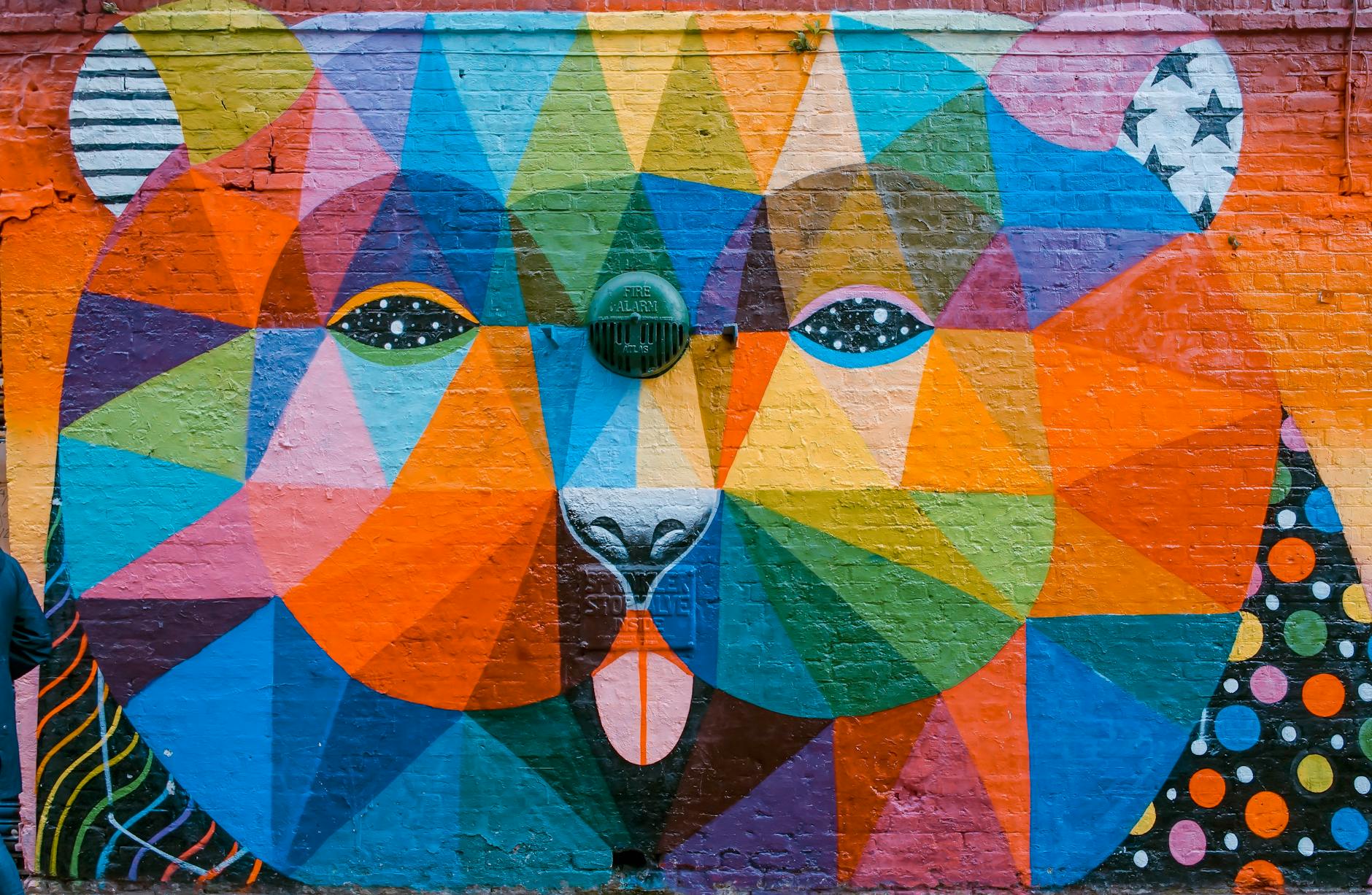
Adelaide culture has embraced street art and public art as vital expressions of the city’s creative identity, transforming bland walls, forgotten laneways, and urban infrastructure into a sprawling outdoor gallery that adds colour and meaning to everyday journeys through the city.
Adelaide Street Art Trails
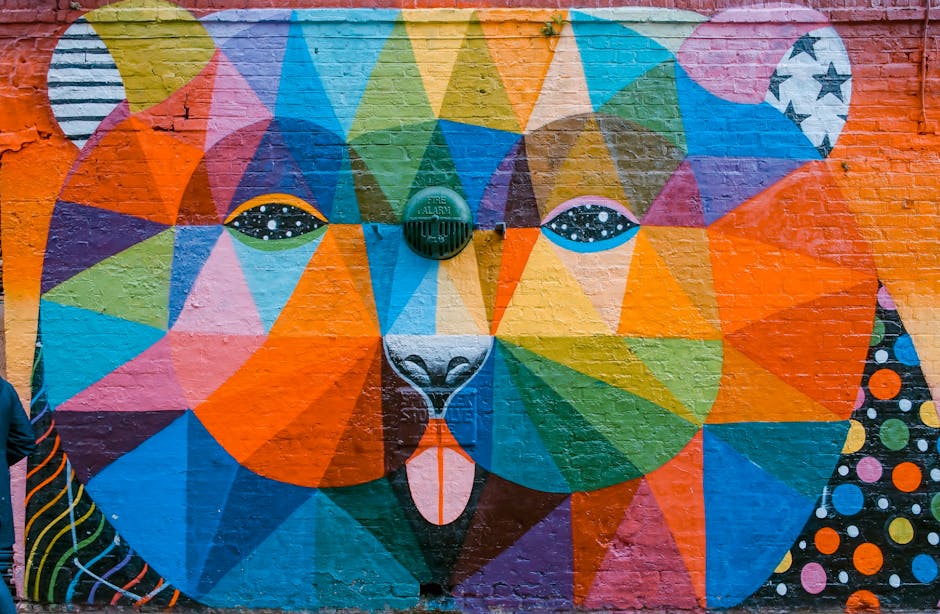
The city maintains two official street art trails — east and west — that guide walkers through the best examples of urban art across the CBD. The east trail covers Rundle Street and its neighbouring laneways, where stunning murals range from abstract designs to striking photorealistic portraits of notable South Australians. The west trail explores Hindley Street, Peel Street, and the West End’s creative precinct, where bold, colourful works inject energy into the entertainment district’s already vibrant atmosphere. Since 2016, the Street Art Explosion initiative has been responsible for creating over 36 public murals by 58 artists across Adelaide and its suburbs, with new works added regularly during the Adelaide Fringe and other cultural events. Walking these trails is one of the most enjoyable free cultural activities in Adelaide, combining art appreciation with urban exploration and the chance to discover hidden laneways and quirky neighbourhood gems.
Port Adelaide Wonderwalls
The Wonderwalls festival has transformed Port Adelaide into one of Australia’s most impressive concentrations of street art, with over 80 large-scale murals by local, national, and internationally renowned artists adorning buildings throughout the historic port precinct. The murals pay homage to Port Adelaide’s maritime and industrial heritage while incorporating contemporary themes and artistic styles, creating a fascinating dialogue between past and present. A self-guided walking tour of the Wonderwalls collection can easily fill a half-day, and the precinct’s cafes, pubs, and antique shops provide excellent rest stops along the way. Combined with visits to the National Railway Museum and Maritime Museum, a Port Adelaide street art excursion makes for a fantastic cultural day trip.
Public Art and Sculptures
Adelaide’s commitment to public art extends beyond street murals to include a thoughtful collection of sculptures, installations, and commemorative works distributed across the city and its parklands. The City of Adelaide’s public art programme maintains an interactive map of works across the CBD and North Adelaide, from contemporary sculptures to historic memorials. Rundle Mall’s iconic sculptures — including the Rundle Mall Pigs, the Spheres, and the recently refreshed fountain — are beloved meeting points and photo opportunities. The Adelaide Park Lands contain numerous sculptural works that reward those who explore beyond the main paths, adding moments of artistic surprise to morning jogs and afternoon strolls alike.
Performing Arts and Theatre in Adelaide
Adelaide culture’s performing arts scene is extraordinarily rich for a city of its size, anchored by world-class venues and sustained by a passionate community of performers, directors, designers, and audiences. The city’s festival heritage means there’s always performance energy in the air, with seasons of professional theatre, opera, dance, and music running year-round between the headline festival periods.
Adelaide Festival Centre
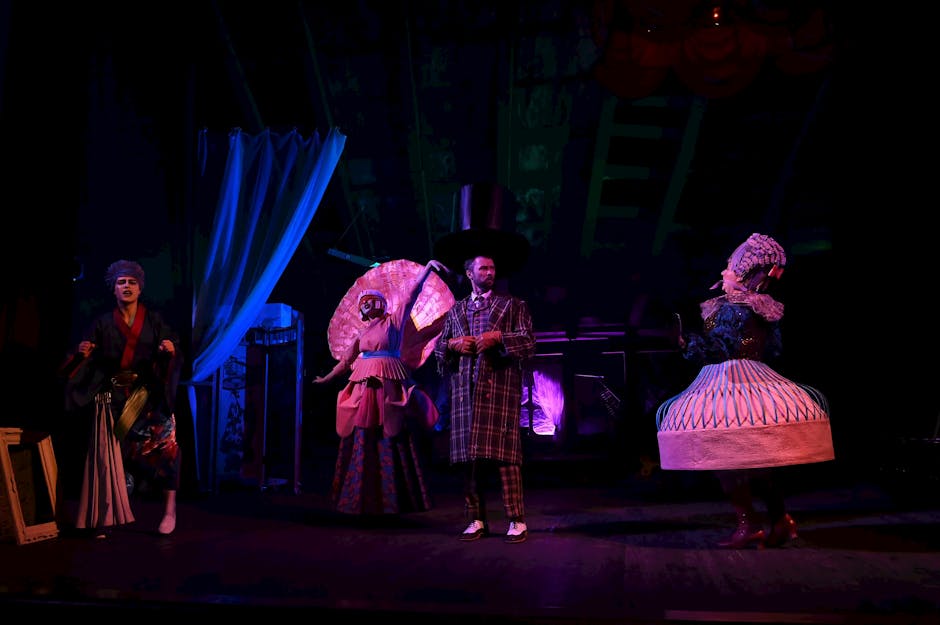
The Adelaide Festival Centre, perched on the banks of the River Torrens, is South Australia’s premier performing arts complex and a significant venue in the national performing arts landscape. The complex includes multiple performance spaces — the Festival Theatre, the Dunstan Playhouse, the Space Theatre, and Her Majesty’s Theatre — each designed for different scales and styles of production. Programming spans opera, ballet, contemporary dance, drama, musicals, cabaret, and children’s theatre, with a mix of Australian and international touring productions. The State Theatre Company of South Australia presents its main season at the Dunstan Playhouse, while the Adelaide Symphony Orchestra performs regularly at the Adelaide Town Hall and Festival Theatre. The Adelaide Festival Centre’s riverside location makes it ideal for combining a performance with pre-show drinks at one of the nearby Adelaide nightlife venues or a waterfront dinner.
Independent Theatre and Fringe Venues
Adelaide culture’s independent theatre scene punches well above its weight, with companies like Windmill Theatre Co, Patch Theatre, and Slingsby producing innovative, internationally acclaimed work that tours globally. Venues like Bakehouse Theatre in the CBD and Holden Street Theatres in Hindmarsh provide platforms for local companies and independent producers to stage new works, classic revivals, and experimental productions throughout the year. During the Adelaide Fringe, dozens of temporary venues appear across the city, hosting hundreds of performing arts shows ranging from solo performances in shipping containers to elaborate productions in purpose-built festival venues. This infrastructure of independent and fringe performance spaces ensures that Adelaide culture maintains a grassroots creative energy that feeds into and refreshes the larger institutions.
Adelaide’s Festival Culture: The Festival City Experience
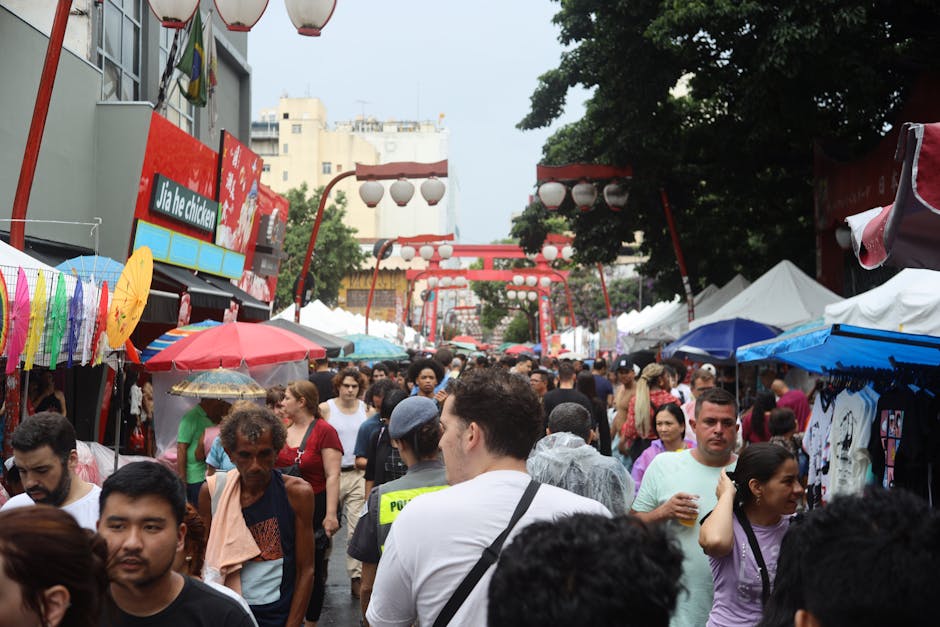
Adelaide’s identity as the Festival City is central to its cultural character and a major draw for visitors from around Australia and the world. The concentration and quality of Adelaide’s festivals is extraordinary, with the major events clustering in February and March to create an extended season of cultural celebration that transforms the city’s energy, atmosphere, and daily rhythms.
Adelaide Festival
The Adelaide Festival is Australia’s pre-eminent arts festival, presenting a curated programme of national and international theatre, dance, music, visual art, and literary events over two to three weeks each March. Founded in 1960, the festival has a distinguished history of premiering landmark works and bringing the world’s finest artists to Adelaide. The programming balances accessibility with artistic ambition, offering experiences ranging from free outdoor events and large-scale spectacles to intimate performances and challenging experimental works. For visitors timing their trip around Adelaide culture, the Adelaide Festival period offers the highest concentration of extraordinary cultural experiences available anywhere in Australia.
Adelaide Fringe
The Adelaide Fringe has grown into the largest open-access arts festival in the Southern Hemisphere, with thousands of events and performances across hundreds of venues throughout February and March. Unlike the curated Adelaide Festival, the Fringe is open-access, meaning anyone can register a show, resulting in an extraordinary diversity of comedy, theatre, music, circus, cabaret, visual art, and performance art. The Garden of Unearthly Delights and Gluttony in the East Parklands serve as the Fringe’s epicentres, transforming public parks into fantastical entertainment precincts filled with pop-up bars, food vendors, and performance tents. The Fringe’s democratic, anything-goes spirit is quintessentially Adelaide, and many of Australia’s most successful comedians, musicians, and performers launched their careers on Fringe stages.
Other Cultural Festivals
Adelaide culture is sustained throughout the year by a calendar of specialist festivals that ensure there’s always something culturally significant happening. WOMADelaide, held in the Botanic Park each March, is a world music and dance festival that brings performers from across the globe to Adelaide’s most beautiful outdoor setting. The Adelaide Cabaret Festival in June is the world’s largest annual cabaret festival, showcasing international and Australian performers across two weeks of intimate shows. Tarnanthi, the festival of contemporary Aboriginal and Torres Strait Islander art hosted by AGSA, runs annually from October to January and has become one of Australia’s most significant platforms for First Nations artistic expression. The Adelaide Film Festival, OzAsia Festival, and History Festival further enrich the annual cultural calendar, ensuring that Adelaide culture delivers meaningful experiences for visitors in every season.
Planning Your Adelaide Cultural Experience
Best Cultural Itineraries by Duration
For a single-day Adelaide culture immersion, focus on the North Terrace Cultural Precinct — start at AGSA, visit the South Australian Museum, explore the State Library’s Mortlock Wing, and finish with a guided Aboriginal cultural tour or a walk through the city’s heritage architecture and street art. Allocate at least two hours for AGSA alone if you’re a serious art lover. For a two to three day cultural itinerary, add a Port Adelaide day including the Wonderwalls street art trail, National Railway Museum, and Maritime Museum. Include an evening at the Adelaide Festival Centre for a performance, and dedicate a half-day to exploring contemporary galleries like JamFactory and MOD. For a week-long cultural stay — ideally timed during festival season — add the Adelaide Hills’ historic German settlement of Hahndorf, the Barossa Valley’s heritage architecture and art galleries, and deeper exploration of suburban galleries, independent theatres, and cultural dining experiences across the city.
Getting to Cultural Venues
Most of Adelaide’s major cultural institutions are concentrated on or near North Terrace, making them easily accessible on foot from CBD accommodation. The free city tram runs along North Terrace, stopping near all major cultural venues. For venues further afield, the Adelaide Metro bus and train network provides reliable connections, while the getting around Adelaide guide covers all transport options. Port Adelaide’s cultural precinct is accessible by train from Adelaide Railway Station, with the journey taking approximately 30 minutes. Parking is available near most cultural venues, though CBD parking can be expensive during weekdays.
Frequently Asked Questions About Adelaide Culture
Are Adelaide’s museums and galleries free?
Most of Adelaide’s major cultural institutions offer free general admission, including the Art Gallery of South Australia, South Australian Museum, State Library of South Australia, Migration Museum, MOD., and Samstag Museum of Art. Special ticketed exhibitions at AGSA and the South Australian Museum may incur charges, typically ranging from $15 to $25 for adults. Tandanya National Aboriginal Cultural Institute also offers free gallery admission. This makes Adelaide culture one of the most accessible and affordable cultural experiences in Australia, with visitors able to spend entire days exploring world-class collections without spending a cent on entry fees.
When is the best time to visit Adelaide for culture?
The peak cultural season runs from mid-February through March, when the Adelaide Festival, Adelaide Fringe, and WOMADelaide overlap to create an extraordinary concentration of artistic activity. However, Adelaide culture delivers meaningful experiences year-round. The Adelaide Cabaret Festival runs in June, Tarnanthi from October to January, and OzAsia in October and November. The permanent collections at AGSA and the South Australian Museum are available every day of the year, and the city’s heritage architecture and street art can be enjoyed in any weather. If you’re specifically interested in planning accommodation around the festival season, book well in advance as demand peaks dramatically during February and March.
What is Adelaide’s Aboriginal cultural heritage?
Adelaide is located on the traditional lands of the Kaurna people, whose connection to this country extends back over 50,000 years. The Kaurna people’s cultural heritage is increasingly recognised and celebrated throughout the city, from dual-naming of significant sites like Victoria Square/Tarntanyangga to dedicated cultural institutions like Tandanya and the South Australian Museum’s Aboriginal Cultures Gallery. Visitors can engage with Aboriginal culture through guided tours offered by Aboriginal-owned operators, cultural workshops at Tandanya, bush food experiences in the Botanic Gardens, and visits to significant heritage sites both within Adelaide and on day trips to places like Ngaut Ngaut Conservation Park and the Coorong. These experiences provide respectful, authentic opportunities to learn from the world’s oldest continuous living culture.
Is Adelaide really the Festival City?
Adelaide has earned its Festival City title many times over. The Adelaide Festival, founded in 1960, is Australia’s oldest and most prestigious arts festival. The Adelaide Fringe has grown to become the largest open-access arts festival in the Southern Hemisphere, attracting over three million attendances annually. WOMADelaide is one of the world’s most acclaimed world music festivals. The Adelaide Cabaret Festival is the world’s largest annual cabaret festival. Combined with the Film Festival, OzAsia, Tarnanthi, the History Festival, and numerous specialist events, Adelaide hosts more major cultural festivals per capita than any other Australian city. This festival infrastructure has created a permanent cultural energy that infuses the city’s everyday character, supporting year-round venues, artists, and audiences that keep Adelaide culture thriving between the headline events.
Where can I see street art in Adelaide?
Adelaide’s street art is concentrated in several key areas. The CBD laneways, particularly around Peel Street, Leigh Street, and the West End, feature a growing collection of murals and urban art. Official street art trails — available as east and west routes — guide you through the best examples. Port Adelaide’s Wonderwalls collection features over 80 large-scale murals by local and international artists and is one of Australia’s most impressive outdoor gallery experiences. The suburbs of Bowden and Brompton also showcase impressive collections of street art, particularly around Plant 4 Bowden and the developing urban village precinct. During the Adelaide Fringe, new murals and temporary installations appear throughout the city, adding fresh works to the ever-evolving outdoor collection. All of Adelaide’s street art can be enjoyed free of charge, 24 hours a day.