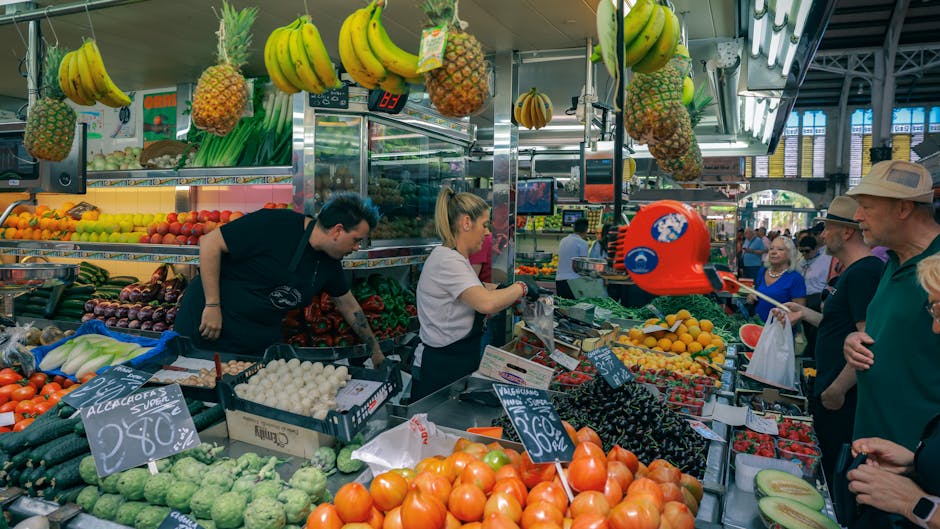
Adelaide Central Market is the beating culinary heart of South Australia and one of the most vibrant, authentic food markets in the Southern Hemisphere. Operating continuously since 1869, this iconic covered market stretches across an entire city block in the heart of the Adelaide CBD, housing over 80 stalls that sell everything from locally grown seasonal produce and artisan cheeses to freshly caught South Australian seafood, exotic spices, and hand-roasted coffee. For food lovers visiting Adelaide, the Central Market isn’t just a place to shop — it’s an essential cultural experience that reveals the multicultural soul of the city.
What sets Adelaide Central Market apart from other Australian food markets is its authenticity. While many city markets have evolved into tourist-oriented food halls, the Central Market remains a genuine working market where Adelaide families do their weekly shopping alongside curious visitors. The stallholders are passionate experts — many representing second and third-generation family businesses — who genuinely want to share their knowledge of the produce they sell. This guide covers everything you need to know about visiting Adelaide Central Market, from opening hours and the best stalls to guided tours and insider tips that will help you experience the market like a local. If you’re planning your broader culinary journey, our Adelaide restaurant guide covers the city’s best dining spots.
Adelaide Central Market: Essential Visitor Information
Opening Hours and Best Times to Visit
Adelaide Central Market operates Tuesday through Saturday, with each day offering a slightly different atmosphere. Tuesday hours are 7am to 5:30pm, providing a quiet start to the market week with excellent access to stallholders who have time to chat. Wednesday and Thursday follow the same schedule and are ideal for visitors who want to browse without crowds. Friday extends to 9pm with the popular Friday Night Market, featuring live music, street food, and a bustling social atmosphere. Saturday runs from 7am to 3pm and is the busiest day — arrive before 9am for the best selection and a more relaxed experience, or come after 1pm for potential bargains as stallholders begin clearing stock. The market is closed on Sundays and Mondays. The best time to visit Adelaide Central Market for first-timers is Saturday morning between 8am and 10am, when the atmosphere is electric but manageable.
Getting to Adelaide Central Market
Adelaide Central Market is centrally located on Gouger Street in the Adelaide CBD, making it easily accessible by multiple transport options. The free city tram stops within a five-minute walk on King William Street, while numerous bus routes pass nearby. If you’re getting around Adelaide by car, the Central Market has a dedicated underground car park accessible from Grote Street, with the first two hours of parking free on weekdays. The market is a ten-minute walk from Adelaide Railway Station and within easy walking distance of most CBD accommodation.
What to Buy at Adelaide Central Market
Fresh Fruit and Vegetables
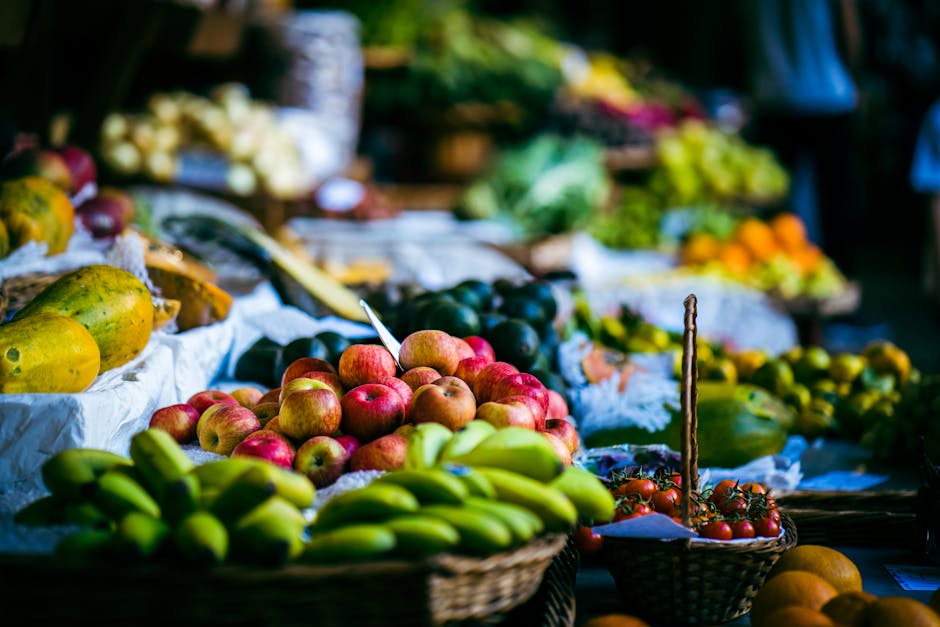
The produce section is the heart of Adelaide Central Market, with multiple vendors competing to offer the freshest, most seasonal fruit and vegetables from South Australian farms and orchards. Stalls like Standom Growers, Marino Fruiterers, and the Organics section showcase produce that often arrived from the farm that morning. Seasonal highlights include stone fruits and berries in summer, mushrooms and root vegetables in autumn, citrus in winter, and asparagus and peas in spring. The quality significantly exceeds supermarket standards, and prices are often comparable or better, especially when buying in quantity. Stallholders are happy to offer tasting samples and recommend the best seasonal picks.
Cheese, Smallgoods and Deli
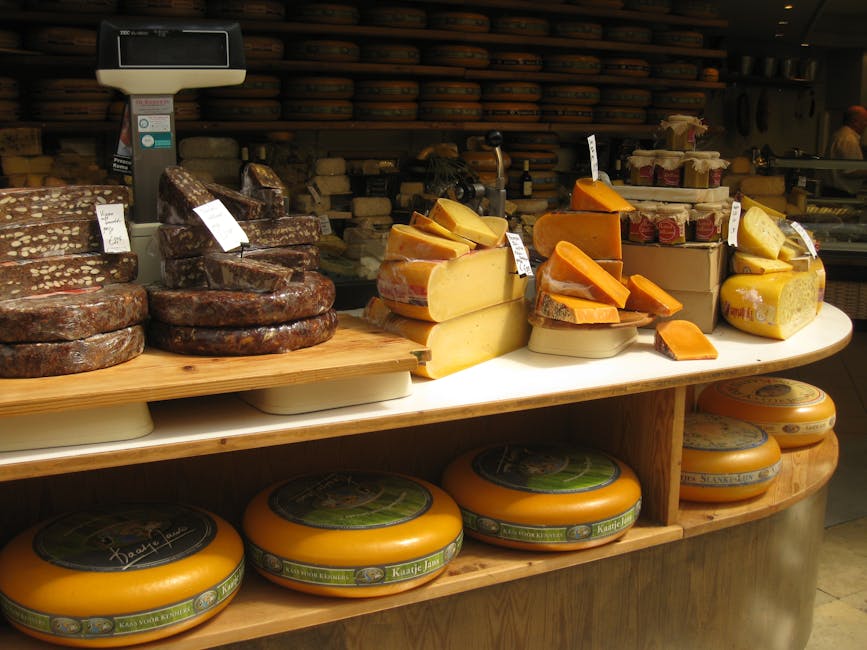
Adelaide Central Market’s cheese and deli offerings are world-class, reflecting South Australia’s strong European food traditions. The Smelly Cheese Shop is an institution, stocking over 300 cheese varieties from local producers and international imports, with knowledgeable staff who will guide you through tastings. Say Cheese features an equally impressive selection with a focus on South Australian artisan producers. For continental smallgoods, Barossa Fine Foods offers an extraordinary range of meticulously crafted salamis, hams, and pates using traditional European recipes adapted with local ingredients. Marino’s provides Italian-influenced deli items alongside their fresh produce, while numerous olive oil specialists stock premium South Australian extra virgin olive oils that rival the best Mediterranean producers.
Seafood
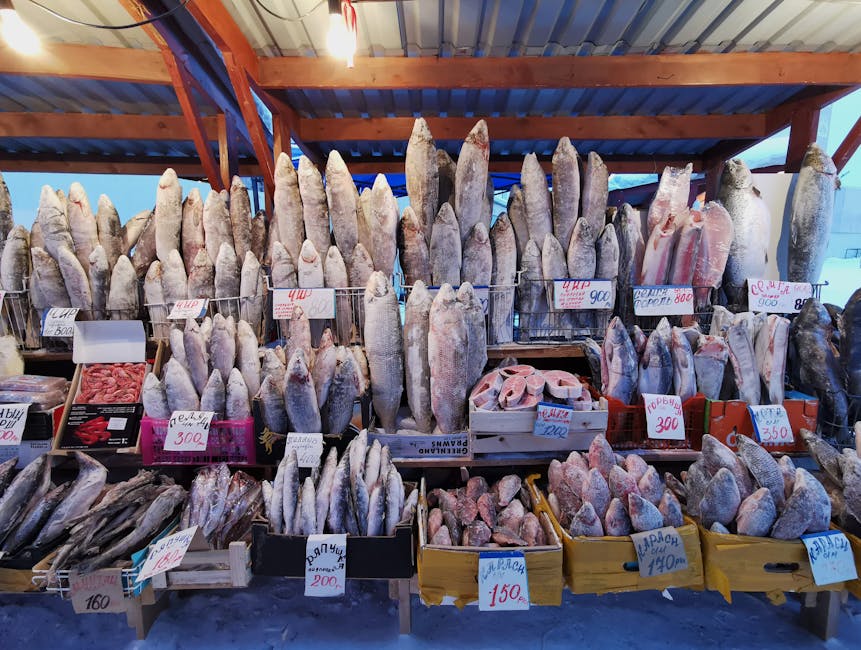
South Australia’s pristine coastline produces some of Australia’s finest seafood, and Adelaide Central Market is the best place to source it. Angelakis Brothers has been a market institution for decades, offering an extraordinary range of fresh fish, shellfish, and prepared seafood. Coffin Bay oysters, Spencer Gulf king prawns, and blue swimmer crab are seasonal highlights that shouldn’t be missed. Several vendors offer freshly shucked oysters that you can enjoy at the market with a squeeze of lemon — one of Adelaide’s great affordable luxury experiences. The quality and freshness of the Central Market’s seafood is unmatched by any supermarket or most restaurants.
Bakeries and Pastries

Adelaide Central Market houses some of the city’s finest bakeries, with several vendors producing bread and pastries on-site or delivering from nearby bakeries each morning. Dough features artisan sourdough loaves that sell out by midday on Saturdays. The Central Market’s bakeries also produce exceptional pastries, tarts, and cakes that make perfect picnic desserts or gifts. During cooler months, the aroma of freshly baked bread wafting through the market aisles is one of Adelaide’s most comforting sensory experiences.
Coffee and Beverages

Adelaide Central Market is a pilgrimage site for coffee lovers. Several roasters and cafes within and around the market precinct serve exceptional coffee that reflects Adelaide’s serious coffee culture. The Coffee Bean Shop has been roasting beans at the market since 1996, offering a vast selection of single-origin and blended beans alongside excellent espresso. The surrounding Grote Street and Gouger Street precinct houses additional cafes that have earned devoted local followings. Beyond coffee, the market stocks an impressive range of fresh juices, kombucha, and artisan beverages from South Australian producers.
Asian Food Section and Chinatown Connection
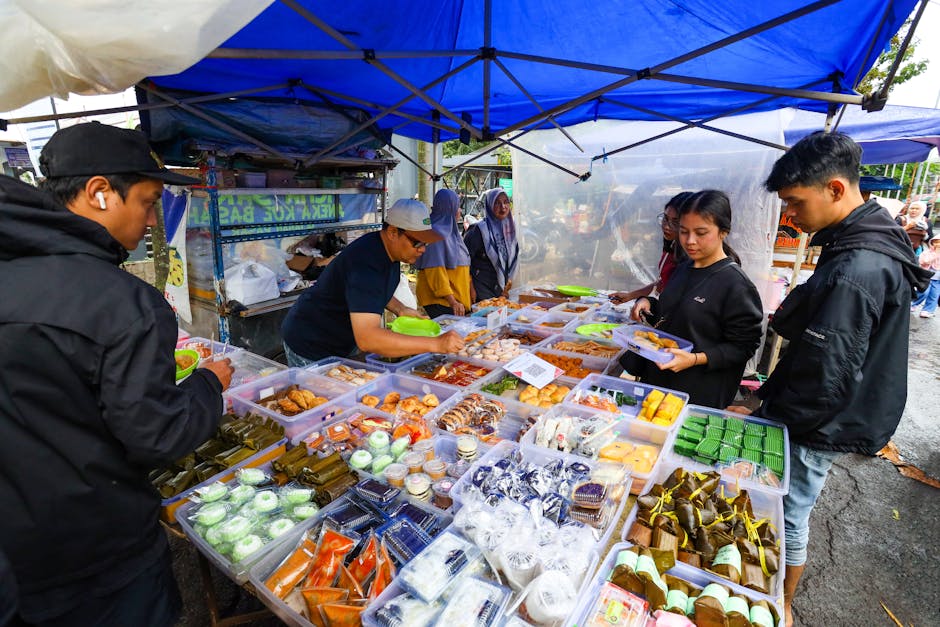
One of Adelaide Central Market’s most distinctive features is its Asian food section, which connects directly to Adelaide’s Chinatown precinct on Gouger Street. This section features vendors specialising in Chinese, Vietnamese, Korean, and Southeast Asian ingredients, fresh noodles, exotic fruits, sauces, and spices. The diversity reflects Adelaide’s multicultural heritage and provides ingredients that are difficult to find elsewhere in the city. Several Asian food vendors within the market serve freshly prepared meals — from dumplings and banh mi to laksa and stir-fries — at prices that represent extraordinary value. This section is particularly busy on Saturday mornings when Adelaide’s Asian community shops for the week ahead alongside curious food enthusiasts exploring unfamiliar ingredients.
Adelaide Central Market Guided Tours
For first-time visitors who want the fullest Adelaide Central Market experience, guided tours provide invaluable insider access and context that you’d struggle to discover independently. The official Adelaide Central Market runs regular guided tours led by food experts who have deep relationships with the stallholders. Tours typically include behind-the-scenes access, generous tastings across multiple stalls, and stories about the market’s 150-plus year history. Food-focused walking tours operated by independent companies like Food Tourist combine Central Market visits with explorations of the surrounding Gouger Street dining precinct. Tours book out quickly, especially on Saturdays, so reserving your spot in advance is essential.

Adelaide Central Market Tips and Insider Advice
To make the most of your Adelaide Central Market experience, arrive with an empty stomach and a willingness to explore. Bring reusable shopping bags as most stalls charge for bags. Cash is still useful at some vendors, though most now accept card payments. Plan to spend at least ninety minutes for a thorough visit, allowing time for tastings, conversations with stallholders, and a sit-down coffee. The market can feel overwhelming on first visit, so consider doing an initial loop to survey the options before committing to purchases. For the freshest produce and best selection, arrive early on Tuesday, Wednesday, or Thursday when competition for stock is lower. For atmosphere and energy, Saturday morning between 8am and 10am is unbeatable. Many stallholders offer discounts on quantities, so don’t hesitate to ask — especially for seasonal produce nearing the end of its peak.
The Central Market Precinct: Beyond the Market
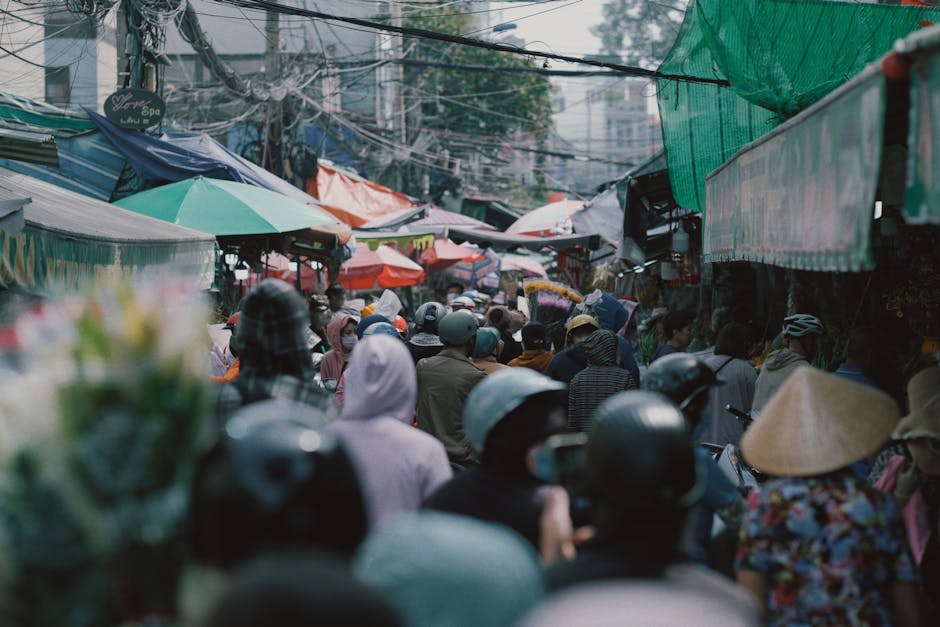
Adelaide Central Market sits at the heart of a broader food precinct that extends its culinary energy into the surrounding streets. Gouger Street, running along the market’s southern edge, is Adelaide’s most famous dining strip, with a concentration of Chinese, Vietnamese, Thai, Indian, and Italian restaurants that comes alive at lunchtime and dinner. The Grote Street side connects to Victoria Square and the CBD’s main shopping precinct. The Adelaide Central Market Arcade houses additional food vendors, specialty retailers, and the market’s information desk. The broader Adelaide CBD is easily explored on foot from the market, making it an ideal starting point for a day of city sightseeing. For evening dining options in the precinct, our Adelaide nightlife guide covers bars and late-night restaurants nearby.
A Brief History of Adelaide Central Market
The Adelaide Central Market has been the beating heart of Adelaide’s food culture since 1869, making it one of the oldest and largest undercover markets in the Southern Hemisphere. Understanding the market’s rich history adds depth to any visit and explains why this 155-year-old institution remains so vital to Adelaide’s identity.
The market was established on 23 January 1869 when the Adelaide City Council granted licences for stallholders to sell fresh produce in a designated area between Grote Street and Gouger Street. In its early years, the Adelaide Central Market was primarily a fruit and vegetable market serving the local community. German, Chinese, and Italian immigrants who had settled in South Australia during the mid-1800s were among the first stallholders, establishing a multicultural trading tradition that continues to define the market today.
The market’s iconic heritage-listed canopy structure was built in stages throughout the early 1900s, and major renovations in the 1960s and 1980s expanded the market to its current footprint of over 18,000 square metres. During the 1970s and 1980s, waves of Greek, Vietnamese, Lebanese, and Indian immigrants brought new cuisines and ingredients to the Adelaide Central Market, transforming it from a simple produce market into the multicultural food destination it is today.
Today, the Adelaide Central Market hosts over 70 traders across its covered halls and attracts approximately 8 million visitors annually. It generates over $600 million in economic activity for South Australia and has been voted among the top five markets in the world by multiple travel publications. The market underwent a significant adjacent development with the completion of the Adelaide Central Market Arcade, which added modern retail and dining options while preserving the traditional market atmosphere.
Market Etiquette and Insider Tips
Shopping at the Adelaide Central Market like a local requires understanding a few unwritten rules and insider strategies. These tips will help you navigate the bustling environment confidently and get the best value from your visit.
Arrive early for the best selection. The most popular items — artisan breads, specialty cheeses, fresh seafood, and seasonal fruits — sell out well before closing time. Tuesday and Wednesday mornings are the quietest times to shop, offering the most comfortable browsing experience. Saturday mornings are the busiest period, with queues forming at popular stalls like The Smelly Cheese Shop and Lucia’s Fine Foods by 9:30am.
Bring your own bags. While stallholders provide bags, bringing reusable shopping bags is both environmentally responsible and practical. Many stallholders offer small discounts to customers who bring their own containers, particularly at the deli counters and bulk food stores. A cooler bag is recommended if you’re purchasing perishables and won’t be heading home immediately.
Taste before you buy. Most stallholders at the Adelaide Central Market actively encourage sampling. This is especially true at cheese, olive, and smallgoods stalls where flavour profiles vary significantly between products. Don’t be shy about asking for a taste — it’s expected and welcomed. Stallholders take pride in their products and genuinely want you to find the right item.
Visit the Friday late-afternoon bargains. On Fridays, particularly after 4pm, many fresh produce stalls reduce prices significantly to clear stock before the weekend. This is an excellent strategy for budget-conscious shoppers who are flexible about their meal planning. You can find premium produce at 30-50% off regular prices during this window.
Explore beyond the main aisles. Many visitors stick to the central walkways, missing the excellent stalls tucked along the perimeter and in the connecting arcades. Some of the market’s best-kept secrets — family-run spice shops, specialty tea merchants, and artisan pasta makers — occupy these quieter corners of the Adelaide Central Market.
Seasonal Highlights at the Market
The Adelaide Central Market’s produce shifts dramatically with the seasons, and timing your visit to coincide with specific seasonal highlights can elevate your market experience from great to unforgettable.
During summer (December–February), the market overflows with stone fruits from the Adelaide Hills and Riverland — peaches, nectarines, apricots, plums, and cherries at their peak flavour. South Australian cherries, particularly from the Adelaide Hills, are renowned nationally. Summer also brings an abundance of berries, melons, and mangoes. The seafood section thrives with Spencer Gulf king prawns, blue swimmer crabs, and freshly shucked Coffin Bay oysters.
Autumn (March–May) showcases the grape harvest from surrounding wine regions, with table grapes, figs, persimmons, and quinces filling the fruit stalls. This is also truffle season in the Adelaide Hills, and specialty stalls occasionally offer fresh Perigord truffles — a rare and luxurious find. Autumn mushroom varieties including pine mushrooms and saffron milk caps appear at foraging-focused stalls.
Winter (June–August) is citrus season at the Adelaide Central Market, with Riverland navel oranges, mandarins, blood oranges, and local lemons dominating the displays. Winter is also peak season for robust greens like cavolo nero, silverbeet, and broccolini. The cold weather makes this the ideal time to stock up on hearty ingredients — local smallgoods, artisan soups, and warming spices are particularly popular.
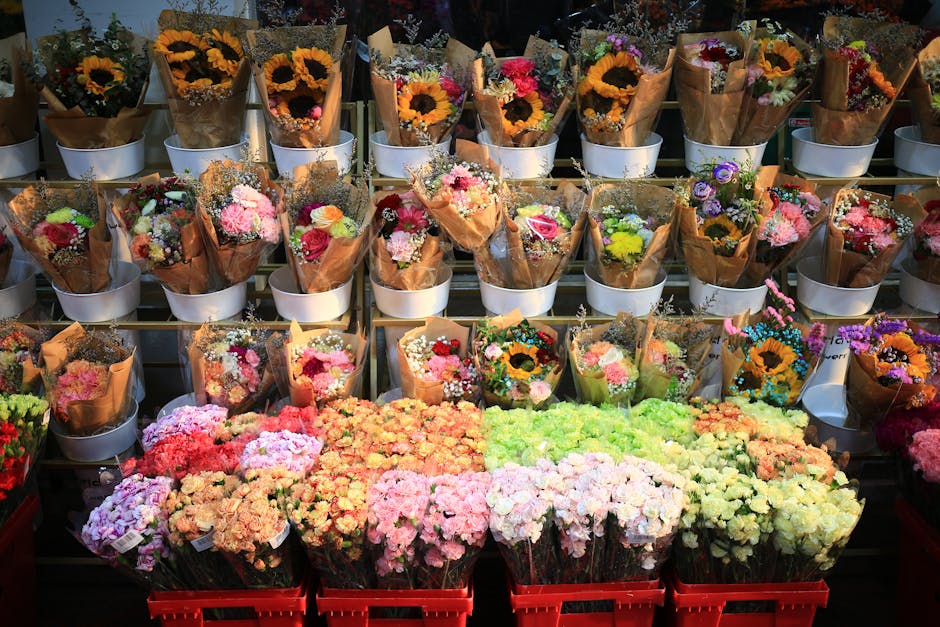
Spring (September–November) brings asparagus, broad beans, artichokes, and the first strawberries of the season. Wildflower honey from the Adelaide Hills and Fleurieu Peninsula becomes available, and spring lamb features prominently at the butcher stalls. The market’s flower sellers create spectacular displays with native and cultivated blooms that make the entire market feel vibrant and celebratory.
Frequently Asked Questions About Adelaide Central Market
Is Adelaide Central Market free to enter?
Yes, entry to Adelaide Central Market is completely free. You can browse, sample, and soak up the atmosphere without spending anything, though the temptation to buy is strong. Guided tours are the only paid market experience, typically costing $60-85 per person including generous tastings.
What day is best to visit Adelaide Central Market?
Saturday morning is the most atmospheric time to visit, with the fullest range of stalls operating and a vibrant, buzzing energy. Tuesday to Thursday offer quieter, more relaxed browsing with better access to stallholders. Friday evenings bring a social night-market atmosphere with live entertainment. Each day has its appeal depending on whether you prioritise selection, atmosphere, or a relaxed experience.
How long should I spend at Adelaide Central Market?
Allow at least 90 minutes for a satisfying visit, longer if you plan to eat a meal or join a guided tour. Serious food enthusiasts can easily spend half a day exploring every aisle, tasting at multiple stalls, and having coffee and lunch in the surrounding precinct. A guided tour typically runs two hours.
Is parking available at Adelaide Central Market?
Yes, the Central Market has a large underground car park accessible from Grote Street. Parking is free for the first two hours on weekdays, making it convenient for market visits. On Saturdays, flat rates apply and spaces fill quickly, so arriving early or using public transport is recommended.
2 notes