Adelaide Fringe is the world’s second-largest annual arts festival and the biggest open-access arts festival on the planet, transforming South Australia’s capital into a month-long celebration of creativity, performance, and unbridled artistic expression. Every February and March, more than 8,000 artists descend on Adelaide to present over 1,500 shows across 500+ venues, turning parks, pubs, warehouses, churches, car parks, and street corners into stages for comedy, cabaret, circus, theatre, music, visual arts, and everything in between. If you’re visiting Adelaide during Fringe season, you’re in for one of Australia’s most exhilarating cultural experiences.
This comprehensive Adelaide Fringe guide covers everything you need to navigate the festival like a local — from understanding the venue hubs and booking tickets to planning your schedule, finding the best free events, and surviving the late-summer Adelaide heat. Whether you’re a first-time Fringe-goer or a returning devotee, this guide will help you make the most of every moment. For broader festival and event information, explore our Adelaide events and festivals guide.
What Is Adelaide Fringe?
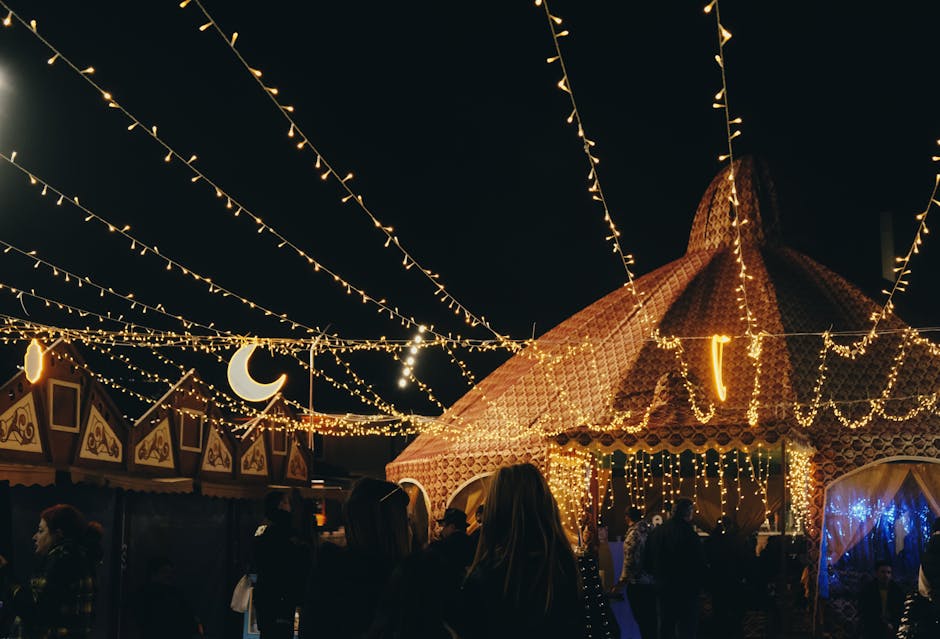
Founded in 1960, Adelaide Fringe is an open-access arts festival, meaning any artist can register and perform. Unlike curated festivals where a director selects the program, the Fringe’s open-access model creates an extraordinarily diverse lineup ranging from emerging local performers to international headliners. This democratic approach is what makes Adelaide Fringe so special — you never quite know what you’ll discover, and the quality ranges from rough-and-ready experiments to polished, world-touring productions.
The 2026 Adelaide Fringe runs from 20 February to 22 March, spanning 31 days and overlapping with the Adelaide Festival and WOMADelaide to create a concentrated cultural season that draws visitors from around Australia and the world. The festival has grown exponentially since its humble beginnings when a handful of university students staged uninvited performances alongside the official Adelaide Festival of Arts. Today it’s a cultural and economic powerhouse, generating hundreds of millions of dollars for South Australia and cementing Adelaide’s reputation as Australia’s festival capital.
Adelaide Fringe 2026: Key Dates and Numbers
The scale of Adelaide Fringe is staggering. Here are the key numbers for the 2026 festival season that give you a sense of what to expect:
Festival dates: 20 February – 22 March 2026 (31 days). Shows: Over 1,500 individual productions registered across the program. Artists: More than 8,000 performers from Australia and around the world. Venues: 500+ venues across metropolitan Adelaide and regional South Australia, from purpose-built festival hubs to intimate backyard stages. Attendance: The festival attracts approximately 3.5 million visits annually, making it one of Australia’s largest cultural events by attendance. Economic impact: Adelaide Fringe generates over $130 million in economic activity for South Australia each year.
Major Venue Hubs at Adelaide Fringe
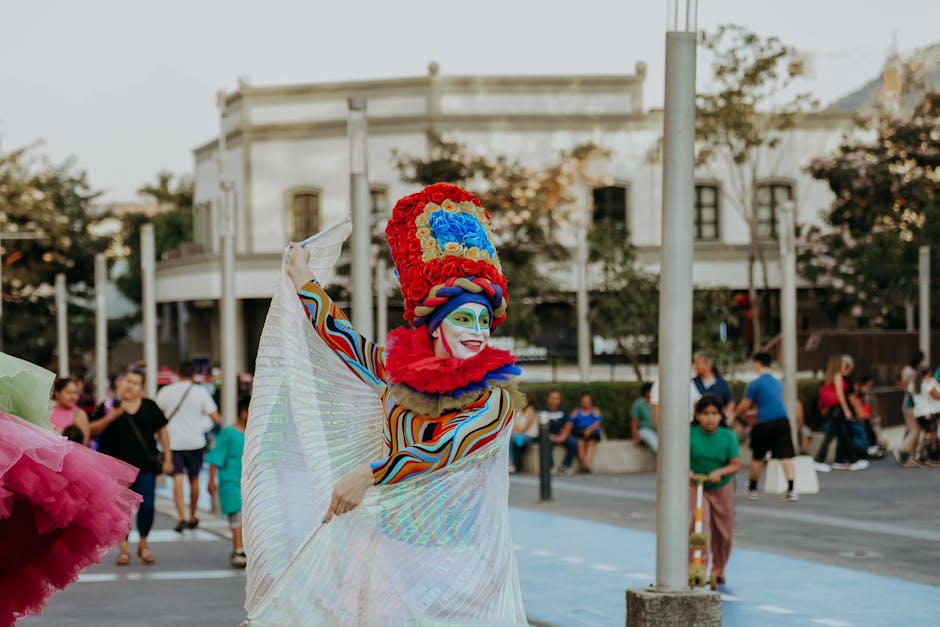
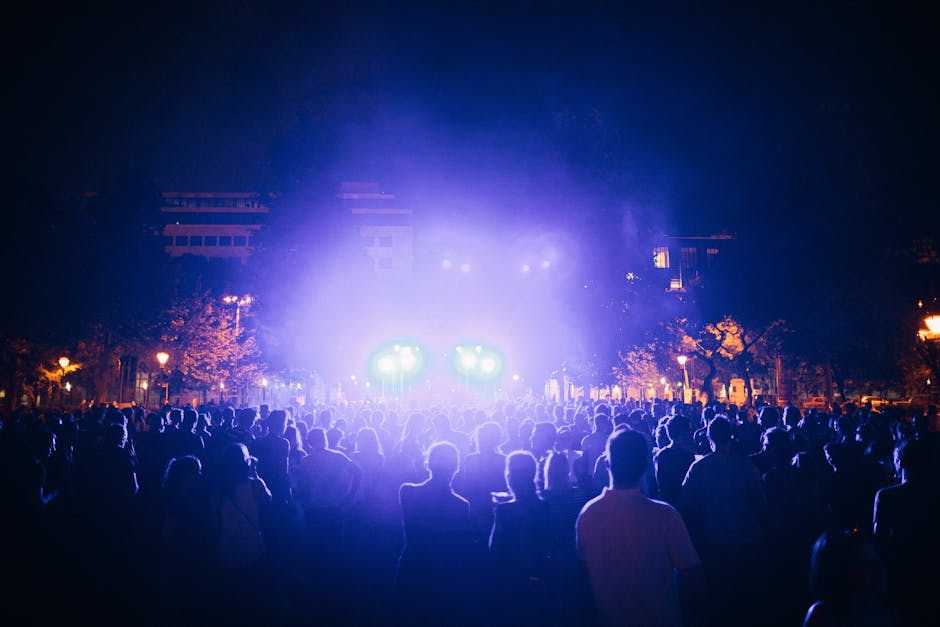
While Adelaide Fringe shows pop up in venues across the city and suburbs, the festival’s heart beats in several major venue hubs concentrated in and around the Adelaide Parklands. These hubs offer the complete Fringe experience — multiple shows in close proximity, food and drink vendors, and an electrifying festival atmosphere that keeps the energy flowing between performances.
The Garden of Unearthly Delights
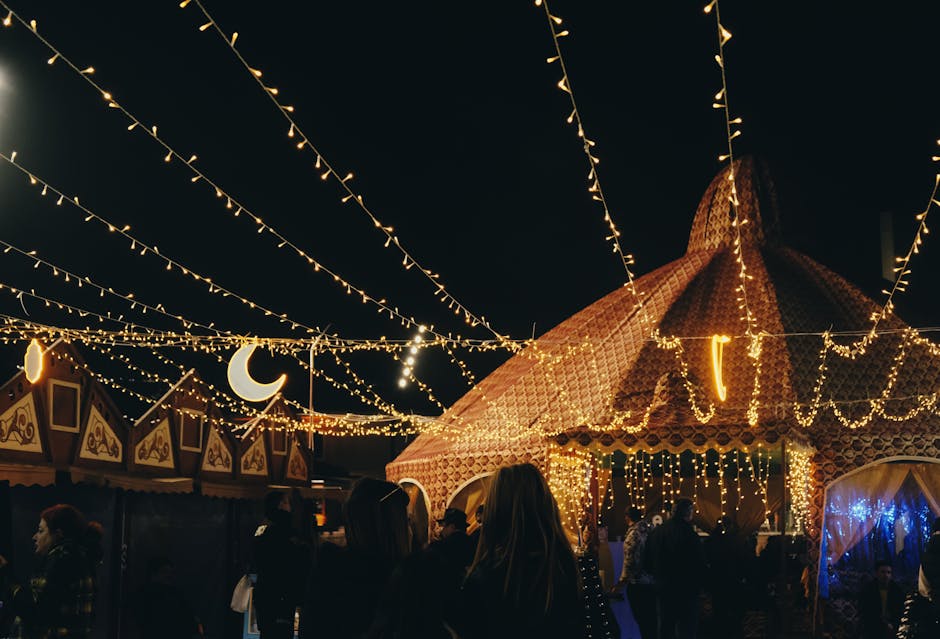
Located in Rymill Park in Adelaide’s East End, the Garden of Unearthly Delights is Adelaide Fringe’s most iconic venue hub. This immersive wonderland features a vintage carnival atmosphere with sideshow alley games, carnival rides, roving performers, and an eclectic mix of bars and food stalls beneath a canopy of fairy lights and twisted installations. The Garden hosts around 240 shows across 14 purpose-built venues, ranging from 50-seat intimate tents to 500-capacity performance spaces. Show genres lean toward circus, cabaret, comedy, and music, and ticket prices typically range from $25 to $85. The Garden opens daily from late afternoon and doesn’t close until the early hours, creating a magical after-dark atmosphere.
Gluttony
Adjacent to the Garden in Rymill Park, Gluttony is the festival’s other major parklands hub. As the name suggests, it leans into the food and drink experience alongside its performance program, with a curated selection of South Australian food vendors, cocktail bars, and wine stalls. Gluttony’s performance spaces range from the intimate 100-seat Piglet to the 900-capacity Feast venue. The hub attracts a slightly older demographic than the Garden and has built a reputation for quality comedy and cabaret programming. Ticket prices range from $25 to $66 for most shows.
Holden Street Theatres
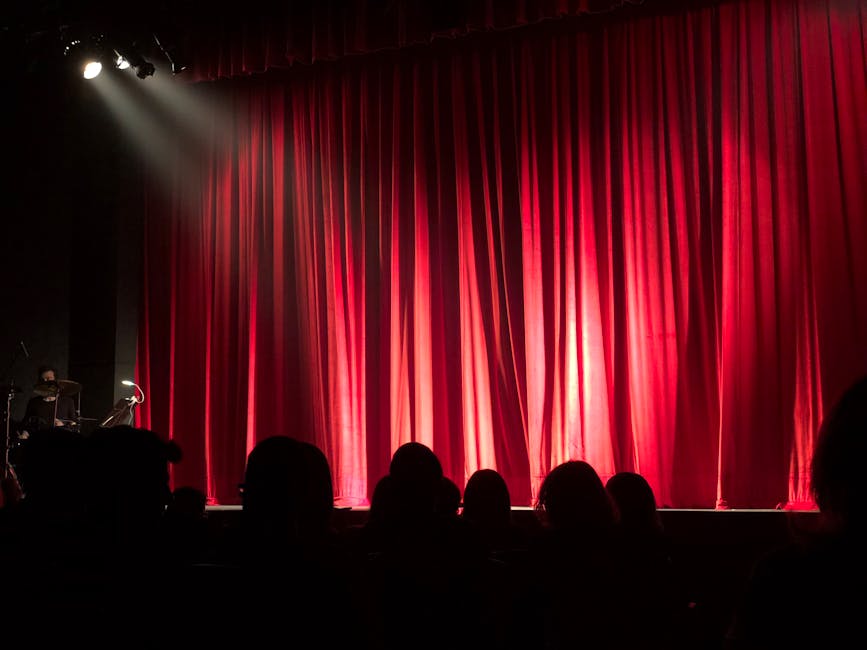
Tucked away in a converted Hindmarsh church, Holden Street Theatres is Adelaide Fringe’s most respected independent venue for theatre and dramatic performance. The two intimate performance spaces — The Arch (100 seats) and The Studio (60 seats) — have hosted some of the festival’s most acclaimed productions over the years. If you’re looking for thought-provoking theatre, experimental work, and productions that push boundaries, Holden Street is where you’ll find them. Shows here tend to be more affordable, typically $20-35.
Royal Croquet Club
The Royal Croquet Club in Victoria Square combines live music, DJs, cocktails, and a relaxed social atmosphere with a selection of Adelaide Fringe performances. It’s a popular post-show destination and a great place to soak up the festival energy without a ticket. The venue’s food and drink offering is particularly strong, and its central CBD location makes it an easy starting point for a night of Fringe exploration.
Other Key Venues
Beyond the major hubs, Adelaide Fringe shows fill hundreds of venues across the city. The Rhino Room on Frome Street is a legendary comedy venue that has launched countless Australian comedy careers. Bakehouse Theatre on Angas Street is a heritage-listed venue popular for theatre and musical productions. Star Theatres in Hilton hosts family-friendly shows and children’s programming. Adelaide Town Hall presents premium music and cabaret in a grand heritage setting. And countless pubs, cafes, galleries, and community halls open their doors to Fringe artists, meaning you’re never far from a show no matter where you are in Adelaide.
Show Categories: What to See at Adelaide Fringe
The breadth of Adelaide Fringe programming is one of its greatest strengths. Whatever your artistic interests, you’ll find something to love — and plenty you’d never have thought to try. Here’s what to expect across the major show categories.
Comedy
Comedy is Adelaide Fringe’s most popular genre by ticket sales. The program features everything from established international comedians testing new festival shows to first-time performers doing their debut five-minute sets. Styles range from observational stand-up and storytelling to sketch comedy, improv, musical comedy, and character-driven solo shows. Many Australian comedians use Adelaide Fringe to workshop shows before taking them to the Melbourne International Comedy Festival, so you’ll often see material that’s fresh and evolving.
Cabaret and Circus
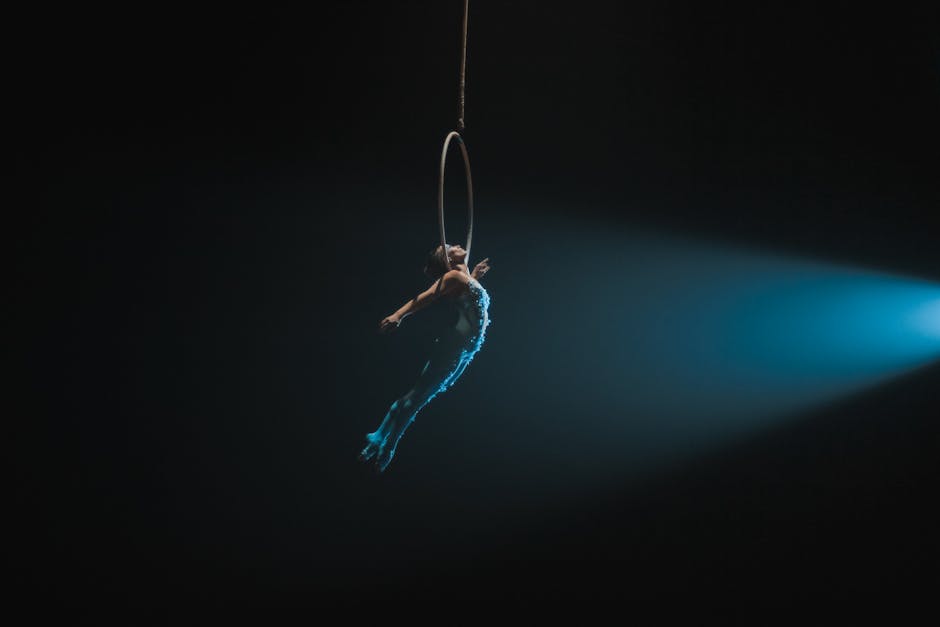
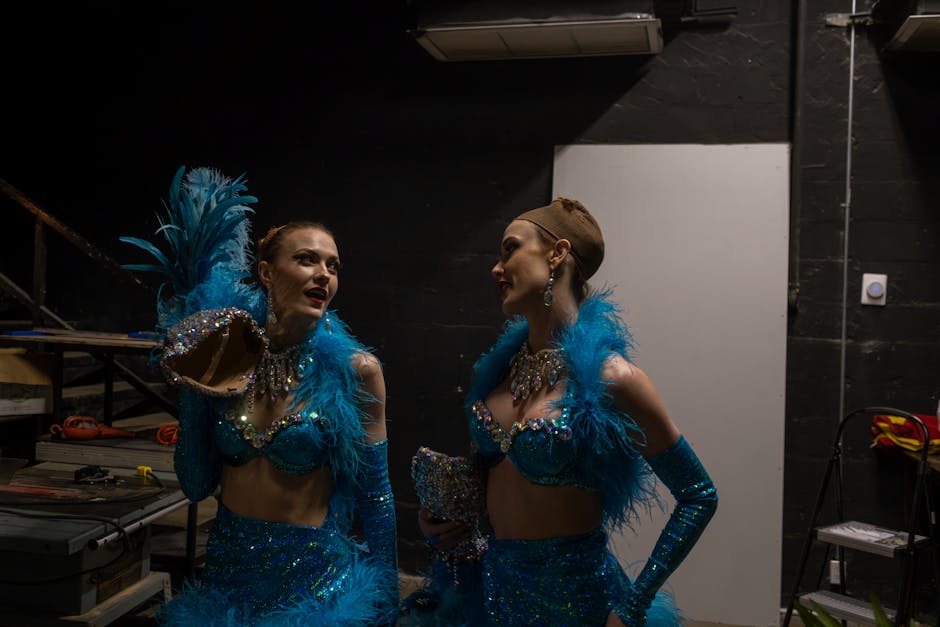
Adelaide has earned a global reputation for cabaret and circus, and the Fringe is where that reputation was built. The cabaret program includes everything from classic burlesque and variety to contemporary art-cabaret that blends music, dance, comedy, and storytelling. Circus at Adelaide Fringe ranges from intimate one-person acrobatic shows to large-scale productions with full companies. The Garden of Unearthly Delights’ Spiegeltent is the spiritual home of Adelaide Fringe cabaret, hosting headline acts in a stunning mirrored tent that has become an iconic festival symbol.
Theatre
Theatre at Adelaide Fringe covers the full spectrum — from Shakespeare and classic drama to devised contemporary work, immersive theatre, and experimental performance art. Holden Street Theatres, Bakehouse Theatre, and various pop-up spaces host the strongest theatre programming. Adelaide Fringe theatre is a great way to experience new Australian writing and discover emerging playwrights and performers before they hit the mainstream. Visit our Adelaide culture and arts guide for more on the city’s theatre scene beyond Fringe.
Music and Visual Arts
The music program at Adelaide Fringe spans genres from jazz and classical to electronic, indie, hip-hop, and world music. Many shows are presented in intimate settings where you’re metres from the performers — a stark contrast to typical concert experiences. Visual arts exhibitions, installations, and interactive experiences pop up in galleries, laneways, parklands, and unexpected public spaces throughout the festival period. Many visual arts events are free, offering an accessible entry point to the Fringe for visitors who prefer to browse and discover at their own pace. Check out our Adelaide nightlife guide for more on the city’s music scene.
How to Book Adelaide Fringe Tickets
Booking tickets for Adelaide Fringe is straightforward once you understand the system. All ticketed shows are sold through FringeTIX, the festival’s official ticketing platform, available online at adelaidefringe.com.au, via the FringeTIX app (iOS and Android), by phone on 1300 621 255, or in person at the FringeTIX box offices located at the festival hubs.
Ticket prices vary enormously depending on the show, venue, and performer. You’ll find free events and shows from as little as $10, while headline acts in premium venues can cost $65-85+. The sweet spot for most shows is $25-45. Many shows offer concession pricing for students, seniors, and healthcare card holders, and some venues offer rush tickets at reduced prices for last-minute bookings. The FringeTIX website and app allow you to filter shows by genre, date, price, venue, and accessibility requirements, making it easy to build your personal Fringe schedule.
Booking strategy: For headline shows, popular comedians, and weekend sessions at major venues, book as early as possible — these sell out weeks in advance. For everything else, you can usually book a day or two ahead, or even on the day. Leaving some flexibility in your schedule is part of the Fringe experience — word of mouth spreads fast during the festival, and unexpected gems often emerge after opening weekend. The FringeTIX app’s “What’s On Now” feature is perfect for spontaneous show-hopping between venues.
Free Events and Street Performances
One of the best things about Adelaide Fringe is that you don’t need to spend a cent to enjoy the festival atmosphere. The venue hubs — particularly the Garden of Unearthly Delights, Gluttony, and Royal Croquet Club — are free to enter and offer a carnival-like experience with roving performers, DJs, sideshow games, food and drink vendors, and impromptu entertainment throughout the evening.
Rundle Mall and Rundle Street become stages for street performers during the festival, with buskers, magicians, acrobats, and musicians performing throughout the day. The Adelaide Fringe Street Theatre program presents scheduled outdoor performances in parks and public spaces, and many shows in the visual arts and music categories are free to attend. For families, the free children’s entertainment in the parklands hubs is a highlight, with face painting, craft activities, and kid-friendly performances running on weekends.
Planning Your Adelaide Fringe Visit
When to Go
The Adelaide Fringe program is strongest in the first two weeks (late February through early March), when the Adelaide Festival and WOMADelaide overlap. This is also when the city buzzes with maximum energy. Weekends are busiest and most atmospheric, but weekday shows often have more availability and a more relaxed vibe. The final weekend of the Fringe has a special celebratory energy as artists and audiences come together for one last hurrah.
Where to Stay During Adelaide Fringe
Accommodation fills fast during Adelaide Fringe — often months in advance for the peak opening and closing weekends. The CBD is the ideal base, with most major venue hubs within walking distance. Rundle Street, North Terrace, and the East End offer the closest accommodation to the parklands hubs. Glenelg and North Adelaide are good alternatives with easy tram and bus connections. Budget travellers should consider hostels (Adelaide Central YHA, Backpack OZ) or vacation rentals in the inner suburbs. Book as far in advance as possible — six months ahead is not too early for peak weekends. For detailed accommodation advice, see our best hotels in Adelaide CBD guide.
Getting Around During Adelaide Fringe
Adelaide Fringe is best experienced on foot. The major venue hubs are concentrated in and around the CBD and eastern parklands, all within a 15-20 minute walk of each other. The free Adelaide Metro tram runs along North Terrace and through the CBD to Glenelg, and is useful for returning to accommodation after late-night shows. Parking in the CBD during Fringe is limited and expensive — use public transport via Adelaide Metro, walk, or take rideshare. If driving, park in the outer CBD or North Adelaide and walk into the festival precinct.
Dealing with the Heat
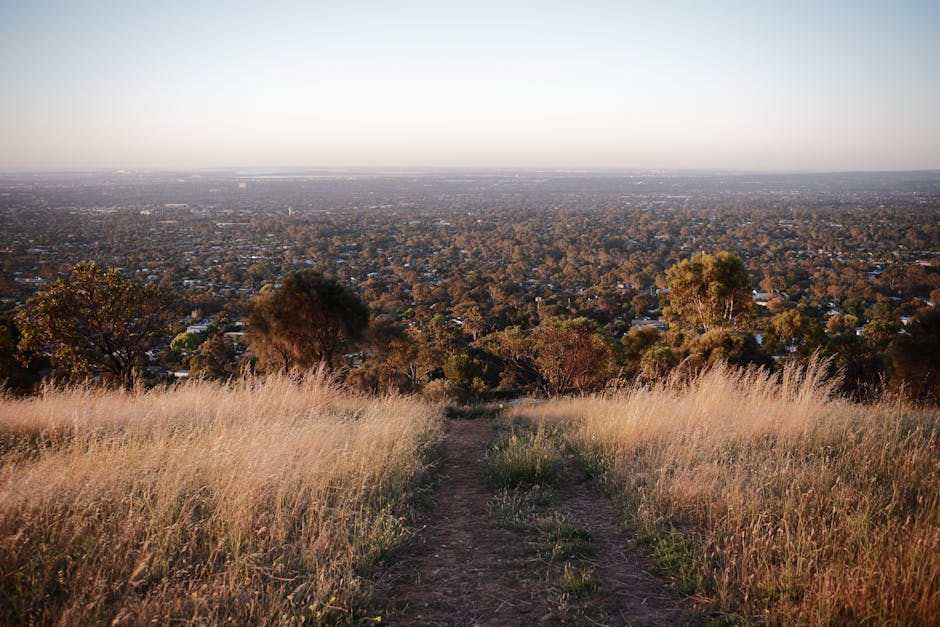
Adelaide Fringe takes place during late summer, and temperatures can be intense — particularly in the first two weeks when 35-40°C days are common. Stay hydrated (free water refill stations are available at major venue hubs), wear sunscreen for daytime events, and plan indoor or evening shows during extreme heat days. The open-air venue hubs are most enjoyable after sunset when temperatures drop to a comfortable 20-25°C. Many venues are air-conditioned, providing welcome relief during heatwave periods.
Adelaide Fringe for Families
Adelaide Fringe is one of Australia’s most family-friendly festivals, with a dedicated children’s program that runs throughout the season. The FringeTIX website has a dedicated “Kids & Family” filter that makes it easy to find age-appropriate shows. Expect puppet shows, interactive theatre, magic acts, children’s circus, and musical performances designed specifically for young audiences, with most tickets priced at $15-25.
Weekend daytime sessions at the Garden of Unearthly Delights and Gluttony offer the best family atmosphere, with carnival rides, face painting, and family-friendly food vendors. The parklands setting is safe and easy to navigate with prams and young children. Free outdoor entertainment in the venue hubs runs throughout the day on weekends, creating a festival experience accessible to families of all budgets. For more family-friendly Adelaide activities, explore our Adelaide with kids guide and things to do in Adelaide guide.
Insider Tips for Making the Most of Adelaide Fringe
See something you’ve never heard of. The magic of Adelaide Fringe is discovery. While it’s tempting to stick with familiar names and genres, the festival rewards adventurous audience members. Ask bartenders, Uber drivers, and fellow audience members for recommendations — word of mouth is the most reliable guide at the Fringe.
Pace yourself. With 31 days of programming, there’s no need to burn out in the first weekend. Three shows per day is a comfortable maximum — two shows and an evening at the venue hubs is ideal for most visitors. Allow time between shows for walking between venues, eating, and absorbing the atmosphere.
Eat at the venues. The food and drink offerings at the Garden of Unearthly Delights, Gluttony, and Royal Croquet Club rival Adelaide’s best restaurants. These aren’t typical festival food stalls — they’re curated selections of South Australia’s best food vendors. Arrive early to eat before shows, or linger after the performance over a glass of local wine.
Download the FringeTIX app. The app is your essential companion for navigating Adelaide Fringe. It shows what’s on now, what’s nearby, reviews from other audience members, and lets you book tickets on the go. The “What’s On” map view is particularly useful for finding shows within walking distance of your current location.
Check reviews after opening weekend. By the end of the first weekend, reviews from local media and audience members start appearing on the FringeTIX website and social media. These reviews are invaluable for identifying the hidden gems and avoiding disappointments in the remaining three weeks of the festival.
Adelaide Fringe and Beyond: The Festival Season
Adelaide Fringe doesn’t exist in isolation — it’s part of a broader festival season that makes February and March the most exciting time to visit Adelaide. The Adelaide Festival (late February to mid-March) is a curated international arts festival running concurrently with the Fringe, presenting premium theatre, dance, music, and visual arts from world-leading companies and artists. WOMADelaide (early March) is a four-day world music and arts festival in Botanic Park that consistently ranks among Australia’s best music festivals.
Together, these three festivals create a concentration of cultural activity unmatched by any other Australian city. The overlap period — typically the first two weeks of March — is when Adelaide reaches peak festival intensity, with shows running from morning to well past midnight and the entire city buzzing with creative energy. Many visitors plan their Adelaide trip specifically around this overlap period to experience all three festivals in a single visit, combined with Adelaide’s excellent dining scene and nearby wine regions.
Frequently Asked Questions About Adelaide Fringe
When does Adelaide Fringe run in 2026?
Adelaide Fringe 2026 runs from 20 February to 22 March. The 31-day festival is the longest-running Fringe event in the Southern Hemisphere. The opening weekend (February 20-22) and closing weekend (March 20-22) are the biggest celebrations, with special events, parties, and maximum show density.
Is Adelaide Fringe suitable for children?
Adelaide Fringe is one of Australia’s most family-friendly festivals. Hundreds of shows are specifically designed for children and families, including puppetry, interactive theatre, magic, children’s circus, and musical performances. Weekend daytime sessions at the venue hubs offer free outdoor entertainment, carnival rides, and family-friendly food. The FringeTIX website has a dedicated “Kids & Family” filter for finding age-appropriate shows.
How much should I budget for Adelaide Fringe?
A budget-conscious Adelaide Fringe experience — focusing on free events, street performances, and one to two paid shows per day — could cost as little as $30-50 per day excluding accommodation and meals. A moderate experience with two to three shows per day plus venue food and drinks runs $80-120 per day. A premium experience with prime seats at headline shows, dinner at Fringe venues, and drinks runs $150-250+ per day. Accommodation during Fringe adds $150-350 per night for hotels, or $40-80 per night for hostels.
Can I attend Adelaide Fringe without pre-booking shows?
Yes, spontaneity is part of the Fringe spirit. Many shows have door sales available, and outside of the biggest-name acts and weekend peak times, you can often walk up and buy tickets shortly before showtime. The FringeTIX app makes last-minute bookings easy. However, shows you specifically want to see — especially popular comedians and headline acts — should be booked in advance as they do sell out. A good strategy is to pre-book two to three must-see shows and leave the rest of your schedule open for spontaneous discoveries.
What should I wear to Adelaide Fringe?
Dress comfortably and for the weather. Adelaide Fringe takes place in late summer, so light, breathable clothing is essential during the day. Evenings can cool down after sunset, so bring a light layer. Comfortable walking shoes are a must — you’ll cover a lot of ground between venues. The dress code at Adelaide Fringe is decidedly casual; you’ll see everything from festival fashion to jeans and t-shirts. Some premium shows at Adelaide Town Hall or Thebarton Theatre may warrant slightly smarter attire, but there’s no strict dress code anywhere.