Adelaide, known as Tarntanya in the Kaurna language, stands on the traditional lands of the Kaurna people who have called this region home for over 50,000 years. Understanding and experiencing Aboriginal culture in Adelaide offers visitors a profound connection to one of the world’s oldest living civilisations. From dedicated cultural centres and museum collections to guided walking tours and immersive bush food experiences, Adelaide provides numerous opportunities to learn about, respect, and celebrate Indigenous Australian heritage.
As Australia’s reconciliation journey continues to evolve, Adelaide has positioned itself as a leader in making Aboriginal culture accessible and respected. The city’s cultural institutions, guided experiences, and community-led initiatives offer authentic pathways for visitors to engage meaningfully with Kaurna heritage and the broader tapestry of Aboriginal and Torres Strait Islander cultures represented across South Australia.
Understanding Kaurna Country: Adelaide as Tarntanya
Before European settlement in 1836, the Adelaide Plains were home to the Kaurna people, whose territory extended from Crystal Brook in the north to Cape Jervis in the south, and from the Adelaide Hills to the Gulf St Vincent coastline. The Kaurna people developed sophisticated systems of land management, seasonal food gathering, and ceremonial practices intimately connected to this landscape over tens of thousands of years.
The name Tarntanya refers specifically to the area we now know as Adelaide’s CBD and parklands. The River Torrens, known as Karrawirra Pari (meaning ‘red gum forest river’), served as a vital waterway for the Kaurna people, providing food, fresh water, and serving as an important ceremonial corridor. Today, many of Adelaide’s geographical features retain their Kaurna names or have been officially dual-named to acknowledge this deep history.
Understanding this context enriches any visit to Adelaide. When you walk along the riverbank, visit the botanic gardens, or explore the parklands, you’re traversing Country that has sustained and been cared for by the Kaurna people since time immemorial. This awareness transforms a simple city break into a deeper cultural experience that connects you to the world’s oldest continuous culture.
Acknowledgement of Country: Context for Visitors
Visitors to Adelaide will frequently encounter Acknowledgements of Country at events, cultural institutions, and public gatherings. This practice recognises the Kaurna people as the traditional custodians of the Adelaide region and pays respect to Elders past, present, and emerging. For international visitors unfamiliar with this protocol, it represents Australia’s growing commitment to truth-telling about its colonial history and honouring the world’s oldest continuous cultures.
An Acknowledgement of Country differs from a Welcome to Country, which can only be performed by a Traditional Owner or Elder of that specific Country. Welcomes to Country are ceremonial events often featuring smoking ceremonies, traditional dance, and didgeridoo performances. Many major Adelaide events and festivals open with a Welcome to Country, providing visitors with a powerful and moving cultural experience.
As a visitor, you can show respect by learning the name of the Traditional Owners (Kaurna people in metropolitan Adelaide), listening attentively during cultural protocols, and approaching Aboriginal heritage sites and artworks with the same reverence you would afford any sacred place or significant cultural monument anywhere in the world.
The Kaurna Walking Trail: 17 Cultural Sites Along Karrawirra Pari
The Kaurna Walking Trail is one of Adelaide’s most significant cultural heritage experiences, offering a self-guided journey through 17 interpretive sites along a 10-kilometre stretch of the River Torrens (Karrawirra Pari). This trail connects you physically and spiritually to Kaurna heritage through art installations, interpretive panels, and culturally significant landmarks that tell the story of Kaurna connection to this waterway.
Beginning at the Adelaide Oval precinct and extending through the parklands, the trail features sculptures, story poles, and educational displays created in collaboration with Kaurna Elders and artists. Each site offers insights into different aspects of Kaurna life, including seasonal food gathering, tool making, ceremonial practices, and the spiritual significance of specific locations along the river corridor.
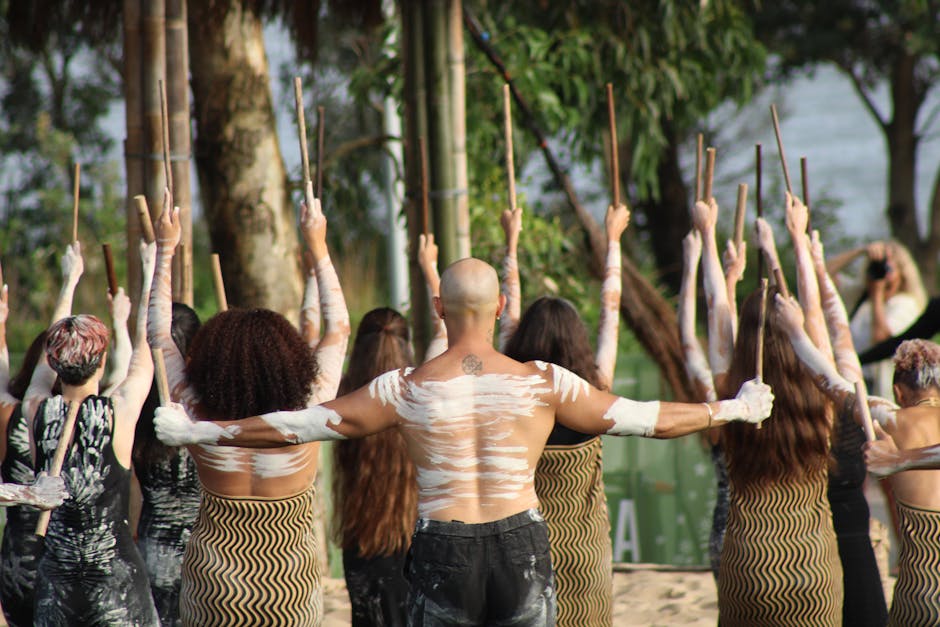
The trail is accessible year-round, is flat and suitable for all fitness levels, and can be completed in approximately three to four hours at a leisurely pace. Many visitors choose to walk shorter sections, and the trail conveniently passes near several of Adelaide’s major attractions including the Zoo, Botanic Gardens, and the Festival Centre precinct. An interactive map available from the Adelaide City Council website helps plan your route and provides additional context at each interpretive station.
Key highlights along the trail include the Tarnta Kuu (Red Kangaroo Rock) near the Torrens Weir, the Women’s Dreaming Site near Pinky Flat, and several scar trees that bear the marks of Kaurna bark harvesting practices from hundreds of years ago. The trail serves as a powerful reminder that Adelaide’s manicured parklands and riverbank were a thriving cultural landscape long before Colonel Light drew his famous city plan.
Tandanya National Aboriginal Cultural Institute
Tandanya National Aboriginal Cultural Institute holds the distinction of being Australia’s oldest Aboriginal-owned and operated arts centre, established in 1989. Located on Grenfell Street in the heart of Adelaide’s East End, Tandanya (meaning ‘place of the red kangaroo’ in Kaurna language) serves as a vibrant hub for Aboriginal and Torres Strait Islander arts, culture, and community gathering.
The centre houses multiple gallery spaces that rotate exhibitions throughout the year, showcasing works by emerging and established Aboriginal artists from across Australia. These exhibitions span diverse media including painting, sculpture, photography, new media, textiles, and installation art. The quality and diversity of works on display makes Tandanya an essential stop for anyone interested in contemporary Aboriginal artistic expression.
Beyond visual arts, Tandanya hosts regular live performances including traditional dance, music, theatre, and spoken word events. The centre’s performance space has launched the careers of numerous Aboriginal performing artists and continues to serve as an incubator for new Indigenous creative work. Check the events calendar before your visit to see what performances are scheduled during your time in Adelaide.
Tandanya also features a gift shop offering authentic Aboriginal art and crafts, providing an ethical alternative to mass-produced Indigenous-themed souvenirs. Purchases here directly support Aboriginal artists and the centre’s cultural programs. The centre offers educational programs for school groups and can arrange guided experiences for cultural tour groups with advance booking.
Admission to Tandanya’s main gallery spaces is free, making it accessible to all visitors. The centre is open Tuesday through Saturday, though hours may vary during festival periods when extended programming is offered. Its central location makes it easy to combine with explorations of the East End dining precinct and Rundle Street galleries. For those interested in Adelaide’s cultural scene, Tandanya belongs on any serious itinerary alongside institutions like the broader Adelaide cultural offerings that make this city distinctive.
South Australian Museum: World’s Largest Aboriginal Artefact Collection
The South Australian Museum on North Terrace houses the world’s largest collection of Aboriginal and Torres Strait Islander cultural artefacts, comprising more than 30,000 items that span the breadth and depth of Indigenous Australian material culture. This extraordinary collection represents one of the most significant repositories of Aboriginal heritage anywhere in the world and is a must-visit for anyone seeking to understand the richness and diversity of Aboriginal cultures.
The Australian Aboriginal Cultures Gallery occupies an entire floor of the museum and presents thematic displays exploring kinship systems, Dreaming stories, tool technology, body decoration, ceremony, and the ongoing living cultures of Aboriginal peoples from every region of Australia. The gallery design incorporates contemporary Aboriginal voices alongside historical materials, creating a layered narrative that honours both traditional knowledge and modern Indigenous perspectives.
Highlights of the collection include elaborate ceremonial objects, intricately carved tools and weapons, rare bark paintings from Arnhem Land, significant textile works, and photographic archives documenting Aboriginal life from the early colonial period through to contemporary times. The museum also holds important sound recordings of Aboriginal languages and songs, some of which represent the only surviving records of languages no longer spoken.
Admission to the South Australian Museum is free, and it is open daily from 10am to 5pm. Guided tours are available and provide deeper context for the collections. The museum sits within Adelaide’s North Terrace cultural precinct, making it easy to combine with visits to the other cultural attractions along this boulevard. For visitors with limited time, allocate at least two hours to do justice to the Aboriginal Cultures Gallery alone.
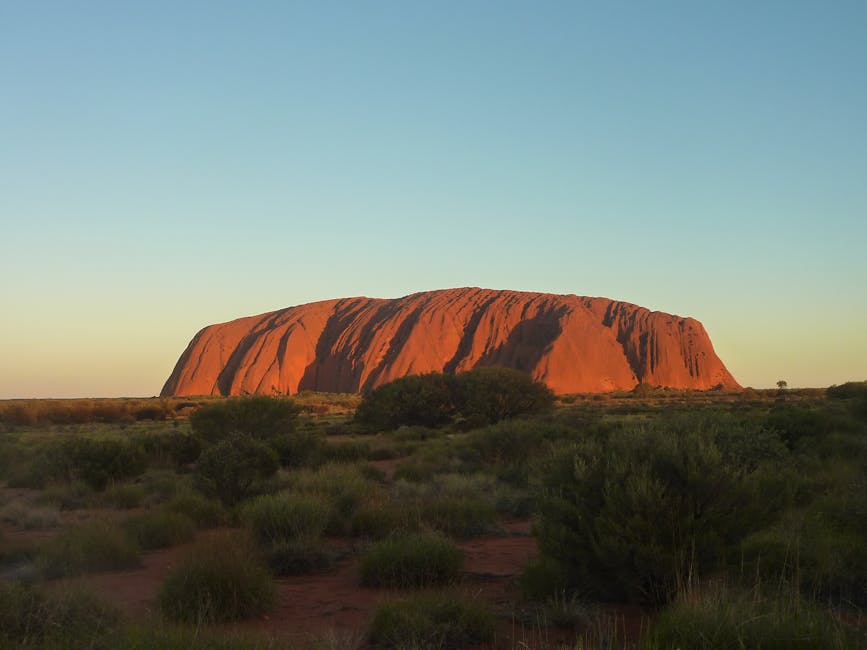
Warriparinga: Living Kaurna Heritage Site
Warriparinga, located in the southern suburb of Bedford Park, is a living Kaurna heritage site of immense cultural significance. The name means ‘windy place by the river’ and the site sits at the confluence of Sturt Creek and the Sturt River, an area that has been a gathering place for the Kaurna people for thousands of years. Today it operates as a cultural and environmental centre that preserves both the natural landscape and the Kaurna stories embedded within it.
The centrepiece of Warriparinga is the Tjilbruke Gateway, a monument commemorating the Dreaming story of Tjilbruke, an ancestral being whose tears of grief for his nephew created the freshwater springs along the coast south of Adelaide. This story represents one of the most significant Dreaming narratives of the Kaurna people and the monument, created by Kaurna artist John Newchurch, stands as a powerful artistic expression of this ancestral connection.
Visitors to Warriparinga can explore several significant features including scar trees bearing evidence of traditional bark harvesting, reconstructed wardli (traditional Kaurna shelters), interpretive walking trails through regenerated native bushland, and the Living Kaurna Cultural Centre which hosts exhibitions and cultural programs. The wetlands area supports abundant birdlife and native plants that would have formed part of the Kaurna food and medicine toolkit.
Warriparinga is free to visit and accessible via public transport from the city centre. The outdoor areas are open daily, while the Cultural Centre operates on weekday hours. It’s particularly rewarding to visit with a knowledgeable guide who can unlock the layers of story and significance that permeate this landscape. The site offers a very different experience from the city’s museum collections, placing you directly within a culturally significant landscape that continues to be cared for according to Kaurna principles.
Guided Aboriginal Cultural Tours in Adelaide
Several Aboriginal-owned and operated tour businesses offer guided cultural experiences throughout metropolitan Adelaide and the surrounding regions. These tours provide the most authentic and personal way to engage with Aboriginal culture, as guides share their own knowledge, stories, and connections to Country in ways that bring history to life far beyond what any museum display can achieve.
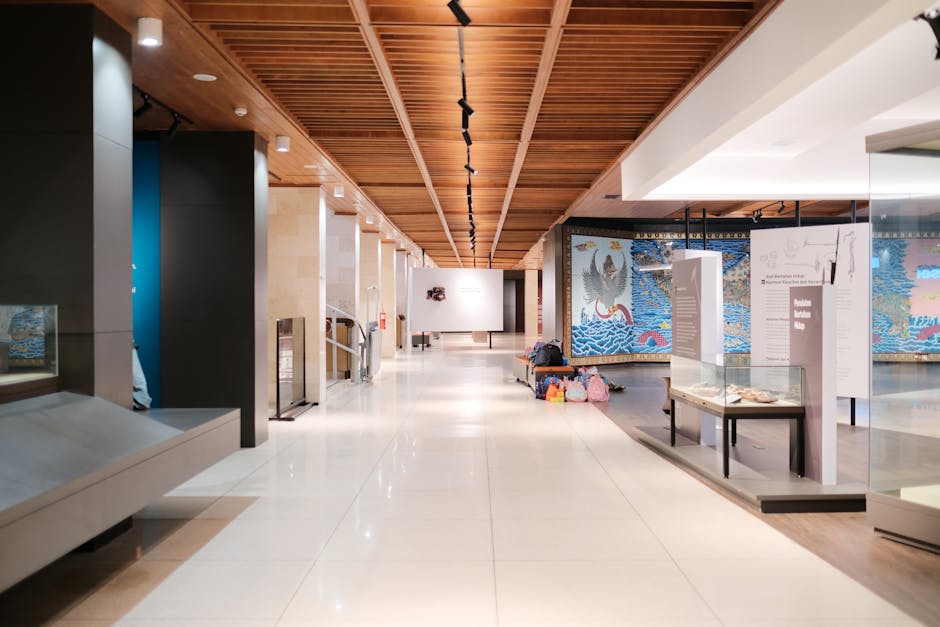
City-based walking tours typically explore the CBD and parklands, revealing the Kaurna significance of familiar landmarks and sharing stories that most visitors would never discover independently. These tours often include demonstrations of traditional tools, explanation of native plant uses, and discussions about the impact of colonisation on the Kaurna people. Tours generally last two to three hours and operate in small groups, allowing for genuine interaction and questions.
The Adelaide Hills and Fleurieu Peninsula also offer cultural touring opportunities where guides take visitors through landscapes rich in Dreaming stories and traditional significance. These half-day and full-day experiences often include bush food tastings, traditional tool demonstrations, and visits to sites that aren’t accessible to the general public without cultural guidance.
When choosing a cultural tour, look for operators that are Aboriginal-owned or have formal partnerships with Traditional Owner groups. This ensures that cultural knowledge is being shared with appropriate authority and that economic benefits flow back to Aboriginal communities. Tourism Australia and the South Australian Tourism Commission maintain directories of accredited Indigenous tourism operators that can help you identify authentic experiences.
Kauwi Cultural Cruise: First Nations Marine Experience
The Kauwi Cultural Cruise represents one of Adelaide’s newer and most innovative Aboriginal cultural experiences, combining First Nations storytelling with marine biology expertise on a coastal boat cruise. Operating from the Fleurieu Peninsula coast south of Adelaide, this experience connects visitors with the coastal Dreaming stories and traditional marine knowledge of the local Aboriginal people.
Guided by both a First Nations cultural guide and a marine biologist, the cruise explores the relationship between Aboriginal people and the sea, including traditional fishing practices, marine navigation knowledge, seasonal reading of ocean conditions, and the spiritual significance of coastal landmarks. The dual-guide format creates a fascinating dialogue between traditional ecological knowledge and Western marine science, revealing how both systems have arrived at similar understandings through different methodological paths.
The cruise typically includes wildlife viewing opportunities (dolphins, seals, and seabirds are commonly sighted), visits to culturally significant coastal sites, and tastings of traditional coastal foods where seasonally appropriate. It’s a unique experience that you won’t find replicated anywhere else in Australia and represents the growing trend of Aboriginal tourism operators creating innovative experiences that go beyond conventional cultural presentations.
Bookings should be made well in advance, particularly during the summer season and school holiday periods when demand is highest. The cruise operates weather-dependent and is suitable for most fitness levels. It connects beautifully with a broader exploration of Adelaide’s day trip options south of the city.
Aboriginal Art Galleries and Ethical Shopping
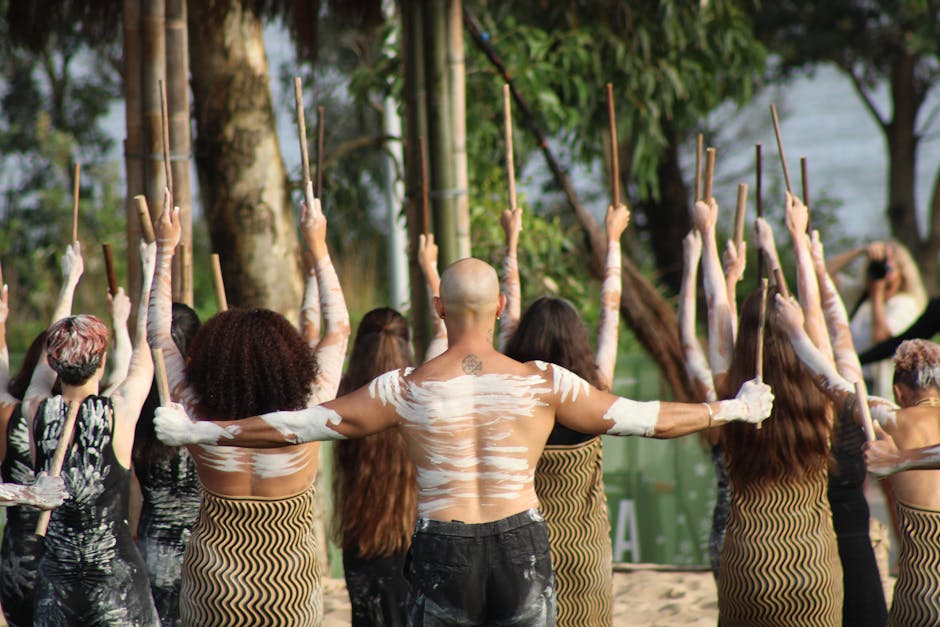
Adelaide hosts several commercial galleries specialising in Aboriginal art, offering visitors the opportunity to purchase authentic works directly supporting Aboriginal artists. These galleries typically represent artists from across Australia, including significant works from the Western Desert art movement, Tiwi Islands painters, Arnhem Land bark painters, and contemporary urban Aboriginal artists working in diverse media.
When purchasing Aboriginal art, ethical considerations are paramount. Authentic Aboriginal art galleries maintain direct relationships with artists or their community art centres, ensure artists receive fair payment for their work, and provide certificates of authenticity with provenance information. Be wary of shops selling mass-produced items featuring ‘Aboriginal-style’ designs that are not created by Aboriginal people – these exploit cultural imagery without benefiting Aboriginal communities.
Key indicators of ethical Aboriginal art retailers include: membership of the Indigenous Art Code, transparent artist payment policies, detailed provenance documentation, relationships with community art centres, and staff who can discuss the artist’s story and the meaning behind works. The best galleries educate buyers about the cultural context of the art and the artist’s connection to the stories depicted.
Beyond dedicated galleries, visitors can find authentic Aboriginal art at Tandanya’s gift shop, the South Australian Museum shop, and various community markets where Aboriginal artists sell directly. The Adelaide Central Market occasionally hosts Aboriginal food and craft stalls, particularly during NAIDOC Week and Reconciliation Week events.
Reconciliation in Adelaide: A City’s Journey
Adelaide has been at the forefront of Australia’s reconciliation movement in many respects. South Australia was the first state to legislate Aboriginal heritage protection, the first to appoint an Aboriginal Governor (Sir Douglas Nicholls in 1976), and continues to lead national conversations about treaty and truth-telling. This history of progressive engagement makes Adelaide a particularly meaningful place to explore Aboriginal culture and the ongoing process of reconciliation.
The Kaurna people’s language revival program is one of Australia’s most successful, with the Kaurna language now taught in several Adelaide schools and increasingly present in public signage, place naming, and civic ceremonies. This linguistic resurgence represents a powerful act of cultural reclamation and ensures that the Kaurna language, once thought to be lost, will be spoken by future generations.

Visitors can engage with reconciliation in Adelaide through participation in public events during key periods including Reconciliation Week (27 May – 3 June), NAIDOC Week (first week of July), and Sorry Day (26 May). These events offer ceremonies, exhibitions, film screenings, panel discussions, and community celebrations that welcome non-Indigenous participation and provide valuable context for understanding contemporary Aboriginal life in Adelaide.
The Reconciliation SA organisation coordinates many events and provides resources for visitors wanting to deepen their understanding. Their walking tours, online resources, and event calendars are invaluable for culturally curious visitors. Adelaide’s commitment to reconciliation means that Aboriginal culture isn’t confined to museums and cultural centres – it’s increasingly woven into the city’s everyday civic life, from dual-naming of streets to acknowledgements at public events.
Aboriginal Cultural Events Calendar
Adelaide hosts numerous Aboriginal cultural events throughout the year, many of which are free and open to all visitors. Planning your trip to coincide with these events can significantly enrich your cultural experience and provide opportunities for engagement that go beyond standard tourist offerings.
The Adelaide Fringe Festival (February-March) features a dedicated First Nations program showcasing Aboriginal theatre, comedy, music, visual art, and dance. The Adelaide Fringe has become an important platform for Aboriginal artists to reach new audiences and has launched several Indigenous performers to national prominence. Similarly, WOMADelaide (March) regularly features Aboriginal musicians and performers from across Australia.
NAIDOC Week (July) sees celebrations across the city, including flag-raising ceremonies, cultural performances, community markets, art exhibitions, and family days. Reconciliation Week (May-June) offers more reflective programming including film festivals, panel discussions, book launches, and walking tours. The Tarnanthi Festival of Contemporary Aboriginal and Torres Strait Islander Art (October-January) transforms AGSA and partner venues into a major showcase of Indigenous artistic excellence.
Other significant events include the Kaurna Cultural Heritage Festival, language workshops and classes open to the public, seasonal guided walks, storytelling evenings at various venues, and artist talks at galleries showing Aboriginal exhibitions. Check the Adelaide Festivals and South Australian Tourism Commission websites for current event listings during your visit dates.
Bush Food Experiences in Adelaide
Aboriginal bush food experiences have become one of Adelaide’s most popular cultural tourism offerings, reflecting growing interest in native Australian ingredients and traditional food knowledge. These experiences range from guided foraging walks to sophisticated dining events featuring native ingredients prepared with both traditional and contemporary techniques.
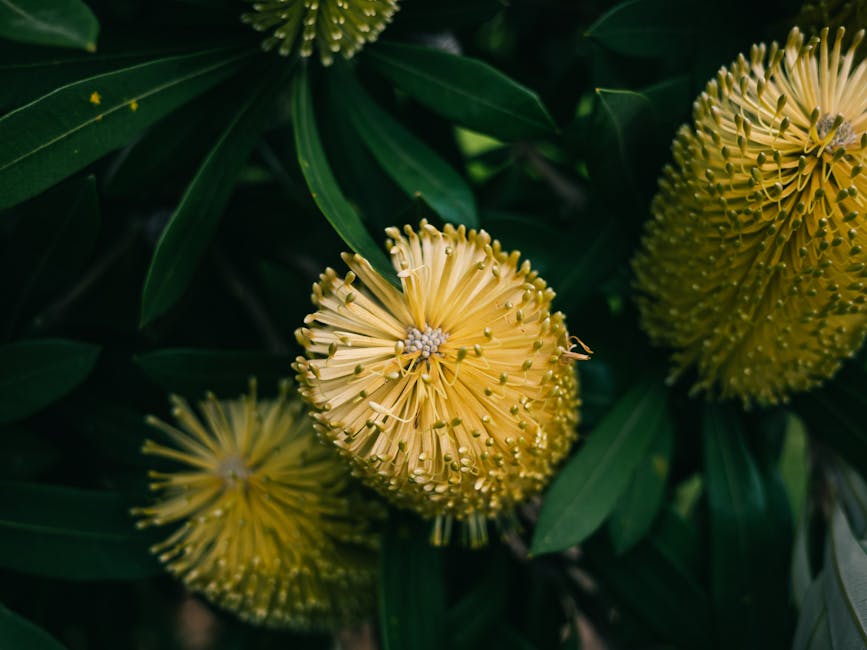
Several Adelaide restaurants now incorporate native ingredients including wattleseed, lemon myrtle, bush tomato, quandong, kangaroo, and emu into their menus, though the most authentic bush food experiences are those led by Aboriginal guides who share the cultural context of food gathering, preparation, and the seasonal knowledge that governed traditional diets. These guided experiences typically take place in the Adelaide Hills, parklands, or coastal areas where native food plants grow abundantly.
Bush food walks usually combine plant identification, traditional uses of various species, tasting opportunities, and storytelling about the cultural significance of food gathering in Aboriginal life. Participants learn about the remarkable sophistication of Aboriginal food science, including detoxification processes for otherwise poisonous plants, fermentation techniques, and the nutritional superiority of many native foods compared to introduced species.
For visitors interested in exploring these flavours independently, the Adelaide Central Market stocks various native food products including dried bush foods, sauces, and seasonings. Several Adelaide restaurants featured in our food and dining guide incorporate native ingredients into their menus, offering accessible entry points for curious palates. The intersection of Aboriginal food knowledge and contemporary Australian cuisine represents one of the most exciting developments in the national food scene.
Visitor Etiquette and Cultural Sensitivity
Engaging respectfully with Aboriginal culture requires awareness of certain protocols and sensitivities that may differ from cultural norms in other parts of the world. Understanding these guidelines ensures your cultural experiences are positive for both visitors and the Aboriginal communities sharing their heritage.
Photography policies vary between sites and experiences. Always ask permission before photographing Aboriginal people, cultural performances, or sacred sites. Some museum collections and gallery works carry restrictions on photography, and cultural tour guides will advise when photography is and isn’t appropriate. When in doubt, ask first – this shows respect and is always appreciated.
Be aware that some Aboriginal cultural content carries gender restrictions or may only be appropriate for certain audiences. Cultural guides and institutions will communicate these restrictions clearly. Similarly, some Dreaming stories are sacred and are only shared in appropriate contexts by authorised people – don’t press for information that hasn’t been offered freely.
Listen more than you speak during cultural experiences. Aboriginal Elders and guides are sharing knowledge that has been passed down through countless generations, and respectful listening demonstrates your appreciation of this privilege. Questions are generally welcome but should be asked sensitively, and you should accept if a guide indicates that certain topics are not appropriate for discussion.
Avoid purchasing inauthentic Aboriginal art or souvenirs. Mass-produced items featuring ‘dot painting’ or boomerang imagery that are not made by Aboriginal people exploit cultural imagery and harm genuine Aboriginal artists. Support authentic Aboriginal businesses and art centres where your purchases directly benefit Aboriginal communities and artists.
Recommended Reading and Resources
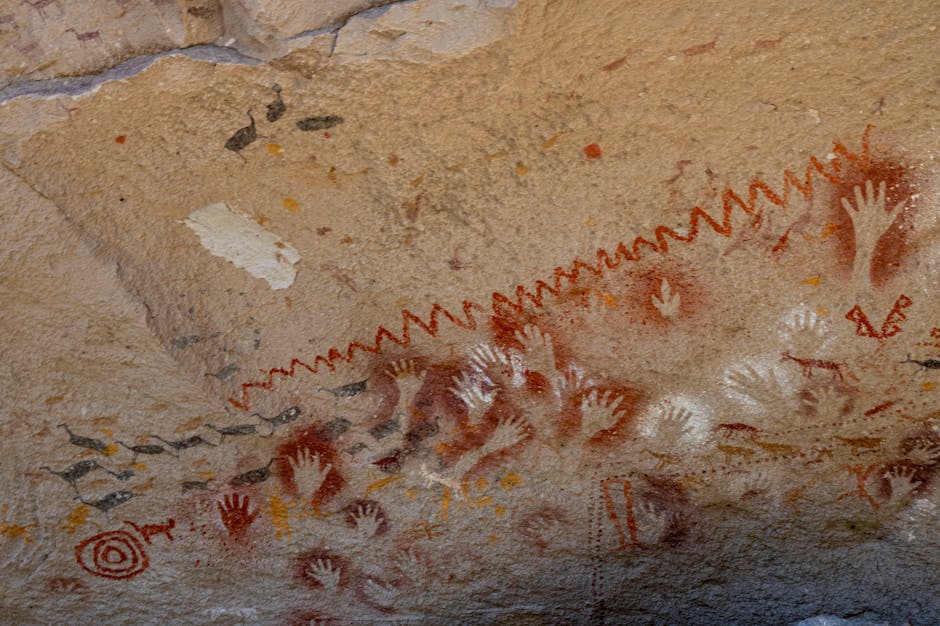
Preparing for your Aboriginal cultural experiences in Adelaide with some background reading will significantly enrich your understanding and appreciation. Several excellent books provide accessible introductions to Aboriginal culture, history, and contemporary issues that will enhance your time exploring Kaurna Country.
For understanding Kaurna culture specifically, look for publications from the Kaurna Warra Pintyanthi language program and the University of Adelaide’s Kaurna language resources. These provide insights into the linguistic and cultural revival happening in Adelaide today. The South Australian Museum’s publications on their Aboriginal collections offer scholarly but accessible companion reading for museum visits.
Broader reading recommendations include Bruce Pascoe’s ‘Dark Emu’ (which revolutionised popular understanding of pre-colonial Aboriginal land management), ‘Sand Talk’ by Tyson Yunkaporta (exploring Indigenous thinking systems), and ‘Welcome to Country’ by Marcia Langton (a comprehensive guide to Aboriginal Australia for visitors). For children, there are excellent picture books by Aboriginal authors that make wonderful souvenirs and educational resources.
Online resources include the AIATSIS (Australian Institute of Aboriginal and Torres Strait Islander Studies) website, Reconciliation Australia, and the Kaurna Nation Cultural Heritage Association. These provide current information about cultural events, protocols, and opportunities for deeper engagement with Aboriginal culture before, during, and after your visit to Adelaide.
Planning Your Aboriginal Cultural Experience in Adelaide
To make the most of Aboriginal cultural experiences in Adelaide, consider allocating at least two full days to this aspect of your itinerary. A suggested approach might include a morning at the South Australian Museum, followed by an afternoon walking the Kaurna Trail, with a guided cultural tour on the second day and a visit to Tandanya. Add Warriparinga if your schedule allows a half-day excursion to the southern suburbs.
Most cultural sites and museums are accessible via public transport, and the free city tram and bus services connect many of the key Aboriginal heritage locations in the CBD and North Terrace precinct. For experiences further afield, such as Warriparinga or the coastal cultural cruise, consider using Adelaide’s integrated public transport system or arranging tour transfers. More details on navigating the city can be found in our transport guide.
Booking guided tours in advance is essential, particularly during peak tourism seasons (December-March) and around major cultural events. Many Aboriginal tour operators work with small group sizes to maintain quality and intimacy, meaning popular experiences can book out weeks or months ahead. Contact operators directly or through the South Australian Tourism Commission’s Indigenous tourism portal.
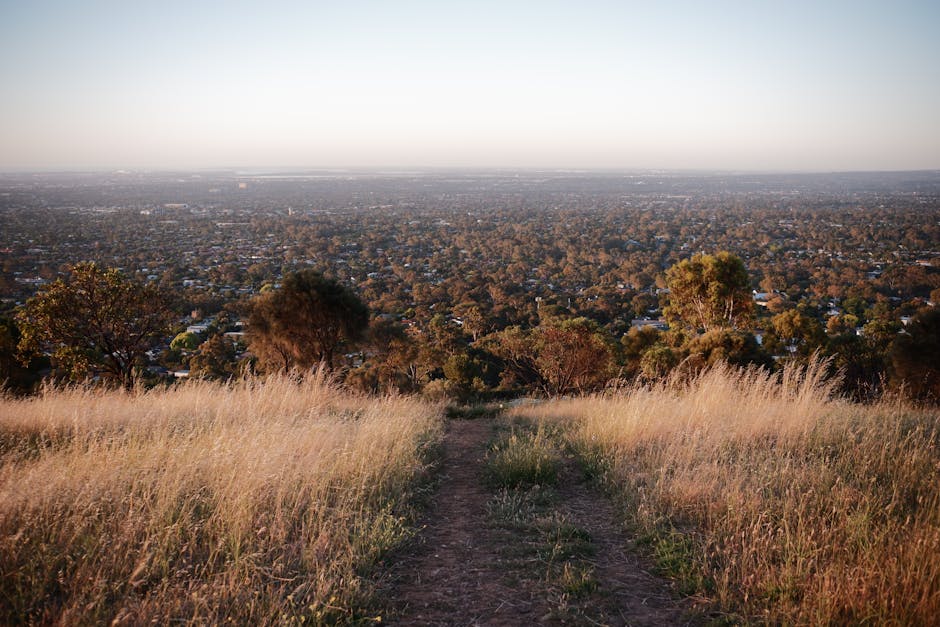
Finally, approach your Aboriginal cultural experiences in Adelaide with an open heart and mind. You are being invited into the world’s oldest living culture, and the generosity of Aboriginal people in sharing their knowledge and stories with visitors is something to be deeply appreciated. Your engagement, your ethical purchasing, and your willingness to listen and learn all contribute to the ongoing vitality of Aboriginal culture in Adelaide and the broader reconciliation journey.
For more information on Adelaide’s diverse cultural offerings beyond Aboriginal heritage, explore our comprehensive guide to culture and arts in Adelaide, which covers the full spectrum of creative experiences available in this vibrant city.
For more information on Aboriginal cultural experiences in Adelaide, visit the City of Adelaide Kaurna Heritage page, Tandanya National Aboriginal Cultural Institute, the South Australian Museum, and South Australia Tourism’s Aboriginal experiences guide. The Kaurna Walking Trail can be explored independently with the interactive map.