Here’s a claim I’ll happily defend over a pint: the most concentrated dose of Port Adelaide heritage you’ll find anywhere in the state is packed into about three city blocks down at the Port. This is South Australia’s first State Heritage Area, the place locals quietly call the museum capital of SA, and within a short walk of one another you can stand on a 19th-century wharf, climb aboard a steam locomotive, peer up at a real lighthouse and wander through the largest surviving collection of colonial-era buildings in the state. If you only know the Port for dolphins and breweries, you’re in for a surprise. For the wider scene, our guide to Adelaide’s culture and arts sets the stage, but this is the heritage deep-dive: the maritime history, the railways, the old stone streets and how to do them in a day.
I grew up taking school excursions down here, and I’ve come back as an adult more times than I can count. The Port has had its rough patches and its glow-ups, but the bones of the place, the bluestone, the cranes, the rail tracks set into the road, have never stopped telling the story of how South Australia actually got built. This article is about that story and how to walk it. If you want the broader day out, the dolphins, the markets, the craft beer, that all lives in our complete Port Adelaide guide; come back here for the heritage layer underneath it.
Why Port Adelaide is the museum capital of South Australia
Let’s start with why this corner of the city matters so much. Long before the wharves and the wool stores, this was Kaurna country, the tidal flats and mangrove creeks of Yertabulti, and it’s worth holding that in mind as you walk: the working port was laid over a landscape Kaurna people had known and travelled for tens of thousands of years. When the colony’s planners went looking for a harbour in the 1830s, the early landing spot was so boggy it earned the nickname “Port Misery”. The Port we see today, with its solid stone frontages and deep-water wharves, came later, as South Australia found its feet and its export trade.
What makes the precinct special now is that so much of that 19th-century fabric survived. While other Australian ports flattened their old quarters for redevelopment, much of Port Adelaide’s colonial streetscape stayed standing. That’s why it became South Australia’s first State Heritage Area, and why three significant state museums ended up clustered here within a few minutes’ walk of each other. You simply don’t get that density of history-under-one-roof anywhere else in SA. If museums are your thing more broadly, it pairs naturally with our wider rundown of Adelaide’s museums and galleries, but the Port is where you go for the maritime and industrial story specifically.
The South Australian Maritime Museum
If you only have time for one museum down here, make it the South Australian Maritime Museum, housed in the old Bond Store at 126 Lipson Street. It’s one of the oldest maritime collections in the country, and it leans hard into the human side of seafaring rather than just glass cases of knots and rope. You walk through migrant ship cabins, hear the stories of the people who sailed out here to start again, and get a genuine feel for what a sea voyage to colonial South Australia actually meant. It earns its place in any serious list of Adelaide museums and galleries worth your time.
The building itself is part of the exhibit, a beautiful old bond store where bonded goods once sat under customs lock. Inside you’ll find ship figureheads gazing down at you, intricate models, and displays tracing SA’s relationship with the sea from Kaurna fishing through colonial trade to the modern container port still working just up the river. At the time of writing the museum also looks after historic vessels, including the ketch Active II, and its lighthouse, which brings me to the best photo in the whole precinct.
The red Port Adelaide Lighthouse
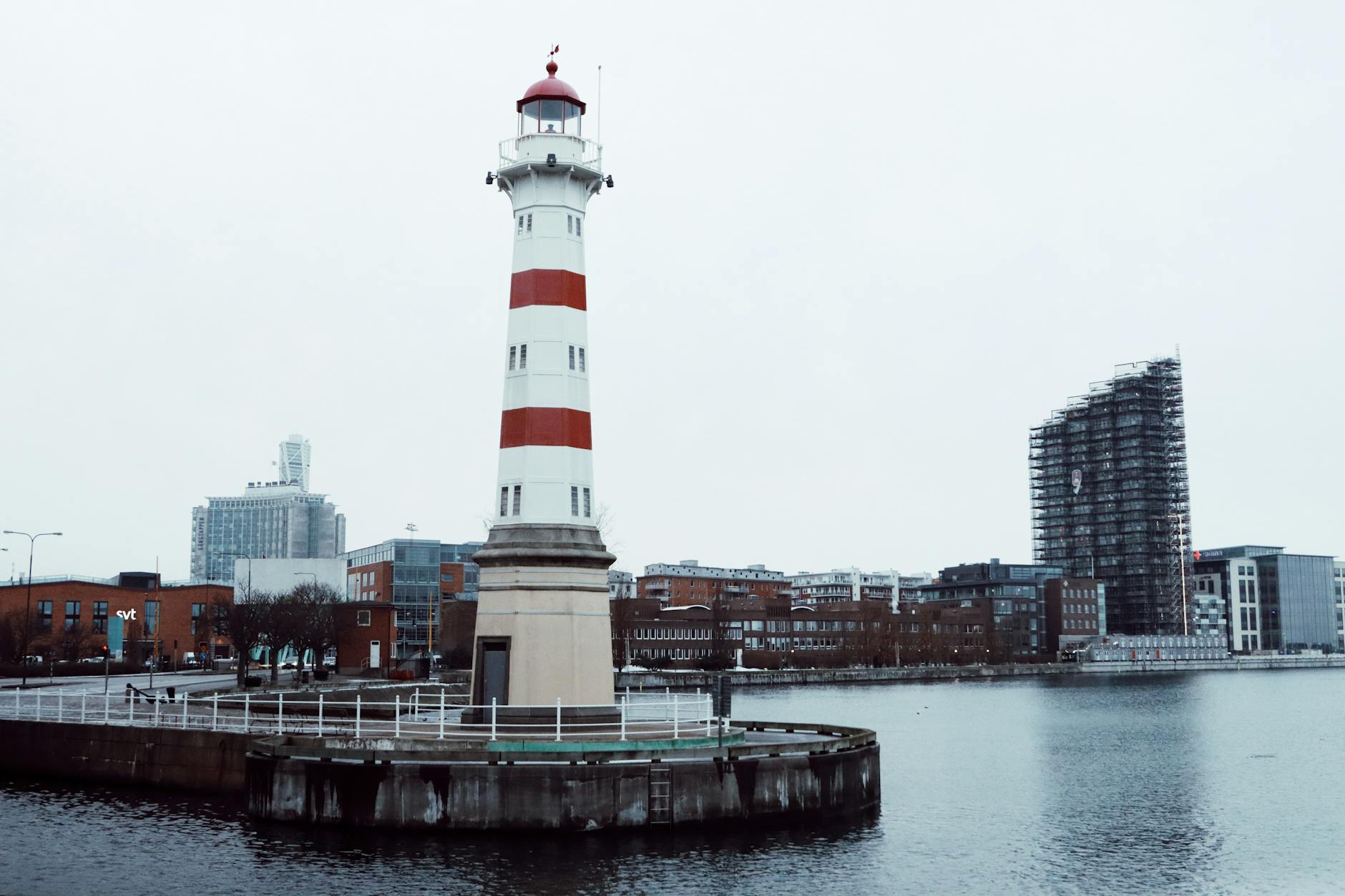
You can’t miss it: a proper red cast-iron lighthouse standing right on the waterfront. It’s a genuine historic light, relocated to its current spot on the Port River dock, and on the days it’s open you can climb the internal stairs for a view back over the wharves and out along the river. Standing up there, with the working port humming away in one direction and the heritage streetscape in the other, is the moment the whole place clicks into focus for most visitors. Check current opening times before you bank on climbing it, access can be seasonal or tied to museum hours.
The National Railway Museum
A two-minute walk from the maritime museum, also on Lipson Street, is the one that turns grown adults back into eight-year-olds: the National Railway Museum. It opened in 1988 and it’s the largest railway museum in Australia, a sprawling collection of locomotives, carriages and rolling stock spread across indoor halls and outdoor yards. We’re talking enormous steam engines, old SA Railways locos, vintage carriages you can step inside, and the kind of polished brass and riveted iron that photographs beautifully.
There’s real historical weight to having it here, too. South Australia’s first public railway ran between Port Adelaide and the city in 1856, one of the earliest in the country, and the Port has been a rail hub ever since. So the museum isn’t just a shed full of trains parked at random; it sits at the literal origin point of rail travel in the state. On the days the volunteers run their miniature train or fire up a heritage carriage ride, it’s a brilliant outing with kids, which is part of why it slots so neatly into a list of things to do in Adelaide for families and train tragics alike.
Give yourself a decent hour or two in here. It’s bigger than it looks from the street, and the outdoor yards in particular reward a slow wander. The locomotives are the headline act, but I always end up lingering over the small stuff, the old station signage, the ticket booths, the worn timber platforms that put you right back in the age of steam.
The South Australian Aviation Museum
Completing the trio, and rounding out a properly nerdy transport-history day, is the South Australian Aviation Museum, also tucked into the Lipson Street precinct. It’s run largely by volunteers and packed with aircraft, engines and aviation memorabilia, with a strong focus on South Australia’s own flying history. You’ll find restored planes, jet and piston engines you can get up close to, and the sort of passionate, knows-everything guides who’ll happily talk you through a fuselage for twenty minutes if you let them.
It’s smaller and more specialised than the maritime and railway museums, but that’s the charm: three museums, three modes of transport, all within walking distance, all telling a slice of how South Australia connected itself to the wider world. Sea, rail and air, block by block. As ever with volunteer-run venues, the opening days can be limited, so check current hours before you plan your visit around it.

The historic precinct: wool stores, bond stores and wharves
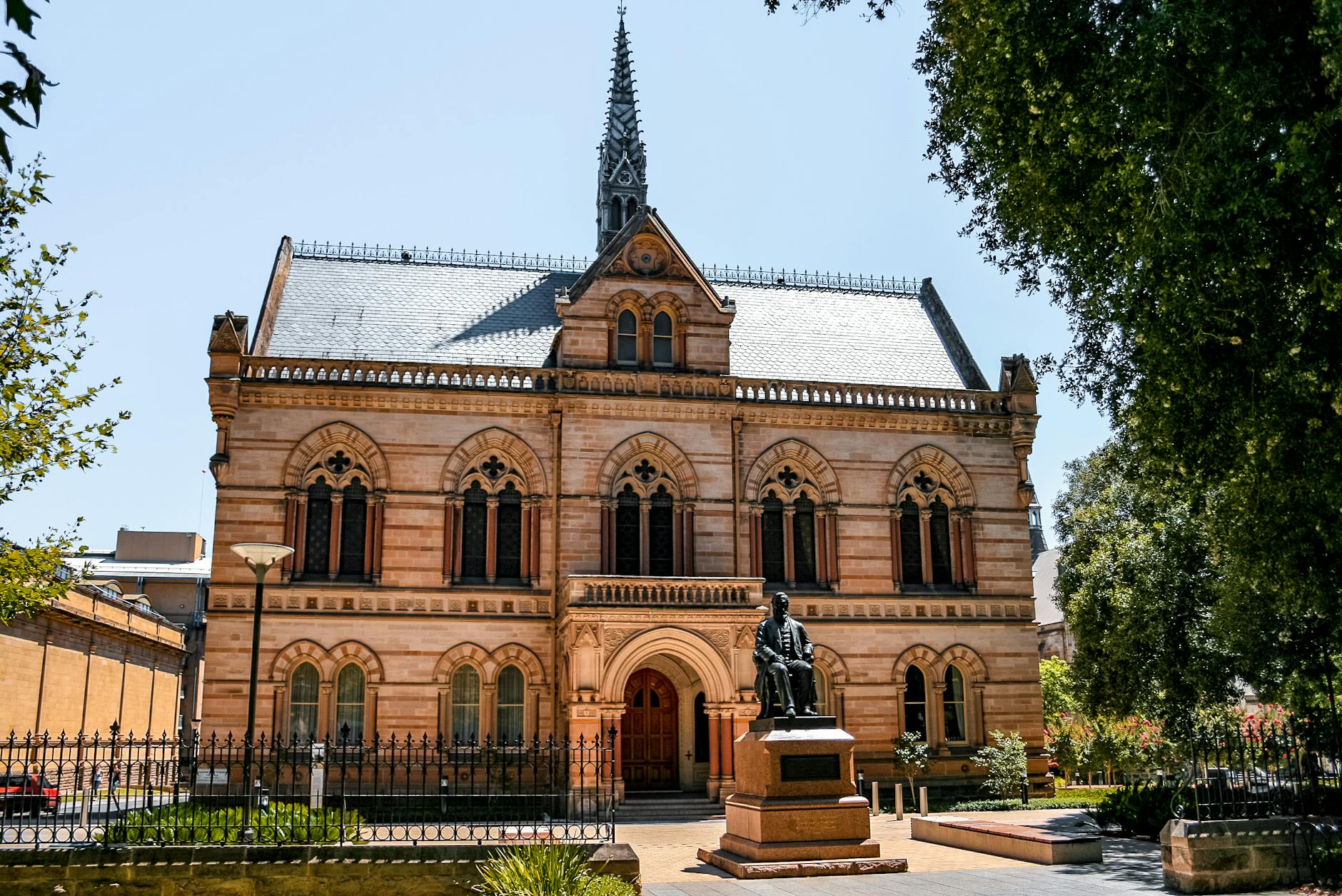
The museums are the obvious draw, but honestly, the streets between them are half the experience. Port Adelaide holds the largest collection of colonial-era buildings in South Australia, and the precinct is best understood as one big open-air museum that happens to have working cafes and pubs inside its heritage shells.
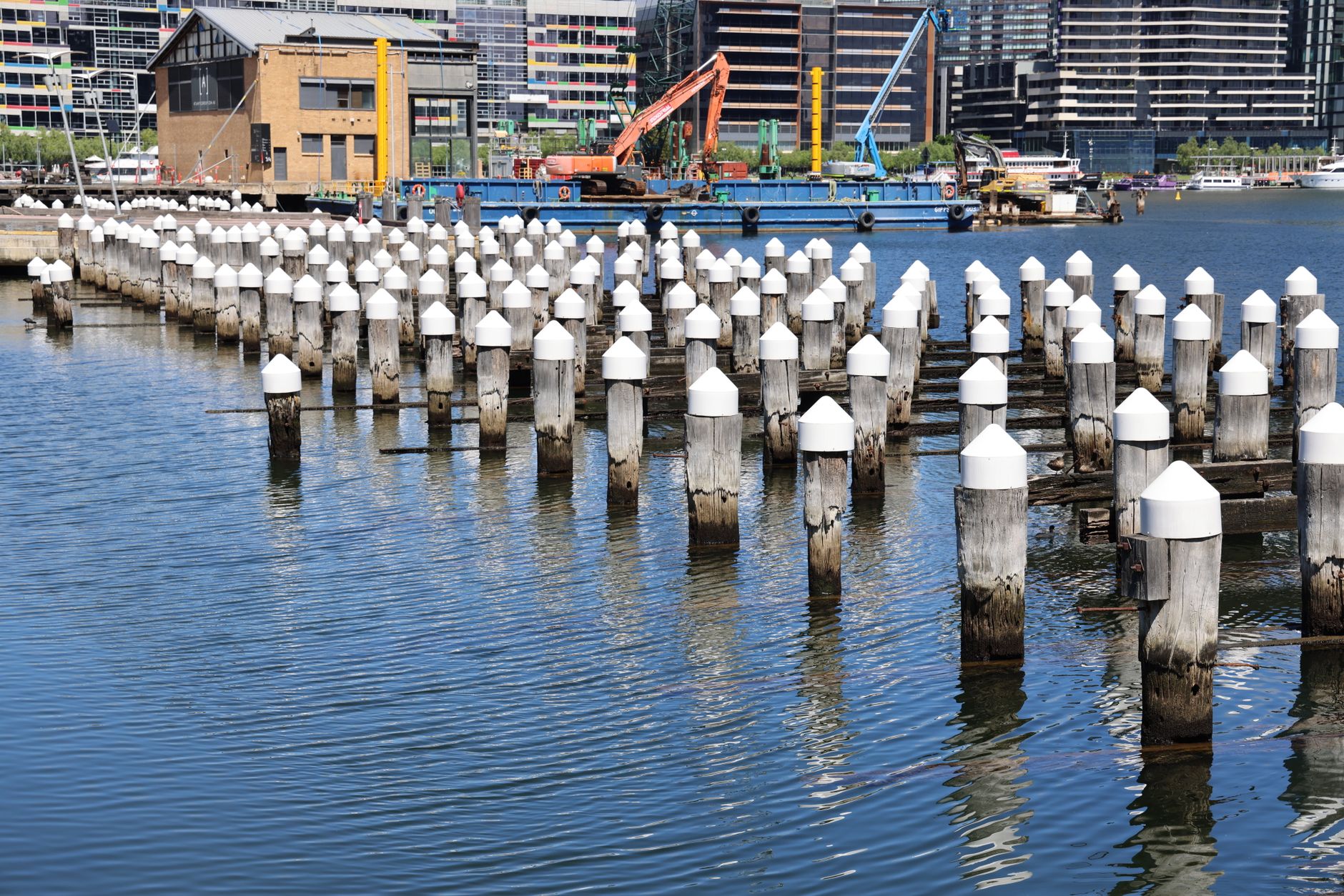
Walk along the waterfront and the side streets and you’ll read the Port’s whole economic history in the architecture. The hulking wool stores and bond stores went up when wool was king and South Australia was shipping fleeces to the world. The wharves were where it all came and went, and the old cranes and quaysides still mark the line between land and river. These weren’t built to be pretty; they were built to move cargo, and that no-nonsense industrial muscle is exactly what makes them so handsome now. If you appreciate this sort of thing, it dovetails neatly with our guide to Adelaide’s architecture, which traces the colonial-to-contemporary story across the wider city.
Lipson Street and St Vincent Street
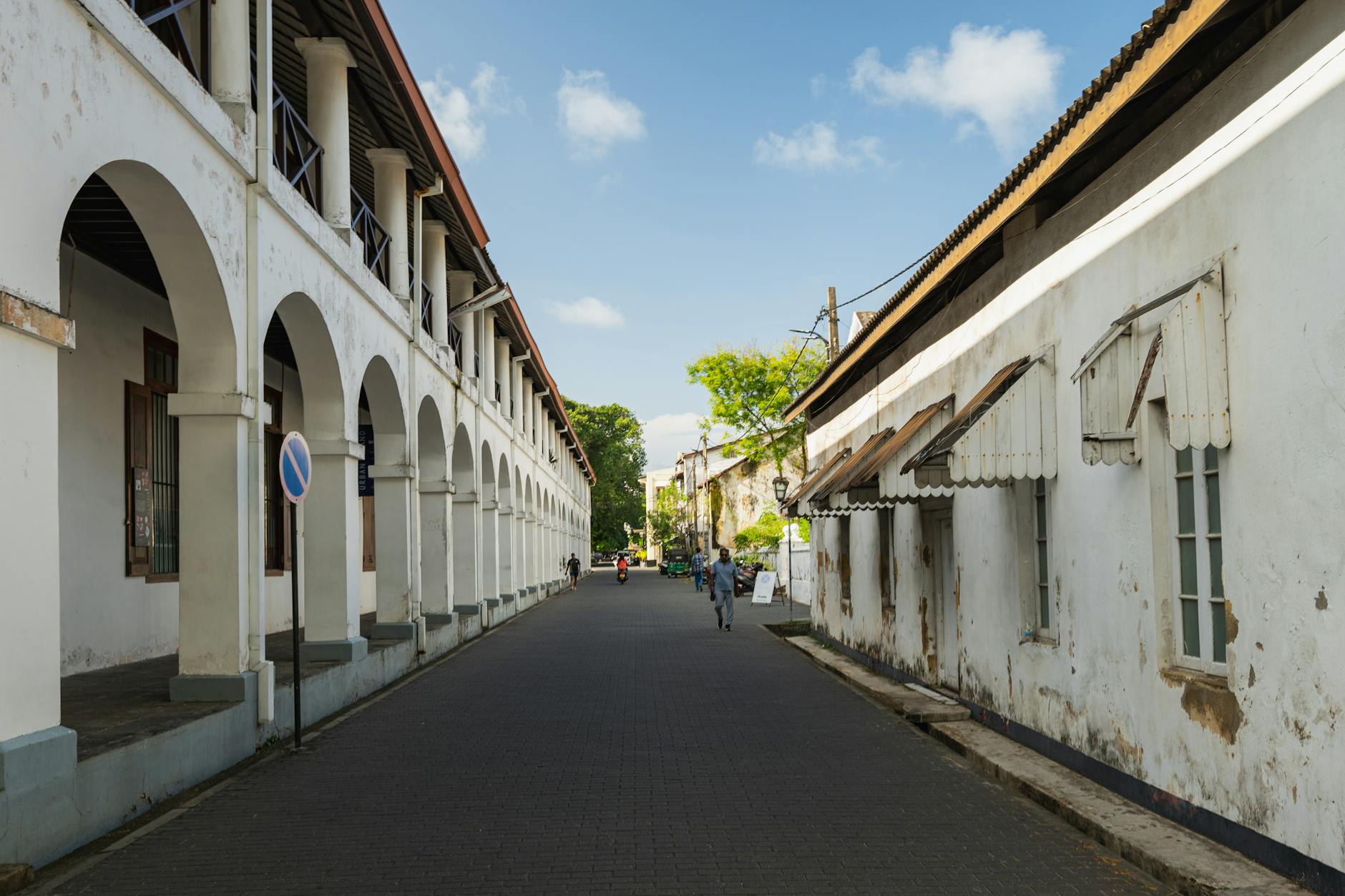
The two streets to walk are Lipson Street, where the museums cluster, and St Vincent Street, the Port’s heritage-listed main drag. St Vincent Street in particular is a Victorian-era streetscape that’s largely intact: ornate two-storey frontages, old hotel facades with their original parapets, and verandahs that once shaded sailors, wharfies and merchants. Slow down and look up above the shopfronts, that’s where the 19th century is hiding, in the brickwork and the faded ghost signs and the dates carved into the stone.
This is also where the Port’s working past and present meet. You’ll pass restored buildings now full of cafes and design studios right next to spots still waiting their turn. It’s a real, lived-in heritage precinct rather than a sanitised tourist set, and I think that’s what gives it its soul. For more under-the-radar corners like this around the city, our roundup of Adelaide’s hidden gems is full of similar finds, and a Port heritage day deserves a slot on any broad Adelaide travel guide itinerary.
Tall ships, old mills and the working river
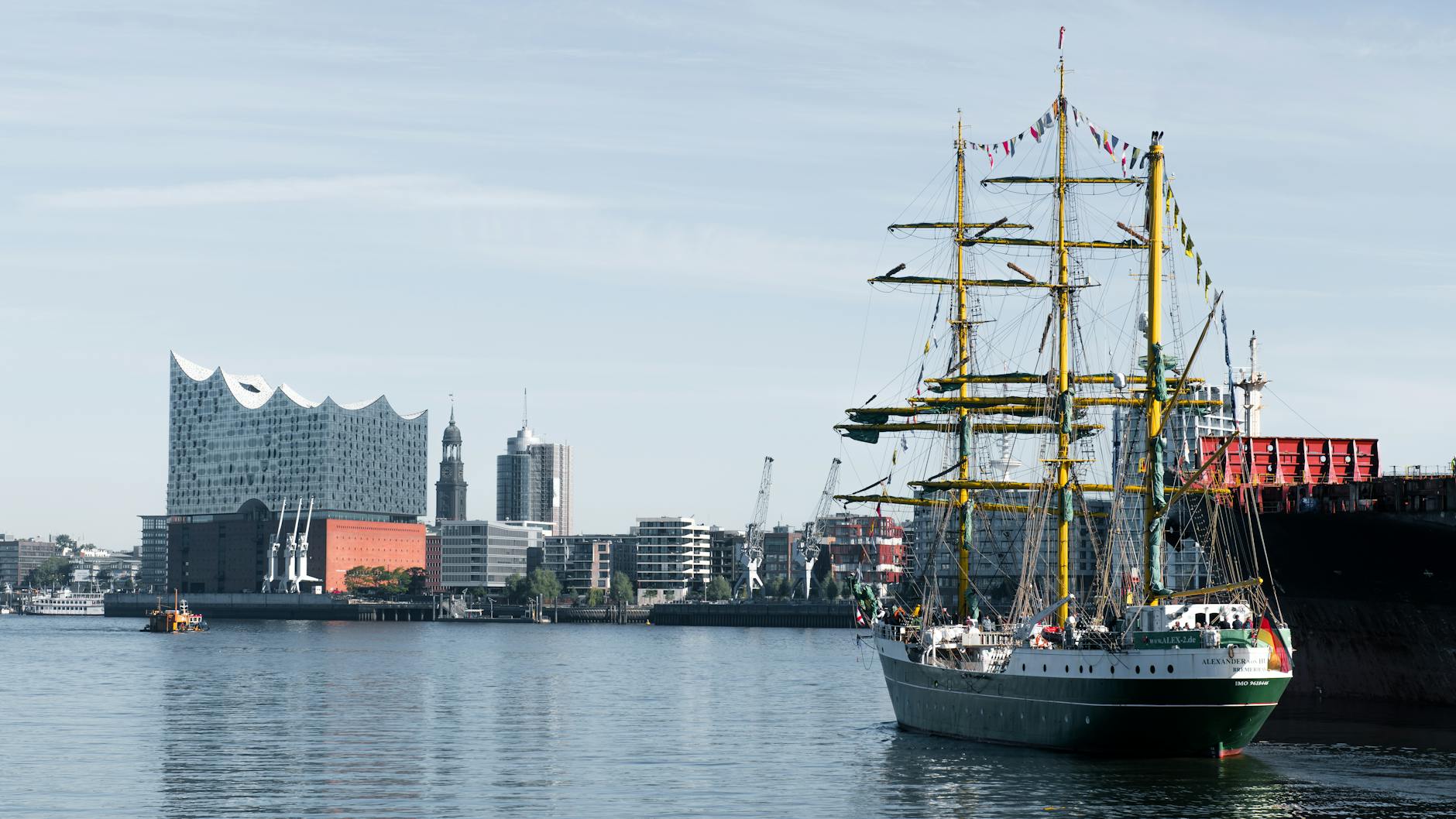
Down on the water, keep an eye out for the One and All, the South Australian-built tall ship that’s berthed at the Port when she’s not out sailing. She’s a genuine square-rigger, all masts and rigging, and even tied up at the wharf she’s a striking sight against the heritage backdrop. On the right day you can sail on her; at the very least she’s a reminder that this is still a place where real ships come and go.
Further along, Hart’s Mill is another piece of the puzzle worth seeking out. The original flour mill on the site dates to 1855, making it one of the precinct’s oldest industrial buildings, and the area around it has been reborn as an events and community space, markets, gigs, food trucks and festivals all happen here against the backdrop of the old mill. It’s a lovely example of heritage put back to work rather than just preserved behind glass.
And don’t forget the river itself is still a busy working port. Container ships, tugs and the occasional dolphin all share the Port River, and watching a big vessel ease past the heritage wharves is a reminder that this isn’t a museum piece, it’s a living, working harbour with a very long memory. The history of how it all began ties straight into our history of Adelaide, which sets the Port’s story within the founding of the whole colony.
A self-guided Port Adelaide heritage walk
Here’s how I’d string it all together on foot. Start at the South Australian Maritime Museum on Lipson Street, partly because it gives you the big-picture story first, and partly so you can sort out whether the lighthouse is open while you’re there. From the museum, it’s a short stroll to the red lighthouse on the dock, well worth the climb if it’s open, then back to Lipson Street for the National Railway Museum and, if it’s a day they’re open, the Aviation Museum next door.
With the museums done, walk the heritage streets properly. Take St Vincent Street slowly, looking up at the old facades, then loop down to the waterfront to see the wool stores, the wharves, the One and All if she’s in, and out towards Hart’s Mill. Reward yourself with a coffee or a counter meal in one of the restored old pubs, the Port does a good pub, and you’ve completed a loop that takes you through sea, rail, air, wool and stone in an afternoon. It’s flat the whole way, easy walking, and genuinely one of the best free heritage strolls in the state, the kind of thing that earns a spot in any list of free things to do in Adelaide since the streets, the wharves and the views cost nothing at all.
If you’d rather have it structured for you, the local visitor information and heritage trail signage around the precinct point you to the key buildings, and there are guided heritage walks run from time to time. If colonial buildings are your thing, you can carry the theme into the city with our Adelaide architecture walking guide. But honestly, with a rough map and an eye for old stone, you can do the Port itself yourself.
Getting to the Port and planning your day
The easiest way down from the city without a car is the train. The Outer Harbor line runs from the Adelaide railway station straight to the Port, and the Port Dock station drops you within walking distance of the heritage precinct and the museums, it’s about a 20 to 25 minute ride from the city centre. Tap on with a metroCARD or a contactless card; if you can travel in the off-peak window you’ll pay only a couple of dollars. For the full breakdown of fares, zones and timetables, our Adelaide travel guide has the practical detail, and it’s worth a look before any day trip out of the CBD.
Driving is straightforward too, it’s roughly half an hour from the city depending on traffic, and there’s parking around the precinct. Either way, the genius of the Port is that everything heritage-related sits within a compact, walkable zone once you arrive. You park or step off the train once and do the rest on foot.
How long to allow, and a timing tip
Allow a full day if you want to do all three museums properly plus the heritage walk; a half-day if you’re picking just one or two museums and the streets. My honest steer: the maritime and railway museums each deserve a real hour or two, so don’t try to cram all three plus a walk into a rushed couple of hours.
The single most important planning tip is to check current opening times before you go. Museum hours, lighthouse access and the Aviation Museum’s open days all change, and some of the volunteer-run attractions only open on certain days of the week. A quick check the night before saves you turning up to a locked door. It’s also worth timing your visit to coincide with one of the Port’s regular markets or a Hart’s Mill event if you can, it adds a great layer of life to the heritage. For ideas on slotting the Port into a bigger trip, our things to do in Adelaide roundup helps you balance a heritage day against the beaches, the wine and the city.
Why the Port stays with you
What I love about a heritage day at Port Adelaide is that it’s the real thing. This isn’t a reconstruction or a theme-park version of the past; it’s the actual port where South Australia’s wool went out and its migrants came in, the actual rail line where the state’s first public train ran in 1856, the actual stone streets where wharfies and merchants did their business. Layer the deep Kaurna history of Yertabulti beneath all of it, and you’ve got a place that rewards anyone willing to slow down and look. It sits comfortably alongside the city’s other big cultural draws in our Adelaide culture guide.
So take the train down, climb the lighthouse if it’s open, lose an hour among the steam locomotives, walk the old wool-store wharves, and let the Port tell you how the colony was actually built. Then, when you’re ready for the dolphins, the breweries and the markets, our full Port Adelaide guide picks up where the history leaves off. It’s the most underrated day out in greater Adelaide, and the heritage is the heart of it.
Frequently asked questions
What is there to do for history lovers at Port Adelaide?
Port Adelaide is South Australia’s first State Heritage Area and is often called the museum capital of SA. History lovers can visit the South Australian Maritime Museum, the National Railway Museum and the South Australian Aviation Museum, all within walking distance on Lipson Street, then explore the colonial wool stores, bond stores and wharves, the red Port Adelaide Lighthouse, the One and All tall ship and the 1855 Hart’s Mill precinct. The heritage streetscapes of Lipson Street and St Vincent Street are best seen on a self-guided walk.
Where is the South Australian Maritime Museum?
The South Australian Maritime Museum is at 126 Lipson Street, Port Adelaide, housed in an historic bond store. It’s one of Australia’s oldest maritime collections, covering South Australia’s seafaring history with ship figureheads, migrant voyage stories, models and historic vessels, and it also looks after the red Port Adelaide Lighthouse on the nearby dock. Check current opening hours before visiting, as they can change.
What is the National Railway Museum in Port Adelaide?
The National Railway Museum on Lipson Street, Port Adelaide, opened in 1988 and is the largest railway museum in Australia. It holds steam locomotives, carriages and rolling stock across indoor halls and outdoor yards. There’s local significance too: South Australia’s first public railway ran between Port Adelaide and the city in 1856, so the museum sits at the origin of rail travel in the state.
How do I get to Port Adelaide from the city?
The easiest car-free option is the Outer Harbor train line from Adelaide railway station to the Port Dock station, which drops you within walking distance of the museums and heritage precinct in roughly 20 to 25 minutes. Tap on with a metroCARD or contactless card, and travel off-peak for the cheapest fare. Driving takes about half an hour from the city, with parking available around the precinct.
How long should I spend at Port Adelaide’s heritage precinct?
Allow a full day if you want to do all three museums plus the self-guided heritage walk, or a half-day for one or two museums and a wander through the old streets. The maritime and railway museums each deserve an hour or two. Everything sits within a compact, flat, walkable zone, so you only need to arrive once and explore the rest on foot.
Is Port Adelaide worth visiting beyond the museums?
Yes. Beyond the museums, the precinct holds South Australia’s largest collection of colonial-era buildings, including heritage-listed streetscapes along Lipson Street and St Vincent Street, the old wool stores, bond stores and working wharves, the red lighthouse, the One and All tall ship and the historic Hart’s Mill. For the broader day out, including dolphins, craft breweries, street art and markets, see our full Port Adelaide guide.