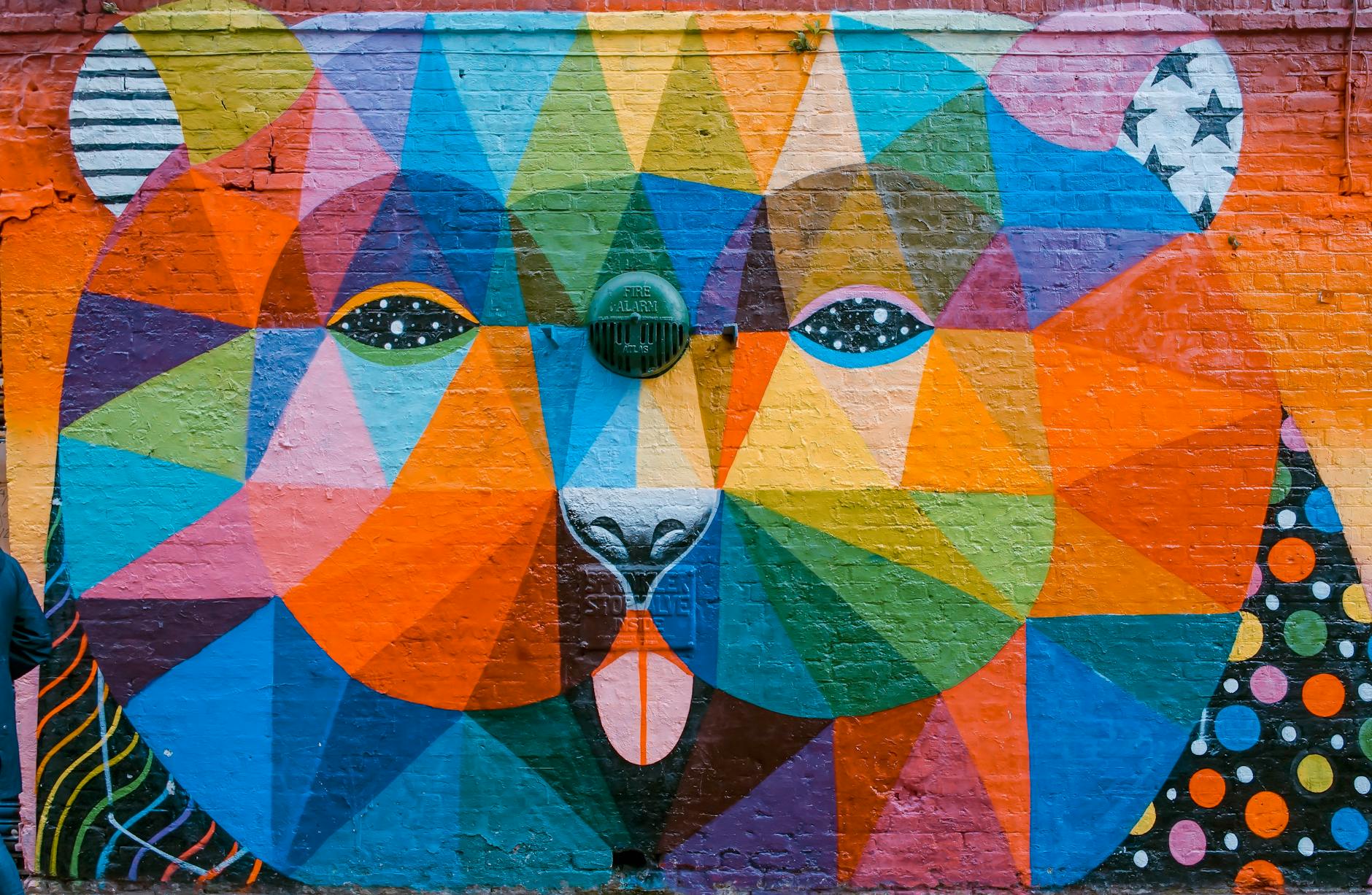
Adelaide’s street art scene has transformed the city’s laneways and buildings into an ever-changing outdoor gallery that rivals Melbourne’s famous Hosier Lane. From sprawling photorealistic murals by internationally renowned artists to hidden paste-ups tucked away in quiet corners, the South Australian capital offers a vibrant visual feast for art lovers, photographers, and curious explorers alike. This self-guided walking tour takes you through the best street art and public art locations across Adelaide’s CBD and nearby precincts, covering approximately five kilometres over two to three hours of leisurely walking.
Why Adelaide’s Street Art Scene Is Worth Exploring
Adelaide has quietly become one of Australia’s most exciting street art destinations. The city council’s progressive approach to urban art, combined with dedicated festival programs and passionate local artists, has created a dynamic creative landscape that changes with every visit. Unlike many cities where street art exists in tension with authorities, Adelaide actively encourages and commissions public murals, making the entire city feel like a curated gallery without walls.
The street art culture here reflects Adelaide’s broader identity as a festival city. With events like the South Australian Living Artists Festival (SALA) in August, Fringe Festival in February and March, and various community art projects throughout the year, there’s always something new appearing on Adelaide’s walls. The result is a layered visual history that tells stories about the city’s culture, politics, environment, and creative spirit.
Self-Guided Tour Overview: What to Expect
This walking tour covers the essential street art hotspots in Adelaide’s CBD and can be completed in approximately two to three hours at a comfortable pace. The total distance is around five kilometres, though you may find yourself wandering further as you discover hidden gems along the way. The route is designed to flow logically from east to west, taking in the major laneway precincts, public art installations, and mural locations.
You don’t need any special equipment beyond comfortable walking shoes and your phone or camera. The tour works well at any time of year, though morning light between 7am and 10am provides the best conditions for photography, with soft directional light illuminating the walls without harsh shadows. Weekday mornings also mean fewer people in the laneways, giving you unobstructed views and photographs of the artwork.
The beauty of a self-guided format is that you can adjust the pace and duration to suit your interests. Some people spend just a few minutes at each location, while serious art enthusiasts and photographers might linger for thirty minutes or more at a single wall. Feel free to combine this walking tour with cafe stops and food experiences along the way—several of Adelaide’s best coffee spots sit right alongside stunning murals.
Pirie Street and Frome Street: The Eastern Gateway
Begin your walking tour at the intersection of Pirie Street and Frome Street, where some of Adelaide’s most impressive large-scale murals greet visitors entering the city’s eastern edge. This area has become a canvas for both commissioned works and organic street art, with building owners increasingly embracing the opportunity to transform blank walls into conversation pieces.
The laneways branching off Pirie Street between Frome and Pulteney Streets contain a dense concentration of paste-ups, stencils, and smaller murals. Look up above eye level—many artists use the upper portions of walls and doorways that casual passersby might miss. The mix here ranges from political commentary to abstract designs, pop culture references, and environmental messages.
Several buildings along Frome Street have hosted rotating murals as part of city-sponsored programs. These tend to be larger, more polished pieces by established artists, and they change every year or two as new commissions replace older works. Check the dates on any mural guides you’re using, as the ephemeral nature of street art means that what was there last month may already be painted over.
Regent Street South: Adelaide’s Hidden Art Corridor
Regent Street South, running parallel to Grote Street in the city’s southern quarter, represents one of Adelaide’s most concentrated and accessible street art precincts. This relatively quiet strip has become a magnet for artists seeking large uninterrupted wall spaces, and the results are spectacular. Walking from east to west along Regent Street South, you’ll encounter everything from three-storey photorealistic portraits to abstract geometric patterns and Indigenous-inspired designs.
What makes Regent Street South special is the diversity of styles represented in a single block. You might see a hyper-detailed wildlife portrait sitting next to a minimalist typographic piece, followed by a psychedelic explosion of colour that covers an entire building facade. The artists who work here range from Adelaide locals building their reputations to internationally touring muralists who’ve been invited to contribute.
The side streets and laneways connecting Regent Street South to Grote Street and Sturt Street are equally rewarding. These narrower spaces tend to attract different types of work—more intimate pieces, collaborative walls where multiple artists have contributed panels, and experimental techniques like yarn bombing or sculptural installations attached to walls and fences.
Many of the pieces along Regent Street South relate directly to the multicultural communities of Adelaide’s southern CBD. You’ll find murals celebrating Vietnamese, Chinese, Greek, and Indigenous Australian cultures, reflecting the diverse populations that have shaped this part of the city. These culturally significant works add depth and meaning beyond pure aesthetics.
Hindley Street West: nightlife Meets Street Art
Hindley Street West has undergone a remarkable transformation in recent years, evolving from Adelaide’s somewhat rough nightlife strip into a vibrant arts and entertainment precinct. The street art here reflects this dual identity—you’ll find pieces that reference music, nightlife culture, and the area’s history alongside more contemporary commissioned works that signal the street’s creative reinvention.
The laneways running north and south off Hindley Street West are particularly rich in street art. Bank Street, Leigh Street, and the smaller unnamed passages between venues have become informal galleries where new work appears regularly. The connection to Adelaide’s nightlife scene means many of these pieces are illuminated at night by venue lighting, creating a completely different viewing experience after dark.
One of the highlights of the Hindley Street West area is the density of small bars and venues that have commissioned interior and exterior art. Even if you’re not stopping for a drink, peek into doorways and courtyards to spot hidden installations. Many venues collaborate with local artists to create immersive environments where the line between street art and interior design completely dissolves.
Vaughan Place and Gray Street: The Western Art Precinct
Vaughan Place and the surrounding streets near the western edge of the CBD have emerged as one of Adelaide’s most dynamic street art zones. The area benefits from large warehouse-style buildings that provide enormous wall spaces for ambitious murals, and the slightly industrial character of the neighbourhood gives artists more creative freedom than they might find in more polished commercial districts.
Gray Street, connecting North Terrace to the riverside precinct, features several landmark murals that have become Instagram favourites. These walls are regularly refreshed with new commissions, making the area worth revisiting even if you’ve been before. The scale of some pieces here is genuinely breathtaking—entire building sides transformed into single cohesive artworks that can be appreciated from hundreds of metres away.
The western precinct also connects to several community garden spaces and creative studios that blur the boundary between formal gallery art and street art. You may encounter artists actually at work during your visit, particularly on weekends and during festival periods. Don’t be shy about watching—most street artists are happy to chat about their work and process, and these interactions add another dimension to the walking tour experience.
Major Murals and Featured Artists
Jimmy C: Pointillism on a Grand Scale
James Cochran, known as Jimmy C, is one of Adelaide’s most celebrated street art exports. His distinctive drip-pointillist style creates portraits and figures that shimmer with energy, appearing almost three-dimensional from a distance while revealing their intricate dot-pattern construction up close. Jimmy C has works scattered throughout Adelaide’s laneways and several major commissioned pieces on prominent buildings.
Jimmy C gained international recognition for his work in London, Berlin, and Barcelona, but Adelaide remains home and he regularly contributes new pieces to the city’s walls. His subjects often include local identities, musicians, and cultural figures rendered in his signature style of aerosol paint drips that coalesce into recognisable images. Finding a Jimmy C original during your walk is something of a highlight—his technique is instantly recognisable once you know what to look for.
Vans the Omega: Photorealistic Wildlife
Vans the Omega has made a name for creating stunningly realistic wildlife murals that bring Australian native animals to life on Adelaide’s walls. His work often features local species—koalas, kookaburras, and native flora—rendered with such photographic precision that passersby sometimes do a double-take. The detail work in his pieces rewards close inspection, with individual feathers, fur textures, and reflections in animal eyes captured with remarkable accuracy.
Several of Vans the Omega’s major Adelaide works are located along the walking tour route, particularly in the western CBD and around the market precinct. His contributions to the city’s visual landscape serve a dual purpose—they’re beautiful artworks in their own right, and they also raise awareness of Australia’s unique wildlife and the environmental challenges these species face.
Smug: Hyperrealism Taken to Extremes
Glasgow-born artist Smug has visited Adelaide multiple times to create jaw-dropping hyperrealistic murals that challenge viewers’ perceptions of what’s possible with spray paint. His Adelaide works include multi-storey portraits so detailed that they’re frequently mistaken for photographs or digital prints from a distance. The technical mastery required to achieve this level of realism with aerosol cans makes his pieces genuinely awe-inspiring when you stand beneath them.
Smug’s Adelaide murals have become landmarks in their own right, with visitors specifically seeking them out. His subjects tend to be everyday people rendered with extraordinary sensitivity—the wrinkles, expressions, and humanity in his portraits create emotional connections that transcend the medium. Several of his Adelaide pieces can be found along the Hindley Street and western CBD sections of this tour.
Public Art: Rundle Mall’s Iconic Sculptures
No Adelaide art walk is complete without experiencing the public sculptures that have become beloved city icons. Rundle Mall, Adelaide’s premier pedestrian shopping street, hosts several famous works that blend art, humour, and public interaction in ways that delight visitors of all ages.
The Rundle Mall Pigs
Marguerite Derricourt’s bronze pig sculptures have been a Rundle Mall fixture since 1999, and they’ve become one of Adelaide’s most photographed public artworks. The family of pigs—Horatio, Truffles, Augusta, and Oliver—are depicted in playful poses that invite interaction. You’ll regularly see children climbing on them and tourists posing for photos, which is exactly how the artist intended the work to function.
The pigs represent the historical connection between Rundle Street and Adelaide’s market district, where livestock was once traded. Their placement throughout the mall creates a playful treasure hunt element—see if you can find all four as you walk through. Each pig has developed a polished golden sheen on frequently touched areas, evidence of the millions of hands that have patted them over the decades.
Mall’s Balls (The Spheres)
Officially titled “The Spheres” but universally known to locals as “Mall’s Balls,” this kinetic sculpture by Bert Flugelman has been an Adelaide landmark since 1977. The large reflective silver spheres suspended over the mall create ever-changing reflections of the surrounding buildings, sky, and pedestrians below. The work was controversial when first installed but has become an inseparable part of Adelaide’s identity.
The sculpture serves as a popular meeting point and is one of those artworks that locals reference so casually that visitors might not realise it’s a significant piece of public art. Take a moment to stand directly beneath the spheres and look up—the distorted reflections of the city create a disorienting but beautiful visual effect that changes with the time of day and weather conditions.
North Terrace: Adelaide’s Cultural Boulevard Sculptures
North Terrace, Adelaide’s grand cultural boulevard, is lined with significant public artworks ranging from classical bronze statues to contemporary installations. Walking along North Terrace between the University of Adelaide and the Adelaide Festival Centre, you’ll encounter dozens of sculptures, memorials, and artistic installations that span more than a century of public art commissioning.
The forecourt of the Art Gallery of South Australia features rotating contemporary sculptures that change with major exhibitions. The State Library, Parliament House, and university grounds all contribute additional artworks to the North Terrace experience. This section of the walk connects beautifully with visits to Adelaide’s major cultural institutions, allowing you to combine outdoor art appreciation with indoor gallery experiences.
Notable North Terrace public artworks include the memorial sculptures along the avenue of honour, contemporary pieces in the university grounds, and the large-scale installations near the Riverbank precinct. The mixture of historical and modern works creates an interesting dialogue about how public art has evolved over time and what different eras considered worthy of permanent display.
AC/DC Lane and Music Heritage Art
Adelaide proudly claims a connection to AC/DC—the Young family lived in the western suburbs before emigrating to Sydney, and the city has honoured this musical heritage by naming a laneway near the Entertainment Centre in their honour. AC/DC Lane features music-themed street art and has become a pilgrimage site for rock fans visiting Adelaide.
The lane and surrounding area feature portraits of the Young brothers, iconic album artwork reimagined as murals, and rock-and-roll themed paste-ups contributed by fans and artists alike. The connection between music and street art is strong throughout Adelaide, with many murals elsewhere in the city referencing musicians, venues, and Adelaide’s rich live music history.
Beyond AC/DC Lane specifically, Adelaide’s music venue districts have organic collections of music-themed art. The areas around Hindley Street, Grote Street, and the former Thebarton Theatre neighbourhood all feature works celebrating local and international musical acts. This overlap between Adelaide’s entertainment offerings and visual art culture creates a rich experience for visitors interested in creative culture broadly.
SALA Festival: South Australian Living Artists
The South Australian Living Artists Festival, known as SALA, transforms Adelaide every August into a city-wide celebration of visual art. While SALA encompasses gallery exhibitions, workshops, and studio openings, it also has a significant street art component with new murals commissioned, live painting events, and pop-up installations that appear throughout the CBD and suburbs.
If you’re visiting Adelaide during August, timing your street art walk to coincide with SALA adds another dimension to the experience. You might encounter artists at work on new pieces, temporary installations in unexpected locations, and a generally heightened creative energy throughout the city. Many of the permanent murals visible year-round were originally created as SALA commissions.
SALA’s contribution to Adelaide’s permanent street art legacy is significant. Each year, the festival funds and facilitates new mural projects that remain long after August ends. This ongoing investment means that the city’s outdoor gallery is constantly expanding and refreshing, with new layers added annually. Checking the SALA festival program at salafestival.com before your visit can help you identify the newest additions to look for.
Port Adelaide Street Art Precinct
While the CBD dominates most street art conversations, the Port Adelaide precinct approximately fifteen kilometres northwest of the city centre has developed its own distinctive street art identity that’s well worth a dedicated visit or extension to your walking tour. The port’s industrial heritage, maritime character, and slightly grittier aesthetic have attracted artists seeking larger canvases and a different creative context.
Port Adelaide’s street art tends toward larger, more ambitious pieces that take advantage of warehouse walls and industrial buildings. The maritime theme runs through many works, with ocean creatures, sailing vessels, and port worker portraits common subjects. The Wonderwalls Festival, which has operated in Port Adelaide, has been responsible for many of the precinct’s most impressive murals.
Getting to Port Adelaide is straightforward via the Adelaide Metro train from the CBD, taking approximately twenty-five minutes. The street art is concentrated around St Vincent Street, McLaren Parade, and the harbour area, making it easy to explore on foot once you arrive. The area also offers excellent cafes, pubs, and the famous Port Adelaide markets, making it easy to combine art exploration with other activities. Check Adelaide Metro for current train timetables.
Photography Tips for Street Art
Photographing street art well requires some different techniques compared to general travel photography. The challenge lies in capturing the artwork accurately while also conveying its relationship to the surrounding environment. Here are practical tips to help you get the best shots during your walking tour of Adelaide’s street art scene.
Morning light, particularly between 7am and 10am, provides the most flattering conditions for most Adelaide street art locations. The laneways run roughly north-south and east-west, meaning morning light enters from the east and illuminates west-facing walls beautifully. Overcast days also work well, providing even lighting without harsh shadows that can obscure details in complex murals.
For large murals, step back as far as possible and use a wider lens to capture the entire piece in context. Including some of the surrounding architecture helps viewers understand the scale. For detailed close-ups, get in tight on interesting textural elements—paint drips, layered stencils, or areas where multiple artists’ work overlaps. The combination of wide establishing shots and intimate detail captures tells the most complete story.
Consider including people in some of your shots to convey scale and the lived-in nature of street art. A person walking past a massive mural immediately communicates its impressive size in a way that a straight-on architectural shot cannot. Silhouettes of pedestrians against colourful walls can create striking compositions that work beautifully on social media.
Respect the art and the artists by crediting work when you share it online. Many murals include artist signatures or tags—look for these and include the artist’s name in your social media posts. This helps artists gain recognition and encourages further investment in public art by demonstrating community engagement and reach.
Suggested Walking Route and Map
The optimal route for covering Adelaide’s key street art locations moves from east to west across the CBD, allowing you to work with the morning light direction if you start early. Here’s the suggested sequence with approximate walking times between stops:
Stop 1: Pirie Street and Frome Street intersection (Start point) — Explore the eastern laneways for 20-30 minutes before heading south.
Stop 2: Regent Street South (10-minute walk from Stop 1) — Allow 30-45 minutes to explore the full length of this art-rich street and its connecting laneways.
Stop 3: Rundle Mall public art (10-minute walk north) — Spend 15-20 minutes finding all the pig sculptures and viewing Mall’s Balls from below.
Stop 4: Hindley Street West (5-minute walk west) — Explore the laneways and venue exteriors for 20-30 minutes. Great cafe stop opportunity here.
Stop 5: Vaughan Place and Gray Street (5-minute walk) — The western precinct’s large murals reward 20-30 minutes of exploration.
Stop 6: North Terrace sculptures (10-minute walk north) — Walk the cultural boulevard east to west, spending 20-30 minutes with the public artworks.
The total walking time between stops is approximately 40-50 minutes, with exploration time at each location adding one to two hours depending on your pace. Factor in cafe breaks and photography time for a comfortable three-hour total experience.
Combining Your Art Walk with Cafe Culture
One of the great pleasures of Adelaide’s street art scene is that many of the best murals sit alongside excellent cafes and eateries. Planning strategic refreshment stops into your walking tour enhances the experience and gives you time to rest, review your photographs, and absorb what you’ve seen before moving to the next precinct.
The Hindley Street West area offers numerous small bars and cafes that have embraced the artistic character of their surroundings. Leigh Street, in particular, has become one of Adelaide’s premier cafe and small bar strips, with several venues featuring their own commissioned interior art that blurs the line between street art and commercial design. This makes an ideal mid-tour coffee stop that keeps you immersed in creative culture.
Near the Central Market (accessible from Regent Street South), you’ll find excellent breakfast and brunch options that allow you to fuel up for the second half of the walk. The market precinct itself has artistic elements worth observing, and the surrounding restaurant district features venue exteriors decorated by local artists.
For a post-walk meal, the western end of the route near Vaughan Place connects easily to several restaurant precincts. You could end your art walk with lunch at one of the Gouger Street restaurants or continue north to the Riverbank area for waterfront dining with views of some of the larger murals visible from the Torrens riverbank.
Practical Information and Tips
Street art is ephemeral by nature—pieces get painted over, buildings get demolished, and weather takes its toll. Accept that not everything mentioned in any guide (including this one) will still exist when you visit. This impermanence is part of what makes street art exciting; you’re seeing something that exists in a specific moment and may not be there on your next visit.
Wear comfortable shoes suitable for walking on varied surfaces. Adelaide’s laneways include some uneven paving, gravel areas, and occasional steps. A light jacket is useful for shade in the narrower laneways even on warm days. Carry water, especially in summer when Adelaide temperatures can exceed 35 degrees Celsius.
Adelaide’s CBD is compact and safe for walking at all hours, but some laneways feel quieter and more isolated than main streets. The tour works best during daylight hours for visibility and photography, though evening walks reveal interesting lighting effects on certain murals. For general transport information about reaching the start point, Adelaide’s tram runs along North Terrace and King William Street, providing easy access to the eastern starting point.
Check current street art maps and guides at the Adelaide Visitor Information Centre on James Place or through the City of Adelaide website. Social media hashtags like #AdelaideStreetArt and #StreetArtAdelaide are useful for seeing what’s currently appearing on the city’s walls and tracking new additions. The South Australia Tourism Commission also maintains updated guides to public art locations.
Beyond the CBD: Extending Your Art Experience
If Adelaide’s CBD street art has whetted your appetite for more, several suburban and regional locations offer additional street art experiences. The inner-city suburbs of Bowden, Thebarton, and Prospect have growing collections of murals commissioned through local council programs and community initiatives.
The Tandanya National Aboriginal Cultural Institute on Grenfell Street, accessible via tandanya.com.au, combines indoor galleries with outdoor art that explores Indigenous Australian stories and contemporary Aboriginal artistic practice. This connects meaningfully with the Indigenous-themed murals you’ll encounter on the street art walk and provides deeper cultural context for those works.
The Art Gallery of South Australia on North Terrace is the natural indoor complement to your outdoor art walk. The gallery’s contemporary Australian art collection includes work by many artists who also maintain active street art practices, creating interesting connections between institutional and street-based creative expression. Entry is free to the permanent collection.
For those planning a broader Adelaide experience, this street art walk combines naturally with other things to do in Adelaide. The culture, food, and nightlife offerings all overlap geographically with the street art precinct, making it easy to build a full day or evening around your art exploration without significant additional travel.
Final Thoughts: Adelaide’s Living Canvas
Adelaide’s street art scene captures something essential about the city’s character—creative, slightly alternative, unpretentious, and constantly evolving. Unlike purpose-built tourist attractions, the murals, paste-ups, and public sculptures that line these streets represent genuine community expression and cultural investment that serves locals and visitors equally.
The self-guided format of this walking tour means you’ll have a different experience each time you walk it. New pieces appear, old ones fade or disappear, and your own eye develops as you learn to spot hidden details and recognise individual artists’ styles. Many visitors find themselves returning to check on favourite pieces and discover what’s new, making the street art walk one of Adelaide’s most rewarding repeat experiences.
Whether you’re a dedicated art enthusiast, a casual photographer looking for interesting subjects, or simply someone who enjoys discovering hidden corners of a city, Adelaide’s street art scene offers something genuinely special. Lace up your comfortable shoes, charge your camera, and let the city’s walls tell their stories as you walk through one of Australia’s most vibrant outdoor galleries.