Adelaide is blessed with a natural setting that few Australian cities can match. To the west, more than 70 kilometres of pristine Adelaide beaches line the Gulf St Vincent, every one of them within a 30-minute drive of the CBD. To the east, the Mount Lofty Ranges rise sharply from the Adelaide Plains, offering world-class hiking, waterfalls, and wildlife encounters just minutes from the city centre. Beyond the immediate metropolitan area, Kangaroo Island, the Flinders Ranges, and the Fleurieu Peninsula provide some of the most dramatic landscapes in the country. This guide covers everything you need to experience Adelaide’s beaches, parks, trails, and outdoor adventures.
What makes Adelaide’s natural assets so appealing to visitors is their accessibility. You can swim at a patrolled Adelaide beach before lunch, hike to a waterfall in the afternoon, and kayak along the River Torrens at sunset — all without needing a car for the first two. The city’s flat terrain, extensive cycling network, and parklands that completely encircle the CBD make Adelaide one of the most outdoor-friendly cities in Australia.
Adelaide Beaches: The Complete Coastal Guide
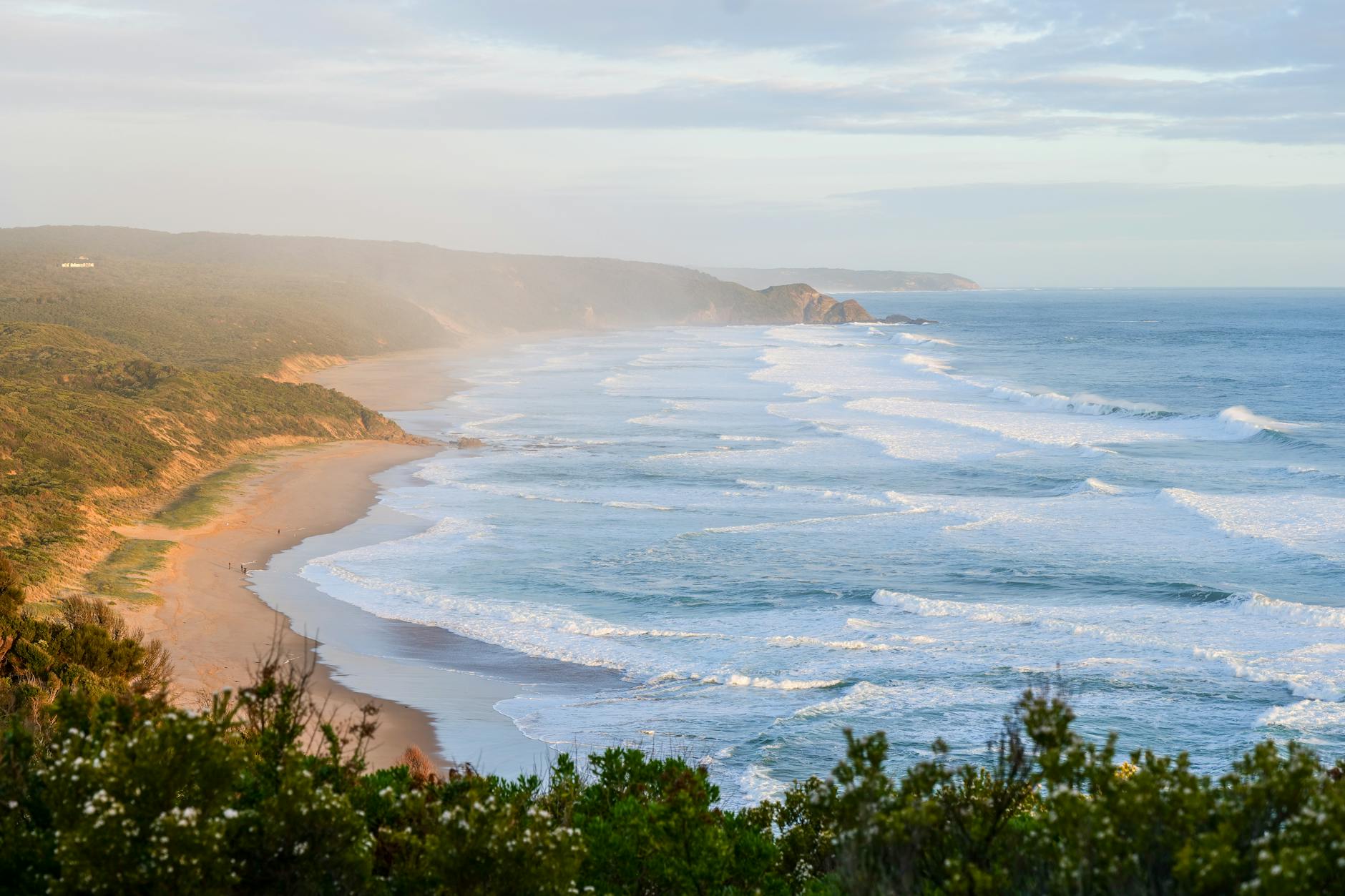
Adelaide’s metropolitan coastline runs from Outer Harbor in the north to Sellicks Beach in the south, with dozens of distinct Adelaide beaches to choose from. The city beaches closest to the CBD — Glenelg, Henley Beach, West Beach, and Brighton — are serviced by public transport and have well-developed facilities including restaurants, cafes, playgrounds, and surf lifesaving patrols during summer. The further south you travel, the wilder and more dramatic the beaches become, with towering cliffs, hidden coves, and world-class snorkelling reefs.
Glenelg Beach
Glenelg is Adelaide’s most iconic beach suburb, connected to the CBD by a historic tram line that takes approximately 30 minutes from Victoria Square. The wide, sandy beach faces due west, producing some of the most spectacular sunsets you will see anywhere in Australia. Moseley Square at the tram terminus buzzes with cafes, restaurants, and shops, while the Glenelg marina is the departure point for dolphin-watching cruises. The beach is patrolled by surf lifesavers from November through April, making it one of the safest swimming spots on the coast. Swimming conditions are generally calm — the Gulf St Vincent is protected from open-ocean swells — making it ideal for families and less confident swimmers.
Henley Beach
A few kilometres north of Glenelg, Henley Beach has emerged as a serious dining and leisure destination alongside its appeal as one of Adelaide’s best family beaches. The 350-metre Henley Beach jetty is perfect for sunset walks, fishing, and photography. The swimming is calm and shallow close to shore, making it particularly safe for young children. Henley Square has been redeveloped with landscaped areas, play equipment, and a cluster of excellent restaurants and cafes. The beach is wide enough that it rarely feels crowded, even on hot summer weekends. Bus services connect Henley Beach to the CBD in about 25 minutes.
Brighton and Seacliff
Brighton is becoming many locals’ favourite among the Adelaide beaches — it is clean, pretty, and has a relaxed feel without the commercial bustle of Glenelg. The Esplanade is lined with Norfolk pines and there are excellent fish-and-chip shops nearby. Just south of Brighton, Seacliff offers calm waters, a popular jetty for fishing, and a family-friendly atmosphere with playgrounds and barbecue facilities. Both beaches are accessible by train on the Seaford line, with stations within walking distance of the sand.
Port Noarlunga and Christies Beach
Port Noarlunga, about 30 minutes south of the CBD, is home to some of the best snorkelling in South Australia. The Port Noarlunga Reef Aquatic Reserve features a marked underwater trail through kelp forests, seagrass meadows, and colourful reef communities. The reef is easily accessible from the beach or via the jetty, and the conditions are generally protected from strong currents. It is an outstanding spot for snorkelling beginners and experienced divers alike. Christies Beach next door offers a wide, flat beach with calm swimming conditions and a vibrant local food scene. For our full guide, see the upcoming best Adelaide beaches guide.
Port Willunga and Maslin Beach
Further south (about 40 minutes from the CBD), Port Willunga is famous for its crystal-clear turquoise water, dramatic cliff faces, and the ruins of the historic Star of Greece shipwreck visible at low tide. The Star of Greece restaurant above the beach is one of Adelaide’s most spectacular dining locations. Maslin Beach, just south of Port Willunga, is known for its towering multi-coloured sandstone cliffs and its status as Australia’s first official clothing-optional beach (the northern end is designated nudist; the southern end is clothed). Both beaches are best accessed by car and are well worth the drive for their dramatic scenery.
Adelaide Beaches Swimming Safety
Adelaide’s Gulf St Vincent beaches are among the calmest metropolitan beaches in Australia. The gulf is protected from Southern Ocean swells, so conditions are generally flat and safe for swimming. However, rip currents can occur, particularly after storms. Always swim between the red and yellow flags at patrolled Adelaide beaches during summer (November to April). Unpatrolled beaches should be approached with caution. Shark nets protect several popular Adelaide beaches, including Glenelg, Henley Beach, and Brighton. Water temperatures range from about 13°C in winter to 22°C in summer — most visitors find summer and autumn the most comfortable for swimming.
Hiking and Bushwalking Near Adelaide
Waterfall Gully to Mount Lofty Summit
The hike from Waterfall Gully to Mount Lofty Summit is Adelaide’s most popular bushwalk, and with good reason. The 3.8-kilometre trail climbs through Cleland Conservation Park, passing cascading waterfalls, scenic gorges, and lush fern gullies before reaching the summit at 710 metres above sea level. The panoramic views from the top — sweeping across the Adelaide Plains to the coast and beyond — are spectacular. Allow 60 to 90 minutes for the ascent and 45 to 60 minutes for the return. The trail is well-maintained but steep in sections, so wear proper walking shoes and bring water. The Mount Lofty Summit cafe is a welcome reward at the top. For our detailed guide, see the upcoming Mount Lofty hiking guide.
Morialta Conservation Park
Morialta Conservation Park, just 30 minutes from the CBD in the north-eastern suburbs, features three waterfalls and a network of walking trails ranging from easy strolls to challenging scrambles. The First Falls walk is a gentle 1.2-kilometre loop suitable for families, while the Third Falls trail involves steeper terrain and rock-hopping. In spring, the park comes alive with wildflowers, and throughout the year you can spot koalas, kangaroos, and a rich variety of birdlife including kookaburras, rosellas, and wedge-tailed eagles. The park is free to enter and has picnic facilities and barbecues at the main car park. For our full guide, see the upcoming Morialta Falls guide.
The Yurrebilla Trail
For serious hikers, the Yurrebilla Trail is a 54-kilometre interpretive bushwalking trail through the Adelaide Hills, typically completed over three days with overnight stays at designated camping areas or nearby accommodation. The trail passes through some of Adelaide’s most beautiful natural landscapes, including Waterfall Gully, Cleland Conservation Park, Mount Lofty Botanic Garden, and Belair National Park. Each section can also be walked independently as a day hike. This is one of the most rewarding multi-day walks in South Australia and provides a deeper immersion in the Adelaide Hills landscape than any single day hike can offer. For our full overview, see the upcoming Adelaide hiking trails guide.
More Walks Near Adelaide
Belair National Park, Australia’s second-oldest national park (established 1891), is just 20 minutes from the city and offers shared-use trails for walkers, cyclists, and horse riders through native woodland and grassland. The Heysen Trail, one of Australia’s great long-distance walks at over 1,200 kilometres, begins at Cape Jervis on the Fleurieu Peninsula and passes through the Adelaide Hills before heading north to the Flinders Ranges — several sections near Adelaide make excellent day hikes. Deep Creek Conservation Park, about an hour south of Adelaide, offers coastal cliff-top walks with stunning views across to Kangaroo Island.
Wildlife Experiences Near Adelaide
Cleland Wildlife Park
Cleland Wildlife Park in the Adelaide Hills is one of Australia’s best places to get close to native wildlife in a natural bushland setting. Unlike traditional zoos, many of Cleland’s residents roam freely through the park, allowing visitors to walk among kangaroos, wallabies, and emus in open enclosures. The park is one of the few places in South Australia where you can hold a koala (additional fee and booking required). Other residents include wombats, Tasmanian devils, dingoes, reptiles, and a huge variety of native birds. The park is located in Cleland Conservation Park, about 20 minutes from the CBD, and can be combined with the Waterfall Gully to Mount Lofty Summit hike. For our detailed guide, see the upcoming Cleland Wildlife Park guide.
Kangaroo Island
Kangaroo Island is one of Australia’s premier wildlife destinations and is accessible as a day trip or overnight excursion from Adelaide. The island is reached by a 45-minute ferry crossing from Cape Jervis (about two hours’ drive south of Adelaide), or by a 30-minute flight from Adelaide Airport. A day trip from Adelaide is a long but rewarding 16-hour experience that typically includes Seal Bay Conservation Park (where you walk among wild Australian sea lions), Flinders Chase National Park (home to the iconic Remarkable Rocks and Admirals Arch), and encounters with kangaroos, koalas, echidnas, and wallabies. Overnight visits allow more time to explore the island’s pristine beaches, bushwalking trails, and exceptional local food and wine. Day tours from Adelaide start from around $250 per person including ferry transfers and lunch. For our comprehensive guide, see the upcoming Kangaroo Island guide.
Dolphin Watching and Marine Wildlife
The waters off Adelaide’s coastline are home to resident populations of bottlenose dolphins, and several operators run dolphin-watching cruises from the Glenelg marina. Some tours offer the chance to swim with dolphins in their natural habitat — an unforgettable experience on a warm summer day. Between May and October, southern right whales migrate along the South Australian coast and can occasionally be spotted from the Adelaide beaches cliffs at Victor Harbor and the Fleurieu Peninsula. The mangrove forests at St Kilda, just north of the CBD, are home to a diverse community of shorebirds and the St Kilda Adventure Playground is a popular family excursion.
Adelaide Parklands and Gardens
Adelaide holds the distinction of being the only major Australian city completely encircled by parklands. Colonel William Light’s 1837 plan for the city placed a continuous ring of green space around the entire CBD — a visionary design that remains one of Adelaide’s most treasured features nearly 200 years later. These 760 hectares of parklands include walking and cycling trails, sports ovals, playgrounds, wetlands, botanic gardens, and formal gardens, all within a few minutes’ walk of the city centre.
Adelaide Botanic Garden
The Adelaide Botanic Garden, located in the north-eastern corner of the parklands, is a 51-hectare oasis of themed gardens, heritage buildings, and exotic plant collections. Highlights include the Bicentennial Conservatory (the largest single-span glasshouse in the Southern Hemisphere), the Amazon Waterlily Pavilion, and the recently restored Palm House. Entry is free and the gardens are open daily. The adjacent National Wine Centre provides an excellent introduction to South Australian wine and can be combined with a garden visit for a pleasant half-day excursion. The nearby Himeji Japanese Garden is a tranquil escape modelled on Adelaide’s sister-city garden in Japan.
Mount Lofty Botanic Garden
The Mount Lofty Botanic Garden, located in the Adelaide Hills near Crafers, is a cool-climate garden that is spectacular year-round but particularly stunning in autumn when the deciduous trees blaze with colour. The Lakeside Trail loops around the main lake through themed plantings, with eight artworks integrated into the landscape. Entry is free and the garden is easily combined with a visit to Mount Lofty Summit or Cleland Wildlife Park. For our complete guide, see the upcoming Adelaide parks and gardens guide.
River Torrens: Adelaide’s Urban Waterway
The River Torrens (Karrawirra Parri in the Kaurna language of Adelaide’s Traditional Owners) flows through the heart of the city and is one of Adelaide’s most versatile outdoor recreation spaces. The River Torrens Linear Park trail runs 33 kilometres from Gorge Road in the foothills to the river mouth at Henley Beach South, providing a continuous cycling and walking path that connects the hills to the coast through the city’s parklands.
Kayaking and Paddling
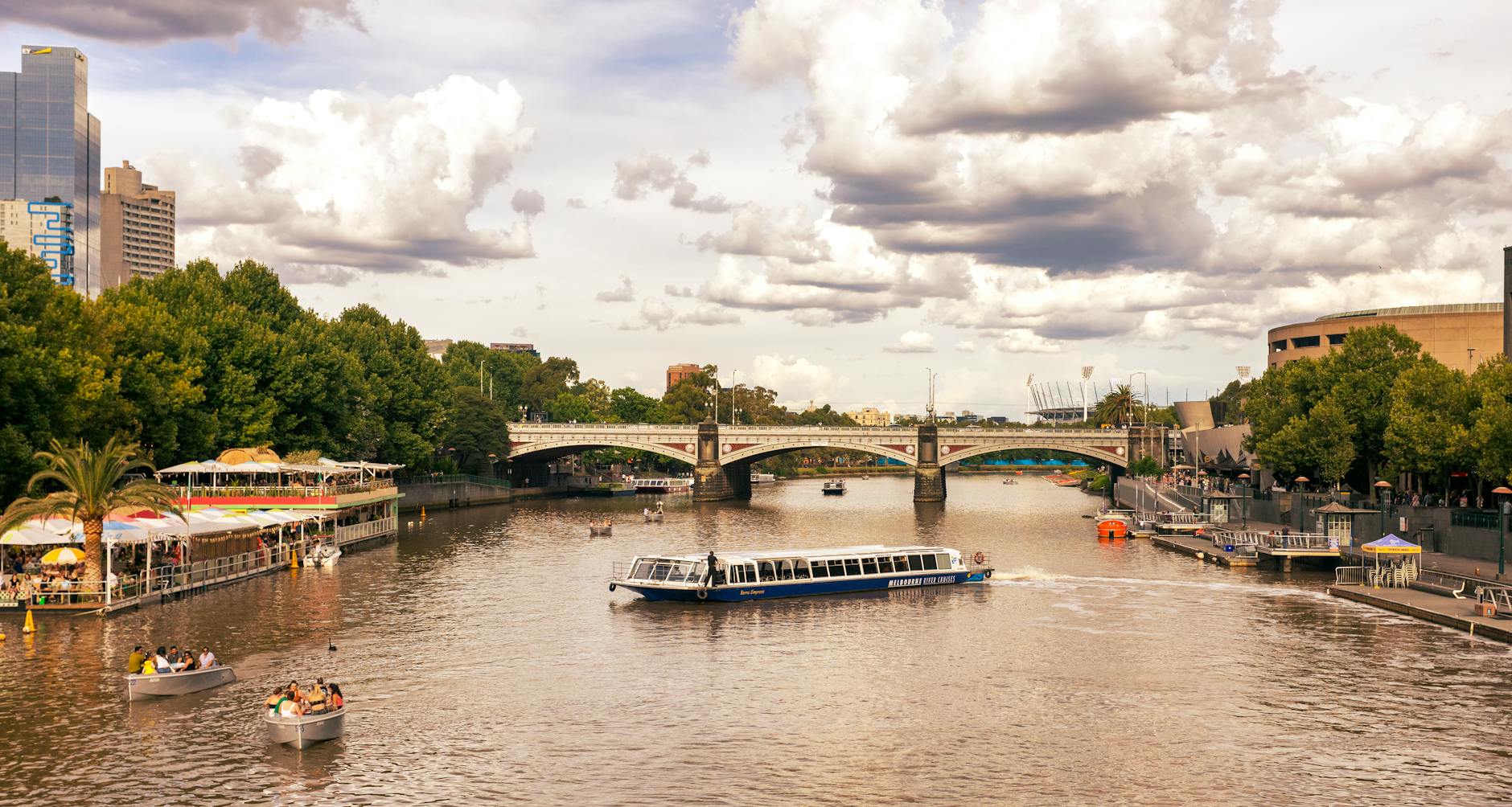
Guided kayak tours along the River Torrens are one of Adelaide’s most enjoyable outdoor experiences. You paddle through the parklands past the Adelaide Oval, the Adelaide Zoo, and beneath elegant bridges, with the city skyline as your backdrop. Tours include all equipment and instruction, so no prior experience is necessary. Rowing and dragon boating are also popular on the river, and the stretch between the Torrens Weir and the Adelaide Oval footbridge is the main activity zone. The calm, flat water makes it suitable for beginners and families.
Cycling the River Torrens Trail
The River Torrens Linear Park trail is Adelaide’s premier urban cycling route. The 33-kilometre path runs from the hills to the beach on almost entirely flat terrain, making it ideal for casual cyclists and families. Along the way, you pass through native bushland, urban parklands, wetlands, and suburban landscapes before reaching the coast at Henley Beach South. Bike hire is available from several operators in the city, and the trail is well-signed and shared between cyclists and pedestrians. Allow three to four hours for the full one-way journey with stops, or tackle shorter sections for a more relaxed ride. The western end connects with the coastal cycling path, allowing you to extend your ride along the Adelaide beaches. For our detailed guide, see the upcoming River Torrens activities guide.
Day Trips for Nature Lovers from Adelaide
Flinders Ranges
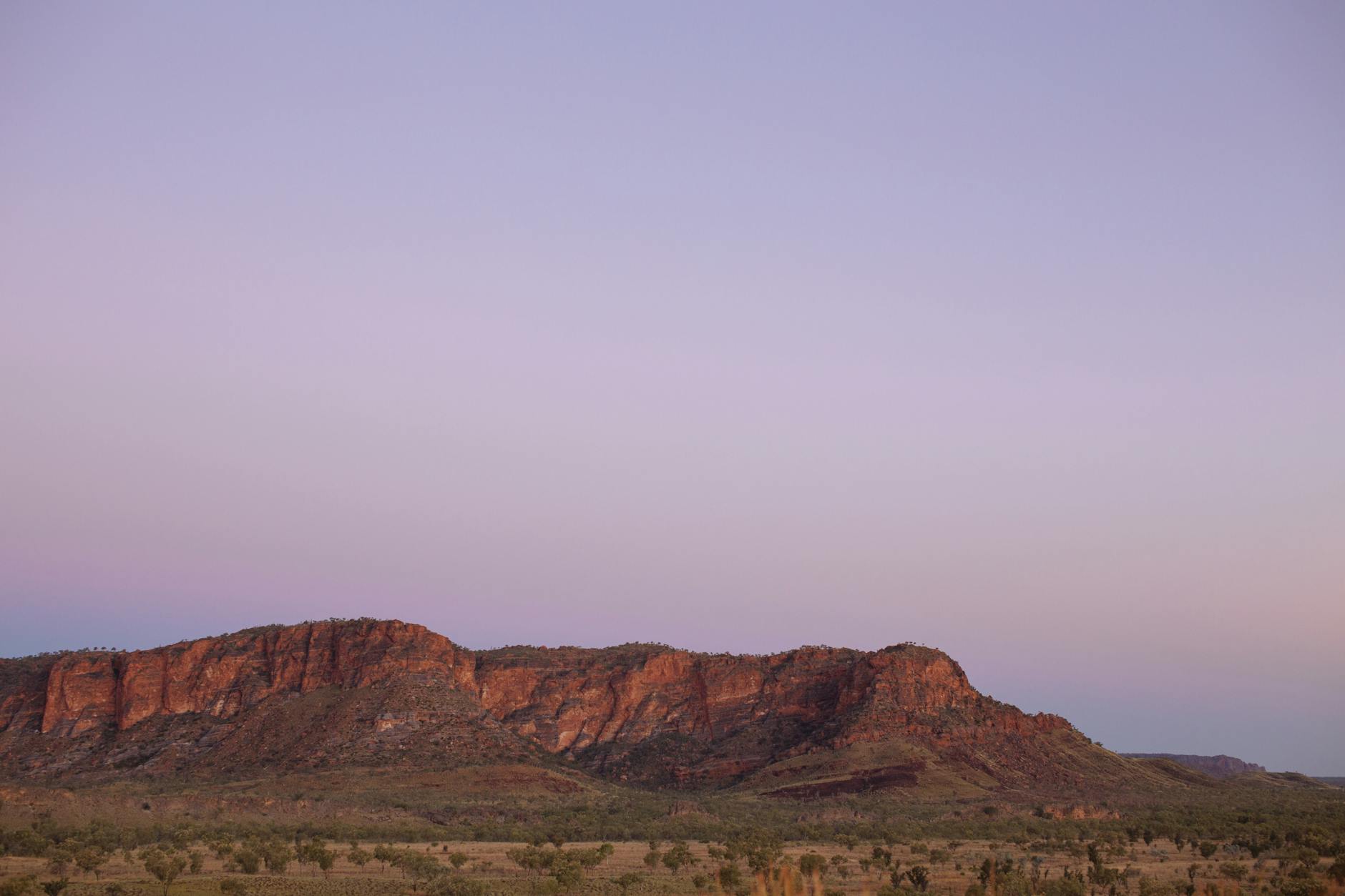
The Flinders Ranges, approximately four to five hours north of Adelaide, are one of Australia’s most ancient and dramatic landscapes. Wilpena Pound — a massive natural amphitheatre of towering quartzite peaks — is the centrepiece, and the Rim Walk (a challenging 20-kilometre circuit) is one of the great bushwalks of the southern hemisphere. The ranges are home to wedge-tailed eagles, euros (a type of wallaroo), and some of the oldest fossils on Earth. While it is too far for a comfortable day trip, a two-to-three-night road trip from Adelaide through the Flinders is one of the most rewarding outback experiences in Australia. For our road trip guide, see the upcoming Flinders Ranges guide.
Victor Harbor and the Fleurieu Peninsula
Victor Harbor, about 80 kilometres south of Adelaide on the Fleurieu Peninsula, is one of the most popular day-trip destinations for nature lovers. The town sits on Encounter Bay, where southern right whales gather to breed between May and October. The horse-drawn tram to Granite Island is a beloved local tradition, and a walking trail around the island offers excellent views. The nearby Bluff provides a moderately challenging walk with panoramic coastal views. The Fleurieu Peninsula also includes Deep Creek Conservation Park (cliff-top coastal walks), Second Valley (swimming and kayaking), and Rapid Bay (snorkelling and diving in an aquatic reserve).
Adelaide Beaches and Nature for Families
Adelaide is an exceptionally family-friendly destination for outdoor activities. The Adelaide beaches along the metropolitan coast are calm, shallow, and patrolled in summer — Henley Beach and Seacliff are particularly well-suited to young children. Cleland Wildlife Park allows kids to hand-feed kangaroos and hold koalas. The Adelaide Parklands include numerous playgrounds, with Bonython Park and Rymill Park among the best. The River Torrens paddleboats near the Adelaide Festival Centre are a gentle introduction to water activities. Morialta Conservation Park’s First Falls walk is short enough for primary-school-age children, and the rock pools at the base of the falls are a highlight. St Kilda Adventure Playground, just north of the city, is one of Adelaide’s best free family attractions, with a wooden castle, mangrove boardwalk, and resident pelicans.
Best Time to Visit Adelaide Beaches and Nature
Summer (December to February): Peak beach season with water temperatures around 20 to 22°C. Long daylight hours are perfect for evening beach walks and sunset swims. Beaches are at their busiest, particularly on weekends and public holidays. Hiking in the Adelaide Hills is best done early in the morning on hot days, as temperatures can exceed 40°C. This is bushfire season, so check fire danger ratings and park closures before heading into bushland.
Autumn (March to May): The best all-round season for outdoor activities in Adelaide. Water temperatures remain pleasant through March and April, beach crowds thin, and the Adelaide Hills and parklands are at their most colourful as deciduous trees change. The shoulder season offers pleasant hiking temperatures and excellent wildlife viewing.
Winter (June to August): Cooler weather is ideal for longer hikes without the heat. Waterfalls at Morialta and Waterfall Gully are at their most impressive after winter rains. Whale watching at Victor Harbor peaks between June and September. Adelaide beaches are too cold for most swimmers but beautiful for walks.
Spring (September to November): Wildflowers carpet the Adelaide Hills and conservation parks. Temperatures are ideal for hiking and cycling. The Adelaide beaches warm up from October, with swimming becoming comfortable by November. This is an excellent time for Kangaroo Island visits, with joeys and baby koalas emerging. For more on planning your visit, see our Adelaide travel guide.
Practical Tips for Adelaide Beaches and Outdoor Activities
Sun protection: South Australia has some of the highest UV levels in the world. Wear SPF 50+ sunscreen, a hat, and UV-protective clothing, even on overcast days. The sun is strongest between 10am and 4pm from October to March.
Getting to Adelaide beaches: Glenelg is accessible by tram from the CBD (free within the city zone, then a standard fare). Brighton, Seacliff, and Port Noarlunga are on the Seaford train line. Henley Beach and West Beach are serviced by bus. For beaches south of Port Noarlunga, you will need a car. Many Adelaide beaches have free parking, though Glenelg can be tight on hot weekends.
Hiking essentials: Always carry water (at least one litre per person per hour in summer), wear appropriate footwear, and tell someone your plans. Check fire danger ratings during summer — parks may be closed on Total Fire Ban days. Mobile phone reception can be patchy in some conservation parks and the Flinders Ranges.
Wildlife safety: Keep a safe distance from wild animals. Do not feed wildlife unless specifically invited to (as at Cleland Wildlife Park). Be aware of snakes in bushland areas during warmer months — they are rarely aggressive but it is best to watch where you step. Marine stingers (jellyfish) can occasionally be present in the Gulf during summer.
Frequently Asked Questions About Adelaide Beaches and Nature
Are Adelaide beaches safe for swimming?
Yes. Adelaide’s metropolitan beaches on the Gulf St Vincent are among the safest in Australia. The gulf is protected from open-ocean swells, producing generally calm, flat conditions. Several Adelaide beaches including Glenelg, Henley Beach, and Brighton are patrolled by surf lifesavers during summer (November to April) and protected by shark nets. Always swim between the flags at patrolled beaches and avoid swimming alone at unpatrolled locations.
How far are Adelaide beaches from the city centre?
The closest Adelaide beaches are about 10 to 15 minutes from the CBD by car. Glenelg is 30 minutes by tram. Brighton and Seacliff are about 30 minutes by train. West Beach is the closest beach to the city centre, approximately 10 minutes by car. Even the more distant southern Adelaide beaches like Port Noarlunga and Port Willunga are only 30 to 40 minutes from the CBD.
What is the best hike near Adelaide?
The most popular and rewarding hike near Adelaide is the Waterfall Gully to Mount Lofty Summit trail — a 3.8-kilometre climb through beautiful bushland that rewards you with panoramic views from 710 metres. For a gentler option, the Morialta First Falls walk is a 1.2-kilometre loop to a beautiful waterfall. For serious hikers, the 54-kilometre Yurrebilla Trail through the Adelaide Hills can be completed over three days and offers the most immersive bushwalking experience near the city.
Can I do Kangaroo Island as a day trip from Adelaide?
Yes, but it is a long day — approximately 16 hours including the drive to Cape Jervis, the 45-minute ferry crossing, a full day of touring, and the return journey. Guided day tours from Adelaide start from around $250 per person and include ferry transfers, lunch, and visits to Seal Bay, Flinders Chase National Park, and wildlife encounters. An overnight stay is recommended if possible, as it allows more time to explore the island’s beaches, trails, and food scene.
Where can I see koalas near Adelaide?
Cleland Wildlife Park in the Adelaide Hills is the best place to see (and hold) koalas near Adelaide. You can also spot wild koalas in several locations: Morialta Conservation Park, along the walking trails in Belair National Park, and on the drive up to Mount Lofty Summit through Cleland Conservation Park. On Kangaroo Island, koalas are abundant and are often seen sitting in eucalyptus trees along roadsides. For more things to do in Adelaide, check our complete activities guide.
Adelaide Beach Safety: Essential Tips for Visitors
Adelaide beaches are generally safe for swimming, but visitors should always be aware of local conditions and follow basic safety guidelines to ensure an enjoyable experience. The most important rule is to always swim between the red and yellow flags at patrolled beaches. Lifeguards patrol many of Adelaide’s popular beaches during summer months, typically from November through March, with extended hours during peak holiday periods.
Rip currents are the most common hazard at Adelaide beaches and can catch even experienced swimmers off guard. These powerful channels of water flowing away from shore are responsible for the majority of surf rescues along the South Australian coast. If caught in a rip current, stay calm, float with the current, and swim parallel to the shore until you escape the pull before swimming back to the beach. Adelaide beaches like Glenelg, Henley Beach, and Semaphore have designated safe swimming zones that are regularly monitored for rip activity.
Sun protection is absolutely critical when visiting Adelaide beaches, as South Australia experiences some of the highest UV radiation levels in the world. Apply SPF 50+ broad-spectrum sunscreen at least 20 minutes before sun exposure and reapply every two hours, or more frequently after swimming. Wearing a rash vest, wide-brimmed hat, and UV-protective sunglasses provides additional protection. The SunSmart app from the Cancer Council provides real-time UV index readings for Adelaide, helping you plan the safest times for beach activities.
Marine stingers, including bluebottles (Portuguese man-of-war), occasionally wash up on Adelaide beaches during warmer months, particularly when strong northwesterly winds push them ashore. While their stings are painful, they are rarely dangerous. If stung, rinse the area with seawater (never freshwater), remove any tentacles with tweezers, and apply hot water to relieve pain. Beaches along the Gulf St Vincent are generally less affected by bluebottles compared to ocean-facing beaches further south.
Seasonal Guide to Adelaide Beaches and Nature
Each season offers a distinctly different experience at Adelaide beaches and nature reserves, making this coastal city a genuine year-round destination. Understanding what each season brings helps you plan the perfect Adelaide beach holiday tailored to your preferences and interests.
Summer (December to February) is peak beach season in Adelaide, with average temperatures of 28-30°C and ocean temperatures reaching a pleasant 20-22°C. This is the ideal time for swimming, snorkelling, and stand-up paddleboarding at Adelaide beaches like Glenelg, Brighton, and Henley Beach. Evenings are perfect for sunset beach walks, with daylight extending until after 8:30pm. Popular Adelaide beaches can get crowded during January school holidays, so arriving early secures the best spots. Nature reserves like Morialta Conservation Park are best explored in the cooler morning hours during summer.
Autumn (March to May) is arguably the best-kept secret for visiting Adelaide beaches. The ocean retains its summer warmth through March and April while air temperatures moderate to a comfortable 20-25°C. Crowds thin significantly after Easter, leaving Adelaide beaches peaceful and uncrowded. Autumn is also the prime season for whale watching along the Fleurieu Peninsula coast, with southern right whales migrating past between May and October. The Adelaide Hills transform into a spectacular display of autumn colours, particularly in Mount Lofty Botanic Garden and along the trails of Belair National Park.
Winter (June to August) brings cooler temperatures of 12-16°C and regular rainfall, but Adelaide beaches remain beautiful for brisk coastal walks and storm watching. Port Noarlunga Reef is particularly dramatic during winter swells, and the cliff-top walking trail offers spectacular vantage points for watching powerful waves crash against the reef structure. Winter is the best time for waterfall walks in the Adelaide Hills, with Morialta Falls, Waterfall Gully, and Cascades Trail flowing at their most impressive after seasonal rains.
Spring (September to November) brings wildflower season across Adelaide’s nature reserves, with native orchids, wattles, and wildflowers carpeting the hills and coastal scrublands. Ocean temperatures begin rising from September, and by November, swimming becomes comfortable again at most Adelaide beaches. Spring is the optimal season for bushwalking, with comfortable temperatures, green landscapes, and abundant wildlife including nesting birds and active kangaroo populations in parks like Cleland Wildlife Park and Deep Creek Conservation Park.
What outdoor activities can I do in Adelaide for free?
Many of Adelaide’s best outdoor experiences are completely free. All Adelaide beaches are free to access (parking is usually free outside of Glenelg). The Adelaide Parklands, Botanic Garden, and Mount Lofty Botanic Garden are all free entry. Hiking trails at Waterfall Gully, Morialta Conservation Park, and Belair National Park are free (Belair charges a small vehicle entry fee). Cycling the River Torrens Linear Park and the Adelaide beaches coastal path costs nothing if you have your own bike. Even the spectacular views from Mount Lofty Summit are free — you just need to earn them with the climb.