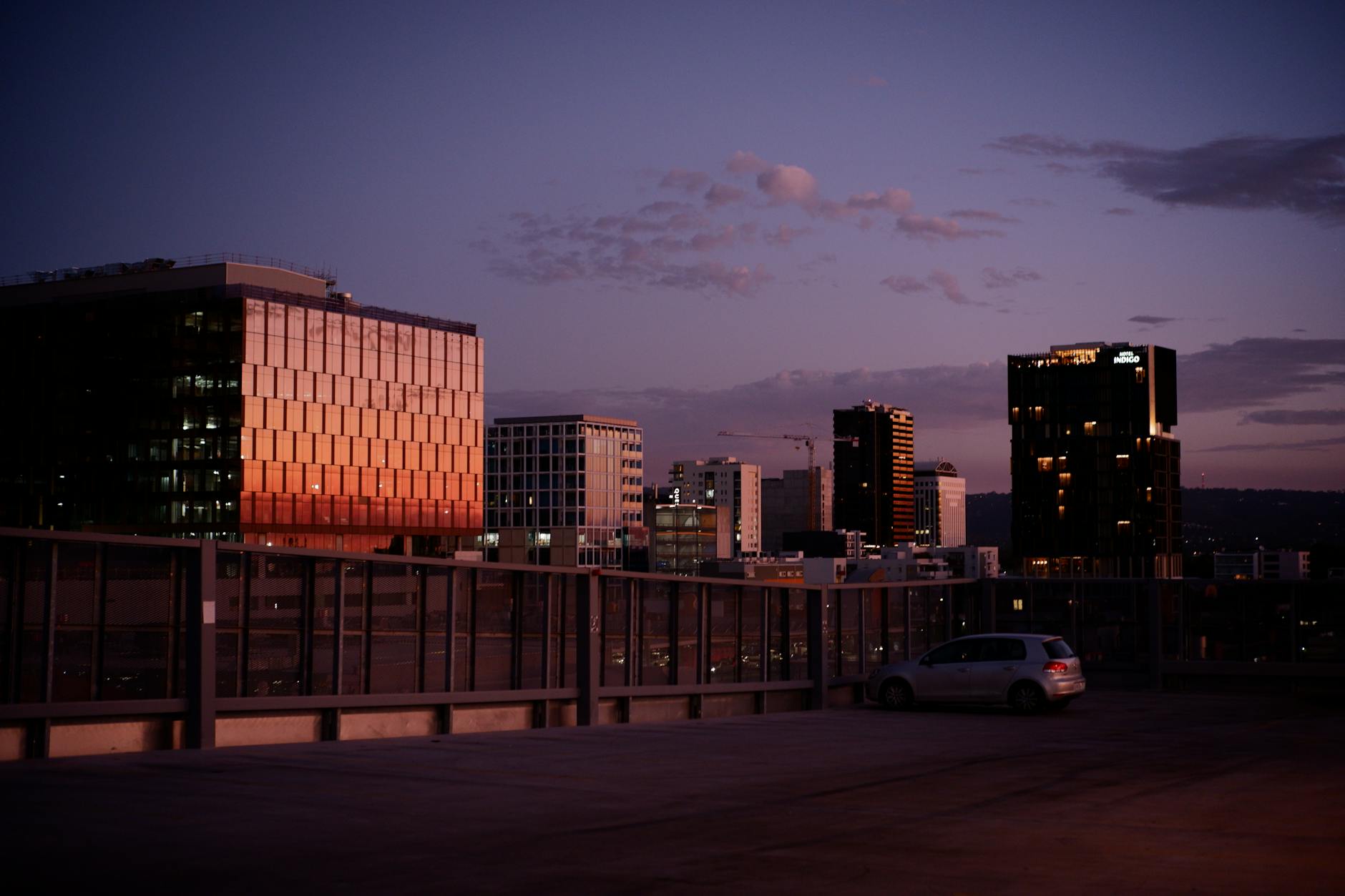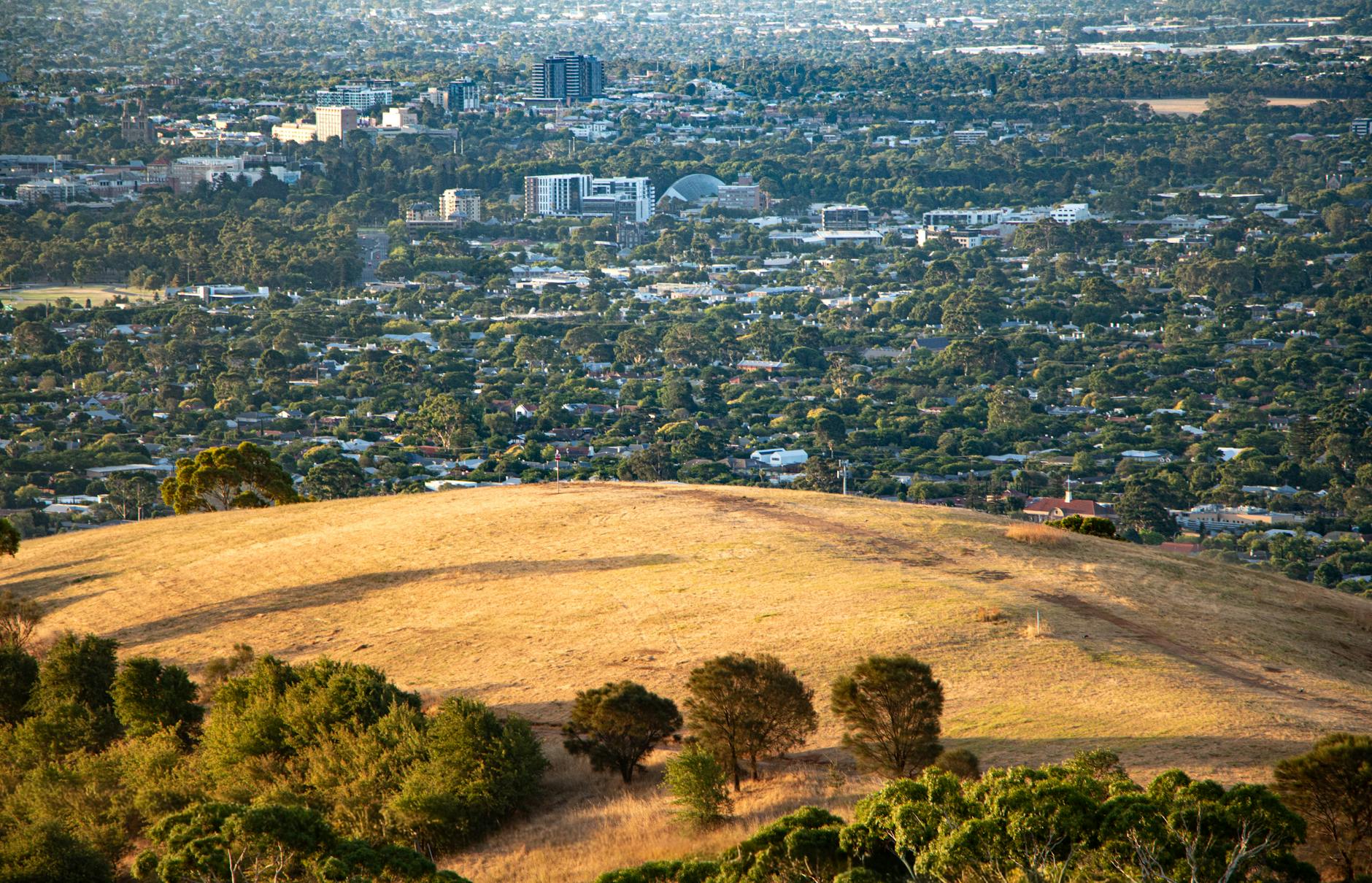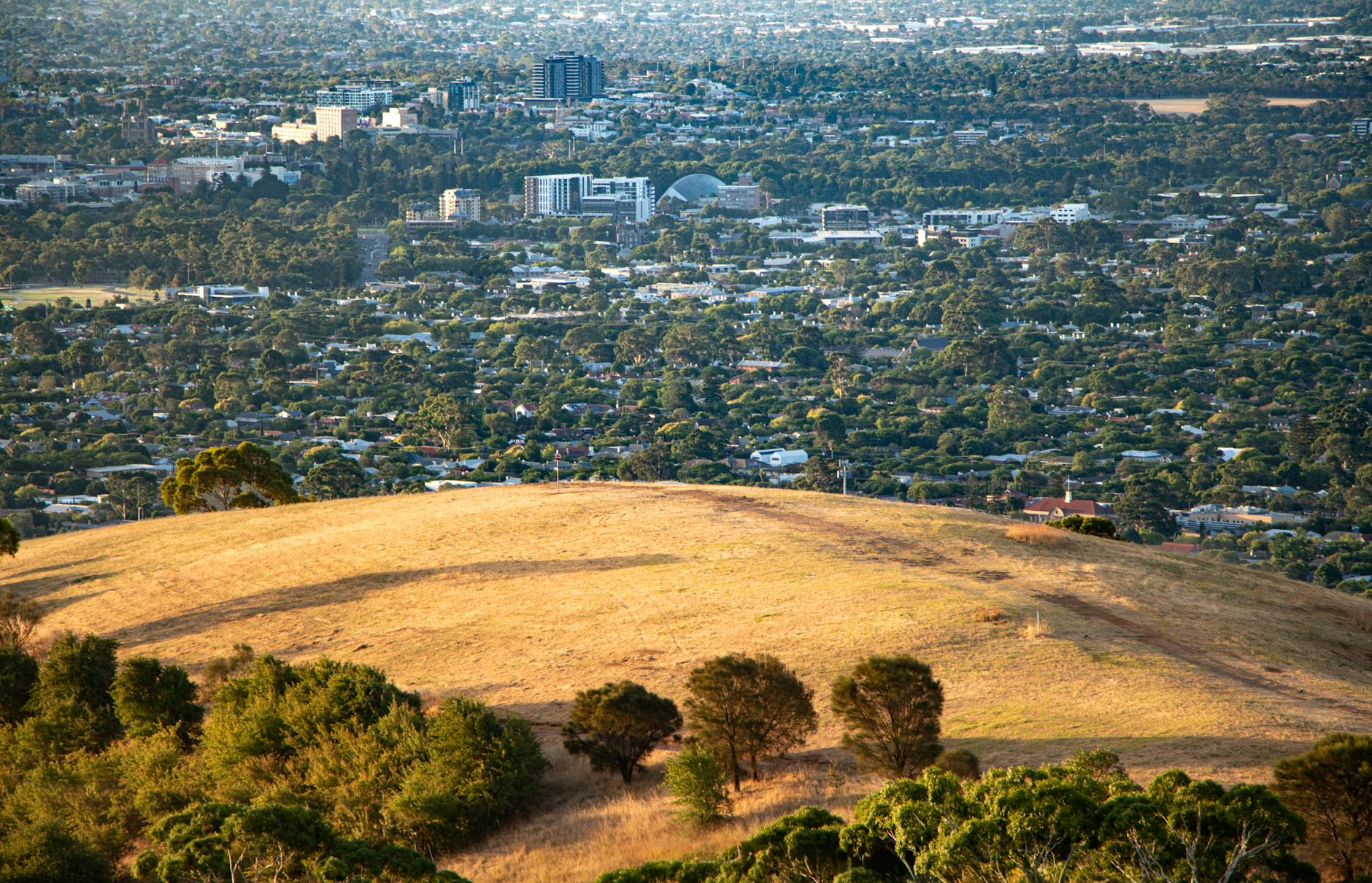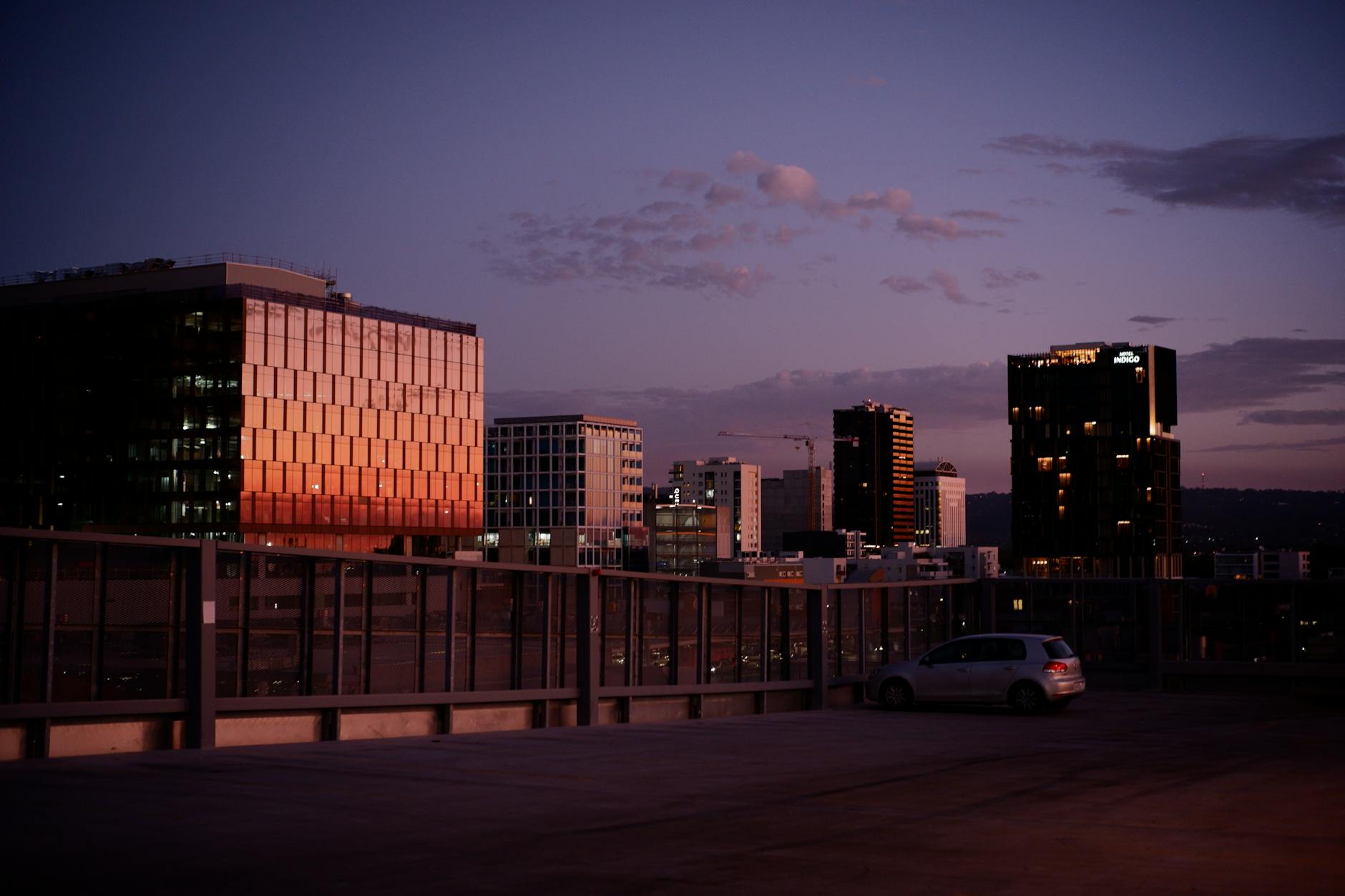
Adelaide rewards those who take their time. While many visitors squeeze South Australia’s capital into a brief stopover, spending a full week here reveals the extraordinary depth and diversity that makes Adelaide one of Australia’s most underrated destinations. From world-class wine regions within an hour’s drive to pristine beaches, charming hill villages, and a food scene that punches well above its weight, a seven-day Adelaide itinerary offers the perfect balance of city culture, natural beauty, and relaxed exploration.
This comprehensive one-week guide is designed for visitors who want to experience the best of Adelaide and its surroundings without rushing. Each day focuses on a different area or theme, with suggested activities, dining recommendations, and practical transport information. The itinerary assumes you’re staying in or near the CBD, though many recommendations work equally well from other bases. Budget approximately $150 to $300 per person per day depending on your dining preferences and activity choices.
Transport Planning for Your Week
Before diving into the daily breakdown, let’s address the practical question of how to get around. For the city-based days (Days 1, 3, and 7), Adelaide’s public transport system handles everything beautifully. The free City Connector bus loops around the CBD, trams run to Glenelg, and the train network reaches Port Adelaide and nearby suburbs. Check Adelaide Metro for current timetables and fare information.
For the day trip days (Days 2, 4, 5, and 6), you have two options: hire a car or book organised tours. A rental car provides maximum flexibility, particularly for wine regions where you might want to visit five or six cellar doors rather than the three that most tour operators include. However, the obvious challenge with wine touring is the drink-driving issue—if you plan to taste extensively, a tour with included transport makes more sense.
Car hire in Adelaide is competitively priced, with major companies operating from the airport and CBD. If you’re only hiring for specific days rather than the full week, many companies accommodate single-day or multi-day rentals without penalty. A combination approach—public transport for city days, hire car or tours for regional days—often proves most economical and practical for a comprehensive Adelaide trip.
Day 1: Adelaide CBD — Culture, Markets, and City Life
Morning: North Terrace Cultural Precinct
Begin your Adelaide week on North Terrace, the city’s grand cultural boulevard that houses an extraordinary concentration of world-class institutions within easy walking distance of each other. Start at the Art Gallery of South Australia, which opens at 10am and offers free entry to its permanent collection of Australian, European, and Asian art spanning thousands of years.
The gallery’s Australian collection is particularly strong, including significant works by Indigenous and non-Indigenous artists that tell the story of this continent through art. Allow at least an hour here, more if contemporary art is your passion—the modern galleries regularly rotate exhibitions that showcase current Australian creative practice.
Next door, the South Australian Museum offers another free world-class experience with its renowned Aboriginal Cultures Gallery housing over 30,000 artefacts. The museum also features natural history collections, an impressive opal gallery, and ancient Ediacaran fossils that are among the oldest complex life forms ever discovered. Together, these two institutions alone justify a morning’s exploration.
Midday: Adelaide Central Market
Walk south through the university grounds and Victoria Square to reach the Adelaide Central Market, one of Australia’s finest fresh food markets. Operating since 1869, this covered market buzzes with energy from early morning as stallholders sell everything from artisan cheeses and freshly baked bread to exotic fruits, premium meats, and ready-to-eat meals from dozens of cuisines.
For lunch, graze your way through the market. Highlights include the Asian food court for dumplings and laksa, the oyster bars for South Australian seafood, and the various bakeries for pastries and sandwiches. The market is open Tuesday through Saturday, with Thursday and Friday mornings being particularly vibrant. Learn more about market hours at adelaidecentral.com.au.
Afternoon: City Exploration
Spend the afternoon exploring Adelaide’s compact CBD at your own pace. Rundle Mall offers shopping alongside quirky public art (look for the famous bronze pig sculptures), while the quieter streets of the east end reveal independent boutiques, bookshops, and galleries. The Adelaide Botanic Garden, accessible from North Terrace, provides a peaceful green escape with its historic Palm House, recently restored Amazon Waterlily Pavilion, and extensive native plant collections.
For afternoon refreshment, Adelaide’s café scene rivals Melbourne’s, with particular strength in specialty coffee and innovative brunch menus. The Rundle Street, Peel Street, and Ebenezer Place areas in the east end are particularly dense with excellent options.
Evening: Gouger Street Dinner
End your first day with dinner on Gouger Street, Adelaide’s premier restaurant strip. The concentration of Asian restaurants here is exceptional—authentic Chinese, Vietnamese, Thai, Japanese, and Korean options sit alongside modern Australian fine dining and seafood specialists. The atmosphere is lively and welcoming, with outdoor dining available at many venues during warmer months.
Day 2: Barossa Valley Wine Region
The Barossa Valley sits approximately sixty-five kilometres northeast of Adelaide, making it a comfortable day trip that delivers world-class wine experiences without overnight travel. This is one of Australia’s most celebrated wine regions, famous for its bold Shiraz, elegant Grenache, and rich Cabernet Sauvignon, produced by a fascinating mix of heritage family wineries and innovative newcomers.
If you’re driving, allow about an hour from the CBD via the Main North Road or Barossa Valley Way. The route itself is pleasant, passing through the northern suburbs and into increasingly rural landscape before the first vineyards appear. If you’d prefer to taste freely without driving concerns, numerous tour operators run full-day Barossa experiences from Adelaide with hotel pickup and drop-off included.
Plan to visit three to five cellar doors during the day, allowing time for lunch and general exploration of the valley’s charming towns. The region divides roughly into Tanunda, Nuriootpa, Angaston, and Lyndoch, each with its own character and concentration of wineries. Tanunda makes an excellent base for your day, with the main street offering cafés, bakeries, and the famous Barossa butcher shops.
Must-visit wineries span the spectrum from grand heritage estates to intimate boutique operations. The larger names like Penfolds, Jacob’s Creek, and Seppeltsfield offer polished tasting experiences with extensive facilities, while smaller producers provide more intimate encounters where you might taste directly with the winemaker. A mix of both gives you the fullest picture of what the Barossa offers.
Lunch in the Barossa is an event in itself. The region’s food culture matches its wine reputation, with restaurants sourcing produce from local farms, German-heritage bakeries producing exceptional bread and pastries, and cheese makers crafting artisan products that pair beautifully with the local wines. Book lunch in advance, particularly for weekends and popular venues.
Day 3: Glenelg and Adelaide’s Beaches
Day three shifts the focus from wine to water with a beach day exploring Adelaide’s stunning coastline. The city’s western suburbs meet a long stretch of beautiful sandy beaches that offer swimming, surfing, seaside dining, and spectacular sunsets over Gulf St Vincent.
Start with a tram ride from the CBD to Glenelg, Adelaide’s most famous beach suburb. The tram departs from the city centre and delivers you to Moseley Square, right at the beach, in approximately twenty-five minutes. The journey itself is pleasant, passing through leafy inner suburbs before emerging at the coast. Glenelg’s broad sandy beach stretches in both directions, with calm gulf waters that are perfect for swimming from November through March.
Spend the morning exploring Glenelg’s beachfront, Jetty Road shopping strip, and the historic jetty itself. Brunch at one of the numerous café options along Jetty Road sets you up for a morning of beach time. If the weather’s warm, swimming at Glenelg beach is a quintessential Adelaide experience—the gulf waters are typically calmer than ocean beaches, making them suitable for all abilities.
In the afternoon, consider heading north along the coast to Henley Beach, another favourite local beach suburb with a more relaxed village atmosphere. Henley Square has been beautifully redeveloped with restaurants, cafés, and grassed areas perfect for sunset viewing. The beach here is equally beautiful and typically less crowded than Glenelg.
Plan dinner at one of Henley Beach’s waterfront restaurants as the sun sets over the ocean. Watching the sky change colours over Gulf St Vincent while enjoying fresh South Australian seafood is one of Adelaide’s most memorable dining experiences. The combination of excellent food, natural beauty, and relaxed coastal atmosphere perfectly captures why locals love this stretch of coastline.
Day 4: Adelaide Hills — Hahndorf, Mount Lofty, and Cleland
The Adelaide Hills rise immediately east of the city, creating a cool-climate retreat of forests, villages, wineries, and wildlife parks that feels worlds away from the plains below. Day four takes you into this elevated landscape for a mix of cultural, natural, and wildlife experiences that showcase South Australia’s diversity.
Begin with a drive to Hahndorf, Australia’s oldest surviving German settlement, located about twenty-five minutes from the CBD in the Adelaide Hills. The main street retains much of its nineteenth-century German character, with half-timbered buildings housing artisan shops, galleries, bakeries, and restaurants. The village’s German heritage extends to its food offerings—you’ll find authentic smallgoods, strudel, pretzels, and German-style beer halls alongside more contemporary Australian dining options.
After exploring Hahndorf, drive to the summit of Mount Lofty, the highest point in the Adelaide Hills at 727 metres. The lookout provides panoramic views across the Adelaide plains to the coast, with the entire city spread below like a map. On clear days, you can see the Flinders Ranges to the north. The summit area includes a café, information centre, and connections to walking trails through the surrounding conservation park.
From Mount Lofty, it’s a short drive to Cleland Conservation Park, where the Cleland Wildlife Park offers close encounters with Australian native animals in naturalistic settings. Unlike traditional zoos, Cleland allows visitors to walk among free-roaming kangaroos and wallabies, hand-feed various species, and observe koalas, wombats, and native birds at close range. For wildlife experiences, check visitadelaidehills.com.au for current opening hours and booking information.
The Adelaide Hills are also home to excellent cool-climate wineries producing Sauvignon Blanc, Pinot Noir, and Chardonnay quite different in style from the warmer Barossa Valley wines you tasted on Day 2. If time permits, a cellar door visit at one of the Hills wineries makes an excellent afternoon addition before returning to the city. The winding roads through the Hills are scenic but require attention, particularly at dusk when wildlife is most active.
Day 5: McLaren Vale and the Fleurieu Peninsula
Day five takes you south to McLaren Vale, Adelaide’s other major wine region, and the stunning Fleurieu Peninsula coastline. Where the Barossa is known for power and richness, McLaren Vale offers a more Mediterranean style with its proximity to the ocean, diverse soil types, and slightly different grape varieties thriving in the maritime-influenced climate.
McLaren Vale is approximately forty minutes south of the CBD, making it an easy and scenic drive through the southern suburbs and rolling countryside. The region is more compact than the Barossa, with over a hundred wineries concentrated in a relatively small area. This density means you can visit multiple cellar doors without extensive driving between stops.
The wines here lean toward Shiraz, Grenache, and increasingly exciting Mediterranean varieties like Fiano, Vermentino, and Nero d’Avola that thrive in the warm maritime climate. Many McLaren Vale producers are at the forefront of sustainable and organic viticulture, with several biodynamic estates offering tastings that explore these philosophical approaches to winemaking.
After visiting cellar doors in the morning and enjoying a long lunch at one of McLaren Vale’s excellent winery restaurants, continue south toward the coast. The Fleurieu Peninsula offers dramatic coastal scenery, particularly around Sellicks Beach, Port Willunga, and the aptly named Star of Greece cliffside restaurant. The ruined jetty at Port Willunga is one of South Australia’s most photographed locations, particularly at sunset.
If time and energy permit, the drive continues to the charming historic town of Victor Harbor on the southern coast, or you could detour to the Willunga Farmers Market (Saturday mornings only) for an authentic local produce experience that showcases the best of Fleurieu Peninsula agriculture.
Day 6: Kangaroo Island or Victor Harbor
Day six offers a choice depending on your interests, energy levels, and budget. Option A is an ambitious but rewarding day trip to Kangaroo Island, Australia’s third-largest island and a wildlife paradise. Option B is a more relaxed coastal day exploring Victor Harbor, Granite Island, and the southern Fleurieu region.
Option A: Kangaroo Island Day Trip
Kangaroo Island day trips are possible but long—expect a 12-14 hour day including ferry travel from Cape Jervis (about 90 minutes drive south of Adelaide) and the 45-minute SeaLink ferry crossing. What you get in return is access to one of Australia’s premier wildlife destinations, with wild seal colonies, koalas in their natural habitat, diverse birdlife, and the island’s iconic Remarkable Rocks geological formation.
For a day trip, a guided tour makes the most sense as it maximises your time on the island and handles all logistics. Several operators run full-day tours from Adelaide with early morning pickup and evening return. You won’t see everything the island offers in a single day, but you’ll experience enough to understand why it’s consistently rated among Australia’s top nature destinations.
Option B: Victor Harbor and Granite Island
Victor Harbor, approximately eighty-five kilometres south of Adelaide, offers a gentler but equally enjoyable day trip focused on coastal scenery, wildlife, and small-town charm. The town sits on Encounter Bay where Matthew Flinders and Nicolas Baudin famously met in 1802, and its horsed-drawn tram connection to Granite Island has been operating since 1894.
The horse-drawn tram across the causeway to Granite Island is a unique experience, and the island itself offers walking trails with ocean views and a penguin colony that can be observed during evening tours in season. The Bluff at Victor Harbor provides dramatic cliff walks, while nearby Port Elliot offers beautiful beaches and a relaxed artistic village atmosphere.
Between June and October, Victor Harbor is one of the best locations on Australia’s southern coast for whale watching. Southern right whales come close to shore to calve in Encounter Bay, often visible from land-based vantage points without needing a boat tour. Even outside whale season, the dramatic coastal scenery makes the drive worthwhile.
Day 7: Port Adelaide, Semaphore, and Farewell
Your final day explores Adelaide’s maritime heritage in the Port Adelaide and Semaphore districts before a farewell dinner celebrating the week’s experiences. This area offers a completely different perspective on Adelaide—industrial heritage, maritime history, and beachside community life that contrasts beautifully with the polished CBD and wine country experiences earlier in the week.
Port Adelaide is accessible by train from the city in about twenty-five minutes, making it an easy and relaxed start to the day. The historic port precinct has undergone significant renewal in recent years, with heritage buildings now housing cafés, studios, antique shops, and cultural venues while retaining their industrial character. The National Railway Museum, South Australian Maritime Museum, and various art galleries provide indoor options if the weather isn’t cooperating.
The Port Adelaide Farmers Market (Saturday mornings) is one of Adelaide’s best, featuring local produce, street food, live music, and a community atmosphere that draws both locals and visitors. Even if you’re visiting on another day, the Inner Harbour area with its restored clipper ship and lighthouse offers photogenic maritime scenery.
From Port Adelaide, a short tram ride or drive takes you to Semaphore, a charming beach suburb with a nostalgic seaside village atmosphere. Semaphore Road runs directly to the beach, lined with fish and chip shops, cafés, an art-deco cinema, and community businesses that give the area its distinctive character. The Semaphore foreshore features a historic jetty, beachside playground, and some of Adelaide’s best fish and chips.
Return to the CBD for a farewell dinner that celebrates the culinary diversity you’ve discovered throughout the week. Whether you choose the fine dining establishments on Peel Street, the Asian excellence of Gouger Street, or a contemporary Australian restaurant showcasing the regional produce you’ve encountered in the Barossa, McLaren Vale, and Adelaide Hills, end your week as you began—immersed in Adelaide’s generous food and wine culture.
Accommodation Recommendations
For a week-long stay, the Adelaide CBD offers the most convenient base for executing this itinerary. Staying centrally means you can walk to Day 1’s attractions, catch public transport easily for beach days, and access day trip departure points without lengthy cross-city drives.
Budget ($100-180/night): Adelaide has excellent hostels with private rooms, serviced apartments in the central city area, and comfortable mid-range hotels on the city’s fringes that balance affordability with convenience. The area around Hindley Street and North Terrace offers numerous options in this range with good access to transport links.
Mid-range ($180-300/night): The east end of Rundle Street and the North Terrace cultural precinct area host several excellent hotels that put you within walking distance of restaurants, attractions, and transport. Serviced apartments work particularly well for week-long stays, offering kitchen facilities that help manage dining costs.
Luxury ($300+/night): Adelaide’s premium hotels cluster around North Terrace and the Riverbank area, offering views over the Torrens River and Elder Park. For something different, several boutique properties in converted heritage buildings offer Adelaide-specific character that chain hotels cannot match. For detailed accommodation guidance, see our dedicated guide.
Budget Breakdown: What to Expect
A week in Adelaide can work across various budget levels. Here’s a realistic daily breakdown to help with planning:
Budget traveller ($150/day): Hostel or budget accommodation ($80-100), public transport and occasional rideshare ($15-20), self-catering breakfast, market lunch, and one restaurant dinner ($50-60), free attractions and selective paid activities ($10-20).
Mid-range traveller ($250/day): Comfortable hotel or apartment ($150-180), mix of public transport and car hire ($30-40), café breakfast, restaurant lunch, and quality dinner ($70-90), mix of free and paid attractions ($20-40).
Luxury traveller ($400+/day): Premium hotel ($300+), private transport or premium car hire ($50-80), fine dining breakfast and lunch, premium dinner with wine ($150-200), premium tours and experiences ($50-100).
Additional one-off costs to factor in include wine region tours ($100-250 depending on the operator and inclusions), Kangaroo Island day trip ($250-400 including ferry and tour), and any specific paid attractions or experiences. The good news is that many of Adelaide’s best offerings—North Terrace museums, Botanic Garden, Central Market wandering, beach days—are completely free.
Tips for Getting the Most from Your Week
Adelaide’s compactness is its secret weapon. Unlike sprawling cities where travel time consumes your day, everything here is accessible within a short drive or train ride. This means you genuinely can fit meaningful experiences into each day without feeling rushed or spending hours in transit.
Book wine region tours and Kangaroo Island trips in advance, particularly during peak season (October to April) and holiday periods. Popular restaurants in the Barossa, McLaren Vale, and Adelaide CBD also benefit from advance booking, especially for dinner on Friday and Saturday evenings.
South Australia’s climate varies significantly by season. Summer (December to February) brings hot days requiring sun protection, early starts, and air-conditioned retreat options. Autumn (March to May) is arguably the best time to visit—mild temperatures, harvest activity in wine regions, and fewer crowds. Winter (June to August) offers whale watching, truffle season, and cosy fireside dining. Spring (September to November) brings wildflowers, pleasant temperatures, and garden events.
Consider the flexibility built into this itinerary as a feature, not a bug. If Day 2’s Barossa visit leaves you wanting more wine exploration, swap Day 6 from Kangaroo Island to a second wine region day in McLaren Vale’s lesser-known corners. If beaches aren’t your thing, replace Day 3’s coastal focus with deeper CBD exploration, museum visits, or a second Adelaide Hills excursion. The week-long format gives you room to adapt based on weather, energy, and discoveries.
For the most up-to-date information on events, seasonal activities, and visitor resources, check South Australia Tourism. The official tourism site maintains current event calendars, deal listings, and practical visitor information that complements this itinerary guide.
Making the Most of Your Adelaide Week
Seven days in Adelaide reveals a city and region that consistently surprises visitors with its quality, diversity, and accessibility. From the cultural richness of North Terrace to the vineyard vistas of the Barossa and McLaren Vale, from pristine beaches to wildlife encounters and hill village charm, the week delivers experiences that rival anywhere in Australia—often at a fraction of the cost and with none of the crowds.
Adelaide’s greatest asset might be its pace. Unlike Sydney or Melbourne where you’re constantly battling traffic, crowds, and distances, Adelaide allows you to actually relax into your holiday while still experiencing genuinely world-class attractions. The three-day itinerary gives you the highlights, but a full week lets you discover the depth, nuance, and character that make Adelaide one of Australia’s most rewarding destinations for those wise enough to give it proper time.