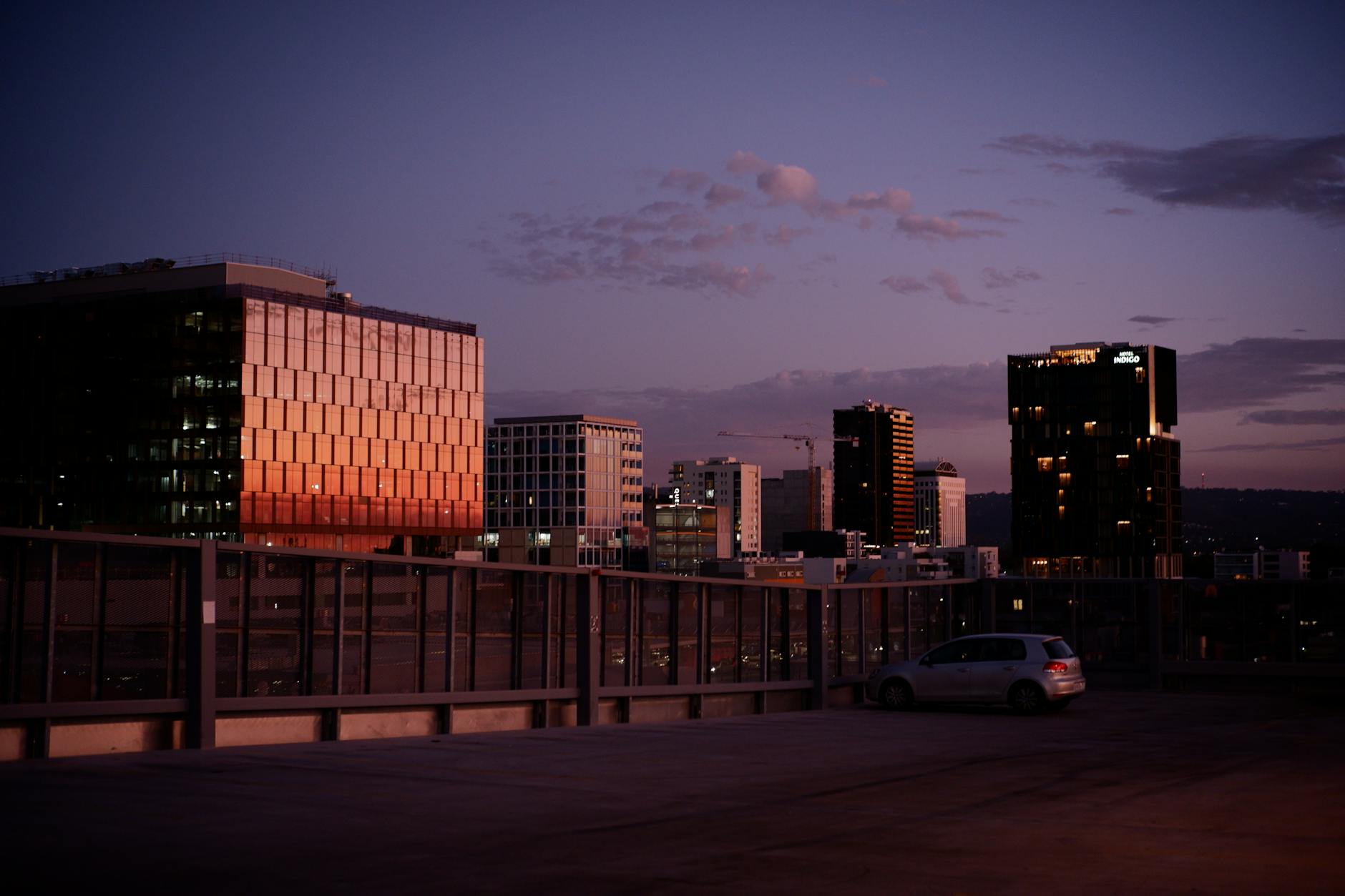
Here’s the case for Adelaide in winter that the glossy brochures never quite make: it’s the cheapest, quietest, most atmospheric time of year to come, and the city does not shut down for it. Between June and August the crowds thin right out, accommodation drops to its lowest rates of the year, and a whole season of light festivals, footy under lights and open-fire wine weekends quietly fills the calendar. I’ve spent a lifetime of Adelaide winters here, and I’d argue it’s the most underrated season we’ve got. For the full picture of the city across the year, start with our complete Adelaide travel guide, then come back here for the cold-weather detail.
Adelaide doesn’t do winter the way Melbourne or the mountains do. There’s no snow in the city, it rarely gets truly bitter, and you’re never more than a tram ride from somewhere warm and worth being. What you get instead is a moody, affordable version of the place, and if you pack right and plan tighter days, it’s genuinely lovely. Most visitors write off June, July and August without a second thought, which is exactly why those of us who live here have the place to ourselves.

Adelaide winter weather, honestly
Let me give you the real numbers rather than the optimistic ones. Across June, July and August, daytime temperatures sit roughly between 7 and 17 degrees. A good sunny winter day in Adelaide will hit the mid-teens with a clear blue sky and that crisp, low-humidity air the city is known for. A grey wet one will hover closer to single digits and feel colder in the wind. Overnight it can dip to around 6 degrees, occasionally a touch lower, so the early mornings and evenings have a real bite to them. Bring a jacket you can actually do up.
June is the wettest month of the year, pulling in around 80mm of rain, and July isn’t far behind. That doesn’t mean constant downpours, it’s more a pattern of passing fronts: a wet grey morning that clears to a bright cold afternoon, then back to drizzle. The honest truth is you’ll get a mix, crisp sunny days and proper grey ones, often in the same week. What you almost never get is extreme cold. It does not snow in the city, frosts are rare on the plains, and compared with most of the world’s winter destinations this is mild. One thing that catches people out: the UV can still be high on a clear winter day, so the sunscreen habit is worth keeping even in July. If you want the season-by-season breakdown to compare your options, our guide to the best time to visit Adelaide lays them all out side by side.
The upside of all this is the part nobody advertises: winter is when Adelaide is at its most affordable and least crowded. Hotel rates fall to their annual floor, restaurants you’d struggle to book in March have tables, and the queues for the big attractions simply aren’t there. For budget travellers this is the sweet spot, and I’ve gone deeper on stretching your dollar in our guide to doing Adelaide on a budget. The maths is simple: the same room that costs a small fortune during Mad March in autumn goes for a fraction of the price in July, and you’re not fighting anyone for a table.
Illuminate Adelaide and the winter festival season
The single best reason to come in winter is Illuminate Adelaide. This is the city’s winter festival of light, art and music, running roughly from late June through July, and it has genuinely changed how locals feel about the cold months. The centrepiece for most visitors is the light installation in the Adelaide Botanic Garden, an after-dark walk through illuminated trees and glasshouses that turns a familiar daytime spot into something completely different. Rug up, buy a hot drink, and wander the lit paths in the dark, it’s the kind of thing that makes a winter night feel like an event rather than something to be endured.
Around the headline light shows, Illuminate spills out across the city with projections on building facades, music programs, late-night food and art installations you’ll stumble across just walking the streets after dark. It’s the reason a Tuesday night in July now feels alive in a way our winters never used to. The whole point of the festival was to give people a reason to be out in the cold, and it works: the city centre hums on winter nights it used to sleep through. If you only time your trip around one thing, time it around this.

Cabaret, footy and the Hills
June also brings the Adelaide Cabaret Festival, one of the largest cabaret festivals in the world, centred on the Adelaide Festival Centre on the riverbank. It’s a brilliant excuse to spend a cold evening indoors in a warm theatre, and the program runs from big-name headliners to intimate late-night shows. Buy a ticket, have a riverside dinner beforehand, and you’ve got a proper night out that has nothing to do with the weather.
Then there’s the footy. Winter is AFL season, and watching the Crows or Port Adelaide play a night game under the lights at Adelaide Oval is one of the great local winter experiences. The Oval sits right on the riverbank, a short walk across the footbridge from the city, and a night game in the cold with a pie and a crowd of 40,000-odd is about as Adelaide as it gets. The rivalry between the two local sides runs deep, and even if you don’t follow the game, the atmosphere is worth the price of a ticket. Tickets for the bigger matches sell, so book ahead rather than rocking up on the day, especially for a Showdown between the two Adelaide clubs.
Up in the hills, Winter Reds is the wine event of the season, a weekend (usually mid-winter) when the Adelaide Hills cellar doors lean into the cold with open fires, mulled and big red wines, long lunches and masterclasses. It’s the antidote to the idea that wine touring is a summer thing. There’s something to be said for tasting a robust Hills shiraz next to a crackling fire while it’s grey and misty outside, and I’ve put together the full lay of the land in our guide to Adelaide Hills wine. If you can only do one wine outing all winter, make it this weekend.
Nature in winter: whales, waterfalls and green hills
If you only think of Adelaide’s nature as a summer beach thing, winter will surprise you. June is the start of peak whale watching season along the Fleurieu coast. Southern right whales migrate up from Antarctic waters to calve and nurse in the sheltered bays, and the stretch around Victor Harbor and Encounter Bay is one of the most reliable places in the country to see them from the shore. You can stand on the headland, scan the swell, and watch mothers and calves rolling about just offshore, no boat required, though there are cruises if you want to get closer. Pack a thermos, give your eyes a few minutes to adjust to spotting the blows and the dark backs in the water, and be patient, it’s worth it. It’s well worth the hour-and-a-bit drive south, and our guide to Victor Harbor and Granite Island covers the best vantage points and what else to do while you’re down there.

Walking the Hills when they’re green
Here’s a local secret: the Adelaide Hills are at their best in winter. The summer brown burns off, everything turns deep green, the creeks actually run, and the whole range takes on a misty, almost European quality. The cool weather also makes hiking far more comfortable than slogging up a trail in 35-degree heat. The Waterfall Gully to Mount Lofty Summit walk, a 7.8km return climb, is at its best now, the waterfall at the bottom is actually flowing after winter rain rather than reduced to a trickle, and the summit gives you a view straight back across the city to the gulf. Morialta Conservation Park, with its three falls walk, is the other standout: the cascades only really come alive in the wet months, so you’re seeing them at their most dramatic. I’ve covered the route, the gradient and where to park in our guide to the Mount Lofty and Waterfall Gully hike. Just pick a clear or clearing day, dress for mud, and you’ll have the trails to yourself.
Cosy, indoor Adelaide for the wet days
You will get rained on at some point in an Adelaide winter, and the good news is the city is set up for it. North Terrace is your wet-weather insurance policy. The whole cultural boulevard, the Art Gallery of South Australia, the South Australian Museum, the State Library and the newer space and science museums, is free to enter and walkable end to end without ever really being outside for long. I’d start a wet day at the Art Gallery of South Australia, with its 45,000-plus works, and let the weather do what it likes. You can lose hours in there without noticing the rain at all. For the full rundown of what’s on that strip, see our guide to Adelaide’s museums and galleries.
When the rain sets in around lunch, the Adelaide Central Market is exactly where you want to be: under cover, warm, loud and full of food. Trading since 1869 and home to more than 70 stalls, it’s a bowl of laksa, a dumpling lunch or a long browse of the cheese and produce stalls, a fine way to wait out a front. Grab a coffee, do a loop of the traders, and you’ll come out fed and dry. Just note it’s closed Sundays and Mondays, so plan around that.

Fires, wine bars and hot chocolate
This is the season Adelaide’s pubs and wine bars earn their keep. The city has a genuinely good little-bar scene, and in winter the ones with a fireplace become the place to be. Find a corner, order something from a local region, and settle in, this is how a lot of us spend a cold Friday. The laneway bars off Peel and Leigh Streets are made for it: small, warm rooms where a long, slow evening is the entire point. Out in the Adelaide Hills, the cellar doors take it further, with proper open fires you can sit beside while you taste. There’s no better pairing than a Hills pinot or a robust shiraz with woodsmoke and a grey sky outside the window.
And if it’s a chocolate fix you’re after, Haigh’s is the institution. It’s been making chocolate in Adelaide since 1915, and a hot chocolate from Haigh’s on a cold afternoon is a small, reliable joy. The free factory tour at their Parkside visitor centre is a warm, sweet-smelling way to spend an hour on a wet day, though you’ll need to book ahead. It’s the kind of low-key, comforting thing that sums up what winter in Adelaide does well.
Where to stay, and getting around in the cold
Winter is the one season where you can stay somewhere you’d usually baulk at the price of. A CBD base makes the most sense in the cold months because so much of what’s good, the museums, the market, the bars, the Oval, Illuminate, is walkable or a free loop-bus ride apart, which matters far more when it’s raining and the days are short. The free 98 and 99 city loop buses and the free CBD tram zone keep you out of the weather and cost nothing, so you can bounce between North Terrace and the market without ever getting properly wet. If you do want to chase the whales or the Hills, a hire car for a day or two is the way to do it, since both are a short drive and public transport doesn’t reach the good bits.
What to pack and how to plan your days
The trick to enjoying Adelaide in winter is dressing for it properly, which most visitors underpack for because they assume Australia is always warm. It isn’t, not in June. You want layers: a warm top, a jumper or fleece, and crucially a waterproof jacket, because the rain comes in showers rather than steady drizzle and an umbrella is no match for a gusty front. Add a scarf and a beanie for the night events and the early mornings, and pack proper shoes if you plan to walk the Hills, because the trails get muddy. Our full Adelaide packing list breaks down exactly what to bring season by season.
The other thing to plan around is daylight. Winter days are short here, the sun is up around 7am and down by about 5:30pm, so you’ve got fewer usable daylight hours than in summer. That just means planning your days a little tighter: do your outdoor things and your driving in the daylight, and stack the museums, markets, bars and night events for the dark. It’s no hardship, it’s just a rhythm worth knowing in advance, and honestly the early sunsets are part of the charm once you lean into them.
Is winter a good time to visit Adelaide? My honest verdict
Yes, with one honest caveat. If your dream trip is beaches, swimming and long warm evenings in a beer garden, winter isn’t your season, come in summer or late autumn for that. But if you want the real, lived-in Adelaide at a fraction of the price, with the city’s best festival lighting up the dark, footy under the lights, whales off the coast, green misty hills and a fire and a glass of red waiting at the end of the day, then winter is a genuinely brilliant time to come. The value alone makes the case: you’ll pay less for a better room and walk into restaurants you couldn’t get near in March. I think it’s the most underrated season we have, and I say that as someone who could pick any month of the year.
If you’re weighing it against the shoulder seasons, both are excellent in their own way, our guides to Adelaide in autumn and Adelaide in spring will help you decide, but neither beats winter on price or atmosphere.
A perfect winter day in Adelaide
To make it concrete, here’s a winter day I’d happily hand a visitor. Start slow with a hot chocolate and a wander through North Terrace, ducking into the Art Gallery and Museum to dodge any morning showers. Walk down to the Central Market for a hot, cheap lunch when the rain’s at its worst. In the afternoon, if it clears, drive up into the Hills for a cellar-door tasting by the fire, or stay in town and bar-hop the laneways. As the light fades, head to the Botanic Garden for the Illuminate light walk, or across the footbridge to Adelaide Oval for a night game if the footy’s on. Finish with dinner somewhere warm and a local red. You’ll have packed a full day in, spent less than you would in peak season, and seen a side of Adelaide most visitors miss entirely. If you want to thread this into a longer trip, our wider Adelaide travel guide ties the seasons and the highlights together.
Frequently asked questions
What is the weather like in Adelaide in winter?
Adelaide winters (June to August) are mild by world standards, with daytime temperatures of roughly 7 to 17 degrees Celsius. June is the wettest month with around 80mm of rain, and overnight temperatures can dip to about 6 degrees. You’ll get a mix of crisp sunny days and grey wet ones, but it rarely gets truly cold and it never snows in the city.
Is winter a good time to visit Adelaide?
Yes, if you’re after value and atmosphere rather than beach weather. Winter brings the lowest accommodation prices of the year, thin crowds, and a full calendar of events including Illuminate Adelaide, the Cabaret Festival and AFL footy under lights. It’s the most affordable season and arguably the most underrated, though it’s not the time to come if swimming and warm evenings are your priority.
What is there to do in Adelaide in winter?
Plenty. Illuminate Adelaide lights up the city through late June and July, including the light walk in the Botanic Garden. There’s AFL footy under lights at Adelaide Oval, the Adelaide Cabaret Festival in June, and Winter Reds in the Adelaide Hills. Add whale watching off Victor Harbor, free museums on North Terrace, the Central Market, and cosy wine bars with open fires.
Can you see whales near Adelaide in winter?
Yes. June marks the start of peak whale watching season along the Fleurieu coast. Southern right whales migrate north to calve in the sheltered bays around Victor Harbor and Encounter Bay, often visible from the shore without needing a boat. It’s about an hour and a quarter’s drive south of the city and one of the best winter day trips.
What should I pack for Adelaide in winter?
Layers are key: a warm top, a jumper or fleece, and a waterproof jacket are essential because the rain arrives in gusty showers an umbrella won’t handle. Add a scarf and beanie for cold mornings and night events, and bring proper shoes if you plan to hike the Adelaide Hills, where the trails get muddy.
Is Adelaide cheaper to visit in winter?
Yes, noticeably. Winter is the lowest season for accommodation, with hotel rates falling to their annual floor and far fewer crowds than the February and March festival period. You’ll find tables at restaurants that are hard to book in peak season and shorter queues at attractions, making it the best value time of year for budget-conscious travellers.
If Illuminate is the reason you are coming, read our full Illuminate Adelaide guide before you book. It covers what happened at the 2026 festival (1 to 19 July), how the Night Visions walk through the Botanic Garden works and what tickets cost, which parts of the program are free, and how to plan for the 2027 edition.

1 note