Kangaroo Island is bigger than people expect. Roll off the ferry at Penneshaw and Remarkable Rocks, the picture on every brochure, is still a long drive away at the far western end. Most first-time visitors either try to see everything and spend the trip in the car, or stay put near the ferry and miss the wild west. This Kangaroo Island itinerary is built to avoid both: three days that work from east to west and back, with the driving broken into sensible pieces and a bed in the right place each night.
Getting to the island, the ferry and the flights are covered in our guide to Kangaroo Island from Adelaide. This page starts at the ferry ramp in Penneshaw: the day-by-day route, what to book, what it costs, whether the parks pass is worth it, where to stay each night and how to change the plan for four or five days. Park prices, hours and tour times were checked in November 2026 against National Parks and Wildlife Service South Australia, the island’s tourism body and the operators’ own sites; parks fees are valid until 30 June 2027, but check the operators’ pages before you go.
The Three Days at a Glance
| Day | Route | Highlights | Stay |
|---|---|---|---|
| 1 | Penneshaw, the Dudley Peninsula, on to Kingscote or American River | Cape Willoughby Lightstation, Dudley Wines, an evening in Kingscote | Kingscote or American River |
| 2 | South coast to the west | Clifford’s Honey Farm, Seal Bay, Little Sahara, Kelly Hill Caves, Platypus Waterholes at dusk | Western KI, near Flinders Chase |
| 3 | Flinders Chase, then back east | Remarkable Rocks, Admirals Arch, Cape du Couedic, the Wildlife Park, the evening ferry | Ferry home, or a final night in Kingscote |
Before You Go: How the Island Works
Size and driving
The island covers 4,416 square kilometres and is about 155km long and 55km wide, so distances add up quickly. Flinders Chase National Park is 110km west of Kingscote, and Seal Bay is about 45 minutes from Kingscote. The tourism body’s own advice is honest: three days gives you a small taste, and five covers the main sights. This itinerary gets the headline sights into three days, but it is full, and we say below where to add a day if you can.
You need a car. There is no conventional public transport or taxi network on the island, only a limited ferry shuttle between Kingscote and the ferry. The main roads are well maintained and fine for a two-wheel-drive car, but plenty of side roads are unsealed, so take care on gravel and check whether your hire agreement allows it. Some roads in Flinders Chase, including West Bay Road and Shackle Road, can close seasonally after rain.
Fuel, food and phones
- Fuel: 24-hour petrol is available at Kingscote, Penneshaw, American River and the Western KI Caravan Park, with more fuel at Parndana and Vivonne Bay. Fill up before you head west.
- Supermarkets: at Penneshaw, Kingscote and Parndana. Stock up for picnics, because cafes in the west are few.
- Mobile coverage: it varies by carrier, with little or no reception across much of the west. Download maps before you leave Kingscote.
- Electric cars: there are chargers at the Flinders Chase Visitor Centre, which rely on solar power, so do not count on a fast top-up.
- Wildlife: kangaroos, wallabies and other animals are on the roads at dawn and dusk. Plan your driving so you arrive before dark, and slow right down if you cannot.
What to book ahead
- The ferry and your car, especially in school holidays (see our getting there guide).
- Accommodation in the west: there is far less of it, and it fills first.
- Kelly Hill Caves: entry is by booked guided tour only.
- Little Sahara sandboarding or tours, booked online.
- Dinner, at the few restaurants open in the evening.
Is the Kangaroo Island Tour Pass Worth It?
National Parks SA sells a Kangaroo Island Tour Pass, valid for 12 months, covering Flinders Chase entry, Seal Bay, Cape Borda Lightstation, the Cape Willoughby Lightstation tour and a Kelly Hill Caves tour. It costs A$95 for adults, A$76.50 concession, A$57 for children and A$262 for a family, and is sold in person only, at Cape Willoughby, the Flinders Chase Visitor Centre, the Seal Bay Visitor Centre or the NPWS office in Kingscote (weekdays 9am to 5pm).
Here is the arithmetic for this itinerary, at the individual adult prices:
| Site | Adult price |
|---|---|
| Flinders Chase entry (two consecutive days) | A$22.40 (one day: A$14.90) |
| Seal Bay boardwalk | A$20.70 |
| Cape Willoughby Historic Lighthouse Tour | A$20.20 |
| Kelly Hill Caves guided tour | A$31.00 |
| Cape Borda Lightstation | Free |
| Total | A$94.30 (A$86.80 with one day at Flinders Chase) |
The honest verdict: on a three-day trip the pass does not pay for itself. Even if you visit every site it covers, paying as you go comes to slightly less for an adult, and the same is true at concession and family prices. Its real advantage is convenience, and it only starts to save money if you would otherwise go back to a site, or if Seal Bay’s guided beach tour resumes. Buy tickets as you go unless you value having everything on one card.
Day 1: Penneshaw and the East
The ferry lands you at Penneshaw on the Dudley Peninsula, the island’s eastern lobe. Rather than racing west, spend the first afternoon on this end of the island.
Cape Willoughby Lightstation
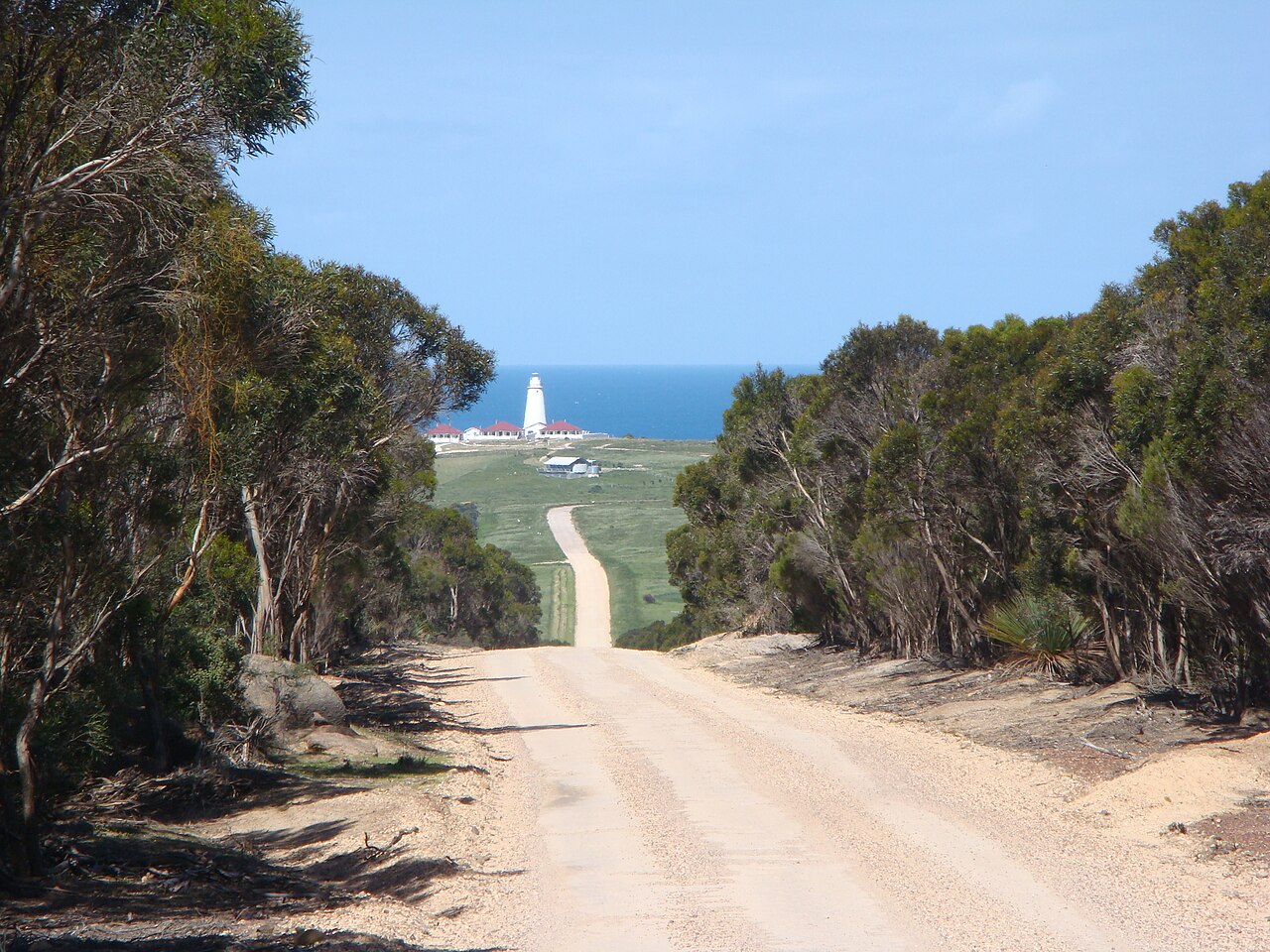
Drive south-east to Cape Willoughby, where NPWS describes the lighthouse as South Australia’s oldest, shining since 1852. The visitor centre is open daily from 10am to 4pm (closed Christmas Day), and you can only go inside the lighthouse on a tour, with a minimum of two people. The 45-minute Historic Lighthouse Tour runs daily at 10am and 1pm and costs A$20.20 for adults (A$12.10 children, A$55 family), including site entry; a shorter 20-minute Express tour costs A$12.10. Site entry alone is about A$6. In summer, tours can be shortened or cancelled in extreme heat, and construction works mean temporary signs direct you to the visitor car park.
A clifftop glass of wine
Dudley Wines has a clifftop cellar door 12km from the Penneshaw ferry terminal, open from 10:30am to 4:30pm five days a week; it is closed on Tuesdays and Wednesdays, and on Christmas and Boxing Day. Plan the day around those closures if wine matters to you. Kangaroo Island is a wine region in its own right, part of the Fleurieu wine zone, and this is a good place to taste it.
For dinner on the way west, Sunset Food and Wine at Kangaroo Head is one of the island’s better restaurants. It serves dinner on Wednesdays, lunch and dinner on Thursdays and Fridays, and dinner on Saturdays, and is closed Sunday to Tuesday, so book if your first night falls on one of those days. It takes a winter break, so check its website before you go.
On to Kingscote
Drive on to Kingscote, the island’s main town, or stop short at American River. Kingscote has the most choice of places to stay and eat, including Tirage, a wine bar on Dauncey Street, and it is the best-placed base for the next morning. Ask at the visitor information or the NPWS office about the pelican feeding at the wharf; arrangements have changed over the years, so check rather than turn up at a remembered time.
Day 2: The South Coast to the West
This is the big day. Leave Kingscote by about 8am, buy picnic supplies first, and fill the tank.
Clifford’s Honey Farm
Kangaroo Island is home to a protected population of Ligurian bees, kept free of disease by strict rules on bringing bees and honey onto the island. Clifford’s Honey Farm at Haines, roughly on the way south, has a farm gate shop open daily from 9am to 5pm (closed Christmas Day), a free display room, and guided tours of the extracting shed every day. It is a good short stop on the way to Seal Bay.
Seal Bay
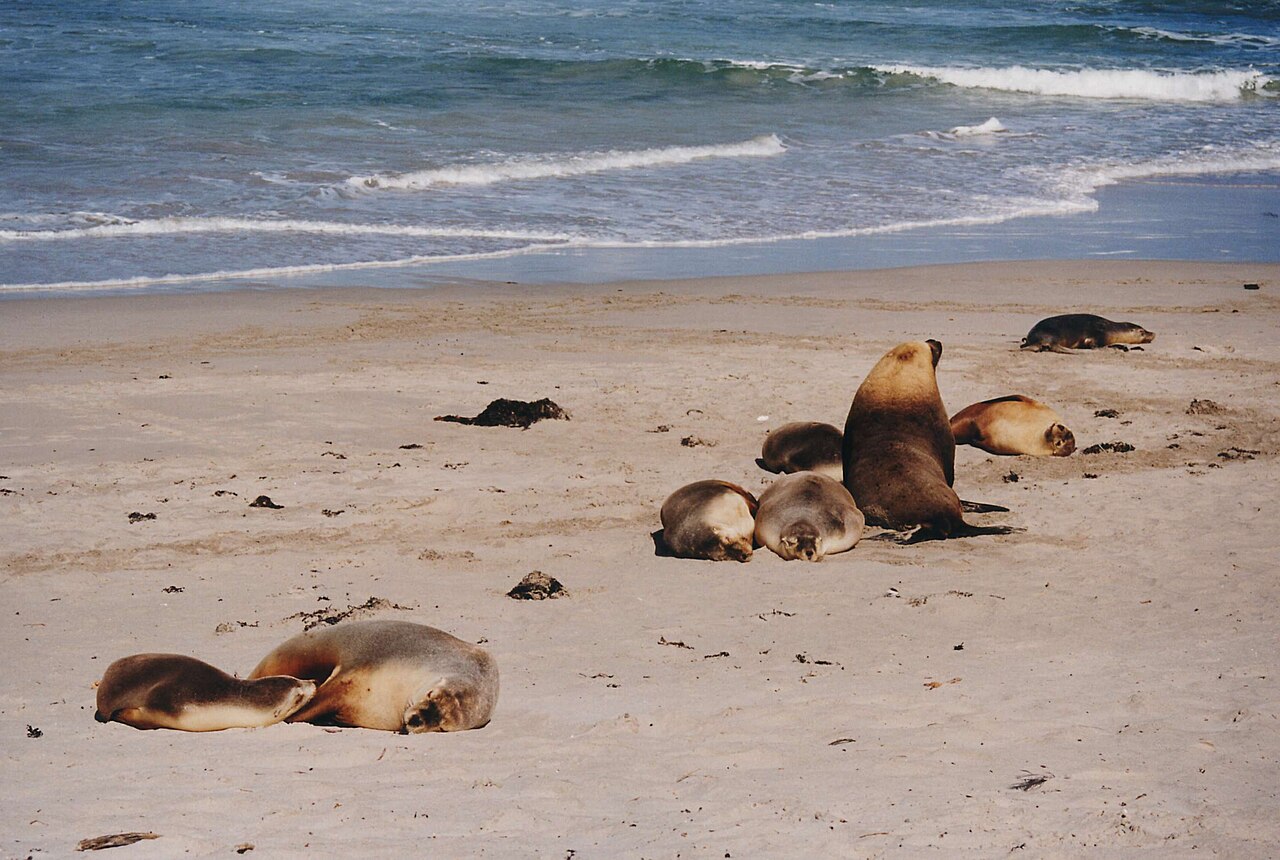
Seal Bay Conservation Park is home to a colony of Australian sea lions, and it is one of the island’s essential stops. Beach access is paused to protect the colony, so the visit is on the 900m return boardwalk, with a roaming guide, which is wheelchair accessible. Tickets are sold at the visitor centre, with no booking needed: A$20.70 for adults, A$12.40 for children and A$56.50 for a family. It is open from 9am to 5pm daily (last entry 4pm, closed Christmas Day), and National Parks SA recommends visiting before 11am or after 1pm for a less crowded boardwalk. Allow about half an hour; when it is busy there can be a 45-minute limit on the boardwalk.
Little Sahara and Vivonne Bay
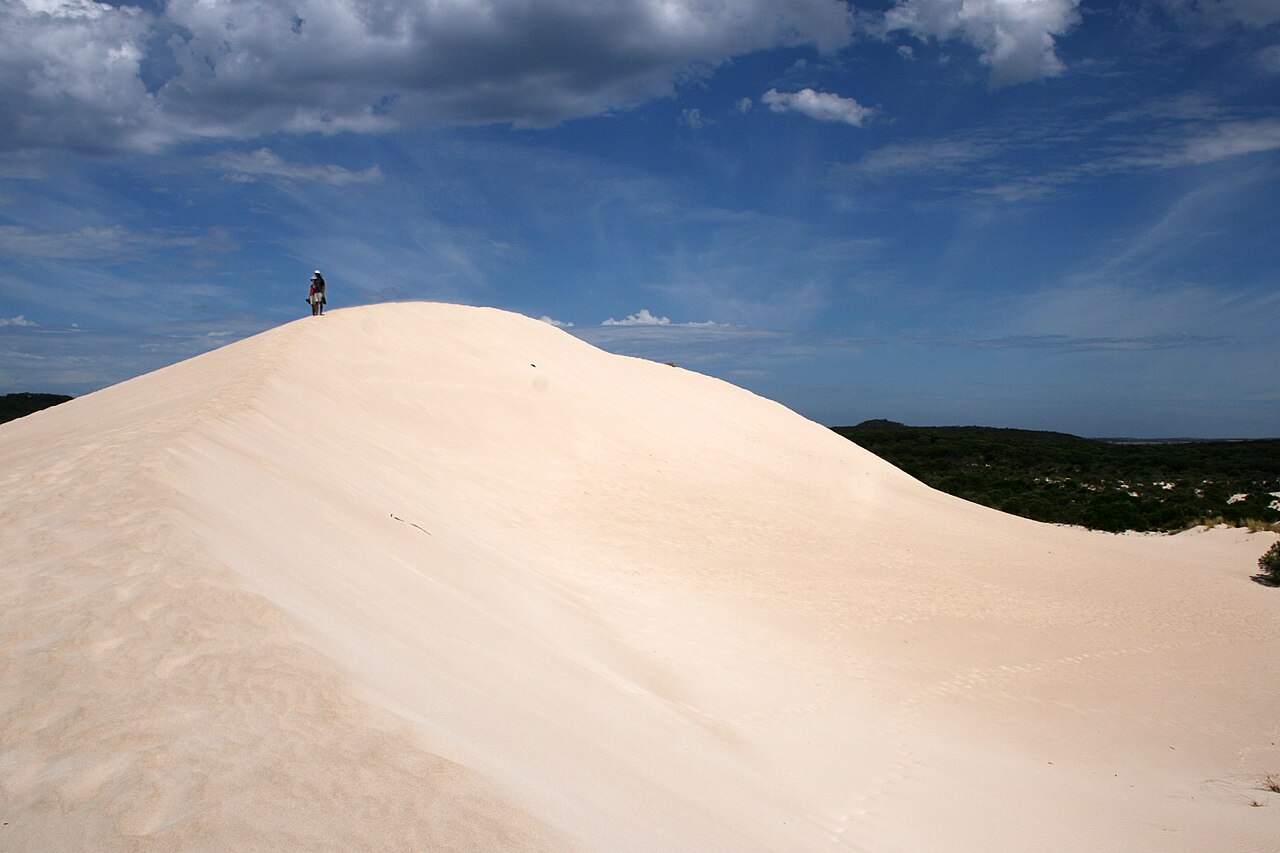
A little further west, Little Sahara is a field of huge white sand dunes rising out of the scrub. The Little Sahara Adventure Centre at 3733 South Coast Road hires sandboards and toboggans and runs buggy tours, e-fat bike tours and guided walks. It is open from 9am to 5pm between October and April and 10am to 4pm from May to September; book online and check the prices there. Even if you skip the sandboarding, climbing a dune for the view is free fun. Nearby Vivonne Bay is a long, curving beach that makes a good lunch stop.
Kelly Hill Caves
Kelly Hill Caves are open daily from 9am to 5pm (not Christmas Day), and you can only enter on a booked guided audio-visual tour: A$31 for adults, A$18.60 for children and A$85 for a family. Book a mid-afternoon slot through the National Parks booking site so you do not have to rush the morning.
Evening: Platypus Waterholes
Carry on to the Flinders Chase Visitor Centre at 8125 South Coast Road, Karatta, 800m outside the park boundary, home to The Rocks Cafe and the place to buy your park entry if you have not done it online. The Platypus Waterholes walk starts here: 4.5km and about two hours, rebuilt after the firestorm of 3 January 2020. Walk it in the late afternoon for the best chance of wildlife, and finish before dark. Stay the night in the west, close to the park.
Day 2 timings that work
Day 2 has the most moving parts, so here is a rough schedule that keeps it relaxed:
| Time | Stop |
|---|---|
| 8:00am | Leave Kingscote with fuel and picnic supplies |
| 9:00–9:30am | Clifford’s Honey Farm (opens 9am) |
| 10:00–10:45am | Seal Bay boardwalk |
| 11:30am–1:00pm | Little Sahara, then a picnic at Vivonne Bay |
| Mid-afternoon | Your booked Kelly Hill Caves tour |
| 4:00pm | Flinders Chase Visitor Centre |
| Late afternoon | Platypus Waterholes walk, back before dark |
If you only have energy for one of Little Sahara and Kelly Hill, keep whichever suits your group: the dunes for active families, the caves for a cooler, quieter hour.
Day 3: Flinders Chase and Back East
Flinders Chase National Park covers the western end of the island, and it was hit hard by the 2019–20 bushfires, which burned more than 2,100 square kilometres, roughly half the island. Recovery has been remarkable, and the main visitor sites have been rebuilt.
Park entry
Entry costs A$14.90 per adult for one day or A$22.40 for two consecutive days (children A$8.70 or A$13.40; families A$40 or A$61), bought online or at the visitor centre. If you arrive in the afternoon on Day 2 and want to come back in the morning, the two-day ticket is the one to buy. National Parks staff are in the park daily from 9am to 5pm. No drones or pets are allowed.
Remarkable Rocks
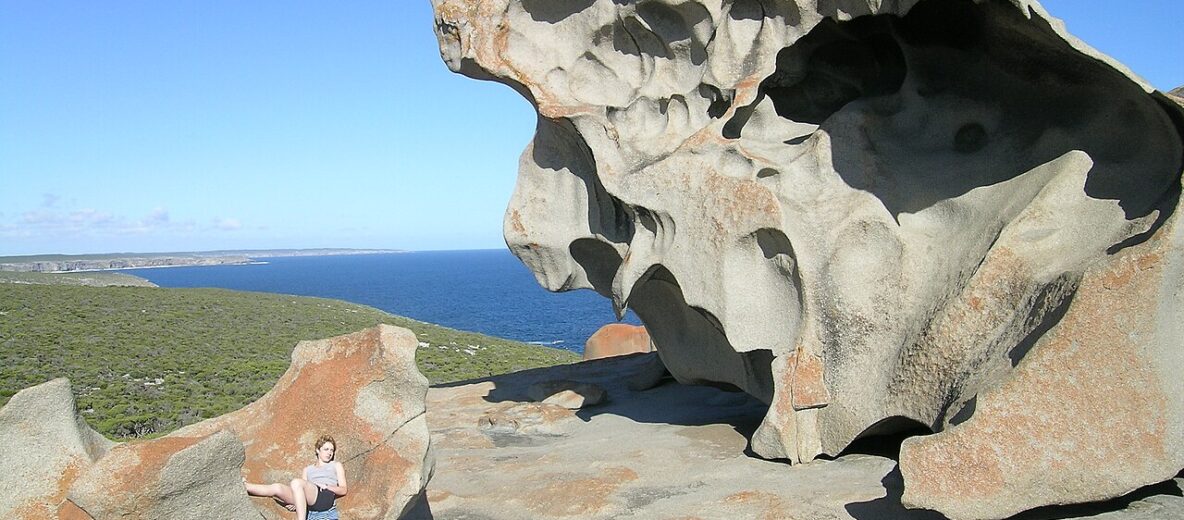
Start early at Remarkable Rocks, a cluster of huge, wind-sculpted granite boulders perched on a dome above the sea. The visitor facilities have been rebuilt since the fires, with a boardwalk, viewing platform and interpretive signs. Early morning brings soft light and fewer people.
Admirals Arch and Cape du Couedic
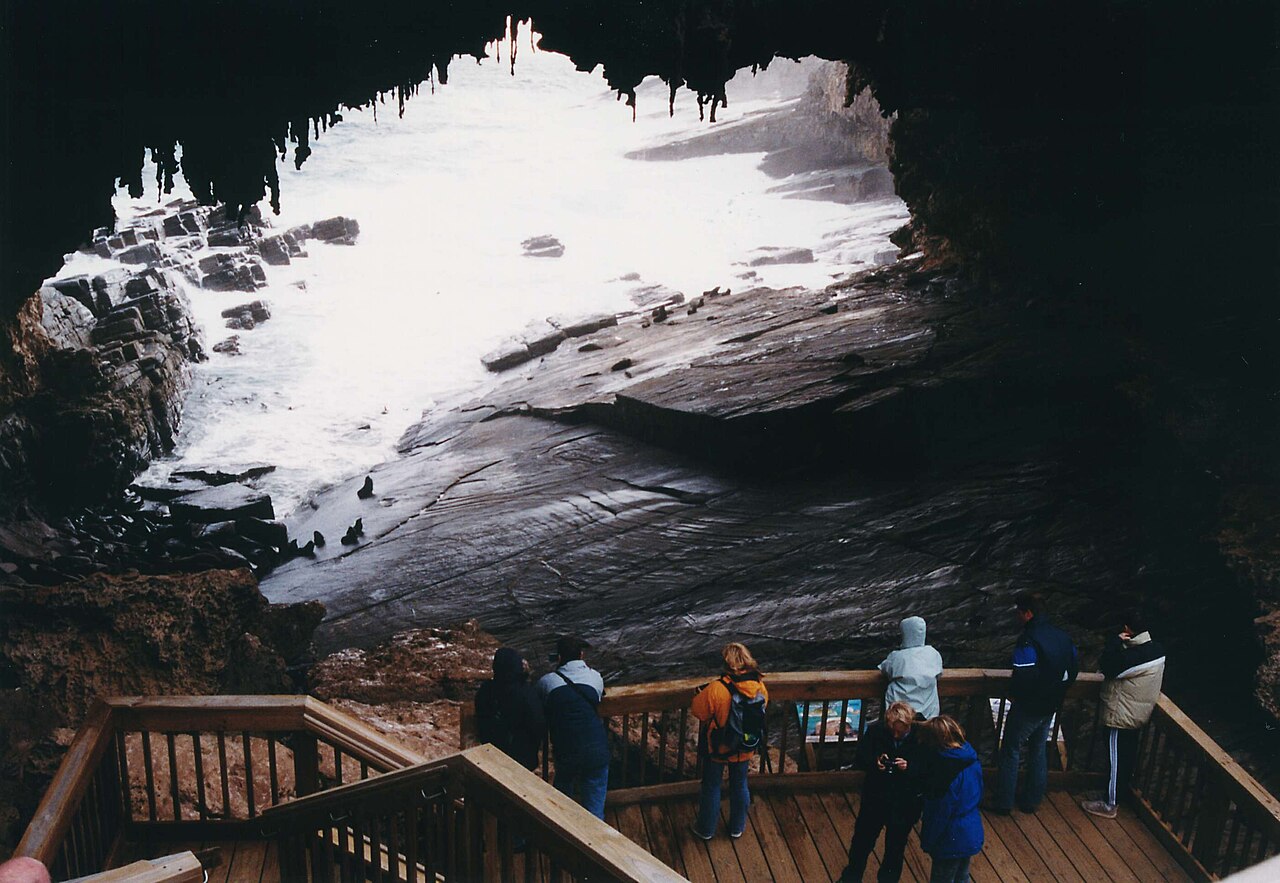
A few minutes away, a boardwalk leads down the cliffs at Cape du Couedic to Admirals Arch, a natural rock arch hung with stalactite-like formations, where long-nosed fur seals laze on the rocks below. The 2km Cape du Couedic hike loops around the headland in about 40 minutes, past the Cape du Couedic lighthouse, and Weirs Cove, part of the old lightstation story, is close by. Both Admirals Arch and Remarkable Rocks can close in severe weather.
Back east, via the Wildlife Park
From the park it is a long drive back east, so leave Flinders Chase by late morning. On the way, Kangaroo Island Wildlife Park is open from 9:30am to 5pm daily, with entry at A$37 for adults, A$22 for children and A$105 for a family. Koala holding costs A$50 per person at 10:45am, 1:30pm and 3:45pm (children must be over 140cm), and there are koala talks at 11am, 2pm and 4pm. The Raptor Domain birds of prey presentations run at 11:30am and 2:30pm.
Closer to Kingscote, Kangaroo Island Spirits, which describes itself as Australia’s first dedicated gin distillery, founded on the island in 2006, has a cellar door with bookable experiences. Then continue to Penneshaw for the evening ferry, allowing plenty of time and not driving the last stretch in a hurry at dusk.
The honest verdict on Day 3: it works, but it is long, and the drive from Flinders Chase to the evening ferry eats most of the afternoon. If you can, add a final night in Kingscote and take the ferry the next day. The north coast beaches, such as Emu Bay and Stokes Bay, are lovely and easy to add with that extra morning.
The alternative return: the north coast
If you have the extra night in Kingscote, return from Flinders Chase along the north of the island instead of the way you came. A detour to Cape Borda Lightstation in the north-west, built in 1858 and free to visit on a self-guided tour, takes you to some of the island’s least-visited coast. From there, the roads east pass turn-offs to the north coast beaches before reaching Kingscote. Allow plenty of time: parts of this side of the island are unsealed.
Where to Stay Each Night
- Night 1, Kingscote or American River: Kingscote has the widest choice and the most places to eat; American River is quieter and a little closer to Penneshaw.
- Night 2, the west: stay as close to Flinders Chase as you can, around the park’s edge or the south-west coast. This is the night that makes the itinerary work: without it, Day 3 starts with a long drive. Book it first.
- Optional night 3, Kingscote: turns Day 3 from a dash into a pleasure.
Penneshaw itself suits a late arrival on the evening ferry, but it is the wrong end of the island for this route.
A Rough Budget for Three Days
Excluding the ferry, car hire and accommodation, which vary most, here is what the sights in this itinerary cost one adult:
| Item | Adult cost |
|---|---|
| National parks sites (Flinders Chase two-day, Seal Bay, Cape Willoughby tour, Kelly Hill) | A$94.30 |
| Kangaroo Island Wildlife Park entry | A$37 |
| Koala holding (optional) | A$50 |
| Little Sahara sandboarding (optional) | Check the centre’s prices when you book |
| Fuel | Budget for a full tank and a top-up; the route covers the island end to end |
In other words, the paid sights cost roughly A$130 to A$180 per adult over three days. The big costs are getting your car across and the beds, which is why the cheapest way to see more of the island is to stay longer rather than to rush.
Short on Time? A Two-Day Version
If you only have two days, cut the east. Take an early ferry, drive straight to Seal Bay, then Little Sahara and on to the west for the night, with the Platypus Waterholes at dusk. Spend the next morning at Remarkable Rocks and Admirals Arch, and drive back to Penneshaw for the evening ferry. You will miss Cape Willoughby and Kelly Hill, and it is a lot of driving, but it gets the three sights that matter most.
Four or Five Days?
With a fourth day, slow down Day 3 as above, and spend a morning on the north coast: Emu Bay for a swim, Stokes Bay, and the lookouts along the way. With a fifth, split Day 2 so you are not rushing Seal Bay, Little Sahara and Kelly Hill, and drive out to Cape Borda Lightstation in the north-west, which was built in 1858 and is free to visit on a self-guided tour.
For walkers, the Kangaroo Island Wilderness Trail runs 66km over five days through Flinders Chase and along the south-west coast. It is a Class 4 walk, best between March and November, booked through National Parks SA, which lists fees and campsites on the trail’s own page.
Wildlife: What You Will See, and Where
Kangaroo Island’s reputation rests on its animals, and the island has an advantage most of the mainland lacks: it remains free of foxes and rabbits under strict biosecurity rules. This itinerary passes the best places for each:
- Australian sea lions: Seal Bay, from the boardwalk. This is one of the island’s must-see sights.
- Long-nosed fur seals: on the rocks below Admirals Arch at Cape du Couedic.
- Kangaroos and wallabies: almost everywhere at dawn and dusk, especially around Flinders Chase and the farmland of the west. This is also why you should not drive at night.
- Koalas: at Kangaroo Island Wildlife Park, with talks and paid koala holding.
- Birds of prey: the free-flight presentations at Raptor Domain, at the Wildlife Park.
- Ligurian bees: the island’s protected bee population, and the honey, at Clifford’s.
- Whales: mostly southern right whales, passing the coast from mid-May to late October. Watch from the southern and western headlands.
A few rules of thumb: keep your distance from sea lions and seals, never feed wildlife, and keep to the boardwalks, which exist as much to protect the animals as the visitors.
Kangaroo Island with Kids
The itinerary works well for families with a couple of tweaks. Pick up the free Kangaroo Island Parks Passport, a stamp book for children, at Cape Willoughby, Seal Bay, Flinders Chase, Kelly Hill Caves or the Kingscote NPWS office. Little Sahara and the Wildlife Park are the obvious highlights for children, and the Seal Bay boardwalk is accessible for prams. Keep drives short by taking the four-day version, and remember that koala holding is limited to children over 140cm. For more wildlife ideas closer to the city, see Adelaide wildlife experiences for families.
Six Mistakes to Avoid
- Staying in Penneshaw every night. It is convenient for the ferry and wrong for everything else. The west is where the itinerary needs you to sleep.
- Underestimating the distances. Flinders Chase is 110km from Kingscote and further from the ferry. Look at the map before you book your ferry times.
- Driving at dusk. The animals you came to see are on the road at exactly the time you are tired and heading for dinner.
- Turning up at Kelly Hill without a booking. Entry is by guided tour only.
- Expecting to walk among the sea lions. Seal Bay’s beach access is paused to protect the colony; the boardwalk is the visit, and the Seal Bay page on parks.sa.gov.au shows any change.
- Relying on your phone. Coverage drops away in the west, so download maps and save your booking confirmations before you leave Kingscote.
When to Go
For long-term average temperatures, see the Bureau of Meteorology’s climate statistics for Kingscote.
- Spring and autumn are the sweet spots: mild days, wildlife active, and fewer people than in summer.
- Summer is beach season and a busy time on the ferry. Check fire danger ratings, and expect lighthouse tours to be shortened in extreme heat.
- Winter is quiet and often wild, and whales pass the coast from mid-May to late October, mostly southern right whales. Some restaurants take a winter break, so check before you go.
For the bigger picture across the state, see our best time to visit Adelaide.
Frequently Asked Questions
Is three days enough on Kangaroo Island?
Three days covers the headline sights, Seal Bay, Remarkable Rocks and Admirals Arch included, if you stay in the west on the second night. Four or five days is more relaxed, and the island’s tourism body suggests five for the main sights.
Do you need a car on Kangaroo Island?
Yes, unless you join a tour. There is no conventional public transport or taxi network, and the sights are spread over an island about 155km long.
How much is entry to Flinders Chase National Park?
A$14.90 per adult for one day or A$22.40 for two consecutive days, with child, concession and family rates. Fees are valid until 30 June 2027.
Can you walk on the beach at Seal Bay?
No. Beach access is paused to protect the sea lion colony, and visits are on the 900m boardwalk, which costs A$20.70 for adults and needs no booking.
Is the Kangaroo Island Tour Pass worth it?
Not on a typical three-day trip. At A$95 for an adult, it costs slightly more than buying entry to each site it covers separately.
Where should you stay on Kangaroo Island?
Kingscote or American River for the first night, and as close to Flinders Chase as possible for the second. Staying in the west is what makes a three-day itinerary work.
When is the best time to visit Kangaroo Island?
Spring and autumn for mild weather and fewer crowds; mid-May to late October if you want a chance of seeing whales.
Related Adelaide Guides
- Kangaroo Island from Adelaide
- Fleurieu Peninsula guide
- South Australia road trips
- National parks near Adelaide
- Wildlife experiences near Adelaide
- Car rental in Adelaide
Photo Credits
Remarkable Rocks: “Kangaroo Island – Remarkable Rocks.jpg” by Roo72, via Wikimedia Commons, CC BY-SA 2.0 de.
The road to Cape Willoughby Lightstation: “Australia kangaroo island cape willoughby.jpg” by Inas, via Wikitravel Shared and Wikimedia Commons, Public domain.
Sea lions at Seal Bay: “Kangaroo island seals.jpg” by Moongateclimber, via Wikimedia Commons, CC BY-SA 3.0.
Little Sahara: “LittleSahara 0788.jpg” by Mike Lehmann, via Wikimedia Commons, CC BY-SA 3.0.
Admirals Arch: “Admirals arch kangaroo island.jpg” by Moongateclimber, via Wikimedia Commons, CC BY-SA 3.0.