There are two ways to drive between Adelaide and Melbourne, and they could hardly be more different. One is a long, flat, efficient day of wheat silos, roadhouses and country towns along the inland highways. The other follows the coast: pelicans on the Coorong, crayfish boats at Robe, a crater lake that turns a startling blue in summer, and then the limestone cliffs and stacks of the Great Ocean Road. An Adelaide to Melbourne road trip can be a day in the car or one of the best week-long drives in the country, and the choice is really about how much time you have.
This guide compares the inland, coastal and Grampians routes, explains how many days each needs, and walks through the stops worth making on the South Australian and Victorian sides. It also covers the rules for carrying fruit across the border, the new booking system at the Twelve Apostles, The Overland train as an alternative, and when to go. Details were checked in November 2026 against Parks Victoria, the Great Ocean Road Coast and Parks Authority, Primary Industries and Regions SA, Journey Beyond and the operators themselves; treat prices as the right order of magnitude and check before you travel.
The Routes at a Glance
| Route | Main roads and towns | Time to allow | Best for |
|---|---|---|---|
| Inland (direct) | Dukes Highway and Western Highway via Tailem Bend, Bordertown, Horsham and Ballarat | One long day, or two easy ones | Getting there; the shortest road route, about 731km |
| Coastal | The Coorong, Robe, Mount Gambier, Port Fairy, Warrnambool and the Great Ocean Road | Four to seven days | A proper holiday; the scenic choice |
| Grampians | Inland route with a detour to Halls Gap and the Grampians (Gariwerd) | Three to four days | Walkers, and anyone who has done the coast before |
Tourism Australia gives the Adelaide–Melbourne road distance as 731km, which is the direct inland route. The coastal route is considerably longer, and the Great Ocean Road itself is slow, winding driving. For live driving times on any of these, use a route planner on the day: roadworks and traffic, especially on the Great Ocean Road in summer, change them a lot.
Before You Set Off
The fruit fly rules (this one matters)
South Australia is strict about fruit fly, and the rules apply to anyone driving into the state from Victoria, so they matter on the return trip or if you are doing the drive Melbourne to Adelaide. Under Primary Industries and Regions SA’s rules, you cannot bring fresh fruit, avocados or fruiting vegetables such as tomatoes, capsicums, chillies and eggplants into South Australia from Victoria, and soil and grapevines are banned too. Leafy and root vegetables free of soil, dairy, meat, eggs and cooked or processed food are allowed. For potatoes and honey, call the hotline (1300 666 010, 24 hours).
Eat or dispose of anything restricted before the border: there are quarantine bins at road entry points, and you can be fined at the Yamba quarantine station on the Sturt Highway or at random roadblocks. A receipt does not make at-risk produce acceptable. The rules change during outbreaks, so check fruitfly.sa.gov.au before you travel.
The clocks
South Australia runs half an hour behind Victoria all year, since both states observe daylight saving. Remember it when you book accommodation check-ins, a Twelve Apostles slot or the train, because a timetable printed in local time can look half an hour out if you are not expecting it.
The car
Most of both routes is sealed highway, but this is long-distance driving through farmland and forest where kangaroos are a real hazard at dawn and dusk. Plan to drive in daylight, stop every couple of hours, and share the driving if you can. If you are hiring, check whether a one-way fee applies to dropping the car in the other city; our car rental guide and driving in South Australia cover the basics.
Route 1: The Inland Route
This is the road the trucks take. Out of Adelaide over the Hills on the South Eastern Freeway, across the Murray at Murray Bridge, then the Dukes Highway through Tailem Bend, Keith and Bordertown to the border. In Victoria it becomes the Western Highway through Nhill, Dimboola, Horsham, Stawell and Ararat to Ballarat, and on into Melbourne. The Overland train follows much the same corridor, stopping at Murray Bridge, Bordertown, Nhill, Dimboola, Horsham, Stawell, Ararat and Geelong.
The honest verdict: it is a means to an end. The scenery is mostly flat farmland and country towns. If you need to get from one city to the other, it is the obvious choice, and it is perfectly doable in a day if you start early and share the driving. On your own, break it in Horsham or Ballarat. Ballarat is the better overnight stop, with its gold-rush streetscapes and plenty of places to eat, and it leaves you a short run into Melbourne the next morning.
Route 2: The Coastal Route
This is the road trip people actually mean when they talk about driving to Melbourne. It runs down the South Australian coast to Mount Gambier, then crosses into Victoria and follows the coast through Port Fairy and Warrnambool before joining the Great Ocean Road for the final run to Torquay and Melbourne. Mount Gambier is roughly the midpoint, about 450km from Adelaide and 435km from Melbourne by the direct roads.
The South Australian leg: the Coorong to Mount Gambier
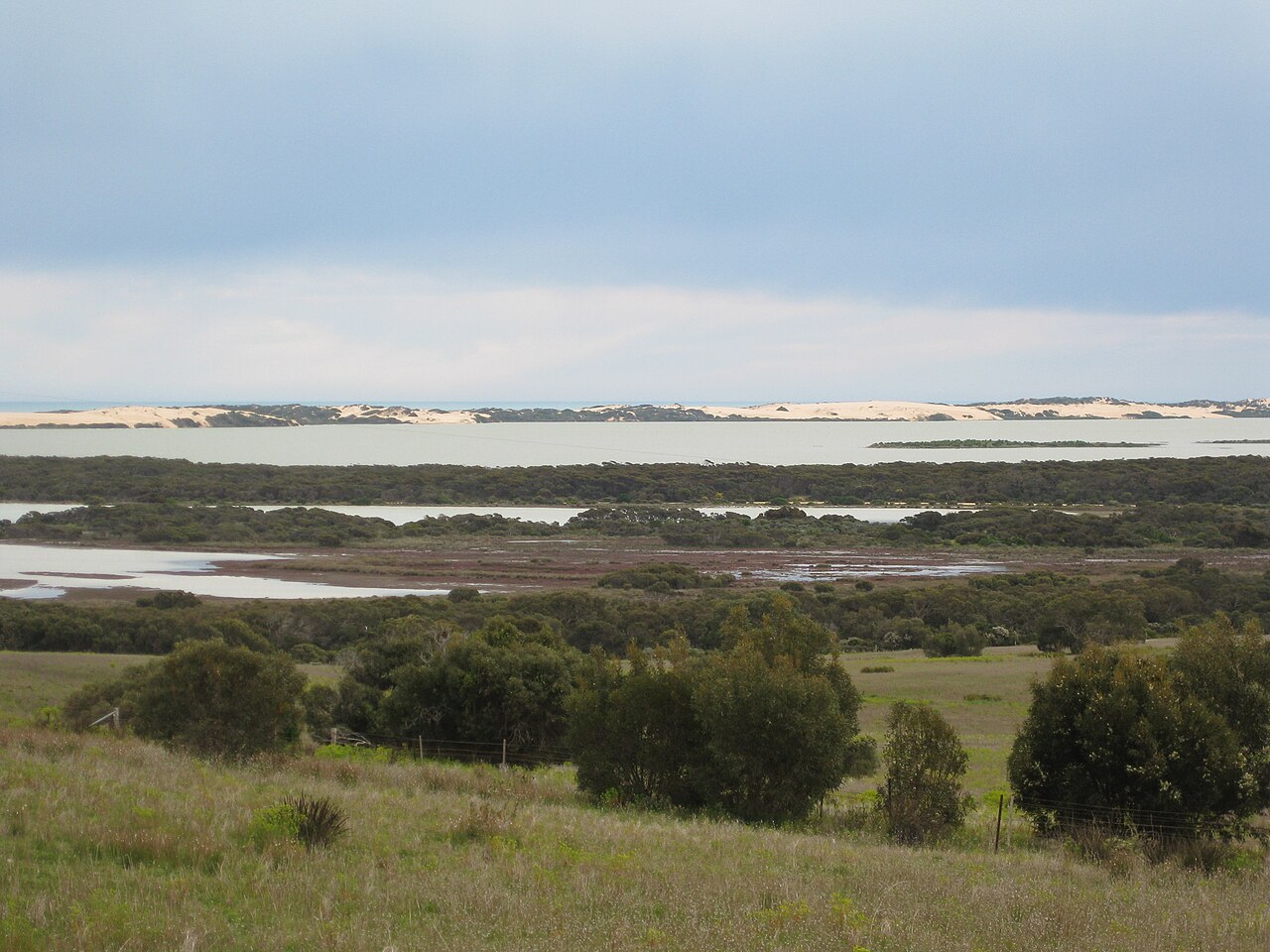
The Coorong. From Tailem Bend, the Princes Highway runs south along the Coorong, a long, shallow lagoon behind the dunes of the Younghusband Peninsula, rich in waterbirds. Coorong National Park is open daily, about 173km from Adelaide, with camping from A$12.30 a night paid before you arrive. Parks SA has warned about erosion and dune collapse on Ocean Beach, so driving on the beach there is a high-risk business; stick to the lookouts and walks unless you know what you are doing.
Kingston SE. The town is known for Larry, the giant roadside lobster. It is a fun photo stop, but check locally what is open around it before you plan lunch there.
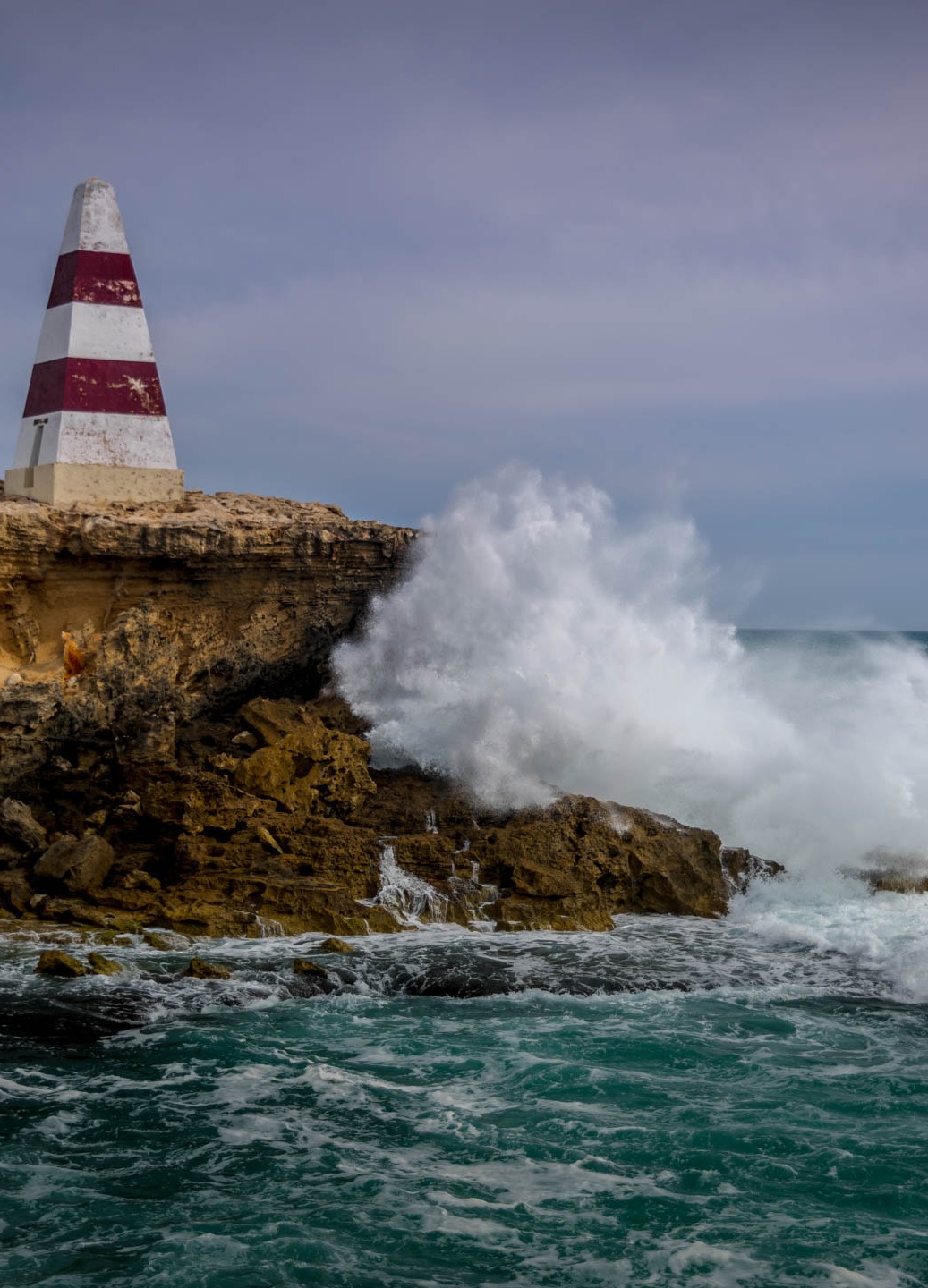
Robe. About three and a half hours from Adelaide, Robe is one of the most appealing towns on the South Australian coast and the natural first overnight stop. It is an old port with a strong crayfish connection, heritage stone buildings, good beaches and cafes. Its red-and-white Obelisk on Cape Dombey was built in 1855 as a navigation marker, stands 12m high and is threatened by coastal erosion; park at the Old Gaol and walk out to see it.
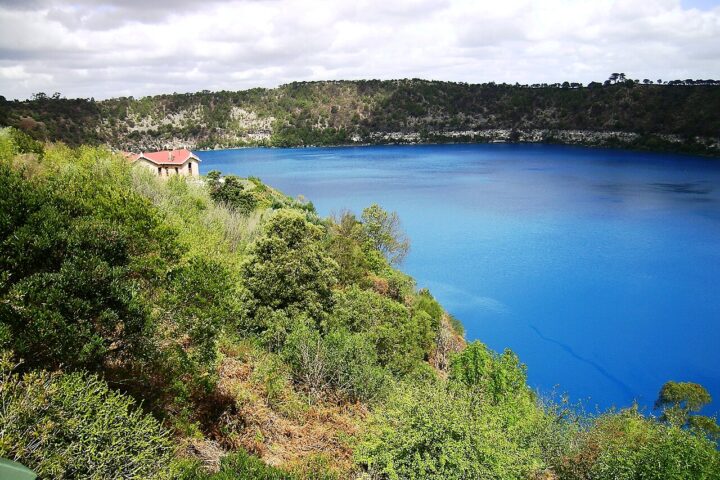
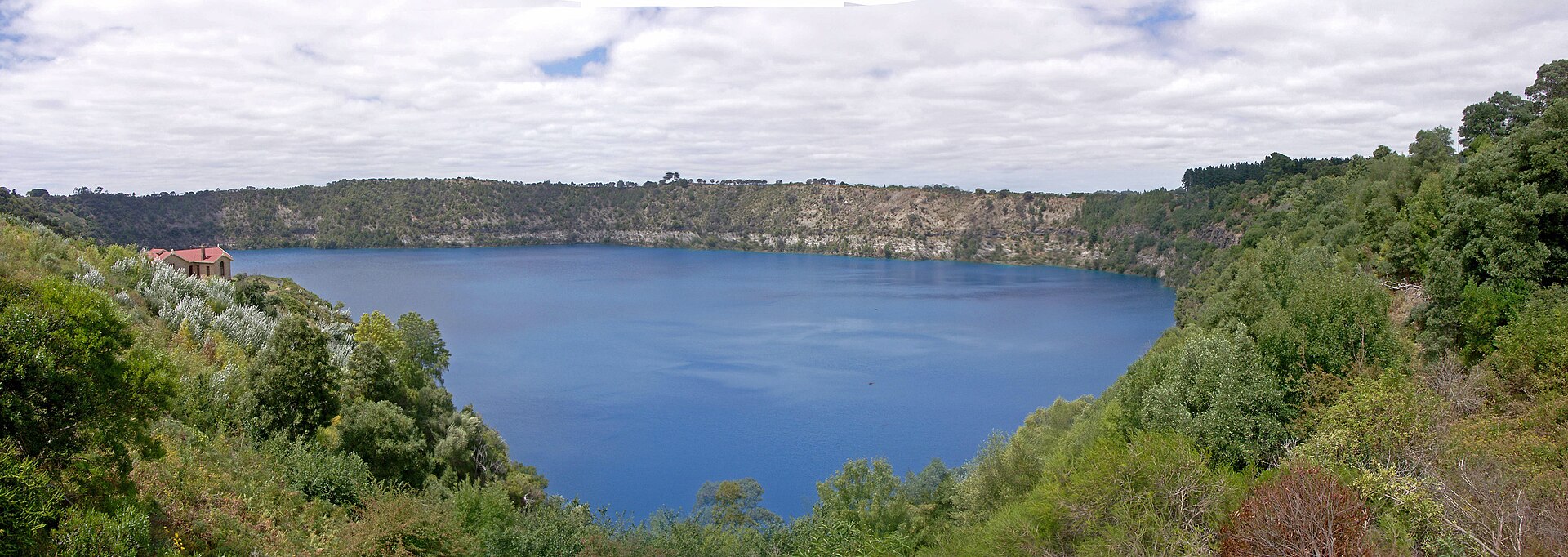
Mount Gambier. The city sits on the slopes of a dormant volcano, and its craters and sinkholes are the reason to stop. The Blue Lake (Warwar) has a 3.6km road and walking track around the rim, and from November until late February its darker winter blue turns an intense turquoise, so this route is at its best for the lake in summer. Umpherston Sinkhole (Balumbul) is a sunken garden reached by a steep staircase, and Engelbrecht Cave runs 30-minute guided tours for A$22 an adult. Our Mount Gambier guide has more, and the Limestone Coast road trip covers the whole region, including the Naracoorte Caves and the Coonawarra wineries.
Detour: Naracoorte and Coonawarra
Between Robe and Mount Gambier, it is well worth swinging inland for a day. The Naracoorte Caves are part of the Australian Fossil Mammal Sites, inscribed on the UNESCO World Heritage List in 1994 together with Riversleigh in Queensland. Entry to the park is free and tours cost extra: the self-guided Stick-Tomato Cave is A$13.50 for adults, and the guided Alexandra Cave tour, at 9:30am and 1:30pm, is A$28.50. Novice adventure caving tours are available for anyone aged 8 and over who wants to crawl.
Just south, Coonawarra is famous for cabernet sauvignon grown on its strip of red soil, about a 40-minute drive north of Mount Gambier. Wynns Coonawarra Estate on Memorial Drive is the classic cellar door, open from 10am daily, and Penola, the town at the centre of the region, has the Mary MacKillop Penola Centre (A$8 general admission), telling the story of Australia’s first saint. A night in Penola or Coonawarra turns the coastal route into a wine trip too.
The Victorian leg: Port Fairy to Torquay
Once you cross the border, the road heads for the coast again. Distances below are the Great Ocean Road tourism body’s figures from Melbourne, which make it easy to judge how far you have left.
- Port Fairy (285km from Melbourne): a historic fishing port of cottages and boats, with a walk around Griffiths Island. It is a pretty stop at the western end and a lovely overnight.
- Warrnambool (257km): the main city on this stretch, with wide beaches and a whale nursery. Whales visit this coast from May to September, so time the drive for winter if seeing them matters to you.
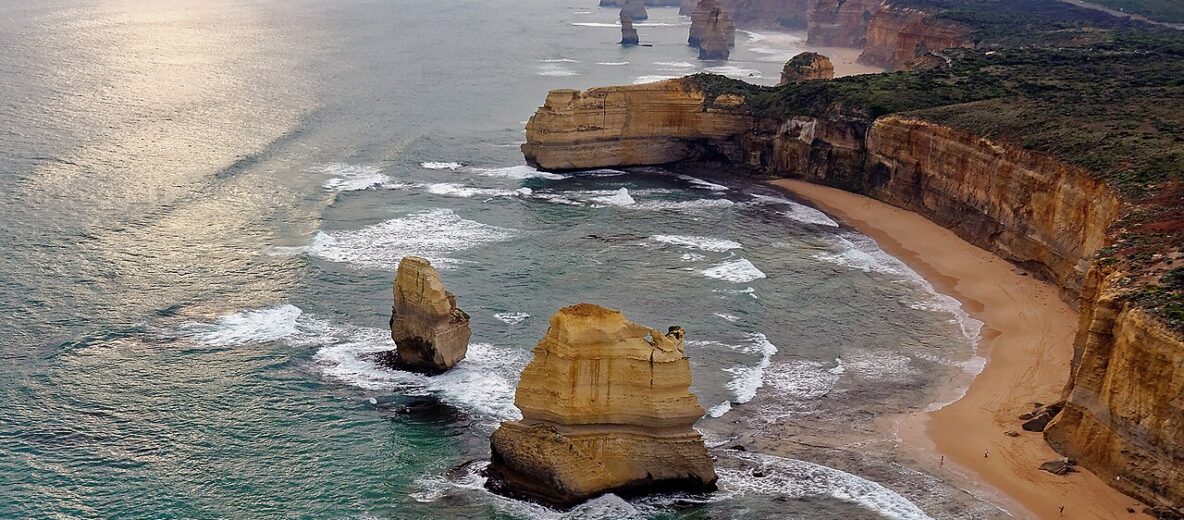
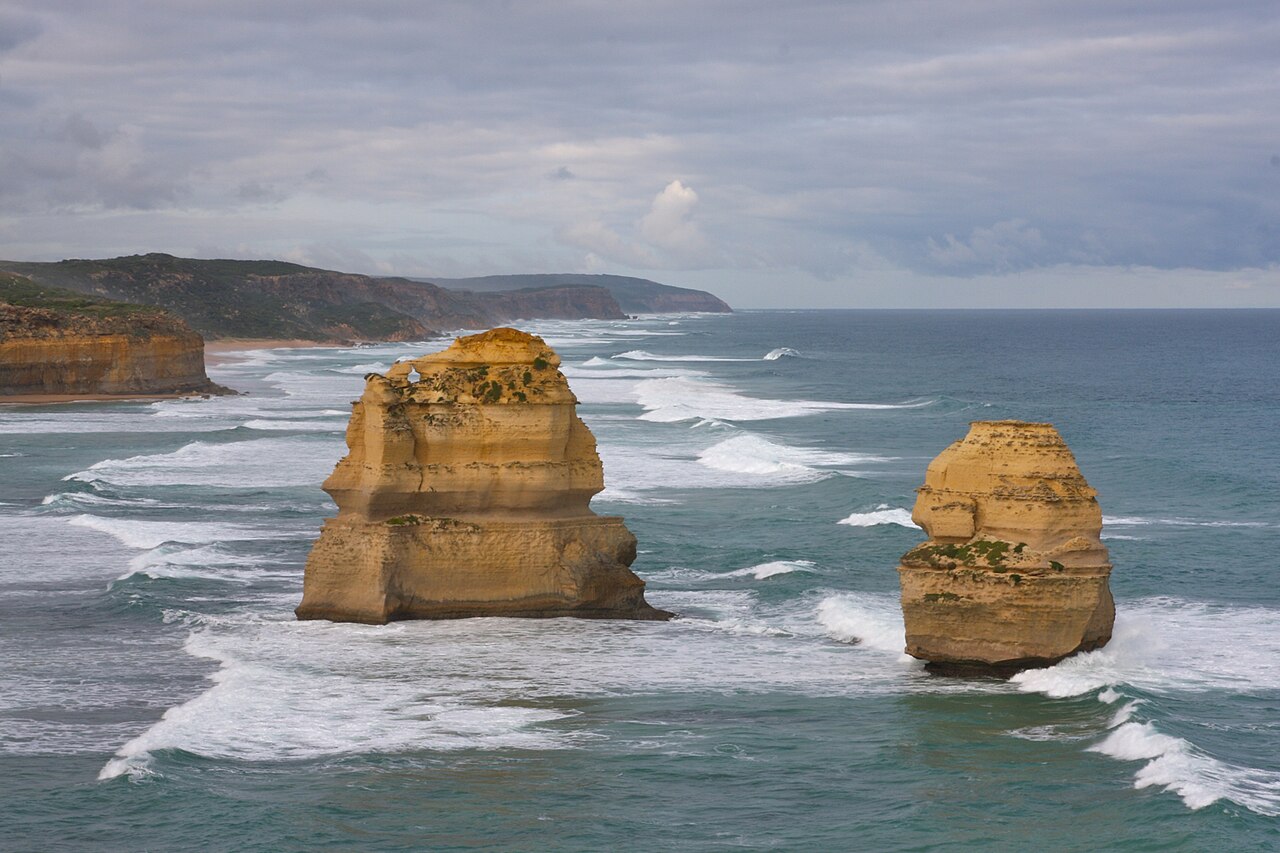
- The Twelve Apostles (227km): the limestone stacks are the headline sight of the whole trip. See the section below on booking.
- Apollo Bay (187km): a fishing village between green hills and the sea, and a good overnight before the Otways and the winding coast road east.
- Lorne (143km): a seaside village framed by the Otway Ranges.
- Torquay (104km): the surf town at the eastern end, near Bells Beach, about an hour and a half from Melbourne.
The Twelve Apostles now need a booking
This is the change most older guides miss. The new Keerray Woorroong Visitor Centre at the Twelve Apostles opened to visitors on 16 October 2026, with a cafe, kiosk, gallery, a rooftop lookout and parking for more than 950 vehicles. Visitors now need to book before they arrive and to secure a parking space. Booking is free until April 2027, and a fee is then introduced. The precinct is open daily from 8am to 8pm. Book through the official Twelve Apostles site (twelveapostles.org.au) once you know which day you will be passing.
Nearby, beach access at Gibson Steps was reopened in February 2026 after a closure, while beach access at Loch Ard Gorge had been closed with no reopening date announced; the lookouts above it are the reason to stop anyway. Check the Great Ocean Road Coast and Parks Authority’s site for current access.
Cape Otway Lightstation
Between the Twelve Apostles and Apollo Bay, a side road runs down through the Otways to Cape Otway Lightstation, where the 1848 lighthouse stands above the cliffs with keepers’ quarters, an 1859 telegraph station and a Second World War radar bunker. Climbs of the lighthouse tower are unavailable during conservation works, and tickets are sold on arrival only. While the tower is closed, the lightstation is charging reduced rates of A$11 for adults, A$5 for children aged 5 to 16 and A$28 for a family, against standard prices of A$22, A$9 and A$56. Check its opening hours before you make the detour.
Which way to drive the Great Ocean Road
Driving from Adelaide, you meet the Great Ocean Road from the west and drive it eastbound, which puts the ocean on the far side of the road. Pulling across traffic into the lookouts is a nuisance on a busy day, so be patient and use the marked turn-offs. Some people prefer to do this route in reverse, Melbourne to Adelaide, for exactly that reason. Either way, the road between Apollo Bay and Torquay is narrow and winding, so allow far more time than the distance suggests.
Route 3: The Grampians Variation
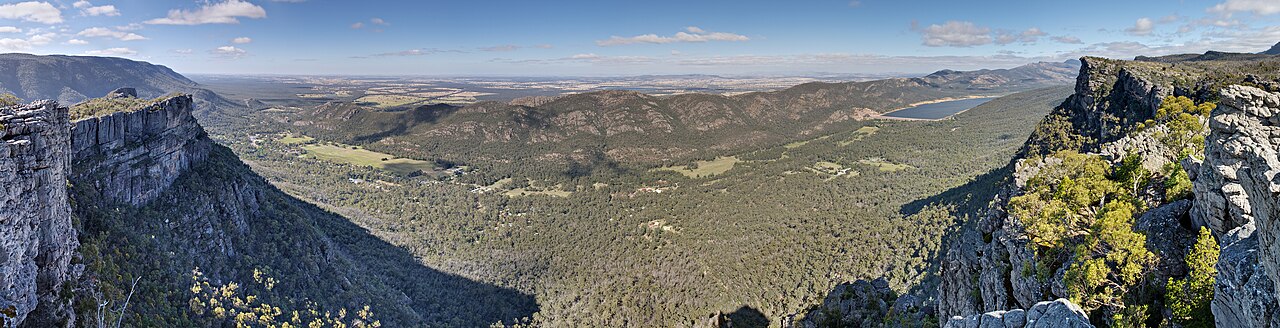
If you have done the coast before, or you would rather walk than look at the sea, take the inland route and detour to Halls Gap in the Grampians (Gariwerd). The sandstone ranges rise suddenly out of the plains, with lookouts, waterfalls and some of Victoria’s best day walks. From the Western Highway, the turn-off at Stawell or Ararat gets you there, and you can return to the highway or continue south through Dunkeld towards the coast.
Bushfires in recent years mean some walks have been affected, so check Parks Victoria’s “what is open in the Grampians” page before you go. Among the details to know:
- MacKenzie Falls: construction works began in February 2026 and are expected to finish at the end of 2026. Until they are complete, the base of the falls cannot be reached on the Mackenzie River Walk from Zumsteins.
- The Pinnacle: the classic lookout over Halls Gap, reached on walks from the Sundial and Wonderland car parks.
- Brambuk: the National Park and Cultural Centre in Halls Gap is the place to start, for walk advice and the Aboriginal history of Gariwerd. Check its current hours before you go.
- Fire danger: the MacKenzie Falls precinct closes on Catastrophic fire danger days.
Where to Stay Along the Way
You do not need to book every night far ahead outside the summer holidays and Easter, but the coastal towns fill up quickly in January, so book those nights first.
- Robe: the best first night on the coastal route, with holiday rentals, motels and B&Bs within walking distance of the main street and the beach.
- Mount Gambier: a big choice of motels and hotels, and good if you arrive late.
- Penola or Coonawarra: cottages and B&Bs among the vineyards if you take the inland detour.
- Port Fairy: heritage cottages and guesthouses in a lovely small town; book ahead in summer.
- Apollo Bay or Lorne: the obvious bases for the eastern Great Ocean Road. Apollo Bay is quieter and better placed for Cape Otway and the Twelve Apostles.
- Halls Gap: the base for the Grampians, with everything from caravan parks to lodges.
- Ballarat: the easy overnight on the inland route, close enough to Melbourne for a short final morning.
Doing It in Reverse: Melbourne to Adelaide
Everything in this guide works the other way round, and there is a case for it. Driving the Great Ocean Road westbound puts the ocean on your side of the road, so the lookouts are easier to pull into, and you finish the trip with the quieter South Australian coast. The catch is the fruit fly rules: you will be crossing into South Australia, so finish or bin any fresh fruit and fruiting vegetables before the border, and do not stock up at a Victorian farm gate on the last day.
How Many Days Do You Need?
The quick answer: one or two days for the inland route, five for the coast done properly, and seven if you want the coast and the Grampians.
Two days, inland
Day 1: Adelaide to Horsham or Ballarat, with coffee at Murray Bridge and lunch at Bordertown. Day 2: On to Melbourne, with a morning in Ballarat if you stayed further back.
Five days, coastal
- Day 1: Adelaide to Robe via the Coorong. Stop at the lookouts, have lunch in Meningie or Kingston, and watch the sunset from the Obelisk.
- Day 2: Robe to Mount Gambier. The Blue Lake, Umpherston Sinkhole and a cave tour.
- Day 3: Mount Gambier to Port Fairy, with an afternoon on Griffiths Island.
- Day 4: Port Fairy to Apollo Bay via Warrnambool, the Twelve Apostles (booked) and Cape Otway.
- Day 5: Apollo Bay to Melbourne on the winding coast road through Lorne and Torquay.
Seven days, coast and Grampians
Add a night at Naracoorte or Penola after Robe, for the caves and a Coonawarra cellar door, and swap Port Fairy for two nights in Halls Gap, then rejoin the coast at Warrnambool via Dunkeld. Or do the Grampians on the way back to Adelaide, which keeps the coast for the outbound leg.
The honest verdict: doing the coastal route in two days is a mistake. You will drive past almost everything worth stopping for. If you only have two days, take the inland route and save the coast for a trip when you can give it five.
What It Costs Along the Way
Fuel and accommodation are the big costs, and both depend on your car and your taste. The paid stops are modest. A sample of what you will pay at the places in this guide, checked November 2026:
| Stop | Price |
|---|---|
| Coorong National Park camping | From A$12.30 a night |
| Naracoorte Caves: Stick-Tomato Cave (self-guided) | A$13.50 adult |
| Naracoorte Caves: Alexandra Cave (guided) | A$28.50 adult |
| Mary MacKillop Penola Centre | A$8 |
| Engelbrecht Cave, Mount Gambier | A$22 adult, A$11 child |
| Blue Lake | Free to visit |
| Twelve Apostles booking | Free until April 2027, then a fee |
| Cape Otway Lightstation (reduced rate while the tower is closed) | A$11 adult, A$28 family |
| The Overland, Adelaide to Melbourne | From A$160–A$165 one way |
The Overland and Other Alternatives
If you would rather not drive, The Overland train runs between Adelaide and Melbourne twice a week, operated by Journey Beyond. It leaves Adelaide on Sundays and Thursdays and Melbourne on Mondays and Fridays. On the 2027 timetable, it departs Adelaide at 7:45am on Sundays and 6:55am on Thursdays, arriving in Melbourne at 6:50pm (local time); the return leaves Melbourne at 8:05am. Fares in 2026 start from A$165 per person in Ready Rail Standard (A$160 in 2027), A$225 in Red Standard and A$375 in Red Premium, and are subject to change.
It is a slow, comfortable day through the same country as the inland route, and a nice way to see it without driving. Flying is far quicker, and our Adelaide Airport guide covers the terminal. If you are deciding between the two cities rather than travelling between them, see Adelaide vs Melbourne.
Staying Safe on the Road
- Fatigue: the inland route is long and monotonous, which is exactly when tiredness creeps up. Stop every two hours, swap drivers, and do not try to push through after dark.
- Wildlife: kangaroos, wallabies and koalas cross the roads in the Otways, the Grampians and the South East, especially at dawn and dusk. Slow down in forested sections.
- The Great Ocean Road: it is narrow, with tight bends and steep drops, and many overseas drivers use it. Keep left, use the pull-over bays to let faster traffic pass, and never stop on the road for a photo.
- Fire danger: in summer, check the fire danger rating each day. Parks close on Catastrophic days, and conditions can change quickly in the bush.
When to Go
- Summer (December to February): long days and warm weather, the Blue Lake at its brightest, and a busy Great Ocean Road. Book accommodation and your Twelve Apostles slot early, and check fire danger ratings before bush walks.
- Autumn (March to May): settled weather and fewer crowds; a very good time for the coast and the Grampians.
- Winter (June to August): cool, wet and windy on the coast, but this is whale season from May to September, and the towns are quiet.
- Spring (September to November): green country, wildflowers in the Grampians, and the last of the whales early in the season.
Frequently Asked Questions
How long is the drive from Adelaide to Melbourne?
The direct inland route is about 731km, and can be driven in a long day. The coastal route via Mount Gambier and the Great Ocean Road is much longer and slower, and is best spread over four to seven days.
How many days do you need for an Adelaide to Melbourne road trip?
One or two days on the inland route, five days for the coastal route at a comfortable pace, and about a week if you add the Grampians.
Is the coastal route worth it?
Yes, if you have at least four days. The Coorong, Robe, Mount Gambier’s Blue Lake, Port Fairy and the Twelve Apostles make it one of Australia’s great drives. It is not worth it squeezed into two days.
Can you take fruit from Victoria into South Australia?
No fresh fruit, avocados or fruiting vegetables such as tomatoes and capsicums, under PIRSA’s fruit fly rules. Eat or dispose of them before the border; fines apply at the Yamba quarantine station and at random roadblocks.
Do you need to book the Twelve Apostles?
Yes. Since the new visitor centre opened in October 2026, visitors book before arriving. Booking is free until April 2027, after which a fee applies.
Does The Overland still run?
Yes. It runs twice a week each way, leaving Adelaide on Sundays and Thursdays, with fares from A$160 to A$375 depending on class and year.
What is the best stop between Adelaide and Melbourne?
On the coast, Robe and Port Fairy are good overnight towns, and the Twelve Apostles is the headline sight. Inland, Ballarat is a good place to break the trip.
Related Adelaide Guides
- South Australia road trips
- Limestone Coast road trip
- Mount Gambier guide
- Langhorne Creek and Coonawarra
- Goolwa, the Murray Mouth and the Coorong
- Adelaide vs Melbourne
- Car rental in Adelaide
- Driving in South Australia
Photo Credits
The Twelve Apostles from above: “The Twelve Apostles 2011.jpg” by Michael J Fromholtz, via Wikimedia Commons, CC BY-SA 4.0.
The Coorong: “The Coorong.JPG” by Hullwarren, via Wikimedia Commons, CC BY-SA 3.0.
The Robe Obelisk: “Robe Obelisk (124048799).jpeg” by Shav Bird, via Wikimedia Commons, CC BY 3.0, cropped.
The Grampians from The Pinnacle: “Grampians Panorama from Pinnacle Edit 1 – Nov 2008.jpg” by Diliff, via Wikimedia Commons, CC BY-SA 3.0.
The Twelve Apostles from the shore: “Twelve Apostles, Victoria, Australia-2June2010 (1).jpg” by Jan from Singapore, Singapore, via Wikimedia Commons, CC BY 2.0.