South Australia’s south-east corner is built on limestone, and once you know that, the whole region makes sense. Rainwater has spent hundreds of thousands of years dissolving it into caves full of fossils, sinkholes deep enough to hold a garden, crater lakes that turn an improbable blue, and the red-over-white soil that makes Coonawarra cabernet taste the way it does. A Limestone Coast road trip strings all of it together into a loop from Adelaide: down the coast past the Coorong, through the fishing towns of Robe and Beachport to Mount Gambier, then home through the vineyards and the World Heritage caves at Naracoorte.
This guide lays the loop out as a five-day itinerary, with where to stop, what each stop costs, how long the drives take and the variations if you have less time, or more. Prices, opening hours and park conditions were checked in October 2026 against the operators’ own sites, Parks SA and the South Australian Tourism Commission; treat them as the right order of magnitude and check again before you go.
The Limestone Coast Loop at a Glance
| Day | Route | Overnight | Highlights |
|---|---|---|---|
| 1 | Adelaide – the Coorong – Kingston SE – Robe | Robe | Coorong lagoons, the giant lobster at Kingston, Robe’s harbour |
| 2 | Robe – Beachport – Millicent – Tantanoola – Mount Gambier | Mount Gambier | Robe Obelisk, Beachport jetty, Tantanoola Caves |
| 3 | Mount Gambier, Mount Schank and Port MacDonnell | Mount Gambier | Blue Lake, Umpherston Sinkhole, Engelbrecht Cave, Piccaninnie Ponds walk |
| 4 | Mount Gambier – Penola – Coonawarra | Penola or Coonawarra | Mary MacKillop Penola Centre, cellar doors |
| 5 | Coonawarra – Naracoorte Caves – Adelaide | Home | Victoria Fossil Cave, Wonambi Fossil Centre |
The regional tourism board, Visit Limestone Coast, says you will need at least five days to make the most of the region, and the South Australian Tourism Commission suggests anything from three to seven. Five is a comfortable middle: enough to stop properly at each place without spending the whole trip behind the wheel.
Before You Go: Distances, Direction and Driving
How far is it?
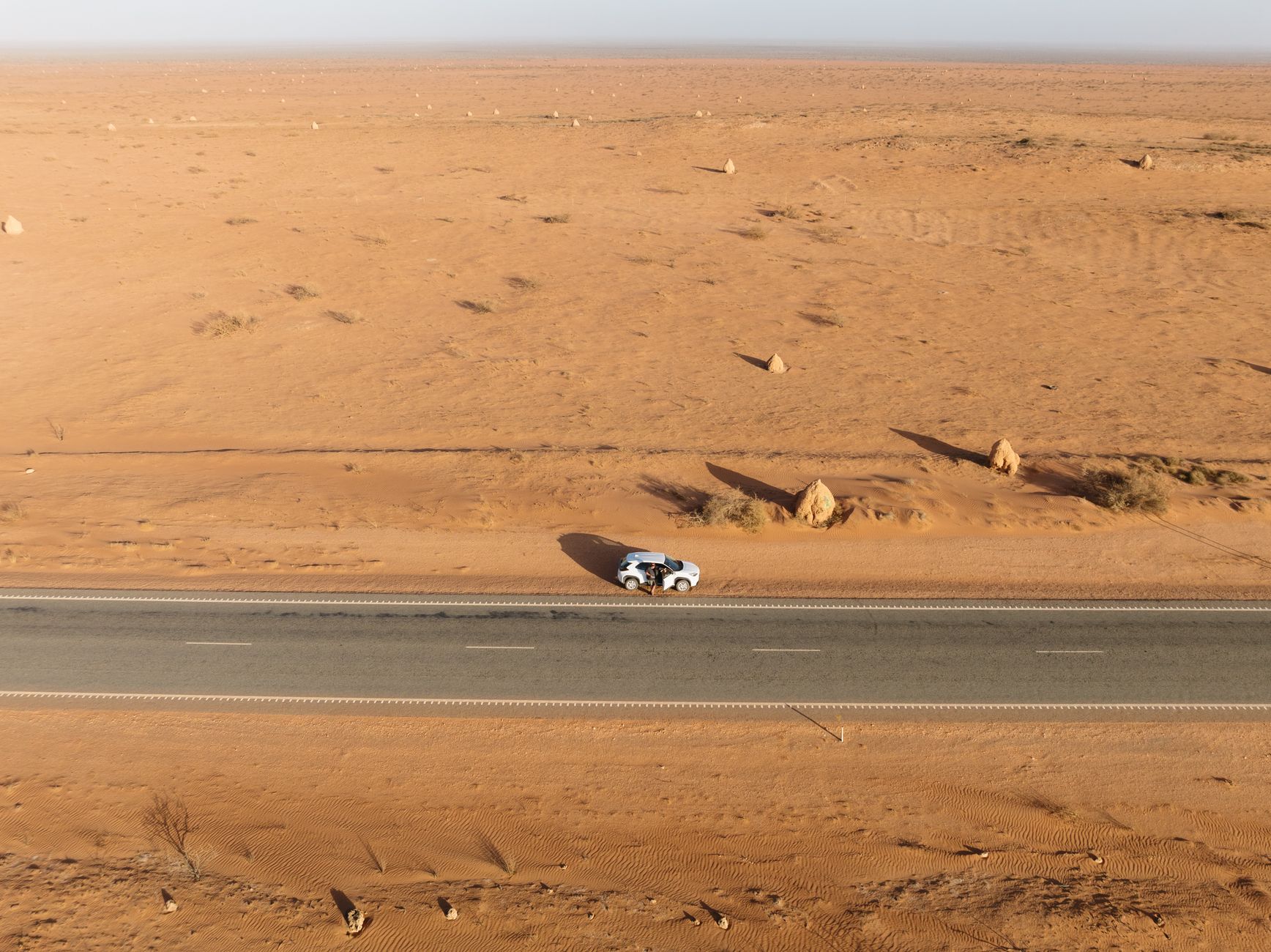
The Limestone Coast is a long way from Adelaide, and that is the main thing to plan around. The South Australian Tourism Commission puts the drive from Adelaide to Robe at about three and a half hours, and the same again to Naracoorte by the inland route, with Naracoorte to Robe about 90 minutes and the final drive back to Adelaide from the region just over four hours. Parks SA lists the Coorong National Park at about 173km from Adelaide, Tantanoola Caves at about 418km and Piccaninnie Ponds, near the Victorian border, at about 466km. Zema Estate in Coonawarra describes the wine region as about 370km from Adelaide, 40 minutes north of Mount Gambier and 25 minutes from Naracoorte Caves.
Those figures give you the shape of the trip: two long driving days at either end, and shorter hops in between. Check each leg in a route planner before you set off, particularly if you are towing a caravan.
Which way round?
This guide goes coast first and inland second, down the Princes Highway through the Coorong and home by the Riddoch and Dukes Highways. It works well that way because the long inland drive home comes after the caves and wineries, when you are happy to just drive. Going the other way puts Naracoorte and Coonawarra first and finishes with the Coorong, which is a lovely last afternoon if you are not in a hurry. Either direction works; the important thing is not to take the Dukes Highway both ways, because it is the dullest part of the trip and you would miss the Coorong entirely.
Driving tips
- Fill up when you can. The towns are well spaced, but on the Coorong stretch in particular it is worth topping up rather than running low.
- Avoid driving at dawn and dusk on country roads, when kangaroos are most active.
- Book ahead in summer and school holidays. Robe in particular fills up in January.
- Do not drive on the Coorong’s ocean beach unless you know what you are doing. Parks SA has a current alert about severe erosion and dune collapse on Ocean Beach and describes beach driving as high risk.
If you are hiring a car, our car rental guide covers the options, and driving in South Australia explains the road rules and country-driving basics.
Day 1: Adelaide to Robe via the Coorong
Leave Adelaide early and head south-east over the Adelaide Hills towards Tailem Bend, where the Princes Highway peels off south towards the coast. From Meningie, on the shore of Lake Albert, the road runs for a long stretch beside the Coorong, a thin chain of salty lagoons separated from the Southern Ocean by the high dunes of the Younghusband Peninsula.
The Coorong National Park
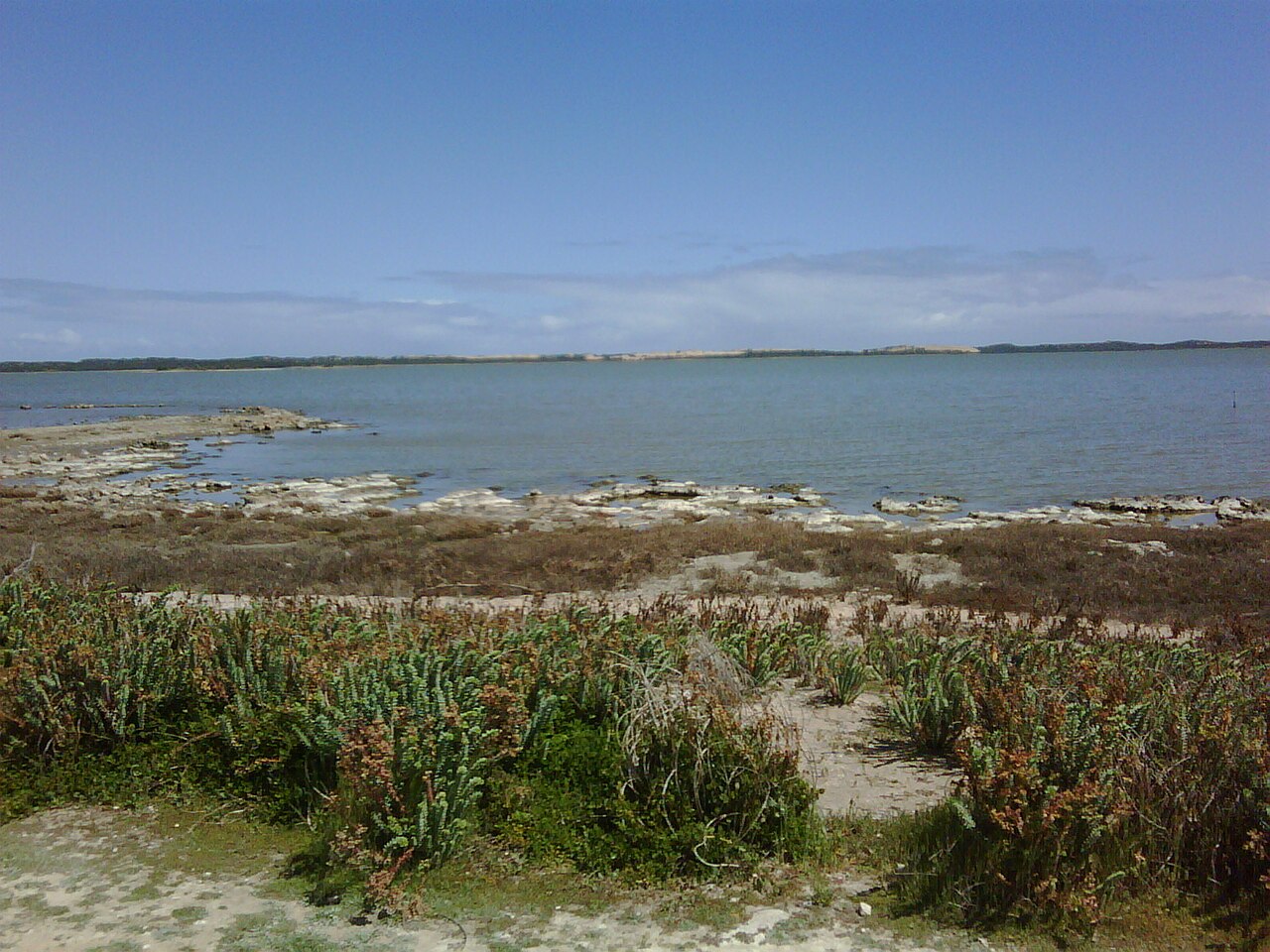
The Coorong is one of those places that looks like nothing much from a car window and rewards you the moment you stop. Pull off at one of the lookouts or the short walks near Salt Creek, and you will see the lagoons stretching away into the haze, often with pelicans, waders and other waterbirds on the sandflats. The park is open daily, and if you want to stay, Parks SA’s campsites start from A$12.30 a night, paid before you enter.
For a first visit, the honest advice is to treat the Coorong as a long, slow scenic drive with two or three stops rather than a destination in itself. If you want to go deeper, the northern end around the Murray Mouth is covered in our Goolwa and Murray Mouth guide, and boat tours run from that end.
Kingston SE
Kingston SE is where most people meet Larry, the giant lobster on the highway at the edge of town and one of the better-known of Australia’s “big things”. It is worth five minutes and a photo, and Kingston’s foreshore and jetty are a pleasant leg-stretch. The town sits at the start of the rock lobster coast, so it is a reasonable place to look for a seafood lunch.
Robe
Robe is the place to stay on the first night. It is a small, good-looking harbour town of old stone cottages, a working fishing fleet, a long beach and a main street of cafés, wine bars and seafood restaurants, and it is one of the favourite summer escapes for South Australians. Arrive in time for a walk along the foreshore before dinner.
Day 2: Robe to Mount Gambier via Beachport and Tantanoola
Morning in Robe
Robe’s best-known landmark is the Obelisk at Cape Dombey, a 12-metre navigation marker built in 1855 by George Shivas and later painted in red and white bands so ships could tell it apart from the white sand hills. It stands on a cliff that is being eaten away by the sea, and erosion now threatens it. The South Australian Tourism Commission suggests parking at the Old Gaol and walking to view it, rather than driving out on Obelisk Road; check current access at the visitor centre. The cliff-top walk between the Old Gaol and the Obelisk is a good way to start the day.
If you are passing through between 31 October and 8 November 2026, the Southern Ocean Art Prize exhibition is on at the Robe Institute.
Beachport
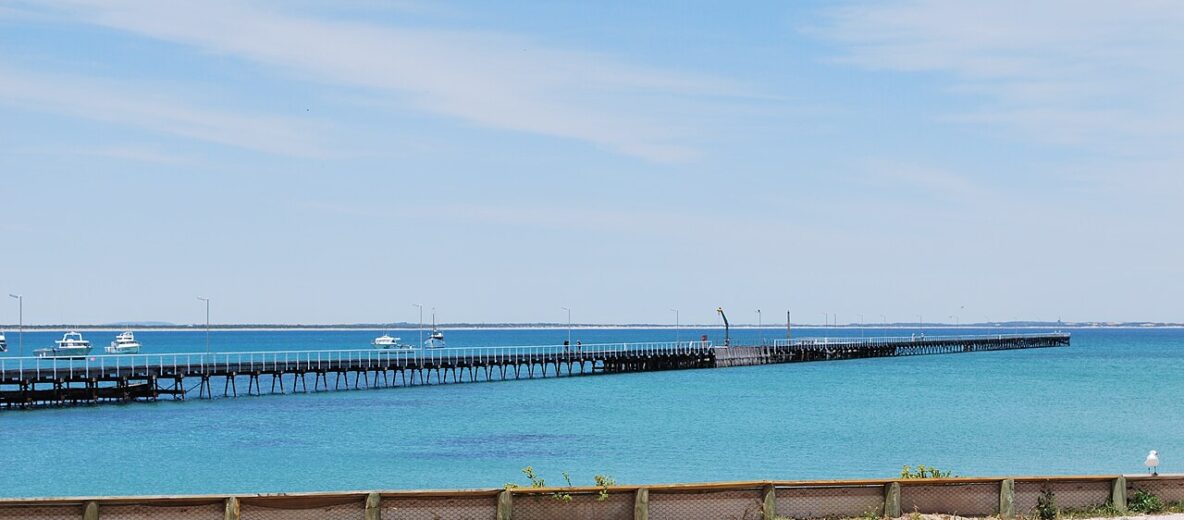
The coastal road south from Robe brings you to Beachport, a smaller, quieter version of Robe with one of the longest jetties in the state stretching out into a bay of improbably clear, pale blue water. Walk the jetty, watch the people fishing off the end, and if the weather is good, take the scenic drive along the coast out of town. The Pool of Siloam, a salt lake on the edge of Beachport, is a local swimming spot; ask at the visitor centre about conditions.
Millicent and Tantanoola Caves
From Beachport the road turns inland to Millicent, then on to Tantanoola Caves Conservation Park, just off the highway. Tantanoola is a single, richly decorated cave whose pink and brown formations take their colour from the dolomite rock, and it has the advantage of being wheelchair accessible, which makes it a good choice for families with small children or anyone who is not up to steps. Guided tours run daily from 10am to 3pm (closed Christmas Day), and Parks SA lists tickets at A$17.50 for adults, A$14.50 concession and A$10 for children aged four to 15, with under-fours free. Online bookings close at midnight the day before; tickets can also be bought at the counter, though you may have to wait to go in.
From Tantanoola it is a short drive on to Mount Gambier for the night.
Day 3: Mount Gambier and Port MacDonnell
Mount Gambier, the region’s biggest city, sits on the slopes of a volcano, and most of its attractions are holes in the ground of one kind or another. Give it a full day.
The Blue Lake and the sinkholes
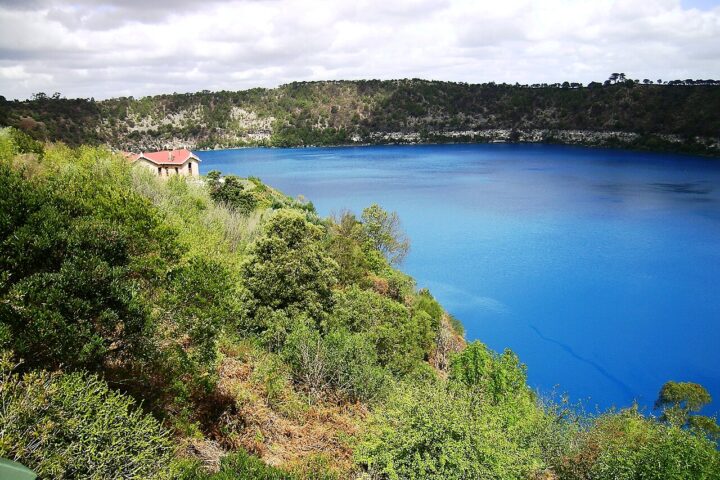
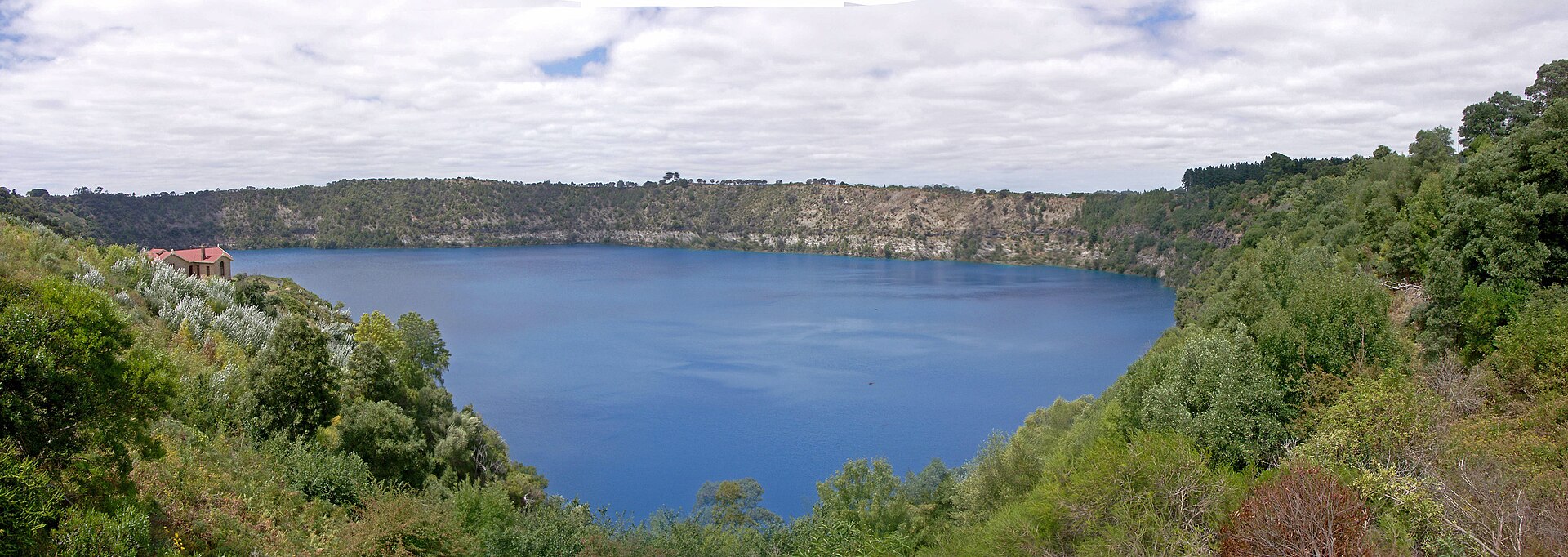
- The Blue Lake: a crater lake on the edge of town with a road and walking track around the rim. Its famous colour is at its most vivid in the warmer months, so if you are visiting in summer, this alone justifies the trip.
- Umpherston Sinkhole / Balumbul: a collapsed limestone cave turned into a sunken garden, with terraces, hydrangeas and climbing plants. Go back at dusk if you can; possums are often seen in the garden then.
- Cave Garden / Thugi: a smaller sinkhole right in the middle of the city centre.
- Engelbrecht Cave: a cave system running under the city, run by the City of Mount Gambier since July 2024. Guided tours of the dry eastern and western caves take about 30 minutes and must be booked online.
For opening times, current tour times and prices, check the City of Mount Gambier’s visitor site before you go. The city deserves more than a day, and our dedicated Mount Gambier guide goes into each of these properly.
Mount Schank and Port MacDonnell
In the afternoon, drive south towards the coast. Mount Schank, a smaller volcanic cone just off the road to Port MacDonnell, has a bushwalk around the volcanic rim that the South Australian Tourism Commission lists as a free stop. Port MacDonnell itself is a quiet crayfishing town on the coast, a good place for an early-evening walk along the foreshore.
A note on Piccaninnie Ponds
Piccaninnie Ponds, near the Victorian border, is famous for its crystal-clear freshwater sinkholes, and many older guides send you there to snorkel. At present you cannot: Parks SA has closed the ponds to diving and snorkelling until further notice because of filamentous algae, and it is not issuing permits. The park itself is free, open daily, and its walking trail is still open, so it is worth a stop for the wetland scenery, but do not plan your day around getting in the water. Check the Parks SA page for updates before you go.
Day 4: Penola and Coonawarra
Head north from Mount Gambier on the Riddoch Highway, through pine plantations and farmland, to Penola, a historic town with a pretty main street and cottages, and then into Coonawarra, a narrow strip of vineyards running north of the town.
Penola and Mary MacKillop
Penola is closely associated with Mary MacKillop, Australia’s first canonised saint, who opened the first St Joseph’s school here. The Mary MacKillop Penola Centre, on the corner of Portland Street and Petticoat Lane, tells her story. It is open seven days from 10am to 4pm (closed Good Friday and Christmas Day), general admission is A$8, and the centre suggests allowing 45 minutes to an hour.
If you are planning ahead, the Penola Coonawarra Arts Festival runs on the third weekend in May, with the next edition on 14 to 16 May 2027.
Coonawarra’s cellar doors
Coonawarra’s reputation rests on its terra rossa, a band of red soil over limestone, and on cabernet sauvignon in particular. The cellar doors are spread along the Riddoch Highway and the roads either side of it, so it is easy to visit three or four in an afternoon without long drives. A few to start with:
| Cellar door | Where | Open | Good to know |
|---|---|---|---|
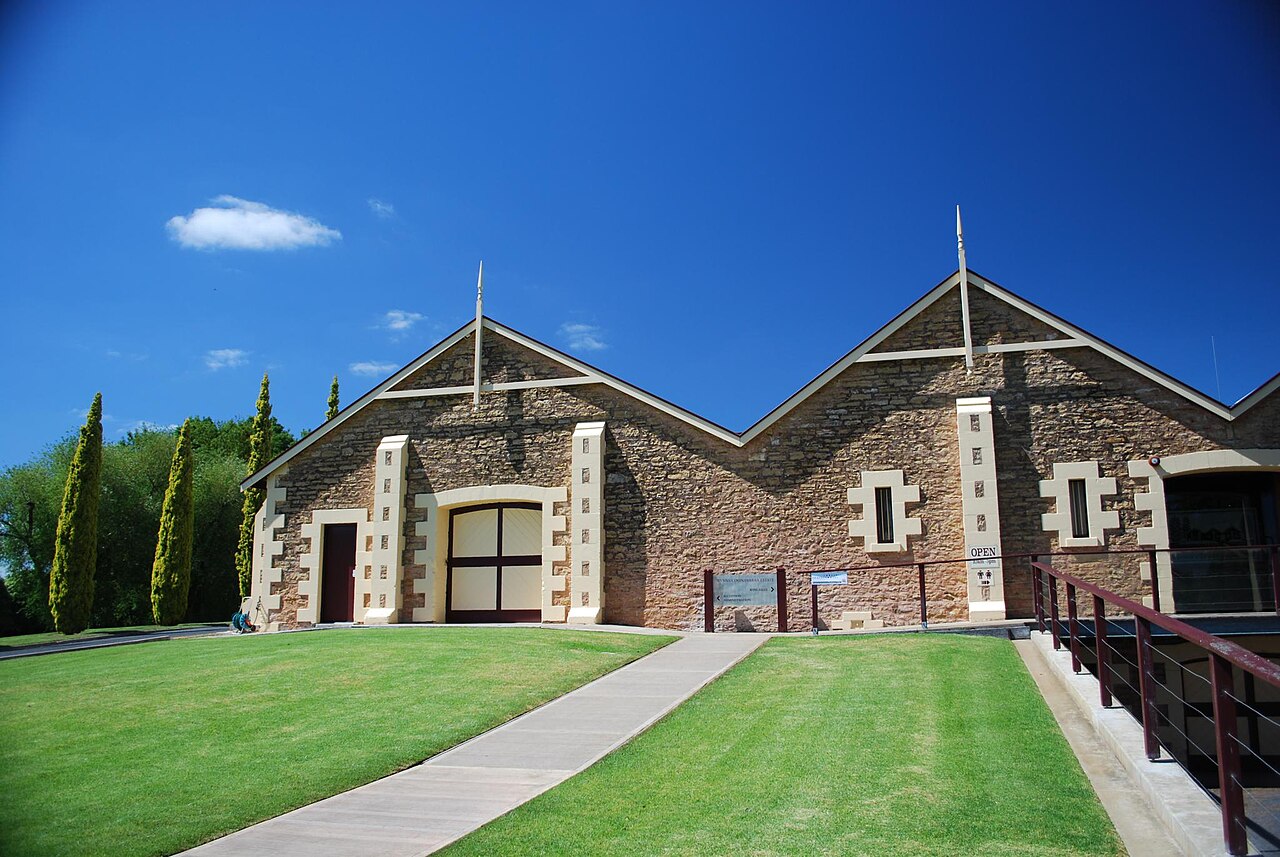
| Wynns Coonawarra Estate | 77 Memorial Drive, Coonawarra | Mon–Wed 10am–5pm; Thu–Sun 10am–6pm | The region’s best-known name, in a triple-gabled stone winery |
| Balnaves of Coonawarra | Coonawarra | Mon–Fri 9am–4pm; check the winery’s site for weekends | Bookings essential; picnic cheese box A$40 (12pm–3:30pm) |
| Rymill Coonawarra | Coonawarra | Mon–Sat 10am–4pm; Sun 11am–3pm | Open daily |
| Zema Estate | 14944 Riddoch Highway, Coonawarra | Mon–Fri 9am–5pm; weekends and public holidays 10am–4pm | Family-run, on the main road |
Wynns and Zema close on Christmas Day, Balnaves and Zema on Good Friday as well. Tasting fees and booking rules change, so check each winery’s own site before you visit, and book wherever a winery asks you to.
Is Coonawarra worth the drive on its own? For a serious red-wine drinker, yes. For a casual visitor, it is quieter and more spread out than the Barossa or McLaren Vale, with fewer restaurants between the cellar doors, and that is exactly its appeal: you will often have a tasting room to yourself. Our guide to Langhorne Creek and Coonawarra has more on the region’s wines, and Adelaide’s wine regions compares it with the rest.
Day 5: Naracoorte Caves and the Drive Home
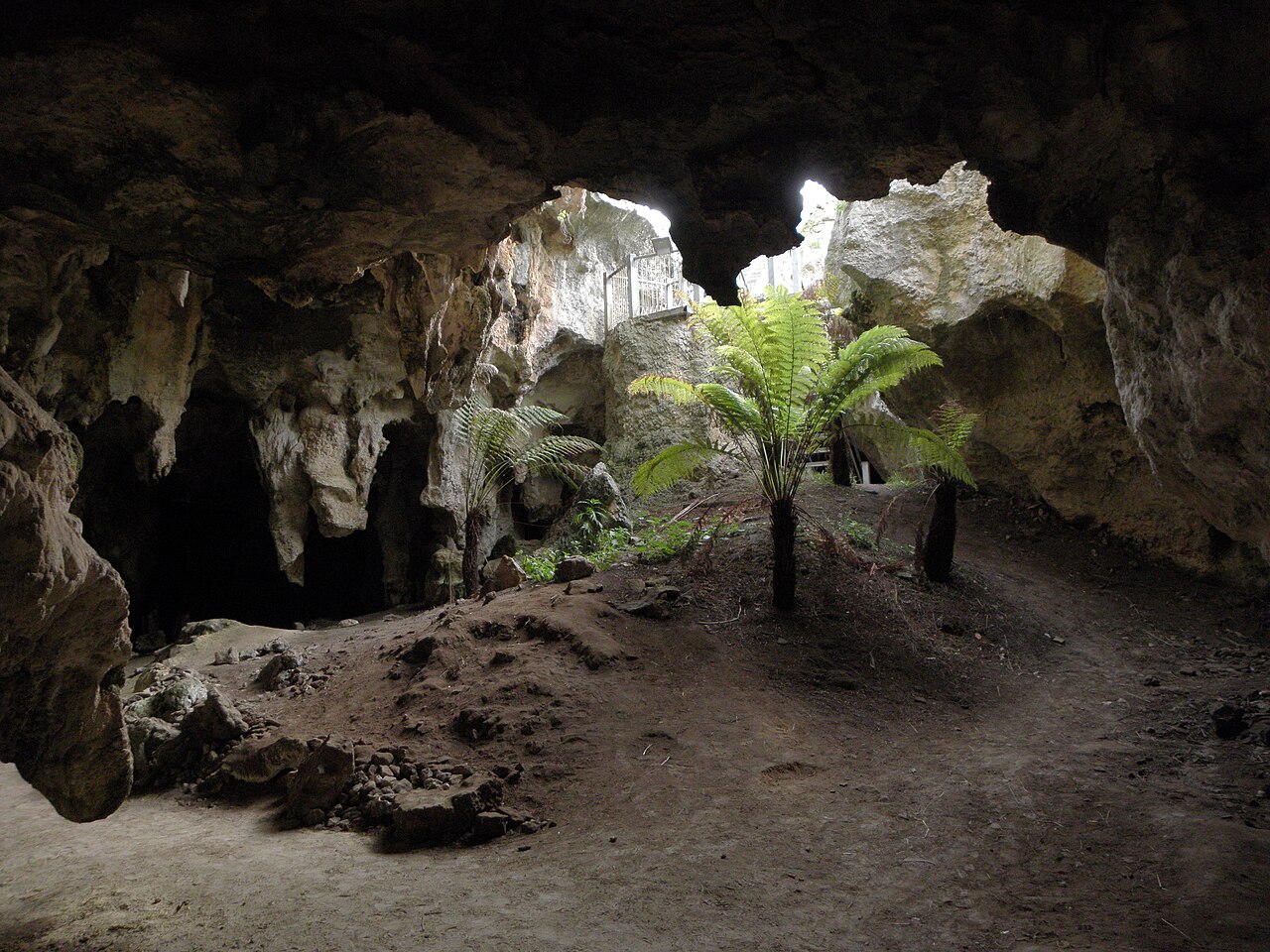
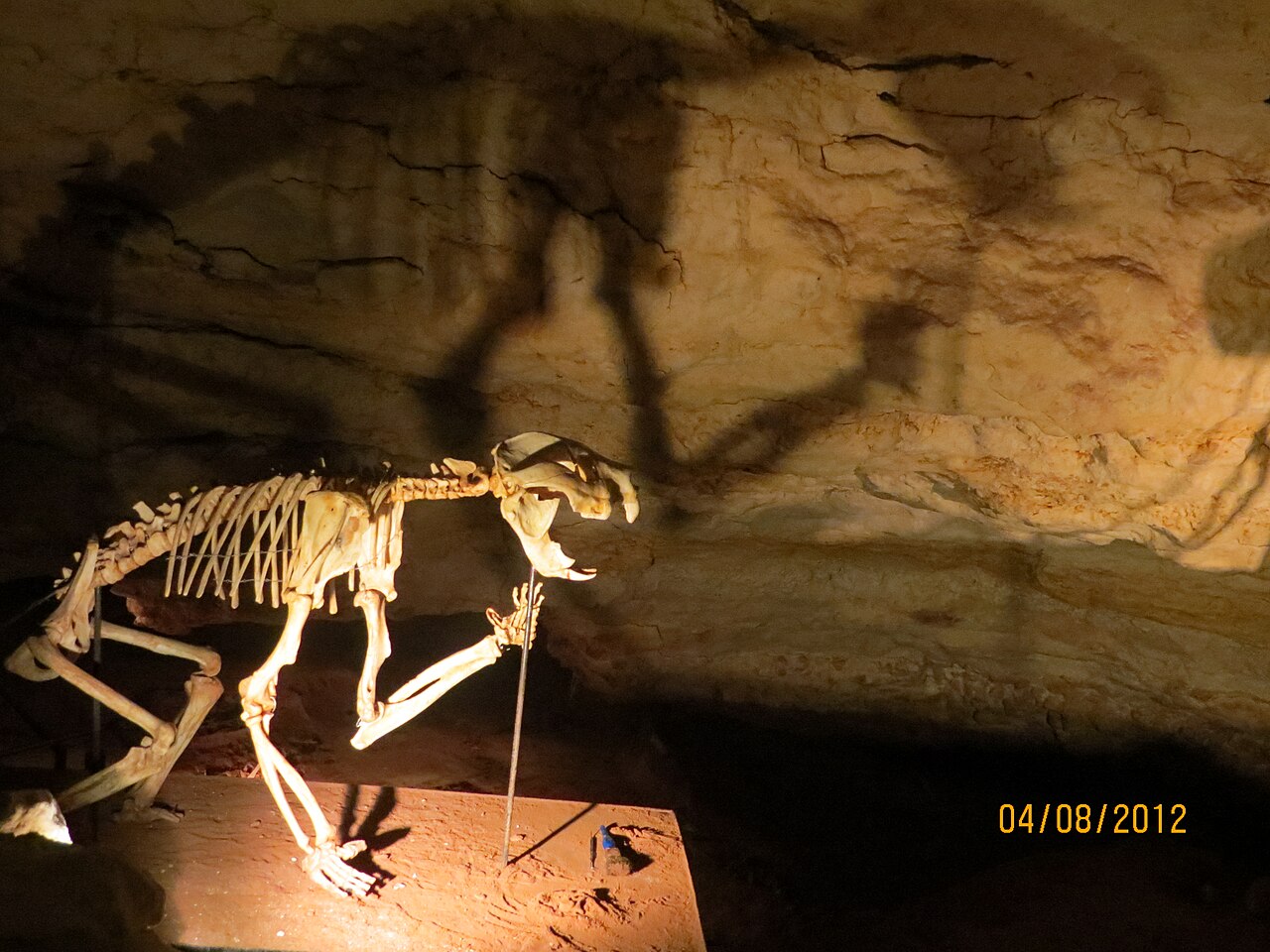
Naracoorte Caves National Park, a short drive north of Coonawarra, is the reason many people do this trip at all. Together with Riversleigh in Queensland, it makes up the Australian Fossil Mammal Sites, inscribed on UNESCO’s World Heritage List in 1994, and UNESCO describes the pair as among the world’s ten greatest fossil sites. For hundreds of thousands of years animals fell into the caves through holes in the roof and never got out, leaving layer upon layer of bones, including Australia’s extinct megafauna.
Tours and prices
Entry to the park is free; you pay for the caves you visit. Current prices and times from the park’s own site:
| Experience | Times | Adult | Child |
|---|---|---|---|
| Stick-Tomato Cave (self-guided, includes Wonambi Fossil Centre) | 9am–5pm | A$13.50 | A$8 |
| Wonambi Fossil Centre only | 9am–5pm | A$8.50 | A$5 |
| Alexandra Cave (guided, 30 minutes) | 9:30am and 1:30pm | A$28.50 | A$17 |
| Victoria Fossil Cave (guided, 1 hour) | 10:15am and 2:15pm | A$40.50 | A$24 |
| Bat Tour: Bat Observation Centre and Blanche Cave (1 hour; 1 September to 30 April only) | 11:30am and 3:30pm | A$33 | A$19.50 |
| Adventure caving, novice (90 minutes, ages 8 and up) | By booking | A$79.50 | |
| Adventure caving, advanced (3 hours, over 12) | By booking | A$153 |
Stick-Tomato also has concession (A$10.50) and family (A$36.50) prices, and a three-hour World Heritage Tour for two to four people costs A$366 per group. Some tours can be booked online and others at the Wonambi Visitor Centre, so check the park’s site, especially for the adventure caving and World Heritage tours, which need booking.
Which cave?
If you only do one, make it Victoria Fossil Cave. It is the one with the fossil chamber, and it is where the World Heritage story makes sense. Add the self-guided Stick-Tomato Cave and the Wonambi Fossil Centre, which has life-sized reconstructions of the megafauna, if you have children with you; it is cheap, and it fills the gap between guided tours. Alexandra Cave, a 30-minute tour with stalactites, stalagmites and columns, is a good second guided tour. The Bat Tour is worth timing your visit for between September and April.
Home to Adelaide
From Naracoorte the drive back to Adelaide is the South Australian Tourism Commission’s “just over four hours”, north-west to the Dukes Highway at Keith or Bordertown and then the long straight run home via Tailem Bend and the South Eastern Freeway. Leave the caves by early afternoon to be home before dark. If you have time and the season is right, Bool Lagoon, a wetland reserve south of Naracoorte, is a worthwhile detour for birdwatchers; check Parks SA for current water levels and access.
Variations: Shorter, Longer and Without a Car
Three days
With only three days, skip the coast between Kingston and Beachport. Drive to Naracoorte on day one (about three and a half hours from Adelaide), do the caves and Coonawarra on day two with a night in Penola, then Mount Gambier on the morning of day three before the long drive home. It is a lot of driving, but it covers the three things most people come for: the caves, the wine and the Blue Lake.
A week or more, or on to Melbourne
With seven days, slow everything down: two nights in Robe, two in Mount Gambier, a night in Coonawarra and one in Naracoorte. If you are heading to Melbourne anyway, the Limestone Coast is the far more interesting alternative to the Western Highway: from Mount Gambier, cross into Victoria and pick up the Great Ocean Road. Our South Australia road trips guide covers that route.
Without a car
Stateliner coaches serve the South East from Adelaide Central Bus Station; check stateliner.com.au for current routes, days, times and booking. Once you are there, though, the caves, cellar doors and coastal stops are spread out and poorly served by public transport, so this is really a trip for a car. If the timetable suits, a coach to Mount Gambier and a hire car from there is one way to avoid the two longest drives.
When to Go
The South Australian Tourism Commission sums up the seasons neatly: summer is warm and dry, autumn brings golden vineyards, winter is quieter and often rainy, and spring brings wildflowers. For this trip, a few specifics are worth knowing:
- Summer is the busiest time on the coast, especially in Robe in January, and the Blue Lake’s colour is at its most intense in the warmer months.
- The Naracoorte Bat Tour runs only from 1 September to 30 April.
- Autumn is vintage season in Coonawarra, and the Penola Coonawarra Arts Festival falls in May.
- Winter is quiet, cheaper and often wet on the coast, but the caves are the same all year round.
For Adelaide itself, see our best time to visit Adelaide guide.
Is the Limestone Coast Worth It?
Yes, with one caveat: it is a long way. You will spend the better part of two days driving to and from the region, and the inland highway home is genuinely tedious. What you get in return is a region that feels quite unlike the rest of South Australia: the strange, quiet beauty of the Coorong, two of the state’s most attractive coastal towns, a volcanic city full of sinkholes, a red-wine region where you can have the tasting room to yourself, and World Heritage caves that are fascinating even if you have no interest in fossils.
If you have already done the Barossa, the Hills and McLaren Vale and you want to see more of the state, this is the next road trip to take. If you are in South Australia for only a few days and have never been to the wine regions near Adelaide, start with those and save the Limestone Coast for another trip. And if the outback appeals more than the coast, the Adelaide to Flinders Ranges road trip is the alternative.
Frequently Asked Questions
How many days do you need for the Limestone Coast?
Five days is a good length for a loop from Adelaide, and the regional tourism board says you need at least five to make the most of it. The South Australian Tourism Commission suggests anything from three to seven. With three days, focus on Naracoorte, Coonawarra and Mount Gambier.
How long is the drive from Adelaide to the Limestone Coast?
The South Australian Tourism Commission puts Adelaide to Robe at about three and a half hours, and Adelaide to Naracoorte at about the same, with the drive home from the region just over four hours. Check each leg in a route planner before you go.
Should I take the coastal or inland route?
Do both: go one way and come back the other. The coastal route on the Princes Highway takes you through the Coorong, Kingston SE, Robe and Beachport; the inland route on the Riddoch and Dukes Highways passes Penola, Coonawarra and Naracoorte. Driving the inland highway both ways means missing the coast.
Can you swim at Piccaninnie Ponds?
Not at present. Parks SA has closed Piccaninnie Ponds to diving and snorkelling until further notice because of filamentous algae, and permits are not being issued. The park and its walking trail are still open, with free entry.
Which Naracoorte cave is best?
Victoria Fossil Cave is the one to choose if you only do one, because it shows the fossil deposits that earned Naracoorte its World Heritage listing. Guided tours run at 10:15am and 2:15pm and cost A$40.50 for adults. Alexandra Cave is a good second tour for its formations, and the self-guided Stick-Tomato Cave with the Wonambi Fossil Centre is a cheaper option for families.
Is Coonawarra worth visiting?
For red-wine lovers, definitely. Coonawarra is known for cabernet sauvignon grown on terra rossa soil over limestone, and its cellar doors, including Wynns Coonawarra Estate, Balnaves, Rymill and Zema, are close together along the Riddoch Highway. It is quieter and more spread out than the Barossa, with fewer restaurants.
Can you do the Limestone Coast without a car?
Stateliner coaches serve the South East from Adelaide, but the attractions are spread out and poorly served by public transport, so a car is by far the most practical way to do the loop. One compromise is a coach to Mount Gambier, if it is on your Stateliner timetable, and a hire car from there.
Mount Gambier deserves more than a quick stop on the loop. Our full Mount Gambier guide covers the Blue Lake and when it turns turquoise, Umpherston Sinkhole, Engelbrecht Cave prices, where you can swim and how to fill a second day.
Related Adelaide Guides
- South Australia Road Trips: The Complete Regional Guide
- Langhorne Creek & Coonawarra: SA’s Underrated Wine Regions
- Driving in South Australia: Rules, Tips & Road Trip Essentials
- Car Rental Adelaide: Complete Guide to Hire Cars
- Goolwa & the Murray Mouth: A Day Trip Where River Meets Sea
- Adelaide to Flinders Ranges Road Trip: A 3-5 Day Itinerary
- Adelaide Wine Regions: The Complete Guide
Photo Credits
Beachport jetty (featured image): “BeachportJetty.JPG” by Mattinbgn, via Wikimedia Commons, CC BY-SA 3.0.
The Coorong at Salt Creek: “CoorongSaltCreek.jpg” by Hullwarren, via Wikimedia Commons, CC BY-SA 3.0.
The Blue Lake at Mount Gambier: “Blue Lake – Mount Gambier – Australia.jpg” by Didier B (Sam67fr), via Wikimedia Commons, CC BY-SA 2.5.
Wynns Coonawarra Estate: “Wynns Coonawarra – Cellar Door.jpg” by Alpha, via Wikimedia Commons, CC BY-SA 2.0.
Naracoorte Caves: “Naracoorte Caves National Park 1.jpg” by Feral Arts, via Wikimedia Commons, CC BY 2.0.
Marsupial lion skeleton, Victoria Fossil Cave: “Naracoorte Caves.jpg” by Sunil Savur, via Wikimedia Commons, CC BY-SA 4.0.