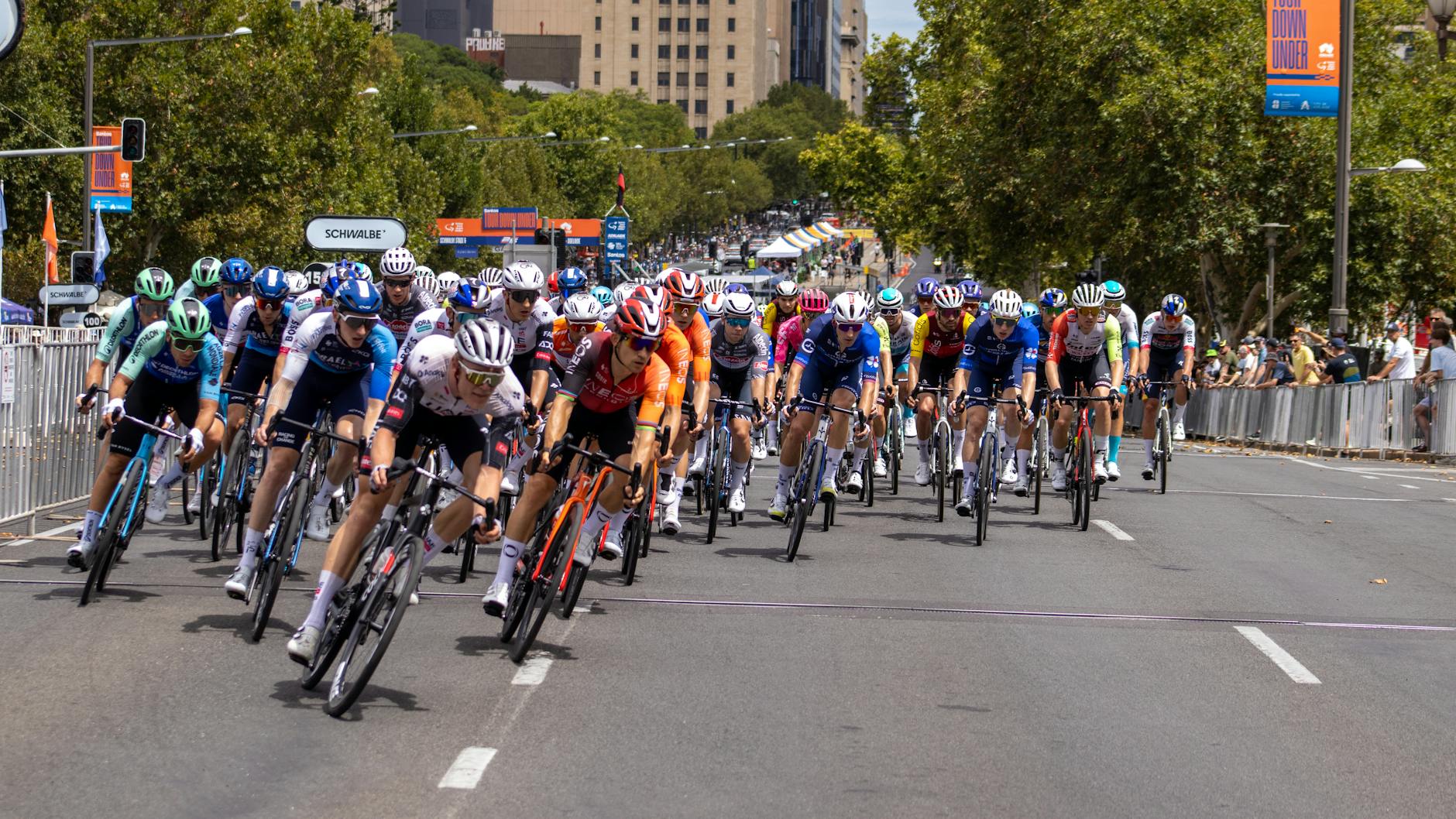
The most useful Adelaide travel tips aren’t the ones about what to see, they’re the small operational things that decide whether your trip runs smoothly or you spend the first morning confused at a tram stop. After a lifetime here, I’ve watched visitors trip over the same handful of details: paper tickets they didn’t need, an airport taxi they didn’t need either, and a Sunday spent wondering why the Central Market was shut. So before you start mapping out wineries and beaches, read this. For the big-picture overview of the city, our complete Adelaide travel guide sets the scene, and this piece fills in the practical things I wish every first-timer knew.
None of this is hard. Adelaide is one of the easiest Australian cities to land in cold and figure out fast. But a few local quirks, the free transport zone, the shopping hours, the brutal UV that doesn’t care how mild it feels, are worth knowing before you arrive rather than after. Think of this as the briefing I’d give a mate flying in for the first time, sorted roughly in the order the questions come up.

How long to stay: give it more than a long weekend
The first tip is about time, because it’s the one people get wrong most often. Adelaide gets treated as a one-night stopover on the way to the wine regions, and that’s a mistake. Give it three to four days minimum. The CBD itself is a comfortable two days of museums, markets and laneways, and then you’ll want at least a day each for the Adelaide Hills, a wine region and a beach run. Try to cram it into 36 hours and you’ll leave thinking Adelaide is “quiet”, which usually means you didn’t stay long enough to find the good bits.
If you’re genuinely trying to work out the right length for your trip, I’ve broken down the trade-offs by traveller type in our guide to how many days you need in Adelaide. Three days is the sweet spot for most people; five lets you breathe and add a second wine region without rushing. If you want a ready-made plan to slot the highlights into, our 3-day Adelaide itinerary threads the city, a beach and a wine region together day by day.
Getting around: the 20-minute city is real
Adelaideans call this the 20-minute city, and for once the civic slogan is roughly true. The CBD sits in a tidy one-kilometre grid ringed by parklands, it’s flat, and you can walk most of it. Your single most important transport tip: the city centre has free public transport, so don’t pay for trips you don’t need to.
Free buses and the free tram zone
The 98 and 99 loop buses circle the CBD and North Adelaide roughly every half hour from around 7am, completely free. The tram is also free through the city core, from the Entertainment Centre and Botanic Gardens down through the centre to South Terrace. You can sightsee the whole central grid without tapping a card or buying a ticket. People routinely don’t realise this and either walk in the heat or pay for fares they didn’t owe. The loop buses are handy for the haul from the city up to North Adelaide’s pubs and back, which is a touch far on foot in summer.
When you actually pay, and how
The moment you travel beyond the free zone, out to Glenelg on the tram being the classic example, you’ll pay, but it’s cheap and the system is simple. Tap on with a metroCARD or just a contactless bank card or phone; you don’t need to buy paper tickets, and the system works it out for you. Travel in the off-peak window (weekdays 9am to 3pm, after 7pm, and all weekend and public holidays) and a fare is only a couple of dollars. There’s a daily cap too, so heavy travel days protect themselves. The full breakdown of zones and tapping points lives in our Adelaide public transport guide.
From the airport, don’t reach for the taxi
Adelaide Airport is barely 15 minutes from the city, which is one of the great quiet luxuries of arriving here. Resist the taxi reflex at the rank: the Adelaide Metro bus into town is a fraction of the cost and runs frequently. A taxi or rideshare is fine if you’re tired or loaded with luggage, but know you’re paying a big premium for a very short trip. We walk through every option, bus, rideshare, taxi and rough costs, in our guide to getting from Adelaide Airport to the city.
Flying out? Our Adelaide Airport guide covers the single terminal, check-in, the extra screening point for international flights, the lounges anyone can use and where to park.
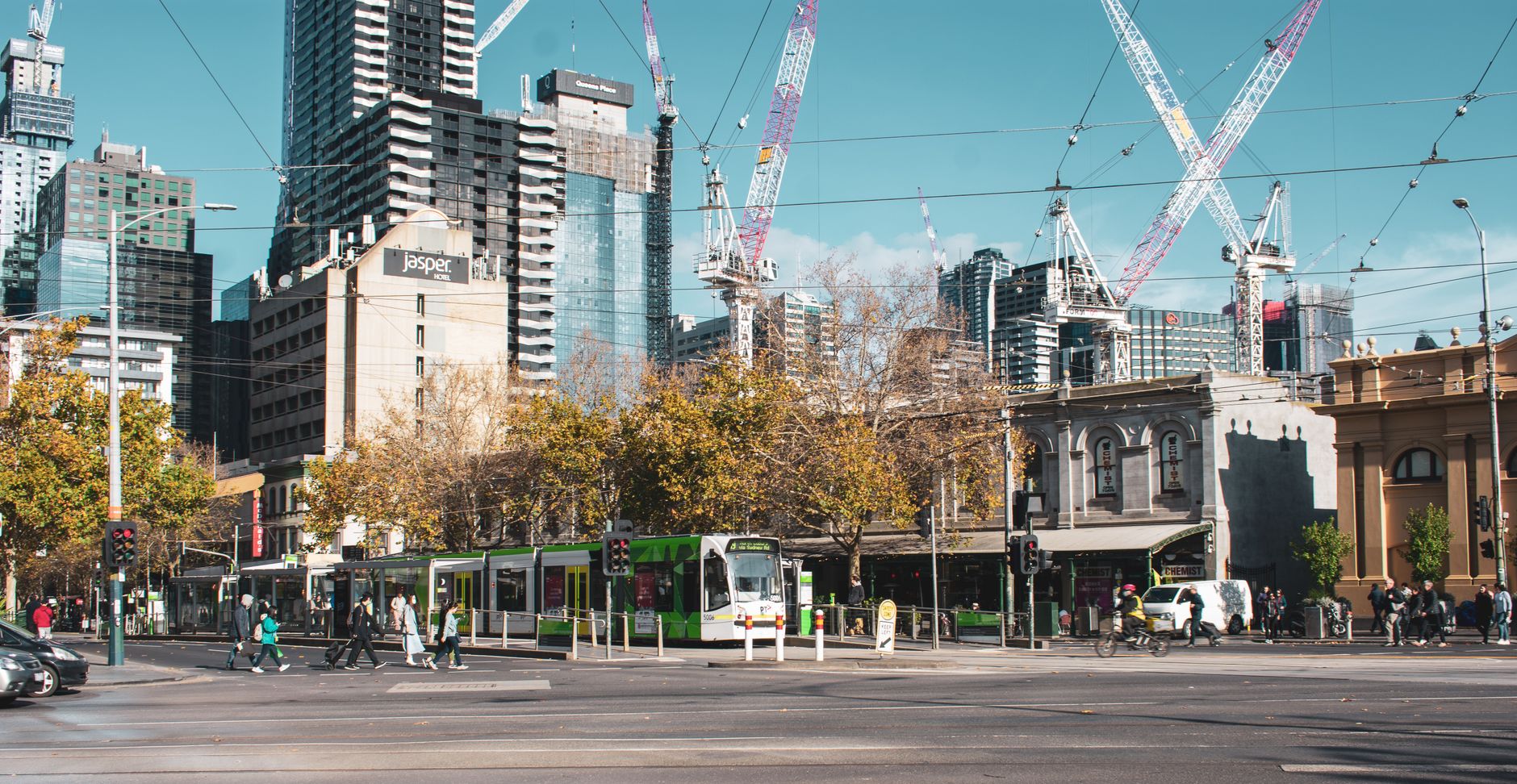
The best time to visit (and the one month to think twice about)
Adelaide has a Mediterranean climate with low humidity, it’s the driest capital in the country, so the weather is a genuine factor in when you come. Autumn (March to May) and spring (September to November) are the sweet spots: mild days, cool evenings, little rain and thinner crowds. Summer (December to February) is hot and dry, regularly in the high twenties and capable of spiking past 40C in a heatwave, though the low humidity makes it more bearable than the tropics. Winter (June to August) is mild and wet by local standards, think 7 to 17C, and far from dead, with footy, whale watching down the coast and the Illuminate Adelaide light festival.
The one stretch to plan around deliberately is “Mad March”. From mid-February through March the city stacks the Adelaide Fringe (the world’s second-largest fringe), the Adelaide Festival, WOMADelaide and more on top of each other. It’s the best time to feel the city’s energy and the worst time for your wallet: accommodation peaks and beds get scarce. If you want the festival buzz, book months ahead; if you want value and calm, come either side of it. I’ve laid out the full seasonal trade-offs in our guide to the best time to visit Adelaide.
Sun safety: the tip that actually matters
If you take one thing from this whole article, take this. The UV here is high enough to burn you year-round, even on a mild, overcast day that doesn’t feel hot. Australian sun is not European sun, and the dry Adelaide air masks how strong it is. Slip, slop, slap: a shirt, broad-spectrum SPF 50+ reapplied through the day, and a hat. Sunglasses too. I’ve watched countless visitors come back from a “cool” 22C spring day at Glenelg lobster-red because the temperature lied to them. The UV index, not the air temperature, is what burns you, so pack sun protection regardless of the season and reapply if you’re out on the water or the sand. Australia takes skin cancer seriously for good reason; treat the sun with respect even when the day feels gentle.

Money and etiquette: the things that catch visitors out
Tipping is not expected
This is the big one for North American visitors especially: tipping is not customary in Australia. Hospitality staff are paid a proper minimum wage. You won’t see a tip line guilt-tripping you at the cafe, and nobody expects a percentage on a restaurant bill. If service genuinely delighted you, rounding up or leaving a little is a kind gesture, never an obligation. Don’t tip out of reflex; you’ll just be lighter for no reason, and no one will think less of you for not doing it.
Contactless everywhere, and BYO restaurants
Cards and phones work essentially everywhere, contactless is the norm and many places are functionally cashless, though it’s worth carrying a little cash for the odd market stall or small vendor. One lovely local quirk to know: plenty of Adelaide restaurants are BYO (bring your own wine), often for a small corkage fee. Given South Australia makes some of the country’s best wine, grabbing a bottle from a bottle shop on the way to dinner is a very Adelaide thing to do, and it keeps the bill down. If wine country is on your list, a self-drive to the Barossa Valley or McLaren Vale is one of the best days out you can have from the city.
Tap water, and public holidays
The tap water is safe and good to drink, so carry a refillable bottle, the dry climate dehydrates you faster than you’d think. Keep an eye on public holidays, too: on a public holiday some venues close, others add a small surcharge to the bill to cover penalty wages, which is normal and legal here. If your trip falls over a long weekend, check opening hours before you set out so you’re not caught short.
The shopping hours quirk
Here’s one that catches people out. Adelaide’s retail trading hours are a little old-fashioned by big-city standards. CBD shops generally trade later one night a week (Friday night is the traditional late-night shopping in the city, with suburban centres often doing Thursday), and Sunday hours are shorter than you might expect, with some shops opening late morning and closing mid-afternoon. The Adelaide Central Market is the classic trap: it’s been trading since 1869 with 70-plus stalls, but it’s closed Sunday and Monday. Plan your market visit for Tuesday through Saturday, and don’t assume a Sunday in the CBD will have everything open. Coffee and food venues keep their own hours and are generally fine on weekends; it’s the shops you need to watch.

Everything is closer than you think
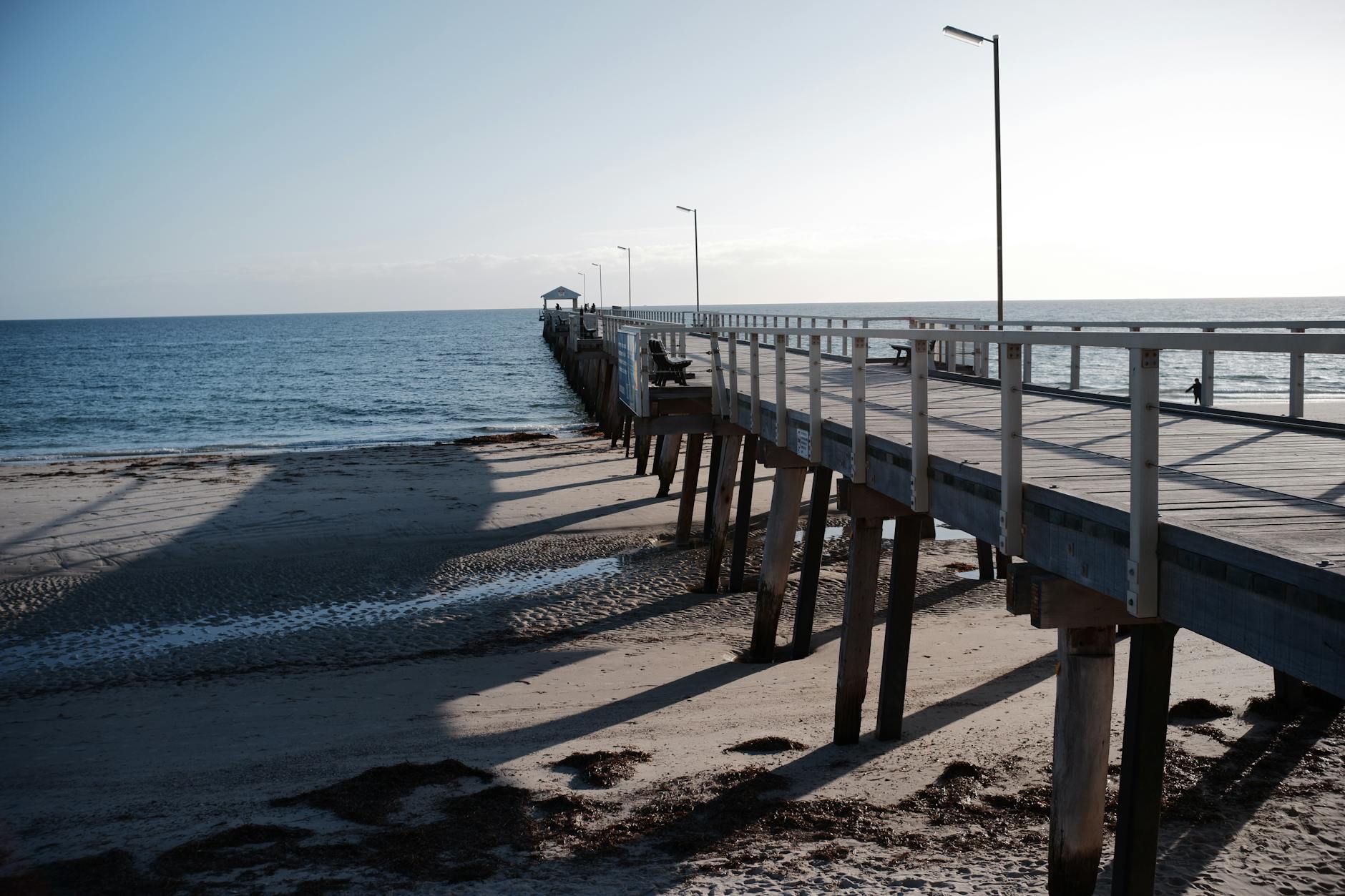
The thing that genuinely surprises first-timers is how compact South Australia’s best bits are around the city. From the CBD you can be among the cellar doors of McLaren Vale or the Adelaide Hills in well under an hour, in the Barossa in around an hour, and at a swimmable metropolitan beach in 20-odd minutes. The Hills, the wine, the wildlife and the coast aren’t day-long expeditions, they’re afternoon trips. This is why I push people to stay longer: not because the city is huge, but because so much is within easy reach of it. You can have breakfast in a laneway, taste wine at lunch and watch the sunset from a beach jetty, all in one day, without ever feeling rushed. If sand is a priority, our pick of the best beaches in Adelaide sorts the family stretches from the quiet ones.
Is Adelaide safe? Short answer: yes
Adelaide is one of Australia’s safest and most liveable capital cities, and it feels it. The CBD is well-lit and busy into the evening, particularly around the East End and the market precinct, and general common sense is all you need: stick to main, populated streets late at night and keep an eye on your gear as you would anywhere. It’s an easy, low-stress city for solo travellers and women travelling alone, with the social Adelaide Central YHA a long-standing favourite base. If you’re travelling on your own, our guide to solo travel in Adelaide has the specifics on where to stay and how to meet people.
SIM cards and staying connected
Sorting connectivity is easy. If you’re coming from overseas, grab an Australian prepaid SIM or eSIM, the major carriers are Telstra, Optus and Vodafone, with Telstra generally the best for rural coverage if you’re heading out to the wine regions or down the Fleurieu. You can pick a SIM up at the airport on arrival, at supermarkets, or at carrier shops in the city, and an eSIM you can activate before you even land. Free public wi-fi exists in parts of the CBD and in most cafes, but a local SIM with a few gigabytes of data is cheap and saves the hassle. Mobile coverage in the metro area and the main tourist regions is solid; it’s only on remote country drives that you’ll find dead patches.
Hiring a car: what to know before you drive
You don’t need a car for the city, the free transport and your own feet cover it, but for the wine regions, the Hills, the Fleurieu Peninsula or a longer road trip, a hire car opens everything up. A few tips before you turn the key. We drive on the left here, and give-way rules at roundabouts trip up plenty of visitors, so take a minute to get comfortable before you join traffic. City parking is metered and can be pricey in the centre; the park-and-loop trick (leave the car on the city fringe and use the free buses) saves money if you’re not using it daily. And the big one for anyone driving in the country: kangaroos are most active around dawn and dusk and will bound onto rural roads without warning, so avoid driving country roads at those times if you can, and slow right down if you must. Comprehensive insurance is worth it. For the full rundown on companies, costs and pickup tips, see our guide to car rental in Adelaide.
What to pack: dress for the swing
Adelaide’s defining packing challenge is the daily temperature swing rather than the season. Even in summer, hot days can drop to cool nights, so layers beat a single heavy item. In autumn and spring you’ll want a light jacket for the evenings on top of warm-weather daywear. Winter calls for a proper coat and something rainproof. Year-round, regardless of forecast: sun protection, comfortable walking shoes for the flat CBD grid, and a refillable water bottle. If you’re heading to the Hills or a fancier dinner, smart-casual covers almost everything, Adelaide is relaxed about dress. I’ve built a season-by-season checklist in our Adelaide packing list so you don’t over-pack or get caught out.
A few last tips, learned the hard way
To finish, the miscellaneous stuff that doesn’t fit a heading but genuinely helps. Coffee is taken seriously here and a flat white is your default order; the laneway cafe scene rivals Melbourne’s and costs less, our pick of the best cafes in Adelaide leans towards places that don’t charge a premium. If you’re watching the budget, our guide to doing Adelaide on a budget stacks all the money-savers in one place. Eat your big meal at lunch when kitchens often run cheaper menus. Carry that water bottle. Don’t tip. Book wine-region days for weekdays when cellar doors are calmer. And give yourself more time than you think you need, because the single most common thing I hear from people leaving Adelaide is that they wish they’d stayed longer. Plan for that from the start, and you’ll have a far better trip.
Frequently asked questions
How many days do you need in Adelaide?
Plan for at least three to four days. Two days covers the CBD’s museums, markets and laneways, and you’ll want a day each for the Adelaide Hills, a wine region and a beach. Five days lets you add a second wine region without rushing. Treating Adelaide as a one-night stopover is the most common mistake visitors make.
Do you tip in Adelaide?
No, tipping is not expected or customary in Australia. Hospitality staff are paid a proper minimum wage, so there’s no tip line on the bill and no percentage expected at restaurants. Rounding up or leaving a little for genuinely excellent service is a kind gesture, but it’s never an obligation.
What is the best way to get around Adelaide?
Walk the compact CBD and use the free 98 and 99 loop buses and the free city tram zone, which cover the centre at no cost. For trips further out, like the Glenelg tram, tap on with a metroCARD or contactless card and travel in the off-peak window (weekdays 9am to 3pm, after 7pm, and weekends) for a fare of just a couple of dollars.
Is Adelaide safe for tourists?
Yes. Adelaide is consistently ranked one of Australia’s safest and most liveable capital cities. The CBD is well-lit and busy into the evening, and standard common sense, sticking to main streets late at night and keeping an eye on your belongings, is all you need. It’s an easy, relaxed city for solo travellers.
Do I need sunscreen in Adelaide if it’s not hot?
Yes, every day. The UV in Adelaide is high enough to burn year-round, even on mild or overcast days that don’t feel hot. The dry air masks how strong the sun is. Wear broad-spectrum SPF 50+, a hat and sunglasses regardless of the temperature, and check the UV index rather than just the forecast.
When is the best time to visit Adelaide?
Autumn (March to May) and spring (September to November) offer the best mix of mild weather, little rain and thinner crowds. Summer is hot and dry, occasionally spiking past 40C, while winter is mild and wet but lively. The February-to-March ‘Mad March’ festival season is electric but the priciest and busiest time to come.
One tip deserves a page of its own. Our guide to whether Adelaide is safe sets out the realistic risks for visitors — summer heat, unpatrolled Southern Ocean beaches, kangaroos on country roads at dusk — along with the emergency numbers, the ambulance-cover gap in Australia’s reciprocal health agreements, and the handful of streets worth avoiding late at night.

1 note