Let me be straight with you from the first paragraph, because plenty of travel sites won’t: Adelaide surfing doesn’t happen in Adelaide. Not really. Our metro beaches sit on Gulf St Vincent, a big sheltered body of water that, on most days, is about as menacing as a bathtub. Lovely for a swim, hopeless for a wave. The actual surf, the proper Southern Ocean stuff, lives about 45 minutes to 90 minutes south of the city on the Fleurieu Peninsula. So if you’ve come here picturing pumping barrels off Glenelg, I’m sorry to disappoint, but stick with me, because once you point the car south the Fleurieu genuinely delivers, and it’s one of the best places in the country to learn. For the bigger picture of the coastline and the wild places around the city, start with our guide to Adelaide’s beaches and nature, then come back here for the surf detail.
I’ve spent more cold winter mornings than I can count zipping into a wetsuit in a gravel car park down south, so this is the honest local rundown: where the waves actually are, where a first-timer should paddle out, where you absolutely shouldn’t, and how not to get yourself into trouble in water that’s colder and stronger than it looks.
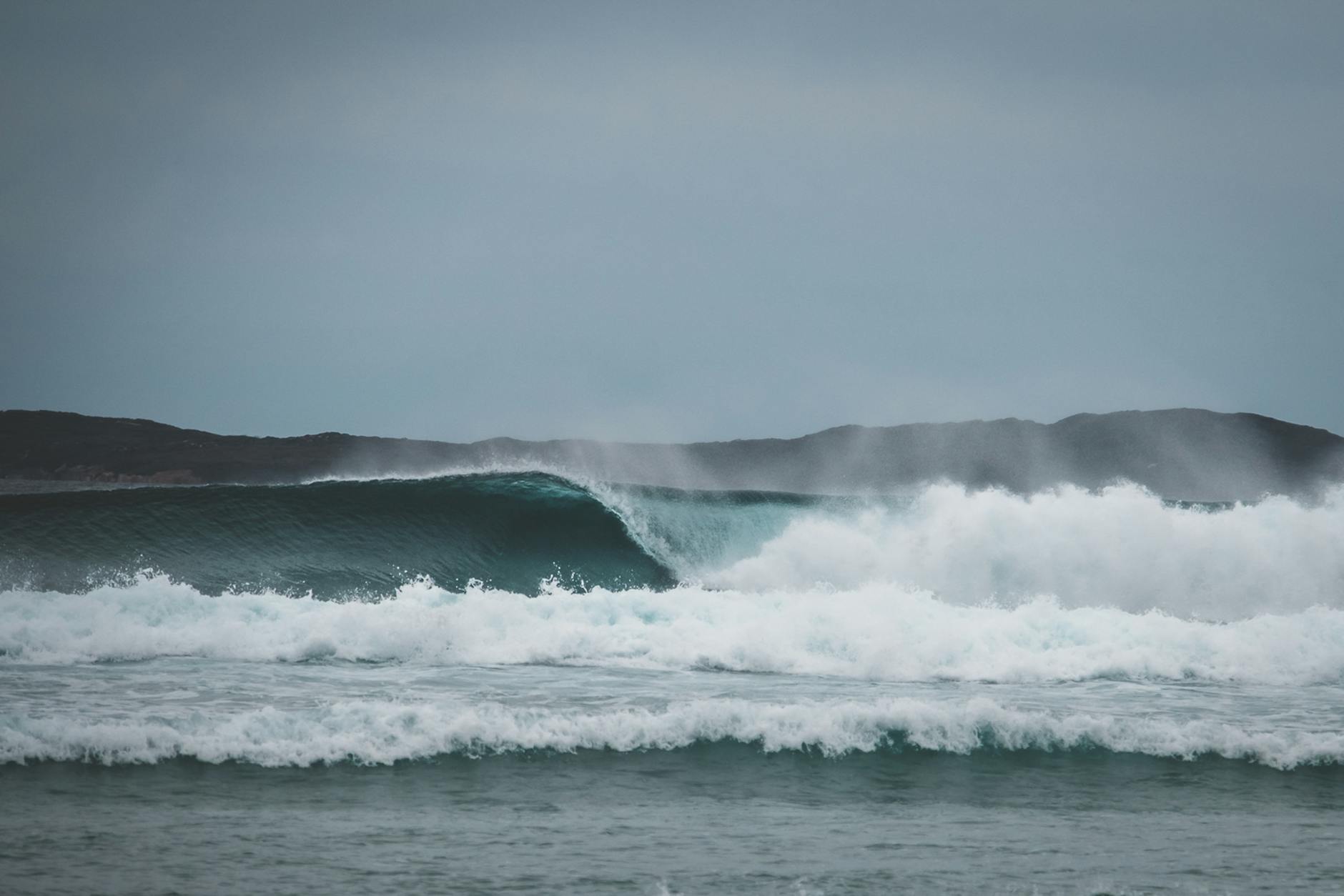
Can you actually surf in Adelaide?
The short answer is: not in the city itself, but close enough that it barely matters. Adelaide’s famous metro beaches, Glenelg, Henley, Brighton, Semaphore, face into the gulf and are protected by the curve of the coast and by Kangaroo Island and the Yorke Peninsula out beyond. That’s exactly why they’re such good swimming and sunset beaches, and why families love them, especially if you’re travelling with little ones, as our guide to Adelaide with kids explains. If a swim, a jetty stroll and fish and chips is what you’re after, our run-down of the best beaches in Adelaide and the dedicated guide to Glenelg will sort you out. Just don’t bring a shortboard.
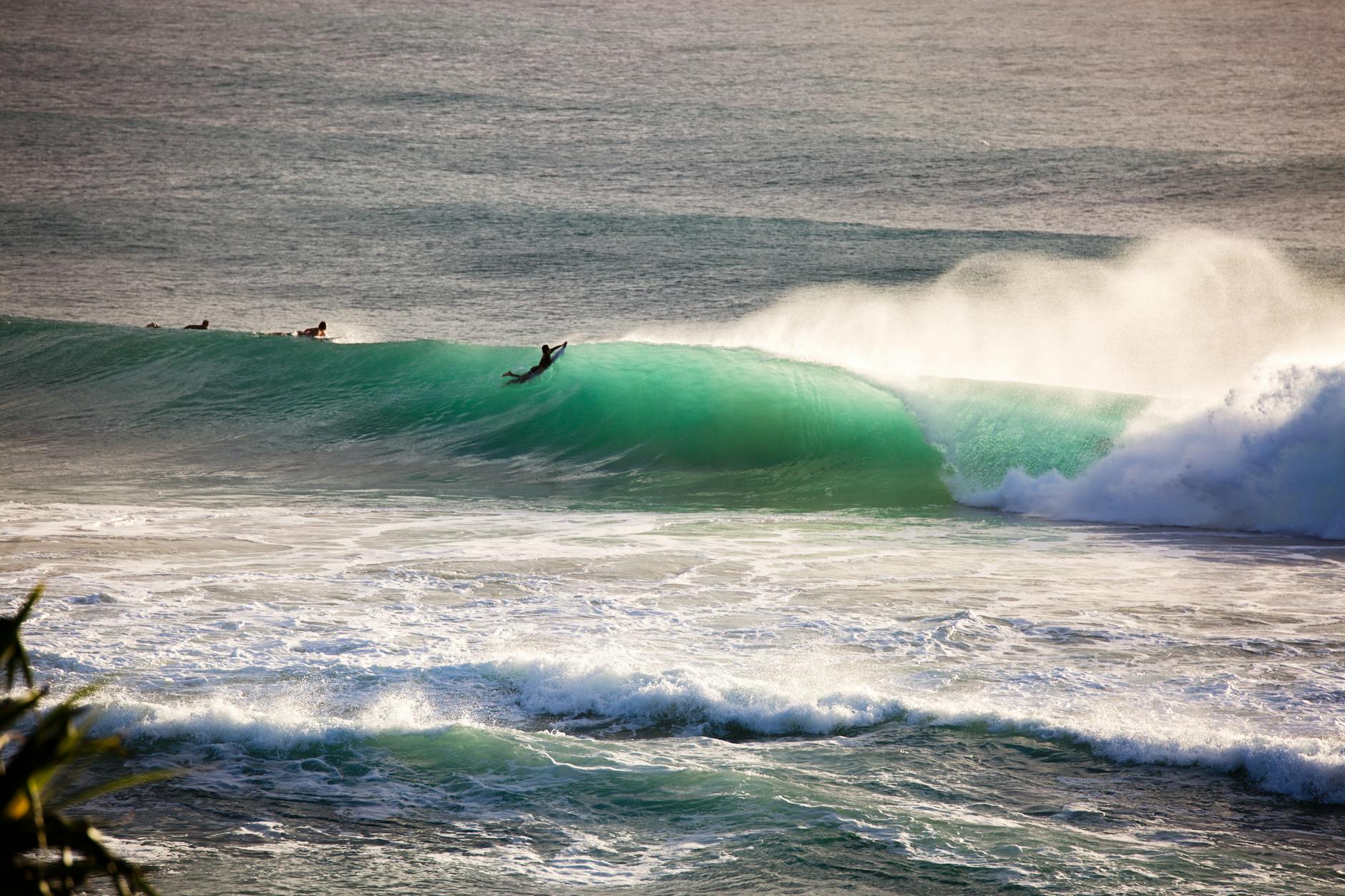
For waves, you cross the peninsula to the ocean side. The Southern Ocean has nothing between it and Antarctica, so the swell that marches into the Fleurieu coast is the real deal, consistent, powerful and, in the right spots, perfect for learning. The whole surf coast runs roughly from Sellicks and Myponga in the north down through the classic learn-to-surf beaches around Middleton and on towards the heavier breaks near Victor Harbor. None of it is more than about an hour and a half from the CBD, which means you can be eating breakfast in town and out the back by mid-morning.
Where beginners should surf near Adelaide
This is the good news. The Fleurieu is, hands down, one of the friendliest places in Australia to catch your first wave, because it serves up long, gentle, rolling whitewater on forgiving beach breaks, and it has the surf schools to match. Here’s where I’d send you, roughly in order of how far you have to drive.
Moana, the closest option
Moana is the easiest surf beach to reach from the city, around 40 minutes south, and it’s where a lot of southern-suburbs kids first stood up. It’s a steady, small-to-moderate beach break over sand, you can drive onto parts of the beach, and on a mellow day it’s a genuinely soft introduction. Because it’s the closest, it gets busy on weekends, so an early start pays off. Seaford and Southport are right nearby in the same stretch; Southport has a Surf Life Saving Club and gentle, manageable waves, which makes it a sensible, patrolled-in-season choice for nervous beginners.
Middleton, the classic learn-to-surf beach
If I could only send a first-timer to one place, it’s Middleton, about 90 minutes south near Port Elliot. It’s the spiritual home of learning to surf in South Australia for good reason: a long, sandy point and beach that produces rolling whitewater you can ride for ages, it’s surfable most days even when other spots are flat, and the consistency is exactly what a beginner needs. It’s also where the surf schools are based, so it’s no accident that learner foamies dot the lineup most mornings. The wave is long enough to forgive the wobbly pop-ups and gentle enough that a bad wipeout means a mouthful of saltwater rather than a trip to the rocks.

Goolwa and the river-mouth beaches
Further along towards the mouth of the Murray, Goolwa Beach offers wide-open sand and beginner-friendly banks when the conditions line up. It’s a quieter, less crowded option than Middleton on a busy weekend, and the whole stretch around Goolwa, Middleton and Port Elliot makes a lovely day or weekend on the coast even when the surf is small, with cafes, the historic Cockle Train and easy walks. It’s a part of the Fleurieu I’d happily recommend even to people who never plan to touch a surfboard.
Surf schools and lessons: the smart way to start
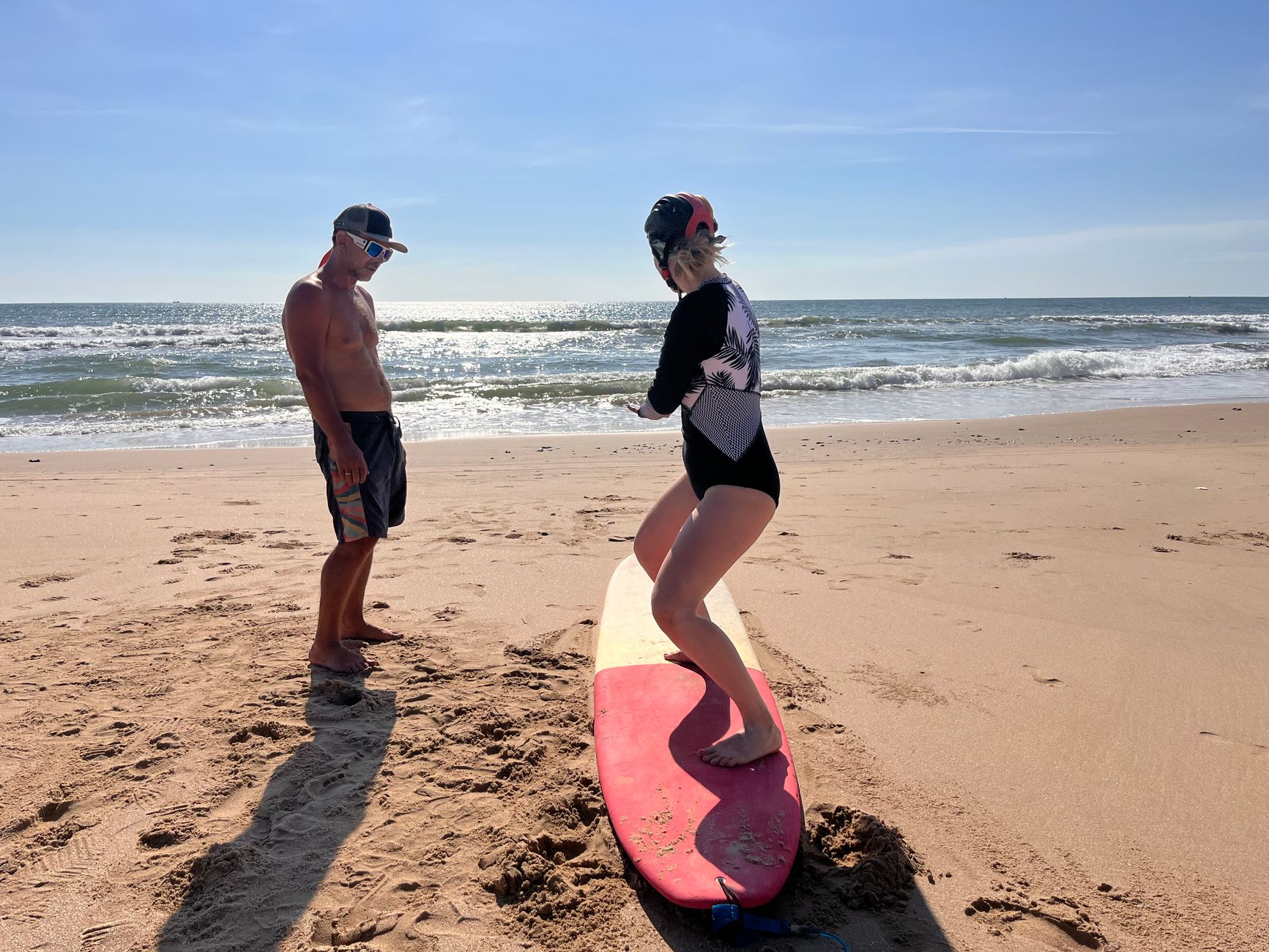
Here’s my honest steer: if you’ve never surfed, book a lesson. Don’t borrow a mate’s board and flail around in front of a beach full of strangers, a couple of hours with an instructor will save you a week of frustration and, more importantly, teach you to read the water safely. Two operators run the show down here. Surf & Sun and South Coast Surf Academy both run lessons on the gentle Fleurieu beaches, typically starting you in waist-deep whitewater where you can stand up between waves, with all the gear, soft learner boards and wetsuits, included in the price. Middleton is the usual base.
What I like about learning here is that the teaching beaches are forgiving and the instructors know the coast intimately, where the gentle banks are on the day, where the rips run, when to call it. Group lessons keep the cost down and are genuinely social; private lessons get you standing faster. Either way you’ll come out knowing how to paddle, pop up, and, crucially, how to keep yourself out of trouble. Booking ahead matters in the warmer months and school holidays, when the learner beaches are at their busiest.
Hiring gear if you already surf
If you can already stand up and just want to score a few waves, the surf schools and a handful of shops down south hire out boards and wetsuits by the half-day or day. It’s the easy way to surf the Fleurieu if you’ve flown in without your quiver. Bring or hire a wetsuit no matter the season, which brings me to the thing visitors most underestimate.
The cold-water reality, and why you need a wetsuit year-round
The Southern Ocean is cold. Not Antarctic, but cold enough that a wetsuit is a year-round necessity here, not an optional extra. In winter the water drops to around 13 to 15 degrees and a decent steamer plus, on the worst mornings, boots and a hood is the difference between a fun session and a miserable, shivering one. Even in the height of summer, when the gulf side is warm enough for board shorts, the ocean side stays cool enough that most of us still pull on at least a spring suit. The surf schools include wetsuits in their lessons for exactly this reason. Underdress and you’ll be cold, sapped and out of the water within twenty minutes, which is no way to learn.
Intermediate and advanced: where the real power is
Once you’ve got your bearings, the Fleurieu opens up some serious waves, and this is where I have to switch from cheerful encouragement to a stern word about safety. The heavier breaks down here are powerful, often unpatrolled, and they catch out overconfident visitors every single year.
Waitpinga and Parsons Beach
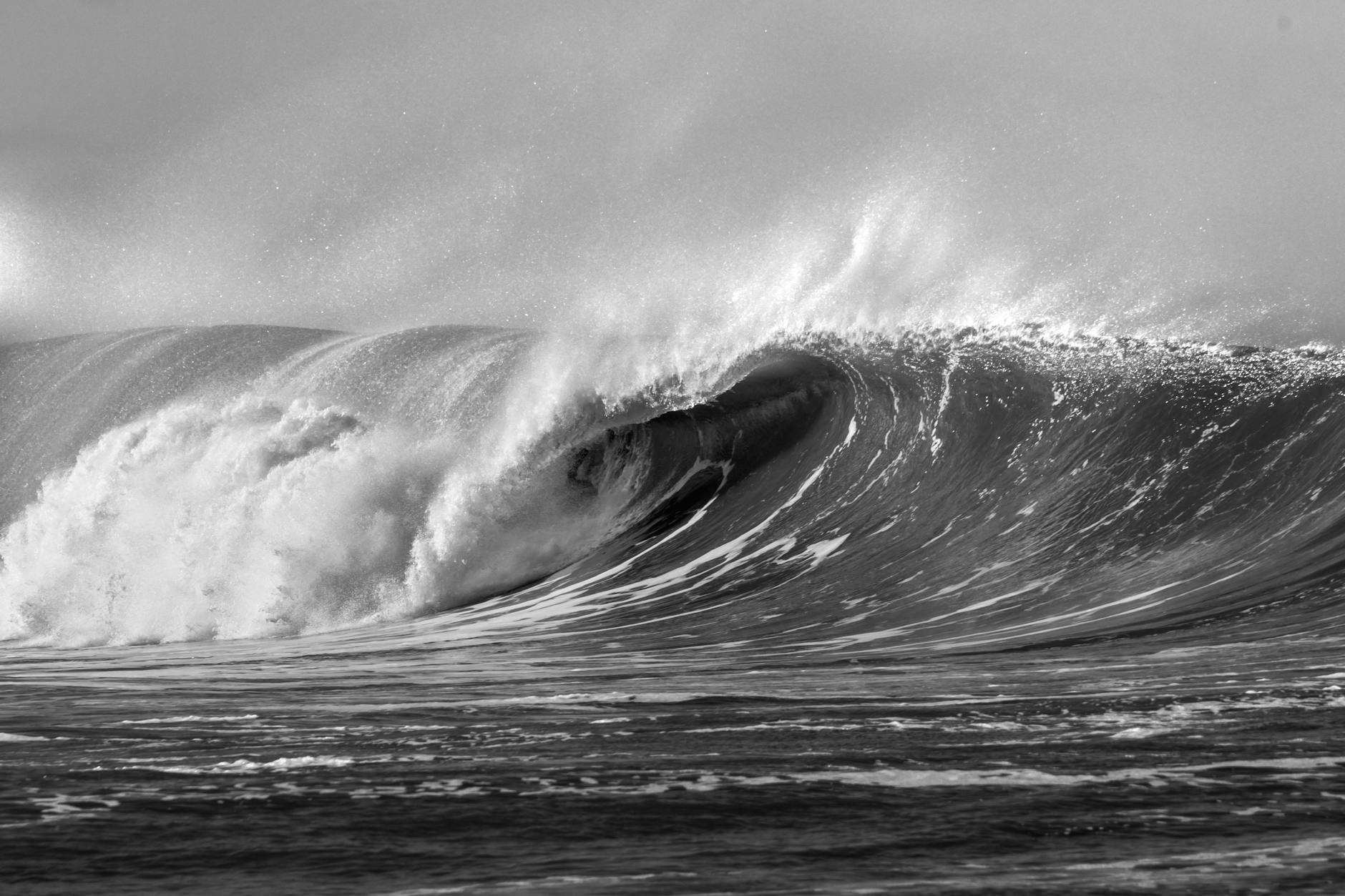
Out past Victor Harbor, exposed to the full force of the Southern Ocean, sit Waitpinga and Parsons Beach. These are big, raw, powerful beach breaks with strong rips and no lifeguard patrol, and they are firmly for experienced surfers only. On a solid swell they’re genuinely heavy, and the rips that run off the banks can carry you a long way out in a hurry. Beautiful, wild, often empty, exactly the sort of place a strong surfer dreams about, and exactly the sort of place a beginner has no business paddling out. I’m not being precious; people get into serious trouble out here. If you’re not confident reading swell, current and your own ability honestly, leave these for another trip. The town of Victor Harbor itself is a great base regardless, and our guide to Victor Harbor and Granite Island covers the gentler side of the area.
Chiton Rocks, Trigs and the points
Closer to Middleton, Chiton Rocks is a popular and more performance-oriented break that draws a committed local crew, and there’s a reef and point setup along this stretch, Trigs and others, that comes alive on the right swell for intermediate and advanced surfers. These spots have rocks and reef in play, localism in the lineup, and they reward local knowledge, so they’re best approached with humility, a friend who knows the place, and a willingness to watch before you paddle out. The Fleurieu surf community is generally welcoming if you show respect for the pecking order and don’t drop in.
The mid-coast and Yorke Peninsula for road-trippers
If you’ve got wheels and a few days, the surf coast keeps going. North of the metro beaches the so-called mid-coast has its own breaks, and across the gulf the Yorke Peninsula is a proper surf-trip destination, with exposed ocean-side beaches and reefs at places like Pondalowie in Innes National Park that reward those willing to drive. These are road-trip waves, remoter, less patrolled, more committing, and they’re how a lot of South Australian surfers spend their long weekends. A hire car opens all of this up; you’ll find honest advice in our guide to renting a car in Adelaide, and the broader things to do in Adelaide rundown helps you build the non-surfing parts of the trip, while our Adelaide day trips guide covers the wider region.
Surf safety on the Fleurieu: read this twice
I’ll keep banging this drum because it matters. The Southern Ocean is cold, powerful and, at many of the best breaks, completely unpatrolled. A few non-negotiables. Where a beach is patrolled in season, swim and surf between the red-and-yellow flags, that’s where the safest water is and where help is closest. Learn to spot a rip: a darker, calmer-looking channel of water often flanked by breaking waves is usually a current heading out to sea, and if you’re caught in one, don’t fight it, stay calm, signal for help and let it carry you out before swimming across it back to the break. Never surf alone at a remote, unpatrolled break like Waitpinga or Parsons, surf with someone, tell another person where you’re going, and remember phone reception can be patchy down the coast. Check the swell and forecast before you drive, Surfline and the Bureau of Meteorology are what locals use; a forecast that’s perfect for an experienced surfer can be plain dangerous for a learner. And respect the conditions on the day over your plan, the ocean doesn’t care about your schedule.
The usual outdoor caveats apply too: the South Australian sun is fierce even on cool days, so sunscreen and a rash vest are sensible year-round, and on hot days down the coast there’s snakes in the dune scrub, so watch where you walk. Park fees and beach access can change at the national-park spots, so check current park info before you set off for the remoter breaks.
When to surf: seasons and swell
The seasons here are almost the inverse of the swimming calendar. Autumn and winter generally bring the most consistent and powerful swell to the Fleurieu, which is why the keen crew rugs up and surfs through the cold months; the waves are simply better and more reliable, and there is more on around the city than you might expect, as our guide to Adelaide in winter shows. Summer tends to be mellower and smaller on the surf coast, which, conveniently, makes it the gentlest time to learn, warmer (if still cool) water, smaller waves, and long daylight. So there’s a nice logic to it: come in summer to take a lesson and have a forgiving introduction, come in autumn or winter if you can already surf and want power. If you’re planning around the warm season generally, our guide to Adelaide in summer and the broader best time to visit Adelaide piece will help you slot a surf trip into the wider holiday.
Making a day or weekend of it
The beauty of surfing the Fleurieu is that the rest of the region is gorgeous, so a flat day is never a wasted day. Base yourself around Middleton, Port Elliot or Victor Harbor and you’ve got walks, the Cockle Train, cellar doors back towards McLaren Vale, granite headlands and good cafes all within easy reach. I’d treat the surf as the centrepiece and let the rest of the coast fill in around it. Even committed locals build their surf trips this way, dawn paddle, big breakfast, a wander, maybe an afternoon session if the wind stays kind.
If you want to feel the contrast, spend a morning learning to surf at Middleton and an afternoon back on the calm gulf side, the kids splashing at Glenelg or a stroll along the River Torrens back in the city. That swing from wild ocean to sheltered gulf in under two hours is, honestly, one of my favourite things about this corner of the country. For tying the whole trip together, our complete Adelaide travel guide is the place to start.
My honest take on surfing in Adelaide
So, is Adelaide a world surf city? No, and I’d never pretend otherwise. But that framing misses the point. What we have is a genuinely excellent learn-to-surf coast within easy reach of a major city, gentle, consistent beaches with good schools at Middleton and Moana, and, for those with the skill and respect to handle them, raw, powerful Southern Ocean breaks out past Victor Harbor. Treat the cold water seriously, book a lesson if you’re starting out, surf the heavier breaks only if you genuinely know what you’re doing, and you’ll come away with a soft spot for the Fleurieu that lasts. It’s not Bells or Margaret River. It doesn’t need to be. It’s ours, and on the right morning it’s just about perfect.
Frequently asked questions
Can you surf in Adelaide?
Not in the city itself, no. Adelaide’s metropolitan beaches sit on sheltered Gulf St Vincent and are almost always flat, which is great for swimming but useless for surfing. The real surf is on the Fleurieu Peninsula’s Southern Ocean coast, roughly 45 to 90 minutes south of the city, where breaks like Middleton, Moana and the heavier waves near Victor Harbor deliver genuine, consistent swell.
Where can beginners surf near Adelaide?
Middleton, about 90 minutes south, is the classic learn-to-surf beach, with long, gentle rolling whitewater, surf schools and waves on most days. Moana, around 40 minutes from the city, is the closest beginner option, and Southport and Seaford nearby are also gentle. Goolwa offers quieter beginner-friendly banks. Booking a lesson at one of these beaches is the smartest way to start.
Do you need a wetsuit to surf in Adelaide?
Yes, year-round. The Southern Ocean off the Fleurieu Peninsula is cold, dropping to around 13 to 15 degrees in winter, when a full steamer (and sometimes boots and a hood) is essential. Even in summer the surf coast stays cool enough that most surfers wear at least a spring suit. Surf schools include wetsuits with their lessons, and you can hire one if you’re visiting without gear.
Are there surf schools near Adelaide?
Yes. Surf & Sun and South Coast Surf Academy both run lessons on the gentle Fleurieu beaches, usually based around Middleton. Lessons typically start you in waist-deep whitewater where you can stand between waves, and gear (soft learner boards and wetsuits) is included. Book ahead in the warmer months and school holidays when the learner beaches are busiest.
Where are the best surf spots for experienced surfers near Adelaide?
Waitpinga and Parsons Beach, out past Victor Harbor, are big, powerful, unpatrolled Southern Ocean breaks with strong rips, for experienced surfers only. Chiton Rocks near Middleton is a popular performance break, and there are reef and point setups along that stretch. Road-trippers head to the mid-coast and the Yorke Peninsula, including Pondalowie in Innes National Park, for remoter waves.
When is the best time of year to surf the Fleurieu Peninsula?
Autumn and winter generally bring the most consistent and powerful swell, which is why keen surfers rug up and surf through the cold months. Summer tends to be mellower and smaller, which makes it the gentlest, warmest time to learn. So come in summer for a forgiving introduction, or autumn and winter if you can already surf and want power. Always check the swell forecast before you drive down.