The palms tell you where you are before the signs do. On the western side of the Barossa, Seppeltsfield Road runs for kilometres between avenues of date palms, planted by the Seppelt family in the 1930s, and at the end of them is a winery with a trick no other winery in the world can match. Seppeltsfield has put aside a barrel of tawny from every vintage since 1878, never missing a year, and it will pour you a taste from the barrel of the year you were born.
That birth-year pour is the reason most people make the drive, and this guide explains how it works, what the famous 100-year-old tawny is, which tour to book, how the standard cellar door tasting compares, and what else is on the estate — the restaurant, the craft studios, the gardens and the palms. Seppeltsfield turns 175 in 2026. Opening hours come from the estate’s own website and were checked in September 2026. Tour prices change and some experiences are seasonal, so confirm details on the booking page before you go.
Seppeltsfield at a glance
| What | The short answer |
|---|---|
| Where | Seppeltsfield Road, in the western Barossa Valley — about an hour and a quarter’s drive from Adelaide |
| Founded | 1851, by the Seppelt family; 2026 is the 175th anniversary |
| Cellar door hours | Daily, 10:30am–5pm |
| Closed | Good Friday, Christmas Day, Boxing Day and New Year’s Day |
| The headline experience | The Taste of History tour in the 1878 Centennial Cellar, with the 100-year-old Para Vintage Tawny |
| The birth-year pour | Taste tawny from the barrel of the year you were born, drawn from the Centennial Collection |
| Other tastings | Cellar door tastings (fees apply) and the Luxury Collection Tasting — 175th Anniversary Edition |
| Groups | Cellar door tastings are capped at six people; groups of seven or more book separately |
| Also on the estate | FINO Seppeltsfield restaurant, Café Gardens, JamFactory studios, a Prohibition distillery outpost and specialist shops |
| Time needed | Half a day to do it properly; a full day with lunch at FINO |
The Centennial Cellar and the 100-year-old tawny
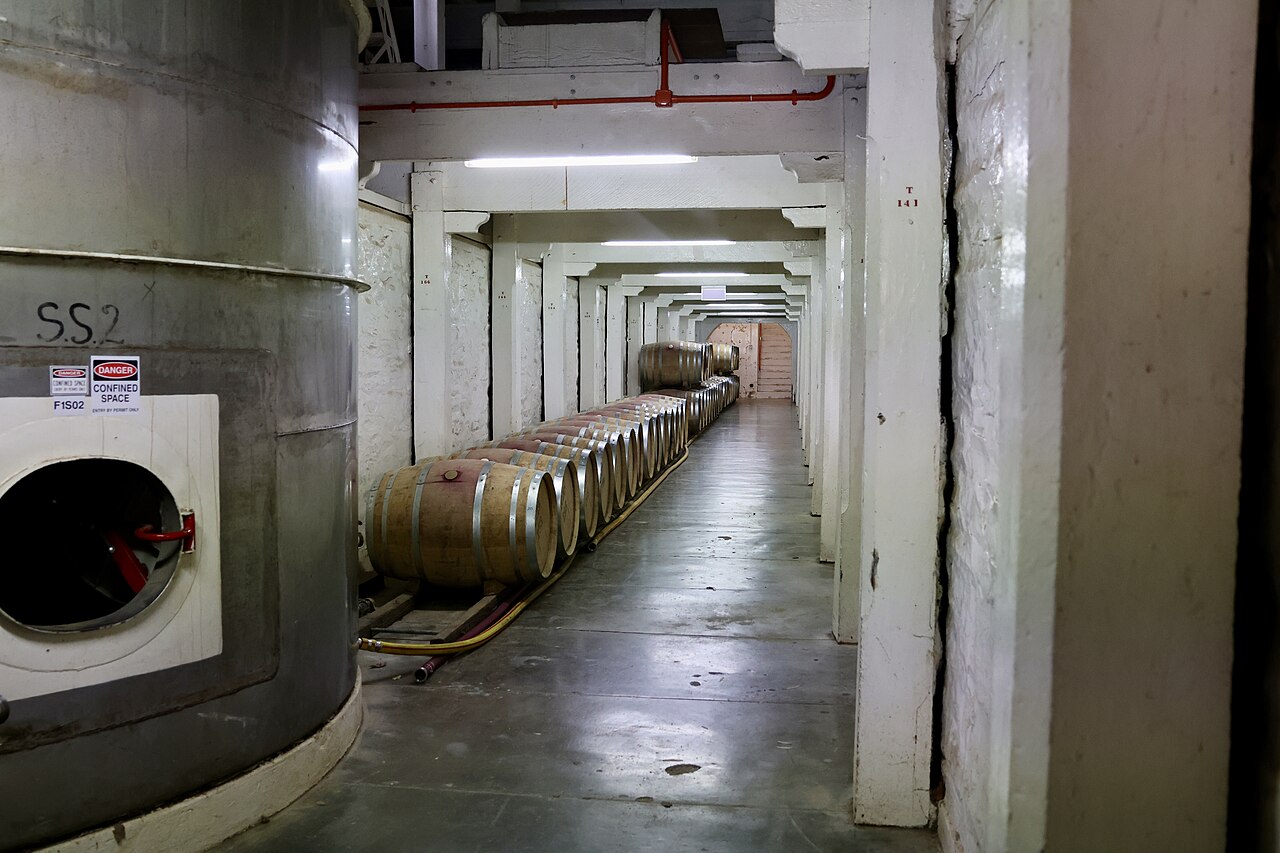
In 1878 the Seppelt family laid down a barrel of their best fortified wine with the intention of leaving it alone for a hundred years. They did the same the following year, and the year after that, and the practice has never been broken. The result is the Centennial Collection, held in the 1878 Centennial Cellar, which the estate calls “the jewel in the crown of Seppeltsfield”: an unbroken line of barrels, one for every vintage from 1878 to the present day.
When the first of those barrels turned 100, in 1978, Seppeltsfield released it. It has released a 100-year-old single-vintage tawny every year since, which makes it, by its own account and by general agreement in the wine world, the only winery anywhere to do so. That wine is the 100 Year Old Para Vintage Tawny, and tasting it is the centrepiece of the Taste of History tour. You go into the Centennial Cellar, walk among barrels marked with vintages older than anyone’s grandparents, and taste a wine made a century ago — the release in 2026 is the 1926 vintage.
Book the Taste of History tour through the Seppeltsfield website. It is popular, sessions are limited, and weekends and school holidays sell out. Prices and times change, so check them when you book rather than relying on a figure from an old article.
How the birth-year tasting works
Because there is a barrel for every year since 1878, Seppeltsfield can do something that sounds like a gimmick until you try it: pour you a taste of tawny from your birth year, drawn straight from the barrel. For a milestone birthday — a 40th, a 50th, a 70th — it is one of the most memorable things you can do in South Australian wine, and it makes an unusual present to organise for someone else.
A few things make it better:
- Book ahead and say it is for a birthday. Birth-year tastings are arranged through the estate’s tours and experiences, and what is offered, and how, can change. Ask when you book exactly what is included for your year.
- Bring the birth years of everyone in the group. Tasting the tawnies of two or three different years side by side is fascinating, because you can taste what the extra decades do.
- Manage expectations for younger vintages. A tawny from the 1990s or 2000s is still young in fortified terms: fruitier, brighter and less concentrated than the old wines. It is still a thrill to taste your own year, but the jaw-dropping flavours belong to the older barrels.
- Ask about buying your year. Seppeltsfield has sold birth-year tawny in bottle, but availability and prices vary by vintage. Ask at the cellar door or when you book rather than assuming your year is available.
Planning a birthday visit
Because the birth-year tasting is so often a celebration, it is worth planning the day around it rather than squeezing it in. A plan that works:
- Morning: drive up from Adelaide and come in along the palm avenues rather than straight off the main road. It sets the scene, and the birthday person will want the photo.
- Late morning: the Taste of History tour or birth-year tasting, booked well ahead and with the birthday noted on the booking.
- Lunch: FINO on the estate, booked for straight after the tour, so nobody has to drive between tasting and eating.
- Afternoon: a slow wander through the formal gardens and the JamFactory studios, then one more cellar door along Seppeltsfield Road at most.
- Evening: stay in the valley rather than driving back to the city — the birthday person has earned it.
If the person is not with you, a bottle of their birth-year tawny, where one is available, is one of the most personal wine gifts you can buy in Australia. Ask the cellar door what is available and how to have it packed for travel.
Tawny 101: what you are actually tasting
Tawny is a fortified wine: grape spirit is added during fermentation, which stops it, leaving natural sweetness and lifting the alcohol. It is then aged in old barrels for years or decades, where slow exposure to air turns the colour from purple to amber-brown and the flavours from fresh fruit to raisins, toffee, nuts, coffee and spice. Australian producers used to call these wines “port”, but that name belongs to Portugal, and Australian fortifieds now go by “tawny”.
Time in barrel does something else as well. Water and alcohol slowly evaporate through the wood, so an old barrel holds less wine than it started with, and what remains is ever more concentrated. That is why a 100-year-old tawny is so startling. It pours like syrup and tastes intensely of dried fruit, burnt sugar, coffee and spice, with an acidity that keeps it from being cloying. A thimble-sized pour is enough to fill your mouth with flavour for minutes. Do not expect to drink a glass of it. Expect to remember one sip.
If you are new to fortified wine, ask the staff to walk you through a couple of younger tawnies first. The comparison makes the old wines easier to understand, and you will appreciate the 100-year-old more for it.
Drinking tawny at home
If you buy a bottle, a few things will help you get the most from it:
- Serve it slightly cool, not cold. Cellar temperature is about right. Straight from the fridge mutes the flavours, and a hot room makes the alcohol stand out.
- Use a small glass. A small white-wine glass or a dedicated fortified glass concentrates the aromas. A tumbler wastes them.
- It keeps after opening. Because tawny has already spent years slowly oxidising in barrel, an opened bottle lasts far longer than table wine — weeks rather than days, if you keep it stoppered and out of the heat. Very old, very concentrated tawny is best finished within a sensible time, so share it.
- Pair it simply. Blue cheese, roasted nuts, dark chocolate, dried fruit and Christmas pudding are the classic matches. With a 100-year-old tawny, the wine is the dessert, and it needs nothing beside it.
- Carry it carefully. If you are flying home, check your airline’s liquid and alcohol rules, and ask the cellar door to wrap bottles for travel.
Cellar door tastings and the Luxury Collection
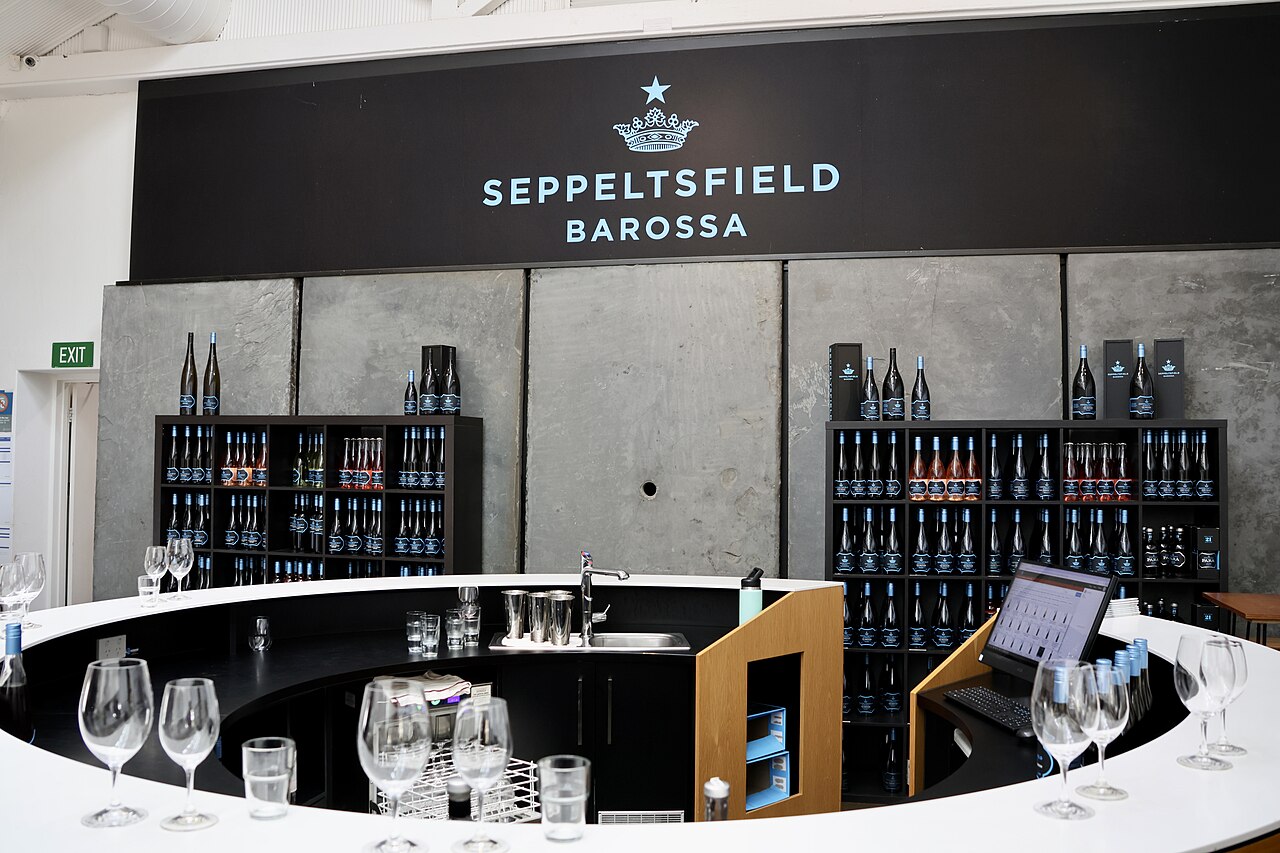
If you do not book a tour, the cellar door is open daily from 10:30am to 5pm for tastings of the table wines and fortifieds. Tasting fees apply, and tastings at the cellar door are limited to groups of up to six. If there are seven or more of you, you need a group booking, which is worth knowing before a hen’s party or a family reunion turns up unannounced.
For a more serious tasting, the estate offers the Luxury Collection Tasting Experience, currently in a 175th Anniversary Edition, which pairs its best single-vineyard Barossa wines with its fortifieds. It suits people who want to understand the table wines as well as the tawnies, and it is the better choice if your group includes someone who does not care for sweet wine.
The honest comparison: the standard tasting is good, but plenty of Barossa cellar doors offer a good tasting. What no one else can offer is the Centennial Cellar. If you only have time or budget for one paid experience here, make it the Taste of History tour.
175 years of Seppeltsfield
Joseph Seppelt, a migrant from Silesia, bought land here in 1851, when the Barossa was a young German-speaking farming district. The family story is that he intended to grow tobacco and turned to wine instead. Under his son Benno the business grew into one of the largest wine enterprises in Australia, built largely on fortified wine, and the stone buildings, cellars and gardens you walk through today are mostly the legacy of those decades.
The Seppelts were part of a much bigger story. From the late 1830s and through the 1840s, German-speaking Lutherans from Prussia and Silesia, many leaving to escape religious restrictions at home, settled the Barossa and the Adelaide Hills. They brought their farming, their bakeries and smallgoods, their churches and their dialect, and much of the valley’s character — the stone cottages, the steeples, the mettwurst in the butchers’ windows — still comes from them. Seppeltsfield is one of the grandest expressions of that heritage. If the German side of South Australia interests you, the Hills village of Hahndorf tells the same story on a smaller scale — see our Hahndorf day trip guide.
Two landmarks outside the cellar door are worth a detour. The palm avenues along Seppeltsfield Road were planted by the family in the 1930s — work for estate hands through the Depression years — and they now make one of the most photographed drives in the state. The Seppelt family mausoleum, a Greek-temple-style building on the hill above the estate, is reached along its own palm-lined approach and looks back over the vineyards. The palms cost nothing to enjoy from the road. Ask at the cellar door about walking up to the mausoleum. Both make more sense once you have heard the family’s story inside.
Today the estate covers some 420 acres of vineyards, gardens and heritage buildings, and 2026 marks 175 years since that first purchase of land. Expect anniversary editions and events through the year.
More than wine: FINO, JamFactory and the rest of the estate
Seppeltsfield has turned its heritage buildings into a small village, which is why it fills half a day even if you are not a fortified-wine obsessive.
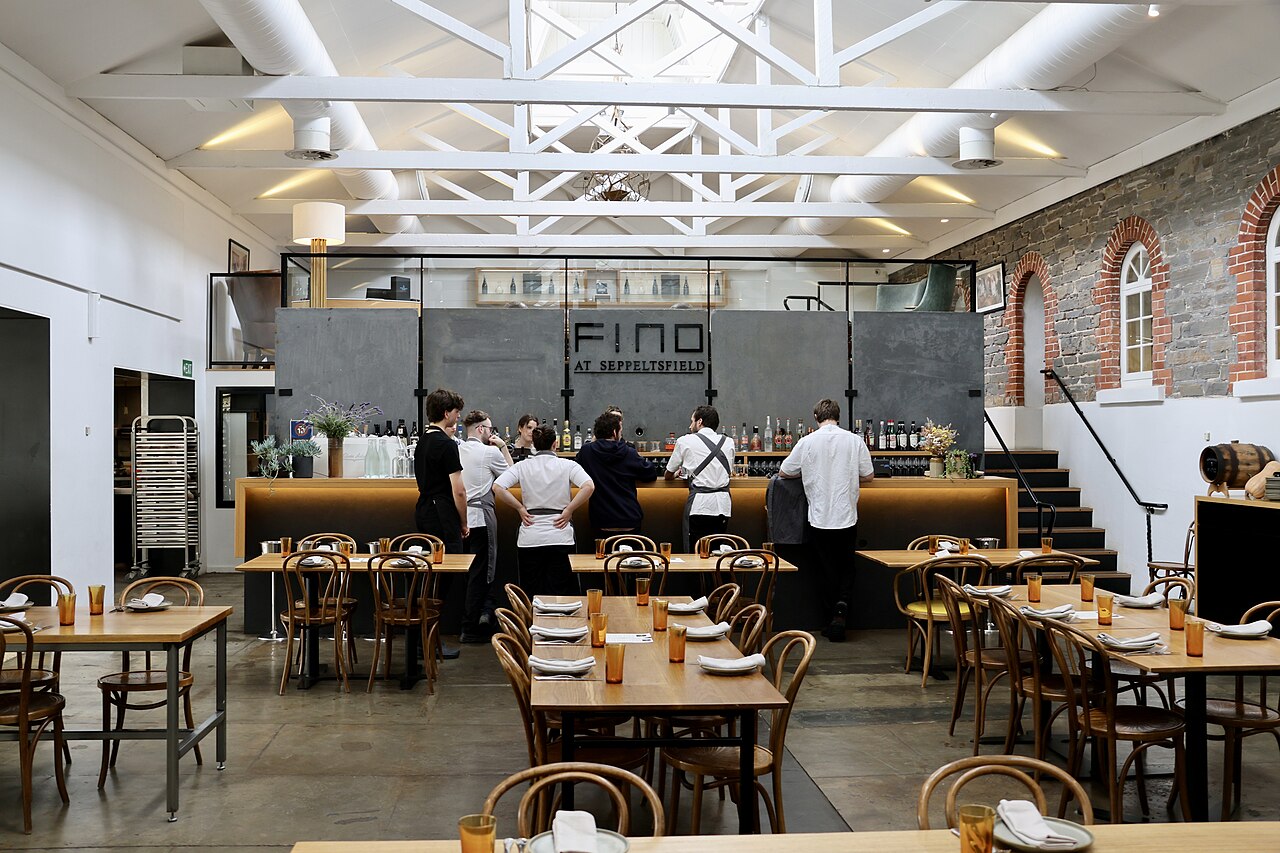
- FINO Seppeltsfield is the estate restaurant and one of the Barossa’s best-known places for a long lunch built on regional produce. Book ahead, especially at weekends.
- Café Gardens at Seppeltsfield is the casual option for coffee and something lighter, looking over the formal gardens.
- JamFactory at Seppeltsfield brings South Australia’s craft and design organisation to the estate, with makers’ studios and pieces for sale. It is worth a wander even if you are not buying.
- Prohibition Distillery, the Adelaide gin maker, has a presence on the estate, which gives non-wine drinkers something to taste. Our breweries and distilleries guide covers Prohibition’s city home.
- Shops and makers round it out, including Vasse Virgin, The Tiny Knife Shop and YN Oak Cooperage, plus The Lodge.
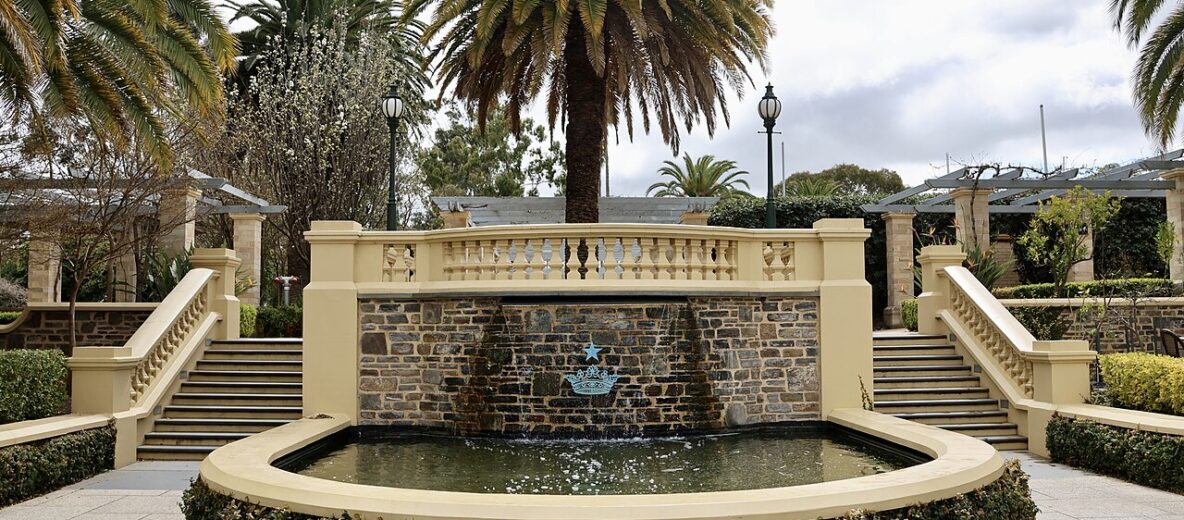
The formal gardens, with their fountain, balustrades and palms, are the loveliest part of the estate to walk through. They are especially good in spring, and they are a pleasant place to sit while the designated driver finishes their coffee.
Getting there and building a Barossa day
Seppeltsfield is about an hour and a quarter’s drive north-east of Adelaide, on the western side of the Barossa Valley near Marananga, a short drive from Tanunda and Nuriootpa. There is no practical public transport to the cellar doors, so choose between:
- A tour. Plenty of Barossa day tours stop at Seppeltsfield. Check whether the Centennial Cellar tour is included or whether you only get a standard tasting — it makes a big difference. Our wine tours from Adelaide guide explains what to ask.
- A designated driver. South Australia’s limit is 0.05 for fully licensed drivers and zero for learners and provisional drivers, and fortified wine is strong. Budget accordingly.
- Staying the night. The Barossa has excellent accommodation, and waking up in the valley makes the whole day calmer. See our Barossa Valley accommodation guide.
For the rest of the day, Seppeltsfield Road is lined with other cellar doors, and the towns of Tanunda and Nuriootpa are minutes away. A realistic plan is Seppeltsfield in the morning (tour plus a look at the gardens and JamFactory), lunch at FINO or in Tanunda, and one or two more cellar doors in the afternoon. More than that and the wines start to blur. Our Barossa day trip guide, Barossa wineries guide and Barossa restaurants guide fill in the rest.
When to go
- Weekday mornings are the calmest time for the cellar door and the tours.
- Vintage, roughly February to April, is the most atmospheric time in the valley, and the busiest.
- Winter is ideal for fortified wine. A glass of tawny makes most sense on a cold, clear Barossa afternoon, and the crowds are thinner.
- Spring brings the gardens into flower and green shoots to the vines. It is the best season for walking the estate and the palm avenues.
- Your birthday — or someone else’s — is the obvious excuse. Book early if the date falls on a weekend.
Is Seppeltsfield worth it?
Yes, and not just for fortified-wine lovers. The Centennial Collection is genuinely unique — an unbroken, drinkable record of every vintage since 1878 — and tasting a 100-year-old wine, or the tawny from your own birth year, is the kind of experience that stays with you. Add the gardens, the palms, JamFactory and FINO, and it is one of the few wineries that justifies a half day on its own.
| You are… | Verdict |
|---|---|
| Celebrating a milestone birthday | Book the birth-year tasting, and bring the whole group’s birth years |
| A wine lover visiting the Barossa | The Taste of History tour is essential |
| Not a fan of sweet wines | Still come for the building and the history, and choose the Luxury Collection tasting |
| Short on time | Skip the standard tasting and book the Centennial Cellar tour |
| Travelling with non-drinkers | The gardens, JamFactory, the palms and FINO keep everyone happy |
The one thing not to do is to squeeze Seppeltsfield into a six-winery day. The whole point is time: a wine that took a century to make deserves more than a ten-minute stop between two other tastings.
Seppeltsfield FAQ
Can you taste wine from your birth year at Seppeltsfield?
Yes. Seppeltsfield holds a barrel of tawny from every vintage since 1878 in its Centennial Collection and can pour a taste from your birth year. Book through the estate’s tours and experiences and ask what is included for your year.
What is the Seppeltsfield 100 Year Old Para Vintage Tawny?
A single-vintage fortified wine released at 100 years of age. Seppeltsfield has released one every year since 1978, when the 1878 vintage came of age, and it is the only winery in the world to do so.
What are Seppeltsfield’s opening hours?
The cellar door is open daily from 10:30am to 5pm. It is closed on Good Friday, Christmas Day, Boxing Day and New Year’s Day.
Do you need to book at Seppeltsfield?
For the Taste of History tour in the Centennial Cellar and other experiences, yes. The cellar door takes walk-in tastings for groups of up to six; larger groups must book.
How far is Seppeltsfield from Adelaide?
About an hour and a quarter’s drive, on the western side of the Barossa Valley near Marananga, Tanunda and Nuriootpa.
Is there a restaurant at Seppeltsfield?
Yes. FINO Seppeltsfield is the estate’s restaurant, and Café Gardens serves lighter meals and coffee. Book FINO ahead, particularly at weekends.
Why is it called tawny and not port?
“Port” is a protected name for wine from Portugal, so Australian fortified wines in that style are now labelled tawny.
Related Adelaide Guides
- Barossa Valley Wineries — the best cellar doors in the valley.
- Barossa Valley Day Trip — how to plan a full day from Adelaide.
- Barossa Valley Restaurants — where to eat between tastings.
- Barossa Valley Accommodation — stay the night among the vines.
- Barossa vs McLaren Vale — which region suits your trip.
- Wine Tours from Adelaide — taste without driving.
- d’Arenberg Cube — McLaren Vale’s most unusual cellar door.
- Adelaide Wine Regions — the complete guide to South Australian wine country.
Photo Credits
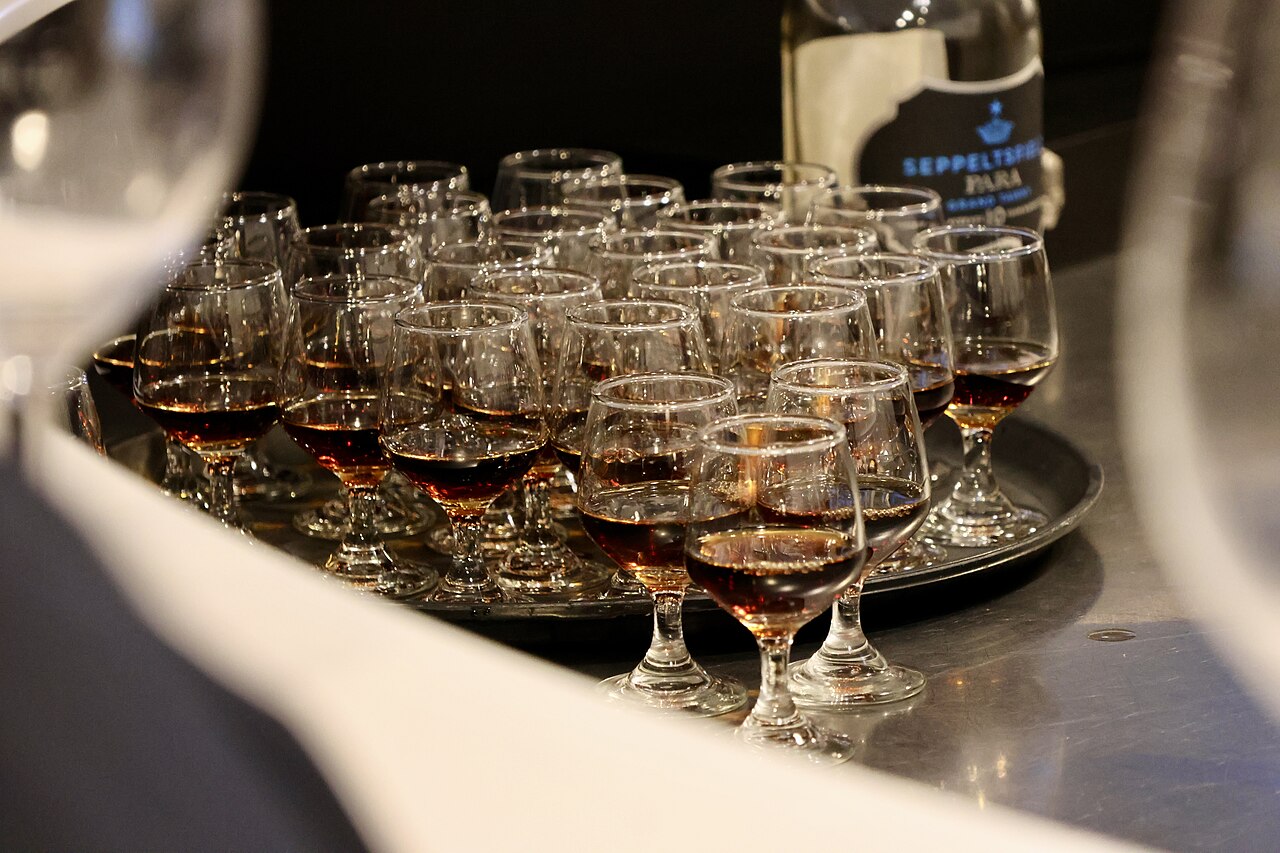
Tawny tasting glasses at Seppeltsfield: “Seppeltsfield winery on 28 September 2025 – 17.jpg” by Yu Chu Chin, via Wikimedia Commons, CC BY-SA 4.0.
Barrels in the Seppeltsfield cellars: “Seppeltsfield winery on 28 September 2025 – 05.jpg” by Yu Chu Chin, via Wikimedia Commons, CC BY-SA 4.0.
The Seppeltsfield cellar door: “Seppeltsfield winery on 28 September 2025 – 33.jpg” by Yu Chu Chin, via Wikimedia Commons, CC BY-SA 4.0.
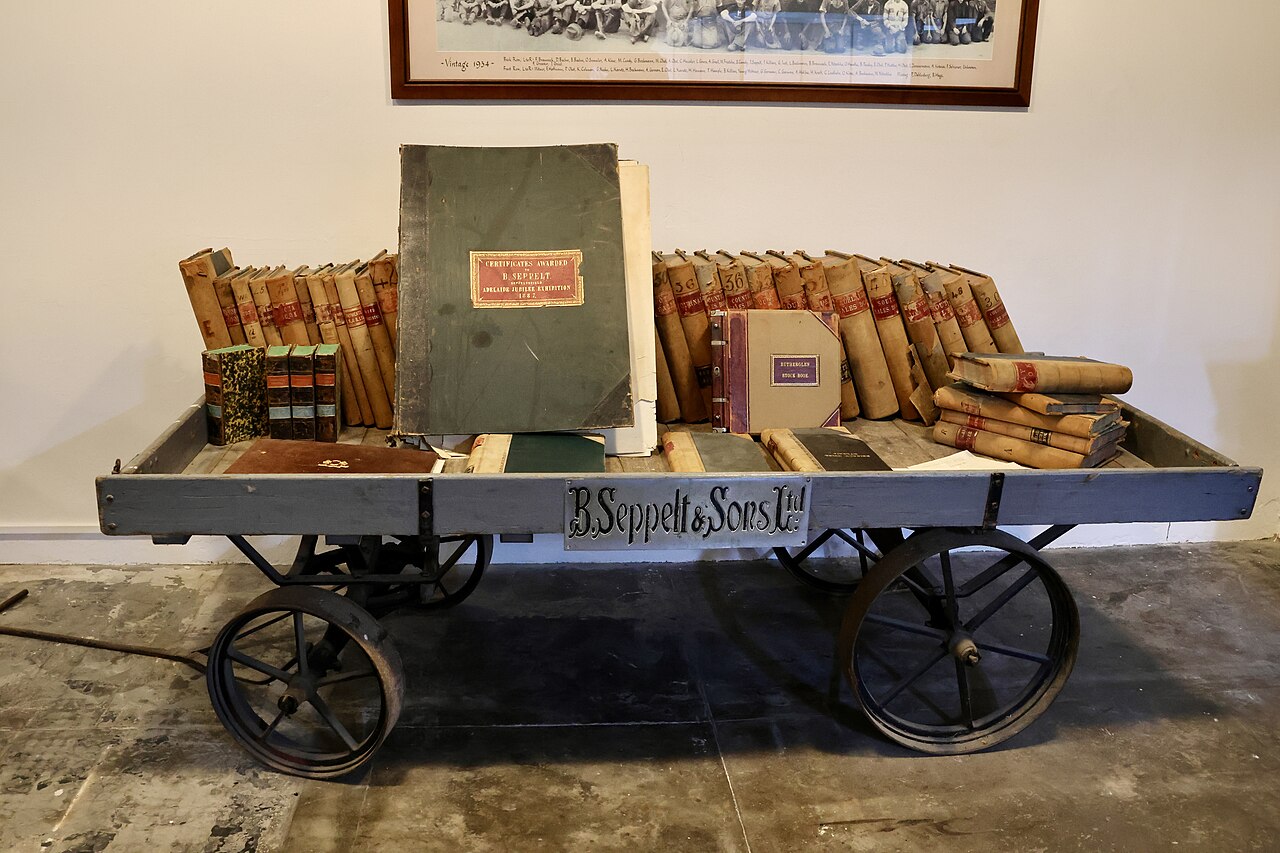
B. Seppelt & Sons ledgers: “Seppeltsfield winery on 28 September 2025 – 10.jpg” by Yu Chu Chin, via Wikimedia Commons, CC BY-SA 4.0.
FINO at Seppeltsfield: “Seppeltsfield winery on 28 September 2025 – 27.jpg” by Yu Chu Chin, via Wikimedia Commons, CC BY-SA 4.0.
The formal gardens and fountain (featured image): “Seppeltsfield winery on 28 September 2025 – 01.jpg” by Yu Chu Chin, via Wikimedia Commons, CC BY-SA 4.0.