The first time I stayed overnight in the Barossa Valley accommodation instead of driving home to Adelaide, I understood what I’d been missing for years. I could actually drink at the cellar doors without one eye on the clock and the breath-test maths in my head. I could sit through a long degustation dinner with a different wine beside every course. And I got the bit nobody on a day trip ever sees: the vineyards at golden hour, all warm light and long shadows and birdsong, with the day-trippers already an hour down the highway. If you’re planning a wine-country escape, start with our pillar on where to stay in Adelaide and beyond, then come back here for the detail on bedding down among the vines.
This is a region roughly an hour and 70 kilometres northeast of the city, so a Barossa stay is a different beast to a city stay. You’re choosing a base town, then a style of place, then timing it around harvest and festivals. I’ll walk you through all three the way I’d brief a mate, with honest steers about what each town and price tier actually gets you. A quick, important note first: I’ll name specific properties as illustrative examples of each type, but prices and availability shift constantly, so treat every name here as a starting point and check current rates and recent reviews before you book.

Why stay overnight in the Barossa instead of day-tripping
Plenty of people do the Barossa as a day trip from Adelaide, and that’s a perfectly good way to dip a toe in, our Barossa Valley day trip guide covers exactly how to do it well. But if you can spare a night, an overnight stay changes the whole experience, and not by a small margin.
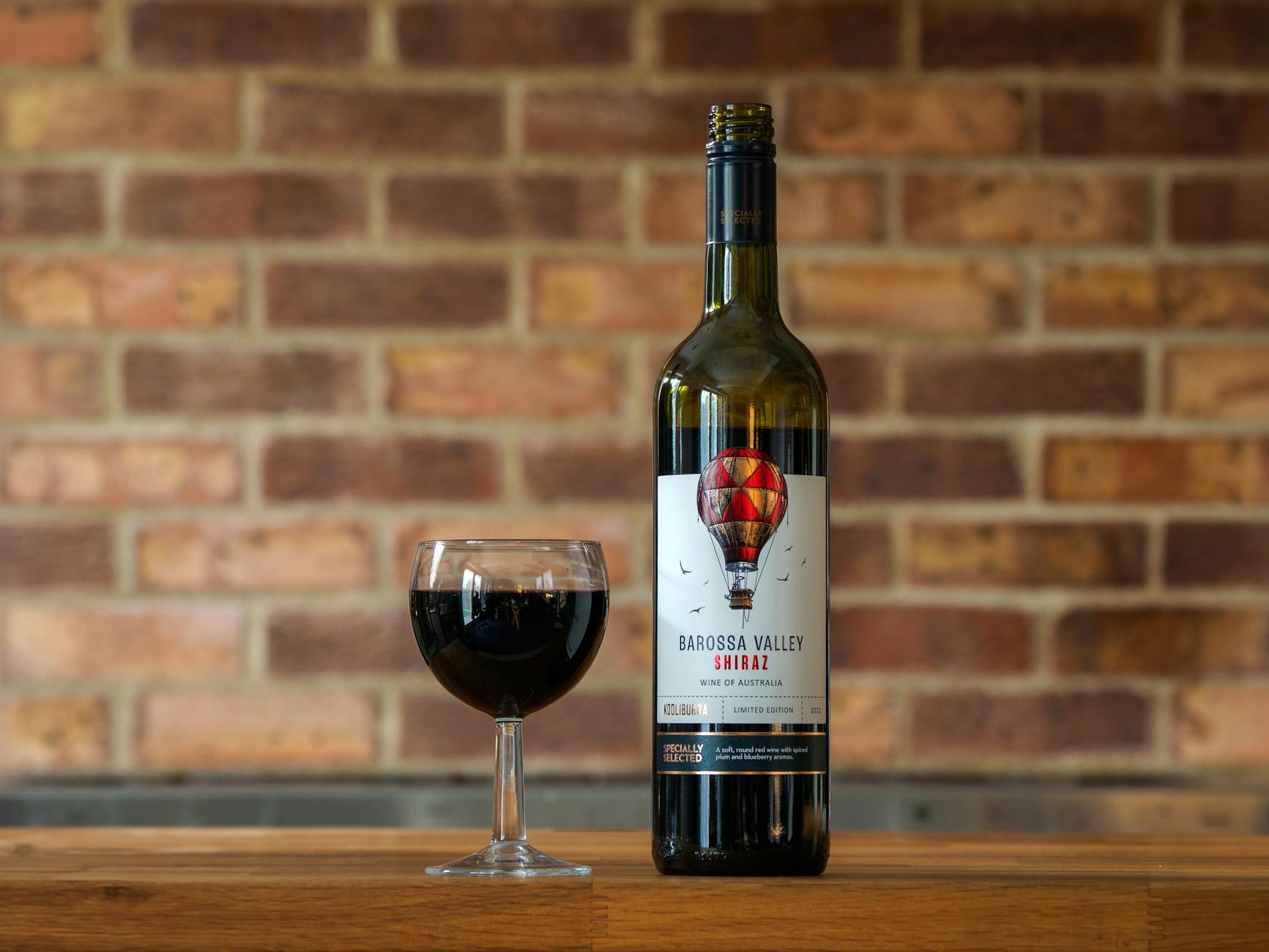
The obvious one is the driving. The Barossa is a self-drive region, and Australia’s drink-driving limit is strict and strictly enforced. On a day trip, somebody has to stay sober, which means somebody is sipping and spitting their way through one of the best wine regions in the country. Stay the night and that problem disappears. You can taste properly at the cellar doors, buy the bottle you actually liked, and let the afternoon unspool without watching the clock.
Then there’s dinner. The Barossa’s food scene has grown up enormously, and some of the best meals are long, multi-course degustations matched to the region’s wines. You cannot do that justice and then drive home. Staying over means you can book the big dinner, walk back to your room, and not regret a thing in the morning. And finally, the quiet hours: the vineyards at dawn and dusk, mist in the gullies, the cellar doors before the tour buses arrive. That’s the Barossa the locals love, and you only get it if you sleep here.
The best towns to base yourself in the Barossa
The Barossa isn’t one town, it’s a string of them, each with a slightly different character. Where you stay shapes your whole trip, so this is the decision I’d make first. Here’s how I’d match the towns to the kind of traveller you are.
Tanunda — the central, popular heart
If it’s your first time and you want to be in the thick of it, stay in Tanunda. It’s the heart of Barossa wine tourism, with the strongest German heritage, the most walkable main street, and the best concentration of dining within a short stroll. You’re central to nearly everything, which means less driving between cellar doors and an easy wander to dinner. Tanunda is my default recommendation for first-timers and for anyone who’d rather not get back in the car every evening. It has the widest spread of accommodation too, from cottages to motels to pubs with rooms.
Marananga — the prestige address
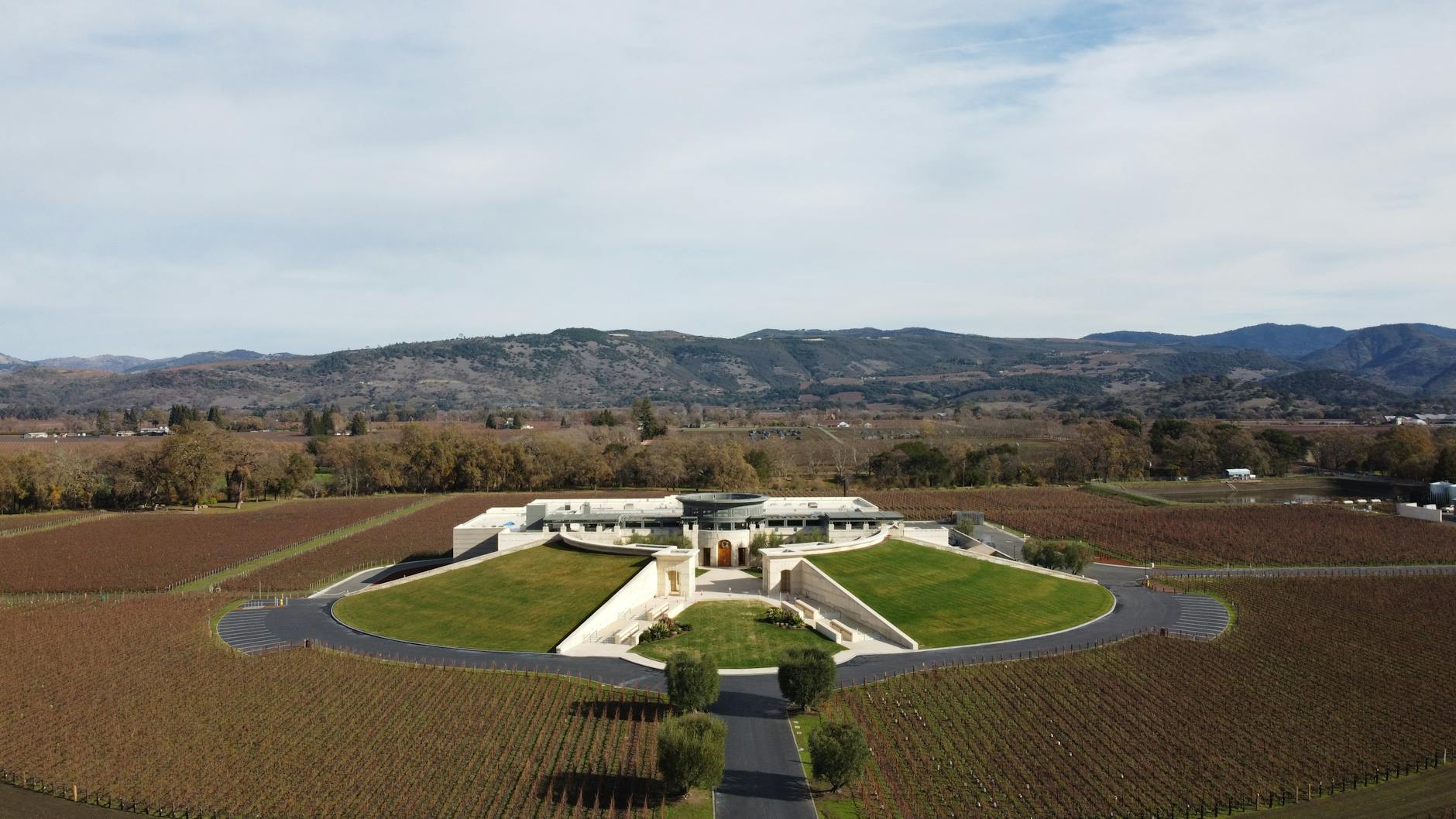
Just up the road from Tanunda, tiny Marananga is where a lot of the Barossa’s prestige and luxury lodges sit, surrounded by some of the oldest and most revered vineyards in the valley. If your stay is the splurge, the romantic anniversary, the special-occasion trip, this is the postcode I’d look at first. It’s quieter and more rural than Tanunda but still close enough that nothing’s a hassle to reach.
Angaston — charming and close to cool-climate Eden Valley
Angaston is the charmer of the bunch: a pretty heritage main street, good cafes, and an easy gateway to the higher, cooler Eden Valley just to the east, which is the place to be if you.re chasing elegant cool-climate Riesling, and our overview of the Adelaide Hills wine scene is a natural companion if you.re touring both. I’d point couples and slower-paced travellers here, people who want a bit of village character with their wine. It pairs beautifully with our guide to the best Barossa wineries if you’re planning your cellar-door route.
Nuriootpa — the practical, affordable base
Nuriootpa, “Nuri” to locals, is the largest town in the valley and its commercial centre, which means it’s where you’ll find the more affordable and practical options: motels, supermarkets, a holiday park. It’s not as quaint as Tanunda or Angaston, but if you’re watching the budget or travelling with kids and want self-catering convenience, Nuri makes a lot of sense. It’s also well placed for striking out in any direction the next morning.
Lyndoch, Rowland Flat and Vine Vale — closest to Adelaide, old-vine country
At the southern end, Lyndoch, Rowland Flat and Vine Vale are the first towns you reach coming from Adelaide, so they shave a little off the drive. This is old-vine country, some of the gnarled, ancient Shiraz vines here are among the oldest producing vines on the planet, and you’ll find scattered vineyard cottages and B&Bs tucked among them. I’d consider this area if you want a shorter run from the city, or a more secluded, surrounded-by-vines feeling rather than a town-centre stay.
Accommodation types, and what each price tier really gets you
Once you’ve picked a town, it’s about style and budget. The Barossa covers the full spread, from properties that rival anything in the country to honest, comfortable family parks. Here’s the honest breakdown of what your money buys at each tier.

Luxury vineyard lodges — the special-occasion splurge
At the top end, the Barossa does luxury vineyard stays as well as anywhere in Australia. At the time of writing, the names locals talk about include The Louise at Marananga, a low-slung luxury lodge with vineyard-view suites and the acclaimed Appellation restaurant on site; Le Mas Barossa, a French-style petit hotel with a mineral pool; and Stonewell Cottages, where the self-contained cottages come with spa baths and fireplaces and sit right on a working vineyard. There are estate-style stays attached to big names like Jacob’s Creek and the Kingsford estate too. What you’re paying for at this tier is space, seclusion, vineyard views, plush bedding, often a spa bath or pool, and frequently on-site or adjacent fine dining so you needn’t drive to your degustation. If you’re planning a romantic escape, this tier is the heart of it, and our Adelaide romantic getaway guide leans on exactly these kinds of stays. Do check current rates directly, because they move with the seasons.
Boutique cottages and B&Bs — character and value
This is the sweet spot for a lot of travellers, and the most characterful slice of the Barossa. Scattered across the valley are self-contained vineyard cottages, restored stone cottages, and warm bed-and-breakfasts run by people who actually live here. You get genuine character, a kitchenette or full kitchen, often a fireplace for the cooler months, and a host who’ll tell you which cellar door to hit before the crowds. For couples who want romance without the top-tier price, or for anyone who values feeling like a local over hotel polish, this is where I’d look. Many are tucked among the vines in Lyndoch, Vine Vale or out the Angaston way.
Mid-range motels and pubs-with-rooms — comfortable and central
If you just want a clean, comfortable, well-located base and you’d rather spend your money on wine and dinner, the Barossa’s motels and historic pubs-with-rooms do the job nicely. Tanunda and Nuriootpa have the bulk of them. The classic Barossa pubs in particular are a lovely middle option: a counter meal and a local drop downstairs, a comfortable room upstairs, and you’ve walked to dinner. It’s unfussy and it works, and it keeps the trip affordable without dropping to bare-bones.
Family and budget stays — holiday parks and self-catering
Travelling with kids or keeping a tight budget? The Barossa has you covered too. Holiday parks like Discovery Parks Barossa Valley offer cabins and powered sites, and that one in particular has a kids’ waterpark that buys you a few hours of peace while you plan tomorrow’s wineries. Self-contained cabins and apartments, concentrated around Nuriootpa, let you cook your own breakfasts and handle fussy eaters, which adds up over a few nights, and pairs well with the wider savings in our guide to doing Adelaide on a budget. This tier is also the most forgiving if you’re booking late, though “late” is relative in this region, as I’ll explain next.
When to book, and the dates that sell out
The Barossa is popular year-round, but two periods genuinely book out and catch people off guard. The first is harvest, roughly March into April, when the valley is buzzing, the vines are heavy, and there’s a real energy to the place, it’s a wonderful, if busy, time to visit. The second is the Barossa Vintage Festival, held in April of odd-numbered years. It’s the region’s signature event, it’s been running since the 1940s, and accommodation across the valley books out months ahead while it’s on. If your trip falls in either window, book as early as you possibly can.
More broadly, weekends are busier and pricier than midweek across the board, so if you can swing a Tuesday-to-Thursday stay you’ll find both better availability and softer rates. The cooler months bring a quieter, cosier feel, fireplaces, hearty food, big reds, and the luxury lodges sometimes have more give in their pricing. For the bigger picture on timing your South Australian trip, our best time to visit Adelaide guide is worth a look, and you might fold the Barossa into a broader wine itinerary using our overview of Adelaide’s wine regions.
Getting there and getting around
Here’s the practical truth: the Barossa is a self-drive region, and a car is by far the easiest way to do it. It’s about an hour from central Adelaide, around 70 kilometres, on good roads, and once you’re in the valley the cellar doors and towns are spread out enough that you’ll want wheels to move between them. If you’d rather not drive at all, this is the best argument for staying overnight, because you can then book onto local tours or hire a driver for the actual tasting days and leave the car parked at your accommodation. There are stay-and-tour packages that bundle a night or two with a guided winery day, which neatly solves the drink-and-drive problem.
If you’re weighing the Barossa against the Adelaide Hills, which is closer to the city and has its own excellent wine and stays, our guide to Adelaide Hills accommodation lays out that alternative. And if you’d rather use the Barossa as a day trip and keep your base in town, our roundups of Adelaide’s luxury hotels and the best hotels in the Adelaide CBD cover the city’s best beds. For everything you’ll actually do once you’re up there, lean on the day-trip and wineries guides, they work just as well for an overnight stay.
How I’d choose, in one breath
If you want the simplest possible steer: first-timers and walk-to-dinner types, base in Tanunda. Splurging on a special occasion, look at Marananga. Want village charm and cool-climate Riesling on the doorstep, Angaston. Watching the budget or travelling with kids, Nuriootpa and the holiday parks. Want a shorter drive from Adelaide and a surrounded-by-old-vines feeling, the Lyndoch and Vine Vale pocket. Match the town to the trip, then pick the tier your budget’s comfortable with, and you really can’t go too far wrong, the Barossa is a generous place to be a guest.
Whatever you choose, give yourself at least one full day and one night so the overnight magic actually has time to work. And if you’re stitching this into a longer South Australian holiday, our complete Adelaide travel guide will help you slot the Barossa in around the city, the beaches and the rest of the wine country.
Frequently asked questions
Where is the best place to stay in the Barossa Valley?
For most first-time visitors, Tanunda is the best base: it’s the central heart of Barossa wine tourism, has the most walkable main street and dining, and keeps driving between cellar doors to a minimum. If you’re after luxury, look at Marananga; for village charm and cool-climate Riesling, Angaston; for affordable and family-friendly options, Nuriootpa; and for a shorter drive from Adelaide among old vines, Lyndoch and Vine Vale.
Is it worth staying overnight in the Barossa Valley?
Absolutely. Staying overnight means you can taste properly at the cellar doors without worrying about driving, enjoy a long degustation dinner matched to local wines, and experience the quiet golden-hour vineyards that day-trippers never see. An overnight stay transforms the Barossa from a quick outing into a proper wine-country escape.
How far is the Barossa Valley from Adelaide?
The Barossa is about an hour’s drive northeast of central Adelaide, roughly 70 kilometres on good roads. It’s a self-drive wine region, so a car is the easiest way to get there and move between the towns and cellar doors, though stay-and-tour packages and local drivers are an option if you’d rather not drive on tasting days.
What types of accommodation does the Barossa Valley offer?
The full range: luxury vineyard lodges with fine dining and spa facilities, boutique self-contained cottages and B&Bs full of character, mid-range motels and historic pubs with rooms, and family-friendly holiday parks with cabins and self-catering. There’s a comfortable option at almost every budget, from a special-occasion splurge to a practical family base.
When should I book Barossa Valley accommodation?
Book well ahead if your trip falls during harvest (roughly March to April) or the Barossa Vintage Festival, held each April of odd-numbered years, as accommodation across the valley sells out months in advance for these. Weekends are busier and pricier than midweek year-round, so a Tuesday-to-Thursday stay usually means better availability and softer rates.
Do I need a car to stay in the Barossa Valley?
A car is by far the easiest way to explore the Barossa, since the towns and cellar doors are spread out and there’s limited public transport. That said, one of the best reasons to stay overnight is that you can then book onto guided winery tours or hire a driver for your tasting days, leaving the car parked at your accommodation so nobody has to stay sober.