Take a suburban train south-east from Adelaide Railway Station, get off at Belair, and within a few minutes’ walk you are on a trail in South Australia’s first national park, with koalas in the gums and a waterfall hike ahead of you. Few Australian cities put protected bushland this close. The Adelaide national parks run from that 1891 park on the edge of the suburbs, to a river gorge half an hour south, to a wild stretch of coast at the tip of the Fleurieu Peninsula where kangaroos graze above the cliffs and southern right whales pass below.
This guide covers the three that matter most for visitors — Belair, Onkaparinga River and Deep Creek — with entry fees, the best walks, camping, wildlife and honest verdicts on which suits which trip, plus the closer parks in the Adelaide Hills and the big ones further afield. Fees, hours and trail details come from the National Parks and Wildlife Service South Australia website and were checked in September 2026. Parks close on days of catastrophic fire danger, and trails wash out after heavy rain, so check the park page on the day.
Adelaide’s national parks at a glance
| Belair National Park | Onkaparinga River National Park | Deep Creek National Park | |
|---|---|---|---|
| Distance from the city | About 13km south-east | About 30km south | About 105km south |
| Vehicle entry | A$12.50 (concession A$10); walkers and cyclists free | Free | A$14.40 |
| Public transport | Yes — Belair station | Not practical | No |
| Best for | Families, picnics, easy walks, koalas | Gorge hiking and river scenery | Wild coast, kangaroos, whales, camping |
| Signature walk | Waterfall Hike, 6.5km, 3 hours | Gorge Hike, 6km, 4 hours | Blowhole Beach, 3km, 2.5 hours |
| Camping | No (private caravan park next door) | Pink Gum campground, A$39.80 a night | Five campgrounds, from A$27.50 a night |
| Dogs | On a lead | Not permitted | Not permitted |
Before you go: fire days, fees and park rules
South Australia’s parks are hot, dry country for much of the year, and a few rules apply to all of them:
- Parks close on Catastrophic Fire Danger days and may also close on Extreme Fire Danger days. On a hot, windy summer day, check the park’s page before you set out. The CFS Bushfire Information Hotline is 1800 362 361.
- Fire bans. Wood and solid-fuel fires are banned through the fire danger season. At Deep Creek the most recent ban ran from 1 December 2025 to 1 April 2026. Gas barbecues and stoves are generally allowed except on total fire ban days. You cannot collect firewood in any national park, so bring your own where fires are permitted.
- Pay online. Vehicle entry fees are paid on the parks website before you arrive. If you plan to visit several paid parks, a multi-park pass, available for two or twelve months, covers up to 11 parks.
- Dogs are allowed on a lead at Belair but not at Onkaparinga River or Deep Creek. Accredited assistance animals are the exception.
- Take your rubbish home. Belair has no bins in the park at all, and the others expect the same habit.
Belair National Park: the family favourite
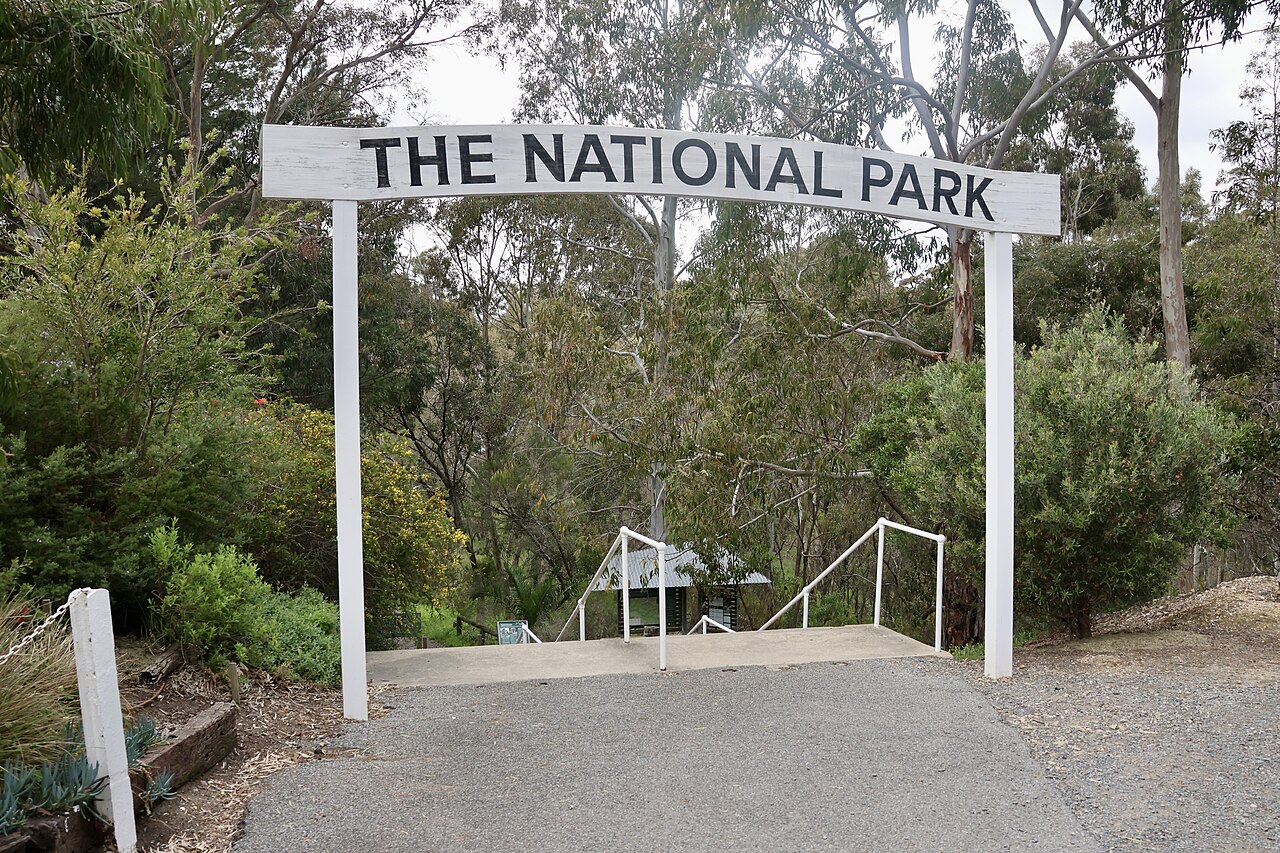
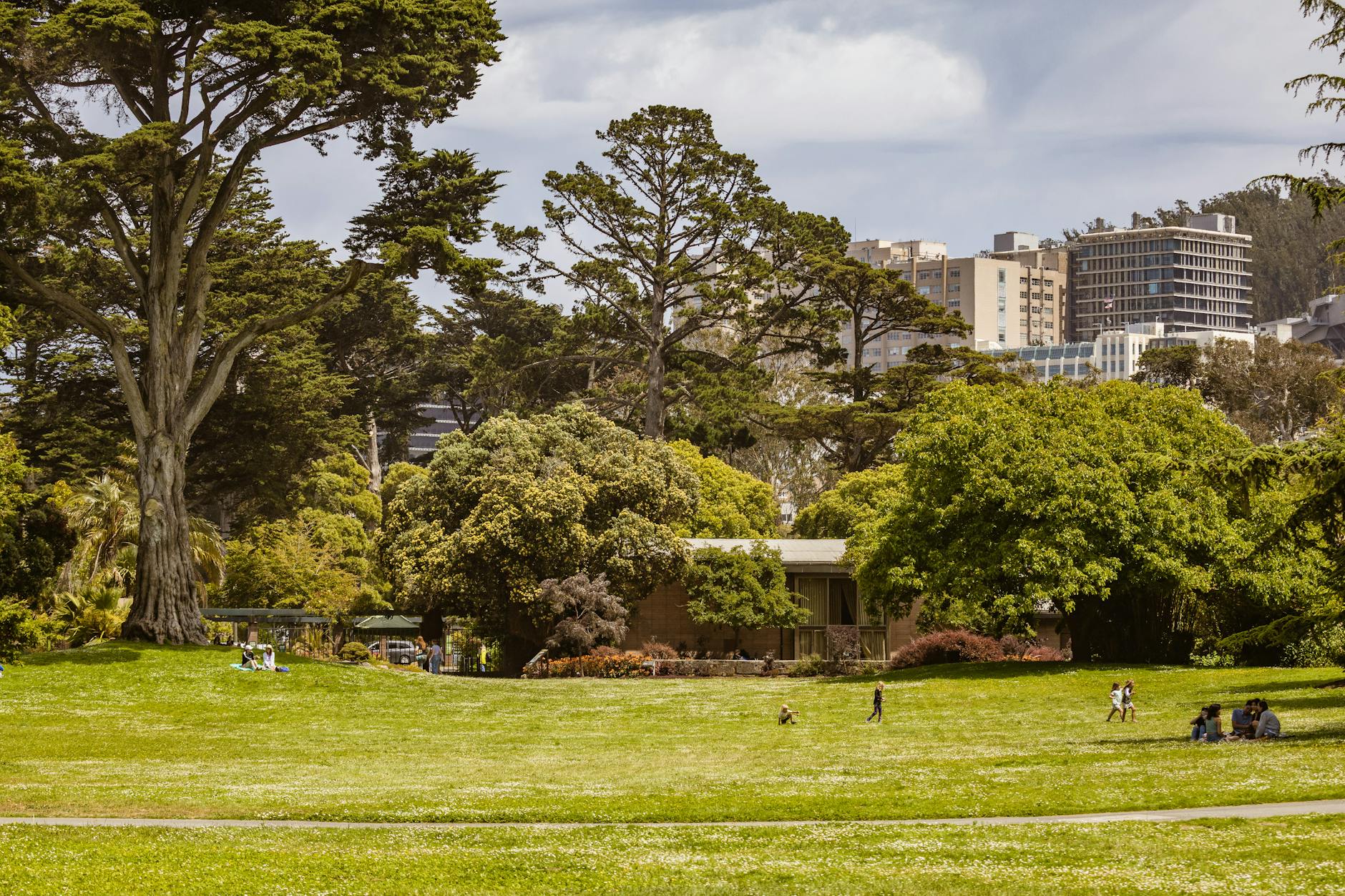
Belair was dedicated in 1891, making it the first national park in South Australia and the second in Australia. It sits in the foothills 13km south-east of the city, and more than a century of use as the city’s weekend escape shows in its mix of bushland and old-fashioned recreation: lakes, lawns, ovals, 43 tennis courts, an adventure playground and a vice-regal summer house, surrounded by eucalypt valleys and walking trails.
Getting there and entry
Belair is the rare national park you can reach by train. Belair station, at the end of the Belair line, connects to the park’s trails near the Microcarpa Loop, and walkers and cyclists enter free. Bikes are allowed on Adelaide Metro trains, with some restrictions. By car, entry is A$12.50 per vehicle (A$10 concession). The gates are open from 8am to 9pm in the warmer months of daylight saving and 8am to 7pm in the cooler months.
What to do
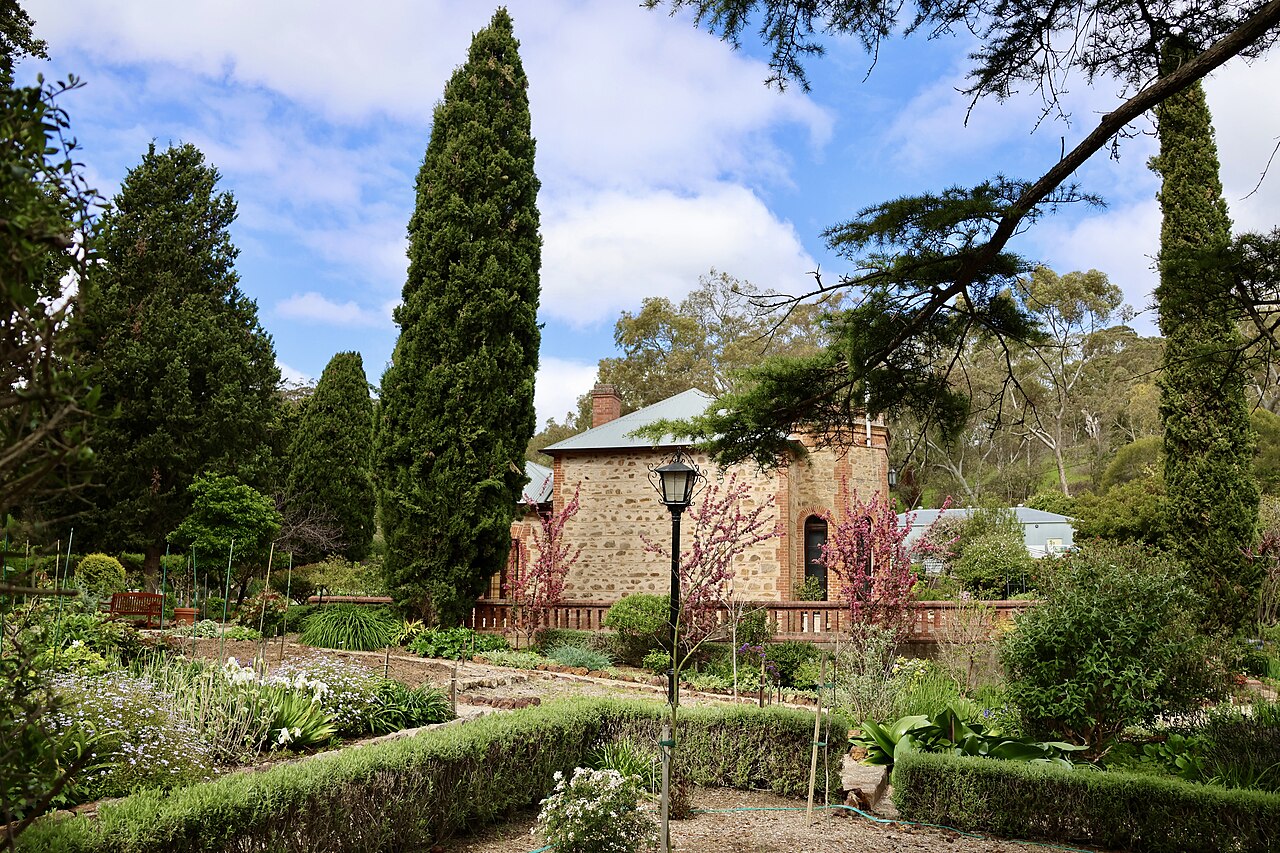
- Old Government House, the colony’s governors’ summer residence, opens on the first and third Sunday of each month, 1pm to 4pm (closed Christmas Day and Good Friday). A guided tour is A$10 per adult, or A$15 with afternoon tea.
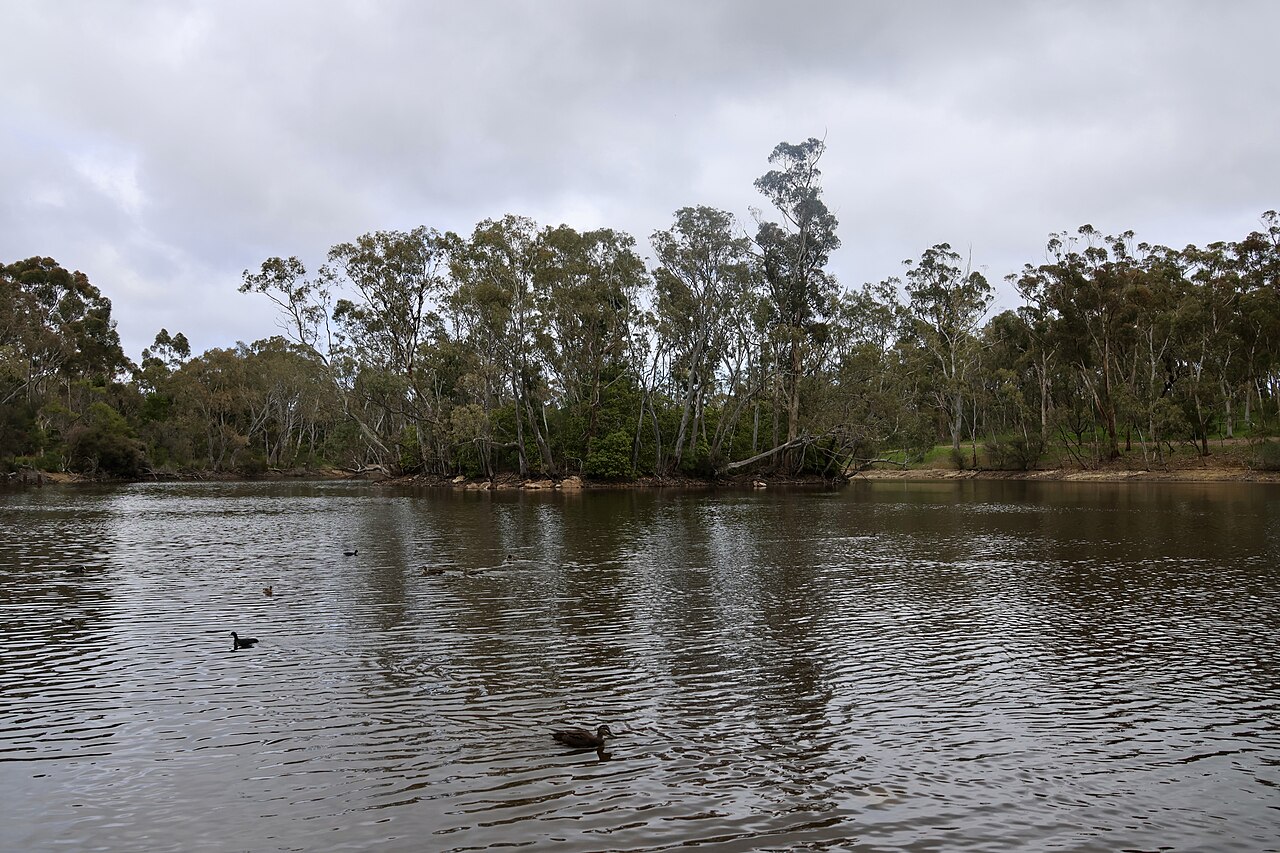
- Playford Lake is the free, easy picnic spot, with the 1km Wood Duck Walk looping around it.
- The adventure playground is free, and its kiosk opens on weekends and school holidays from 10:30am to 3:30pm.
- Tennis on one of 43 courts, several of them accessible, plus ovals and picnic grounds with barbecues you can book online.
- Bikes and coffee at the Goat Shed Bike Hire and Café, which rents e-bikes, and the State Flora Nursery for native plants.
The walks
| Walk | Grade | Length | Time |
|---|---|---|---|
| Heritage Tree Walk | 2 | 1km | 20 minutes |
| Wood Duck Walk | 2 | 1km | 30 minutes |
| Lorikeet Loop | 2 | 3.5km | 1 hour 25 minutes |
| Valley Loop | 3 | 3km | 1 hour |
| Microcarpa Hike | 3 | 4km | 1 hour 45 minutes |
| Waterfall Hike | 5 | 6.5km | 3 hours |
| Adventure Loop Trail | 4 | 13km | 6.5 hours |
The Waterfall Hike is the classic, but it is graded 5 for a reason: steep sections and rough footing. The waterfall itself is best in winter, after rain, and can be a trickle by late summer. Some trails are affected by washouts, so check the park page for closures. For wildlife, walk in the early morning or evening. Koalas, kangaroos and emus are all regularly seen, along with southern brown bandicoots and flocks of rosellas and lorikeets.
Belair is one of the more accessible parks near Adelaide. It has accessible parking and toilets, and a free all-terrain wheelchair (an MT Push trike) that you can book in advance. Dogs are welcome on a lead no longer than two metres.
The honest verdict: Belair is the easiest national park to enjoy from the city and the best for families. It is more of a big, beautiful park than a wilderness, so if you want solitude and drama, drive further south.
Onkaparinga River National Park: the gorge
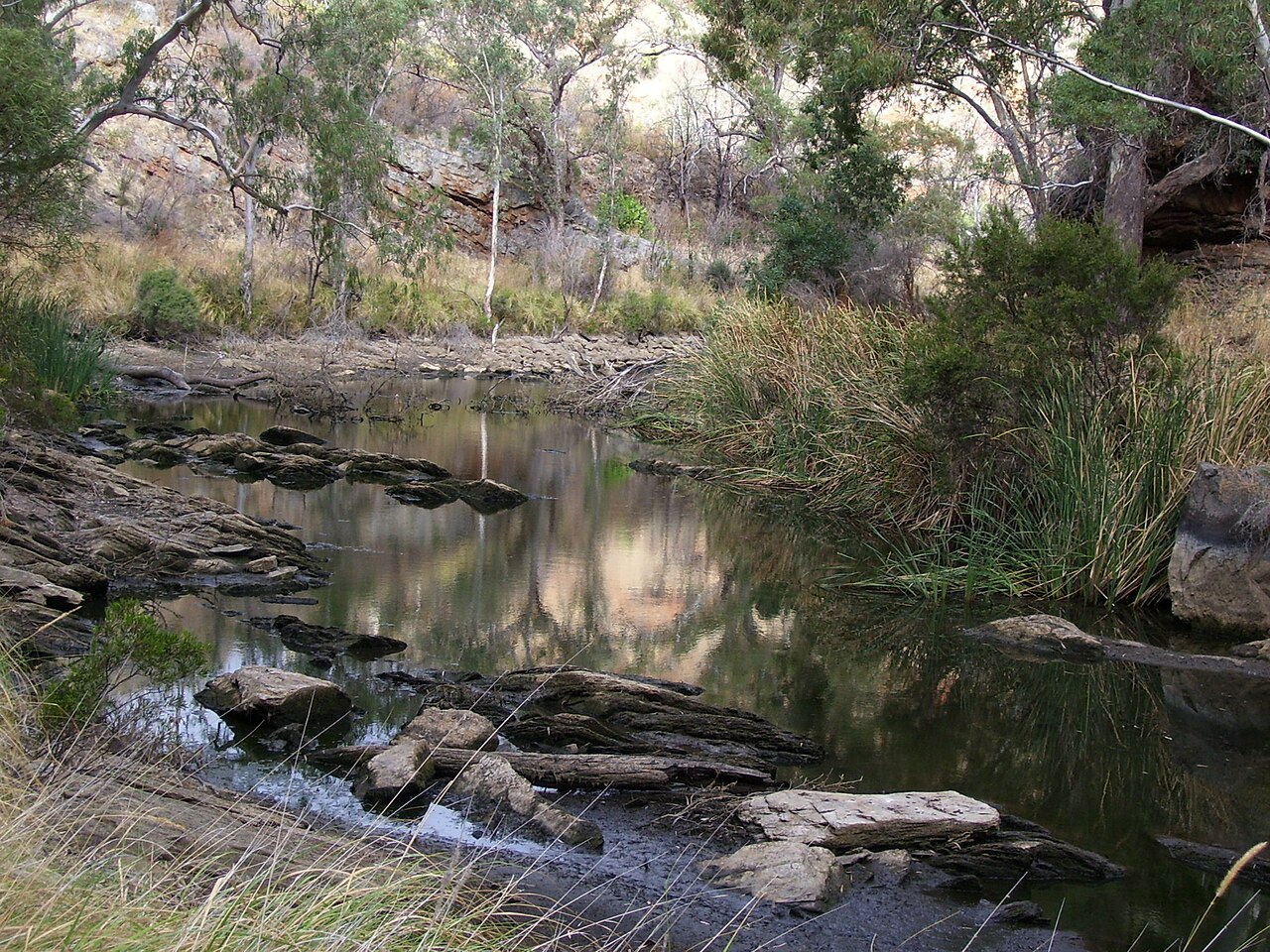
About half an hour south of the city, on the edge of the McLaren Vale wine region, the Onkaparinga River has cut a gorge through the hills. Onkaparinga River National Park protects it, with ridge-top lookouts, river pools, red-gum-lined banks and some of the most rewarding day hikes near Adelaide. It costs nothing to enter.
Getting in
The main northern access is the Sundews car park on Piggott Range Road, the start of the Sundews and Punchbowl walks. Pink Gum campground is at the eastern end of the park, and Gate 15 on Chapel Hill Road serves the rock-climbing area. Numbered gates around the boundary give access to other trails, so check which one your walk starts from before you drive.
The walks
| Walk | Grade | Length | Time |
|---|---|---|---|
| Punchbowl Lookout Trail | 2 | 2km return | 1 hour |
| Chapel Hill Lookout Loop | 3 | 1.5km | 45 minutes |
| Sundews Lookout Hike | 3 | 2.5km | 1.5 hours |
| Sundews Ridge Hike | 3 | 4km | 2 hours |
| Hardy’s Scrub Hike | 3 | 4km | 2 hours |
| Echidna Hike | 3 | 3.5km | 2 hours |
| River Hike | 4 | 4.5km | 2.5 hours |
| Gorge Hike | 4 | 6km | 4 hours |
For a first visit with limited time, walk the Punchbowl Lookout Trail for the view down into the gorge. For a proper hike, the Gorge Hike goes down to the river, through rock pools and along the gorge floor. It is graded 4, involves scrambling, and is not a casual stroll. The key safety rule is simple: the river is deep and fast-flowing and should not be crossed. The Gorge Link trail becomes impassable in wet periods, and environmental water releases can raise the river without warning.
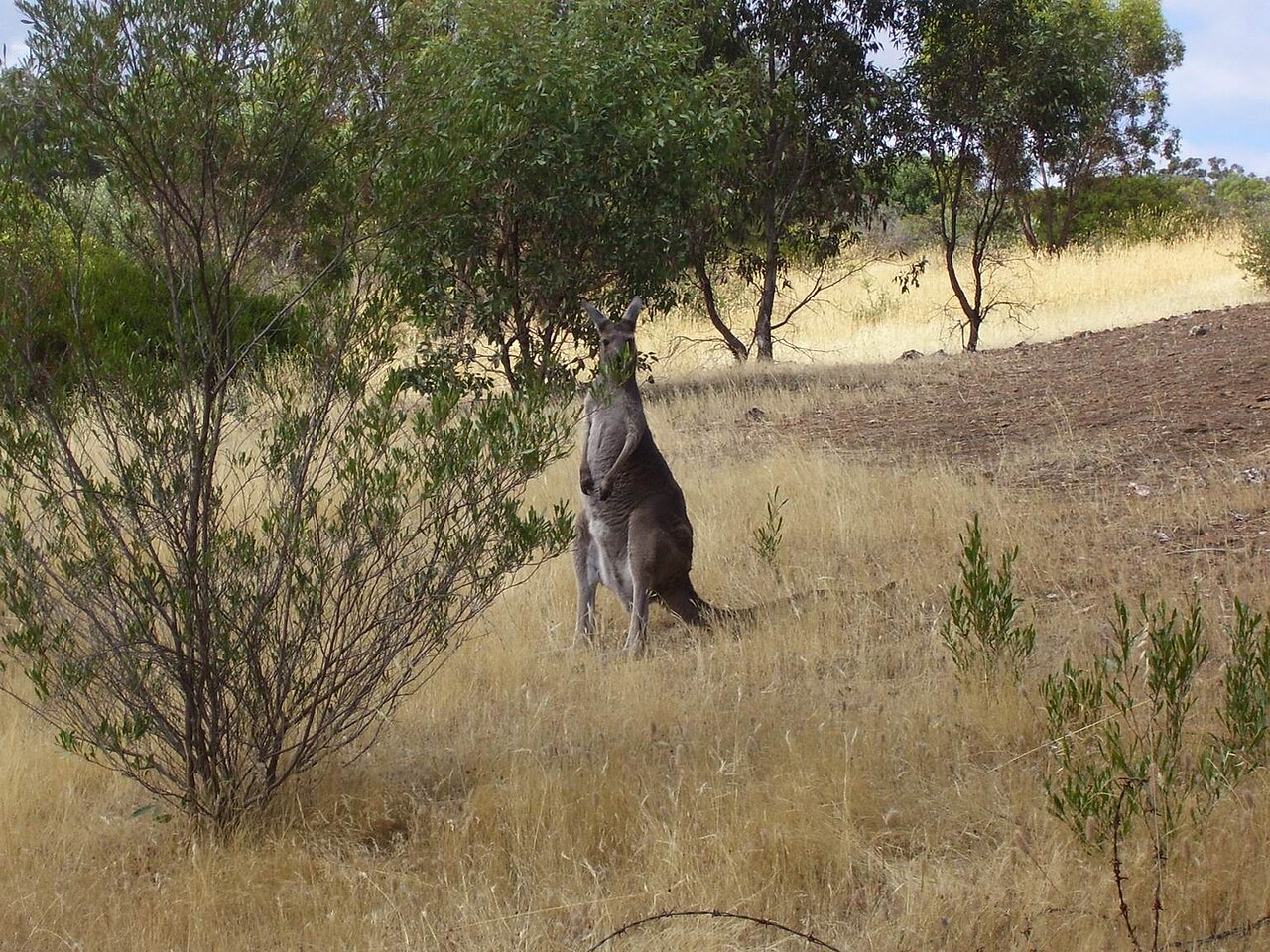
The vegetation changes as you walk. Low woodland of pink gum, dryland tea-tree and sheoak grows on the ridges, blue gum and manna gum in the wetter gullies, and big river red gums along the banks. Watch for western grey kangaroos, possums and echidnas, and overhead for peregrine falcons and yellow-tailed black cockatoos.
Camping and the recreation park next door
Pink Gum campground has 11 sites, three of them suitable for caravans, at A$39.80 a night, with toilets, washing-up facilities and fire pits for use outside the fire ban season. Most sites are on flat, compacted gravel, which suits wheelchair users. Dogs are not permitted in the national park. To the west, the separate Onkaparinga River Recreation Park covers the wetlands and estuary, with boardwalks and kayaking. Fishing is permitted there but not in the national park.
The honest verdict: the best gorge hiking within an hour of Adelaide, and free. Pair it with lunch at a McLaren Vale cellar door — see our McLaren Vale day trip — but do the hike first, while it is cool.
Deep Creek National Park: the wild south coast
Deep Creek, about 105km south of Adelaide near the tip of the Fleurieu Peninsula, is the most dramatic of the three: steep valleys running down to a rugged, surf-battered coast, grassy slopes full of kangaroos, and views across Backstairs Passage to Kangaroo Island. It is a place to stay for a night or two rather than a quick day trip. The drive takes about an hour and a half each way, and the best walks are long.
Entry and camping
The park is open daily, and entry is A$14.40 per vehicle. Camping starts from A$27.50 a night and must be booked and paid online before you arrive. There are five campgrounds:
- Stringybark: 16 sites, caravans accepted, and the only campground with hot showers.
- Trig: 25 sites, caravans accepted, with a picnic shelter.
- Tapanappa: 17 sites, tents only, and the start of the waterfall hike.
- Cobbler Hill: six sites, caravans accepted.
- Wuldi Krikin Ngawanthi (Eagle Waterhole): hike-in only, ten timber platforms or earth sites.
All except Eagle Waterhole have toilets and non-potable water, so bring drinking water. If you would rather not camp, self-contained cottages and eco-retreats inside the park are run by Southern Ocean Retreats, and the vehicle entry fee is included in those bookings.
The walks
| Walk | Grade | Length | Time |
|---|---|---|---|
| Stringybark Loop | 3 | 1km | 30 minutes |
| Goondooloo Ridge | 2 | 4.5km | 2 hours |
| Spring Wildflower | 3 | 5km | 2.5 hours |
| Blowhole Beach | 4 | 3km | 2.5 hours |
| Deep Creek Cove (from Trig) | 4 | 6.5km | 3 hours |
| Aaron Creek Circuit | 4 | 6.7km | 4 hours |
| Deep Creek Waterfall (from Tapanappa) | 5 | 7km | 5 hours |
| Deep Creek Circuit | 5 | 11km | 7 hours |
| Heysen Trail — Wild South Coast Way | 5 | 74km | 5 days |
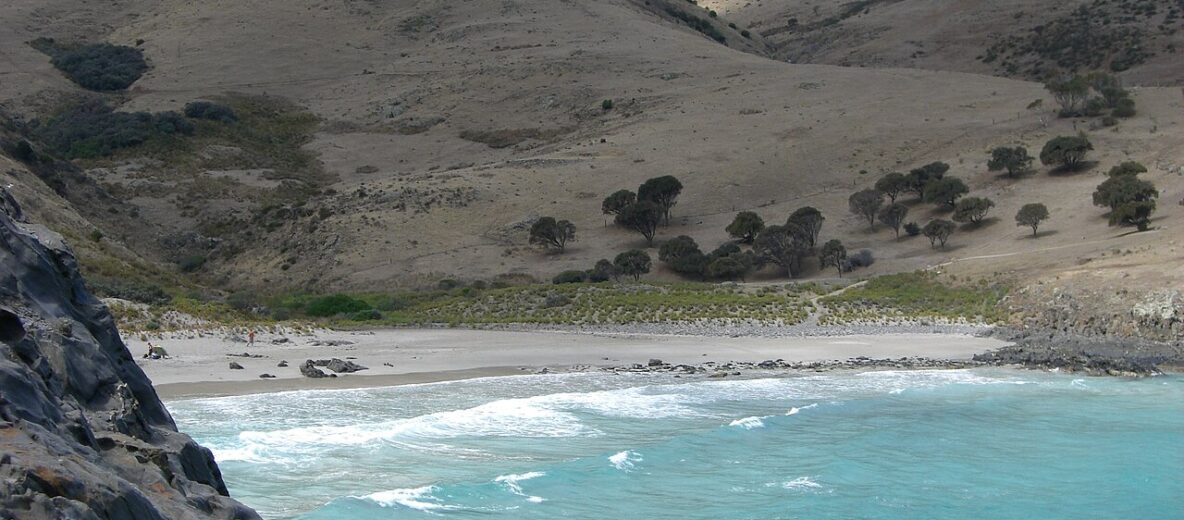
The Blowhole Beach walk is the one to do if you do one. It is a short, steep descent to a wild cove, and a steep climb back. The Goondooloo Ridge walk is the gentle option with the big views. For committed walkers, the park is a highlight of the Wild South Coast Way, a five-day section of the Heysen Trail. The Grade 5 walks involve steep ground and rock scrambling and are recommended for experienced bushwalkers only.
Wildlife, whales and the 2026 fire
Western grey kangaroos are everywhere in Deep Creek, especially around the campgrounds at dusk, along with short-beaked echidnas and around 100 species of birds. Between mid-May and late October, southern right whales migrate along this coast to breed, and the park’s clifftops are excellent vantage points. The rules on keeping your distance from whales apply on land as well as at sea.
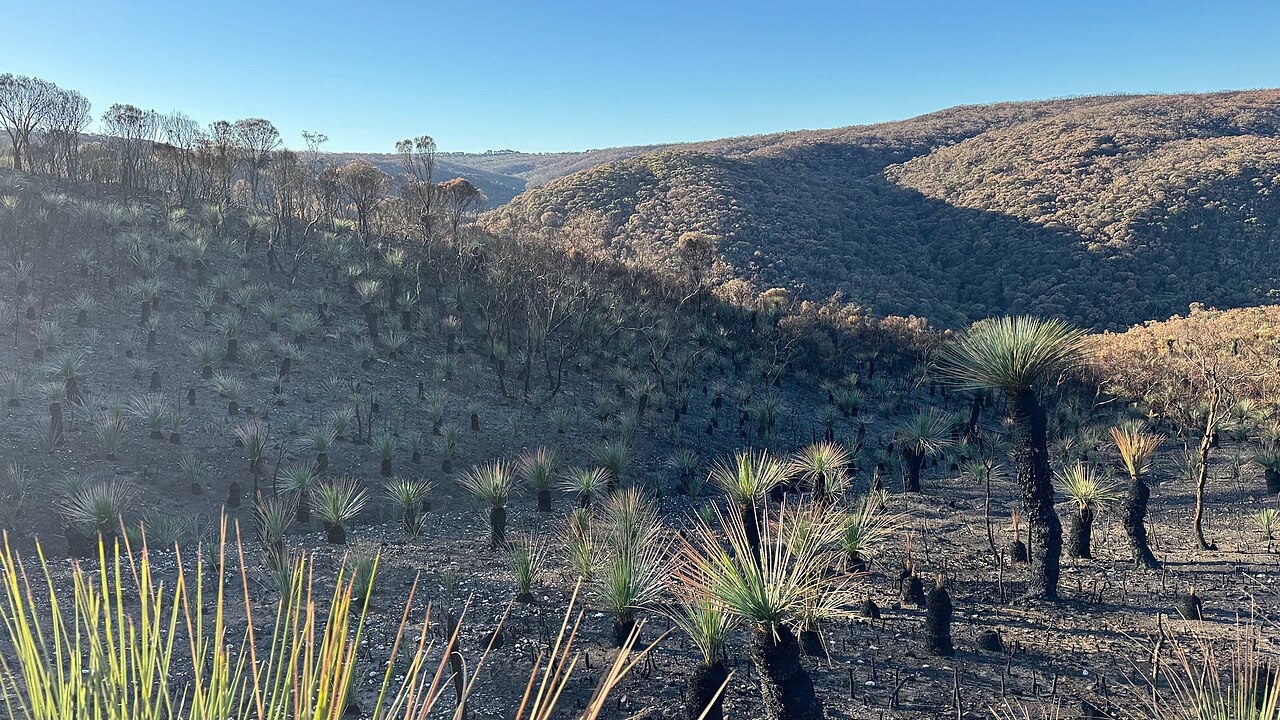
A bushfire burned through part of the park in early 2026. The grass trees in the burnt areas were already sending up fresh green growth by April, which is one of the most striking sights in the park right now. Recovering areas can be closed or changed, though, so check the park page for current trail and campground status before you go.
Staying safe
- The beaches are unpatrolled, with strong currents and rips. Swimming is dangerous.
- Do not climb on or fish from slippery rocks.
- Mobile coverage is patchy, especially in the valleys. Tell someone your plans.
- Do not cross the creek when it is flooded.
- Dogs are not permitted.
The honest verdict: the most spectacular park within reach of Adelaide, and the one to choose if you have a night to spare and like walking. As a same-day return trip from the city it is a long drive for a short visit. Combine it with Victor Harbor or the Kangaroo Island ferry at Cape Jervis, or stay over.
Closer to the city: Morialta, Cleland and Mount Lofty
Several of the best bushland walks near Adelaide are in the parks along the Hills face, 20–30 minutes from the CBD:
- Morialta Conservation Park has a gorge, three waterfalls and a much-loved circuit walk. See our Morialta guide.
- Cleland, on the slopes below Mount Lofty, is where the wildlife park lets you meet koalas and hand-feed kangaroos. See our Cleland Wildlife Park guide.
- Mount Lofty and Waterfall Gully link up in the city’s most popular uphill hike. See our Mount Lofty and Waterfall Gully guide.
Our hiking trails guide ranks the best walks across all of them, from easy strolls to hard climbs.
Further afield
- Ikara-Flinders Ranges National Park, around five hours north, is South Australia’s great outback park, home to Wilpena Pound. See our Flinders Ranges guide.
- Flinders Chase National Park, on the western end of Kangaroo Island. See our Kangaroo Island guide.
- Innes National Park, at the tip of the Yorke Peninsula, has lighthouses, surf beaches and shipwrecks.
- Coorong National Park, south-east of Adelaide, protects the long lagoons behind the dunes at the mouth of the Murray. See our Goolwa and Murray Mouth guide.
Three ways to spend a day
Belair with kids, no car
Catch a mid-morning train to Belair and walk into the park. Do the Wood Duck Walk around Playford Lake, then head to the adventure playground, with the kiosk open for an ice cream on weekends and in school holidays. Have a picnic on the lawns and look for koalas in the big gums in the afternoon. If it is the first or third Sunday of the month, finish with a tour of Old Government House between 1pm and 4pm. Train home before the kids flag. It costs nothing but the fares.
Onkaparinga gorge and a McLaren Vale lunch
Leave the city by 8am on a cool morning and park at the Sundews car park on Piggott Range Road. Walk the Punchbowl Lookout Trail for the view, or commit to the Gorge Hike if you have four hours and good shoes. Be back at the car before the heat builds, then drive 15–20 minutes to McLaren Vale for a long lunch and a cellar door or two. Our McLaren Vale wine guide has the stops. It is one of the best combinations of exercise and indulgence the Adelaide region offers.
Deep Creek overnight
Drive down the Fleurieu in the afternoon, book a site at Stringybark (for the hot showers) or a cottage, and walk the Stringybark Loop at dusk, when the kangaroos come out to graze. The next morning, go down to Blowhole Beach or walk Goondooloo Ridge for the views to Kangaroo Island. Between mid-May and late October, bring binoculars and scan for whales. Stop at Victor Harbor on the way home — see our Victor Harbor guide.
Which park for which trip?
| You want… | Go to… |
|---|---|
| A half-day with kids and a picnic | Belair |
| A national park without a car | Belair, by train |
| A proper hike within an hour | Onkaparinga River — the Gorge Hike |
| Kangaroos, wild coast and a campfire | Deep Creek (outside the fire ban season) |
| Whales from land | Deep Creek, mid-May to late October |
| A walk with the dog | Belair (on a lead) |
| Waterfalls close to the city | Morialta or Belair, in winter |
What to bring
- More water than you think. Two litres each for a half-day hike in warm weather, and more at Deep Creek, where campground water is not drinkable.
- Sturdy shoes. The Grade 4 and 5 trails are steep, loose and rocky.
- Sun protection — hat, sunscreen and sunglasses — even on mild days.
- Layers. The Hills and the south coast can be much cooler and windier than the city.
- A downloaded map, because coverage drops out in valleys.
- Snake sense. Snakes are active in the warmer months. Stay on the trails, watch where you step, and leave any you see alone.
In summer, walk early, finish before the heat of the day, and never start a long hike on a day of extreme heat or high fire danger.
Adelaide national parks FAQ
What is the best national park near Adelaide?
For easy access and families, Belair National Park, 13km from the city and reachable by train. For hiking, Onkaparinga River National Park and its gorge. For wild coast and camping, Deep Creek National Park, about 105km south.
How much does it cost to enter Belair National Park?
A$12.50 per vehicle (A$10 concession) in September 2026. Walkers and cyclists enter free.
Can you get to Belair National Park by train?
Yes. Belair station, at the end of the Belair line, connects to the park’s walking trails. Arriving on foot or by bike is free.
Is Onkaparinga River National Park free?
Vehicle entry is free. Camping at Pink Gum campground costs A$39.80 a night.
Can you camp at Deep Creek National Park?
Yes, at five campgrounds, from A$27.50 a night, booked online before you arrive. Stringybark has the only hot showers. There are also cottages and eco-retreats inside the park.
Are dogs allowed in Adelaide’s national parks?
At Belair, yes, on a lead. At Onkaparinga River and Deep Creek, no, apart from accredited assistance animals.
When can you see whales at Deep Creek?
Southern right whales pass along the coast between mid-May and late October, and the clifftops in the park make good lookouts.
Are the parks open on hot days?
They close on days of Catastrophic Fire Danger and may close on Extreme Fire Danger days. Check the park’s page, or call the CFS Bushfire Information Hotline on 1800 362 361.
Related Adelaide Guides
- Best Hiking Trails Near Adelaide — from easy walks to hard treks.
- Morialta Conservation Park — waterfalls and gorge walks 20 minutes from the city.
- Mount Lofty & Waterfall Gully — Adelaide’s favourite uphill hike.
- Cleland Wildlife Park — koalas and kangaroos in the Hills.
- Adelaide Beaches & Nature — the coast and the outdoors.
- McLaren Vale Day Trip — wine country next to the Onkaparinga gorge.
- Victor Harbor — whales and the south coast.
- South Australia Road Trips — the bigger parks further out.
Photo Credits
The entrance arch at Belair: “Belair National Park on 27 September 2025 – 01.jpg” by Yu Chu Chin, via Wikimedia Commons, CC BY-SA 4.0.
Playford Lake, Belair: “Belair National Park on 27 September 2025 – 07.jpg” by Yu Chu Chin, via Wikimedia Commons, CC BY-SA 4.0.
Old Government House, Belair: “Belair National Park on 27 September 2025 – 34.jpg” by Yu Chu Chin, via Wikimedia Commons, CC BY-SA 4.0.
The Onkaparinga River: “Onkaparinga NP river.JPG” by Diceman, via Wikimedia Commons, CC BY-SA 3.0.
A kangaroo at Onkaparinga River National Park: “Onkaparinga NP Kangaroo.JPG” by Diceman, via Wikimedia Commons, CC BY-SA 3.0.
Grass trees after the 2026 fire: “Xanthorrhoea in Deep Creek National Park after 2026 fire.jpg” by Anarchyte, via Wikimedia Commons, CC BY-SA 4.0.
Blowhole Beach, Deep Creek (featured image): “Blowhole Beach looking North East.JPG” by RetroBorg, via Wikimedia Commons, Public domain.