Here’s a thing about my city that still makes me a little proud: you can walk out of the busiest corner of the CBD and be lying on grass under a hundred-year-old fig tree inside ten minutes. The Adelaide parks aren’t an afterthought tacked onto the edges of town. They’re the whole reason the city looks the way it does. A continuous ring of green, more than 760 hectares of it, wraps the CBD and North Adelaide so completely that Adelaide is genuinely described as “the city in a park”. If you want the bigger picture of the coast, the hills and everything wild around town, our guide to Adelaide’s beaches and nature sets the scene; this piece is about the green heart of it.
I’ve spent more lazy afternoons in these gardens than I could count, and I still find corners I’d half forgotten. So let me walk you through the lot the way I’d show a mate who’d just flown in: the Park Lands themselves, the standout gardens worth a special trip, the city squares most visitors stroll straight past, and the cool-climate stunners up in the Hills. Most of it is free, all of it is central, and it’s good year-round. A few of these spots even sneak onto our list of Adelaide’s hidden gems, and when the weather turns you can always swap the lawns for the sand using our pick of the best beaches in Adelaide.
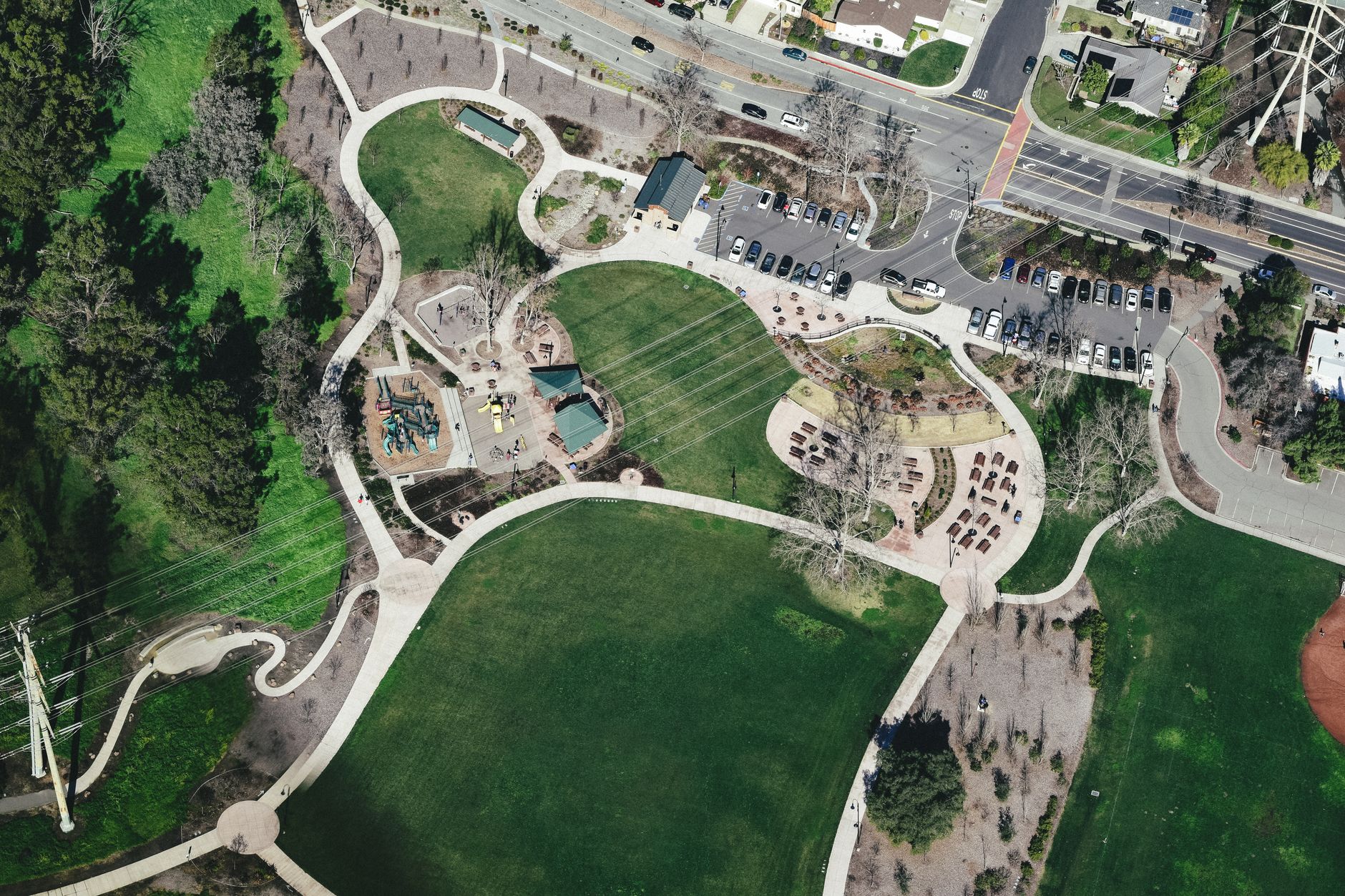
The Adelaide Park Lands: the green ring that defines the city
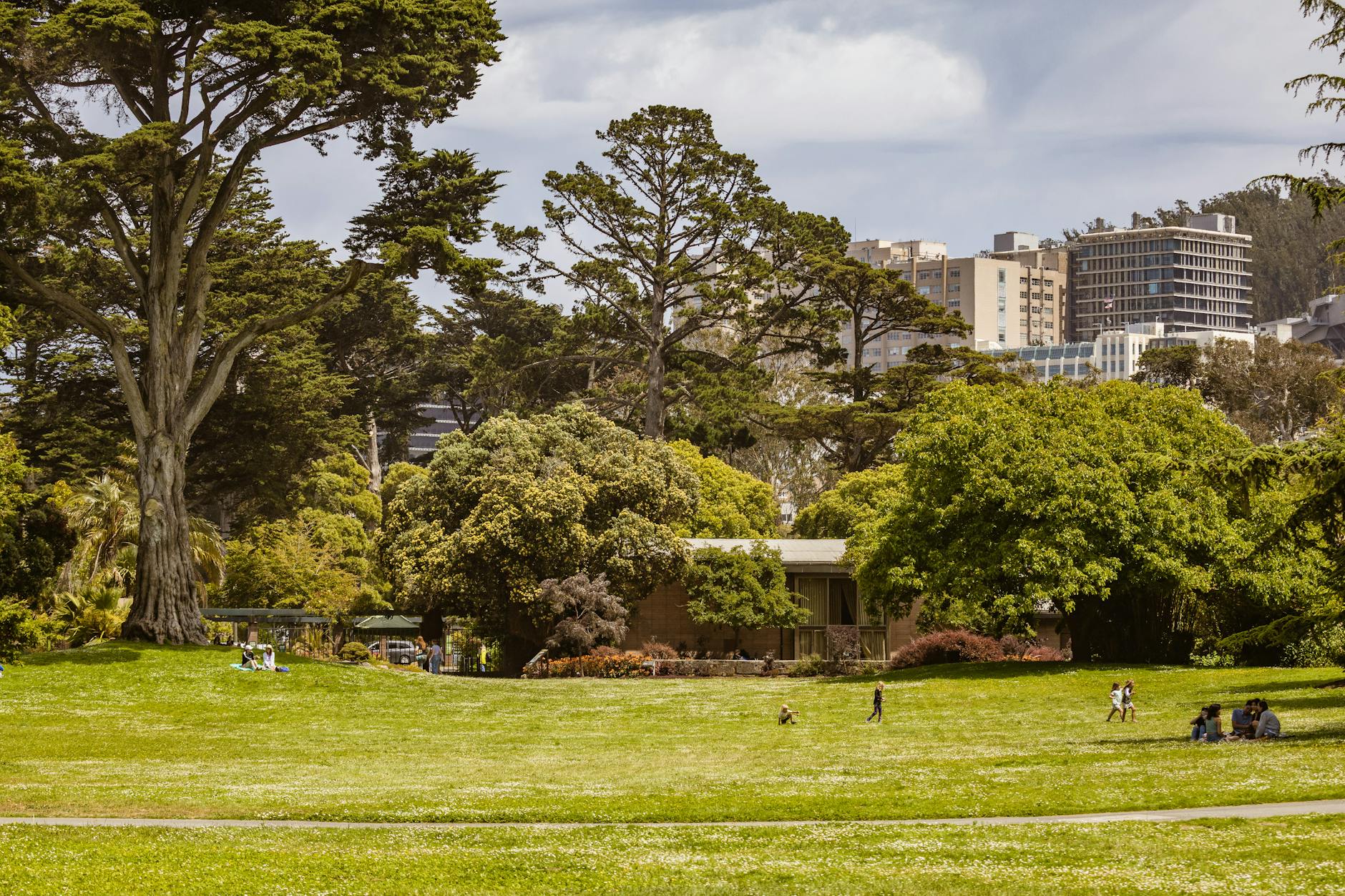
The Adelaide Park Lands are the headline act, and they’re like almost nothing else in any Australian capital. Picture a near-unbroken belt of around 29 parks plus six city squares, more than 760 hectares all up, encircling both the CBD and North Adelaide and separating the two with the River Torrens running through the middle. They were set out in the 1830s by Colonel William Light, and that single planning decision is why Adelaide breathes the way it does. There’s a long-running push to have them recognised on the world stage, and honestly, once you’ve walked them, you understand why.
What I love is how little ceremony there is to using them. There are no gates, no entry fees, no opening hours for most of it. You just wander on. On any given weekend you’ll find cricket and footy matches, dog walkers, family barbecues, joggers doing the loop, and people simply lying on the grass reading. The land here is Kaurna country, and most of the parks now carry dual names that acknowledge that, so you’ll see signs like Park 16 paired with its Kaurna name. It’s worth slowing down to read them.
If you only do one thing, walk or cycle a stretch of the perimeter. The section along the river is the prettiest, and it links neatly to the River Torrens and its Linear Park trail, which runs all the way from the foothills out to the sea. A small heads-up for anyone visiting in summer: there’s not always shade where you want it, and Adelaide sun is fierce even on mild days, so a hat and water aren’t optional. The grass also browns off in the hot months and greens up beautifully after winter rain, so don’t be alarmed if July looks lusher than January. If you’re still pinning down dates, our guide to the best time to visit Adelaide weighs up the seasons, and there’s a bit more on what the gardens are like over Adelaide in summer if you’re coming in the heat.
Adelaide Botanic Garden: the one everyone should see
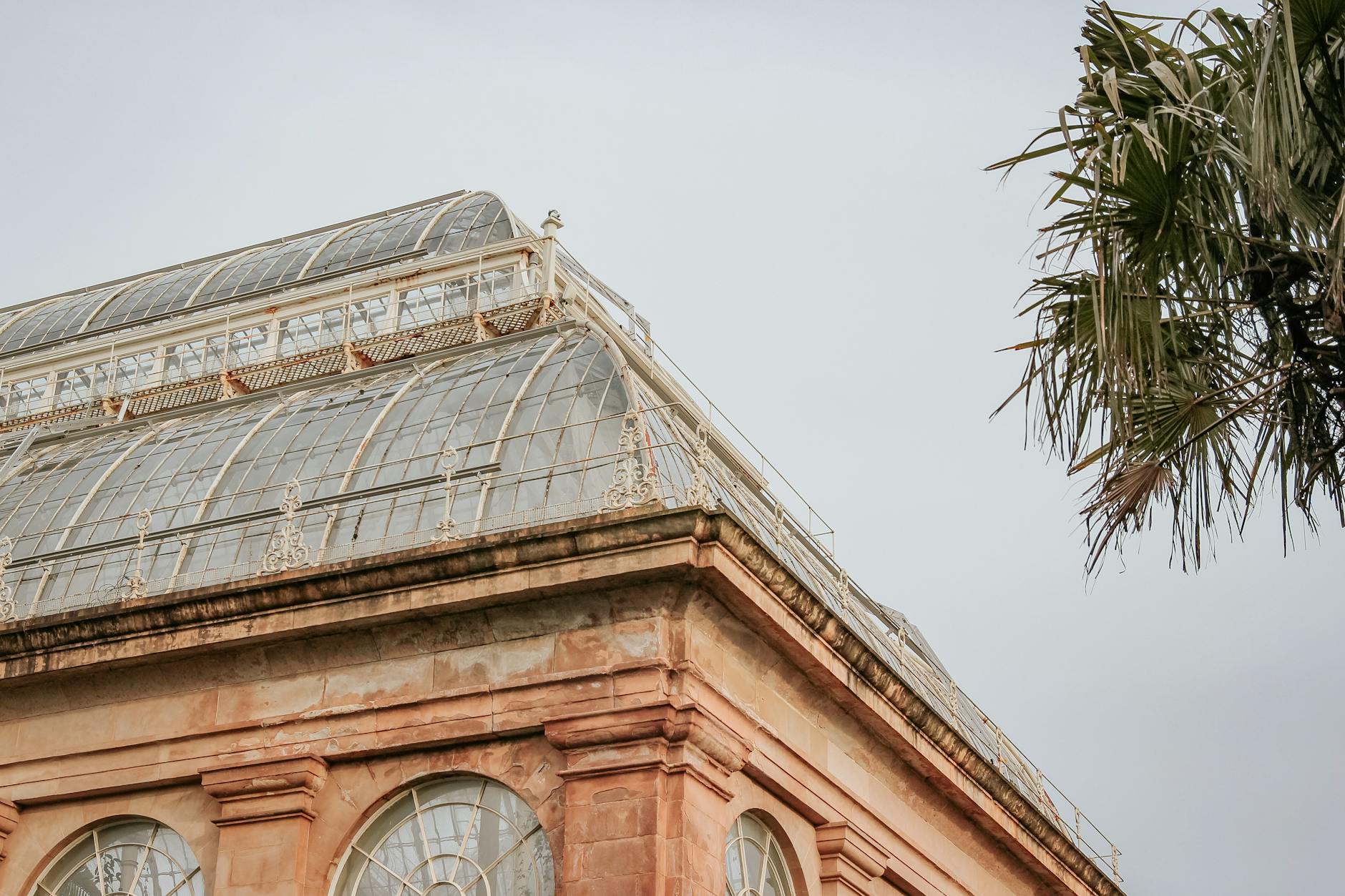
If I had to send a visitor to a single green space, it’d be the Adelaide Botanic Garden on North Terrace. It’s free, it opens early (around 7:15am), and it packs an absurd amount into one elegant, walkable site: the heritage Palm House, the enormous Amazon Waterlily Pavilion, the Bicentennial Conservatory, formal rose gardens and avenues of grand old trees. There are free guided walks most mornings if you want the stories behind it all, and the on-site Restaurant Botanic is one of the best fine-dining tables in the state if you’re marking an occasion.
I won’t try to cram everything in here, because it genuinely deserves its own write-up, and we’ve given it one: our dedicated Adelaide Botanic Garden guide has the full layout, the best times to go and what not to miss. For the purposes of this article, just know it’s the crown jewel of the central gardens, it costs nothing, and a slow morning here with a takeaway coffee is one of the great free pleasures of the city. It’s an easy one to thread into a wider day; our list of free things to do in Adelaide leans on it heavily for good reason.
Botanic Park and the Moreton Bay figs
Right next door, and often confused with the Botanic Garden, is Botanic Park, and the two are quite different beasts. Where the garden is curated and contained, Botanic Park is a broad open expanse of lawn shaded by some of the most magnificent Moreton Bay fig trees you’ll ever stand under. Their buttressed roots are taller than most people. This is the home of WOMADelaide every March, when the whole park fills with stages and food stalls for one of the country’s great music and arts festivals, and it sits a short walk from the Adelaide Zoo, which backs onto the river.
Outside festival time it’s gloriously quiet, a proper picnic park with room to throw a frisbee and trees that have been there longer than the city has been a city. I bring people here when the Botanic Garden feels a touch too manicured for the mood. Pack a rug, grab supplies from town, and you’ve got an afternoon sorted for nothing.
The Himeji Garden: Adelaide’s pocket of calm
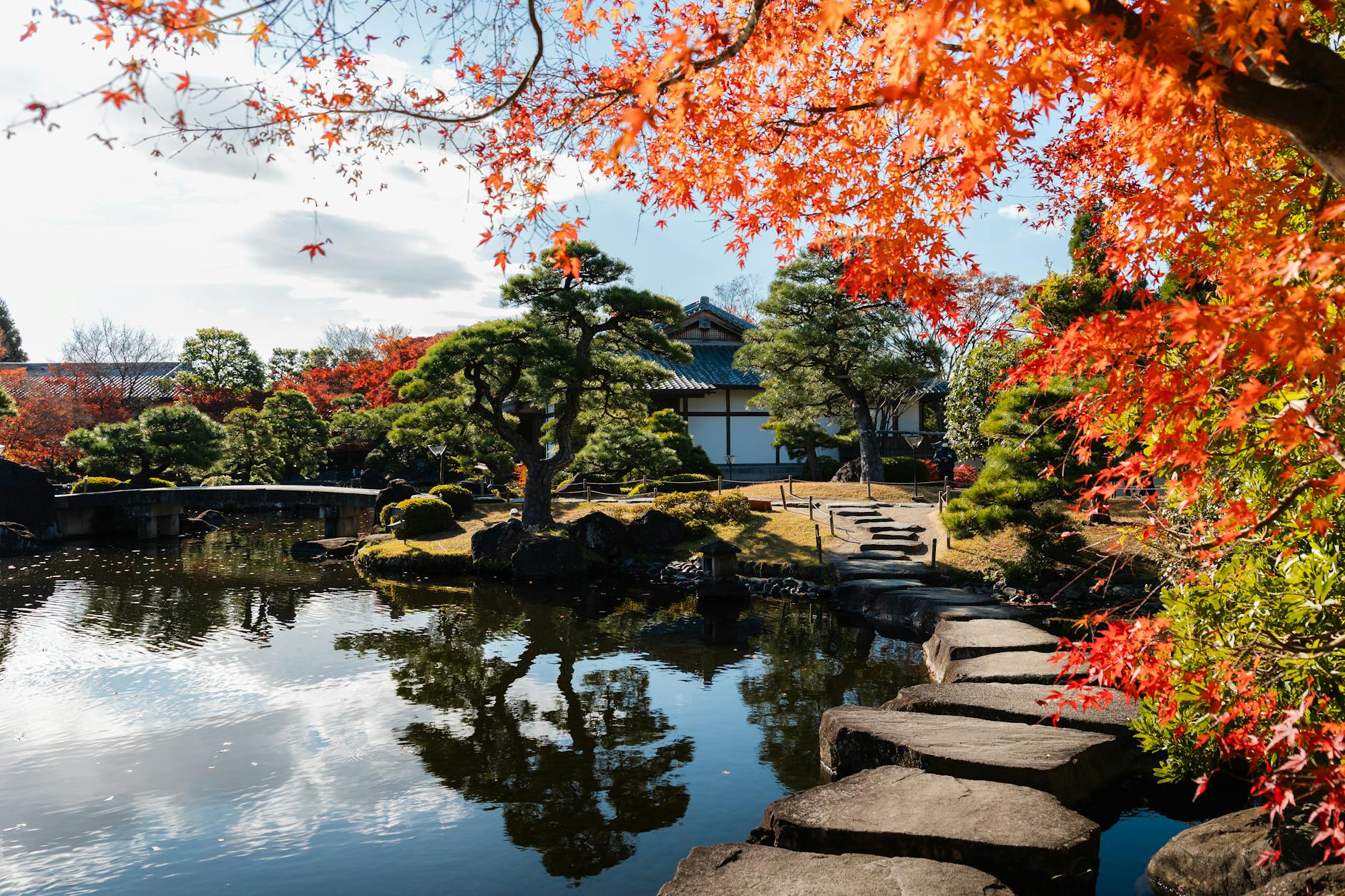
Tucked into the south Park Lands is my favourite quiet surprise, the Adelaide Himeji Garden. It’s a traditional Japanese garden, given to the city in 1982 by our sister city Himeji, and it’s the kind of place that resets your nervous system the moment you step through the gate. There’s a lake-style pond garden with stepping stones and koi, a dry “mountain and water” garden of raked gravel and carefully placed stones, and a stillness that feels impossible given there’s a main road just metres away.
It keeps set opening hours (it does close, unlike most of the Park Lands, so check current times before you trek out), and there’s usually no charge to enter. I send couples here all the time; it’s one of the most romantic, contemplative spots in the city and it costs nothing. Give yourself half an hour to do it justice, walk slowly, and resist the urge to talk much. It’s a garden built for quiet.
Veale Gardens and the rose displays
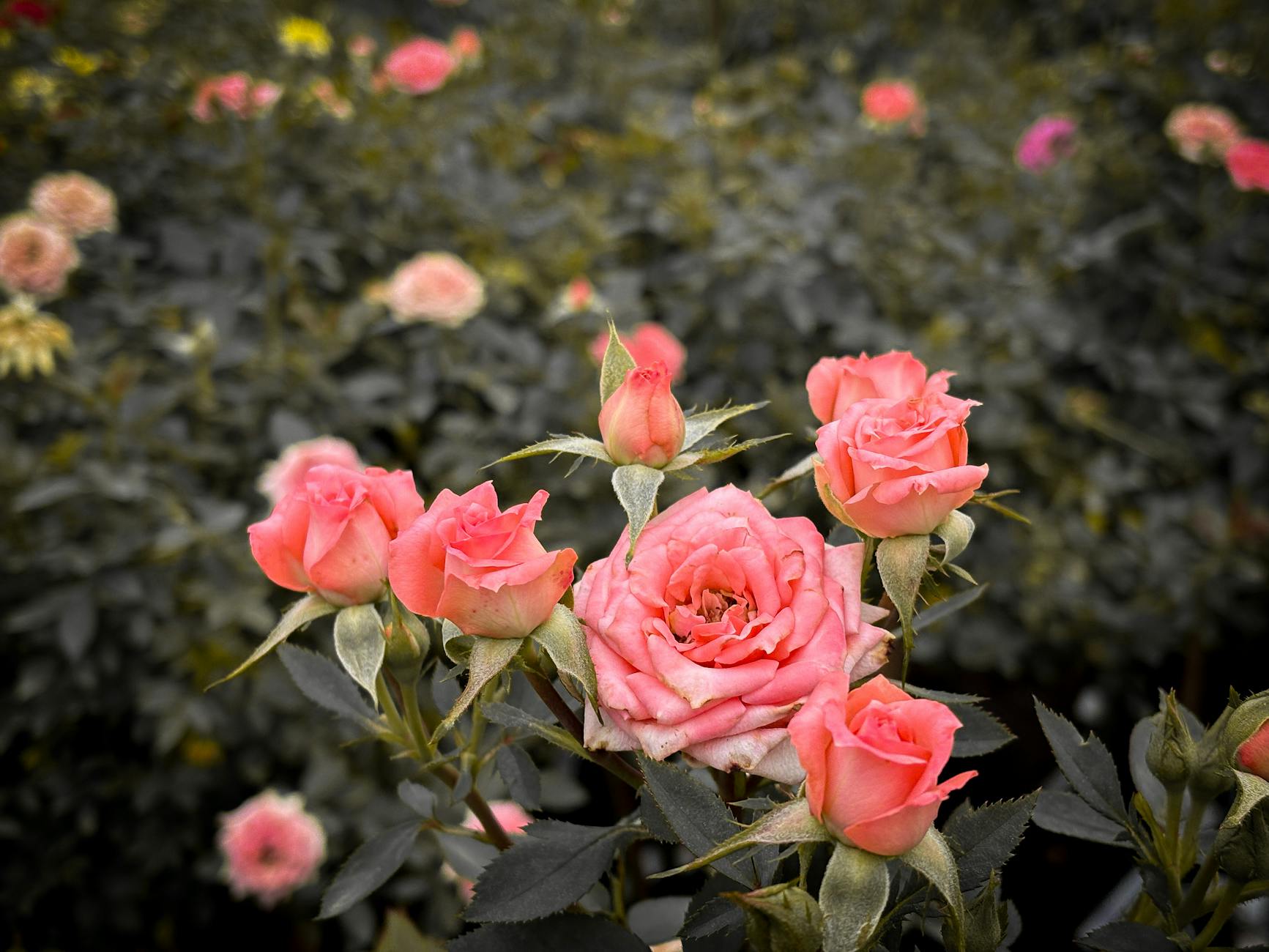
Also in the south Park Lands, a short stroll from the Himeji Garden, are the Veale Gardens, an ornamental oasis of ponds, streams, lawns and around 1,400 rose bushes across more than 50 varieties. Late spring, roughly October and November, is when the roses are at their absolute peak and the whole place smells incredible. There’s a cute conservatory, little bridges over the watercourses, and benches positioned for exactly the kind of sit-down-and-do-nothing afternoon I’m always banging on about.
It’s one of the prettiest formal gardens in the city and, like nearly everything in the Park Lands, it’s free and open. Pair it with the Himeji Garden next door and you’ve got a lovely self-guided loop through the southern green belt. If you’re chasing flowers specifically, this and the Botanic Garden’s rose plantings are your two best bets in the central area.
Rymill Park and Rundle Park: the east-side playgrounds
Over on the eastern edge of the city, an easy walk from the Rundle Street dining strip, sit Rymill Park (its Kaurna name is Mullawirraburka) and the adjacent Rundle Park. Rymill is the one with the lake, and on a sunny day you can hire a paddle boat and potter about on the water, which kids adore. There’s a good playground, big open lawns, a rose garden, and it’s the regular home of food festivals like CheeseFest, so check what’s on when you’re in town.
This pair is where I’d point families staying in or near the CBD who want a green break without going far. The combination of lake, paddle boats, playground and walkable cafes makes for an easy couple of hours. If your trip is built around keeping children happy, also have a look at our wider guide to Adelaide with kids, which threads these spots together with the zoo, the museums and the beaches.
Bonython Park: the family park by the river
On the western side of the Park Lands, where the River Torrens widens out, Bonython Park (Tulya Wardli in Kaurna) is the big family park. It’s got sprawling lawns, a wading creek and water-play area that’s a lifesaver on a hot day, shaded barbecue and picnic spots, and enough open space that you never feel crowded. It hosts events through the year and sits within easy reach of the city centre by foot, bike or the free loop bus.
I rate it highly for a low-key family day: pack a barbecue lunch, let the kids run, and let the river do the rest. It’s a different vibe to the manicured gardens, more rough-and-ready green space than ornamental showpiece, and that’s exactly its charm.
A quick word on parks versus playgrounds
Worth clearing up, because people muddle the two: this is a guide to Adelaide’s gardens and green spaces, the picnic-walk-relax side of things. If what you actually want is the best swings, slides, flying foxes and adventure-play setups for the kids, that’s a slightly different list. The Park Lands have some cracking playgrounds dotted through them, but for a proper rundown of the standout play spaces around town, head to our dedicated guide to Adelaide’s best playgrounds and parks. I’ll keep the focus here on the gardens themselves.
The city squares: green pauses in the grid
Colonel Light didn’t just ring the city with parks, he dropped six squares into the grid as well, and most visitors march straight past them without realising they’re part of the same green vision. The big one is Victoria Square, or Tarntanyangga, smack in the geographic and ceremonial heart of the city. It’s had a serious makeover in recent years and now does fountains, events, markets and a genuine sense of central gathering space. It’s where the Aboriginal and Torres Strait Islander flags fly over the city and where a lot of the city’s celebrations happen.
The other five, Hindmarsh, Light, Whitmore, Hurtle and Wellington Squares, are smaller, leafier and more residential in feel, scattered through the CBD and North Adelaide. They’re not destinations so much as lovely pauses: a bench under a tree to eat your market lunch, a patch of shade between appointments. Light Square is notable as the resting place of the city’s founding surveyor himself. If you’re plotting a self-guided wander through the centre, our overview of things to do in Adelaide helps you string the squares, the markets and the cultural boulevard into one walkable day.
Into the Hills: Mount Lofty and Wittunga Botanic Gardens
The central gardens aren’t the end of the story. Twenty-odd minutes up into the Adelaide Hills are two state botanic gardens that feel a world away from the warm-climate plantings down on the plains. The Mount Lofty Botanic Garden is the big one, a cool-climate garden draped across a hillside, and it is at its jaw-dropping best in autumn when the exotic deciduous trees turn every shade of red and gold. Rhododendrons and magnolias light it up in spring. It’s free, it’s hilly (wear decent shoes), and the autumn colour alone is worth the drive.
Over at Blackwood, the smaller Wittunga Botanic Garden does something different again, specialising in Australian native and South African plants around a pretty lake, which makes for a striking, water-wise display and a quieter, more local crowd. Both reward a half-day trip out of town, and both pair naturally with the foothills walks, and they slot neatly into a wider plan from our Adelaide day trips round-up. If you’re heading up that way, our guides to Morialta Conservation Park and its waterfalls round out a proper day in the Hills. As with any outdoor outing here, keep an eye out for snakes in the warmer months, carry water, and check current park information before you go, since hours and any seasonal closures do change.
Practical info: getting there, costs and timing
The good news runs all the way through this one: nearly every garden I’ve mentioned is free to enter, and the central ones are reachable without a car. The free 98 and 99 loop buses circle the CBD and North Adelaide and drop you near most of the Park Lands, and the free tram zone runs out to the Botanic Gardens stop on North Terrace. You really can do a full day of gardens without paying a cent in transport. For the cool-climate Hills gardens you’ll want a car, or a regional bus and a bit of patience.
On timing: spring (September to November) is glorious for roses and Hills blossom, autumn (March to May) is unbeatable for Mount Lofty’s colour, and the central lawns are greenest from late winter into spring. Summer is hot and the grass browns off, so go early, seek the fig-tree shade, and slap on sunscreen, the UV here is high even when it doesn’t feel it. A couple of the gardens (the Himeji especially) keep set hours and can close, while the open Park Lands essentially never do. The Botanic Garden’s free morning guided walks are a lovely, easy add-on, and even in the cooler months there’s plenty going on outdoors, as our guide to Adelaide in winter spells out. For more on slotting all this into a trip, our broader Adelaide travel guide ties the gardens in with everything else worth your time.
Frequently asked questions
Are the Adelaide Park Lands free to visit?
Yes. The Adelaide Park Lands, the ring of roughly 29 parks and six squares around the CBD and North Adelaide, are open public space with no entry fee and, for the open parkland, no gates or set hours. A few specific gardens within them, such as the Himeji Garden, keep set opening hours, so check current times before you go, but you can wander the bulk of the Park Lands freely at any time.
What is the best garden to visit in Adelaide?
For most visitors the Adelaide Botanic Garden on North Terrace is the standout: free, central, beautifully laid out and home to the Palm House and Amazon Waterlily Pavilion. If you want calm, the Himeji Garden is unbeatable; for roses head to Veale Gardens in spring; and for autumn colour the Mount Lofty Botanic Garden in the Hills is worth the drive.
What does ‘the city in a park’ mean for Adelaide?
It refers to the way the Adelaide Park Lands, more than 760 hectares of continuous green space laid out by Colonel William Light in the 1830s, completely encircle the city centre and North Adelaide. Almost nowhere in the CBD is far from grass and trees, which is why Adelaide is described as a city sitting inside a park rather than the other way around.
Where can I have a picnic in central Adelaide?
Botanic Park, with its giant Moreton Bay fig trees, is my top pick for a picnic, with broad shaded lawns and room to spread out. The Adelaide Botanic Garden, Veale Gardens and Rymill Park are all excellent too, and Bonython Park by the river is the best bet for families wanting barbecues and water play. Grab supplies from the Central Market first.
Can you hire paddle boats in Adelaide’s parks?
Yes. Rymill Park (Mullawirraburka) on the eastern edge of the CBD has a lake where you can hire paddle boats on fine days, along with a playground and rose garden. You can also hire boats on the River Torrens by Elder Park. Both are central, family-friendly and a fun, cheap way to spend an hour.
What are the Kaurna names for Adelaide’s parks?
Adelaide sits on Kaurna country, and many of the Park Lands and squares now carry dual names acknowledging that. Examples include Tarntanyangga for Victoria Square, Mullawirraburka for Rymill Park and Tulya Wardli for Bonython Park. You’ll find the Kaurna names alongside the English ones on park signage throughout the city.
When the city parks start to feel tame, the next step is a proper national park, and Adelaide has one at the end of a suburban train line. Our guide to Adelaide’s national parks covers Belair, South Australia’s first national park, along with the Onkaparinga gorge and the wild coast of Deep Creek.