If a friend lands in town and asks me for one free thing that shows off the best of the city, I send them straight to the Adelaide Botanic Garden. It sits at the eastern end of North Terrace, it has been open and free since 1857, and on a good morning it is the closest thing this city has to a secret it forgot to keep. There is an enormous Victorian glasshouse, a pond growing the largest waterlily on the planet, a rainforest under glass, and a rose garden that has won awards, all of it without a ticket gate in sight. For the wider picture of what to do in town, start with our pillar guide to things to do in Adelaide, then come back here, because this is one place I think every visitor should give a proper morning to rather than a rushed half hour.
I have walked these paths in every season, with kids in tow, on a first date, and on plenty of solo mornings with a coffee and nowhere to be. So this is the version I would actually tell you over a flat white: what to see, when to come, where to eat, and the quiet corners most people stride straight past.
What the Adelaide Botanic Garden is, and why it is worth your time
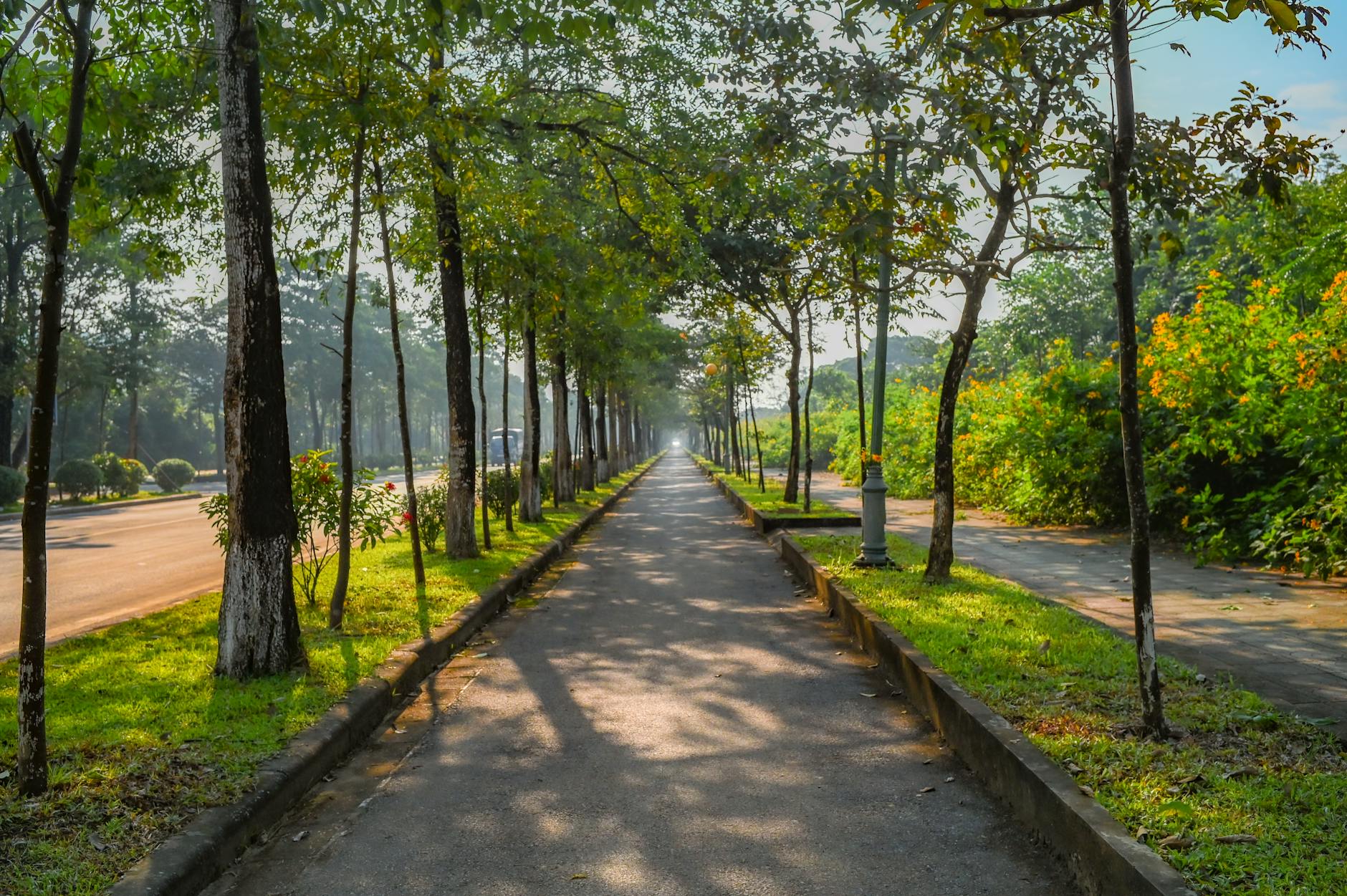
The Adelaide Botanic Garden is a 51-hectare living museum in the heart of the city, a working botanical institution that happens to be one of the loveliest public spaces in the country. It opened to the public in 1857, which makes it older than most of the buildings around it, and it has grown into a collection that runs from formal European garden beds to a slice of genuine Australian forest. It is not a manicured park you glance at and move on from. It rewards slowing down.
What I love about it is the range. In the space of an easy stroll you go from a wrought-iron Victorian glasshouse to a desert garden, from a serene main lake with ducks and reeds to a rose garden in full perfumed bloom. It is free, it is central, and it sits right next to the cultural heavyweights of North Terrace, so you can fold it into a bigger day without backtracking. If you are mapping out a tight schedule, our 3-day Adelaide itinerary shows how the garden slots in alongside the galleries and the market.
It also happens to be one of the best value things going. We bang on locally about Adelaide being affordable, and the garden is exhibit A: a world-class attraction that costs nothing. It earns a permanent spot on our list of free things to do in Adelaide and is a reliable budget hero if you are watching the dollars, which our guide to Adelaide on a budget goes into properly.
How to get there and the opening hours you need to know
Getting here is genuinely easy, which is half the appeal. The main gates are on North Terrace, at the eastern end of the cultural boulevard. If you have spent the morning on North Terrace at the museums and galleries, you simply keep walking east and the garden is right there. The free city tram and the free loop buses both bring you within a short walk, and there is a tram stop named for the Botanic Gardens on the eastern line. For the full rundown on tapping on and off and which services are free, see our Adelaide public transport guide; the short version is that you can reach the garden from the CBD without paying a cent in fares.
Now the hours, because this trips people up. The garden is open every single day of the year, but the gates open earlier on weekdays than on weekends. Monday to Friday it opens at 7:15am, which I think is the best-kept secret in the whole place, more on that shortly. On weekends and public holidays it opens later, at 9:00am. Closing time shifts with the seasons and the daylight: in the depths of winter, around June and July, the gates close as early as 5:00pm, while in the long summer evenings of December and January they stay open until about 7:00pm. The garden posts the current times at the gates, so glance up as you walk in, but as a rule, the earlier you come the better.
The early-morning trick locals use
That 7:15am weekday opening is the move. Come on a weekday morning before work picks up and you more or less have the place to yourself: birdsong, low light through the trees, joggers and dog walkers (the garden is a beloved local exercise loop), and the glasshouses just catching the sun. I have had whole sections to myself at half seven on a Tuesday. By mid-morning the tour groups and prams arrive and it is still lovely, just busier. If you only do one thing from this guide, make it an early weekday visit.
The must-see highlights and things to see at the Adelaide Botanic Garden
You could wander aimlessly and have a perfectly nice time, but there are a handful of things I would not let a first-timer miss. Here is what I steer people towards.
The Amazon Waterlily Pavilion
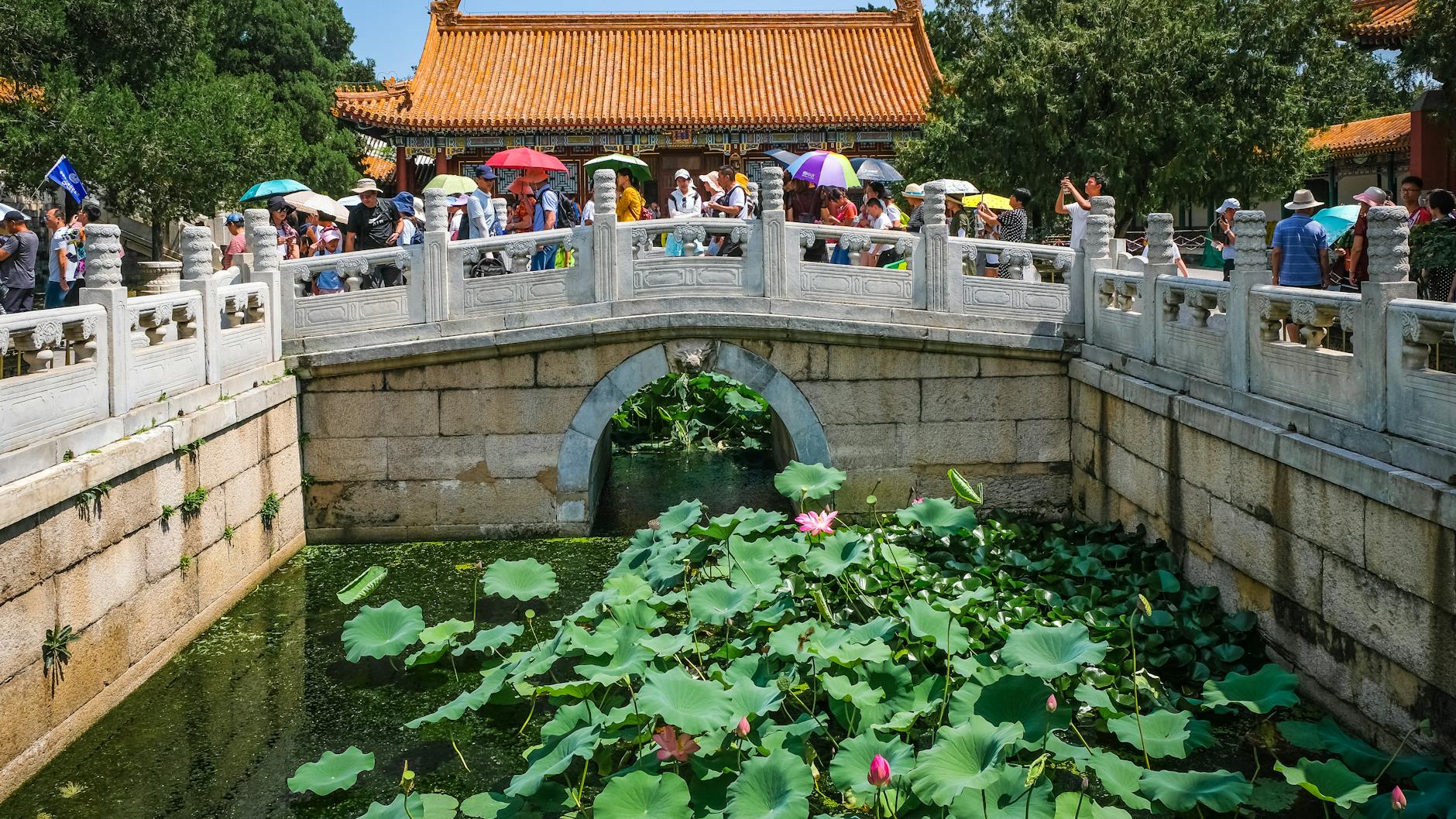
This is the showstopper and, for me, the single most “you have to see this” feature in the garden. The Amazon waterlily has been a drawcard here since 1868, and the current pavilion is a purpose-built glasshouse kept warm and humid to grow the largest waterlily in the world. The pads are enormous, big enough to look faintly unreal, with upturned rims like green pie dishes floating on the water. The lilies are at their best in the warmer months, and the pavilion is small enough that you can step inside, do a slow lap, and step back out into the cool. Kids find it genuinely amazing, and so, quietly, do most adults.
The International Rose Garden
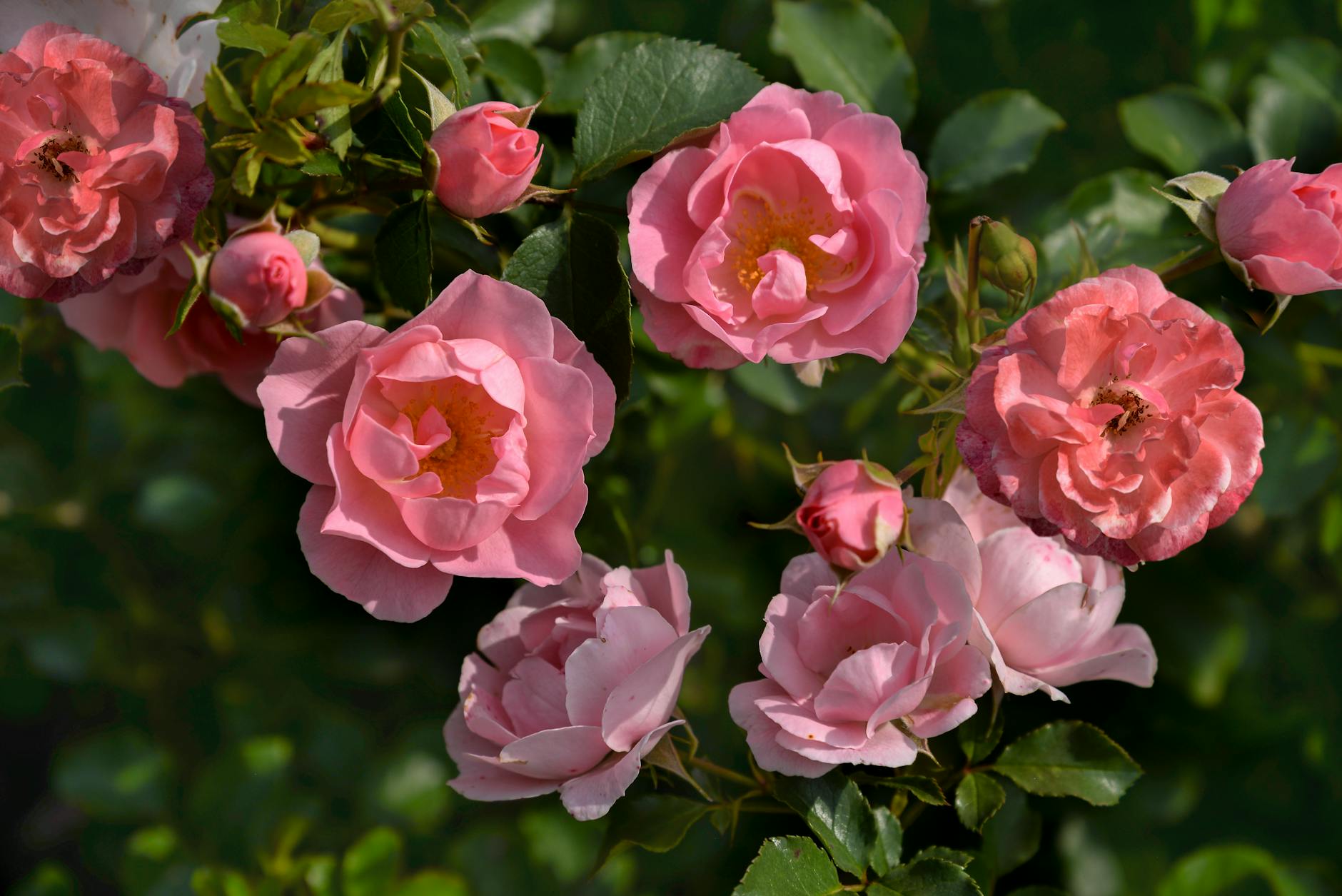
The award-winning rose garden is at its peak in spring and early summer, and when it is going it is a riot of colour and scent. Even out of season the formal layout is a pleasant wander. This is prime picnic-bench and slow-stroll territory, and on a warm November evening it is one of the more romantic corners of the city. Time your visit for the bloom if roses are your thing; our guide to the best time to visit Adelaide will help you line up the seasons.
The Main Lake and the Australian Forest
The Main Lake is the calm heart of the garden, ringed with reeds and overhung with trees, the kind of spot where you sit on a bench and lose twenty minutes without noticing. Nearby, the Australian Forest is something special and often overlooked: mature native plantings, some around 150 years old, that give you a genuine sense of bushland in the middle of the city. The light through the eucalypts is gorgeous, and it is markedly quieter than the showpiece areas.
The Garden of Health and the Mediterranean Garden
Two more I always point out. The Garden of Health is a thoughtful collection of medicinal and useful plants with stories attached, and the Mediterranean Garden suits Adelaide’s climate so well that it always looks good, dry summers and all. They are the kind of areas you would walk past if you did not know to look, which is exactly why I am telling you to look.
The glasshouses: the Bicentennial Conservatory and the Palm House
If the waterlily is the headline, the two big glasshouses are the main supporting act, and honestly they might be my favourite part of the whole garden.
The Bicentennial Conservatory
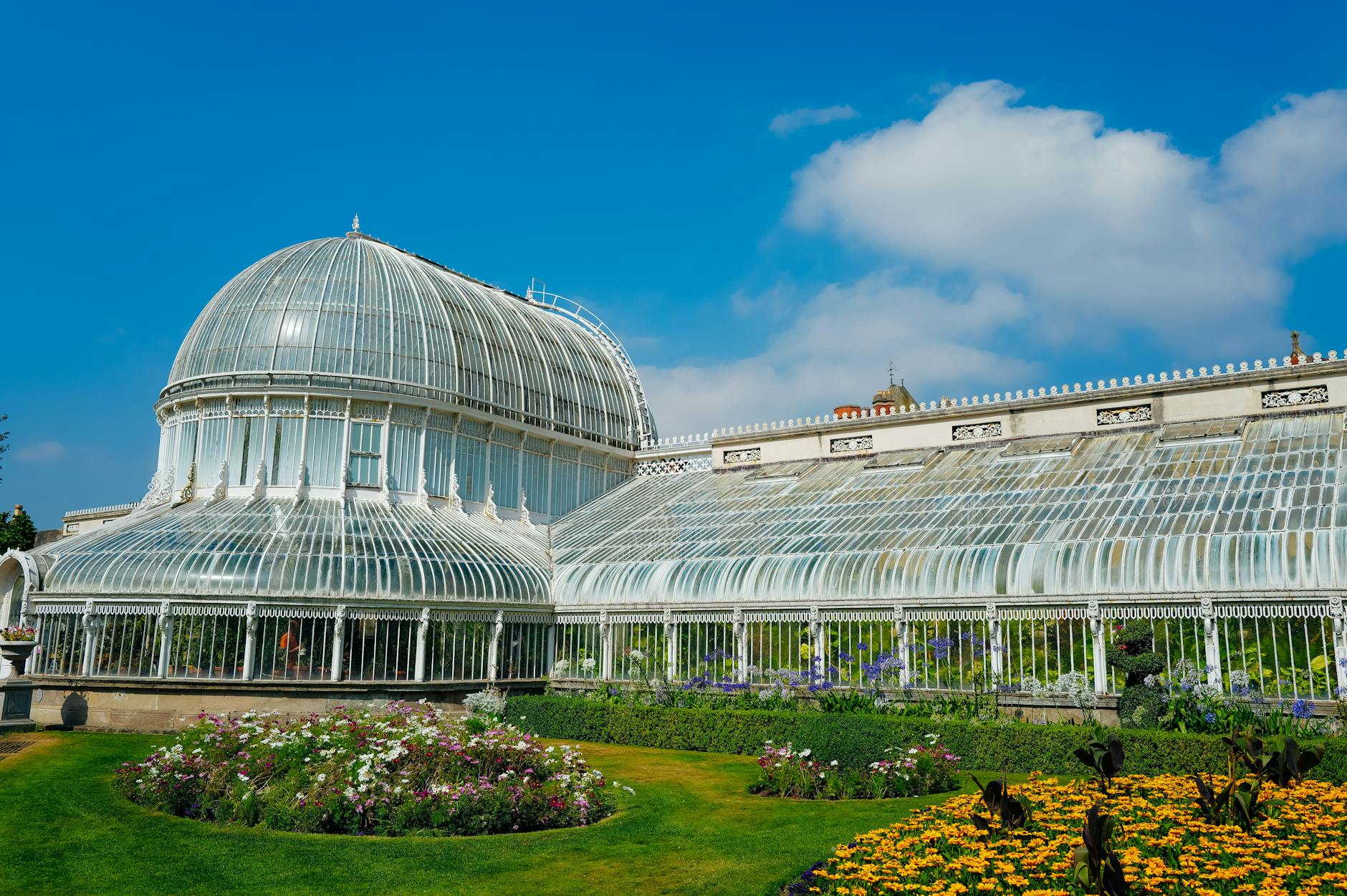
This is the giant. The Bicentennial Conservatory is the largest single-span glasshouse in the Southern Hemisphere, a soaring glass-and-steel structure that you walk into and immediately feel the air change. Inside it recreates a lowland tropical rainforest, with a raised walkway taking you up among endangered rainforest plants from northern Australia and the Pacific. It is warm, green and dripping, a completely different world from the dry city outside, and it is the closest you will get to a rainforest without leaving town. On a cold winter’s day it is also the most pleasant place in the garden to be, which is no small thing.
The Palm House
The Palm House is the elegant one. Built in 1877, it is a delicate Victorian glasshouse, the kind of filigreed iron-and-glass structure that looks like it belongs in a period drama, and it is one of the oldest of its type still standing. Today it houses a collection of plants from Madagascar. It is small, it is beautiful, and it photographs absurdly well. Pair the two glasshouses back to back and you have seen the architectural soul of the garden.
Quieter corners most visitors miss
Once you have ticked off the big-ticket sights, the real pleasure is in the spaces nobody is photographing. The First Creek wetland and the shadier paths along the eastern edge are peaceful and cool. The lawns near the Australian Forest are where I would lay out a picnic blanket to dodge the crowds. There are tucked-away seats and quiet beds all over, and because the garden is so large, it never feels packed once you step off the main spine. If you have a soft spot for the under-the-radar, our roundup of Adelaide’s hidden gems is full of this kind of thing across the rest of the city.
The garden is also home to the Museum of Economic Botany, a rare surviving example of a 19th-century botanical museum, full of the curious ways humans have used plants. It is small, free and genuinely fascinating, and most people walk straight past it. The Santos Museum of Economic Botany is the proper name; pop in if it is open. For more museum-style wandering, our overview of Adelaide’s museums and galleries and the nearby Art Gallery of South Australia round out a culture-heavy day.
Food, coffee and facilities
You will not go hungry here. At the top end, Restaurant Botanic sits within the garden and is one of the most acclaimed fine-dining rooms in the state, a degustation-style destination that you book well ahead for a special occasion. It is genuinely one of Adelaide’s standout tables. At the other end, there are relaxed cafes and grab-and-go options inside the garden for a coffee, a pastry or a light lunch when you just want to refuel and keep wandering.
That said, my favourite move is to bring my own. Swing by the Adelaide Central Market beforehand, grab a focaccia, some cheese and fruit, and lay it all out on the lawns. A market picnic in the garden is one of the great cheap Adelaide pleasures. If you would rather find a cafe first, our pick of the best cafes in Adelaide has plenty within easy reach of North Terrace.
On practicalities: there are public toilets, water fountains, plenty of seating, and the main paths are flat and pram and wheelchair friendly. The Visitor Information Centre near the main gates is your first stop for maps, current opening times and the daily walk.
The free guided walks, and why I rate them
Here is a tip a lot of visitors miss entirely: there are free guided walks every day, run by the dedicated volunteers of the Friends of the Botanic Gardens. They leave from the Visitor Information Centre at 10:30am, run for around 90 minutes, and cost nothing. The volunteers know their stuff, and you come away understanding the stories behind the plants and the place in a way you simply do not get wandering on your own. Worth knowing: the walks do not run on days forecast over 36 degrees, which in an Adelaide summer is a real possibility, so check ahead on a scorcher. If you like a knowledgeable steer, this is the easiest free upgrade to your visit going.
Visiting with kids
The garden is brilliant with children, and not in a forced, here-is-the-playground way. The sheer space to run, the ducks on the Main Lake, the jungle drama of the Bicentennial Conservatory and the slightly alien waterlily pads all land well with younger visitors. It is free, prams roll easily on the main paths, and there is shade and grass for a rest. I would happily build a half-day here into a family trip; for more along these lines, our guide to Adelaide with kids threads the garden together with the zoo, the museum and the beaches. The neighbouring Adelaide Zoo sits just across in the parklands, so you can pair the two into one easy outing.
The best time to visit
Honestly, the garden is good year round, but each season has its character. Spring (September to November) is the showy one: roses blooming, fresh growth everywhere, mild days. Summer brings the waterlily to its peak and those long 7pm closing evenings, though midday can be hot, so come early or shelter in the cool of the conservatory. Autumn is gentle and quiet, lovely light, thinning crowds. Winter is underrated: the glasshouses become the warmest, most pleasant places to be, and the bare-branch structure of the deciduous trees has its own stark beauty. For matching the weather to the rest of your plans, our best time to visit Adelaide guide breaks the seasons down properly.
Time of day matters as much as time of year. Early morning on a weekday, gates at 7:15am, is the magic window: cool, quiet and golden. Late afternoon as the light softens is the runner-up.
A suggested walking route
If you want a route that hits the highlights without doubling back, here is the loop I walk. Enter from the North Terrace main gates and head first to the Palm House, the little 1877 jewel, while you are fresh. From there cross to the Amazon Waterlily Pavilion and do a slow lap of those giant pads. Wander down to the Main Lake, find a bench, and let the pace drop. Loop through the International Rose Garden (in season, breathe in deep), then on to the Bicentennial Conservatory for the rainforest hit and, in winter, the warmth. Cut back through the Australian Forest for the quiet and the big old trees, pausing at the Museum of Economic Botany if it is open. Finish near the cafes for a coffee, or spread your market picnic on the lawns. Allow an unhurried two hours; three if you take the 10:30am guided walk, which I would.
Practical information at a glance
A quick reference so you have the essentials in one place. Entry is free, every day of the year. The garden opens at 7:15am Monday to Friday and 9:00am on weekends and public holidays, and closes seasonally, as early as 5:00pm in midwinter and as late as around 7:00pm in midsummer. The main entrance is on North Terrace at the eastern end of the cultural precinct, reachable on the free city tram and loop buses. Free guided walks leave the Visitor Information Centre daily at 10:30am, run about 90 minutes, and are cancelled on days forecast over 36 degrees. There are cafes and grab-and-go food on site, plus fine dining at Restaurant Botanic; toilets, water and seating are throughout. It is pram and wheelchair friendly on the main paths, and picnics are very much welcome.
One last bit of context: the garden shares its precinct with Botanic Park next door, the open expanse that hosts WOMADelaide each March. If you are in town for that, our overview of things to do in Adelaide covers the festival season, and the North Terrace cultural strip plus the nearby National Wine Centre make it easy to build a full, low-cost day around a single morning in the garden.
Frequently asked questions
Is the Adelaide Botanic Garden free?
Yes, entry to the Adelaide Botanic Garden is completely free, every day of the year. There is no ticket gate. The free daily guided walks are also at no charge. The only things you pay for are food and drink on site, such as the cafes or Restaurant Botanic, and any car parking you might use nearby.
What are the Adelaide Botanic Garden opening hours?
The garden is open 365 days a year. It opens at 7:15am Monday to Friday and at 9:00am on weekends and public holidays. Closing time changes with the season, from around 5:00pm in the depths of winter (June and July) to about 7:00pm in midsummer (December and January). Current times are posted at the gates.
How long do you need at the Adelaide Botanic Garden?
Allow around two hours for an unhurried visit that covers the main highlights, the glasshouses, the waterlily pavilion, the rose garden and the Main Lake. If you join the free 90-minute guided walk at 10:30am or settle in for a picnic, set aside three hours or half a day. You can do a brisk highlights loop in about an hour if you are tight on time.
Can you picnic at the Adelaide Botanic Garden?
Yes, picnics are very welcome and the lawns are made for it. A popular local move is to pick up supplies from the nearby Adelaide Central Market first, then spread out near the Australian Forest or the Main Lake. There is plenty of shade, seating and grass, plus cafes and grab-and-go food on site if you would rather buy something there.
What are the must-see things at the Adelaide Botanic Garden?
The standouts are the Amazon Waterlily Pavilion (home to the world’s largest waterlily), the Bicentennial Conservatory (the largest single-span glasshouse in the Southern Hemisphere, recreating a tropical rainforest), the 1877 Palm House, and the award-winning International Rose Garden. Don’t miss the Main Lake, the Australian Forest with its 150-year-old plantings, and the small but fascinating Museum of Economic Botany.
How do you get to the Adelaide Botanic Garden?
The main entrance is on North Terrace at the eastern end of the cultural precinct, an easy walk from the museums and galleries. The free city tram and the free loop buses both bring you within a short stroll, and there is a Botanic Gardens tram stop on the eastern line. From the CBD you can reach it without paying any fare.
The zoo shares a fence with the garden, which makes the two an easy half-day together. If you are going in, our guide to the Adelaide Zoo pandas covers Australia’s only giant pandas — tickets, the best time of day to catch them awake, and what else on the site is worth the walk.
Come back after dark in July and the garden is a different place. During Illuminate Adelaide, the Botanic Garden has hosted the festival’s headline light walks, most recently Night Visions, a 2km one-way route of lasers, projections and light sculptures with its own soundscape. Our Illuminate Adelaide guide has the details, prices and tips for families.