The history of Adelaide stretches back over 40,000 years, encompassing the rich cultural heritage of the Kaurna people, a unique colonial founding that distinguished it from every other Australian capital, and a progressive social evolution that has shaped the vibrant city we know today. Understanding the history of Adelaide means appreciating how this planned settlement on the plains between the Mount Lofty Ranges and the Gulf St Vincent grew from a utopian vision into a thriving modern metropolis of over 1.3 million people. From its Indigenous roots to its identity as Australia’s Festival City, Adelaide’s story is one of vision, struggle, reinvention, and cultural richness.
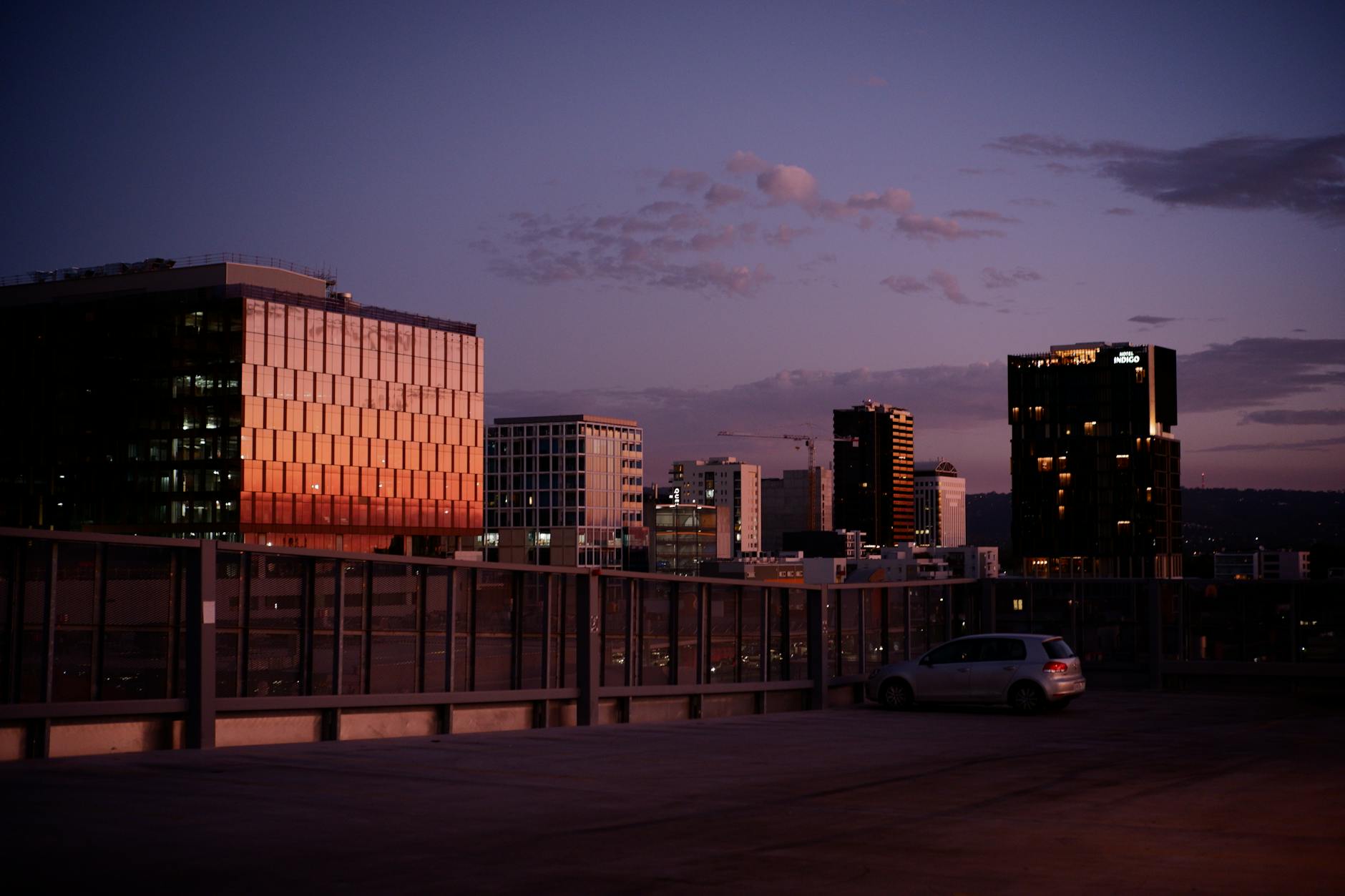
What makes the history of Adelaide particularly fascinating is how visible that past remains in the present. Colonel William Light’s original 1836 city plan still defines the CBD layout today, Kaurna place names echo across the landscape, grand Victorian architecture stands alongside modern towers, and the parklands that ring the city were integral to the founding vision. Walking through Adelaide is walking through layers of history—each street, building, and park tells a story. This comprehensive guide traces that story from its earliest chapters through to the modern era, revealing how the past has shaped the Adelaide you can explore today.
Kaurna Country: 40,000 Years Before European Settlement
Long before any European set foot on this land, the Adelaide Plains were Kaurna Country—known to its Traditional Owners as Tarndanya (meaning “place of the red kangaroo”). The Kaurna people are the Traditional Custodians of the Adelaide Plains and surrounding areas, with an unbroken connection to this land spanning at least 40,000 years. This is the deepest chapter of the history of Adelaide, and arguably its most important. Understanding Kaurna culture and history provides essential context for everything that followed.
Kaurna Society and Culture
The Kaurna people lived in family groups called yerta, each associated with specific areas of land for which they held custodial responsibility. Their society was sophisticated and deeply connected to the seasonal patterns of the Adelaide Plains. The Kaurna moved across their Country following seasonal food sources—fishing in the coastal areas during summer, hunting kangaroo and gathering plant foods on the plains, and retreating to more sheltered areas during winter. The River Torrens, known to the Kaurna as Karrawirra Parri (meaning “red gum forest river”), was central to daily life, providing water, food, and a meeting place for ceremonies and gatherings.
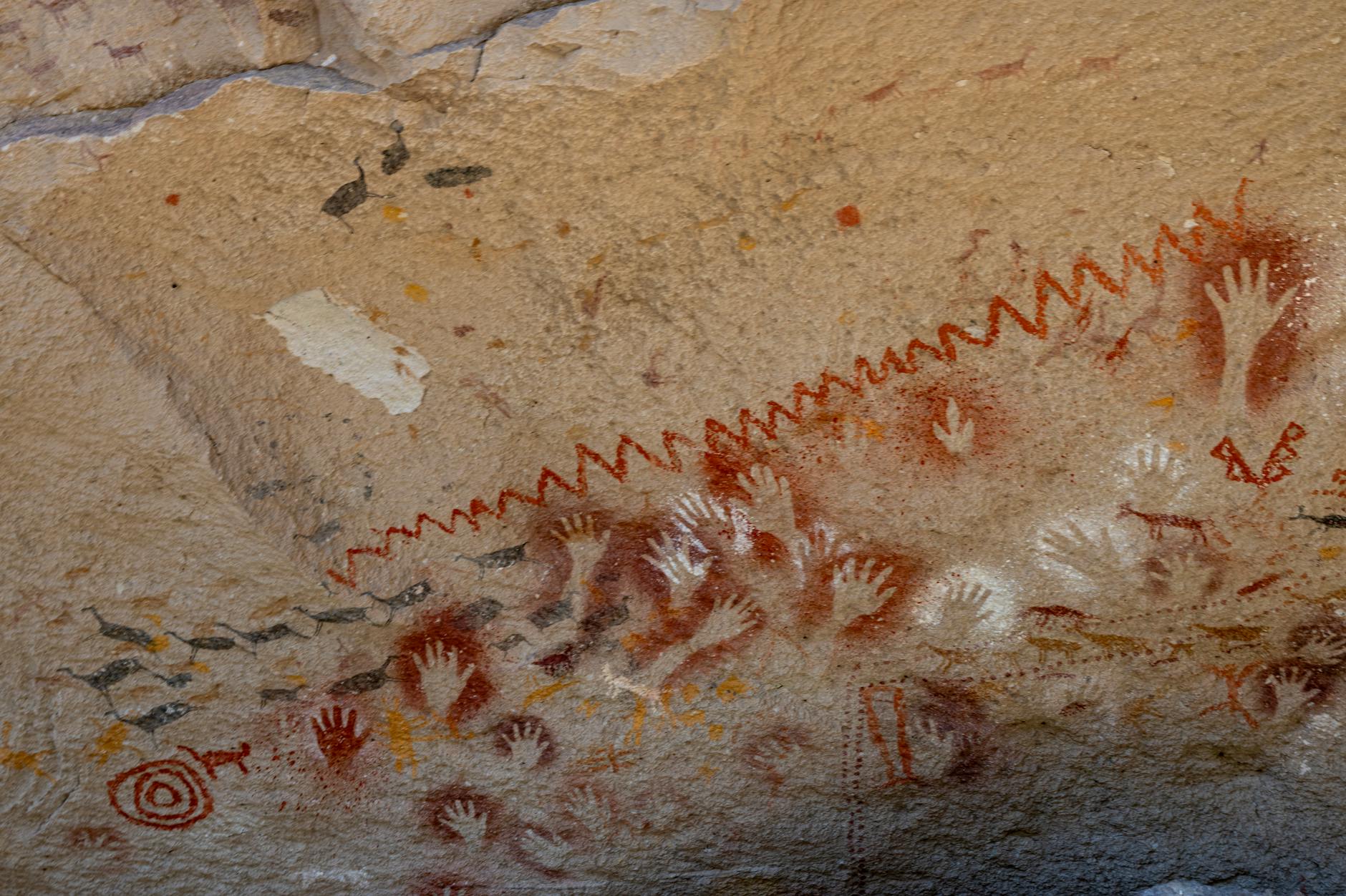
Kaurna culture was rich in ceremony, art, storytelling, and spiritual practice. The land itself was a living cultural text—every hill, waterway, and rock formation carried meaning within Kaurna Dreaming stories that explained the creation of the landscape and encoded practical knowledge about living sustainably in this environment. The Adelaide Hills were particularly significant ceremonially, while the coastal areas around what is now Glenelg and Semaphore were important gathering places. Archaeological evidence including stone tools, scarred trees, and middens (shell deposits from ancient meals) confirms the depth and breadth of Kaurna presence across what is now metropolitan Adelaide.
The Kaurna Language
The Kaurna language (Kaurna Warra) is one of the most successfully reclaimed Indigenous languages in Australia. Though it was nearly lost following colonisation, dedicated efforts by Kaurna Elders and linguists—particularly using the records of German missionaries who documented the language in the 1840s—have brought it back into active use. Today, Kaurna language is taught in schools, used in official place-naming, and spoken at public events. Place names like Tarndanya (Adelaide CBD), Karrawirra Parri (River Torrens), and Tandanya (the National Aboriginal Cultural Institute on Grenfell Street) maintain the Kaurna connection to place throughout the modern city.
European Contact and the Devastating Impact
European contact with the Adelaide Plains region began with Matthew Flinders’ coastal survey in 1802, followed by various exploratory expeditions in the early 1800s. However, even before sustained European presence, the devastating impact of colonisation had already reached the Kaurna. Smallpox, which swept through Aboriginal populations following the arrival of the First Fleet in 1788, had likely reached South Australia ahead of formal settlement, reducing the Kaurna population significantly. By the time the colonial settlement was established in 1836, the Kaurna were already a diminished people.
The rapid colonisation of their land from 1836 onwards brought further devastation. Traditional food sources were disrupted as land was cleared for farming, access to ceremonial sites was restricted, and introduced diseases continued to take their toll. Within a generation, the Kaurna population had been reduced from an estimated 300-650 people at contact to just a handful of survivors. Despite this catastrophic loss, Kaurna culture, identity, and connection to Country has endured and is today experiencing a powerful resurgence, visible throughout Adelaide in art, language, ceremony, and political advocacy.
Colonel William Light’s Vision: The Founding of Adelaide (1836)
The European history of Adelaide begins with one of the most remarkable planned settlements in colonial history. Unlike Sydney, Melbourne, Brisbane, and Hobart—all established as penal colonies—Adelaide was founded in 1836 as a free settlement. No convict ever officially set foot in the colony of South Australia. This distinction profoundly shaped the city’s character and remains a source of pride in Adelaide’s identity. The vision for Adelaide was driven by the theories of Edward Gibbon Wakefield, who proposed a model of “systematic colonisation” where land would be sold at a set price, with the proceeds funding the passage of free labourers.
Why Adelaide Was Named Adelaide
The city was named after Queen Adelaide, the German-born consort of King William IV. Letters Patent establishing the Province of South Australia were issued in February 1836, and the colony was officially proclaimed on 28 December 1836 at what is now Glenelg—an event still commemorated annually as Proclamation Day, a public holiday unique to South Australia. The choice of name honoured Queen Adelaide’s support for the colonial venture, though she never visited the city that bears her name.
Light’s Revolutionary City Plan
Colonel William Light, the first Surveyor-General of South Australia, was tasked with selecting the site for the new capital and designing its layout. His choice of location—on the Adelaide Plains between the hills and the sea, bisected by the River Torrens—was initially controversial, with some colonial administrators preferring a coastal location. However, Light’s vision proved brilliantly prescient. His plan featured a distinctive grid layout with wide boulevards (notably North Terrace, King William Street, and the four surrounding terraces), generous public squares (Victoria Square, Light Square, Hindmarsh Square, Whitmore Square, and Hurtle Square), and—most remarkably—a continuous belt of parklands completely surrounding the city.
This ring of parklands, approximately 930 hectares in total, was an extraordinary provision that has defined Adelaide ever since. Light insisted that these green spaces be preserved as public land in perpetuity—a vision that has largely been honoured across nearly two centuries. The parklands ensure that the Adelaide CBD remains green, breathable, and connected to nature in a way that few other world cities can match. Light’s plan also included separate provision for North Adelaide as a residential area north of the Torrens, connected to the main city but distinct in character. Colonel Light died in 1839, just three years after founding the city, but his legacy defines Adelaide’s physical form to this day. His statue on Montefiore Hill overlooking the city bears the inscription: “The reasons that led me to fix Adelaide where it is I do not expect to be generally understood.”
Early Colonial Adelaide: 1836-1860
The early years of the colony were challenging. The first settlers arrived with high hopes but limited practical preparation for establishing a new society in unfamiliar terrain. Food shortages, financial difficulties, and administrative chaos marked the first few years. However, the colony’s free-settlement basis attracted educated, motivated immigrants—many fleeing religious persecution in Europe—who brought skills, capital, and determination.
German Migration and Religious Freedom
A defining feature of early Adelaide was the arrival of German Lutheran families fleeing religious persecution in Prussia. Led by Pastor August Kavel, they established communities in the Adelaide Hills at Hahndorf (1839)—the oldest surviving German settlement in Australia—and throughout the Barossa Valley. These settlers brought viticulture knowledge that would eventually make South Australia the heart of Australian wine production. The colony’s guarantee of religious freedom attracted diverse denominations, leading to the construction of numerous churches that earned Adelaide its lasting nickname: the City of Churches. This religious diversity also fostered a tradition of tolerance that distinguished Adelaide from more conformist colonial settlements.
Economic Development
Copper discoveries at Kapunda (1842) and Burra (1845) provided crucial economic stimulus, attracting Cornish miners and generating wealth that funded Adelaide’s early development. When gold was discovered in Victoria in 1851, South Australia initially suffered a population drain as men rushed to the goldfields. However, the colony cleverly capitalised on the gold rush by becoming a supplier of food and goods to the Victorian diggings, generating substantial wealth. This period saw the construction of many of the grand civic and commercial buildings along North Terrace and King William Street that still define the city’s architectural character today.
The Victorian Era: Adelaide Grows (1860-1901)
The second half of the 19th century saw Adelaide develop from a colonial outpost into a confident, prosperous city. Grand public buildings arose along North Terrace—Parliament House, the University of Adelaide (1874, the first in Australia to admit women to degrees), the South Australian Museum, and the Art Gallery of South Australia created a cultural boulevard unmatched in colonial Australia. The city’s infrastructure expanded with railways, tramways, and telegraph connections linking Adelaide to the rest of the continent.
Social Progressivism
Throughout the Victorian era, South Australia pioneered social reforms that placed it ahead of not just other Australian colonies but most of the world. In 1894, South Australia became the first place in the world to grant women both the right to vote AND stand for parliament—a milestone that reflected the colony’s founding principles of equality and freedom. This progressive streak manifested in other ways too: the abolition of religious tests for public office, early trade union recognition, and relatively (for the era) progressive Aboriginal policies compared to other colonies, though these still fell devastatingly short of justice.
The City of Churches
By the late 1800s, Adelaide’s skyline was defined by church spires. The nickname “City of Churches” reflected both the religious diversity of the population and the prominence of church buildings in the relatively low-rise cityscape. St Peter’s Cathedral (begun 1869), St Francis Xavier’s Cathedral, and dozens of smaller churches representing every Christian denomination from Quakers to Greek Orthodox dotted the city grid. While the nickname is sometimes used dismissively to suggest conservatism, it actually speaks to the religious tolerance that was a founding principle of the colony—a remarkable characteristic for the era. Today, many of these historic churches remain, though the skyline is now dominated by commercial towers. Visitors exploring the cultural side of Adelaide will find these architectural gems throughout the CBD.
Federation to Post-War: 1901-1950
When the six Australian colonies federated in 1901, South Australia joined as a founding state. The early 20th century brought steady growth but also challenges—two World Wars drew heavily on South Australia’s population, and the Great Depression hit the state particularly hard due to its reliance on primary industry. Unemployment in South Australia during the 1930s reached devastating levels, and the city’s growth stalled.
However, this period also saw important cultural developments. The establishment of the Adelaide Festival of Arts in 1960 (planned from the late 1950s) was seeded by cultural ambitions that grew throughout this era. The South Australian Film Corporation, the first government film body in Australia, reflected a growing appetite for arts and culture that would blossom spectacularly in the decades to come.
Post-War Immigration
The post-World War II immigration boom transformed Adelaide’s character profoundly. Waves of migrants from Italy, Greece, Poland, the Baltic states, and later Vietnam, brought new cuisines, cultures, and energy to what had been a predominantly Anglo-Celtic city. The Italian community established themselves particularly around the Adelaide Central Market (established 1869 but transformed by post-war migration), creating a food culture that remains central to Adelaide’s identity today. Greek and Vietnamese communities similarly enriched the city’s culinary and cultural landscape. This multicultural transformation laid the groundwork for Adelaide’s modern identity as a food and wine destination.
The Dunstan Era: Adelaide’s Cultural Revolution (1967-1979)
No account of the history of Adelaide can overlook the transformative impact of Premier Don Dunstan, who led South Australia through two terms in office (1967-68, 1970-79). Dunstan was a visionary leader whose progressive reforms revolutionised not just Adelaide’s politics but its entire cultural identity. Often called “the father of modern Adelaide,” Dunstan’s legacy touches almost every aspect of the city’s contemporary character.
Arts and Cultural Investment
Dunstan believed passionately that a great city needed great art. Under his leadership, South Australia saw unprecedented investment in the arts—the establishment of the South Australian Film Corporation (1972), the Adelaide Festival Centre (opened 1973, the first purpose-built arts centre in Australia), expansion of the State Theatre Company, and support for independent arts that created the infrastructure for Adelaide’s festival identity. The Adelaide Festival of Arts, already established in 1960, was energised and expanded. Dunstan also championed public art, outdoor dining (he personally pushed for Adelaide’s first footpath café licenses), and a more cosmopolitan urban culture. The Adelaide festivals that now define the city can trace their roots directly to this era.
Social Reforms
Dunstan’s government enacted groundbreaking social legislation: the first Aboriginal land rights legislation in Australia, decriminalisation of homosexuality (1975, first Australian state), consumer protection laws, anti-discrimination legislation, and environmental protections. He also abolished capital punishment and reformed the upper house of parliament. These reforms positioned South Australia as the most progressive state in Australia and created a culture of social tolerance that persists today. Dunstan’s famous appearances in pink shorts at parliament and his cookbook for constituents reflected his belief that politics could be creative, personal, and fun—an attitude that infuses Adelaide’s culture.
Wine Industry Growth and the Barossa Valley
While winemaking began with those first German settlers in the 1840s, it was the late 20th century that saw South Australia’s wine industry achieve international recognition and become central to Adelaide’s identity. The Barossa Valley, McLaren Vale, Clare Valley, and Adelaide Hills wine regions together produce over half of Australia’s wine output, with many of the country’s most prestigious labels based within an hour of the city. This wine heritage has shaped Adelaide’s food culture, tourism economy, and international reputation.
The preservation of old-vine Shiraz in the Barossa—some dating back to the 1840s and among the oldest in the world—connects modern Adelaide directly to its colonial history. The wine industry also reflects the multicultural threads of Adelaide’s story: German families who planted those first vines, Italian families who brought Mediterranean winemaking traditions, and more recently international winemakers drawn by the region’s ideal conditions. A day trip to the Barossa is essentially a journey through Adelaide’s history in liquid form.
Modern Adelaide: Festival City (1980-Present)

The final decades of the 20th century and the early 21st century have seen Adelaide fully embrace its identity as Australia’s Festival City. The Adelaide Fringe—launched in 1960 alongside the main Festival—has grown into the largest open-access arts festival in the Southern Hemisphere and the second-largest Fringe in the world after Edinburgh. WOMADelaide, the Adelaide Writers’ Week, the Adelaide Film Festival, Illuminate Adelaide, and dozens of other events have created a city where barely a month passes without a major cultural celebration. The Adelaide Fringe alone now attracts over three million attendances across its four-week season.
Urban Renewal and the 21st Century
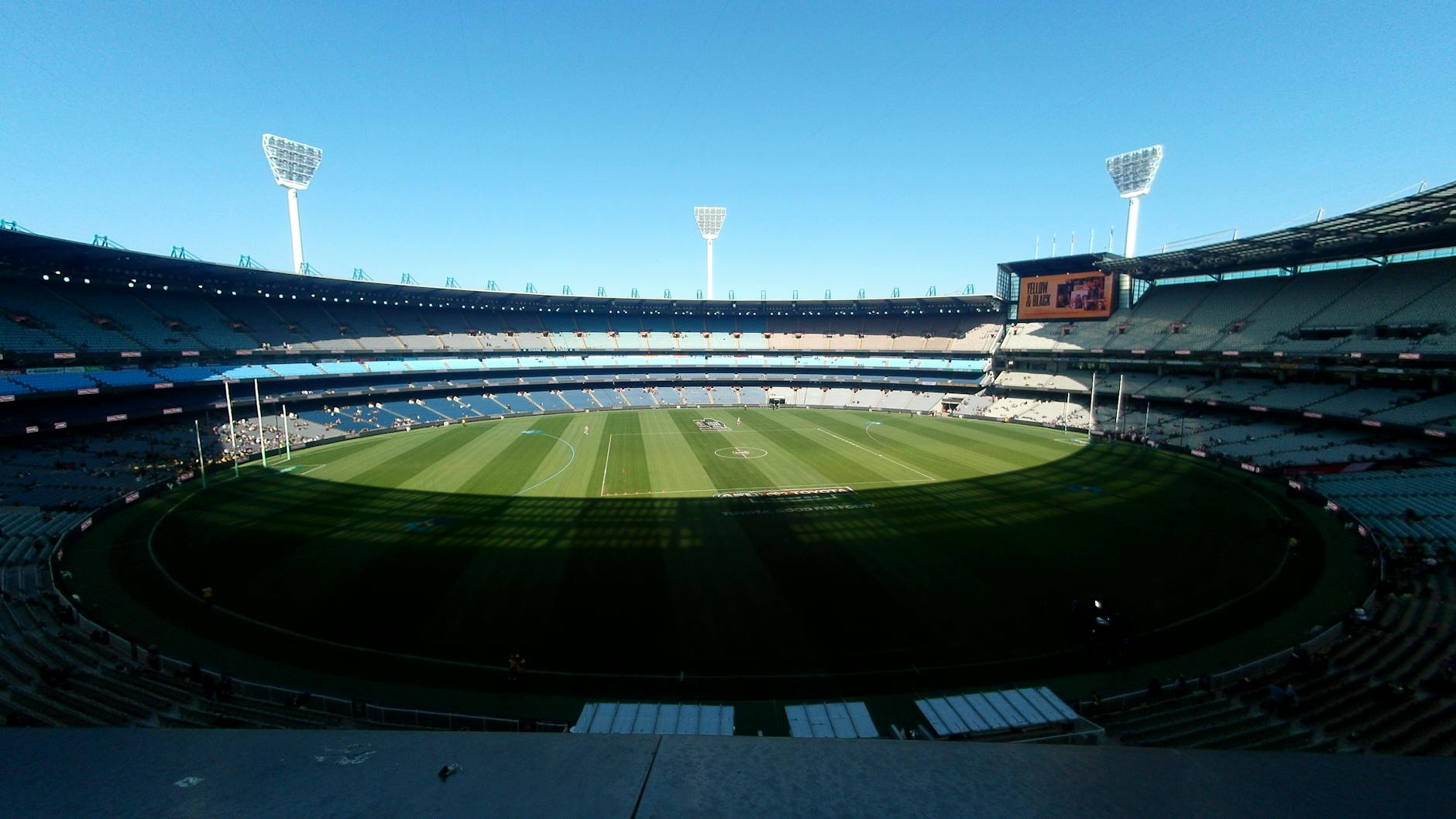
The early 2000s brought significant urban renewal to Adelaide. The revitalisation of the Riverbank precinct—including the new Adelaide Oval (rebuilt 2011-2014), Adelaide Convention Centre expansion, and SkyCity development—transformed the northern edge of the CBD. The East End and West End evolved into distinct dining and entertainment precincts. The laneway bar culture that emerged from 2010 onwards (Adelaide’s nightlife scene) brought energy and activity to previously quiet streets. Lot Fourteen, a former Royal Adelaide Hospital site, has been reimagined as an innovation and cultural precinct housing the Australian Space Agency, alongside Aboriginal art galleries and cutting-edge tech companies.
Adelaide Today: A City of 1.3 Million
Today Adelaide is a city of approximately 1.4 million people—a far cry from the few hundred settlers who arrived in 1836. It has evolved from a conservative, church-going colonial capital into one of Australia’s most liveable, creative, and food-obsessed cities. The history of Adelaide is visible everywhere: in Light’s grid layout and parklands, in the sandstone heritage buildings alongside modern architecture, in the Kaurna place names that reconnect the city to its deepest past, and in the multicultural food culture that fills the Central Market and restaurant strips. Understanding this history enriches every visit, revealing the layers of story beneath the surface of modern Adelaide.
How Adelaide’s History Is Visible Today
For visitors wanting to experience the history of Adelaide firsthand, the past is remarkably accessible. North Terrace—often called Adelaide’s cultural boulevard—houses the South Australian Museum (free entry, excellent Aboriginal Cultures gallery), the Art Gallery of South Australia, the Migration Museum, and the State Library, all within walking distance. The Adelaide Oval’s stadium tours explore sporting history dating back to the 1870s. Heritage walking trails through the CBD pass colonial-era buildings on nearly every block, many now repurposed as restaurants, bars, and boutiques. The Central Market has operated continuously since 1869 and remains a living connection to post-war migrant communities. And throughout the city, Kaurna artwork, language, and cultural markers remind visitors and residents alike that this history of Adelaide began not in 1836, but tens of thousands of years earlier.
Planning your own exploration of Adelaide’s historical sites works perfectly as part of a broader trip. Our Adelaide travel guide provides comprehensive planning resources, while the getting around Adelaide guide helps you navigate between historical precincts efficiently. Many of Adelaide’s best historical experiences are free—the museums, parklands, heritage architecture, and cultural trails cost nothing to enjoy.
Frequently Asked Questions About Adelaide’s History
When was Adelaide founded?
Adelaide was officially proclaimed as a British colony on 28 December 1836 at Glenelg. However, the Kaurna people had lived on this land for at least 40,000 years prior to European settlement. The city was surveyed and planned by Colonel William Light in early 1837.
Why is Adelaide called the City of Churches?
The nickname emerged in the Victorian era when Adelaide’s skyline was dominated by church spires from numerous denominations. The colony’s founding principle of religious freedom attracted diverse faith communities, each building their own place of worship. While the city is now more commonly known as the Festival City, many historic churches remain throughout the CBD.
Was Adelaide a convict colony?
No. Adelaide and South Australia were deliberately established as a free settlement—no convicts were ever officially transported here. This was a fundamental principle of the colony’s founding under Edward Gibbon Wakefield’s colonisation theory, and it profoundly shaped the city’s social character and self-image.
Who designed Adelaide’s layout?
Colonel William Light designed Adelaide’s distinctive grid layout with its surrounding parklands, wide boulevards, and public squares. His plan was revolutionary for its time and has been remarkably preserved—the essential structure of the CBD today remains true to Light’s 1837 design.
What does Tarndanya mean?
Tarndanya is the Kaurna name for the Adelaide CBD area, meaning “place of the red kangaroo.” The Kaurna are the Traditional Custodians of the Adelaide Plains, and their language is increasingly used in official place-naming as part of reconciliation and cultural recognition efforts.

What is the Dunstan era?
The Dunstan era refers to the period 1967-1979 when Don Dunstan served as Premier of South Australia. His progressive reforms in arts funding, social legislation, and cultural development are widely credited with transforming Adelaide from a conservative colonial city into the vibrant, culturally rich Festival City it is today.
Where can I learn about Aboriginal history in Adelaide?
The South Australian Museum on North Terrace houses one of the world’s most significant collections of Aboriginal cultural material, with its Australian Aboriginal Cultures Gallery being one of the largest and most important collections globally. Tandanya National Aboriginal Cultural Institute on Grenfell Street offers contemporary Indigenous art and cultural experiences including exhibitions, performances, and workshops. Walking tours focused on Kaurna history are available through several operators, and Kaurna cultural markers and artwork can be found throughout the CBD and parklands. The Botanic Gardens also features interpretive signage about Kaurna plant use and land management practices.
What historic buildings can I visit in Adelaide?
Adelaide’s heritage architecture is remarkably well-preserved. Key historic buildings open to visitors include Parliament House (free guided tours available), Government House (open days during festivals), the Ayers House Museum on North Terrace (a beautifully restored 1846 mansion), the Adelaide Town Hall (heritage tours available), and the Migration Museum in the former Destitute Asylum buildings. Many heritage buildings now function as restaurants, bars, and boutiques—dining in a restored 1860s warehouse or drinking in a converted bank vault is a common Adelaide experience that brings history to life in enjoyable ways. The Adelaide culture guide provides more detail on heritage experiences throughout the city.