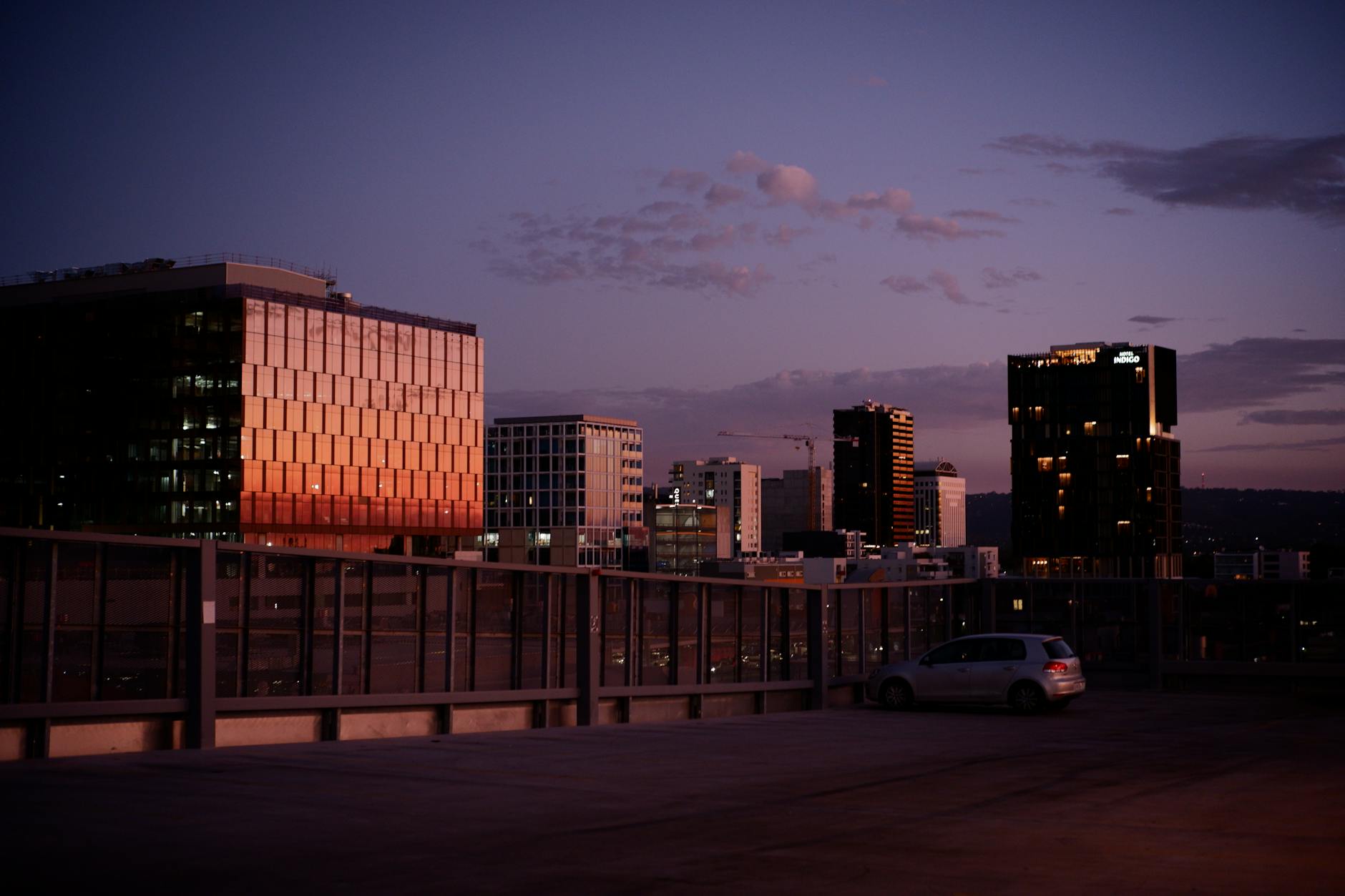
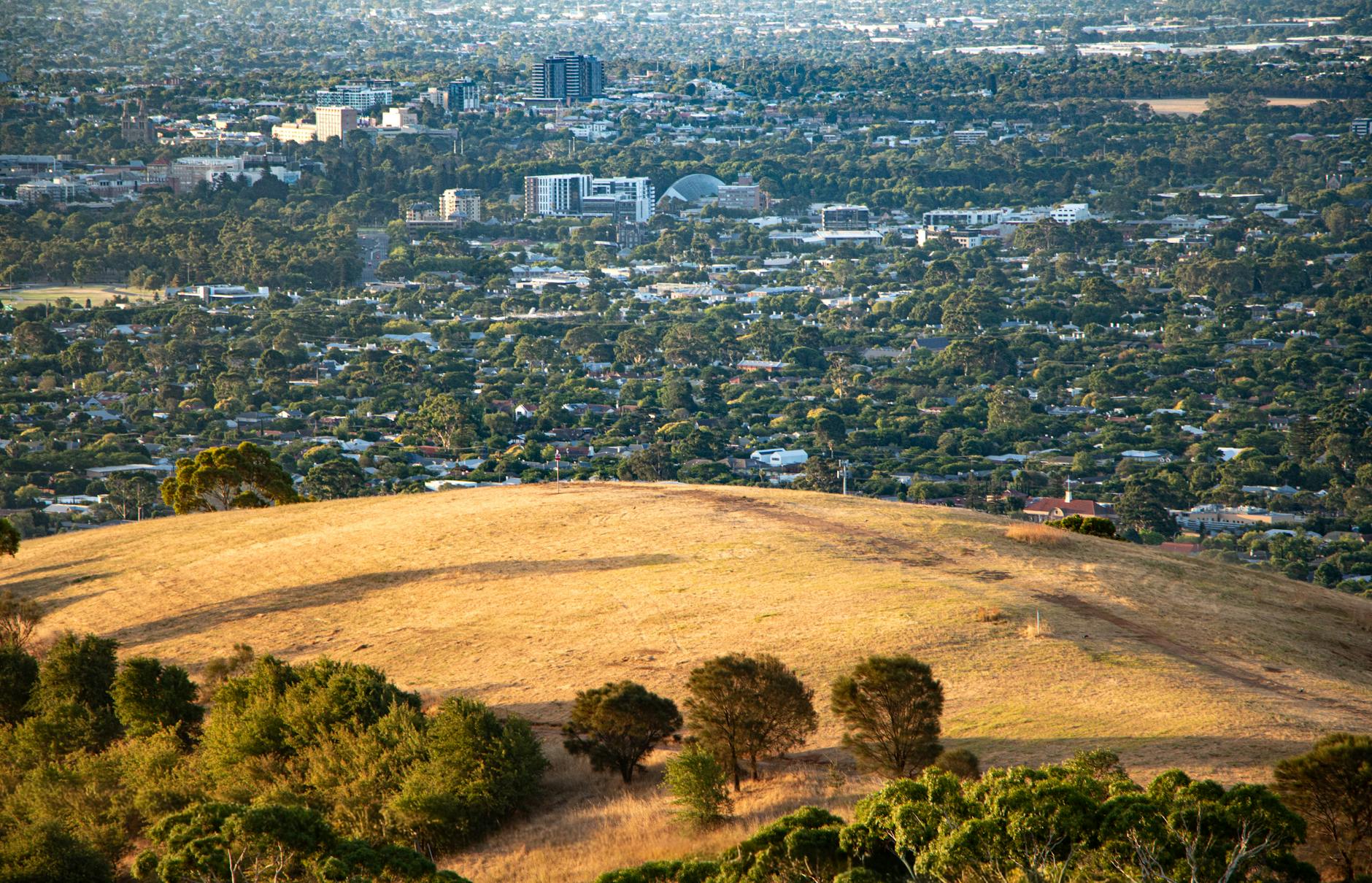
Five days in Adelaide gives you the perfect amount of time to experience everything that makes South Australia’s capital so special. From world-class wine regions just an hour from the CBD to pristine beaches, charming hills villages, and a food scene that punches well above its weight, Adelaide rewards visitors who take the time to explore beyond the obvious. This comprehensive 5-day itinerary balances city culture, wine country, coastal relaxation, hills exploration, and a memorable day trip, ensuring you leave with lasting memories and a desire to return.
Unlike Australia’s larger cities, Adelaide’s compact size means less time commuting and more time experiencing. Every destination in this itinerary is within 90 minutes of the city centre, and many of the best experiences are free or remarkably affordable. Whether you’re travelling as a couple, with family, solo, or with friends, this itinerary provides the framework for an unforgettable South Australian holiday with suggestions for tailoring each day to your interests and budget.
Day 1: Discovering Adelaide’s City Heart
Your first day in Adelaide should be devoted to understanding what makes this city tick. Adelaide’s CBD is compact, walkable, and packed with experiences that reveal the city’s character. Begin your morning at the Adelaide Central Market, operating since 1869 and consistently ranked among the world’s great food markets.
Morning: Adelaide Central Market
Arrive at the Central Market when it opens (Tuesday, Thursday, Friday and Saturday are best) and spend at least two hours exploring its 80-plus stalls. Grab breakfast from one of the market cafes – the mushroom toast at Lucia’s or the congee at the Asian food court are local favourites. Wander through fruit and vegetable stalls piled with seasonal South Australian produce, cheese makers, smallgoods specialists, olive oil vendors, and artisan bakers.
The Central Market isn’t just a tourist attraction – it’s where Adelaide’s chefs shop and where locals have bought their weekly produce for over 150 years. Pick up provisions for a parklands picnic later, sample South Australian cheeses and olives, and collect a bag of Haigh’s chocolates (Adelaide’s own since 1915). Consider joining a guided market tour for behind-the-scenes access and tastings that independent browsing can’t match. The market connects directly to Chinatown and Gouger Street, which you’ll return to for dinner.
Late Morning: North Terrace Cultural Precinct
Walk north from the market through Victoria Square (Tarntanyangga) and along King William Street to reach North Terrace, Adelaide’s cultural boulevard. Within a single block, you’ll find the Art Gallery of South Australia, the South Australian Museum, the State Library, the University of Adelaide’s heritage campus, and the Migration Museum – all free to enter.

Choose two or three institutions to explore based on your interests. Art lovers should prioritise the Art Gallery’s Australian collection. History buffs will find the SA Museum’s natural history and Aboriginal cultures galleries fascinating. The State Library’s exhibition spaces often host compelling temporary shows. All are free, world-class, and well-curated. For more on the cultural options here, see our guide to things to do in Adelaide.
Afternoon: Rundle Mall and East End
After your cultural morning, head east along Rundle Mall, Adelaide’s main shopping precinct. Beyond the major retailers, look for Rundle Mall’s quirky public art, buskers, and the heritage arcades that hide independent shops and vintage stores. Continue east into the Rundle Street East End precinct where independent boutiques, bookshops, galleries, and cafes cluster in beautifully restored heritage buildings.
Take an afternoon break in the Adelaide Botanic Garden, entering through the East End gates. The gardens are free, beautifully maintained, and offer a peaceful green oasis just steps from the busy shopping streets. The recently restored Palm House and the Amazon Waterlily Pavilion (November-April, free) are particular highlights.
Evening: Gouger Street Dinner
Finish your first day with dinner on Gouger Street, Adelaide’s premier dining strip. The options here span Chinese, Vietnamese, Japanese, Thai, Indian, Greek, Italian, and modern Australian cuisines. For an authentic Adelaide experience, try dumplings at Chinatown staples like Good Fortune Roast Duck or explore the strip’s Vietnamese pho restaurants. If you prefer modern Australian dining, there are more elevated options available along the strip as well. For those watching their budget, Gouger Street offers some of the best value dining in Adelaide.
Day 2: Wine Region Day Trip
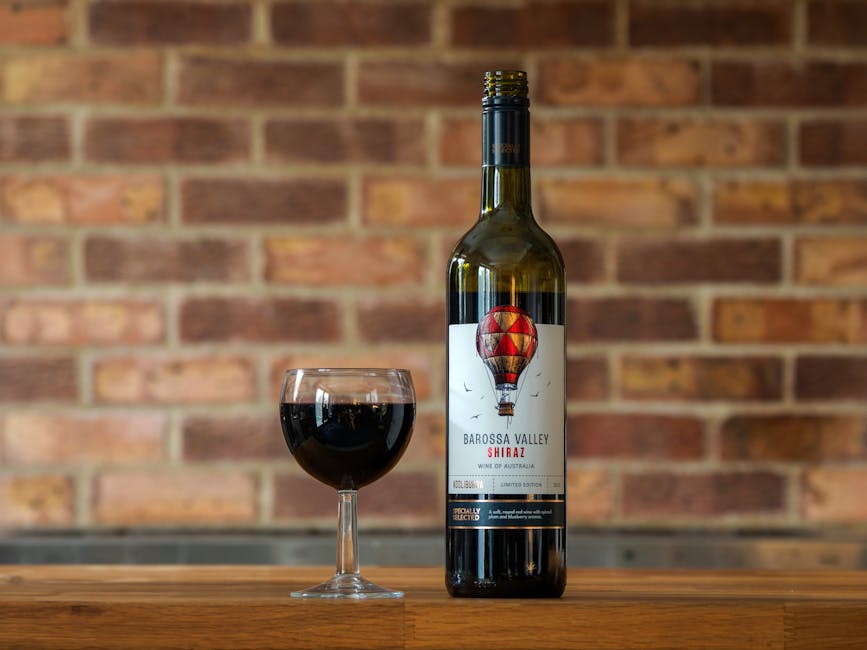
No visit to Adelaide is complete without experiencing one of the world-class wine regions that sit practically on the city’s doorstep. For your second day, choose between the Barossa Valley (renowned for Shiraz) or McLaren Vale (known for Grenache and beachside vineyards). Both are approximately 50-60 minutes from the CBD and offer distinctly different experiences.
Option A: Barossa Valley
The Barossa Valley is Australia’s most famous wine region, home to iconic producers including Penfolds, Henschke, Peter Lehmann, and Torbreck alongside dozens of smaller boutique cellar doors. A day in the Barossa should include visits to three or four cellar doors, lunch at one of the region’s excellent restaurants, and time to soak up the European-influenced landscape of stone buildings, heritage churches, and rows of ancient vines.
Start at a major producer like Jacob’s Creek or Seppeltsfield for their comprehensive visitor experiences, then seek out smaller cellar doors like Rockford, Torbreck, or Head Wines for more intimate tastings. Book lunch at Hentley Farm, Fermentasian, or 1918 Bistro and Grill for outstanding regional cuisine paired with local wines. Check our detailed Barossa Valley day trip guide for the most comprehensive planning information.
Option B: McLaren Vale
McLaren Vale offers a more relaxed alternative to the Barossa, with smaller cellar doors, coastal proximity, and a thriving food scene centred around the town’s main street. The region excels in Grenache, Shiraz, and increasingly interesting white varieties. Visit producers like d’Arenberg (don’t miss the Cube!), Wirra Wirra, Alpha Box and Dice, and smaller gems like Bekkers and Yangarra.
McLaren Vale’s proximity to the coast means you can combine wine tasting with a late afternoon walk along the Aldinga beach cliffs or a sunset at Port Willunga. The Star of Greece restaurant overlooking the beach makes a magical finale to a McLaren Vale day. For comprehensive regional planning, explore our Adelaide wine regions guide.
Transport Considerations
If you plan to taste wine seriously, organised tours or a designated driver are essential. Several operators run small-group day tours from Adelaide to both regions, typically including four to five cellar doors, lunch, and hotel pickup and drop-off. Self-driving allows more flexibility but means someone needs to limit their tasting. Ride-share services are less reliable in wine regions, so plan your transport before heading out.
Day 3: Beach Day and Coastal Adelaide
Adelaide’s coastline stretches for over 70 kilometres of sandy beaches, and a day exploring the seaside suburbs reveals a completely different character from the city centre. The tram from the CBD to Glenelg takes just 25 minutes, making the beach an effortless day trip from the city.
Morning: Glenelg and Jetty Road
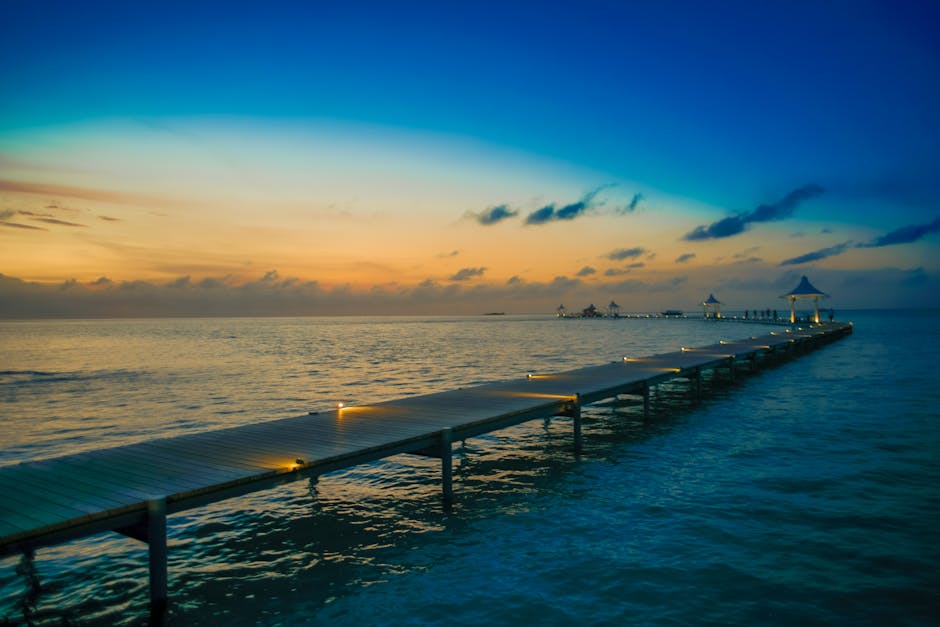
Take the Glenelg tram from the city and arrive at Moseley Square, where the tram literally meets the beach. Glenelg is Adelaide’s most popular beach suburb, offering golden sand, calm waters (perfect for swimming November through March), and the bustling Jetty Road strip of cafes, restaurants, and shops. Walk the length of Glenelg Jetty for views back toward the city and out over the Gulf St Vincent.
Breakfast at one of Jetty Road’s many cafes before taking a morning swim or walk along the esplanade. Glenelg’s waters are generally calm and safe, with lifeguard patrols during summer. The Holdfast Marina area offers boat tour departures if you’d like a dolphin watching cruise, and the nearby Bay Discovery Centre provides local maritime history context.
Afternoon: Henley Beach and Sunset
For a more local, less touristy beach experience, head north along the coast to Henley Beach. This charming seaside suburb has excellent cafes along the square, a beautiful heritage jetty, and a more relaxed atmosphere than its busier neighbour. The Henley Beach Square precinct offers great coffee, fish and chips, and gelato options ideal for an afternoon by the sea.
As evening approaches, Henley Beach and neighbouring West Beach provide some of Adelaide’s best sunset views. The western-facing coastline means spectacular sunsets over the Gulf are virtually guaranteed on clear evenings. Grab a takeaway dinner from one of the beachfront eateries and watch the sky change colours from the grassy foreshore or the jetty itself. For more options along the coast, consult our best beaches guide.
Evening: Seaside Dining
Adelaide’s beach suburbs offer excellent dining options for your coastal evening. Estia in Glenelg serves modern Greek seafood, the Moseley Bar and Kitchen offers gastropub fare with ocean views, and Henley Beach’s EST has waterfront dining. For something more casual, fish and chips from one of the local takeaways eaten on the beach is a quintessential Adelaide experience – and a very affordable one at that.
Day 4: Adelaide Hills Exploration
Just 20 minutes east of the CBD, the Adelaide Hills rise sharply from the plains, offering a dramatically different landscape of cool-climate forests, picturesque villages, wildlife parks, and panoramic city views. Day four takes you into this elevated world of German heritage towns, misty lookouts, and cuddly native wildlife.
Morning: Mount Lofty Summit and Botanic Garden
Begin your hills day at Mount Lofty Summit, the highest point in the Adelaide Hills at 727 metres. On a clear morning, the views from the summit lookout encompass the entire Adelaide Plains stretching to the Gulf St Vincent. The Summit cafe is an ideal breakfast spot with these views as your backdrop. If you’re an early riser, sunrise from the summit is particularly spectacular.
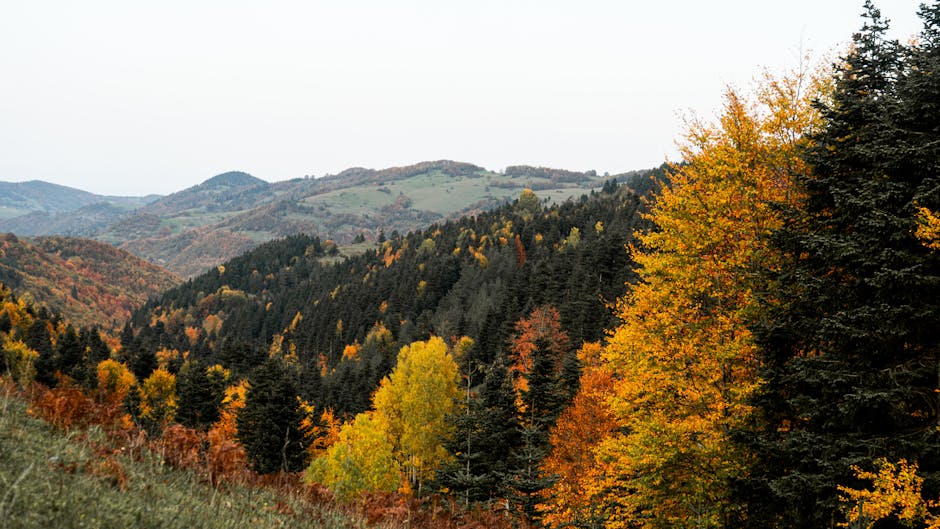
From the summit, take the short drive (or the 45-minute Waterfall Gully hiking trail from the base) to the Mount Lofty Botanic Garden. This cool-climate garden specialises in plants from temperate regions worldwide and is particularly stunning during autumn (March-May) when deciduous trees create a blaze of colour, and spring (September-November) when rhododendrons and magnolias bloom magnificently.
Mid-Morning: Cleland Wildlife Park
Adjacent to Mount Lofty Summit, Cleland Wildlife Park offers one of Australia’s best wildlife experiences in a natural bushland setting. Unlike traditional zoos, Cleland allows visitors to walk freely among kangaroos, wallabies, and emus, hand-feed many of the animals, and book VIP koala experiences. It’s an ideal place for both children and adults to get up close with Australian wildlife in an ethical, conservation-focused environment.
Allow two to three hours at Cleland to explore all areas including the walk-through bird aviary, nocturnal house, reptile area, and the expansive kangaroo and wallaby enclosures. Guided keeper talks throughout the day provide insights into animal behaviour and conservation efforts. If visiting Adelaide with children, Cleland is likely to be a highlight of the entire trip.
Afternoon: Hahndorf German Village
Complete your hills day in Hahndorf, Australia’s oldest surviving German settlement, established in 1839. The main street retains its heritage character with stone buildings, mature European trees, and a distinctly Germanic atmosphere. Wander the boutique shops, art galleries, and artisan producers that line the street, then settle in for a traditional German meal at the Hahndorf Inn or a more contemporary lunch at The Haus.
Hahndorf’s attractions include the German Migration Museum, The Cedars (home of landscape painter Hans Heysen), Beerenberg Farm (strawberry picking in season), and numerous cellar doors offering cool-climate Adelaide Hills wines. Don’t miss trying a traditional German pretzel or apple strudel, and browse the shops for locally made crafts and produce to take home. Our Hahndorf day trip guide has comprehensive details for planning your visit.
Day 5: Island or Port Adventure
For your final day, choose between an ambitious Kangaroo Island day trip (if you’re adventurous and don’t mind an early start) or a relaxed exploration of maritime Port Adelaide and beachside Semaphore. Both offer memorable experiences that provide a fitting finale to your Adelaide holiday.
Option A: Kangaroo Island Day Trip
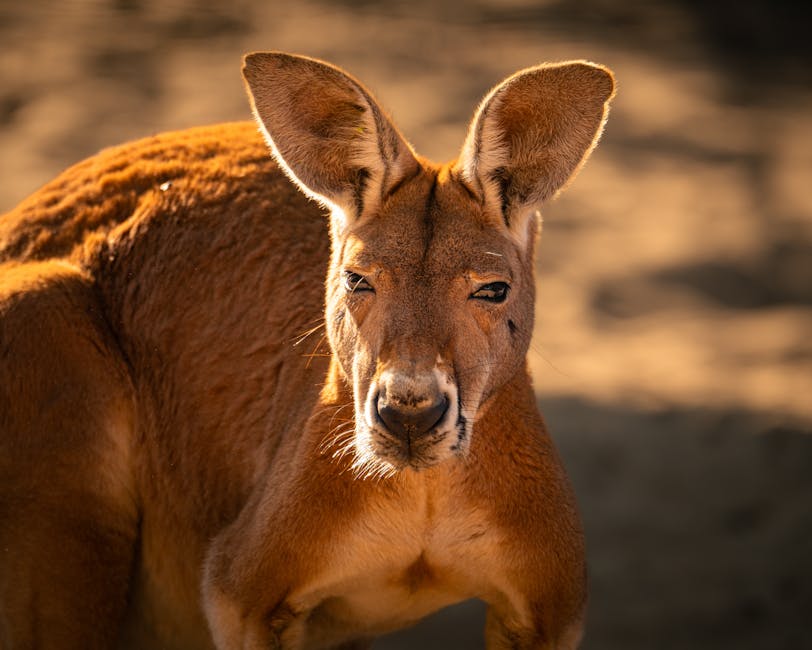
Kangaroo Island is accessible as a long day trip from Adelaide, though it requires early departure (around 5:30am) and return by about 10pm. The ferry departs from Cape Jervis (90 minutes south of the city) and takes 45 minutes to cross to Penneshaw. Several tour operators offer fully guided day trips including all transport from Adelaide, visiting highlights such as Flinders Chase National Park, Remarkable Rocks, Admirals Arch, Seal Bay, and local food producers.
A day trip gives you a taste of the island’s wildlife, stunning coastal landscapes, and artisan food scene, though dedicated Kangaroo Island enthusiasts typically recommend two to three days. The day trip format works well for visitors who want the experience without the additional accommodation costs and logistics. Book well in advance, especially during peak season, as day trip tours often fill quickly.
Option B: Port Adelaide and Semaphore
For a more relaxed final day, explore Port Adelaide’s maritime heritage precinct and the neighbouring beach suburb of Semaphore. Port Adelaide offers a fascinating collection of museums including the National Railway Museum, the South Australian Aviation Museum, and the Port Adelaide Historical Society Museum. The inner harbour area has been rejuvenated with restaurants, bars, and weekend markets.
From Port Adelaide, walk or ride along the foreshore trail to Semaphore, a charming beach suburb with a vintage amusement park, art deco cinema, excellent fish and chips, and a long swimming beach. The Semaphore Road strip offers great cafes and the iconic carousel and waterslides provide family entertainment. It’s a perfectly relaxed way to spend your final Adelaide day.
Budget Breakdown for 5 Days in Adelaide
Adelaide is considerably more affordable than Sydney or Melbourne, making it excellent value for domestic and international visitors alike. Here’s a realistic breakdown of costs for a 5-day Adelaide itinerary across three budget levels to help you plan your spending.
- Budget traveller ($100-150/day): Hostel accommodation ($30-50), free attractions and beaches, Central Market picnic lunches ($10-15), affordable Gouger Street dinners ($15-25), public transport ($5-10), one organised day tour ($100-150)
- Mid-range traveller ($250-350/day): 3-4 star hotel ($150-200), mix of free and paid attractions ($20-50), cafe lunches ($20-30), restaurant dinners ($40-80), car hire or tours ($50-100)
- Luxury traveller ($500+/day): Boutique hotel ($300-500+), premium wine tours ($200+), fine dining ($100-200), private experiences and VIP access ($100-300)
Many of Adelaide’s best experiences are free: the Central Market is free to enter (you’ll spend on food), North Terrace museums are free, beaches are free, walking and cycling trails are free, and many festivals and events have free components. This makes Adelaide particularly rewarding for budget-conscious travellers who can experience world-class culture without the price tag.
Seasonal Adjustments to Your Itinerary
Adelaide’s Mediterranean climate means your experience varies significantly by season, and smart travellers adjust their itinerary accordingly. Understanding what works best in each season ensures you maximise enjoyment and avoid weather-related disappointments.
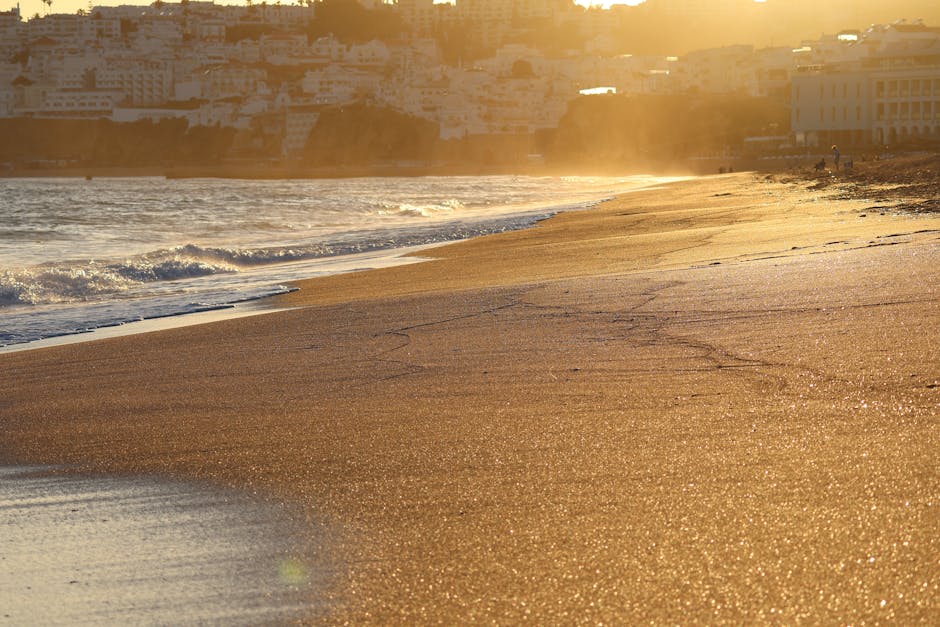
Summer (December-February): Prioritise beach days and early morning activities. Temperatures regularly exceed 35 degrees Celsius, making midday city walking uncomfortable. Move Day 3 (beaches) to earlier in the week when you’re freshest. Wine region visits are best done with air-conditioned transport. The beach and evening activities become the highlight during summer visits. The best time to visit Adelaide guide covers seasonal considerations in detail.
Autumn (March-May): Arguably Adelaide’s best season. Warm days, cool evenings, spectacular hills foliage, and the tail end of festival season (Fringe, WOMADelaide). Wine regions are completing vintage – a fascinating time to visit cellar doors. All five days of this itinerary work perfectly in autumn conditions.
Winter (June-August): Adelaide’s mild winters (8-16 degrees Celsius) suit cultural activities perfectly. Replace the beach day with additional museum and gallery time, or move it to a warm sunny day (they still occur regularly). The Hills are moodily beautiful in winter mist, and restaurants embrace heartier seasonal menus. Wine regions are quieter and cellar door staff have more time for conversation.
Spring (September-November): Gardens are at their peak, temperatures are comfortable for walking, and the city’s events calendar picks up after winter quiet. The Adelaide Hills are particularly stunning in spring bloom. Beach swimming typically becomes pleasant from November onward.
Transport Options for Your 5-Day Stay
getting around Adelaide is straightforward, and the best transport approach depends on your accommodation location and day trip preferences. Here’s how to manage transport across your five days efficiently and affordably.
Day 1 (City): Walk everywhere – the CBD is flat, compact, and extremely walkable. Free trams run along King William Street and to the Entertainment Centre. Day 2 (Wine region): Book a tour (includes hotel transfers), hire a car (with a designated driver), or use regional bus services. Day 3 (Beaches): The Glenelg tram from the city is free within the city section and cheap beyond. Buses connect all beach suburbs. Day 4 (Hills): Car hire is most convenient for the Hills; buses run but limit flexibility. Day 5 (KI or Port): Tours include all transport; for Port Adelaide, the train runs directly from the city in 25 minutes. For detailed transport information, see our getting around Adelaide guide.
A MetroCard (Adelaide’s public transport smartcard) offers significant savings over single tickets and works across trams, trains, and buses. Purchase one at the train station or various retailers on arrival. If hiring a car, you only need it for days 2 and 4 – consider a two-day rental rather than keeping a car you won’t use on days 1, 3, and 5.
Accommodation Recommendations
For a 5-day stay, choosing the right accommodation location significantly impacts your daily logistics and enjoyment. The CBD is the most convenient base for this itinerary, providing walking access to Day 1 activities and easy connections to all other destinations.
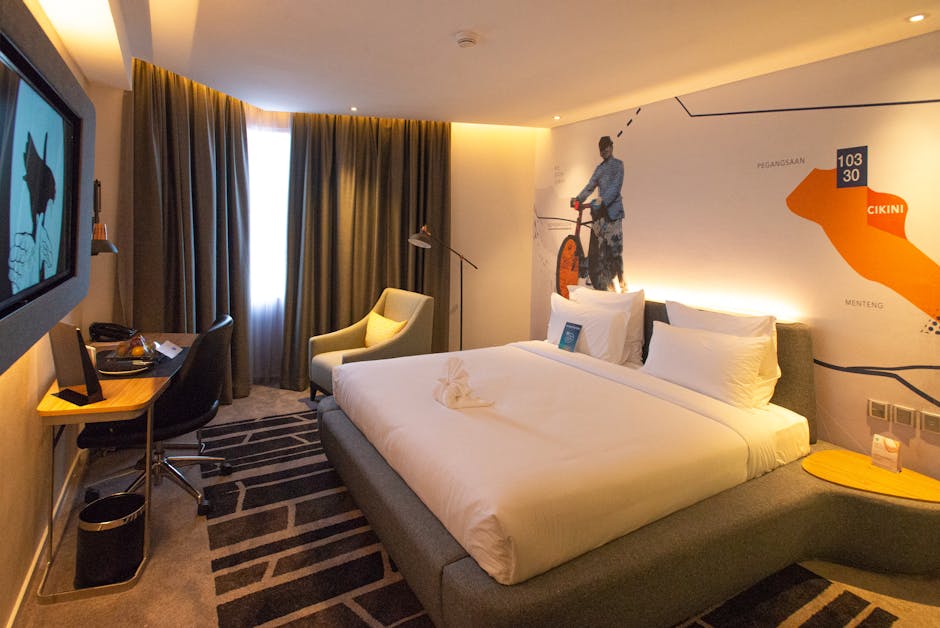
Budget-friendly options include Adelaide’s excellent hostel scene (Adelaide Central YHA, The BackpackHQ), affordable aparthotels in the West End, and value chain hotels slightly north of the city centre. Mid-range visitors have excellent choices in the East End (close to dining and nightlife), North Terrace (near cultural attractions), and the Central Market precinct (ideal for foodies). For detailed accommodation guidance across all budget levels, see our comprehensive where to stay in Adelaide guide.
Luxury travellers should consider the Mayfair Hotel (heritage elegance), Eos by SkyCity (modern design with views), the Oval Hotel (unique sporting heritage experience), or boutique options in the East End. For those wanting a hills escape, spending one or two nights in Adelaide Hills accommodation at places like Mount Lofty House adds a romantic dimension to the itinerary.
Tailoring the Itinerary: Couples, Families, and Solo Travellers
This itinerary’s modular structure makes it easy to adjust for different travel styles. Here are specific modifications to maximise enjoyment based on who you’re travelling with.
For couples: Extend wine region tastings and book a long lunch. Replace afternoon shopping with rooftop bar time. Choose intimate restaurants over casual eateries. Add a sunset picnic in the botanic gardens or at the beach. Consider upgrading to a boutique hills accommodation for one night of romantic seclusion.
For families: Add the SA Museum’s kid-friendly displays on Day 1. Choose family-friendly cellar doors with gardens on Day 2 (Seppeltsfield, Jacob’s Creek). Extend beach time on Day 3 with playground stops. Prioritise Cleland Wildlife Park on Day 4. Choose Semaphore’s waterslides and carousel on Day 5. The Adelaide Zoo (near the city) makes an excellent substitute for any day if weather turns.
For solo travellers: Join group tours for wine regions (great for meeting people). Use hostel common areas for social connections. Explore the bar scene on Peel Street and Leigh Street in the evening. Consider food tours and walking tours where solo joining is natural. The Adelaide Fringe (if visiting in Feb-March) is particularly solo-friendly with its open, festival atmosphere.
Packing Tips for Adelaide
Adelaide’s weather can be variable, and this itinerary covers diverse environments from air-conditioned museums to outdoor hiking and beachside relaxation. Pack layers regardless of season – mornings can be cool even in summer, and the Hills are always several degrees cooler than the city. A comfortable pair of walking shoes is essential for Day 1 and Day 4. Swimwear is necessary from October through April and advisable year-round for spontaneous dips. Sun protection (hat, sunscreen, sunglasses) is critical in the Australian sun during any season – UV levels are intense even on overcast days.
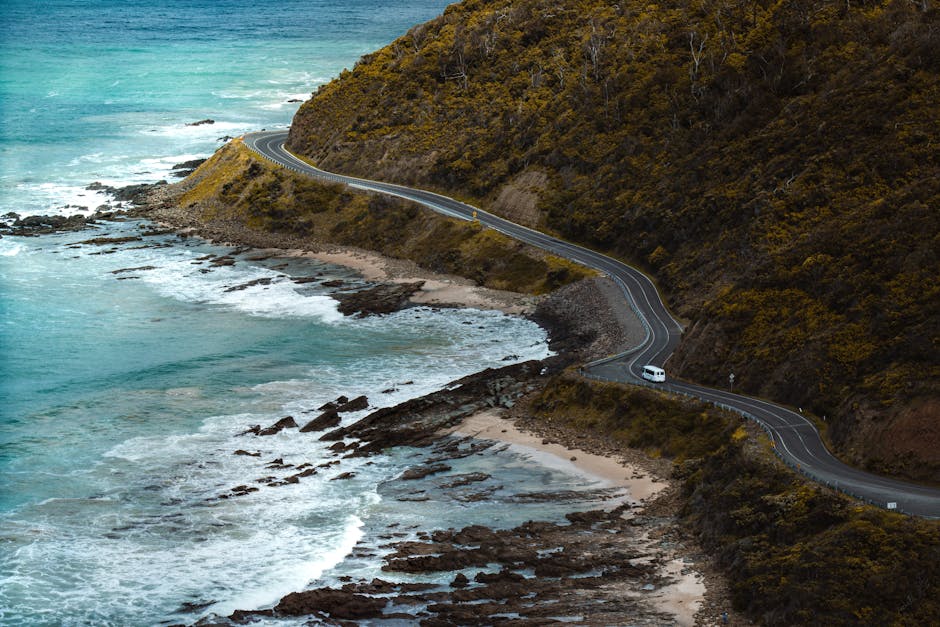
For wine region visits, smart casual clothing is appreciated at more prestigious cellar doors and restaurants. Dark colours are practical as wine tasting inevitably involves some risk of spills. A small daypack is useful for carrying water, sunscreen, and market purchases throughout each day. If visiting during festival season, pack one nicer outfit for evening shows and performances.
Daily Dining Suggestions
Adelaide’s food scene is one of its greatest assets, and this itinerary ensures you experience its full range. Here are specific meal suggestions for each day that balance quality, variety, and budget considerations.
Day 1: Breakfast at Central Market (various options), lunch picnic in the Botanic Gardens with market provisions, dinner on Gouger Street (Asian cuisines offer best value). Day 2: Breakfast at your hotel, long lunch at a winery restaurant (the highlight meal), light dinner at a city pub or pizza joint. Day 3: Breakfast at a beach cafe (Jetty Road, Glenelg), fish and chips lunch by the sea, sunset dinner at a beachfront restaurant. Day 4: Breakfast at Mount Lofty Summit, Hahndorf lunch (German cuisine or modern Australian), dinner in the city – try Peel Street’s laneway restaurants. Day 5: Breakfast at your accommodation, lunch at your day trip destination (Port Adelaide seafood or KI local produce), farewell dinner at a special restaurant for memorable last-night dining.

With five days in Adelaide, you’ll experience the full breadth of what makes this city one of Australia’s most compelling destinations. From market mornings to wine-soaked afternoons, beach sunsets to hills panoramas, Aboriginal heritage to colonial architecture, Adelaide delivers a complete holiday experience without the crowds, costs, or commuting times of larger cities. This itinerary gives you the structure for an exceptional South Australian holiday while leaving room for the spontaneous discoveries that make travel truly memorable. For those with additional time, our complete Adelaide travel guide offers even more inspiration for extending your South Australian adventure.
For trip planning resources, visit South Australia Tourism for accommodation packages and Adelaide Metro for public transport planning. The Adelaide Central Market website lists current stallholders and opening hours, while National Parks SA covers entry fees and walking trails. SeaLink operates Kangaroo Island ferries for Day 5 options.