Adelaide Festival stands as Australia’s oldest and most prestigious multi-arts festival, transforming South Australia’s capital into a global cultural epicentre every February and March. Since its founding in 1960, the festival has built an unrivalled reputation for presenting world premieres, groundbreaking theatre, exhilarating music, provocative visual art, and boundary-pushing performance across 17 days of concentrated cultural brilliance. The 2026 edition—the 41st—marks the first under new Artistic Director Matthew Lutton, promising fresh creative vision while honouring the festival’s legacy of artistic excellence.
Adelaide Festival 2026: Key Facts
The 2026 Adelaide Festival brings extraordinary breadth and ambition to its programming:
- Dates: February 27 – March 15, 2026
- Edition: 41st Adelaide Festival
- Artistic Director: Matthew Lutton (first year)
- Total events: 59
- World premieres: 10
- Australian premieres: 22
- Exclusive to Adelaide: 22 events
- Free events: Multiple, including Writers’ Week
These numbers tell a story of artistic ambition: nearly half the program consists of work being seen in Australia for the first time, while 10 world premieres mean Adelaide audiences witness art that no one on earth has experienced before. This ratio of new work to total programming is extraordinary by international festival standards and reflects Adelaide’s position as a genuine creative laboratory, not merely a touring venue.
2026 Program Highlights
Tryp: Progressive Electronic Music Experience
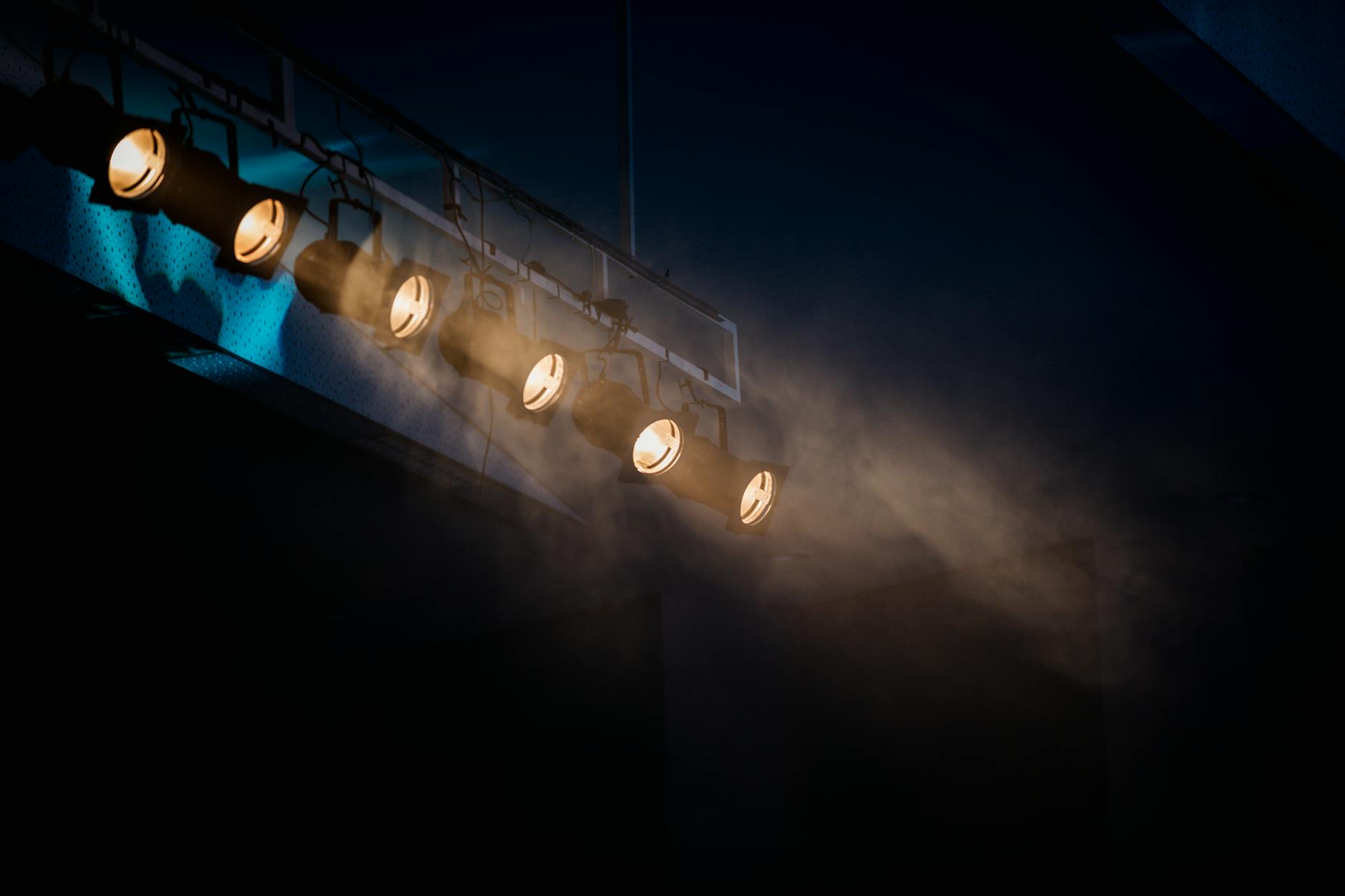
Opening weekend features Tryp, an immersive progressive electronic music event bringing together cutting-edge artists from Japan, the United States, Ireland, and Finland. This multi-venue experience transforms familiar Adelaide spaces into otherworldly sonic environments, with spatial audio installations, visual projections, and performances that blur the line between concert and art installation.
Tryp represents Matthew Lutton’s commitment to programming that reaches beyond traditional arts festival audiences—electronic music fans, visual art enthusiasts, and the late-night crowd will find experiences specifically designed for them alongside the festival’s classical and theatrical programming.
William Barton & Brodsky Quartet
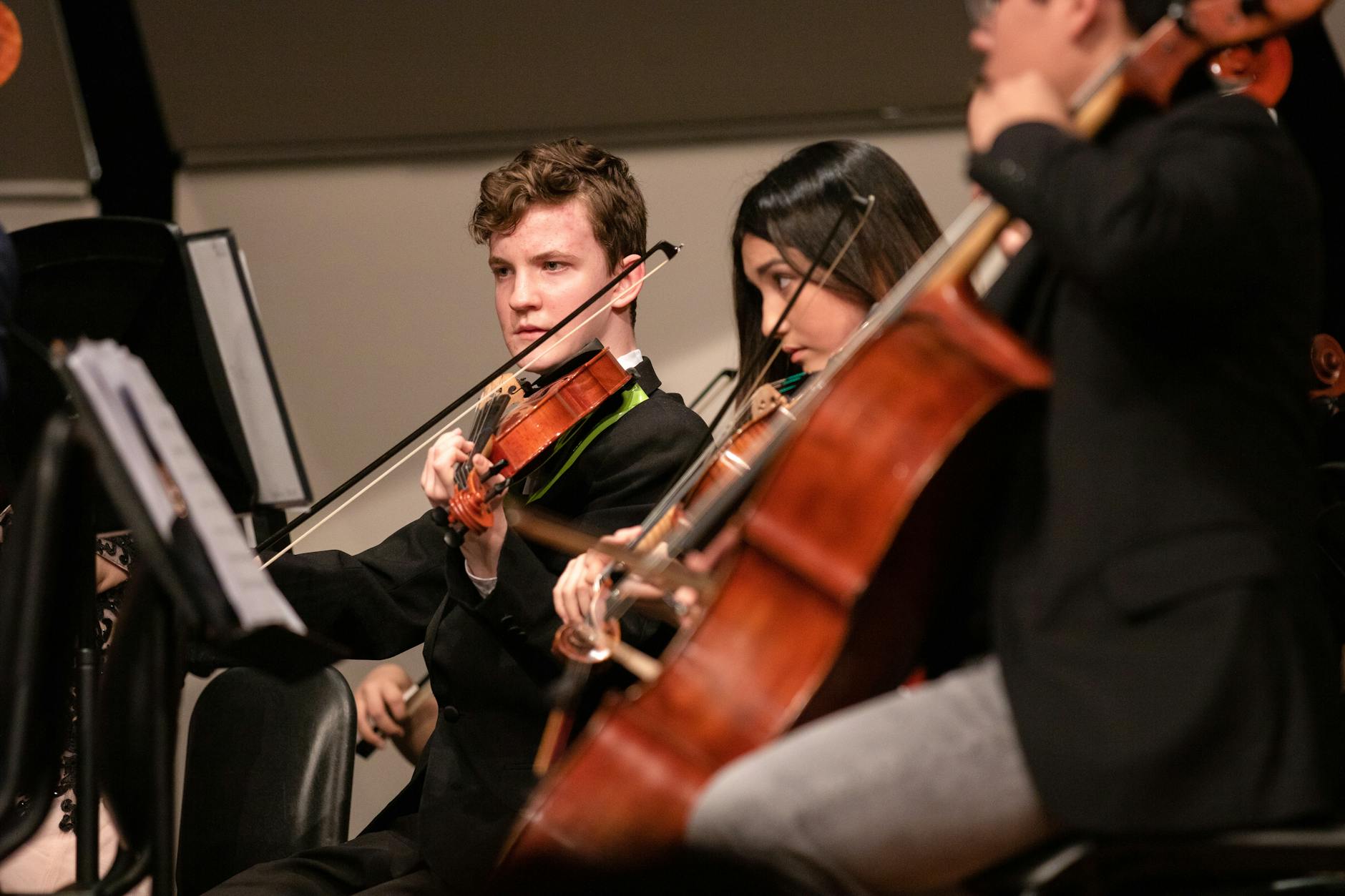
One of the festival’s most anticipated collaborations pairs William Barton—Australia’s pre-eminent yidaki (didgeridoo) virtuoso and a composer whose work bridges Indigenous Australian and Western classical traditions—with the internationally renowned Brodsky Quartet. This meeting of ancient and classical traditions promises music of extraordinary depth and spiritual power.
Barton’s ability to weave the yidaki’s deep, resonant tones with string quartet textures creates something genuinely new—neither purely indigenous nor purely classical, but a third space where both traditions are honoured and transformed. This event encapsulates Adelaide Festival’s mission: presenting art that couldn’t exist anywhere else, made by artists willing to take creative risks.
Sergej Krylov & Alexander Shamray: French Violin Sonatas
For classical music devotees, the pairing of Russian-Italian violinist Sergej Krylov with Adelaide-based pianist Alexander Shamray performing French violin sonatas represents chamber music at the highest level. Krylov’s technical brilliance and emotional depth are matched by Shamray’s sensitive, intelligent pianism. The intimate scale of this concert—in contrast to the festival’s larger spectacles—demonstrates the program’s range from grand to delicate.
Adelaide Biennial of Australian Art
Running concurrently at the Art Gallery of South Australia (AGSA), the Adelaide Biennial presents major new works under the theme “Yield Strength.” This engineering term—describing the point at which material permanently deforms under stress—becomes a metaphor for artistic resilience, transformation, and the creative potential within pressure. The biennial features installations, paintings, sculpture, and new media work from leading Australian artists responding to this provocative brief.
The Biennial is free to attend and runs beyond the festival’s dates, making it accessible even if you visit Adelaide outside the festival period. Combined with AGSA’s permanent collection, it makes for a full day of artistic immersion. It’s one of the many cultural experiences that make Adelaide special.
Writers’ Week: Free Literary Festival
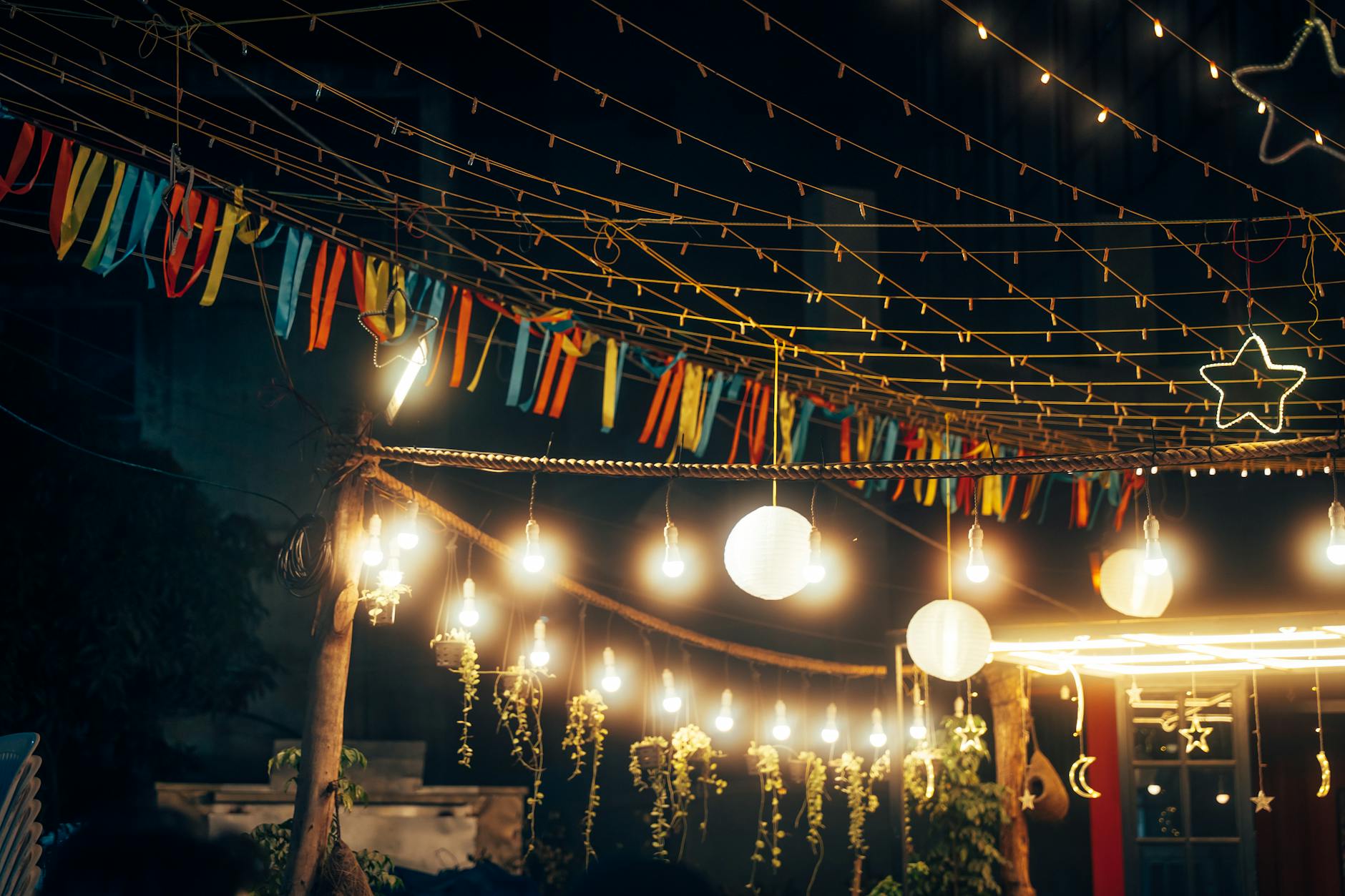
Adelaide Writers’ Week is one of the festival’s most beloved components—and remarkably, it’s entirely free. Running from February 28 to March 5 in the Pioneer Women’s Memorial Garden on the banks of the River Torrens, this open-air literary festival brings together Australian and international authors for readings, conversations, debates, and discussions across six days.
The format is delightfully accessible: simply turn up, find a seat (or spread a blanket on the lawn), and listen to some of the world’s finest writers discussing their craft, their ideas, and the issues that drive their work. No tickets, no registration—just bring sunscreen, a hat, and an appetite for ideas. The garden setting, with mature trees providing dappled shade and the river flowing nearby, creates an atmosphere that’s simultaneously intellectual and relaxed.
Writers’ Week typically features 50+ authors across multiple stages, with programming ranging from debut novelists to literary legends, genre fiction to serious non-fiction, poetry to graphic novels. Book signings allow personal connections with authors, and the on-site bookshop (operated by local independent booksellers) ensures you can immediately purchase works that inspire you. Combined with Adelaide Fringe literary events, the festival season offers extraordinary depth for book lovers.
Festival Venues
Adelaide Festival utilises venues across the city, from purpose-built theatres to transformed public spaces. Understanding the venues helps plan your festival experience.
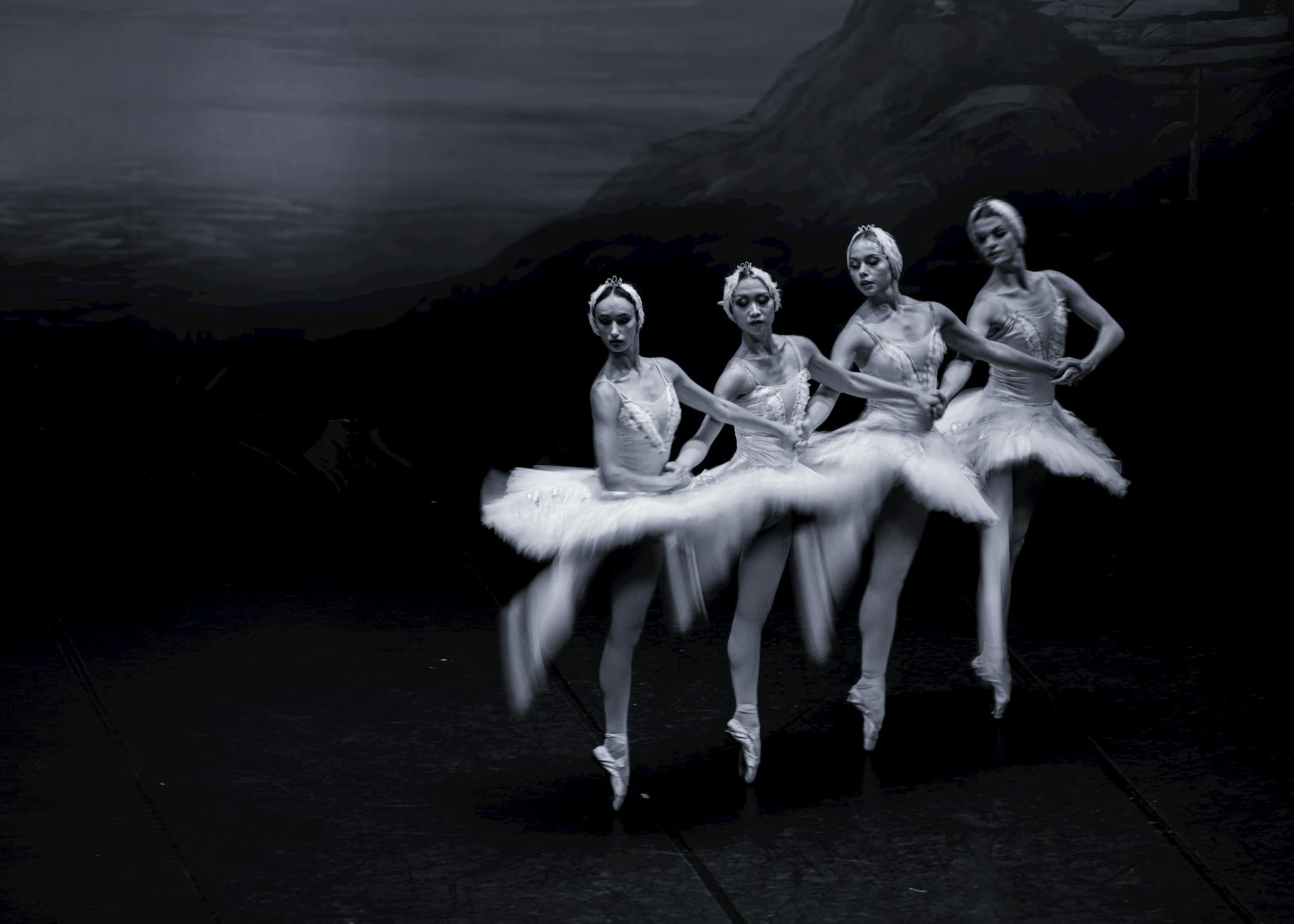
Adelaide Festival Centre: The festival’s spiritual home, this brutalist performing arts complex on the banks of the Torrens houses multiple venues:
- Festival Theatre: The largest venue (2,000 seats) for major theatrical productions, opera, and large-scale music events.
- Dunstan Playhouse: Mid-scale theatre (600 seats) for drama and intimate productions.
- Space Theatre: Flexible studio space (350 seats) for experimental and smaller-scale work.
- Banquet Room: Cabaret and music venue with atmosphere to spare.
Her Majesty’s Theatre: A beautifully restored heritage theatre (975 seats) on Grote Street, hosting drama, music, and dance in a gorgeous Victorian setting.
Elder Park / River Torrens: The riverbank precinct transforms during festival season into an outdoor performance and gathering space. Free events, installations, and late-night festivities activate this area, creating a sense of communal celebration. The park is walkable from most CBD hotels.
Art Gallery of South Australia (AGSA): Home to the Adelaide Biennial, this grand North Terrace institution provides a magnificent setting for visual art experiences.
Various pop-up and non-traditional venues: Each year, the festival transforms unusual spaces—warehouses, churches, outdoor locations—into performance venues. These site-specific works often provide the festival’s most memorable experiences.
A Brief History of Adelaide Festival
Founded in 1960 by a group of visionary South Australians inspired by the Edinburgh Festival, Adelaide Festival was Australia’s first major arts festival and remains its most prestigious. The founding vision was audacious: transform a relatively isolated city of 600,000 people into a cultural destination capable of attracting the world’s finest artists.

That vision succeeded beyond its creators’ dreams. Over six decades, Adelaide Festival has premiered works that changed Australian and international culture. It launched careers, challenged audiences, and repeatedly demonstrated that artistic excellence doesn’t require a massive metropolis—indeed, the intimacy and focus that Adelaide’s size provides has become a competitive advantage.
Key milestones in the festival’s history include the controversial 1982 edition under Anthony Steel (which pushed boundaries and divided opinion), the expansion from biennial to annual in 2012, and the development of Adelaide as a “festival city” with multiple overlapping events (Fringe, WOMADelaide, Writers’ Week) that collectively transform the city each autumn.
The appointment of Matthew Lutton as Artistic Director for 2026 represents the latest chapter—a theatre-maker known for visually stunning, emotionally powerful productions taking the helm of an institution that values both innovation and excellence. His first program suggests a festival comfortable with both populist appeal and artistic risk.
Adelaide Festival and The Fringe: Understanding the Overlap
Adelaide Festival runs concurrently with Adelaide Fringe—the world’s second-largest fringe festival (after Edinburgh). While they’re separate organisations with different philosophies, their overlapping dates mean visitors can experience both during the same trip.
The distinction: Adelaide Festival is curated—its Artistic Director selects every event, ensuring consistent quality and artistic vision. The Fringe is open-access—anyone can register a show, resulting in thousands of events ranging from world-class to amateur. Together, they create an extraordinary concentration of performance: on any given evening during the overlap, you might choose between a world-premiere opera (Festival), a boundary-pushing comedian (Fringe), a free outdoor concert (Festival), or an experimental dance piece in a shipping container (Fringe).
For the complete Adelaide events and festivals calendar, including dates for WOMADelaide and other major events, see our dedicated guide.

Planning Your Festival Visit: Practical Guide
Booking Tickets
Popular shows sell out within hours of tickets going on sale (typically November-December for the following year’s festival). To maximise your chances:
- Sign up for the festival’s email list for early access and presale notifications
- Decide your must-see shows before tickets launch and book immediately
- Have backup choices—your first preference may already be sold out
- Consider weeknight performances (Monday-Wednesday) for better availability
- Multi-show packages sometimes offer priority booking and discounts
- Returns and release seats sometimes become available closer to performance dates—check the website daily
Pricing varies enormously: free events (Writers’ Week, some outdoor performances) to premium tickets ($150-250 for major productions). Most shows sit in the $50-120 range. Student, concession, and under-30 discounts are available for most events.
Accommodation During Festival
Accommodation prices in Adelaide spike 30-50% during festival season (late February through mid-March). Book as far ahead as possible—6+ months is advisable for popular hotels. Alternatives include:
- Apartments and Airbnb (often better value for longer stays)
- Hotels slightly outside the CBD (North Adelaide, Glenelg) at lower rates with easy transport links
- Booking immediately when your festival tickets are confirmed
- Luxury hotel options for those wanting the full experience
For comprehensive accommodation guidance, see our where to stay in Adelaide guide.

Getting Around During Festival
Most festival venues are within walking distance of each other in the CBD and North Terrace precinct. The free city tram runs along North Terrace (connecting the Entertainment Centre to Glenelg via the Festival Centre stop) and is useful for reaching venues on the route. For details on all transport options, see our getting around Adelaide guide.
Rideshare and taxis are readily available, though surge pricing can apply after popular evening events. Consider walking—Adelaide’s compact layout means most venues are within 15 minutes of each other on foot, and the evening atmosphere during festival season makes walking between shows a pleasure.
What to Wear
Adelaide in late February/early March is warm (25-35°C days, 15-20°C evenings). Dress code is relaxed—smart casual suits all venues. For evening shows, most audiences dress up slightly, though strict dress codes don’t exist. Bring layers for air-conditioned theatres and cooler evenings. For outdoor events (Writers’ Week, Elder Park), sun protection is essential during the day.
Festival Etiquette
Adelaide Festival audiences are typically engaged, respectful, and enthusiastic. Phones must be silenced (and ideally off) during performances. Late arrival often means waiting for an appropriate break before being seated. Standing ovations are common for work that genuinely moves people—Adelaide audiences aren’t shy about showing appreciation.
Combining Festival with Adelaide Experiences
While the festival dominates evenings, your days are free for exploring Adelaide’s other attractions. The festival period coincides with some of Adelaide’s best seasonal experiences:
- Wine regions: McLaren Vale and Barossa Valley day trips make excellent daytime activities before evening shows.
- Beaches: Late summer means perfect beach weather at Adelaide’s beaches. Morning swims before afternoon Writers’ Week sessions create a lovely rhythm.
- Central Market: The Adelaide Central Market operates normally during festival season—perfect for breakfast or lunch provisions.
- Dining: Adelaide’s restaurant scene buzzes during festival season, with many venues offering pre-theatre menus. Book well ahead for popular restaurants.
- Bars: Post-show drinks are a festival tradition. Adelaide’s best bars are walking distance from major venues and stay open late during festival season.
For first-time visitors, consider allowing enough days in Adelaide to combine festival attendance with broader city exploration. A week allows for 3-4 festival shows, a day trip, beach time, and plenty of dining—a well-rounded Adelaide experience.
Free Festival Events
Budget-conscious visitors can experience Adelaide Festival without spending on tickets. Beyond Writers’ Week (entirely free), the festival programs outdoor performances, installations, and events in public spaces throughout its run. Elder Park hosts free evening events, North Terrace institutions extend their hours with special programming, and various surprise pop-up performances enliven the city. Check the festival website’s “free events” section for the complete list.
Tips for First-Time Festival Attendees
Be adventurous: The best festival experiences often come from shows you wouldn’t normally choose. Trust the artistic director’s curation—every event in the program has been selected for its quality and significance.
Mix genres: See a theatre piece, a concert, a visual art exhibition, and a free outdoor event. The variety is the festival’s strength, and moving between art forms keeps your experience fresh and surprising.
Allow breathing room: Don’t pack every evening with shows. Some of the best festival memories come from spontaneous encounters—a conversation in a bar, stumbling upon a Fringe show, or simply absorbing the city’s transformed atmosphere.
Read reviews: Local media (The Advertiser, InDaily, CityMag) review shows throughout the festival. If you have flexible plans, use early reviews to guide later bookings.
Embrace the late nights: Adelaide during festival season has an energy unlike any other time. Post-show bars, late-night Fringe events, and the general buzz of a city transformed by art create memories that last long after the curtain falls.
Adelaide Festival represents something increasingly rare in the modern world: a curated, concentrated celebration of artistic excellence that transforms an entire city. Whether you’re a dedicated arts enthusiast planning a full festival immersion or a visitor who catches a single show, the experience connects you to Adelaide’s remarkable cultural identity—a city that punches far above its weight in artistic ambition and achievement. Start planning your festival trip with our complete Adelaide travel guide, and prepare to be surprised by what this festival city delivers.

Making the Most of Festival Season
Planning an Adelaide Festival trip requires strategic thinking to maximise your experience during what is undoubtedly the city’s busiest cultural period. Accommodation should be booked three to six months in advance, particularly for properties within walking distance of the main venues along North Terrace and the River Torrens precinct. The most savvy festival-goers time their visit to overlap with the Adelaide Fringe, which runs concurrently for several weeks, effectively doubling the available entertainment options without requiring additional travel or accommodation arrangements.
The free outdoor events at Elder Park represent one of the Adelaide Festival’s most democratic offerings, providing world-class entertainment without any ticket purchase. These events range from large-scale musical performances and film screenings to interactive art installations that transform the riverside parklands into an open-air gallery. Families with young children particularly benefit from these free offerings, which provide festival atmosphere and cultural engagement without the commitment of lengthy evening performances in formal venues.
The festival food village, typically located in the riverbank precinct, brings together some of South Australia’s finest food producers and chefs in a casual outdoor setting. Here, festival-goers can fuel up between shows with everything from gourmet burgers and wood-fired pizzas to exotic international cuisines and artisan ice cream. The food village becomes a social hub where audiences mix between shows, sharing recommendations and comparing experiences over local wines and craft beers served from dedicated bars.
Late-night shows represent a distinctive Adelaide Festival tradition, with performances beginning at 10pm or later and catering to audiences seeking more adventurous and experimental programming. These sessions often feature cabaret, comedy, and boundary-pushing theatrical works that thrive in intimate late-night settings. The Festival Club, a dedicated social space open until the early hours, provides a gathering point for artists and audiences to mingle after shows, creating the kind of spontaneous creative encounters that define great festival experiences.
Transport planning during festival season requires attention to the modified services that Adelaide Metro typically provides for major events. Extended tram services along the Entertainment Centre line, additional bus routes serving North Terrace venues, and dedicated taxi ranks near key locations help audiences navigate between shows without the stress of parking in a crowded city centre. Many experienced festival attendees choose accommodation along the tram line, allowing effortless movement between venues regardless of show times or weather conditions.
The Adelaide Festival rewards those who embrace spontaneity alongside careful planning. While headline shows sell out weeks in advance, many of the most memorable festival experiences come from last-minute discoveries, unexpected encounters in festival gardens, and the serendipitous conversations that occur when thousands of culture-lovers converge on a city designed for exactly this kind of celebration.
History and Cultural Significance
The Adelaide Festival has occupied a central position in Australia’s cultural calendar since its founding in 1960, making it the country’s oldest and most prestigious multi-arts festival. Established by a group of visionary civic leaders who recognised the transformative potential of arts programming, the festival has grown from a modest biennial event into an annual celebration that attracts international artists of the highest calibre. The Adelaide Festival has consistently introduced Australian audiences to groundbreaking works across theatre, dance, music, and visual arts, premiering productions that have subsequently toured the world and won major international awards.
The economic impact of the Adelaide Festival extends far beyond ticket sales, generating hundreds of millions of dollars for the South Australian economy through tourism, hospitality, and related spending. Hotels, restaurants, and retailers across the city experience significant uplift during the festival period, with many businesses planning their annual calendars around this reliable surge in demand. The creative industries benefit from sustained investment in production, technical, and administrative roles that maintain Adelaide’s position as a major centre for arts employment in Australia.
International collaborations form the backbone of the Adelaide Festival programming philosophy, with artistic directors cultivating relationships with companies and creators across Europe, Asia, and the Americas. These partnerships bring productions to Adelaide that might otherwise never reach Australian shores, providing local audiences with access to the full spectrum of global contemporary performance. The reciprocal nature of these relationships also creates opportunities for Australian artists to present work at partner festivals internationally, building career pathways that strengthen the national arts ecosystem.
Practical Festival Tips and Insider Advice
Navigating the Adelaide Festival program can feel overwhelming for first-time visitors, with hundreds of events spanning multiple venues across a concentrated period. The most effective strategy involves identifying three to four must-see headline shows and booking those immediately upon program release, then building the remainder of your schedule around those anchor events. Leave deliberate gaps between shows for meals, rest, and the spontaneous discoveries that make festival attendance so rewarding. The Adelaide Festival app provides personalised scheduling features that help manage complex multi-show days while alerting users to last-minute availability for sold-out performances.
Accommodation strategy significantly impacts the Adelaide Festival experience, with location determining how easily you can attend late-night shows and early-morning events without exhausting travel. Properties along North Terrace, in the East End, and along the riverbank precinct place visitors within walking distance of the majority of venues, eliminating transport concerns during peak festival periods when taxis and rideshare services face high demand. For budget-conscious visitors, inner-suburban accommodation along tram routes provides affordable alternatives that still offer convenient festival access through extended public transport services that operate throughout the event period.