If you only have time for one street in Adelaide, make it this one. North Terrace Adelaide is the city’s grand cultural boulevard, a tree-lined run from East Terrace to West Terrace where, in the space of about a kilometre, you can walk past a world-class art gallery, the museum holding the largest collection of Aboriginal cultural material on the planet, one of the most beautiful libraries you’ll ever set foot in, two university campuses and a clutch of heritage landmarks. The best part, and I never get tired of saying this to visitors, is that nearly all of it is free. For the wider picture of what the city offers, start with our guide to things to do in Adelaide, then come back and let me walk you down the boulevard.
I’ve done this walk more times than I can count, on rainy days when I wanted a roof over my head, on warm afternoons when the plane trees throw decent shade, and with every out-of-towner I’ve ever hosted. It’s the easiest “you have to see this” I can hand a friend, because it delivers without asking for your wallet. Here’s how I’d do it.
Why North Terrace is so special
Most cities scatter their big cultural institutions across the map, so you spend half your visit on public transport getting between them. Adelaide, in its tidy colonial-planned way, lined them all up on a single grand street. Walk North Terrace from one end to the other and you pass the Art Gallery of South Australia, the South Australian Museum, the State Library, the Migration Museum, two universities, a future-focused science museum, a Victorian mansion, the city’s oldest church and the state war memorial, with the Botanic Garden waiting at one end and Parliament House at the other. It is, in a very real sense, the city’s front room.
The boulevard itself is part of the appeal. Wide footpaths, mature trees, sandstone facades that glow in the late sun, and a steady, unhurried feel that suits a slow wander. There’s a reason this is the spine of so many of our free things to do in Adelaide: you can fill an entire day here and pay for nothing more than lunch and a coffee. If you’re travelling carefully with money, it’s the single best-value stretch in the city, and it sits at the heart of our advice on doing Adelaide on a budget.
Getting there and the free tram
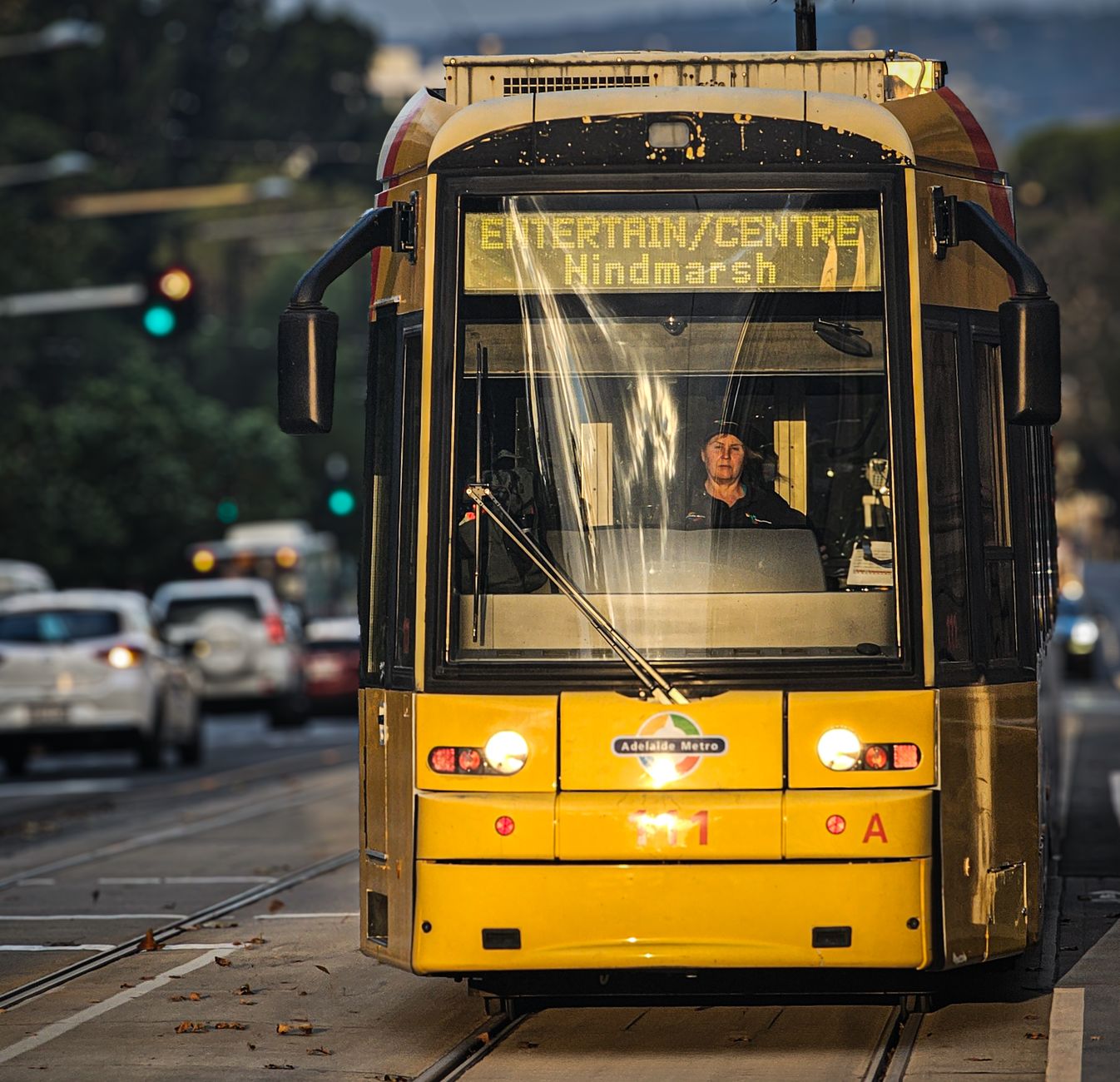
North Terrace runs along the northern edge of the city grid, so wherever you’re staying in the CBD you’re probably a five-to-ten-minute walk away. But the genuinely useful trick is the tram. The free city tram runs right along North Terrace, with stops at the Railway Station, at the University, and out towards the Botanic Gardens end, and within the city zone it costs nothing at all. You can hop on, ride a few stops to save your legs, hop off, and never tap a card. It’s the laziest, best way to bookend the walk if you don’t fancy doing the full kilometre on foot twice.
I’d suggest using the tram strategically: ride to one end of the boulevard, walk the length of it at your own pace, and tram back when you’re done. The whole free zone covers the city core, and the boulevard sits squarely inside it. For the finer points on routes, stops and where the free zone ends, our Adelaide free tram guide spells it out, and the broader Adelaide public transport guide covers everything beyond the freebies. Rundle Mall, the city’s main shopping strip, sits one block south, so it’s easy to fold a bit of shopping in Adelaide into the same outing.
The must-do free museums
This is the heart of it, and the reason I send everyone here. The cluster of cultural institutions on North Terrace would cost you a fortune in most cities. Here, you walk straight in.
Art Gallery of South Australia
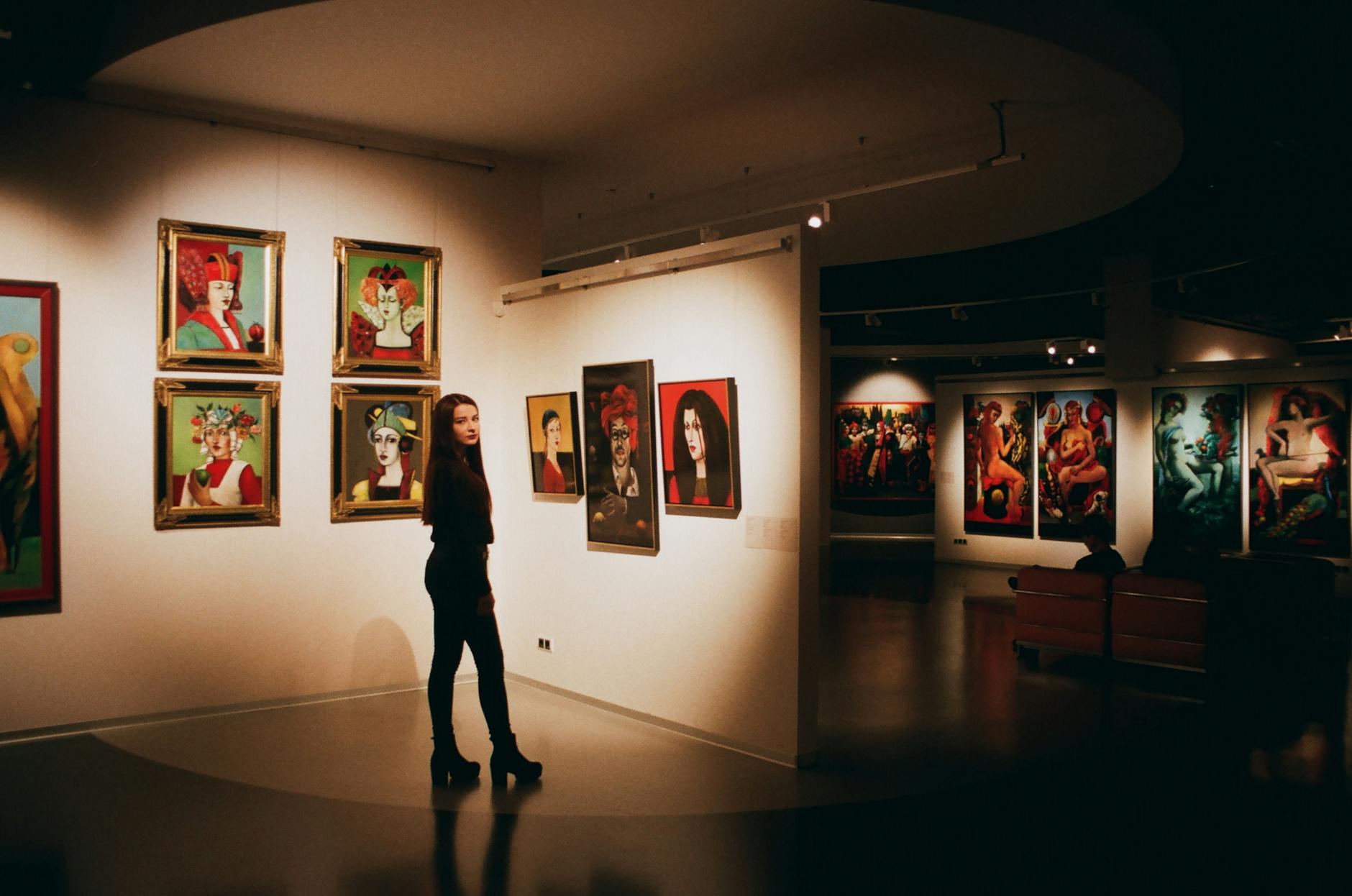
Start here if you start anywhere. The Art Gallery of South Australia holds more than 45,000 works, spanning Australian, Aboriginal, European and Asian art, and it’s free every single day. The Australian and Aboriginal collections alone are worth the visit, and the building itself, all marble and high ceilings, is a pleasure to wander. I tell people to give it at least an hour, more if you love your art. Don’t try to see everything; pick a few rooms and actually look. For the full rundown of highlights and how to make the most of a visit, see our deep dive on the Art Gallery of South Australia.
South Australian Museum
Next door, the South Australian Museum is free and frankly extraordinary. It holds the largest collection of Aboriginal cultural material in the world, and the Australian Aboriginal Cultures Gallery is the one exhibit I’d insist you don’t skip; it’s moving, important, and beautifully presented across the building’s floors. There’s a lot more besides, from Pacific cultures to natural history and the famous Egyptian room, spread over five storeys. Kids tend to love it. To understand the deeper story behind the collection, our piece on Aboriginal culture in Adelaide is the right companion read, and the full visitor detail lives in our guide to the South Australian Museum.
The State Library and the Mortlock Wing
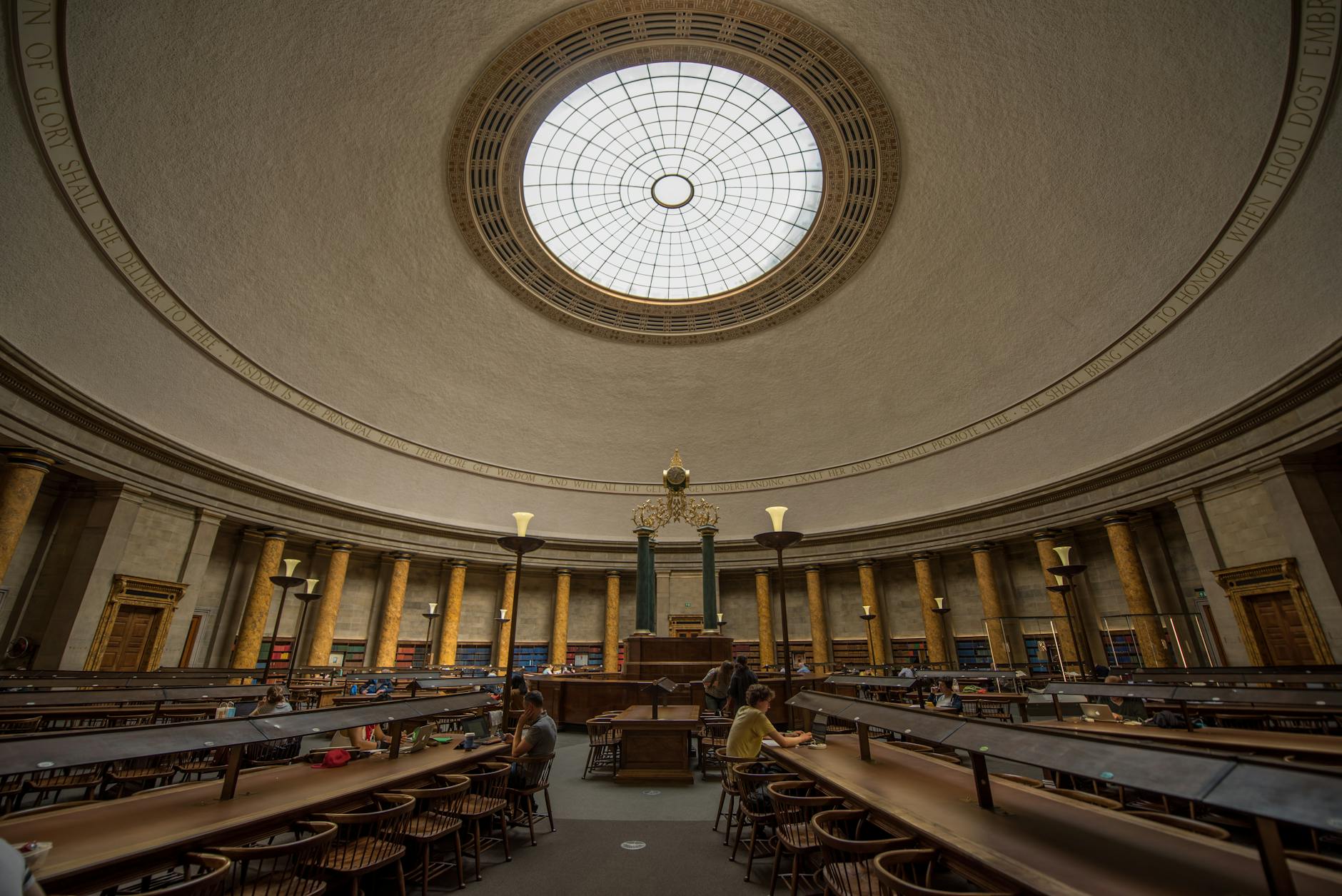
Even if you’ve no intention of reading a thing, walk into the State Library of South Australia and find the Mortlock Wing. It is, without exaggeration, one of the most beautiful library interiors in the world: timber galleries, a glass dome, spiral staircases and the kind of warm light that makes everyone reach for their camera. It’s free, it takes ten minutes, and it’s the photo your friends back home won’t believe is real. I rate it as the single most underrated stop on the boulevard.
The Migration Museum, MOD. and the Space Discovery Centre
A few more, all free. The Migration Museum, tucked just off North Terrace, tells the story of who came to South Australia and why, and it’s quietly one of the most thoughtful museums in town. Over on the UniSA campus, MOD. is a future-focused museum aimed at curious minds, science, ideas and big questions, and it’s a hit with teenagers. And the Australian Space Discovery Centre, also free, leans into Adelaide’s growing role in the national space industry with interactive exhibits. Together with the big two, these round out a full day’s worth of free culture. For the complete map of the city’s cultural venues, our overview of Adelaide’s museums and galleries ties them all together.
The historic landmarks along the boulevard
North Terrace isn’t only museums. It’s a walk through the city’s history, and the buildings tell the story if you know where to look.
Ayers House
Ayers House is Adelaide’s finest surviving Victorian mansion, a National Trust property that was once home to a seven-time premier of South Australia. The grand bluestone facade and the restored interiors are worth a look even from the footpath, and it’s a vivid reminder of the colonial wealth that built this street.
Holy Trinity Church, the War Memorial and Government House
Holy Trinity Church, dating to 1838, is the oldest church in the city, which in a place nicknamed the City of Churches is saying something. Further along you’ll pass the South Australian National War Memorial, a dignified spot that’s worth a quiet pause, and the gates of Government House, the official residence set in its own gardens. None of these need long, but strung together they give the walk a real sense of place. If the history grabs you, our piece on the history of Adelaide fills in the background to everything you’re looking at.
The universities, Parliament House and the western end
Midway along, the University of Adelaide and UniSA campuses spill right onto the boulevard, giving the street its busy, studenty energy during semester. Keep walking west and you reach the formal end of the line: Parliament House with its grand colonnade, the Adelaide Railway Station, and the Adelaide Casino housed in the old station building. It’s a fittingly grand full stop to the walk, and a good place to pick up the tram back.
The Botanic Garden at the eastern end
At the opposite, eastern end of North Terrace, the boulevard runs into the Adelaide Botanic Garden, and I’d build time for it into any walk down here. Entry is free, it opens early (around 7:15am on weekdays), and inside you’ll find the Amazon Waterlily Pavilion, the soaring Bicentennial Conservatory and the elegant 1877 Palm House, plus free guided walks most mornings. It’s the perfect place to slow down, grab a coffee and sit under a tree after a morning of museums. The full visitor guide is at our page on the Adelaide Botanic Garden, and the National Wine Centre sits right beside it if you fancy a tasting to finish.
Where to eat near North Terrace
You won’t go hungry. The institutions themselves help: the Art Gallery, the Museum and the Botanic Garden all have cafes, and the gallery’s restaurant is a genuinely pleasant lunch spot. For something with more choice, walk one block south to Rundle Mall and the East End, where Rundle Street is lined with cafes and the laneways hide some excellent coffee. My honest steer is to do your big sit-down meal at lunch around the Rundle Street end, then keep the boulevard itself for grazing and coffee. The student presence keeps prices sensible, which suits the free-and-cheap spirit of the whole outing.
North Terrace with kids
This is one of the easiest family days in the city, and it costs almost nothing. The South Australian Museum is the anchor; kids gravitate to the Egyptian room, the giant skeletons and the natural history floors, and it can swallow a happy hour or two. MOD. is pitched perfectly at older children and teenagers, the Space Discovery Centre has hands-on exhibits, and the Botanic Garden at the end gives little legs room to run and a lake to circle. Throw in the novelty of the free tram, and you’ve got a full day that the whole family enjoys without a single ticket purchased. For more ideas in this vein, our guide to Adelaide with kids has the lot.
How long do you need on North Terrace?
It depends how deep you go. If you’re just walking the boulevard and ducking into one or two museums, half a day is plenty. If you want to do the Art Gallery and the Museum properly, add the State Library, wander the landmarks and finish in the Botanic Garden, give it a full, relaxed day. My honest advice: don’t try to cram all six free museums into one visit. You’ll museum-fatigue by lunch. Pick two or three, leave the rest for next time, and let yourself linger. The boulevard rewards a slow pace far more than a checklist.
A suggested half-day plan
Here’s the half-day I’d hand a first-timer. Start mid-morning at the western end, tram or walk in past Parliament House and the Railway Station. Stroll east along the boulevard, stopping first at the Art Gallery of South Australia for an hour. Cross to the South Australian Museum next, straight to the Aboriginal Cultures Gallery, then a quick detour into the State Library to see the Mortlock Wing (ten minutes, all jaw). Break for lunch at a Rundle Street cafe one block south. In the afternoon, finish with a wander through the Botanic Garden at the eastern end, coffee in hand. That’s a near-free half-day that shows off the best of the city, and it slots neatly into the wider 3-day Adelaide itinerary if you’ve got longer in town.
Practical information
A few useful notes before you go. Most of the North Terrace museums are open daily, typically from around 10am, though hours vary by venue and some close on Christmas Day and Good Friday, so check ahead if you’re visiting around a public holiday. Entry to the Art Gallery, the South Australian Museum, the State Library, the Migration Museum, MOD. and the Space Discovery Centre is free; donations are welcomed and some temporary or touring exhibitions carry a ticket price. The free city tram runs along the boulevard within the central zone. The whole walk, end to end, is flat, well-paved and easy, and there’s plenty of shade from the plane trees. Adelaide’s weather is mild for much of the year, but the UV is high even on cool days, so a hat and sunscreen are sensible; our guide to the best time to visit Adelaide helps you pick your season. Allow half a day at minimum, a full day if you want to do the museums justice.
Frequently asked questions
Are the North Terrace museums free?
Yes. The Art Gallery of South Australia, the South Australian Museum, the State Library of South Australia, the Migration Museum, MOD. and the Australian Space Discovery Centre are all free to enter. Donations are welcomed, and occasional touring or temporary exhibitions may carry a separate ticket price, but the permanent collections cost nothing.
How long does the North Terrace walk take?
The boulevard itself is roughly a kilometre and takes about 15 to 20 minutes to walk end to end. Realistically you’ll want at least half a day to dip into a couple of museums, and a full, relaxed day if you want to do the Art Gallery and South Australian Museum properly and finish in the Botanic Garden.
What is North Terrace known for?
North Terrace is Adelaide’s cultural boulevard, a tree-lined street lining up the city’s major institutions: the Art Gallery of South Australia, the South Australian Museum, the State Library, two university campuses, and several heritage landmarks, with the Botanic Garden at one end and Parliament House at the other. Most of it is free to visit.
Can you get to North Terrace on the free tram?
Yes. The free city tram runs right along North Terrace within the central free zone, with stops near the Railway Station, the University and towards the Botanic Gardens end. You can ride it without tapping a card or paying a fare as long as you stay within the city zone.
What is the largest Aboriginal collection on North Terrace?
The South Australian Museum on North Terrace holds the largest collection of Aboriginal cultural material in the world. Its Australian Aboriginal Cultures Gallery is the standout exhibit and is free to visit, spread across several floors of the five-storey building.
What else is near North Terrace?
Rundle Mall, the city’s main shopping strip, sits one block south, and the Rundle Street East End has plenty of cafes and bars. The Adelaide Botanic Garden and the National Wine Centre are at the eastern end, while Parliament House, the Adelaide Railway Station and the Casino mark the western end.
North Terrace fills a morning comfortably, and it is the anchor of any short visit. Our one day in Adelaide itinerary builds the rest of the day around it — the Central Market for lunch, the Torrens footbridge in the early afternoon, and the tram to Glenelg in time for sunset over the gulf.