Ask a local whether their city is safe and you will get a shrug, because the honest answer for most of Australia is yes and the interesting details are elsewhere. That is broadly true here: is Adelaide safe has a straightforward answer — it is one of the safest capital cities in Australia, itself one of the safest countries in the world, and the overwhelming majority of visitors have no incident of any kind. The useful version of this page is not reassurance. It is the specific things that do catch travellers out, which in South Australia are far more likely to involve heat, surf, roads and wildlife than they are to involve crime.
What follows covers street safety and which areas warrant care at night, solo and female travel, road and driving risks, beaches and rips, heat, snakes and spiders, scams, health cover and emergency numbers. It is written for visitors rather than residents, and it tries to be proportionate — over-warning is its own kind of misinformation. Details were checked in September 2026.
The short answer
- Crime against visitors is rare. Adelaide consistently records lower rates of violent crime than Sydney, Melbourne or Brisbane, and petty theft is far less common than in most European or North American cities of comparable size.
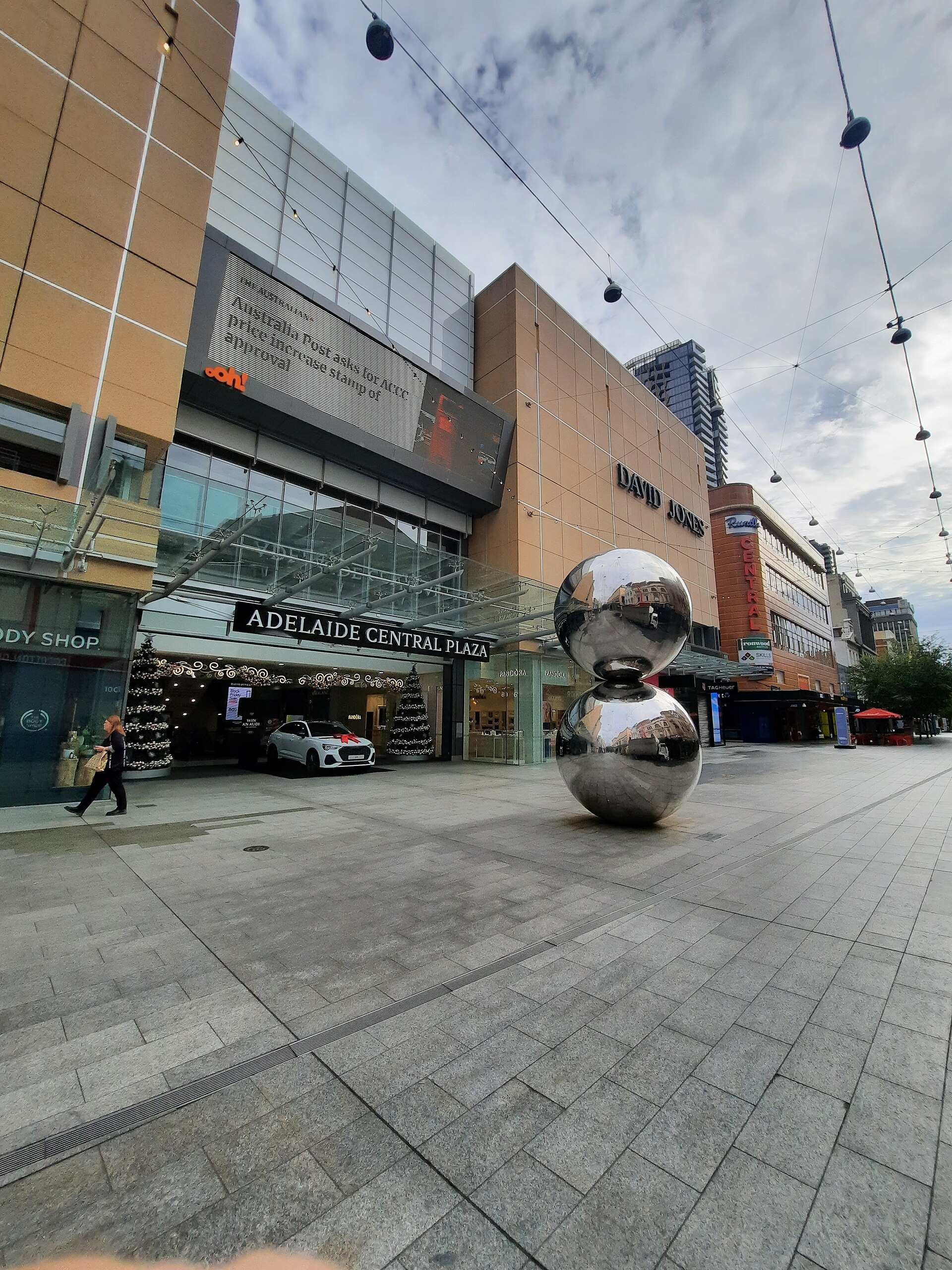
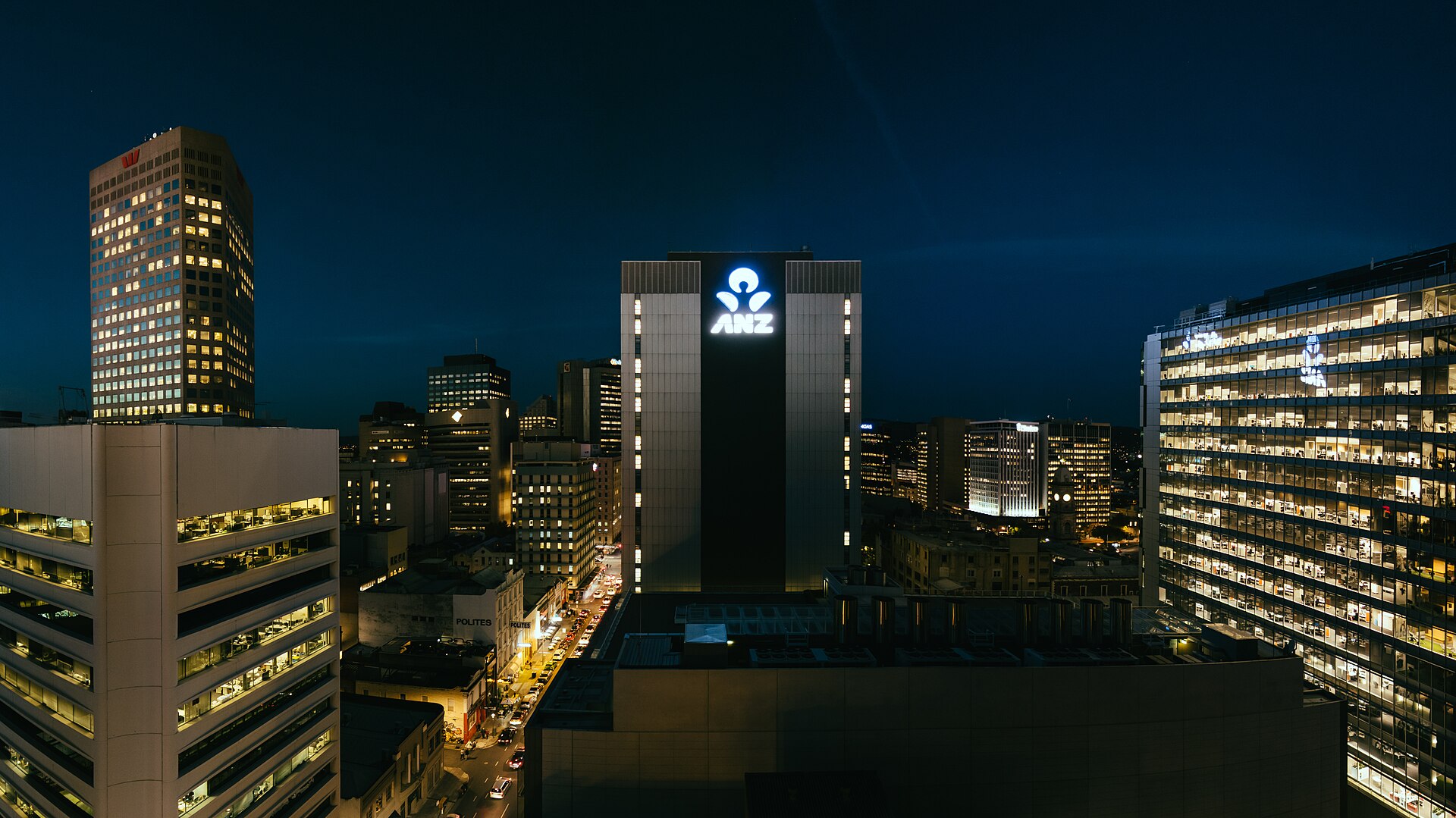
- The CBD is safe to walk at night in the areas where people are — Rundle Mall, Rundle Street, Gouger Street, North Terrace, Hindley Street’s eastern end. It empties early, which is a comfort issue rather than a danger one.
- The genuine risks are environmental. Heat, sun, rips at unpatrolled beaches, wildlife on country roads at dusk, and driving distances that are longer than they look.
- Standard precautions are enough. Watch your drink, keep valuables out of sight in a parked car, and use a taxi or rideshare after midnight rather than walking somewhere unfamiliar.
Crime and street safety
Adelaide’s crime profile is typical of a mid-sized, wealthy, low-density Australian city. Most recorded offences are property crimes — theft from motor vehicles, break-ins in outer suburbs — rather than offences against the person, and almost none of it is directed at tourists. Pickpocketing, the standard urban nuisance in Europe, is uncommon here to the point that most residents do not think about it.
Areas to know about
Hindley Street is the one street name that comes up. The western end, past Morphett Street, is Adelaide’s late-night strip — nightclubs, adult venues, fast food — and it gets rowdy after midnight on Friday and Saturday. Almost all of the trouble there is alcohol-related and involves people who are out drinking rather than passers-by. It is not dangerous to walk down; it is unpleasant at 3am if you are not part of it. The eastern end, towards King William Street, is unremarkable.
The parklands at night. The 760 hectares of parkland ringing the CBD are lovely by day and poorly lit at night. Cutting across them alone after dark is the one piece of local advice most Adelaideans would actually give you. Walk around the edge instead; it adds five minutes.
Around the Casino and Adelaide Railway Station late at night, and the northern end of Rundle Mall after the shops close, occasionally attract intoxicated or unwell people. This is a discomfort rather than a threat, and there is usually a visible security or police presence.
Some outer northern and southern suburbs have higher property-crime rates, but they are residential areas with nothing in them a visitor would go to. The tourist-relevant suburbs — Glenelg, Norwood, Unley, North Adelaide, Semaphore, Port Adelaide — are all fine.
Practical precautions that are actually worth taking
- Do not leave anything visible in a parked car, especially at trailheads, beach car parks and Mount Lofty. Theft from vehicles is the single most common crime a visitor will encounter.
- Plan how you are getting home before you go out. Adelaide has fewer late-night taxis and rideshare drivers than a bigger city, and waits after 1am on a Saturday can be long.
- Watch your drink, as anywhere. Licensed venues here take it seriously and staff will help if you raise it.
- Keep your bag in front of you in a crowd during Fringe season and at major events, which are the only times Adelaide gets genuinely crowded.
Solo travellers and women travelling alone
Adelaide is a comfortable city to travel alone in, and its compactness is the main reason. Distances between the places a visitor goes are short and mostly walkable, the CBD grid is easy to orient in, and the tram and train network is clean and well used. Solo diners are unremarkable, and the small-bar scene is friendly to people drinking alone with a book.
For women specifically, the standard advice applies and nothing more dramatic. Walking the lit main streets of the CBD in the evening is normal and widely done. The parklands after dark and the far western end of Hindley Street late on a weekend are the two places worth avoiding alone. Public transport is safe; carriages towards the front near the driver are the conventional choice late at night. Our Adelaide solo travel guide covers accommodation, meeting people and the practicalities in more depth.
Adelaide has an active and visible LGBTQ+ community, South Australia has strong anti-discrimination protections, and same-sex couples are unremarkable in the city and inner suburbs. Attitudes in some remote country towns are more conservative, as they are anywhere in Australia.
The risks that actually injure visitors
This is the part of the page that matters. In South Australia, the things that put travellers in hospital are overwhelmingly environmental.
Heat and sun
Adelaide is the driest capital in Australia and its summers are severe. January and February regularly exceed 35°C and heatwaves reach the low 40s, sometimes for several consecutive days. Heat-related illness is a genuine and under-appreciated risk for visitors from cooler climates who plan a full day of walking.
- Carry and drink more water than feels necessary — public fountains are common in the parklands and along North Terrace.
- Do outdoor activity before 11am or after 5pm on a hot day and use the middle of the day for the Art Gallery, the Museum or a cellar door.
- Australia’s UV index is among the highest in the world; you can burn in fifteen minutes in December. Sunscreen, a hat and sunglasses are not optional.
- Never leave anyone, including a pet, in a parked car.
- If you are hiking Waterfall Gully to Mount Lofty or in the Flinders Ranges, do not start a climb in the afternoon in summer.
Beaches, rips and cold water
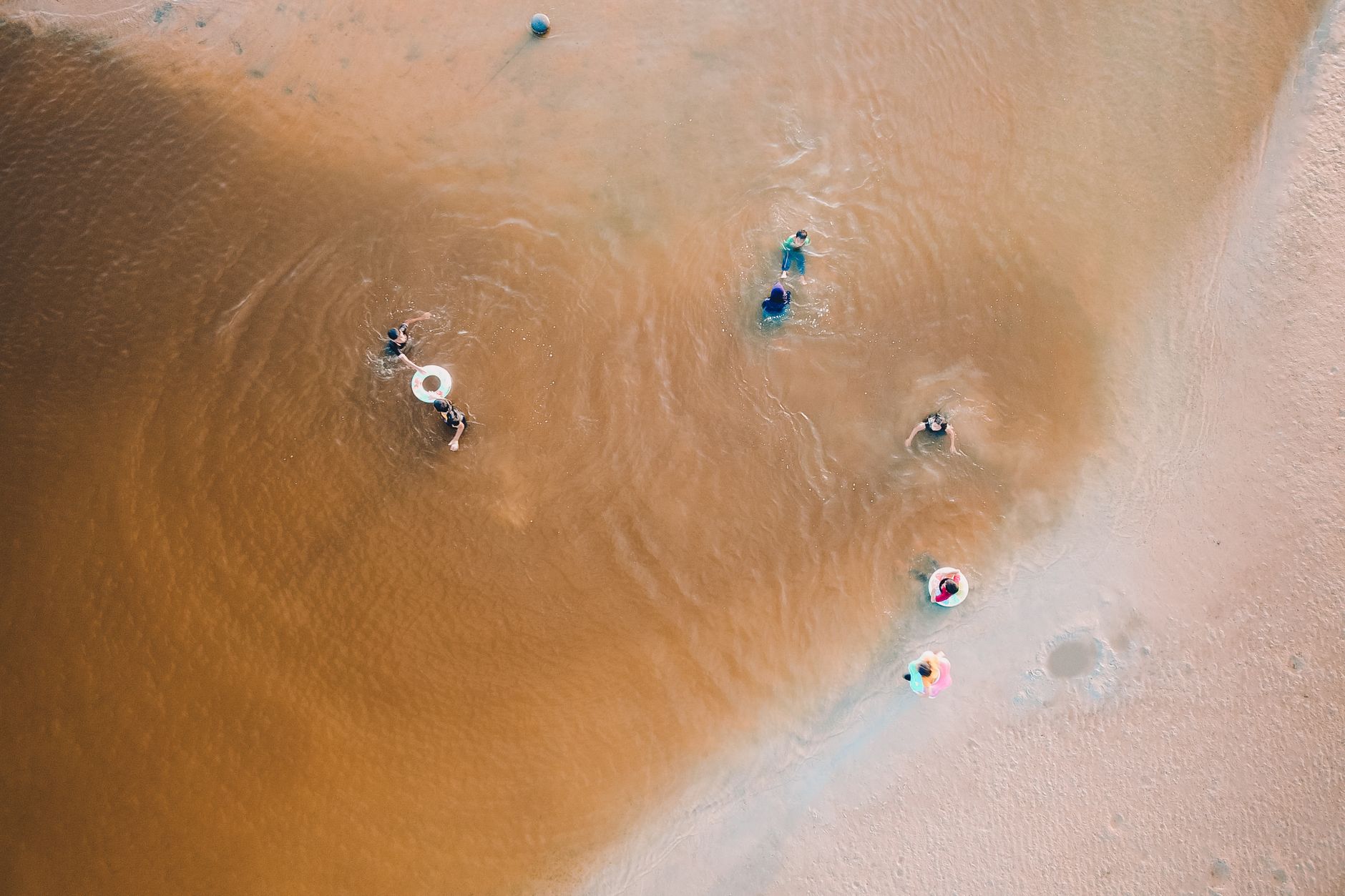
Adelaide’s metropolitan beaches on Gulf St Vincent are calm, shallow and about as benign as Australian beaches get. The Southern Ocean beaches on the Fleurieu Peninsula — Waitpinga, Parsons, Middleton — are a completely different proposition, with strong rips and cold water, and people drown at them.
Swim between the red and yellow flags at a patrolled beach. If there are no flags, and especially if there is nobody else in the water, treat that as information. If you are caught in a rip, do not swim against it: float, raise an arm, and let it carry you out until it weakens, then swim parallel to the beach. Great white sharks are present in South Australian waters and attacks are extremely rare; the sensible precautions are avoiding dawn and dusk, murky water and areas near fishing activity. See the best beaches guide and, if you are surfing, the Adelaide surfing guide.
Driving
Road safety is the biggest single risk on a South Australian holiday, and it concentrates in three areas.
- Wildlife at dawn and dusk. Kangaroos, emus and wombats move at first and last light and cause a large share of rural single-vehicle accidents. Locals genuinely avoid driving country roads between about 4pm and 9am, and you should too.
- Distances and fatigue. Adelaide to Coober Pedy is 846km; Adelaide to Port Lincoln is seven hours. Underestimating these and pushing through is how people crash. Stop every two hours.
- Fuel and water gaps. North of Port Augusta and west of Ceduna, gaps run 150-250km. Fill at half a tank and carry at least four litres of water per person.
Australia drives on the left, drink-driving limits are 0.05 and enforced with frequent random breath testing, and speed cameras are common. Our driving in South Australia guide covers the rules and distances, and South Australia road trips sets out the routes with their fuel gaps marked.

Snakes, spiders and the rest
South Australia has venomous snakes, including brown snakes, in bushland and occasionally in suburban gardens in summer. The realistic risk to a visitor is very low. Snakes avoid people; almost all bites happen when someone tries to catch or kill one. Wear closed shoes on bush trails, stay on paths, make noise, and if you see one, stop and let it leave.
Redback spiders live in sheds, woodpiles and outdoor furniture; white-tailed spiders are common indoors. Bites are painful and occasionally require treatment but are very rarely serious, and antivenom exists. Shake out shoes left outside overnight. If bitten by any snake, apply a pressure immobilisation bandage, keep the person still and call 000 — do not wash the bite, cut it or apply a tourniquet.
Safety by traveller type
Families with children
Adelaide is an easy city to travel with children and the safety picture reflects that. Metropolitan beaches are shallow and calm, playgrounds are numerous and well maintained, and distances are short enough that a tired child is never an hour from the hotel. The specific things to plan for are sun and heat: a hat and sunscreen from the moment you leave in the morning, shade breaks, and a firm rule about staying between the flags at the beach. Adelaide Zoo, the Botanic Garden and the Central Market are all comfortable, enclosed environments on a hot day. See our Adelaide with kids guide.
Older travellers and anyone with mobility needs
The CBD is flat, the footpaths are wide and in good condition, and most trams, buses and trains are accessible, though some older suburban stations are not. Heat is the main hazard: hydration and the middle-of-the-day rule matter more, not less, with age. Adelaide Zoo offers free wheelchair and mobility scooter hire if booked ahead, the Botanic Garden is paved throughout, and Glenelg has beach wheelchairs and sand matting. Always confirm accessibility with the individual venue — it changes.
Backpackers and people staying in hostels
Hostel theft is the most common problem this group reports anywhere in the world, and Adelaide is no exception. Use the lockers, bring your own padlock, and do not leave a laptop or passport in an unlocked room. The other risk is transport-related: hitchhiking is legal in South Australia but is a genuinely bad idea on remote highways where the next vehicle may be an hour away, and rideshare-style lifts arranged online should be treated with the same caution as anywhere. Our hostels guide covers the reputable places.
Cyclists
Helmets are compulsory in South Australia and enforced. The city has good separated bike lanes and the Torrens Linear Park path is almost entirely traffic-free, but the Hills roads that cyclists love are narrow, winding and shared with cars and trucks. Lights are compulsory after dark. Our Adelaide cycling guide covers routes and hire.
Scams and money
Adelaide has very little in the way of street scams. The ones worth knowing about are generic: unlicensed “taxis” outside late-night venues, ATM skimming at standalone machines rather than bank branches, and accommodation scams on classified sites where a listing that is well under market rate asks for a bank transfer.
Practical money notes: card is accepted essentially everywhere, tipping is not expected, and prices displayed include GST. Cash is rarely needed beyond country markets and honesty boxes at small cellar doors.
Health, insurance and emergencies
South Australia’s public hospitals are good and the Royal Adelaide Hospital on North Terrace has a 24-hour emergency department. Pharmacies are widespread and several in the CBD open late.
Australia has Reciprocal Health Care Agreements with a number of countries — including the UK, Ireland, New Zealand, the Netherlands, Belgium, Sweden, Norway, Finland, Slovenia, Italy and Malta — which cover medically necessary treatment but not everything, and never ambulance transport. Ambulance cover is the specific gap that catches visitors: an ambulance callout in South Australia is not free and can run to several hundred dollars or more. Travel insurance is strongly advised for every visitor regardless of nationality.
| Service | Number |
|---|---|
| Police, fire, ambulance (emergency) | 000 |
| Emergency from a mobile, any network | 112 |
| Police, non-emergency | 131 444 |
| Health advice, non-emergency | healthdirect 1800 022 222 |
| Poisons Information Centre | 13 11 26 |
| SES, storm and flood assistance | 132 500 |
Calls to 000 are free from any phone, including a locked mobile with no credit. In a remote area with no coverage, 112 will attempt any available network.
Bushfires
South Australia has a defined fire danger season, broadly November to April, and the Adelaide Hills and Fleurieu Peninsula are high-risk landscapes. On a day forecast as Extreme or Catastrophic, do not go into the Hills, national parks or forested areas — parks are frequently closed outright on those days and the advice is to leave early rather than to shelter.
Check the CFS website or the Alert SA app before any trip into the Hills, the Fleurieu or Kangaroo Island in summer, and take total fire ban restrictions seriously; penalties are substantial. Hire cars and campervans are not shelter.
Frequently asked questions
Is Adelaide safe for tourists?
Yes. It is among the safest capital cities in Australia, with lower rates of violent crime than Sydney, Melbourne or Brisbane, and crime against visitors is rare. The realistic risks are heat, surf, driving and wildlife rather than crime.
Is it safe to walk in Adelaide at night?
In the lit main streets of the CBD, yes, and it is normal to do so. Avoid cutting through the unlit parklands alone after dark, and give the western end of Hindley Street a wide berth after midnight at weekends if you are not out drinking.
Which areas of Adelaide should I avoid?
Very few. The western end of Hindley Street late at weekends, and the parklands after dark. Some outer northern and southern suburbs have higher property-crime rates but contain nothing a visitor would travel to. Every tourist-relevant area is fine.
Is Adelaide safe for solo female travellers?
Yes, and the compact, walkable centre makes it easier than most cities. Normal precautions apply: lit streets, a planned route home, and avoiding the parklands alone at night.
Are there dangerous animals in Adelaide?
Venomous snakes and spiders exist in South Australia, and great white sharks are present in coastal waters, but incidents involving visitors are very rare. Wear closed shoes on bush trails, shake out shoes left outside, and swim between the flags at patrolled beaches.
Do I need travel insurance for Adelaide?
Yes. Even with a Reciprocal Health Care Agreement, ambulance transport is not covered and can cost several hundred dollars or more. Insurance is worth having for that alone, before anything else.
What is the emergency number in Australia?
000 for police, fire and ambulance, free from any phone. 112 also works from mobiles and will try any available network, which matters in remote areas.
Is it safe to drink the tap water in Adelaide?
Yes. Adelaide’s tap water is safe and public drinking fountains are common in the parklands and along North Terrace. It has a reputation among Australians for tasting of the Murray; that is a matter of taste, not safety.
Related Adelaide Guides
- Adelaide Travel Tips — the practical details that make a first visit smoother.
- Adelaide Solo Travel — travelling alone, where to stay and how to meet people.
- Driving in South Australia — the biggest single risk, covered properly.
- Best Beaches in Adelaide — which are patrolled and which are not.
- Getting Around Adelaide — trams, trains and buses, including late services.
- Adelaide Packing List — sun protection and what the climate actually demands.
- Best Time to Visit Adelaide — including how bad the summer heat really gets.
- Adelaide Travel Guide — the full overview.
Photo Credits
Rundle Mall in central Adelaide: “Rundle St mall gn.jpg” by Gnangcomapp, via Wikimedia Commons, CC BY-SA 4.0.
The Adelaide CBD at night: “Adelaide central business district at night.jpg” by Ashton 29, via Wikimedia Commons, CC BY-SA 2.0.