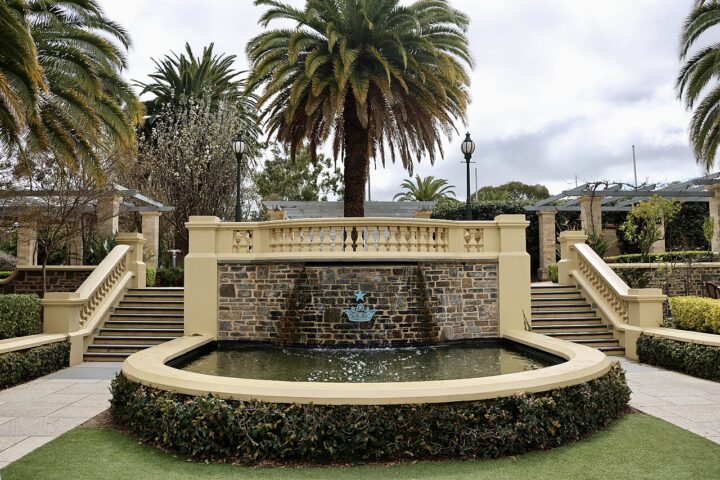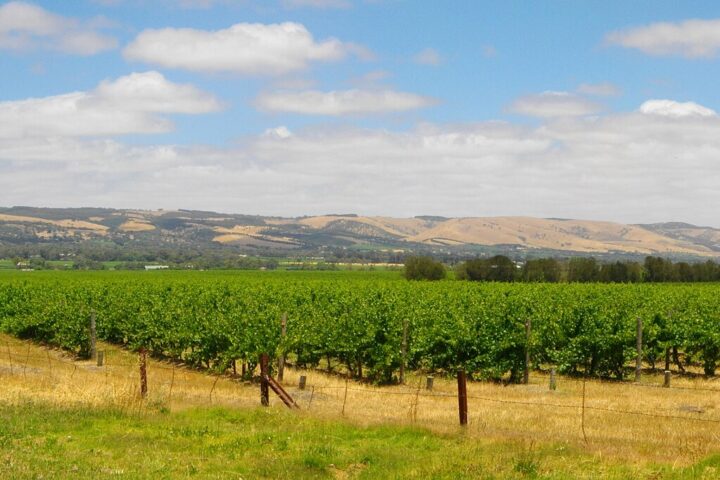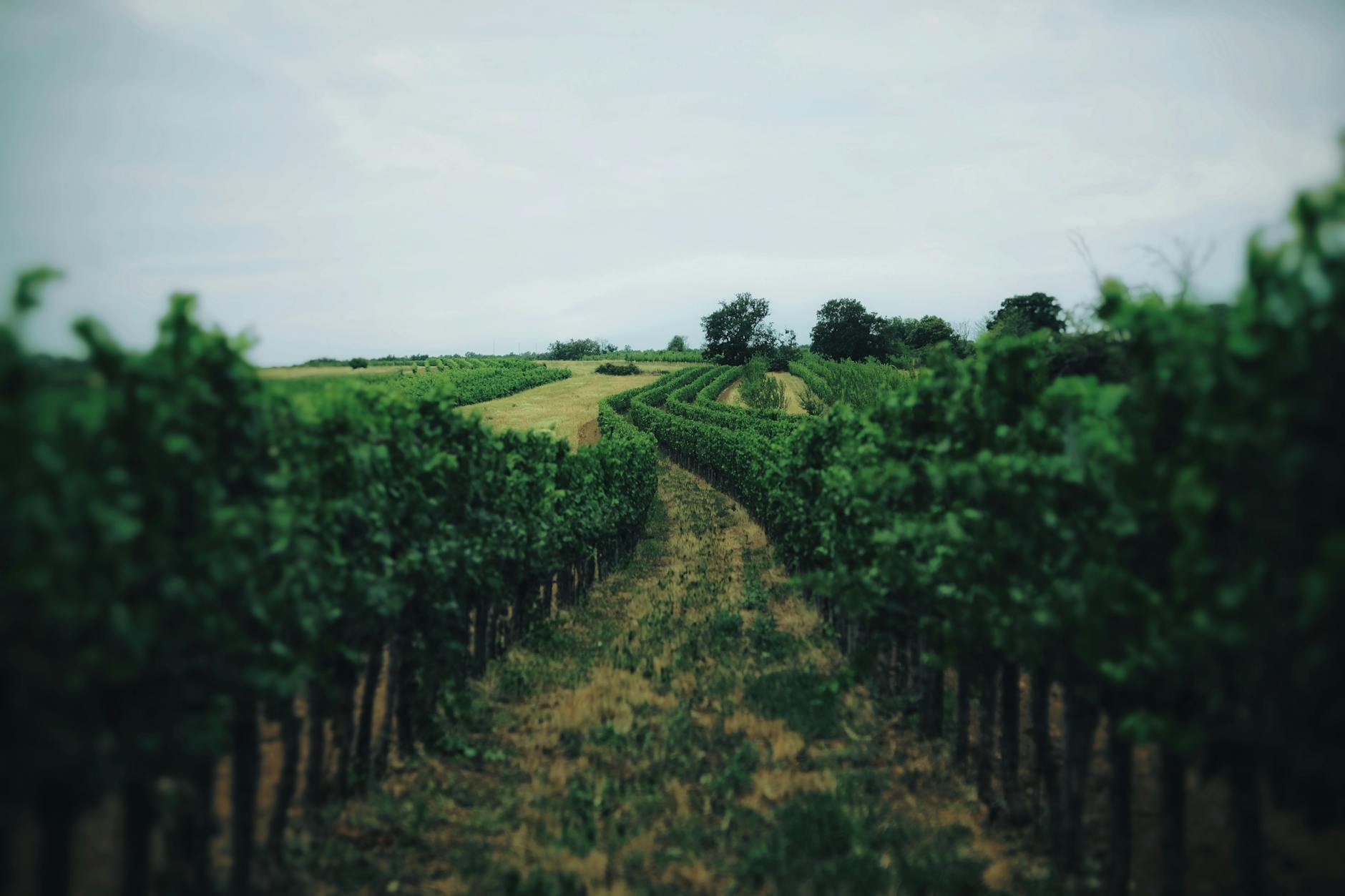
Stand at the top of the vineyard at Magill and the strangeness of the place sinks in. Rows of old shiraz vines run downhill with suburban rooftops on three sides, the towers of the city sit on the plain eight kilometres away, and on a clear day the gulf glints beyond them. This is Penfolds Magill Estate, the birthplace of Australia’s most famous wine company and the place where Grange was first made — and it is closer to the CBD than most of Adelaide’s beaches.
This guide covers the history that makes Magill matter, the story of Grange, which tour or tasting to book, what you see underground, where to eat, and how to fit the estate into a day in the eastern suburbs and the Hills. Opening hours and the list of experiences come from Penfolds’ own website, checked in September 2026. Penfolds changes its experience line-up and prices regularly — including a limited-time anniversary tasting for 75 years of Grange — so confirm the current details when you book.
Penfolds Magill Estate at a glance
| What | The short answer |
|---|---|
| Address | 78 Penfold Road, Magill — about 8km east of the CBD |
| Cellar door hours | Seven days, 10am–5pm |
| Founded | 1844, by Dr Christopher and Mary Penfold |
| Why it matters | The birthplace of Penfolds and of Grange, and one of the world’s few urban single vineyards |
| What you can see | The original stone cellars, underground drives, the Still House and Grange Cottage |
| Experiences | Tasting bar, Heritage Experience tour, Ultimate Penfolds Experience (with Grange), Twilight Tour and Luxury Degustation Dinner, and a limited-time 75 Years of Grange tasting |
| Prices | From a small tasting-bar fee to a special-occasion degustation — check penfolds.com, where every experience is listed and booked |
| Food | Magill Estate Kitchen (relaxed) and Magill Estate Restaurant (fine dining, chef Scott Huggins) |
| Getting there | 15–20 minutes by taxi or car from the city; buses run out along Magill Road |
| Time needed | An hour for a tasting; half a day with a tour and lunch |
Where Penfolds began
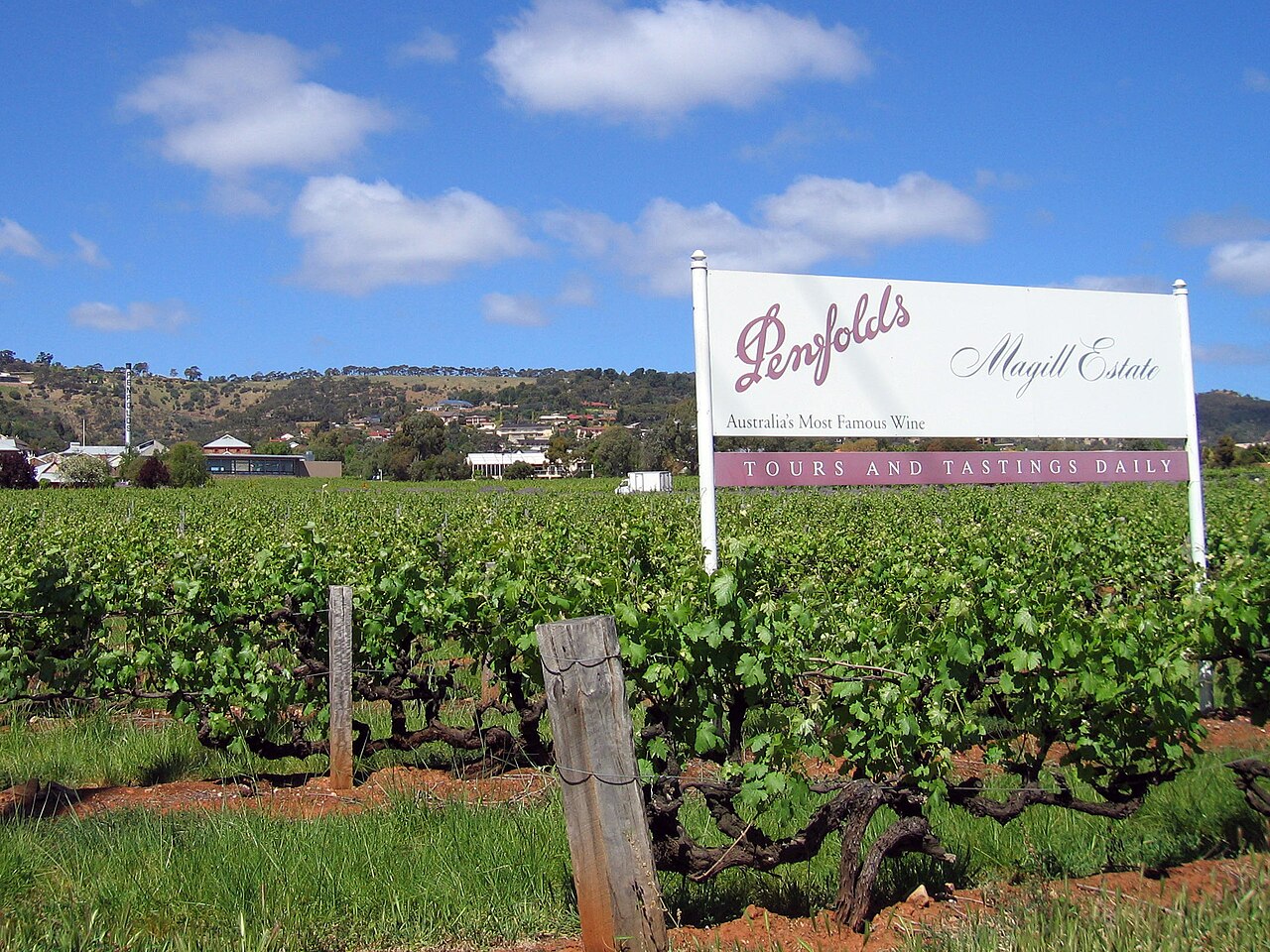
In 1844, eight years after the colony was founded, an English doctor, Christopher Rawson Penfold, and his wife Mary settled at Magill in the foothills east of Adelaide. They named their cottage The Grange and planted vines from cuttings brought out from France. Dr Penfold’s first wines were fortifieds, which he prescribed to his patients as tonics — the family story is that anaemic patients got a glass of the doctor’s wine — and the practice turned into a business.
It was Mary Penfold who made it a serious one. She ran the winemaking and much of the business, and after her husband’s death in 1870 she kept it growing for years. By the end of the nineteenth century Penfolds was one of the largest wine producers in the colony. The original cottage, now called Grange Cottage, still stands on the estate, and the stone cellars and winery buildings that grew around it are what you tour today.
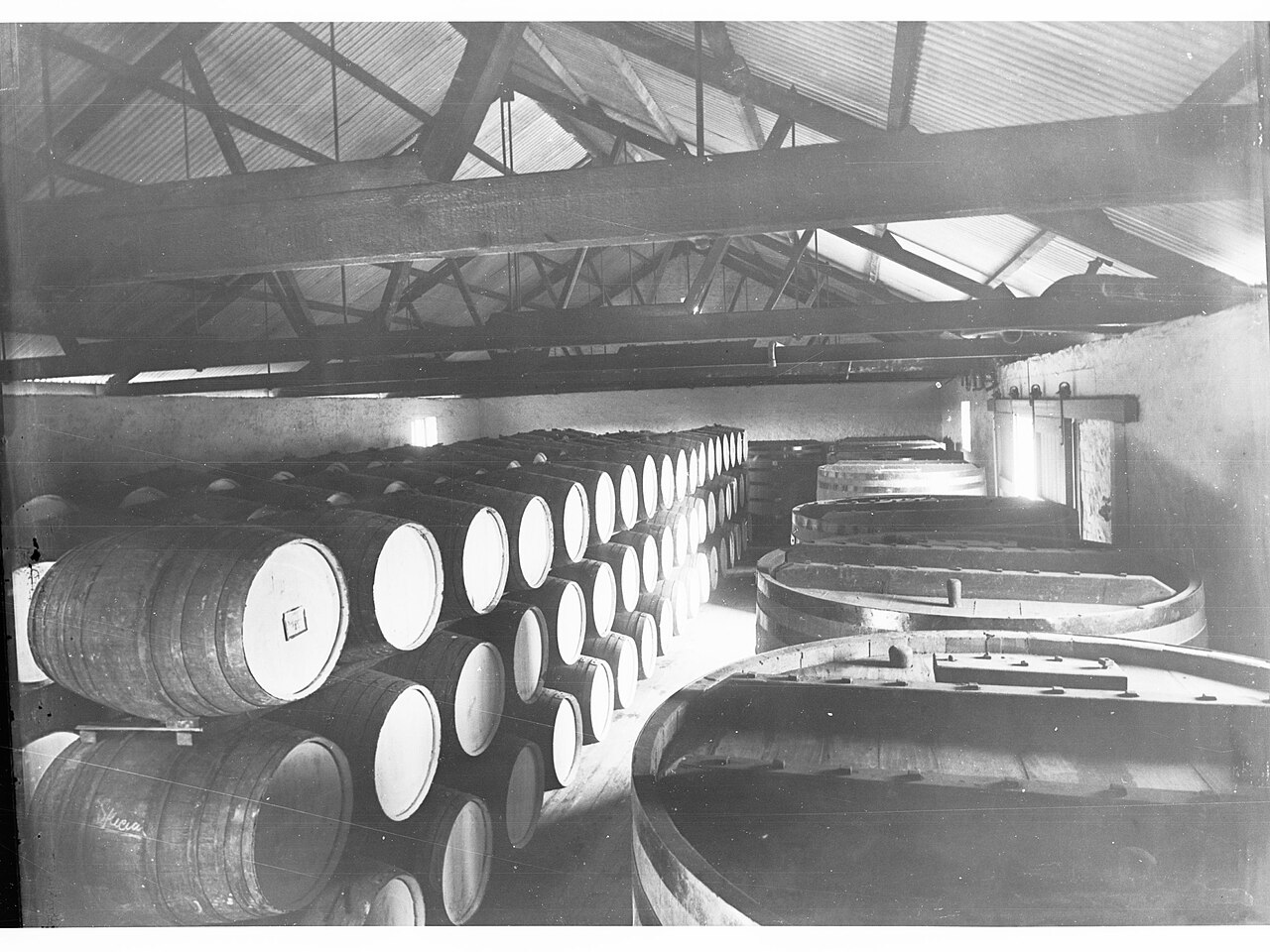
What makes Magill unusual now is what happened around it. Adelaide grew east until the suburbs surrounded the vineyard, and most of the vines went. What survives is a small, precious block that Penfolds describes as one of the world’s few urban single vineyards, eight kilometres from the city centre. The single-vineyard Magill Estate Shiraz is made from it, and it is the reason this is a working estate rather than a museum.
Grange: the wine that made Magill famous
In 1950 Penfolds’ chief winemaker, Max Schubert, visited Bordeaux and came home determined to make an Australian red that could age for decades like the great French wines. His first experimental Grange was made at Magill in 1951, from shiraz rather than the cabernet the French would have used. When the early vintages were shown to the company’s directors and to wine critics, the reaction was so poor that in 1957 Schubert was ordered to stop making it.
He did not stop. He carried on making Grange quietly, in the cellars at Magill, for several vintages, and by the time those wines had aged, the critics who had dismissed them were changing their minds. Official production resumed, and over the following decades Grange became Australia’s most famous wine — a multi-regional blend dominated by shiraz, matured in new American oak and built to age for many decades. It was known as Grange Hermitage until the name “Hermitage” was dropped at the start of the 1990s, and in 2001 the National Trust of South Australia listed it as a heritage icon, which is an unusual honour for a bottle of wine.
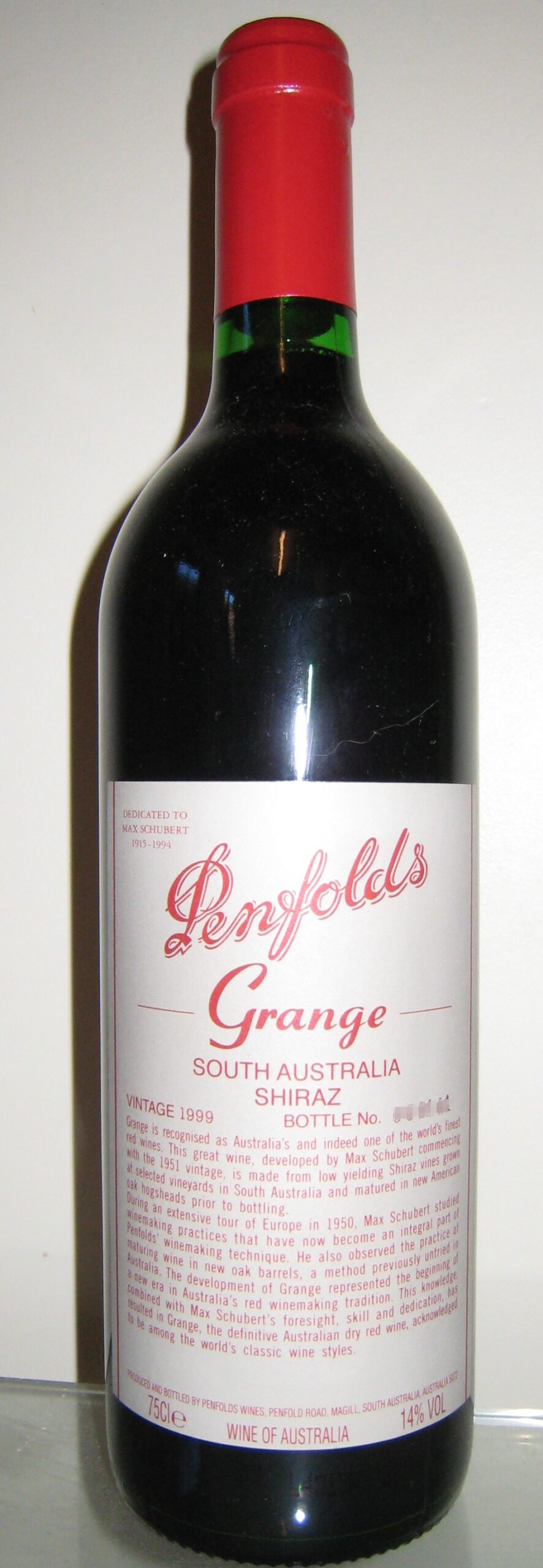
Grange has always drawn on more than one vineyard, and today it is a blend from sites across South Australia, but Magill is where the idea was born, where the secret vintages were made, and where Penfolds tells the story. With 2026 marking 75 years since the 1951 vintage, the cellar door is running an anniversary tasting for a limited time, built around Grange vintages from different decades. For anyone serious about Australian wine it is the most interesting reason to visit this year.
Tours and tastings: which one to book
Penfolds runs several experiences at Magill, from a quick tasting to a whole evening. The line-up in September 2026:
| Experience | What it covers | Best for |
|---|---|---|
| Tasting bar | A tasting of current releases at the cellar door; the fee is redeemable against purchases | A short visit or a first taste of the range |
| Heritage Experience | A guided historic tour of the estate’s heritage cellars and buildings | History lovers and first-time visitors |
| Ultimate Penfolds Experience | The historic tour plus an exclusive tasting that includes Grange | Wine lovers who want to taste Grange where it began |
| 75 Years of Grange tasting | A limited-time anniversary tasting of Grange vintages from different decades | Collectors and serious enthusiasts, while it lasts |
| Twilight Tour and Luxury Degustation Dinner | The historic tour at dusk, followed by a degustation at Magill Estate Restaurant | A celebration or a very special night out |
Prices range from a modest tasting-bar fee to a serious sum for the degustation. Because Penfolds adjusts them, we have not printed figures that might be out of date by the time you read this. Every experience is listed with its current price and session times on the Penfolds website, and booking ahead is strongly recommended for the tours, which run at set times and fill up at weekends.
Which should you choose? If you have an hour and want to understand why Magill matters, book the Heritage Experience and then taste at the bar. If you have always wanted to taste Grange, the Ultimate Penfolds Experience is the way to do it in the right setting, with the history fresh in your mind. The anniversary tasting is the collector’s option, and the twilight tour and degustation is for an occasion. The one thing we would not do is drive out and only use the tasting bar. The tour is what makes this cellar door different from any other.
What you see on the tour
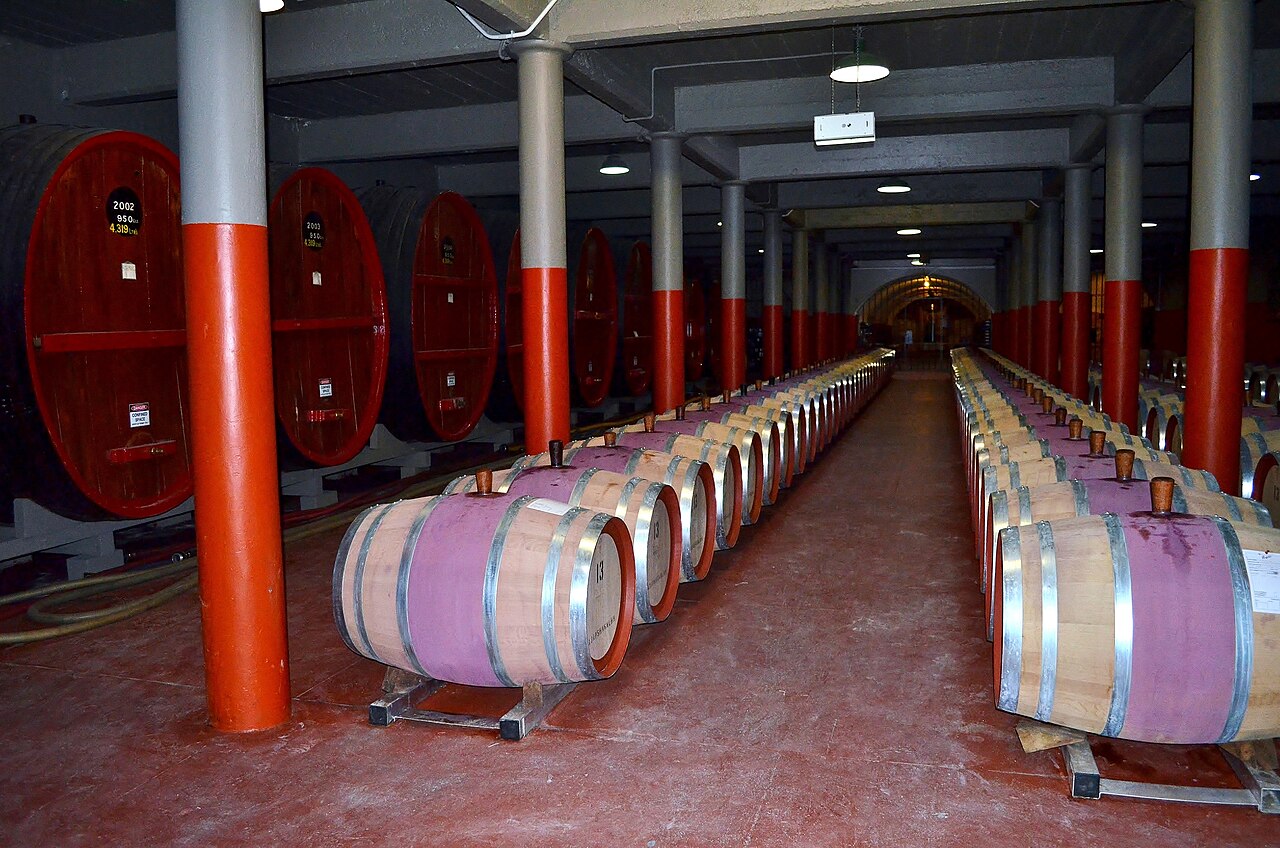
The historic tour takes you through the estate’s heritage-listed stone cellars and down into the underground drives, the tunnels where wine has been stored and aged for well over a century. Long halls of barrels sit between rows of giant oval casks, and the temperature drops as you go down. It is the room where the story of the hidden Granges makes the most sense.
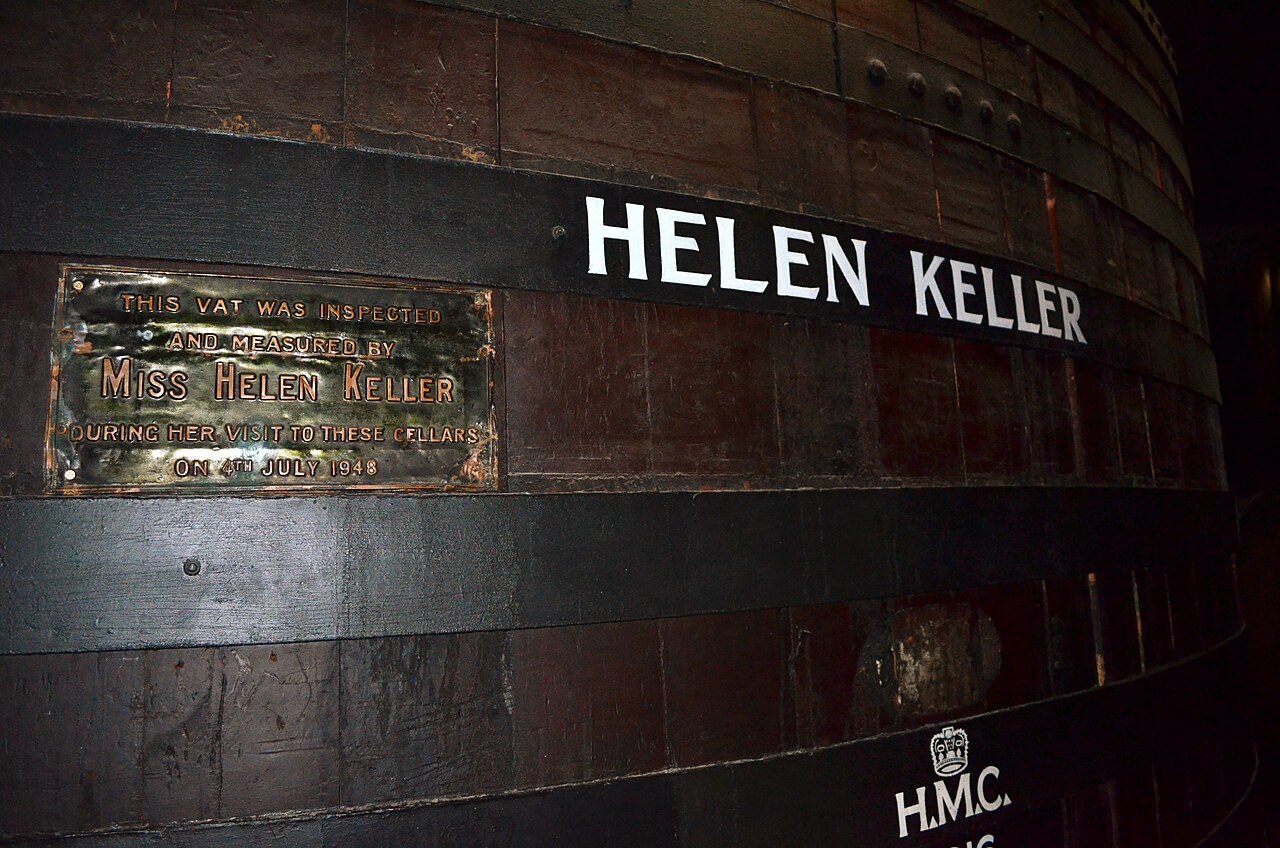
Look out for one vat in particular. It is painted with the name HELEN KELLER, and a brass plaque explains why: “This vat was inspected and measured by Miss Helen Keller during her visit to these cellars on 4th July 1948.” The deafblind American writer and activist toured Australia that year, and at Magill she took the measure of the vat the only way she could, by touch. Painted on its side is its capacity: 10,774 gallons, or 48,979 litres. It is a small, moving detail, and it tends to be the thing visitors remember.
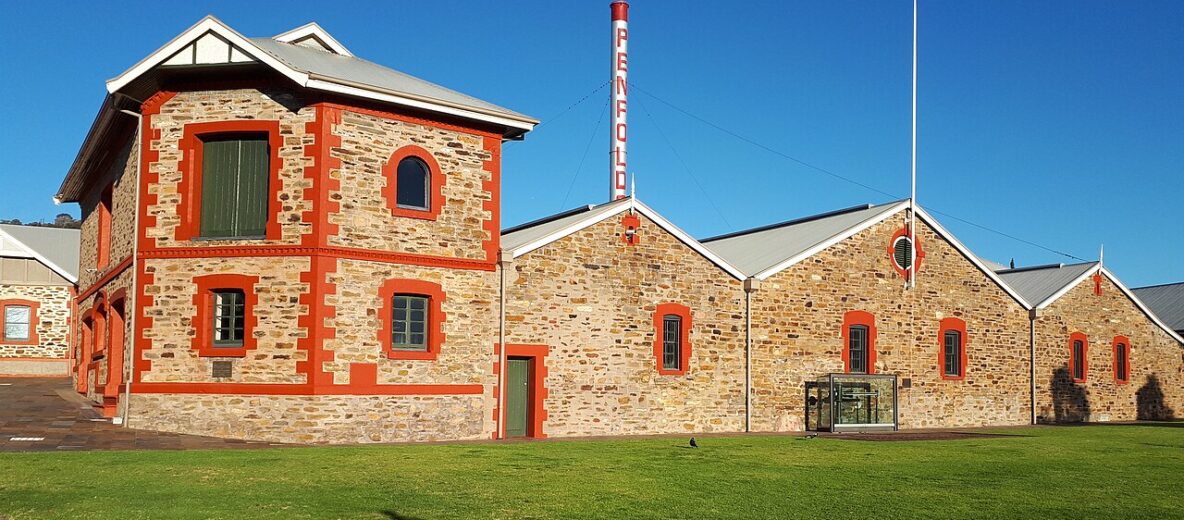
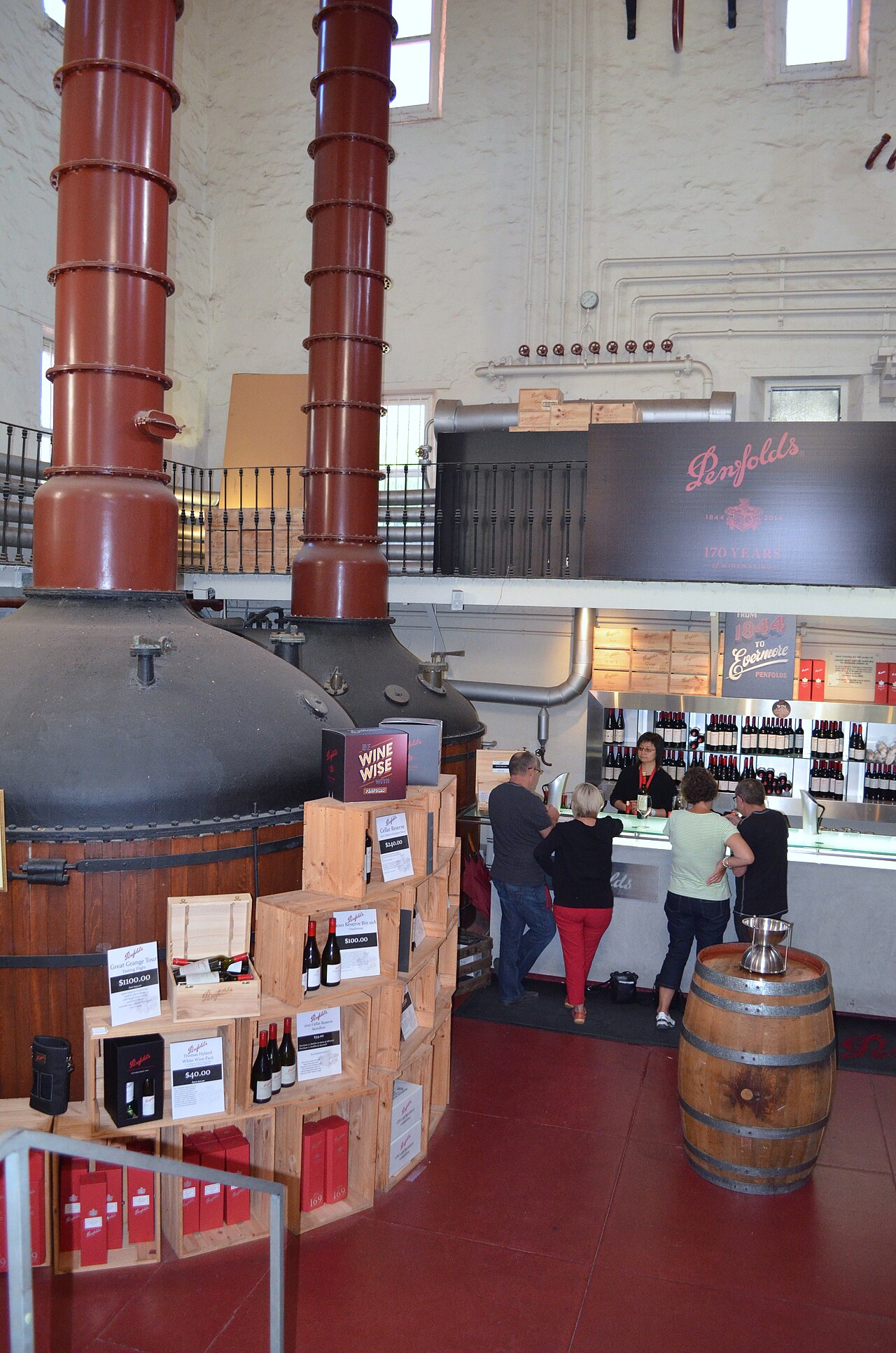
Above ground you pass the Still House, a reminder that Penfolds made its early fortune on fortified wine and distilled its own spirit to make it, along with the bluestone winery buildings with their red-painted trim and the tall chimney that carries the Penfolds name. Grange Cottage, the Penfolds’ first home, where the whole story started in 1844, still stands on the estate.
Tasting Grange: what to expect
Tasting Grange at Magill is one of the great bucket-list moments in Australian wine, but it helps to know what you are tasting. Grange is made to age. A young vintage is dense, dark and powerful, with tannins and oak that can dominate. It is impressive rather than charming, and it will not show its best for years. Older vintages soften and gain layers of savoury, earthy complexity, and that is where the wine’s reputation comes from.
That is why a tasting of several vintages is so much more rewarding than a single pour: you taste the same wine at different stages of its life. If you are not usually a drinker of big red wines, be honest with yourself. A sip of Grange may impress you more for its history than its flavour, and that is fine. The tour, the cellars and the setting are worth the visit either way.
If you want to take a bottle home, the cellar door sells current releases across the Penfolds range. Grange itself is priced as one of the world’s most collectable wines, so decide on your budget before the tasting, not after.
Decoding the Penfolds range: what the bin numbers mean
Walk into the cellar door and you will meet a wall of numbers — Bin 389, Bin 407, Bin 28, Bin 128, Bin 707 — which can be baffling. The numbers go back to the cellars you have just toured. They originally referred to the storage bins where particular batches of wine were kept, and the names stuck when those wines became regular releases. A quick decoder for the ones you are most likely to taste:
| Wine | What it is | Why people buy it |
|---|---|---|
| Bin 28 Kalimna Shiraz | Shiraz named after the Kalimna vineyard in the Barossa | A classic, generous South Australian shiraz |
| Bin 128 Coonawarra Shiraz | Shiraz from Coonawarra, in the state’s south-east | A cooler-climate, more peppery style |
| Bin 389 Cabernet Shiraz | A cabernet–shiraz blend, nicknamed “Poor Man’s Grange” | It shares Grange’s generous oak treatment at a fraction of the price |
| Bin 407 Cabernet Sauvignon | A multi-regional cabernet | A structured cabernet for the cellar |
| St Henri Shiraz | Shiraz matured in large, old vats rather than new oak | A softer, more traditional counterpoint to Grange |
| Bin 707 Cabernet Sauvignon | The flagship cabernet | Cabernet’s answer to Grange, priced accordingly |
| Magill Estate Shiraz | Single-vineyard shiraz from the vines around you | The one wine you can only really understand here |
If you are building a mixed case to take home, a bottle of Magill Estate Shiraz is the natural souvenir. It is the only wine in the range that comes from the vineyard you are standing in. Bin 389 is the pragmatic buy if Grange is out of reach.
Tips for a better visit
- Book the tour first, then taste. The history makes the wines more interesting, and the tour sessions run at set times, so plan the day around them.
- Set a budget before the Grange tasting. The shop is at the end of the experience, and the atmosphere is persuasive.
- Use the spittoon. Especially if you are tasting Grange and several bins in one session. It is normal, and it keeps the afternoon clear.
- Check access in advance. The historic cellars and underground drives are old buildings with steps and uneven floors. Anyone with mobility needs should call the cellar door before booking.
- Bring ID if you look young. Venues serving alcohol in Australia routinely check.
- Look back at the view. The vineyard’s outlook over the suburbs to the city is the thing that makes Magill unique. Take a minute with it before you leave.
Eating at Magill Estate
There are two options on the estate, and they are very different:
- Magill Estate Kitchen is the relaxed choice, with views over the Magill Estate vines to the city. It suits a long lunch with wine, a cheese plate after a tour, or a glass of something special with a view.
- Magill Estate Restaurant is Penfolds’ fine-dining room, led by chef Scott Huggins, and one of Adelaide’s special-occasion restaurants. It is also where the Twilight Tour ends with the Luxury Degustation Dinner.
Book both ahead, particularly at weekends. If you are after something simpler, the cafés and restaurants of Norwood and the eastern suburbs are a short drive back towards the city. Our fine dining guide covers the city’s other top tables.
Getting there
Magill Estate is at 78 Penfold Road, Magill, about 8km east of the CBD in the foothills. It is the easiest serious winery visit you can make from the city:
- Taxi or rideshare: about 15–20 minutes from the city centre, which is the best option if you are tasting.
- Bus: Adelaide Metro buses run out along Magill Road from the city. Use the Adelaide Metro journey planner to find the stop nearest Penfold Road and check the walk from there. Our public transport guide explains fares and metroCARDs.
- Car: a short, easy drive — but South Australia’s blood-alcohol limit is 0.05 for fully licensed drivers and zero for learners and provisional drivers, so choose a designated driver before you book a Grange tasting.
Because it is so close to the city, Magill Estate works for visitors who have no time for a full day in the Barossa or McLaren Vale, and it fits in on arrival or departure day. It also makes a good half-day with other eastern-suburbs stops. Morialta Conservation Park and its waterfalls are a few minutes north for a walk before lunch. The roads up through the foothills lead into the Adelaide Hills — see our Adelaide Hills day trip. And the Haigh’s Chocolates Visitor Centre at Parkside is a short detour on the way back to town if anyone needs a sugar hit after the tannins.
Magill Estate or a day in the Barossa?
They answer different questions. The Barossa is the heartland of South Australian shiraz, Penfolds runs a cellar door there too, and a day in the valley gives you landscape, villages and dozens of cellar doors. Magill Estate gives you the origin story in concentrated form — the cottage, the cellars, the Grange legend and a vineyard in the suburbs — in a morning, without leaving the metropolitan area.
If you have a single spare half-day in the city, go to Magill. If you have a full day and love wine, go to the Barossa, and fit Magill in on your first or last afternoon. Our Barossa day trip guide and Seppeltsfield guide cover the other great piece of South Australian wine history, the tawny collection that runs unbroken back to 1878.
Is Penfolds Magill Estate worth it?
Yes — especially if you book a tour. The combination of genuine history, a vineyard surrounded by suburbs, and the cellars where Grange was born is unique, and it is 20 minutes from your hotel. The Helen Keller vat alone is a better story than most wineries can tell.
| You are… | Verdict |
|---|---|
| Short on time in Adelaide | The best wine experience you can fit into half a day |
| A serious wine lover | Book the Ultimate Penfolds Experience or the 75 Years of Grange tasting |
| Interested in history more than wine | The Heritage Experience tour is the one |
| Celebrating | The Twilight Tour and degustation at Magill Estate Restaurant |
| Only wanting a quick tasting | Fine, but you are missing the point — add the tour |
Penfolds Magill Estate FAQ
What are Penfolds Magill Estate’s opening hours?
The cellar door is open seven days a week from 10am to 5pm.
Where is Penfolds Magill Estate?
At 78 Penfold Road, Magill, in Adelaide’s eastern foothills, about 8km from the CBD — 15 to 20 minutes by car or taxi.
Can you taste Grange at Magill Estate?
Yes. The Ultimate Penfolds Experience includes a tasting of Grange, and a limited-time 75 Years of Grange tasting features vintages from different decades. Check current availability and prices on the Penfolds website.
Do I need to book a tour at Penfolds Magill Estate?
Booking is strongly recommended for the tours, which run at set times, and required for the degustation experience. The tasting bar is less formal, but book ahead for groups.
Why is Magill Estate important to Penfolds?
It is where Dr Christopher and Mary Penfold founded the company in 1844, where their cottage still stands, and where Max Schubert made the first experimental Grange in 1951 and kept making it in secret after he was told to stop.
Is there a restaurant at Penfolds Magill Estate?
There are two: Magill Estate Kitchen for relaxed dining with views to the city, and Magill Estate Restaurant for fine dining, led by chef Scott Huggins.
What is the Helen Keller vat?
A giant wine vat in the Magill cellars with a plaque recording that Helen Keller inspected and measured it during her visit on 4 July 1948. It holds 48,979 litres.
Related Adelaide Guides
- Adelaide Wine Regions — the complete guide to South Australian wine country.
- Barossa Valley Wineries — where most of South Australia’s great shiraz is grown.
- Seppeltsfield — taste the tawny from your birth year.
- d’Arenberg Cube — McLaren Vale’s most unusual cellar door.
- Wine Tours from Adelaide — taste without driving.
- Fine Dining Adelaide — the city’s best special-occasion restaurants.
- Morialta Conservation Park — waterfalls and walks a few minutes away.
- History of Adelaide — the colony Penfolds grew up with.
Photo Credits
The Magill Estate sign and vineyard: “Magill-estate.jpg” by Shazdor at English Wikipedia, via Wikimedia Commons, Public domain.
The Penfold cellars around 1915: “Penfold Wine Cellars, Magill(GN05516).jpg” by State Government Photographer, via Wikimedia Commons, CC0.
A bottle of Penfolds Grange: “PenfoldsGrange.jpg” by CocktailSteward, via Wikimedia Commons, Public domain.
The cellars at Magill Estate: “Penfolds Magill Estate, 2014(17).JPG” by Bahnfrend, via Wikimedia Commons, CC BY-SA 4.0.
The Helen Keller vat: “Penfolds Magill Estate, 2014(14).JPG” by Bahnfrend, via Wikimedia Commons, CC BY-SA 4.0.
The cellar door and copper stills in 2014: “Penfolds Magill Estate, 2014(4).JPG” by Bahnfrend, via Wikimedia Commons, CC BY-SA 3.0.
The bluestone winery buildings (featured image): “Penfolds Magill 20190626 155121.jpg” by Picadder, via Wikimedia Commons, CC BY-SA 4.0.