Choosing the best time to visit Adelaide can make the difference between a good holiday and an extraordinary one. South Australia’s capital enjoys a Mediterranean climate that delivers distinct seasons, each offering unique experiences, events, and atmospheres that cater to different travel preferences and budgets. Whether you’re drawn by the electric energy of festival season, the sun-soaked beaches of summer, the vineyard harvests of autumn, or the cosy wine bar culture of winter, understanding Adelaide’s seasonal rhythms will help you plan the perfect trip.
The best time to visit Adelaide for most travellers falls during the shoulder seasons of March to May and September to November, when pleasant temperatures, fewer crowds, and lower accommodation prices combine with excellent event calendars. However, every month brings its own rewards, and this comprehensive month-by-month guide will help you decide exactly when your ideal Adelaide experience awaits. For broader trip planning advice, check out our complete Adelaide travel guide.

Adelaide Climate Overview: What to Expect Year-Round
Before diving into the month-by-month breakdown, understanding Adelaide’s overall climate will help frame your planning. Adelaide has a Mediterranean climate characterised by hot, dry summers and cool, wet winters. Annual rainfall averages around 530 millimetres, with most precipitation falling between May and September. Summer temperatures regularly exceed 35°C and occasionally push past 40°C during heatwaves, while winter days are typically mild at 14-16°C with overnight lows around 7-8°C. The city averages around 2,500 hours of sunshine annually, making it one of Australia’s sunniest capital cities. This climate profile makes the best time to visit Adelaide highly dependent on your heat tolerance, outdoor activity preferences, and interest in seasonal events.
Summer in Adelaide (December to February)
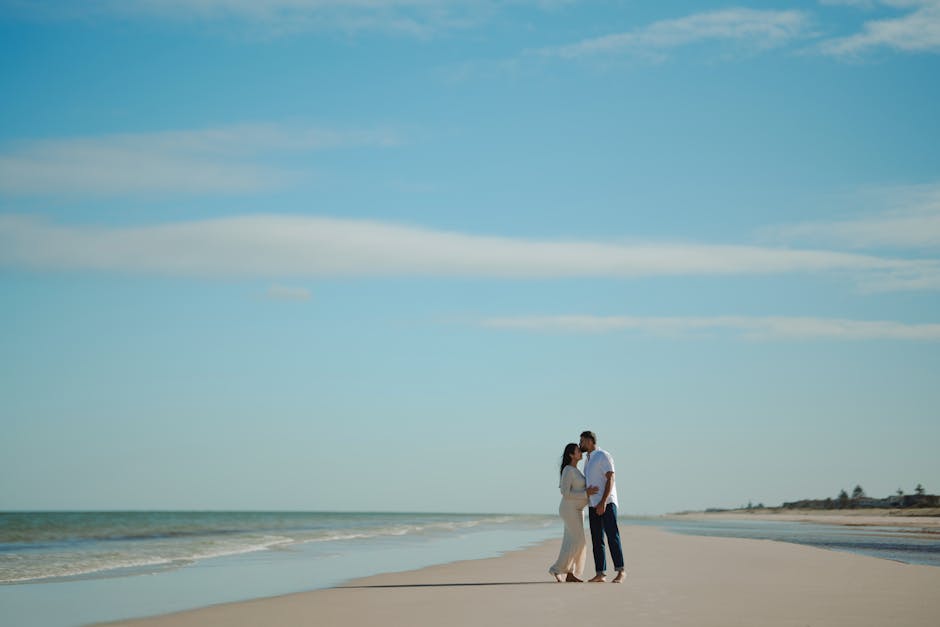
Summer is Adelaide’s peak tourist season, and for good reason — long sunny days, warm ocean temperatures, and the beginning of festival season create an irresistible combination. However, the heat can be intense, and accommodation prices reflect the high demand. December brings average highs of 27°C, building to January’s peak of 29-30°C. February remains hot at 28-30°C but marks the exciting start of the Adelaide Fringe and Adelaide Festival. Rainfall is minimal during summer, with December through February averaging just 20-25mm per month, making outdoor plans extremely reliable.
December: Festive Summer Beginnings
December is a wonderful time to visit Adelaide, combining warm weather with festive celebrations before the peak holiday rush. Average temperatures range from 16°C to 27°C, with long daylight hours extending past 8:30pm. The Adelaide Christmas Pageant, one of the world’s oldest and largest Christmas parades, typically takes place in mid-November, while December itself brings Christmas markets, festive light displays, and outdoor cinema screenings in the parklands. School holidays begin in mid-December, so visiting in the first two weeks offers better value and fewer crowds at popular attractions. The Adelaide beaches begin their summer season in earnest, with water temperatures climbing to a comfortable 19-21°C.
January: Peak Summer Heat and Holiday Energy
January is Adelaide’s hottest month, with average highs of 29-30°C and occasional heatwaves pushing past 40°C. While the heat can be challenging for sightseeing, it’s perfect for beach days along the metropolitan coastline from Glenelg to Semaphore. The Santos Tour Down Under, a major international cycling event, takes place in January and brings festive village atmospheres to Adelaide and surrounding regions. Ocean temperatures peak at 21-23°C, making swimming and water sports ideal. January is peak season for accommodation prices, so booking well in advance is essential. If you’re heat-sensitive, consider scheduling outdoor activities for early morning or late afternoon and spending midday hours in air-conditioned museums and galleries along North Terrace.

February: Festival Season Ignites
February transforms Adelaide into the cultural capital of Australia as the Adelaide Fringe kicks off its six-week season. Average temperatures of 17-29°C remain warm but are slightly more comfortable than January. The Fringe brings thousands of performers and hundreds of thousands of attendees to the city, with pop-up venues, outdoor entertainment precincts, and a buzzing energy that’s palpable on every street corner. This is arguably the best time to visit Adelaide if arts and entertainment are your priority. Accommodation demand is extremely high during Fringe season, so booking three to six months ahead is strongly recommended. The Adelaide events calendar is at its most packed during February.
Autumn in Adelaide (March to May)
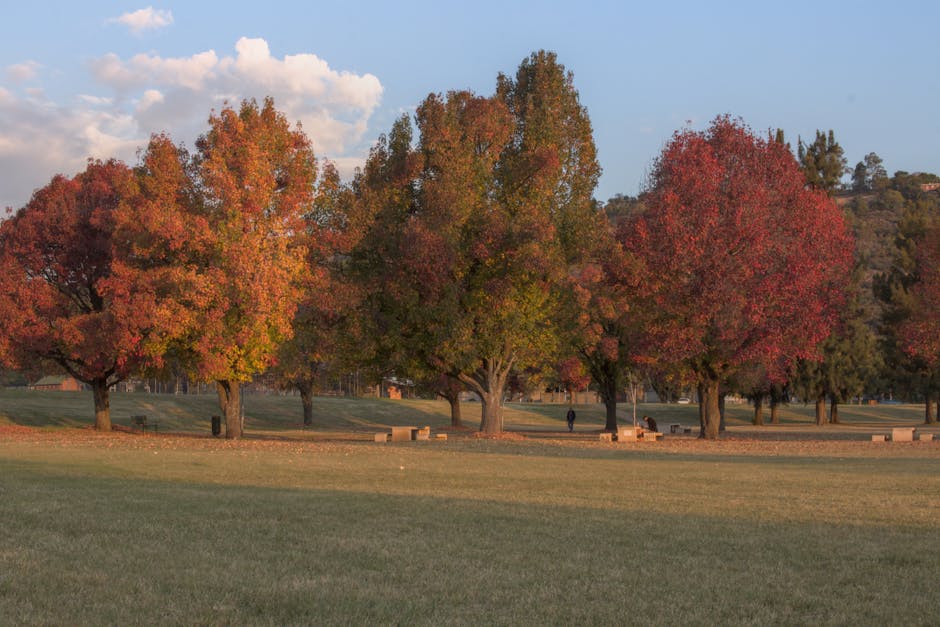
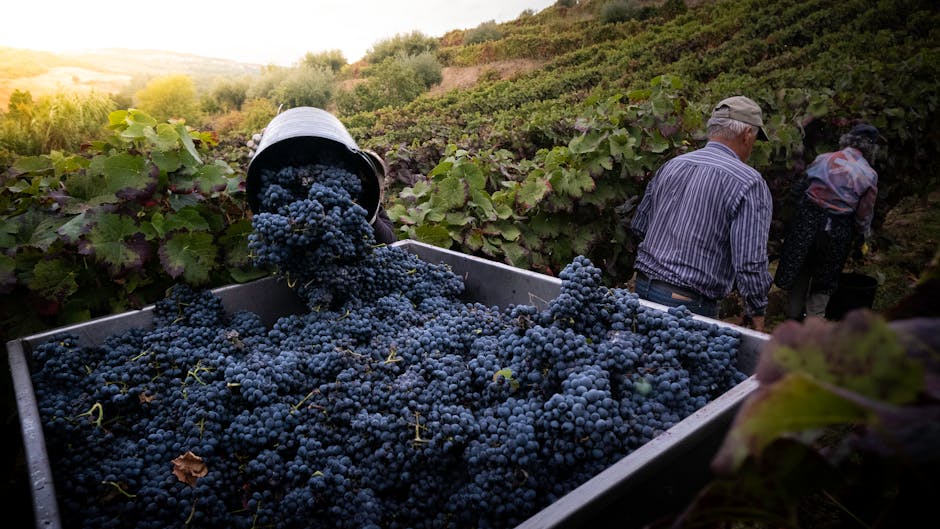
Autumn is widely considered the best time to visit Adelaide for overall value, combining pleasant weather, reduced crowds, and a rich calendar of food and wine events. The summer heat mellows into comfortable warmth, the wine regions come alive with harvest activities, and accommodation prices drop from their summer peaks while still offering ideal conditions for outdoor exploration.
March: The Golden Month
March is often cited as the single best time to visit Adelaide, and it’s easy to see why. Average temperatures of 15-27°C are comfortable for every type of activity, the Adelaide Festival and WOMADelaide deliver world-class arts and music experiences, and the tail end of the Fringe keeps the city vibrant. Vintage season in the Barossa Valley, McLaren Vale, and Adelaide Hills means wine region visits are particularly rewarding, with many cellar doors offering harvest experiences and special tastings. The autumn light creates stunning photography conditions, especially in the Adelaide Hills and along the coast. Rainfall remains low at around 26mm for the month.
April: Harvest Season and Comfortable Weather
April brings Adelaide’s most universally comfortable weather, with temperatures ranging from 12-23°C and increasing cloud cover adding dramatic skies to the landscape. This is prime day trip season, with conditions perfect for exploring the Adelaide Hills, wine regions, and coastal towns without the summer heat or winter chill. Tasting Australia, Adelaide’s premier food and wine festival, often falls in April, showcasing the best of South Australian produce alongside international culinary talent. Accommodation prices are at shoulder-season levels, offering genuine value compared to the summer peak. The grape harvest continues in cooler-climate wine regions, and autumn foliage in the Adelaide Hills creates picturesque scenery.
May: Late Autumn Charm
May signals the transition to winter with cooler days averaging 10-19°C and increasing rainfall averaging around 60mm. However, this is still a rewarding time to visit Adelaide, with the South Australian History Festival running month-long programming across hundreds of venues. The wine regions are beautifully quiet, making it an ideal time for intimate cellar door experiences without the crowds. Adelaide’s restaurant scene shifts to hearty autumn menus showcasing seasonal produce, and the city’s cosy bars and wine lounges come into their own as evenings grow cooler. Accommodation prices drop to their most affordable levels, making May excellent for budget-conscious travellers.
Winter in Adelaide (June to August)
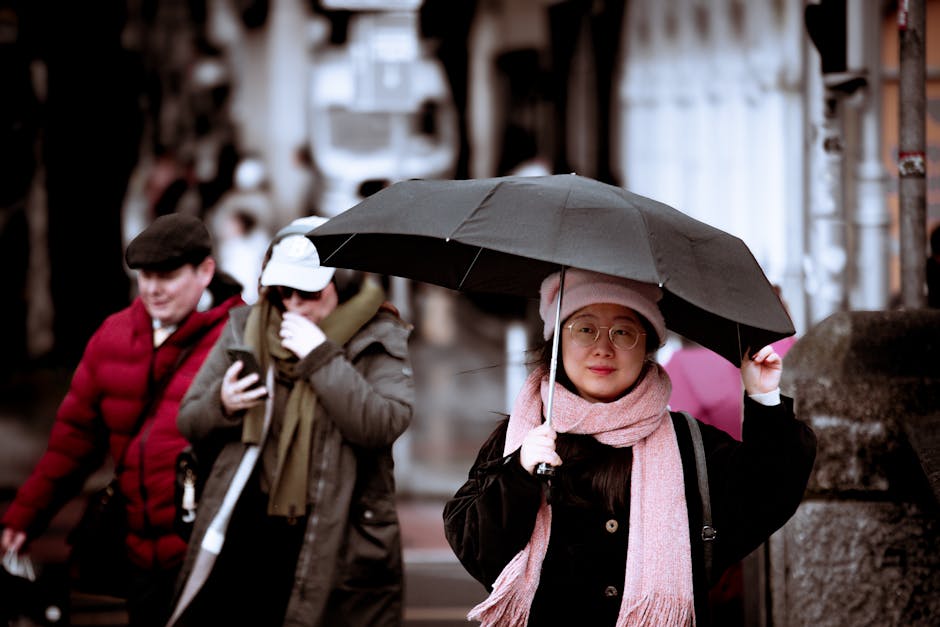
Winter is Adelaide’s off-season, bringing cooler temperatures, increased rainfall, and shorter days. While not the conventional best time to visit Adelaide, winter offers genuine advantages for certain types of travellers — budget seekers, wine enthusiasts, whale watchers, and those who prefer exploring museums and galleries without the crowds.
June: Early Winter and Whale Season Begins
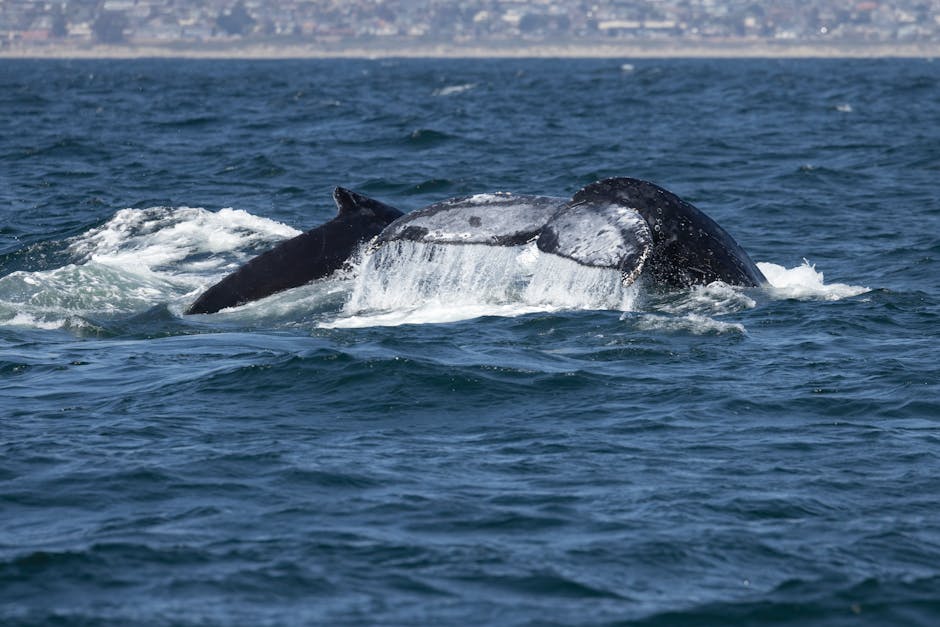
June marks the start of winter with average temperatures of 8-16°C and the highest monthly rainfall averaging around 80mm. However, June brings one of South Australia’s most spectacular natural events — the arrival of Southern Right Whales along the coastline. Victor Harbor and the Fleurieu Peninsula become prime whale watching destinations, with these magnificent creatures often visible from shore. The Adelaide Cabaret Festival, the world’s largest annual cabaret festival, runs in June and provides an excellent reason to brave the cooler weather. Many hotels offer their lowest annual rates in June, making luxury accommodation surprisingly affordable.
July: Deep Winter
July is Adelaide’s coldest and wettest month, with temperatures averaging 7-15°C and rainfall around 68mm. This is far from the best time to visit Adelaide for outdoor activities, but the city’s indoor attractions — world-class museums, galleries, and restaurants — are at their most comfortable and uncrowded. The Adelaide Hills receive occasional snowfall at higher elevations, creating a rare and photogenic spectacle for Australia. Wine regions offer intimate tasting experiences with cellar door staff who have more time to share their knowledge and stories. If you’re getting around Adelaide in winter, the city’s compact layout and covered walkways between attractions make rain manageable.
August: Late Winter, Spring Approaching
August sees the first signs of spring approaching, with slightly longer days and temperatures beginning to climb back toward 8-17°C. Whale watching continues along the southern coast, and the Barossa Valley begins gearing up for its spring events season. Rainfall starts to decrease compared to June and July, and occasional warm sunny days provide a welcome preview of the coming season. August is an excellent month for budget travel, with accommodation prices remaining at their winter lows while conditions begin to improve. The Adelaide nightlife scene thrives in winter as locals seek warm indoor entertainment venues.
Spring in Adelaide (September to November)
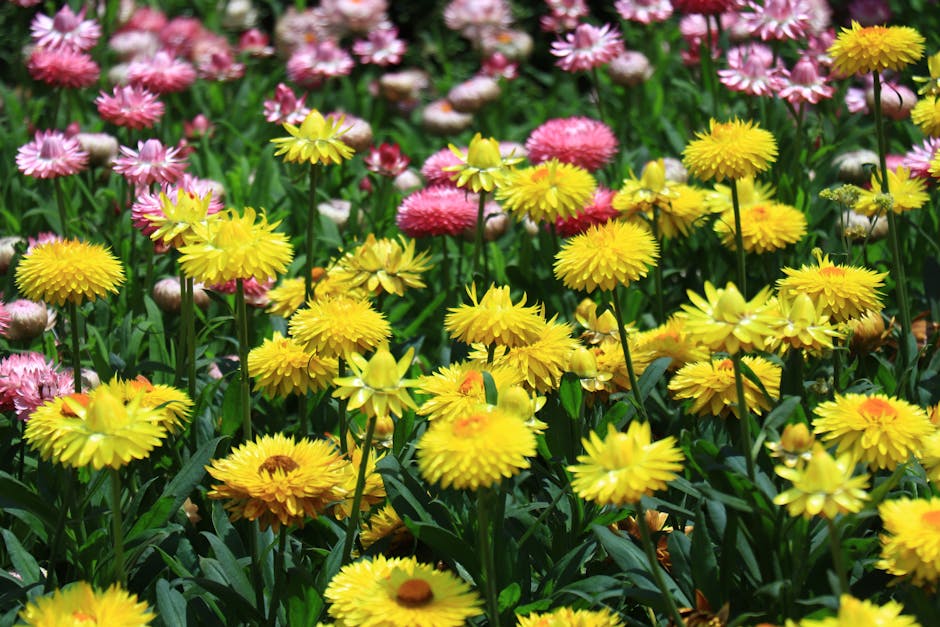
Spring rivals autumn as the best time to visit Adelaide, with warming temperatures, blooming landscapes, and an energetic events calendar that signals the city’s emergence from winter. The combination of pleasant weather, moderate pricing, and excellent festivals makes spring particularly attractive for first-time visitors.
September: Spring Awakening
September brings Adelaide back to life with average temperatures of 10-19°C and decreasing rainfall. The Royal Adelaide Show, South Australia’s largest annual event, typically runs in September and combines agricultural exhibitions with entertainment, rides, and food experiences. Wildflowers begin blooming across the Adelaide Hills and Flinders Ranges, creating spectacular displays for bushwalkers and photographers. The wine regions emerge from their winter dormancy with new vintage releases and spring event programming. September represents excellent value, with shoulder-season pricing and increasingly reliable weather for outdoor activities.
October: Perfect Conditions
October may be the best time to visit Adelaide for travellers who want pleasant weather without the crowds and prices of summer. Average temperatures of 12-22°C are ideal for hiking in the Adelaide Hills, exploring wine regions, and enjoying outdoor dining without the oppressive heat that summer can bring. The OzAsia Festival celebrates Asian arts and culture with a programme of performances, exhibitions, and food events. The Feast Festival provides LGBTQ+ arts and cultural programming. Spring wildflowers reach their peak in the Flinders Ranges, and garden lovers will find the Adelaide Botanic Garden at its most colourful. Rainfall is moderate at around 40mm, and sunny days become increasingly frequent.
November: Late Spring Warmth
November brings summer-preview weather with temperatures averaging 14-25°C and low rainfall of around 30mm. This is the last month of shoulder-season pricing before the summer peak begins in December, making it an excellent time to visit Adelaide for value-conscious travellers who still want warm, sunny conditions. The Tarnanthi festival of contemporary Aboriginal art continues at AGSA, and outdoor events begin ramping up for the approaching summer season. Beach swimming becomes viable as ocean temperatures climb, and the long evenings create perfect conditions for rooftop bar sessions and sunset coastal walks. November is arguably the best time to visit Adelaide for families with children, offering warm weather without the extreme heat and school-holiday crowds of January.

Best Time to Visit Adelaide: Quick Comparison Guide
To summarise the best time to visit Adelaide for specific interests: visit in February-March for festivals and cultural events, March-May for wine region experiences and comfortable sightseeing weather, June-August for budget travel and whale watching, September-November for wildflowers and perfect outdoor conditions, and December-January for beach holidays and summer celebrations. Each season brings something special, and Adelaide’s year-round sunshine means there’s genuinely no bad time to visit — just different times that suit different priorities.

Packing Essentials by Season
What you pack for Adelaide depends heavily on when you visit. Adelaide’s climate varies dramatically across the year, and being prepared ensures you enjoy every moment of your trip without weather-related setbacks. Here’s a comprehensive season-by-season packing guide for anyone planning the best time to visit Adelaide around their wardrobe and comfort preferences.
Summer (December–February): Pack lightweight, breathable clothing in natural fabrics like cotton and linen. A wide-brimmed hat, quality sunglasses, and SPF 50+ sunscreen are essential — Adelaide’s UV index regularly exceeds 11 during summer, among the highest in the world. Bring a reusable water bottle (Adelaide’s tap water is safe to drink), comfortable walking shoes, and a light cardigan for air-conditioned venues. If you plan to visit the beaches at Glenelg or Henley, bring swimwear and reef-safe sunscreen. A light rain jacket can be useful for rare summer storms.
Autumn (March–May): Layering is key during autumn in Adelaide. Mornings can be cool at 12-15°C before warming to pleasant 20-25°C afternoons. Pack a mix of t-shirts, long-sleeve tops, and a medium-weight jacket. Closed-toe walking shoes are ideal for vineyard visits and bushwalking. An umbrella becomes more useful from April onward as rainfall begins to increase. If visiting during the Vintage Festival (odd-numbered years), smart-casual attire is appropriate for winery events.
Winter (June–August): Adelaide’s winters require a warm waterproof jacket, layered clothing, and sturdy waterproof footwear. Average temperatures sit around 8-16°C, but wind chill near the coast can make it feel colder. Pack scarves, gloves if you’re sensitive to cold, and thermals if you plan to visit the Adelaide Hills where temperatures drop several degrees below the city. An umbrella is essential — winter sees Adelaide’s heaviest rainfall. Despite the cooler weather, many visitors find this the best time to visit Adelaide for cosy cellar door experiences in the Barossa Valley and McLaren Vale.
Spring (September–November): Spring packing mirrors autumn — layers are your best friend. Start with warmer layers in September and transition to lighter options by November. Allergy sufferers should pack antihistamines, as Adelaide’s parks and gardens produce significant pollen during spring. Pack comfortable shoes for garden walks and festival hopping, and don’t forget a rain jacket for September showers. By November, you’ll want to add sunscreen back to your daily essentials.
Adelaide Weather Compared to Other Australian Cities
Understanding how Adelaide’s climate compares to other Australian destinations helps travellers set realistic expectations and pick the best time to visit Adelaide relative to their wider Australian itinerary.
Compared to Melbourne, Adelaide enjoys around 20% more sunshine hours annually and experiences far less of Melbourne’s notorious “four seasons in one day” variability. Adelaide’s summer heat is drier and more predictable, though both cities experience occasional extreme heatwaves. Melbourne averages 648mm of rainfall annually compared to Adelaide’s 547mm, and Adelaide’s rain tends to fall more predictably during winter months rather than being spread unpredictably throughout the year.
Compared to Sydney, Adelaide is notably drier and has more distinct seasons. Sydney’s subtropical humidity makes summer feel heavier, while Adelaide’s Mediterranean dry heat is easier to manage at similar temperatures. Adelaide’s winter is marginally cooler than Sydney’s, but not enough to deter visitors. Where Sydney and Adelaide differ most is cost — Adelaide consistently ranks as one of Australia’s most affordable capital cities for tourists, with accommodation, dining, and attractions costing 20-35% less than equivalent options in Sydney.
Compared to Perth, Adelaide shares a similar Mediterranean climate pattern but with slightly cooler averages year-round. Both cities enjoy long, dry summers and mild, wet winters. Adelaide has the edge in accessibility, sitting within a two-hour drive of multiple world-class wine regions — Barossa Valley, McLaren Vale, Clare Valley, and the Adelaide Hills — making it superior for wine-focused itineraries regardless of season.
Frequently Asked Questions
What is the best month to visit Adelaide?
March is widely considered the single best time to visit Adelaide. It offers comfortable temperatures of 15-27°C, the tail end of festival season, wine harvest activities, beautiful autumn light, and the transition from peak to shoulder-season pricing. October is an equally strong choice for those who prefer spring conditions.
When is the cheapest time to visit Adelaide?
June to August offers the lowest accommodation prices and airfare deals. While winter weather is cooler and wetter, the savings can be substantial — luxury hotels that charge $350-500 per night in summer often drop to $180-250 in winter. May and September also offer good value as shoulder-season months.
Is Adelaide too hot in summer?
Adelaide can experience extreme heat in January and February, with heatwaves occasionally pushing temperatures above 40°C for several consecutive days. However, most summer days are manageable at 28-32°C, and the dry heat is more comfortable than the humid summers in Sydney and Brisbane. Air conditioning is universal in hotels, restaurants, and attractions, and the beaches provide a natural cooling option.
When is festival season in Adelaide?
Adelaide’s major festival season runs from mid-February through mid-March, when the Adelaide Fringe, Adelaide Festival, and WOMADelaide overlap. The Santos Tour Down Under takes place in January, the Adelaide Cabaret Festival in June, the Royal Adelaide Show in September, and OzAsia in October-November. The best time to visit Adelaide for festivals specifically is the last two weeks of February through the first two weeks of March.
Does Adelaide get cold in winter?
Adelaide’s winters are mild by global standards, with daytime temperatures typically around 14-16°C and overnight lows of 7-8°C. Frost is rare in the city, though the Adelaide Hills can experience colder conditions. Compared to European or North American winters, Adelaide’s winter is very moderate, though you’ll want layers and a waterproof jacket for the increased rainfall.
Timing matters more here than in most Australian cities, because February and March turn a quiet capital into a festival town and January can be brutally hot. Our honest answer to is Adelaide worth visiting weighs that seasonality against everything else, and says who should come and who should not.