Navigating a new city can be daunting, but Adelaide’s public transport system is refreshingly straightforward, affordable, and efficient. Whether you’re a visitor exploring for a few days or a new resident finding your feet, this comprehensive guide covers everything you need to know about getting around Adelaide by bus, tram, and train in 2026.
Adelaide’s public transport network is operated by Adelaide Metro, covering the greater metropolitan area with an integrated system of buses, trams, and trains. The system is designed around a central hub model, with most services radiating from the CBD. With a MetroCard in hand and a bit of insider knowledge, you can reach virtually every corner of the city and its suburbs quickly and cheaply.
The MetroCard System: Your Key to Affordable Travel
The MetroCard is Adelaide’s reloadable smartcard and the single most important investment you’ll make for public transport. Available for purchase at over 100 retail outlets across Adelaide including newsagents, post offices, and the Adelaide Metro InfoCentre on King William Street, the card costs just $5 and can be reloaded with credit as needed.
Why is the MetroCard essential? The fare difference is dramatic. A regular adult MetroCard fare costs $3.98 per trip in peak hours (and $2.20 off-peak), compared to $5.98 for a single cash ticket purchased onboard. That’s a saving of over 33% per journey. For frequent travellers, there’s also a daily cap — after two paid trips in a day, any additional travel is free. The MetroCard also provides free transfers within a 2-hour window from your first tap-on, meaning you can switch between buses, trams, and trains without paying again.
MetroCards come in several varieties: the standard adult card, concession cards (for students, seniors, and healthcare card holders at roughly half-price fares), and visitor cards. For tourists planning to stay more than 4 days, the 28-day MetroCard offers exceptional value — unlimited travel within the validity period at a set price. Children under 5 travel free at all times.
FREE Travel Options in Adelaide
One of Adelaide’s best-kept secrets is the amount of free public transport available right in the heart of the city. Savvy visitors can explore extensively without spending a cent on transport.
Free Tram Zone
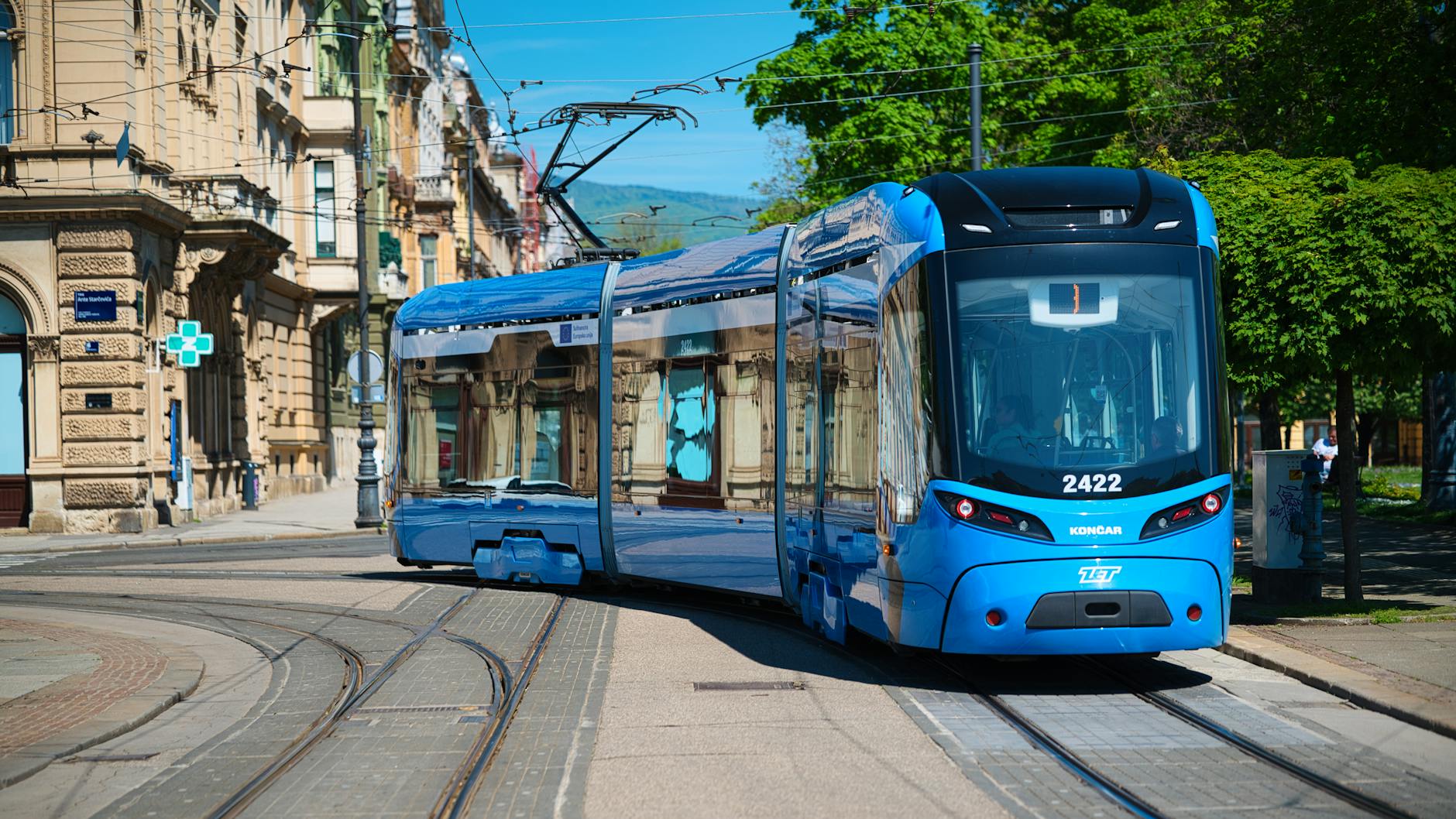
The Adelaide tram network offers completely free travel between the Entertainment Centre stop (at the northern end) and South Terrace (at the southern end). This free zone covers the entire CBD stretch, passing through key stops including Adelaide Railway Station, Rundle Mall, Victoria Square, and the Central Market precinct. You simply hop on and off without tapping any card — no ticket required within this zone. The trams run every 5-8 minutes during peak hours, making them incredibly convenient for moving around the city centre.
99C Free City Connector Bus
The 99C City Connector is a free bus loop that circuits the CBD and North Adelaide. Running every 15 minutes on weekdays and every 30 minutes on weekends, this service connects major attractions including the Central Market, Rundle Mall, the Adelaide Oval, North Terrace’s cultural institutions, and the East End. It’s an excellent way to cover ground between attractions without walking in the summer heat or winter chill. Look for the distinctive free connector bus stops marked clearly throughout the CBD.
The Glenelg Tram: Adelaide’s Iconic Beach Connection
The tram to Glenelg is perhaps Adelaide’s most famous public transport route, and for good reason. Running from the CBD’s Victoria Square directly to the golden sands of Glenelg Beach, this 30-minute journey is both practical transport and a scenic experience. The trams depart every 8-15 minutes throughout the day (more frequently during peak hours) and follow a dedicated corridor through the southwestern suburbs.
Remember that travel within the CBD free zone is free, but once you pass South Terrace heading towards Glenelg, standard MetroCard fares apply. The route passes through several residential suburbs including Goodwood, Plympton, and Morphettville before reaching the best beaches Adelaide at Glenelg terminus, just steps from Moseley Square and the beachfront.
Pro tip: Sit on the left side heading to Glenelg for the best views as you approach the coast. The tram runs until approximately 11:30pm on most nights, giving you plenty of time for a beachside dinner before heading back to the city.
Adelaide’s Train Network: Lines and Destinations
Adelaide’s train network consists of six lines radiating from the Adelaide Railway Station on North Terrace. Trains are modern, air-conditioned, and generally run every 15-30 minutes during peak hours. Here’s your complete guide to each line:
Seaford Line (Southern Beaches)
The Seaford line runs south through Brighton, Hallet Cove, and down to Seaford. This is your gateway to Adelaide’s stunning southern beaches. Key stops include Brighton (35 minutes from city, close to the beach and jetty), Seacliff (beautiful beach with historic cliffs), and Hallett Cove (stunning geological formations and boardwalk). The line was fully electrified and modernised, offering fast and smooth travel.
Belair Line (Adelaide Hills)
The Belair line takes you into the picturesque Adelaide Hills, climbing through leafy suburbs like Mitcham, Blackwood, and finally Belair. The journey from the city takes about 40 minutes and provides access to Belair National Park — perfect for bushwalking and picnics. This line operates with diesel trains due to the hilly terrain and is popular with commuters living in the hills. On weekends, it’s a great way to access hiking trails without needing a car for your Mt Lofty waterfall gully hike.
Gawler Line (Northern Suburbs)
Running north through Elizabeth and into the historic township of Gawler, this is Adelaide’s longest train line. The journey takes approximately 50 minutes end-to-end. Gawler itself is a charming heritage town with cafes, antique shops, and the gateway to the Barossa Valley wineries — catch a connecting bus from Gawler to the Barossa for your Barossa Valley day trip.
Outer Harbor Line (Port Adelaide & Semaphore)
The Outer Harbor line services Adelaide’s historic port district, with stops at Port Adelaide (maritime heritage precinct, museums, and antique shops) and continuing to Outer Harbor/Semaphore. This line is essential for visitors wanting to explore Port Adelaide’s Maritime Museum, the famous Fishermen’s Wharf Market (Sundays), or the charming beachside suburb of Semaphore with its Art Deco cinema and seaside promenade. The journey takes about 30 minutes to Port Adelaide.
Tonsley Line
A shorter branch line serving the southern suburbs and the redeveloped Tonsley innovation precinct (home to Flinders University campus and tech startups). This line shares track with the Seaford line for much of its journey before branching off at Clovelly Park.
The Bus Network: Connecting Every Corner
Adelaide’s bus network is extensive, with hundreds of routes covering virtually every suburb in the metropolitan area. Buses are the backbone of the public transport system, filling gaps between train lines and providing direct routes to destinations not served by rail. Most bus routes operate from early morning (around 5:30am) until 11pm on weekdays, with reduced services on weekends.
Key bus routes for visitors include the O-Bahn Busway (routes along the dedicated Northeast busway — one of the world’s fastest bus transit systems, reaching 100km/h on the guided track from the city to Tea Tree Plaza in just 15 minutes), the #600 bus to Glenelg (an alternative to the tram, running via different suburbs), and various routes connecting to Adelaide’s shopping centres, hospitals, and entertainment venues.
Bus stops are well-marked throughout Adelaide, and most major stops have electronic display boards showing real-time arrival information. On-board announcements and displays help you identify your stop. All metropolitan buses accept MetroCard tap-on/tap-off payments.
Travelling After Midnight: NightMover Services
Adelaide’s regular public transport services wind down around 11:30pm on most nights. However, for those enjoying Adelaide’s vibrant Adelaide nightlife, NightMover buses operate on Friday and Saturday nights (technically early Saturday and Sunday mornings). These limited services run from the city centre to selected suburban destinations between approximately midnight and 3am.
NightMover routes cover major corridors including routes to the north (Salisbury/Elizabeth), south (Marion/Noarlunga), east (Norwood/Burnside), and west (Henley Beach). Standard MetroCard fares apply, though these services run less frequently than daytime buses — typically every 30-60 minutes. Plan ahead and check the Adelaide Metro website for current NightMover timetables, as routes can change seasonally.
For nights when NightMover doesn’t suit your plans, rideshare services like Uber and DiDi operate 24/7 in Adelaide, with typical CBD-to-suburbs fares ranging from $20-$50 depending on distance and surge pricing.
Accessibility on Adelaide’s Public Transport
Adelaide’s public transport system is increasingly accessible for passengers with disabilities, mobility challenges, and parents with prams. The city’s tram fleet is 100% low-floor, meaning wheelchair users and those with prams can board at platform level without assistance. All tram stops have tactile ground surface indicators for vision-impaired passengers.
The majority of Adelaide’s bus fleet is wheelchair-accessible, equipped with retractable ramps and designated wheelchair spaces. Drivers are trained to assist passengers who need help. When waiting at a stop, signal clearly to the driver that you need the ramp deployed. Priority seating near the front is reserved for elderly, disabled, and pregnant passengers.
Train stations vary in accessibility — most major stations have ramp or lift access to platforms, but some older suburban stations may have stairs only. The Adelaide Metro website provides detailed accessibility information for every station. Companion Card holders travel free when accompanying a person with a disability.
Essential Apps and Planning Tools
The Adelaide Metro app is your most valuable tool for navigating the public transport system. Available for both iOS and Android, it provides real-time vehicle tracking (see exactly where your bus or train is), trip planning (enter your start and end point for route suggestions), timetable access, and service disruption alerts. The app also shows live departures from your nearest stop using GPS.
Google Maps also integrates Adelaide Metro data, offering public transport directions with real-time information. For many visitors, this is the easiest option as it’s already familiar. Simply enter your destination and select the public transport option for route suggestions including walking directions to stops.
The Adelaide Metro website (adelaidemetro.com.au) is the official source for timetables, fare information, service changes, and MetroCard purchase locations. You can also plan trips, check accessibility information, and find details about special event services.
Tourist Tips and Money-Saving Strategies
For visitors to Adelaide, here are the best strategies to maximise your public transport experience while minimising costs:
Short visits (1-3 days): Purchase a standard MetroCard ($5) and load $20-30 credit. With the free tram zone, the free 99C connector, and the 2-hour transfer window, this will cover most tourist needs. Remember the daily cap means you’ll never pay for more than two trips per day.
Longer visits (4+ days): Consider the 28-day MetroCard for unlimited travel. This is particularly valuable if you plan to explore suburbs, beaches, and surrounding areas by train. The break-even point is typically around 5-6 days of active travel.
Travel off-peak when possible: Off-peak fares (weekdays 9:01am-3pm and after 7pm, plus all day weekends and public holidays) are significantly cheaper at $2.20 per trip compared to $3.98 peak. Since most tourist activities don’t require peak-hour travel, you’ll naturally benefit from lower fares.
Zones: Adelaide operates a simple zone system. The standard metropolitan zone covers virtually all tourist destinations including Glenelg, Port Adelaide, and most suburbs. Only travel to distant satellite cities (like the Barossa or Adelaide Hills beyond Belair) requires additional zone fares or separate regional services.
For a comprehensive overview of planning your Adelaide visit, see our Adelaide travel guide which covers accommodation, dining, and more alongside transport options.
Getting From the Airport to the City
Adelaide Airport is conveniently located just 7km from the CBD — one of the closest capital city airports to a city centre in Australia. The JetBus service (routes J1 and J2) connects the airport to the city centre in approximately 25-30 minutes, running every 15-30 minutes during the day. A standard MetroCard fare applies. The J1 runs to the city via West Beach and Henley Beach Road, while the J2 takes a slightly different route via Richmond Road.
Alternatively, taxis and rideshare services are readily available from the airport terminal, with fares to the CBD typically $25-35. For those staying in Glenelg, the airport is actually closer to the beach (about 10 minutes by car) than to the city centre.
Cycling and Active Transport Integration
Adelaide is one of Australia’s most bike-friendly cities, with an extensive network of cycling paths and on-road bike lanes. Public transport integrates well with cycling — you can take your bicycle on trains at any time for free (space permitting), and most bus routes have bike racks on the front of the vehicle (holds two bikes). Trams allow bikes in designated areas during off-peak times.
The Adelaide Free Bikes program (located at various points around the city) provides free bicycle loans for short trips. Additionally, electric scooter services operate throughout the CBD and inner suburbs, offering another option for the first/last kilometre of your journey.
Seasonal Considerations and Special Events
During major events like the Adelaide Fringe (February-March), Adelaide Festival, and major sporting events at Adelaide Oval, Adelaide Metro runs extended services and additional routes. Special event buses often operate from dedicated stops near venues, and tram services are typically extended to run later into the night. Check the Adelaide Metro website or app before attending major events for service details.
Summer weekends see increased services to beach suburbs, particularly Glenelg and Semaphore, reflecting demand. During extreme heat days (above 40°C), public transport may run on modified timetables for safety reasons. Air-conditioning on modern fleet vehicles makes public transport a comfortable option even in Adelaide’s hot summers.
Practical Tips for a Smooth Journey
Here are final practical tips to ensure your Adelaide public transport experience is seamless:
- Always tap on AND tap off with your MetroCard — failing to tap off results in being charged the maximum fare
- Keep your MetroCard away from mobile phones and other cards to prevent interference
- Arrive at bus stops 2-3 minutes before scheduled departure — buses aim to leave on time and won’t wait
- Peak hours are 7-9am and 4:30-6:30pm weekdays — expect crowded services during these times
- Signal the bus driver with a raised hand as the bus approaches your stop — drivers may not stop if no one signals
- Press the stop button on buses and trams well before your stop to alert the driver
- Regional services to the Barossa, Fleurieu Peninsula, and Adelaide Hills operate separately through LinkSA — different fares apply
- Wi-Fi is available on some newer trains and trams, though coverage can be patchy
With this knowledge in hand, you’re ready to navigate Adelaide like a local. The public transport system offers excellent coverage, remarkable value (especially with those free CBD options), and a relaxed way to explore one of Australia’s most liveable cities. For more on planning your perfect Adelaide visit, explore our guides to things to do in Adelaide and the best time to visit Adelaide.
Tips for Tourists Using Adelaide Public Transport
Visitors to Adelaide often underestimate how efficiently the public transport system can serve their sightseeing needs, particularly when armed with a few insider strategies. The visitor MetroCard strategy is straightforward but important to understand before arrival. Purchasing a MetroCard from the Adelaide Railway Station kiosk or selected retailers provides significantly cheaper fares than buying individual tickets, and the card works seamlessly across buses, trains, and trams. For stays of three days or more, the savings are substantial and the convenience of tap-on-tap-off travel eliminates the need to carry cash or navigate ticketing machines at every stop.
The best routes for sightseeing follow Adelaide’s major cultural and scenic corridors. The free City Connector bus service loops through the CBD, passing major attractions including the Central Market, North Terrace cultural precinct, and Rundle Mall. Beyond the free zone, the Glenelg tram provides a scenic twenty-five minute journey from the city centre to the beach, passing through leafy suburban streets and terminating at the popular seaside precinct. For those exploring the Adelaide Hills, the 864 bus service from Currie Street provides affordable access to Stirling and Mount Lofty without the need for a rental car.
Combining the free tram with paid services creates an efficient Adelaide public transport strategy for tourists covering multiple attractions in a single day. Start with the free tram to reach North Terrace museums, then transfer to a bus heading to the Botanic Gardens or Adelaide Oval precinct. Understanding that Adelaide Metro operates on a zone-based system helps visitors plan economical routes, with most tourist attractions falling within the metropolitan zone one area that offers the cheapest fare structure.
Weekend versus weekday differences significantly impact the tourist experience on Adelaide public transport. Weekend services run less frequently on most routes, typically every thirty minutes rather than the fifteen-minute weekday frequency on major corridors. However, weekend fares are cheaper, with a flat-rate day trip cap that makes unlimited travel extremely affordable on Saturdays and Sundays. Smart visitors plan their outer-suburban excursions for weekends to take advantage of these savings while keeping city-centre exploration for weekdays when services are more frequent.
Using transport apps transforms the Adelaide public transport experience from confusing to effortless. The Adelaide Metro app provides real-time arrival information, journey planning, and service alerts that prevent frustrating waits at stops. Google Maps integration means visitors can plan door-to-door journeys combining walking, bus, train, and tram segments with accurate timing. Setting up both apps before departure ensures connectivity issues at unfamiliar stops never derail a carefully planned sightseeing day.
Accessibility and Inclusive Transport Features
Adelaide’s public transport network has made considerable strides in accessibility, ensuring that visitors and residents with mobility challenges can navigate the city with confidence. All tram services operate low-floor vehicles with level boarding at every stop, eliminating the barriers that older public transport systems present to wheelchair users and those with mobility aids. The modern bus fleet increasingly features kneeling capability and dedicated wheelchair spaces, while railway stations on the main suburban lines have undergone progressive upgrades to include lifts, tactile indicators, and accessible toilet facilities.
The Adelaide Metro accessibility information service provides detailed guidance for passengers with specific needs, including audio announcements on all vehicles, real-time display screens at major stops, and dedicated companion travel policies that allow carers to ride free of charge. For visitors with vision impairments, the Adelaide public transport system offers talking bus stops at key locations, while the official app includes screen-reader compatibility that enables independent journey planning. These inclusive features reflect South Australia’s commitment to ensuring that public transport serves every member of the community regardless of ability.