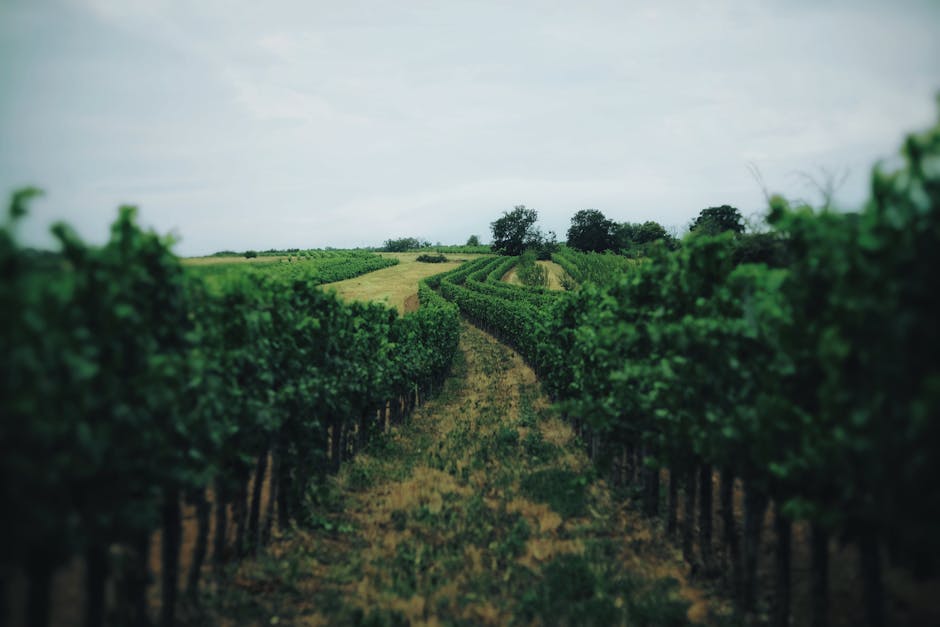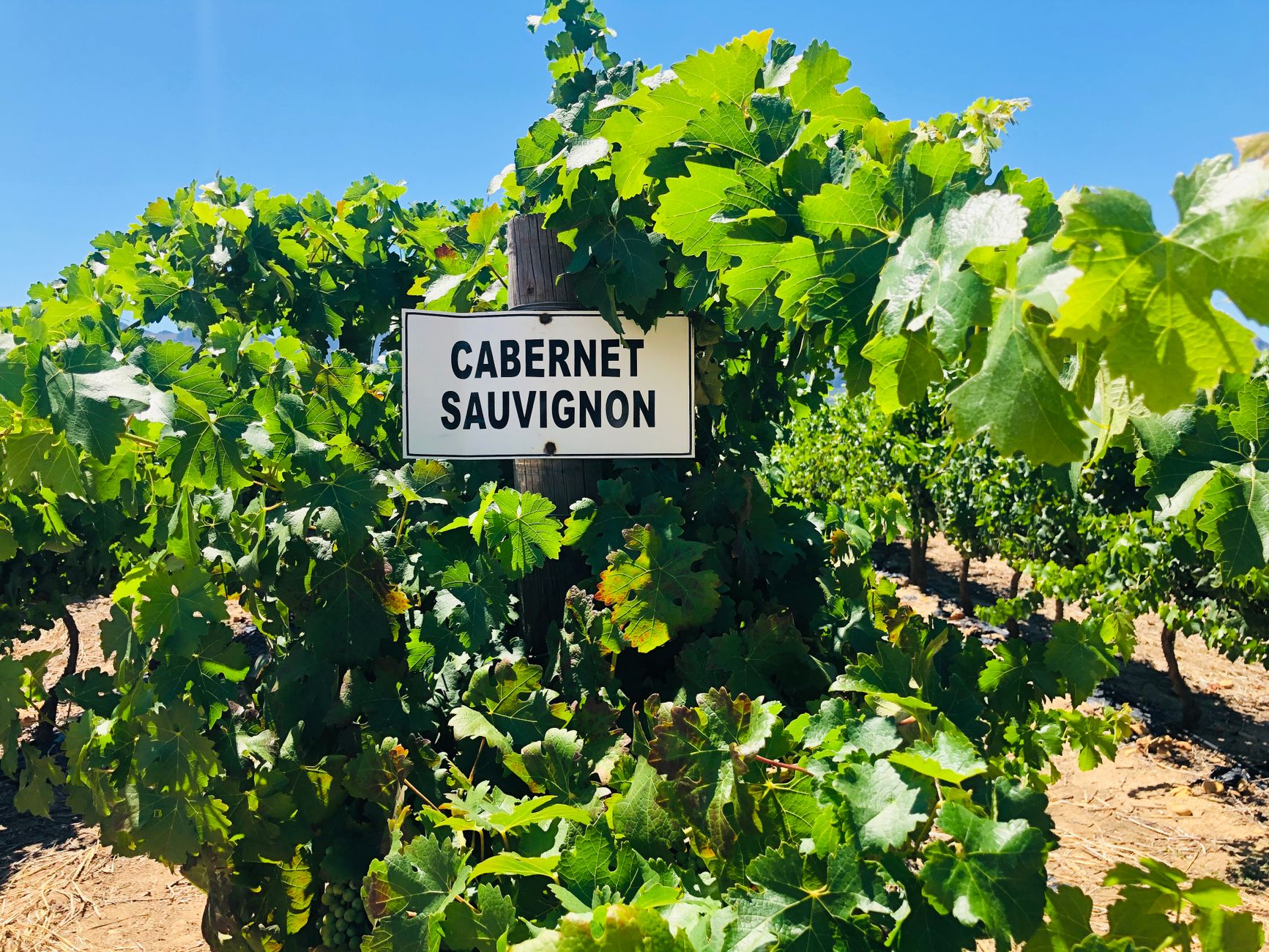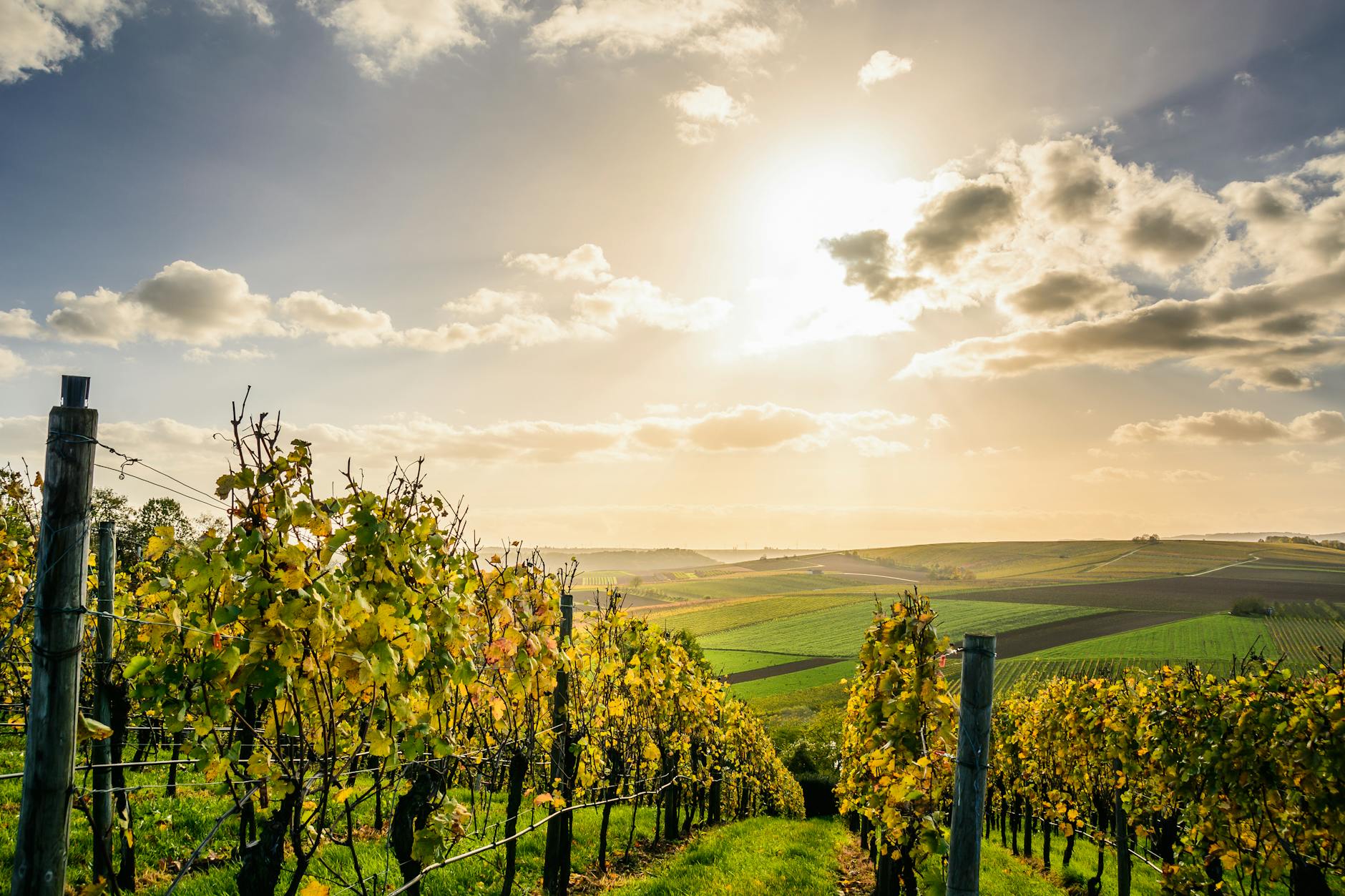
The Adelaide Hills wine region stands as one of Australia’s most celebrated cool-climate wine destinations, producing exceptional wines that have earned international acclaim. Nestled in the Mount Lofty Ranges just 20 minutes from Adelaide’s CBD, this picturesque region offers visitors an extraordinary combination of world-class wines, stunning scenery, and genuine hospitality that makes every cellar door visit memorable.
With more than 50 cellar doors and over 90 wineries scattered across rolling hills and winding country roads, the Adelaide Hills has established itself as a must-visit destination for wine enthusiasts and casual tourists alike. The region’s elevation, ranging from 350 to 700 metres above sea level, creates the perfect conditions for producing elegant, refined wines that express true varietal character.
Whether you are a seasoned oenophile seeking rare single-vineyard releases or a curious beginner looking to discover your palate preferences, the Adelaide Hills wine region delivers an experience that perfectly balances education, indulgence, and natural beauty. This comprehensive guide covers everything you need to know about exploring this remarkable wine destination in 2026.
Why Adelaide Hills Wine Region Stands Out
The Adelaide Hills wine region occupies a unique position in Australia’s viticultural landscape. Unlike the warmer Barossa Valley or McLaren Vale regions nearby, the Hills benefit from significantly cooler temperatures created by their elevation. This cool-climate environment extends the growing season, allowing grapes to develop complex flavours while maintaining the natural acidity that gives Adelaide Hills wines their distinctive freshness and elegance.
The region’s terroir is remarkably diverse, with varied soil types including ancient sandstone, clay, and loam creating different expressions of the same grape varieties from one vineyard to the next. Morning mists roll through the valleys, afternoon breezes moderate temperatures, and the diurnal temperature variation between warm days and cool nights helps grapes achieve optimal ripeness while preserving aromatic intensity.
For visitors from Adelaide, the proximity is extraordinary. You can leave the city centre and be tasting premium wines surrounded by beautiful countryside in just 15 to 20 minutes. This accessibility makes the Adelaide Hills perfect for half-day explorations, full-day wine tours, or extended stays combining multiple wine regions into an unforgettable South Australian wine journey.
Cool-Climate Varietals That Define the Region
The Adelaide Hills has become synonymous with several key grape varieties that thrive in its cool-climate conditions. Understanding these varietals helps visitors appreciate what makes this region special and guides cellar door choices.
Sauvignon Blanc
Adelaide Hills Sauvignon Blanc is arguably the finest expression of this variety produced anywhere in Australia. The cool climate allows the grapes to develop intense aromatics—think fresh-cut grass, passionfruit, citrus blossom, and flinty minerality—while maintaining crisp, zesty acidity. Shaw + Smith’s Sauvignon Blanc has long been considered the Australian benchmark, demonstrating what is possible when this variety finds its ideal home.
Chardonnay
From elegant, restrained styles fermented in stainless steel to complex, layered wines aged in French oak, Adelaide Hills Chardonnay showcases remarkable versatility. The best examples display stone fruit, white peach, and citrus characters layered with subtle oak influence and a mineral backbone that distinguishes them from warmer-region Chardonnays. Producers like Tapanappa, Shaw + Smith, and Ashton Hills consistently produce Chardonnays that rival premium Burgundy.
Pinot Noir
The Adelaide Hills is one of few Australian regions capable of producing truly world-class Pinot Noir. The variety demands cool conditions to develop its characteristic red fruit aromatics, silky tannins, and complex earthy undertones. Higher-altitude vineyards around Lenswood, Lobethal, and Piccadilly Valley produce Pinot Noirs with remarkable depth and elegance, with some producers creating wines that challenge the finest from Yarra Valley and Tasmania.
Shiraz
Forget the bold, full-bodied Shiraz of the Barossa Valley. Adelaide Hills Shiraz is an entirely different creature—elegant, medium-bodied, and peppery with lifted aromatics of dark cherry, violets, and spice. These wines share more in common with Northern Rhone Syrah than typical Australian Shiraz, offering a sophisticated alternative that pairs beautifully with food.
Top Wineries and Cellar Doors to Visit
With over 50 cellar doors open to the public, choosing where to visit can feel overwhelming. Here are the essential Adelaide Hills wineries that offer exceptional wine quality combined with memorable visitor experiences.
Bird in Hand
One of the Adelaide Hills most iconic wineries, Bird in Hand operates from a stunning 32-hectare family vineyard in Woodside. The cellar door experience is welcoming and informative, with knowledgeable staff guiding visitors through an impressive range that includes their acclaimed Nest Egg Chardonnay, flagship Two in the Bush Shiraz, and refreshing sparkling wines. The property also features beautiful gardens, a sculpture trail, and regular events including their famous Summer Concert Series.
Shaw + Smith
Founded by cousins Martin Shaw and Michael Hill Smith MW (Australia’s first Master of Wine), Shaw + Smith represents the pinnacle of Adelaide Hills winemaking. Their architecturally stunning cellar door at Balhannah offers tastings of their benchmark Sauvignon Blanc, M3 Chardonnay, and Lenswood Vineyard Pinot Noir. The tasting experience is refined yet relaxed, and the views across the vineyard to the surrounding hills are simply breathtaking.
Ashton Hills
Perched at 570 metres elevation in one of the region’s coolest sites, Ashton Hills produces exceptional Pinot Noir and sparkling wines. The estate vineyard was planted in 1982, making it one of the region’s pioneers. Their Reserve Pinot Noir is consistently rated among Australia’s finest, while the sparkling wines rival premium Champagne. The intimate cellar door offers a personal, unhurried tasting experience.
Golding Wines
The Golding family has farmed their Lobethal property since 1931, transitioning to viticulture in 2002. Today, their cellar door offers panoramic views across the Hills alongside a portfolio of wines that beautifully express their heritage site. The Sauvignon Blanc is exceptional, and their seasonal platter lunches paired with wine are among the best food experiences in the region.
Pike and Joyce
Combining the winemaking expertise of the Pike family (of Clare Valley fame) with the Joyce family’s stunning Lenswood vineyard, Pike and Joyce produces outstanding cool-climate wines from one of the Hills most picturesque properties. Their cellar door perches high in the Hills with sweeping views, and the wines—particularly the Pinot Noir and Gruner Veltliner—are consistently excellent.
The Lane Vineyard
Set among 75 hectares of vines at Hahndorf, The Lane Vineyard offers one of the most complete winery experiences in the Adelaide Hills. Their cellar door features an impressive wine range, while the on-site restaurant Gathering delivers exceptional modern Australian cuisine with vineyard views. The Block Series wines offer outstanding value, while the Reunion single-vineyard releases showcase the property’s finest parcels.
Deviation Road
Specialising in premium sparkling wines made using traditional Champagne methods, Deviation Road has carved out a distinctive niche in the Adelaide Hills. Their sparkling wines spend years on lees developing complexity, resulting in wines with fine persistent bubbles, toasty complexity, and elegant fruit characters. The cellar door at Longwood also produces excellent still wines, but the sparklings are the must-try experience.
Cellar Door Tasting Experiences
Most Adelaide Hills cellar doors charge a modest tasting fee ranging from $10 to $25 per person, which is typically waived with any wine purchase. This fee reflects the quality of wines being poured and ensures a premium experience rather than rushed pouring.
Standard tastings typically include 5 to 8 wines guided by knowledgeable staff who can explain the winemaking philosophy, vineyard characteristics, and food pairing suggestions. Many cellar doors also offer premium experiences including vertical tastings, barrel tastings, behind-the-scenes tours, and blending workshops for those wanting to dive deeper into the winemaking process.
- Standard tastings: $10-15 per person, typically 5-6 wines
- Premium tastings: $20-25 per person, featuring reserve and library wines
- Private experiences: $50-100 per person, including vineyard tours and barrel tastings
- Blending workshops: $75-150 per person at select wineries
- Wine and food matching: $35-60 per person with artisan platters
Winery restaurants and Food Experiences
The Adelaide Hills wine region has evolved far beyond simple cellar doors, with many wineries now offering exceptional dining experiences that showcase the region’s outstanding local produce alongside their wines. From casual vineyard platters to fine dining, the food scene complements the wine perfectly. For more food experiences, check our Adelaide restaurants and food guide.
The Lane Vineyard’s Gathering restaurant offers seasonal degustation menus paired with estate wines, while Golding Wines serves beautiful platters featuring local cheeses, charcuterie, and seasonal produce on their panoramic terrace. Bird in Hand’s on-site restaurant provides modern Australian cuisine in a garden setting, and Lot 100 in Hay Valley has become a destination in itself with its artisan food hall concept featuring local producers.
Beyond winery restaurants, the Adelaide Hills townships offer quality cafes, bakeries, and restaurants that draw on local produce. The villages of Stirling, Crafers, Aldgate, and Lobethal all feature dining options ranging from casual brunch spots to refined evening restaurants, providing varied meal choices for visitors exploring the region throughout the day.
Self-Drive Wine Trails and Routes
One of the greatest advantages of the Adelaide Hills wine region is the freedom to explore at your own pace via scenic self-drive routes. The winding roads connect charming townships, hidden cellar doors, and stunning viewpoints, making the journey between wineries almost as enjoyable as the tastings themselves.
The Piccadilly Valley Route
Starting from Crafers, this route winds through some of the region’s highest and coolest vineyard sites. Visit Petaluma, Ashton Hills, and Pike and Joyce before stopping at the Uraidla and Summertown villages for artisan food producers. The route offers spectacular views and passes through beautiful native bushland between cellar doors.
The Woodside and Lobethal Loop
This popular route combines the wineries around Woodside (Bird in Hand, Sidewood Estate) with the Lobethal area (Golding Wines, Tomich Wines). Along the way, stop at Woodside Cheese Wrights, Melba’s Chocolate Factory, and the various artisan producers that make this area a food lover’s paradise.
The Hahndorf Wine Trail
Combining wine tasting with a visit to Australia’s oldest surviving German settlement is one of the Adelaide Hills most popular experiences. Start with wineries like The Lane Vineyard and Hahndorf Hill Winery before exploring Hahndorf’s charming main street, historic buildings, and German-inspired restaurants. This combination makes for a perfect full-day outing from Adelaide.
Harvest Season: March to April
Visiting the Adelaide Hills during harvest season (typically March through April) offers a completely different experience. The vineyards buzz with activity as grapes are hand-picked in the cool morning hours, winery teams work around the clock processing fruit, and the air carries the intoxicating aroma of fermenting juice. Many wineries offer special harvest experiences during this period, including picking tours, crush pad visits, and first-taste opportunities.
The autumn colours that transform the Adelaide Hills during harvest are stunning—golden Chardonnay leaves, deep red Pinot Noir vines, and the general warmth of autumn light across the landscape create a photographer’s paradise. This is arguably the most atmospheric time to visit, though cellar doors can be busier with harvest activities.
For wine enthusiasts, harvest season provides rare opportunities to taste freshly pressed juice, observe winemaking decisions being made in real time, and understand the intense physical labour that underpins every bottle. Some wineries offer harvest lunch events where seasonal dishes are paired with current and previous vintage wines, celebrating the cyclical nature of viticulture.
Combining Adelaide Hills Wine with Other Experiences
The Adelaide Hills offers far more than wine, making it easy to create varied itineraries that combine cellar door visits with other attractions. The German village of Hahndorf sits in the heart of wine country, while the stunning Mount Lofty Botanic Garden provides a peaceful contrast to tasting rooms. For nature lovers, the region’s walking trails and wildlife encounters add another dimension to any Hills visit.
- Combine wineries with Hahndorf village exploration for a full-day experience
- Visit Mount Lofty Summit for panoramic views between cellar door appointments
- Explore the Cleland Conservation Park for native wildlife encounters
- Browse the Stirling, Crafers, and Aldgate village shops for unique finds
- Visit artisan producers including chocolatiers, cheese makers, and orchards
- Walk sections of the Heysen Trail through stunning Adelaide Hills bushland
Planning Your Adelaide Hills Wine Visit
Planning ahead ensures you make the most of your Adelaide Hills wine experience. Here are essential tips for organising your visit in 2026.
Getting There
The Adelaide Hills wine region begins just 15-20 minutes from Adelaide’s CBD via the South Eastern Freeway or Mount Barker Road. Most cellar doors are located within a 30-minute radius of Stirling or Hahndorf. If you are not driving, numerous wine tour operators offer full-day guided experiences with pickup and drop-off from city hotels.
Best Time to Visit
The Adelaide Hills is a year-round destination, with each season offering something special. Spring (September to November) brings wildflowers and new growth, summer (December to February) offers long warm days perfect for outdoor tastings, autumn (March to May) delivers harvest excitement and stunning colours, while winter (June to August) provides cosy cellar door fires and fewer crowds.
How Many Wineries in a Day
For a relaxed experience, plan to visit 4 to 5 cellar doors across a full day. This allows adequate time for each tasting (30 to 45 minutes), travel between wineries, a proper lunch stop, and perhaps a short walk or village browse. Trying to fit in more than 6 wineries typically results in palate fatigue and a rushed experience.
Wine Tour Operators
If you prefer not to drive, several excellent tour operators offer guided Adelaide Hills wine experiences. These typically include hotel pickup, visits to 4-5 wineries, a gourmet lunch, and informative commentary about the region. Tour prices generally range from $150 to $250 per person and represent good value considering the tasting fees, lunch, and transport included.
Accommodation in the Adelaide Hills
For those wanting to extend their wine experience beyond a day trip, the Adelaide Hills offers charming accommodation options ranging from luxury boutique hotels to cosy bed and breakfasts and self-contained cottages. Staying overnight allows you to enjoy evening dining at winery restaurants, explore quieter cellar doors at a leisurely pace, and wake to misty Hills mornings. Browse our accommodation guide for recommended options in the region.
The towns of Stirling, Crafers, Hahndorf, and Woodside all offer quality accommodation within easy reach of major cellar doors. Many properties provide wine-focused packages including cellar door vouchers, gourmet hampers, and transport arrangements to ensure a safe and enjoyable wine touring experience.
For a truly special experience, several wineries offer on-site accommodation that immerses guests completely in the vineyard environment. Waking to views across rows of vines, enjoying a private tasting before the cellar door opens to the public, and walking through the vineyard at dawn or dusk creates an intimate connection with the land that day visitors simply cannot replicate.
Adelaide Hills Wine Region: Practical Information
- Most cellar doors open 10am to 5pm daily, some by appointment only on weekdays
- Tasting fees range from $10-25, often waived with purchase
- Designated driver services and wine tour operators available
- Many wineries ship Australia-wide; some offer international shipping
- Family-friendly wineries include Bird in Hand, The Lane, and Golding Wines
- BYO picnics welcome at many wineries (check individual policies)
- Mobile phone coverage is generally good throughout the region
- Visit Visit Adelaide Hills for current events and cellar door information
- The South Australia tourism website offers trip planning resources
Final Thoughts
The Adelaide Hills wine region represents everything that makes South Australian wine tourism exceptional—outstanding wines, stunning scenery, genuine hospitality, and remarkable accessibility from the city. Whether you are planning a quick afternoon escape or a multi-day wine immersion, the Adelaide Hills delivers experiences that create lasting memories and a deeper appreciation for cool-climate Australian wines. Start planning your visit today and discover why this region continues to win hearts and awards in equal measure. For a broader view of South Australia’s wine regions, visit our comprehensive Adelaide wine regions guide.
Planning Your Adelaide Hills Wine Day
A successful Adelaide Hills wine day requires a little planning but rewards you with one of South Australia’s most memorable experiences. Start by choosing a route — the Basket Range loop takes you through some of the most scenic vineyard country, while the Piccadilly Valley corridor concentrates several premium producers within a short drive of each other. Most cellar doors open between 11am and 4pm or 5pm, though some operate weekends only, so always check individual websites before setting out.
For first-time visitors, we recommend limiting your tasting to four or five wineries in a single day. This allows enough time to properly appreciate each producer’s wines, engage with cellar door staff who are often the winemakers themselves, and enjoy the stunning natural scenery between stops. Tasting fees typically range from $10 to $25 per person and are usually waivable with a bottle purchase — an excellent incentive to take home your favourites. Many cellar doors also offer premium or reserve tastings for $30 to $50 that include library vintages and limited-release wines not available elsewhere.
Transport options abound for those who prefer not to drive. Several operators run half-day and full-day wine tours from Adelaide, with prices typically ranging from $89 to $180 per person including tastings and a winery lunch. These tours handle all logistics and provide expert commentary on the region’s winemaking traditions. Alternatively, hiring a private driver through services like Adelaide Hills Wine Tours gives your group complete flexibility to customise the itinerary. Rideshare services like Uber and Didi also operate in the Adelaide Hills, though wait times can be longer in rural areas during off-peak periods.
The harvest season from late February through April transforms the Adelaide Hills into a hive of activity. Vintage festivals, special cellar door events, and the intoxicating aroma of fermenting grapes create an atmosphere unlike any other time of year. Autumn also brings spectacular foliage colour changes to the region’s deciduous trees, making the winding roads between wineries a photographer’s paradise. Spring (September to November) offers wildflower displays and the first release of new-vintage whites, while winter’s cosy cellar doors, open fires, and hearty food menus make for a romantically atmospheric wine-touring experience.